Top 10 Natural Monuments around Parque Nacional de Monfragüe
Best natural monuments around Parque Nacional de Monfragüe are found in a landscape shaped by the Tagus and Tiétar rivers. This Spanish national park, located in Cáceres, features holm oaks, cork trees, and impressive rock formations. It is recognized as a UNESCO Biosphere Reserve and a Special Protection Area for birds, offering diverse ecosystems. The park's terrain includes gentle mountains and dramatic river gorges.
Best natural monuments around Parque Nacional de Monfragüe
- The most popular natural monuments is View from…
Last updated: July 10, 2026
The Gypsy's Leap
Highlight • Natural Monument
Translated by Google •
Tip by

View from Cerro Gimio
Highlight • Viewpoint
Translated by Google •
Tip by

Sign up now to discover places like this
Get recommendations on the best single tracks, peaks, & plenty of other exciting outdoor places.
Sign up for free
Confluence of the Tagus and Tiétar rivers
Highlight • River
Showing Translation
Tip by

Serrano Viewpoint
Highlight • Viewpoint
Translated by Google •
Tip by

Garganta del Fraile
Highlight • Waterfall
Translated by Google •
Tip by

Sign up for free to discover even more natural monuments around Parque Nacional de Monfragüe.
Sign up for free
Already have an account?
Start today with a free account
Your next adventure awaits.
Login or Signup
Popular around Parque Nacional de Monfragüe
Other adventures around Parque Nacional de Monfragüe

Tips from the Community

Popular viewpoint and not for nothing, beautiful and many different birds of prey to see. From here also runs a hiking trail to Monfragüe castle.
10
1

Beautiful viewpoint and especially in the afternoon, many birds can be seen
2
1
The highlight of Monfrague and lots of birds, especially in the afternoon when the thermals are optimal.
0
0
CENTRAL point where the 2 large rivers meet, there is ample parking to admire the natural splendor.
10
1

Beautiful waterfall and vultures circle endlessly in the sky.
0
0

Ideal habitat and breeding ground for large birds.
1
1
Eagles, vultures and black storks can be seen particularly well here.
0
1

It's a bit of a steep climb, but the view is so beautiful
4
0
Frequently Asked Questions
What are the most prominent natural features and viewpoints in Parque Nacional de Monfragüe?
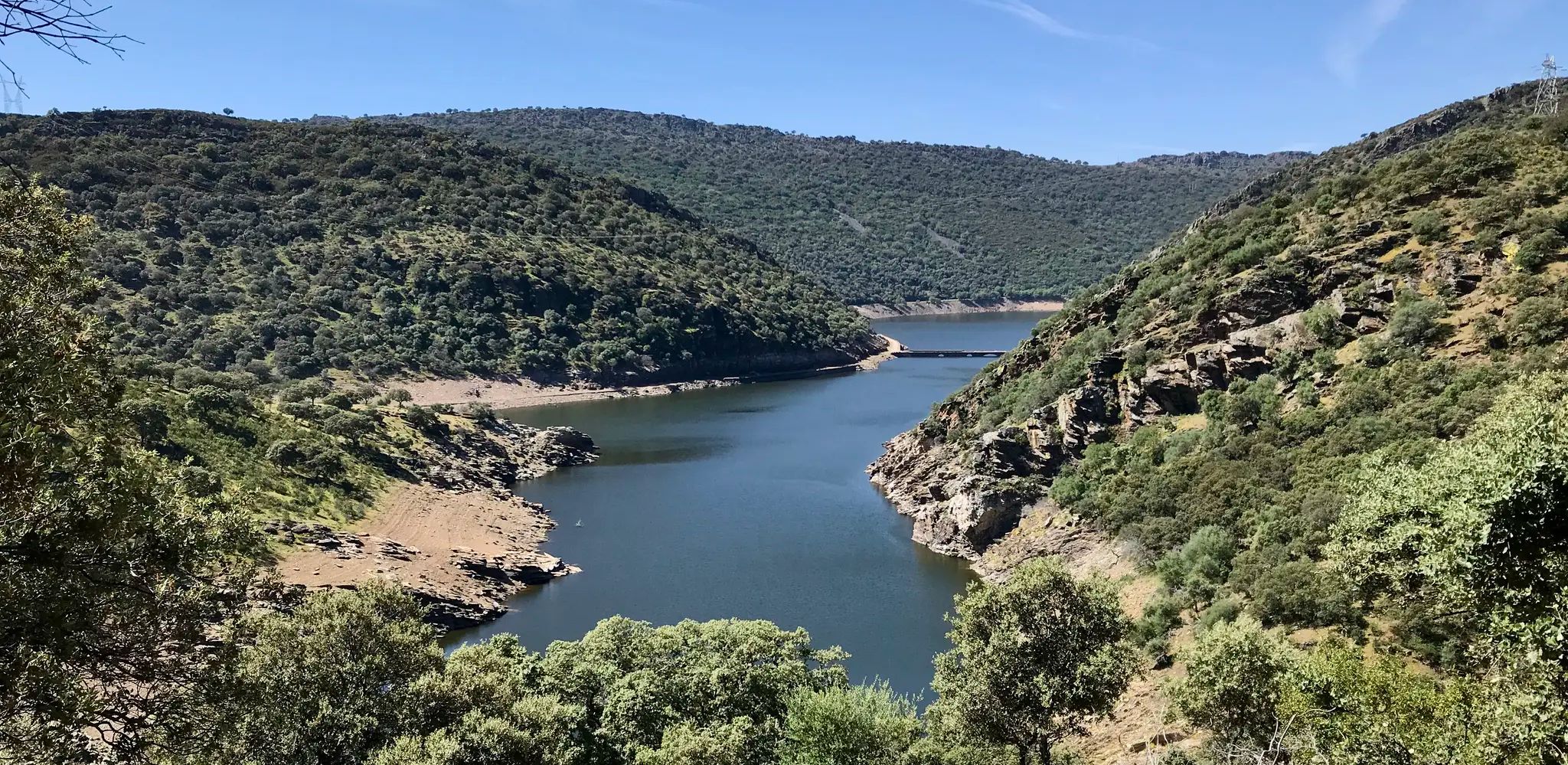
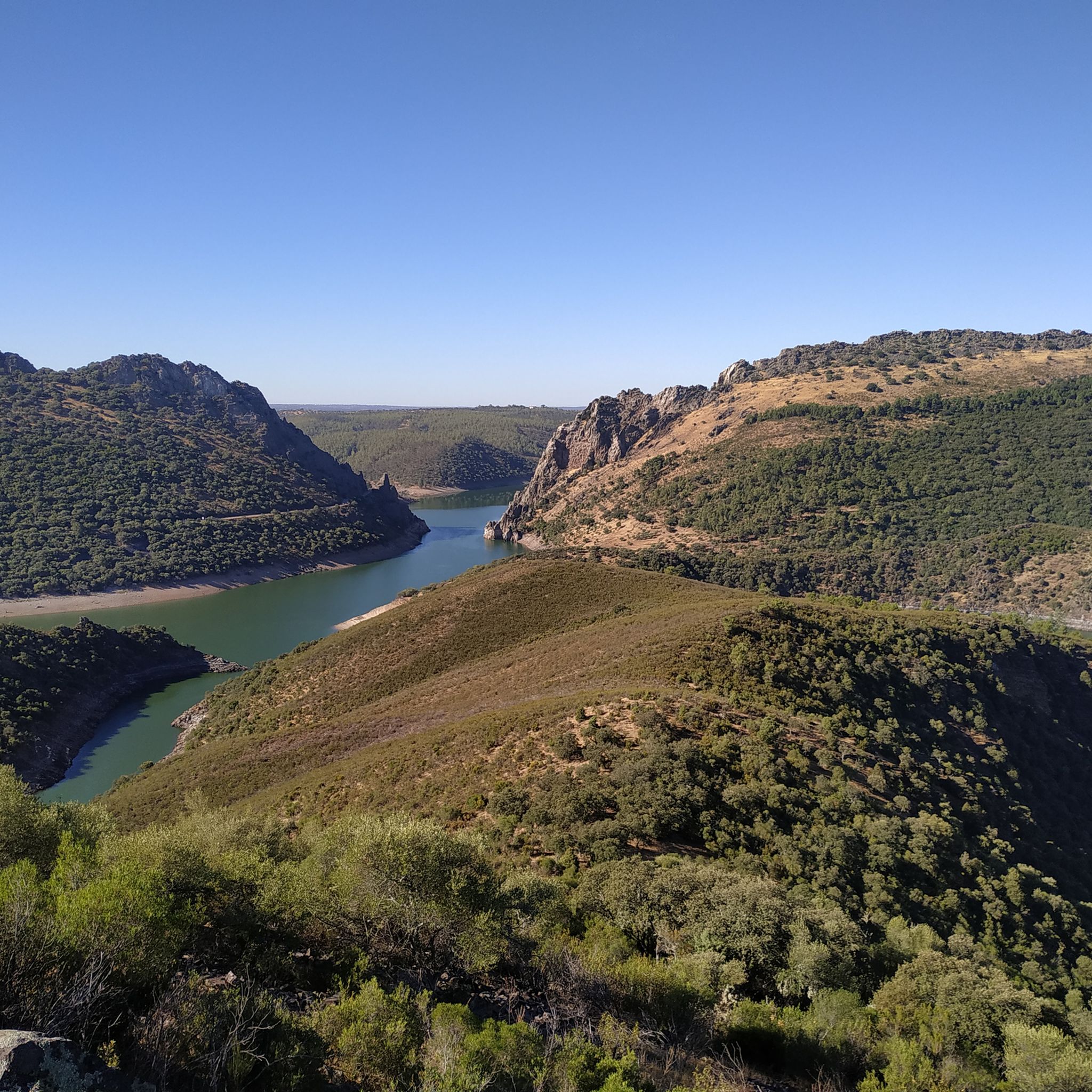
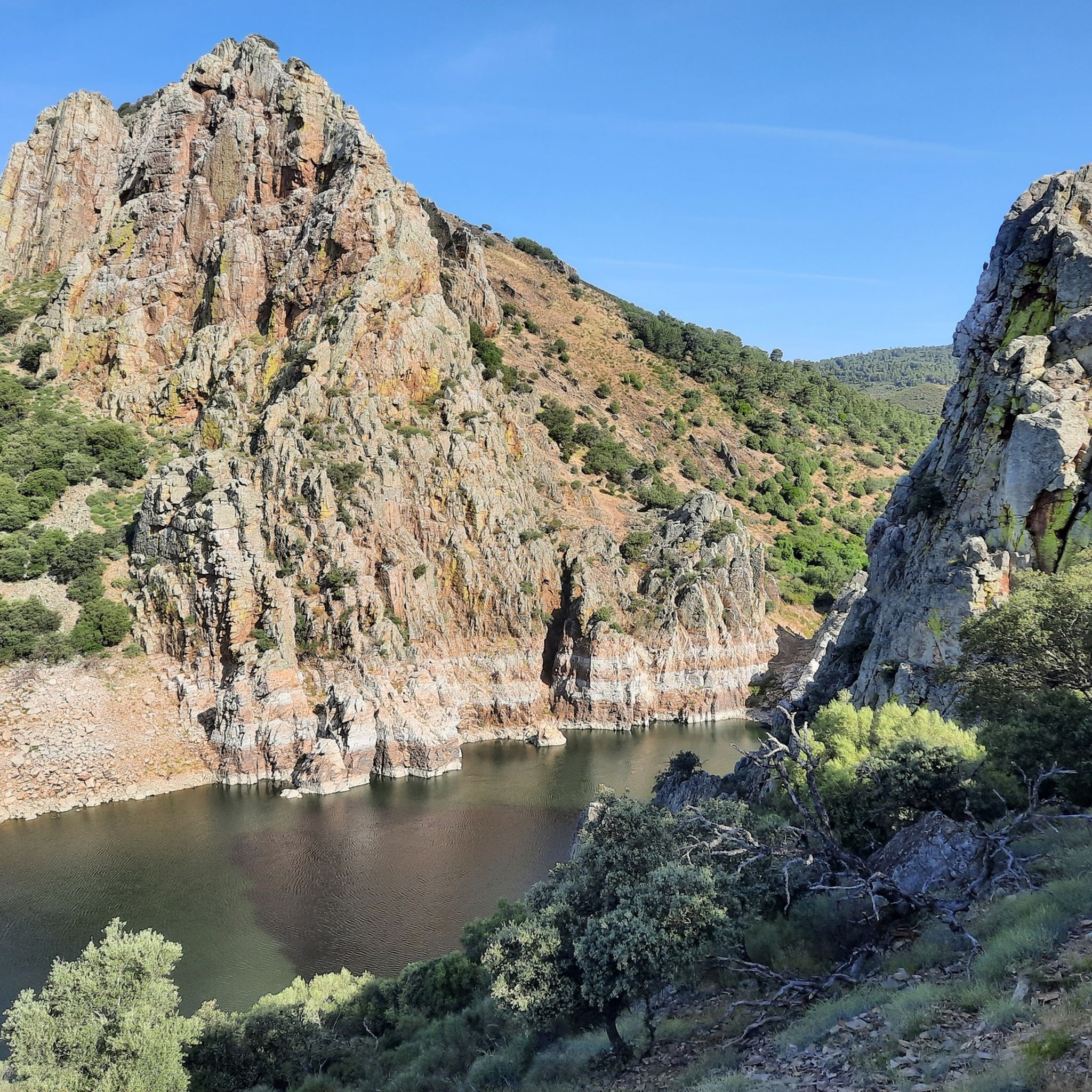
The park is renowned for its dramatic landscapes. Key natural features include the iconic The Gypsy's Leap (Salto del Gitano), a steep quartzite gorge carved by the Tagus River, which is a prime birdwatching spot. Other notable viewpoints are Serrano Viewpoint, offering panoramic views of the Tiétar river valley, and the View from Cerro Gimio, which provides beautiful vistas over the confluence of the Tiétar and Tagus rivers.
What kind of wildlife can I expect to see in Monfragüe National Park?
Monfragüe National Park is a UNESCO Biosphere Reserve and a Special Protection Area for birds, making it an exceptional destination for wildlife observation. You can frequently spot large raptors such as black vultures, griffon vultures, and black storks, especially around The Gypsy's Leap. The park's diverse Mediterranean forest and dehesa habitats also support a rich array of other wildlife, including deer, particularly during the rutting season in autumn.
Are there family-friendly natural monuments or activities in the park?
Yes, several natural monuments within Monfragüe National Park are considered family-friendly. The Gypsy's Leap and Serrano Viewpoint are easily accessible viewpoints where families can enjoy birdwatching and scenic views. Many trails are suitable for families, offering opportunities to explore the Mediterranean forest and observe nature together.
What is the best time of year to visit the natural monuments in Monfragüe National Park?
The best time to visit Monfragüe National Park largely depends on your interests. Spring (March to May) is excellent for birdwatching as many species are nesting and active, and the wildflowers are in bloom. Autumn (September to November) is also popular, especially for observing the deer rut and enjoying cooler hiking temperatures. Winter offers unique birdwatching opportunities for migratory species, while summer can be very hot, making early mornings or late afternoons ideal for activities.
Are there hiking or running trails near these natural monuments?
Yes, Monfragüe National Park offers numerous trails for hiking and running that allow you to explore its natural monuments. For running, you can find routes like the 'Cerro Gimio – circular via the Arroyo Malvecino Route' or the 'Tajadilla Viewpoint Trail'. For more options, explore the Running Trails around Parque Nacional de Monfragüe guide.
Can I go cycling near the natural monuments in Monfragüe?
Absolutely. The region around Monfragüe National Park provides excellent cycling opportunities. You can find routes such as the 'Parque Nacional de Monfragüe — circular por la Vía Verde del Monfragüe' or the 'Tour of Monfragüe National Park'. For detailed routes and difficulties, refer to the Cycling around Parque Nacional de Monfragüe guide or the Road Cycling Routes around Parque Nacional de Monfragüe guide.
What historical or cultural sites are associated with the natural monuments?
While primarily known for its natural beauty, the park also has historical significance. Monfragüe Castle, strategically located near The Gypsy's Leap, offers breathtaking panoramic views and has origins tracing back to Roman and Moorish times. Additionally, the mountains of Monfragüe contain numerous caves with prehistoric paintings from the Copper, Bronze, and Iron Ages, such as the Cueva del Castillo, providing a glimpse into the region's ancient human history.
What is special about the Confluence of the Tagus and Tiétar rivers?
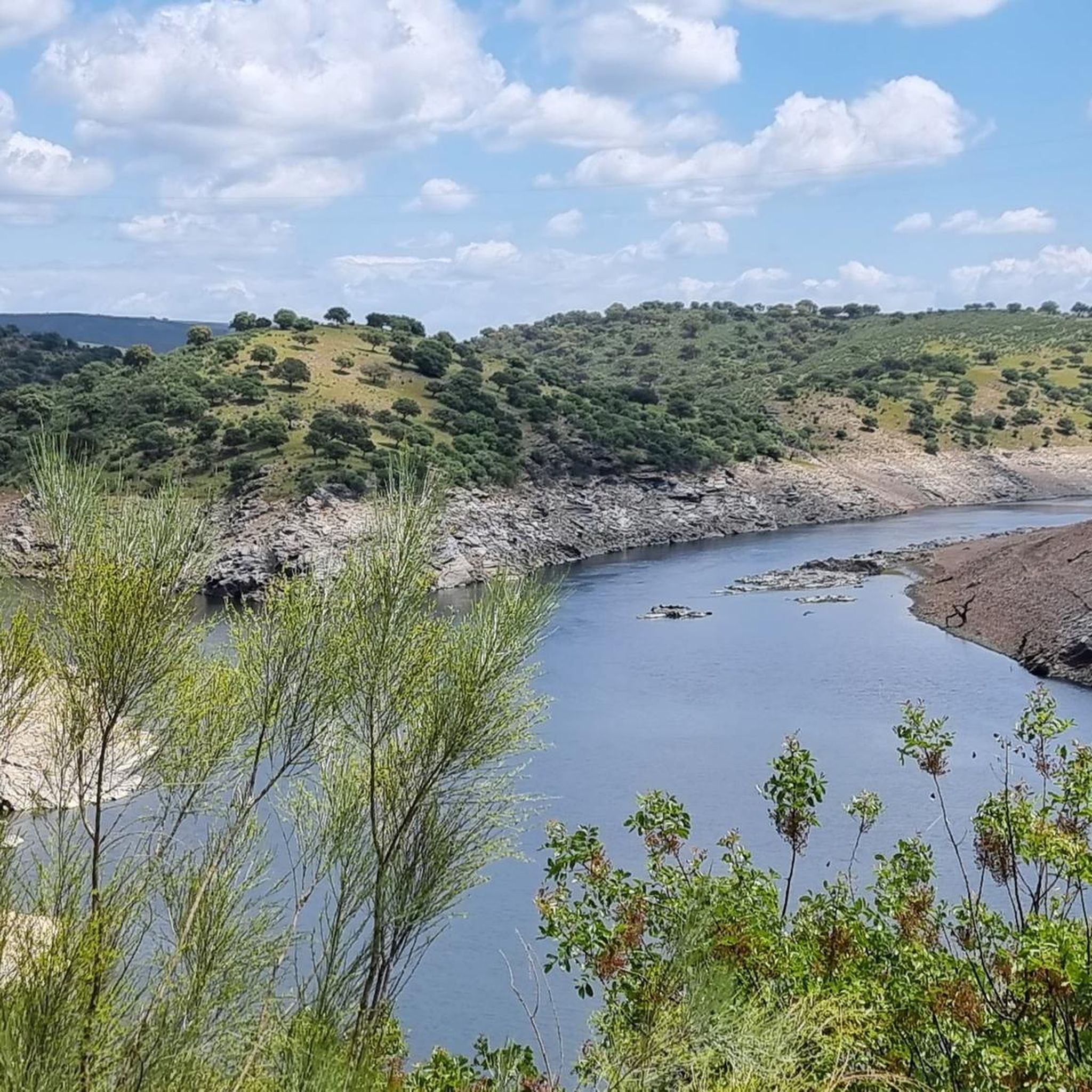
The Confluence of the Tagus and Tiétar rivers is a crucial area that defines the park's unique landscape. Here, the two major rivers meet amidst holm oaks, cork trees, and large rock formations, creating a rich habitat for diverse flora and fauna. This convergence shapes the park's characteristic scenery and is a significant ecological point.
What do visitors enjoy most about the natural monuments in Monfragüe National Park?
Visitors consistently highlight the exceptional birdwatching opportunities, particularly at spots like The Gypsy's Leap, where large raptors can be observed. The stunning panoramic views from various viewpoints, such as Cerro Gimio and Serrano Viewpoint, are also highly praised. The untouched nature, dramatic river gorges, and extensive Mediterranean forests contribute to a deeply immersive outdoor experience.
Are there any less-known natural monuments or hidden gems to explore?
Beyond the well-known viewpoints, the park's extensive Mediterranean forest and dehesa offer numerous trails that lead to quieter spots. Exploring the various smaller miradores (viewpoints) along the park's routes can reveal unique perspectives and less crowded birdwatching opportunities. The prehistoric cave paintings, while requiring specific access, offer a fascinating hidden cultural layer within the natural landscape.
What are the typical landscapes and vegetation found around Monfragüe's natural monuments?
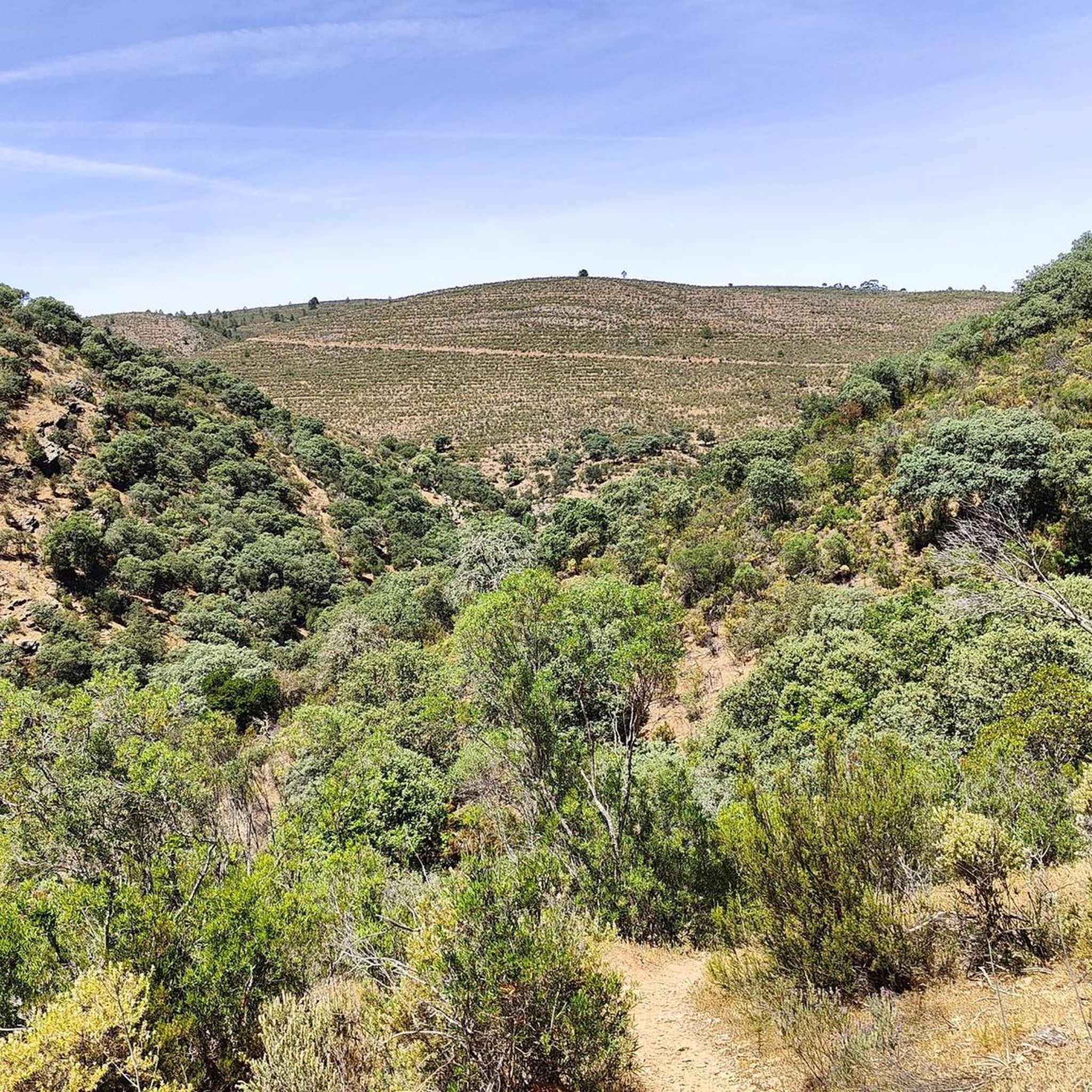
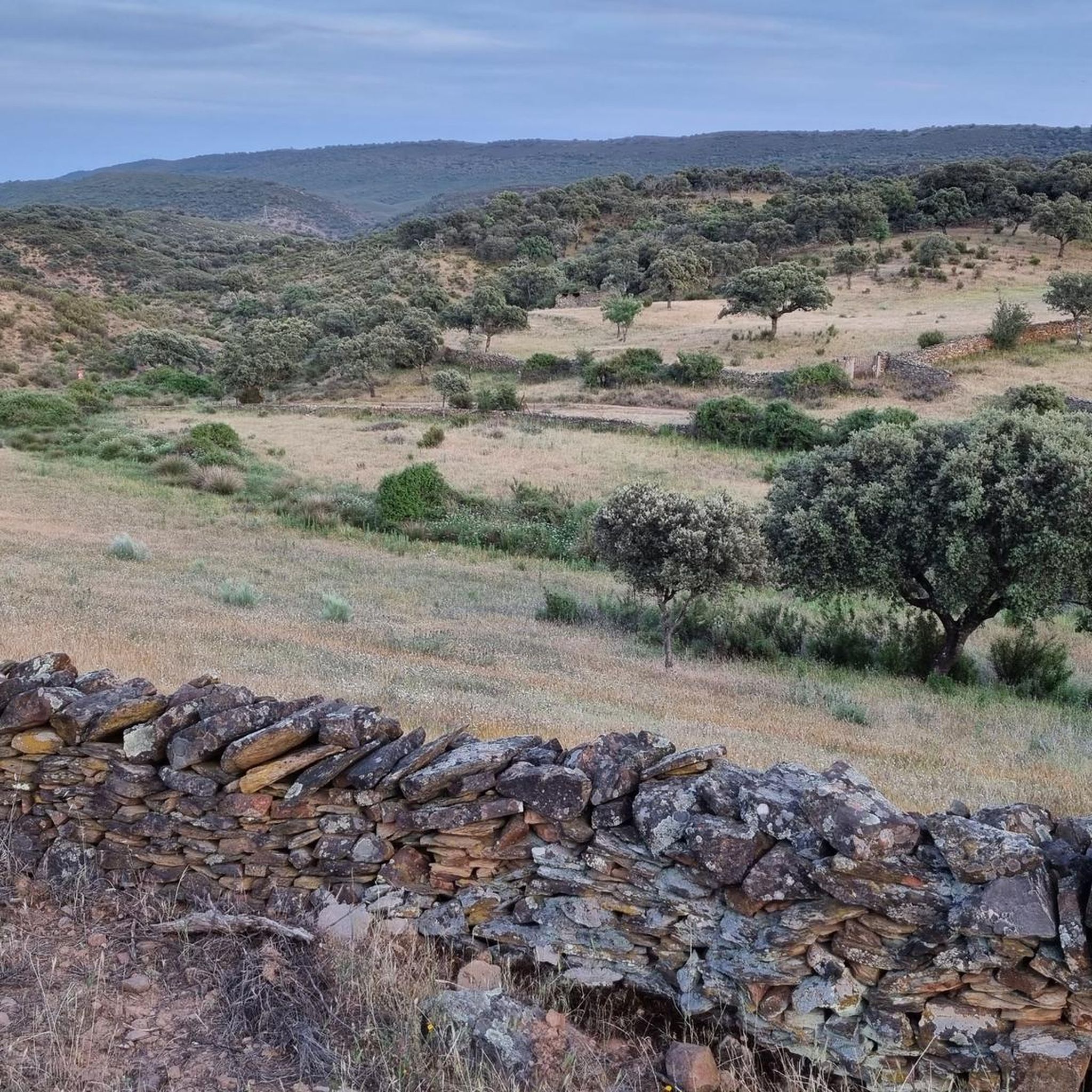
The landscape is characterized by the convergence of the Tagus and Tiétar rivers, creating dramatic terrain with steep quartzite gorges and gentle mountains. The vegetation is predominantly Mediterranean forest and scrubland, featuring holm oaks, cork trees, rockrose, strawberry trees, and heather. The traditional dehesa system, with its scattered oak trees, also forms a significant part of the park's ecological value.
Most popular routes around Parque Nacional de Monfragüe
Most popular attractions around Parque Nacional de Monfragüe

Get inspired with the komoot mobile app


Explore more
Extend your search for the best caves by checking out these guides of the top ones around Parque Nacional de Monfragüe:
