Top 5 Natural Monuments around Parco Regionale Veneto del Delta del Po
Best natural monuments around Parco Regionale Veneto del Delta del Po include a diverse landscape where the Po River meets the Adriatic Sea. This area is recognized by UNESCO as a biosphere reserve and is one of Europe's largest wetlands. It features a mosaic of habitats, including lagoons, sand dunes, and woods, supporting a wide array of biodiversity. The region offers opportunities to observe wildlife and explore unique geological formations.
Best natural monuments around Parco Regionale Veneto del Delta del…
Last updated: May 14, 2026
Po Delta Regional Park
Highlight • Natural Monument
Translated by Google •
Tip by

Lagoon of the Dead Trees
Highlight • Lake
Translated by Google •
Tip by

Sign up now to discover places like this
Get recommendations on the best single tracks, peaks, & plenty of other exciting outdoor places.
Sign up for free
Veneto Coastal Botanical Garden
Highlight • Natural Monument
Translated by Google •
Tip by

Po di Venezia
Highlight • River
Translated by Google •
Tip by
Fossil Dunes of Donada
Highlight • Natural Monument
Translated by Google •
Tip by
Sign up for free to discover even more natural monuments around Parco Regionale Veneto del Delta del Po.
Sign up for free
Already have an account?
Start today with a free account
Your next adventure awaits.
Login or Signup
Popular around Parco Regionale Veneto del Delta del Po
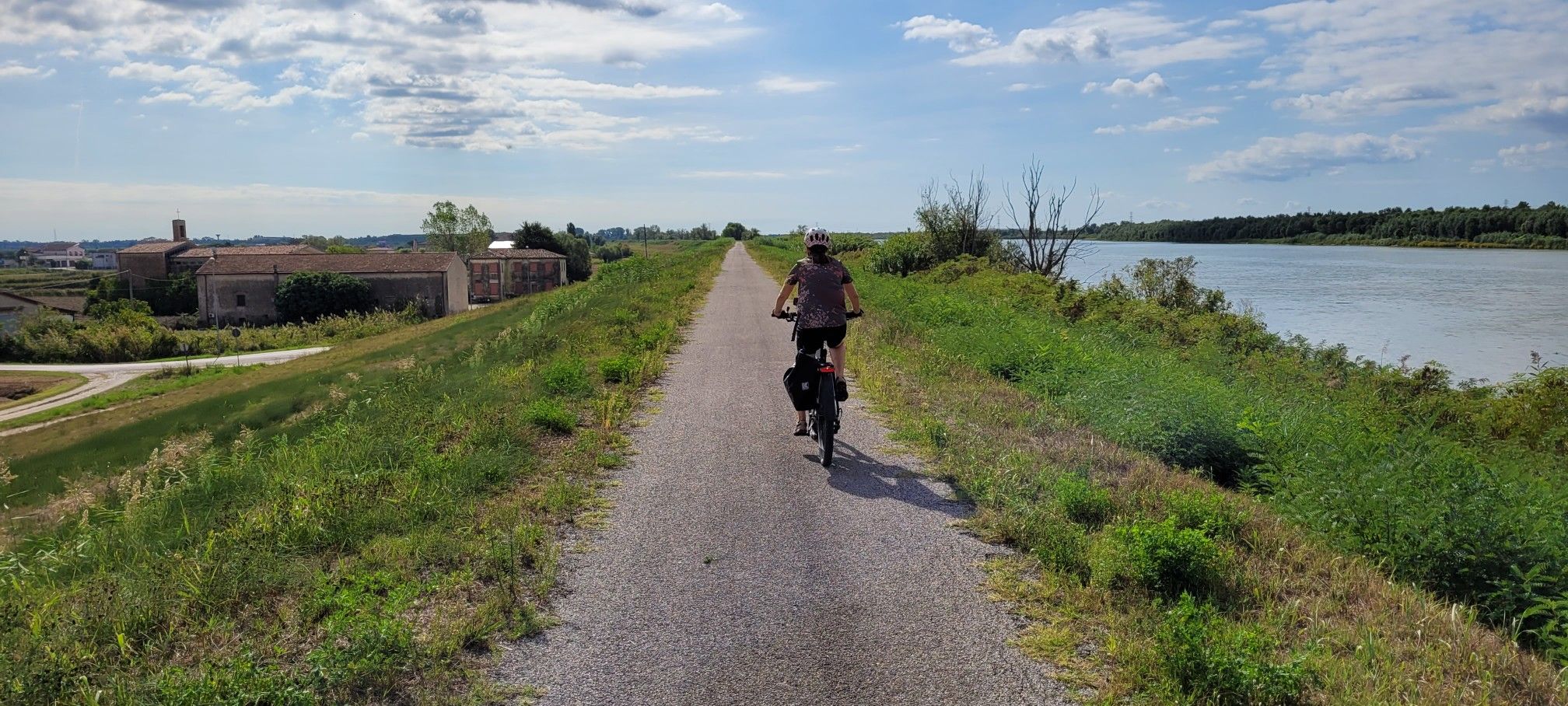
Ciclovie del Po — An all-round experience along Italy's longest river
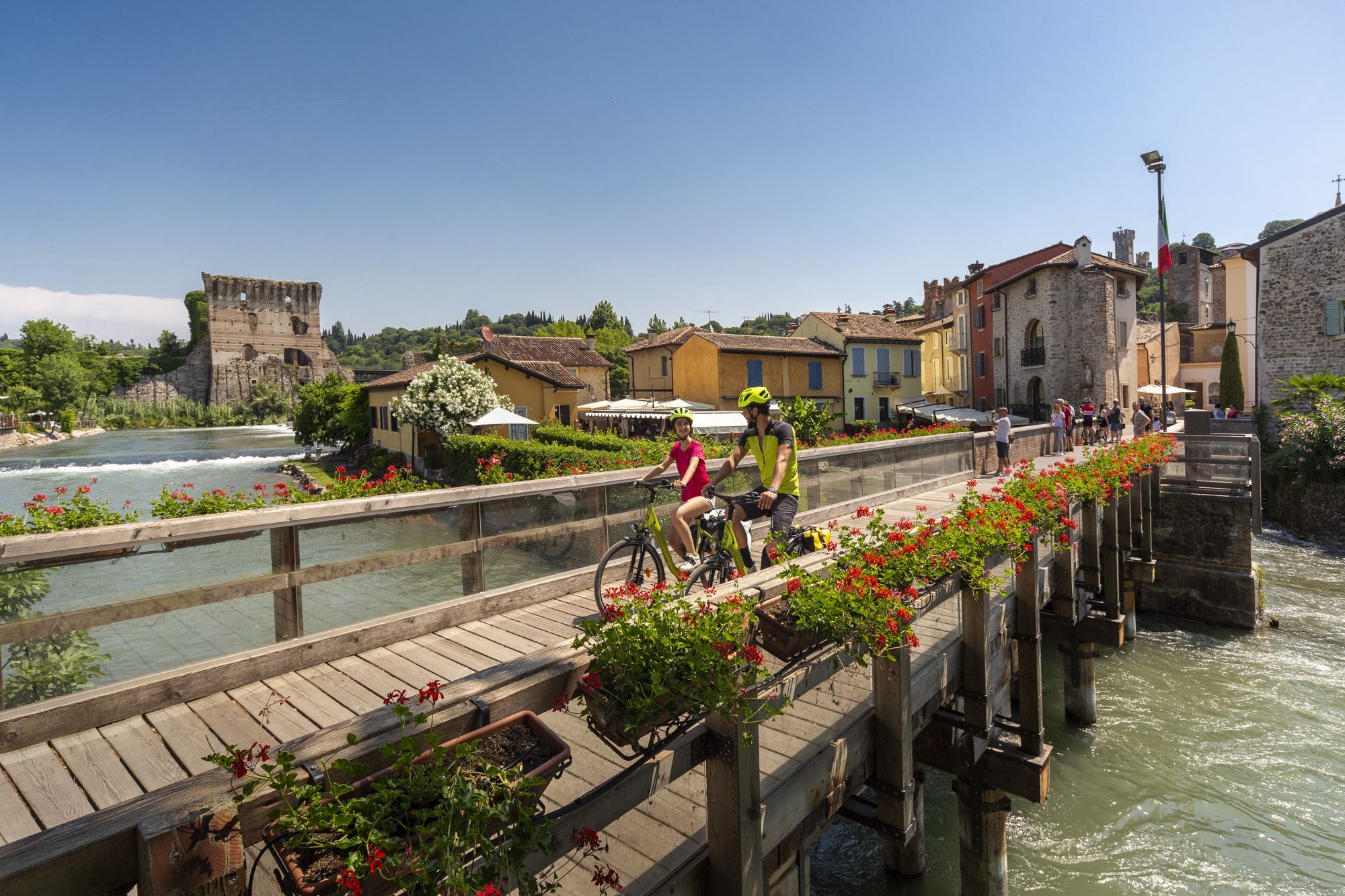
Explore Veneto at a slow pace – day trips by bike
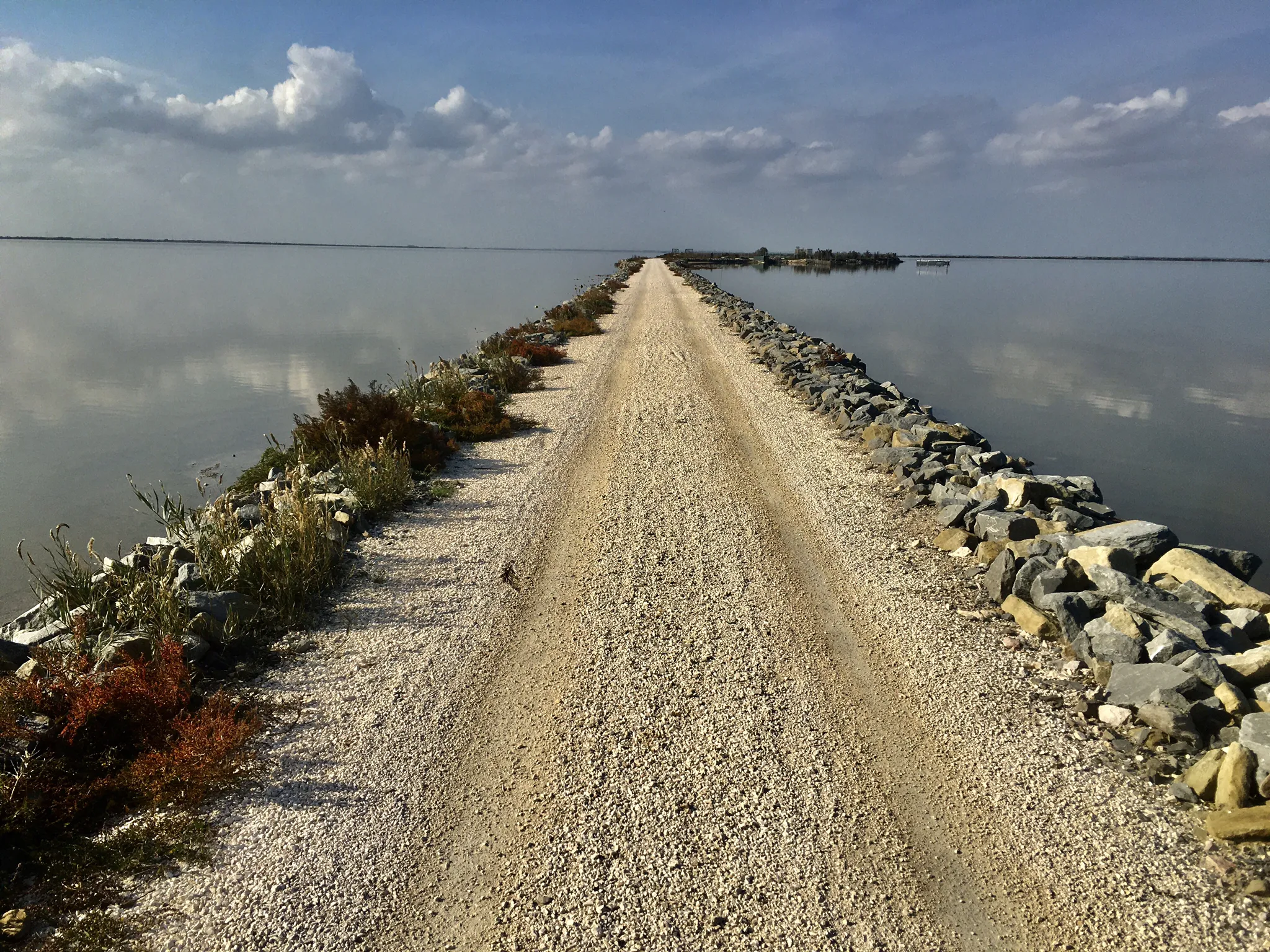
Sea, Lagoon and Nature - Discover the Po Delta
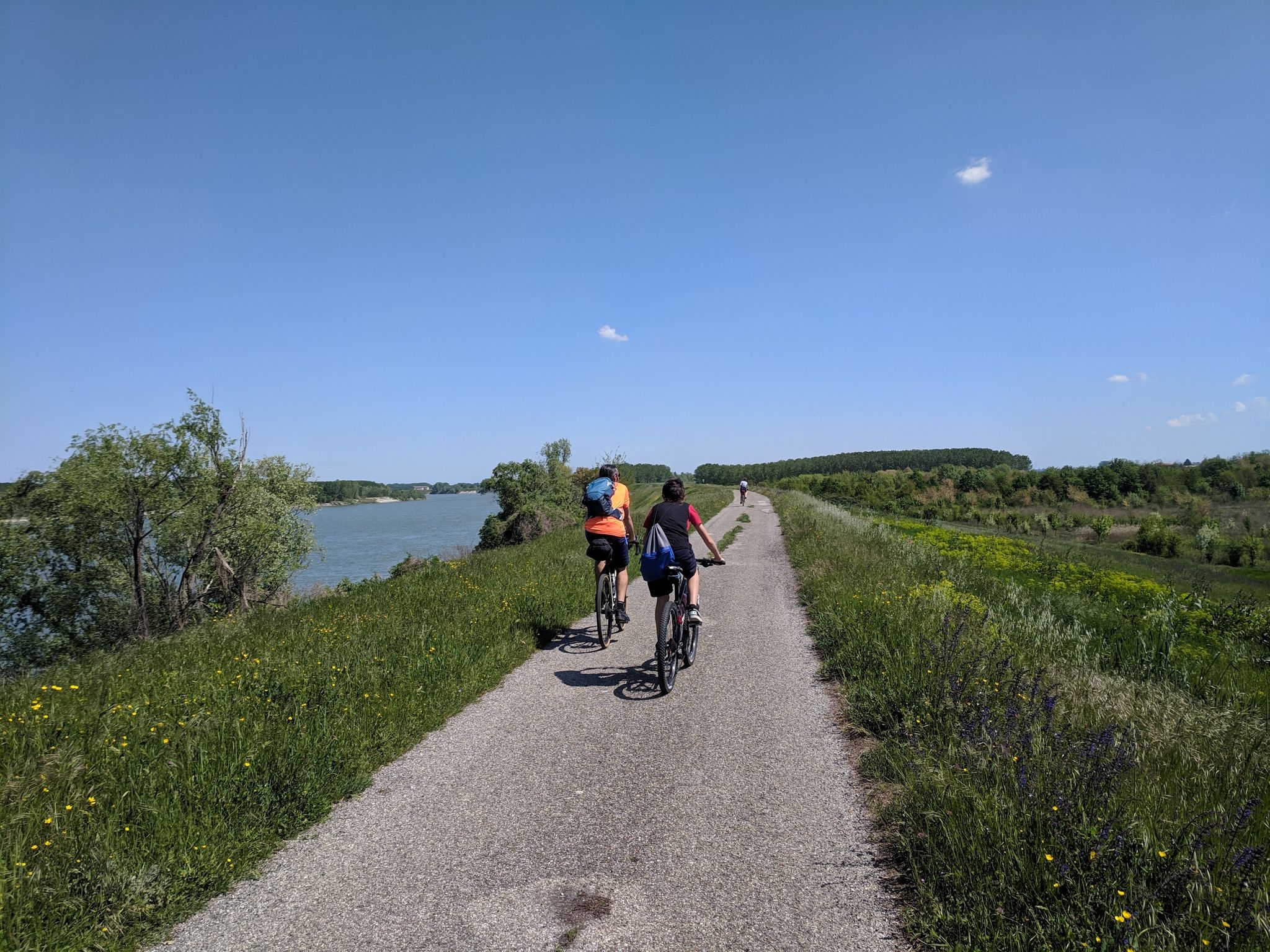
Ride along a winding river – Italy's Ciclovia Destra Po
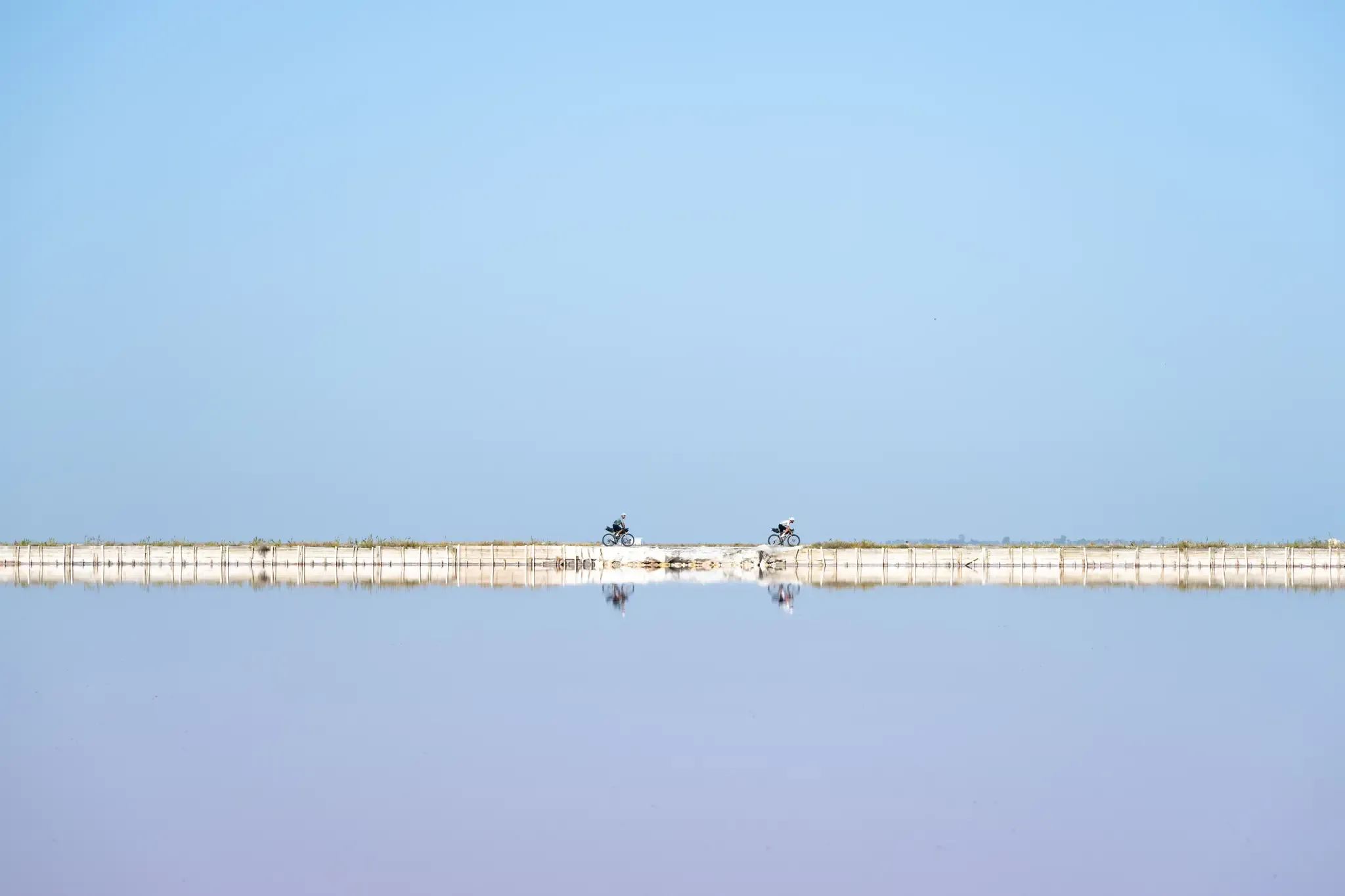
Trieste to Santa Maria di Leuca – the Adriatic Cycle Route
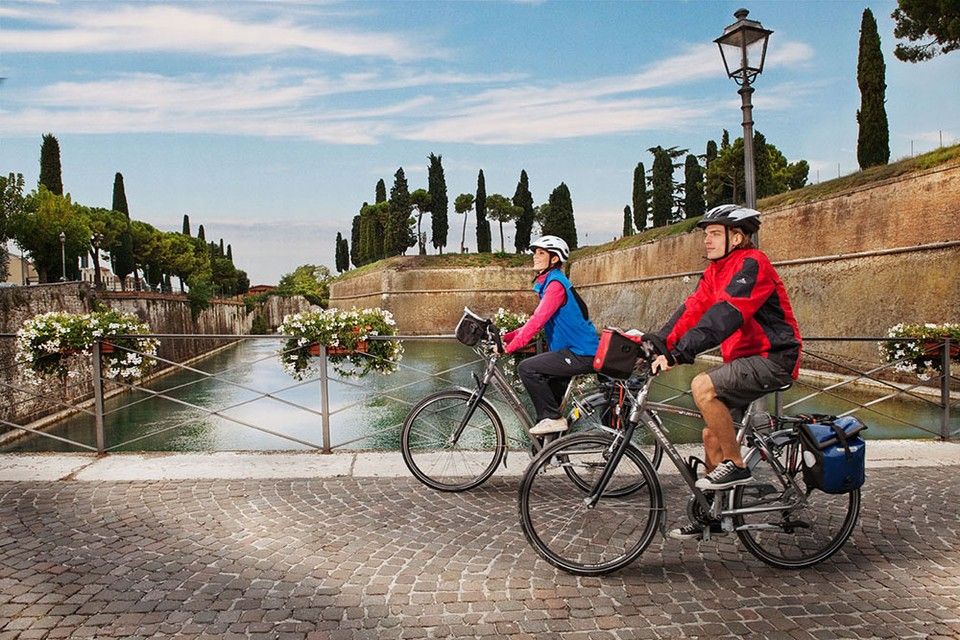
Between Lake Garda and the Adriatic Sea – cycle Tours in Italy’s Veneto
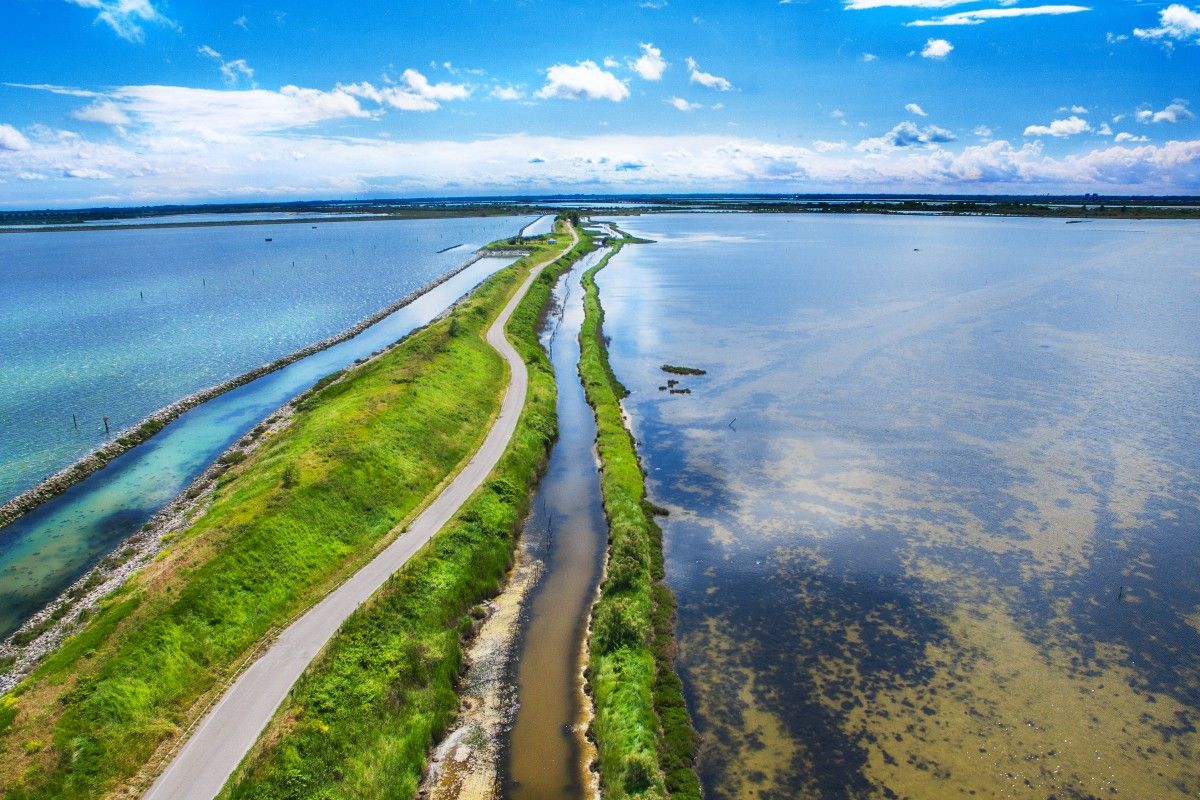
Delta del Po in e-bike – itinerari tra fiume, mare e laguna con DINAclub
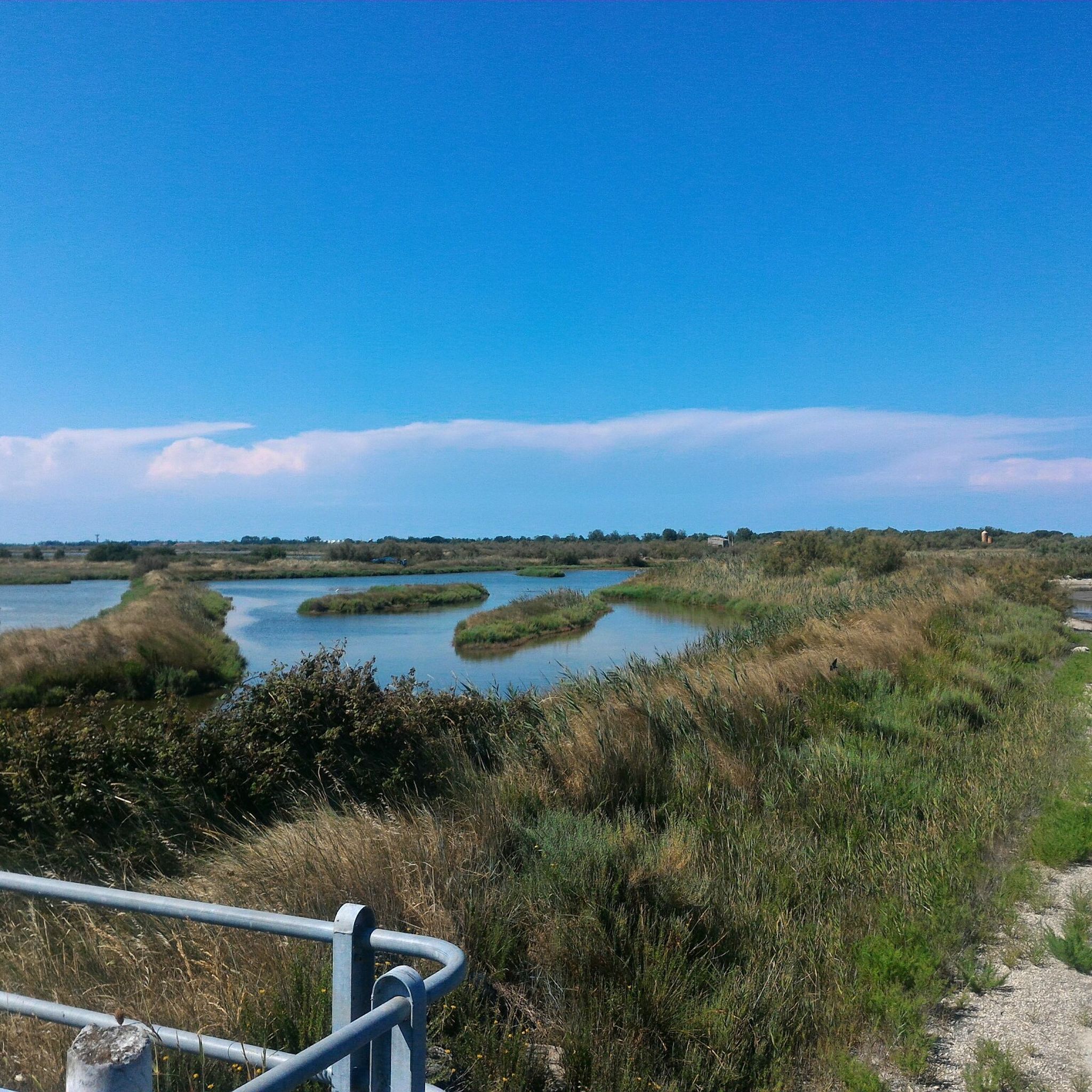
Cycling around Parco Regionale Veneto del Delta del Po
Hiking around Parco Regionale Veneto del Delta del Po
MTB Trails around Parco Regionale Veneto del Delta del Po
Other adventures around Parco Regionale Veneto del Delta del Po


Tips from the Community

The botanical garden is a protected area that preserves typical Adriatic coastal environments: dunes, coastal forest, and wetlands. Walk the nature trails to observe the native vegetation and local fauna. Bring insect repellent and follow the marked paths: this is a sensitive area, designed more for observation than for prolonged visits.
0
0

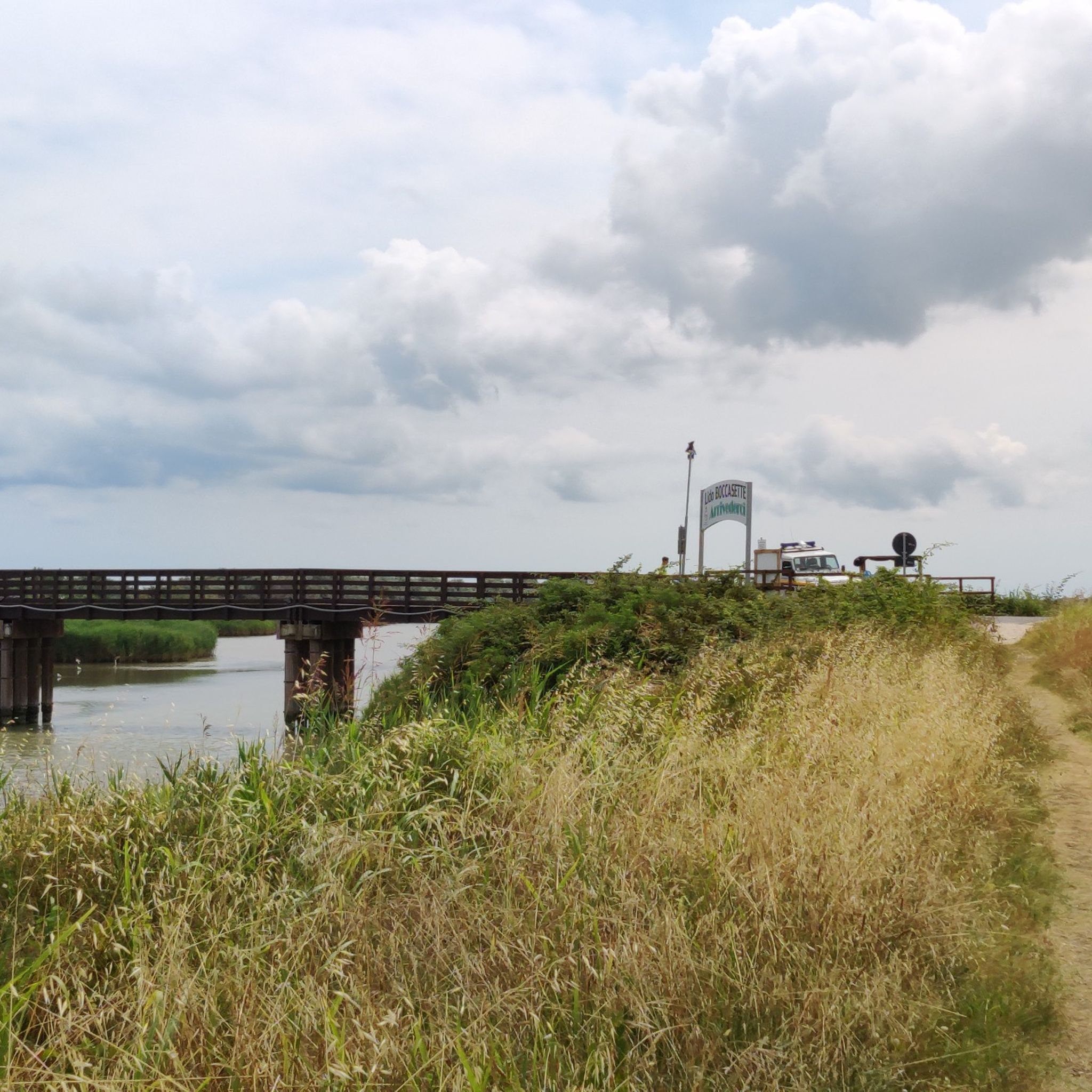
To get onto the bridge, you have to carry the bike up the stairs from one side
1
0

Forest/pine forest integrated in the town of Donada/Porto Viro. Used as a city park. Perfect for walks away from city traffic.
0
0

The Po of Venice is one of the most interesting branches from a naturalistic point of view to see many species of birdlife. In the Renaissance, the Po of Venice was an important waterway for the Silk Road and connected the two great cities of Venice and Bologna.
3
0
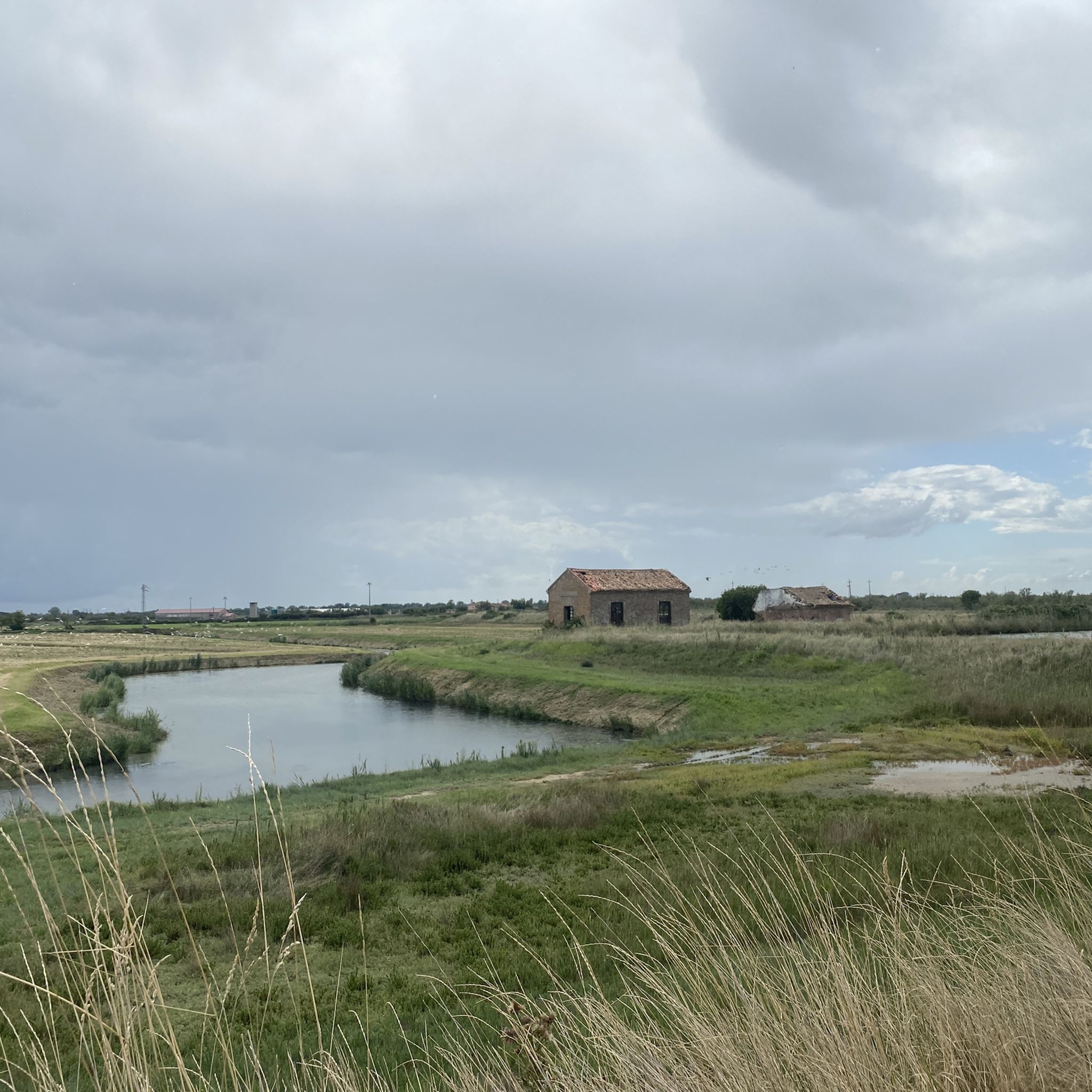
This park extends for more than 700 square kilometers and is the largest wetland in Europe. Since 2015 it has been a UNESCO site and is recognized as a biosphere reserve. The Po delta is dominated by water, by the Po, Brenta and Adige rivers and by the Adriatic Sea, which make this place a habitat for many species, especially birds such as marsh hawks, herons and pink flamingos.
4
0
Beach in the southern part of Rosolina Mare. There are various routes to follow on foot that allow you to discover the pine forest, the sand dunes and the beach. There is also a botanical garden that can be visited (inquire so as not to find it closed).
1
0

A place where the consequences of the mid-20th century extraction of methane gas from the Polesine subsoil are clearly visible. "The subsidence affected almost the entire delta and caused drops that reached maximum values of almost three meters and average values of two metres. This fact, less traumatic, slow to manifest but highly insidious, also had a decisive influence on the hydrographic network of the lower Po and the history of the routes and floods." (Delta Po Adige Reclamation Consortium)
1
0

An evocative and surreal location, the dead trees sprout like fingers from the water inhabited by monstrous fish. The location was also used in the film "La terra dei figli".
1
0
Frequently Asked Questions
What unique natural features can I explore in the Parco Regionale Veneto del Delta del Po?
The Parco Regionale Veneto del Delta del Po offers a diverse landscape where the Po River meets the Adriatic Sea. You can explore vast wetlands, lagoons, sand dunes, and woods. Notable features include the dynamic Po Delta Regional Park, which is a UNESCO biosphere reserve, and the unique Lagoon of the Dead Trees, where dead trees emerge from the water, showcasing the effects of past methane gas extraction.
What kind of wildlife can I expect to see in the Parco Regionale Veneto del Delta del Po?
The Po Delta is one of Europe's most important wetlands, home to nearly 400 species of birds and over 1,000 plant species. Visitors frequently spot migratory and resident birds such as flamingos, herons, cormorants, and marsh hawks, especially within the Po Delta Regional Park and along the various oases and floodlands.
Are there any specific botanical attractions within the Delta del Po?
Yes, the Veneto Coastal Botanical Garden is a significant naturalistic oasis. It's a protected area that preserves typical Adriatic coastal environments, including dunes, coastal forest, and wetlands. You can follow nature trails to observe native vegetation and local fauna, offering a deeper understanding of the region's plant life.
Are the natural monuments in the Parco Regionale Veneto del Delta del Po suitable for families?
Many natural monuments in the Po Delta are family-friendly. The Po Delta Regional Park, the Veneto Coastal Botanical Garden, and the Fossil Dunes of Donada are all great options for families, offering easy trails and opportunities for nature observation. When visiting the botanical garden, remember to bring insect repellent.
What outdoor activities are available near the natural monuments in the Po Delta?
The Po Delta offers a wide range of outdoor activities. You can enjoy gravel biking, running, and mountain biking on numerous trails. For example, there are several gravel biking routes like the 'Strada delle Valli di Rosolina' and running trails such as the 'Punta di Scardovari — ring tour'. You can find more details on these activities in our guides for Gravel biking, Running Trails, and MTB Trails around Parco Regionale Veneto del Delta del Po.
What is the best time of year to visit the natural monuments in the Po Delta?
The Po Delta is a dynamic environment, and the best time to visit often depends on your interests. Spring and autumn are ideal for birdwatching due to migration periods, offering spectacular views of various species. The weather is also generally milder during these seasons, making it pleasant for cycling and hiking. Summer can be warm, but it's great for boat trips and exploring the coastal areas.
Are there cycling routes to explore the natural monuments?
Yes, the Po Delta is excellent for cycling. The 'Via delle Valli' routes, such as the Via delle Valli di Rosolina, traverse lagoon banks and fishing valleys, offering incredible biodiversity and opportunities to see flamingos. These routes are perfect for active exploration and provide beautiful sunset views. You can find more cycling options in our Gravel biking and MTB Trails guides for the region.
Can I find hiking or running trails around the natural monuments?
Absolutely. The region offers numerous trails suitable for hiking and running. For instance, the Veneto Coastal Botanical Garden has nature trails through dunes, coastal forest, and wetlands. The Fossil Dunes of Donada also provide pleasant walks. For more extensive options, explore our guide to Running Trails around Parco Regionale Veneto del Delta del Po.
Are there any historical or geological points of interest related to the natural monuments?
The Po Delta itself is a dynamic geological marvel, constantly evolving with new lands emerging from river sediment. The Lagoon of the Dead Trees serves as a stark reminder of mid-20th century methane gas extraction and its environmental impact. Additionally, the region features evocative fossil dunes, like the Fossil Dunes of Donada, which reveal the ancient coastline and geological history of the delta.
What are the terrain characteristics of the natural monuments in the Po Delta?
The terrain in the Po Delta is predominantly flat, characterized by a mosaic of wetlands, lagoons, sand dunes, and riverbanks. This makes it generally accessible for various activities, though some areas might involve soft sand or muddy paths, especially after rain. The landscape is constantly shaped by the interaction of the Po River and the Adriatic Sea.
Are there any viewpoints to observe the landscape?
Yes, the Po Delta offers many scenic viewpoints. The entire delta ecosystem, with its intertwining land and water, provides picturesque vistas. Specific spots like the Po di Venezia are known for excellent birdlife observation. Additionally, exploring the islands and lighthouses within the park offers magical experiences, especially at sunset.
How can I reach the natural monuments using public transport?
While specific public transport routes directly to every natural monument can vary, the main towns surrounding the Parco Regionale Veneto del Delta del Po, such as Rosolina Mare or Porto Viro, are generally accessible by regional bus services. From these towns, local transport or cycling might be necessary to reach more remote natural sites. It's advisable to check local bus schedules for the most up-to-date information.
Are there options for parking near the natural monuments?
Parking is generally available near the more popular natural monuments and visitor centers within the Parco Regionale Veneto del Delta del Po. For example, areas like Rosolina Mare, which is close to the Veneto Coastal Botanical Garden, offer parking facilities. For smaller, more remote sites, designated parking might be limited, so it's best to plan ahead.
Most popular routes around Parco Regionale Veneto del Delta del Po
Most popular attractions around Parco Regionale Veneto del Delta del Po

Get inspired with the komoot mobile app


Explore more
Extend your search for the best caves by checking out these guides of the top ones around Parco Regionale Veneto del Delta del Po:
