Park Krajobrazowy Puszczy Knyszyńskiej
Park Krajobrazowy Puszczy Knyszyńskiej
Top 20 Natural Monuments around Park Krajobrazowy Puszczy Knyszyńskiej
Best natural monuments around Park Krajobrazowy Puszczy Knyszyńskiej are found within a region known for its preserved forest ecosystems, river valleys, and varied post-glacial landscapes in northeastern Poland. The park contains 157 natural monuments, primarily consisting of individual trees, tree avenues, and erratic boulders. These features represent the primeval character of the Knyszyn Forest, offering a connection to the ancient past of the region. The landscape, shaped by glaciation, includes diverse forms such as kames, eskers, and moraines, contributing to…
Last updated: May 14, 2026
January Uprising Forest Gallery
Highlight • Forest
Translated by Google •
Tip by

Krzemianka Nature Reserve
Highlight • Natural Monument
Translated by Google •
Tip by

Sign up now to discover places like this
Get recommendations on the best single tracks, peaks, & plenty of other exciting outdoor places.
Sign up for free
Cieliczanski Forest Nature Reserve
Highlight • Forest
Translated by Google •
Tip by

Chomontowszczyzna Nature Reserve
Highlight • Forest
The reserve was established (…) on August 10, 1999. The area of the reserve is 234.42 ha. The purpose of its creation was to preserve, for scientific and …
Translated by Google •
Tip by

Eastern Bridge and Observation Deck in the Krzemionka Springs Nature Reserve
Highlight • Viewpoint
Translated by Google •
Tip by

Sign up for free to discover even more natural monuments around Park Krajobrazowy Puszczy Knyszyńskiej.
Sign up for free
Already have an account?
Start today with a free account
Your next adventure awaits.
Login or Signup
Popular around Park Krajobrazowy Puszczy Knyszyńskiej
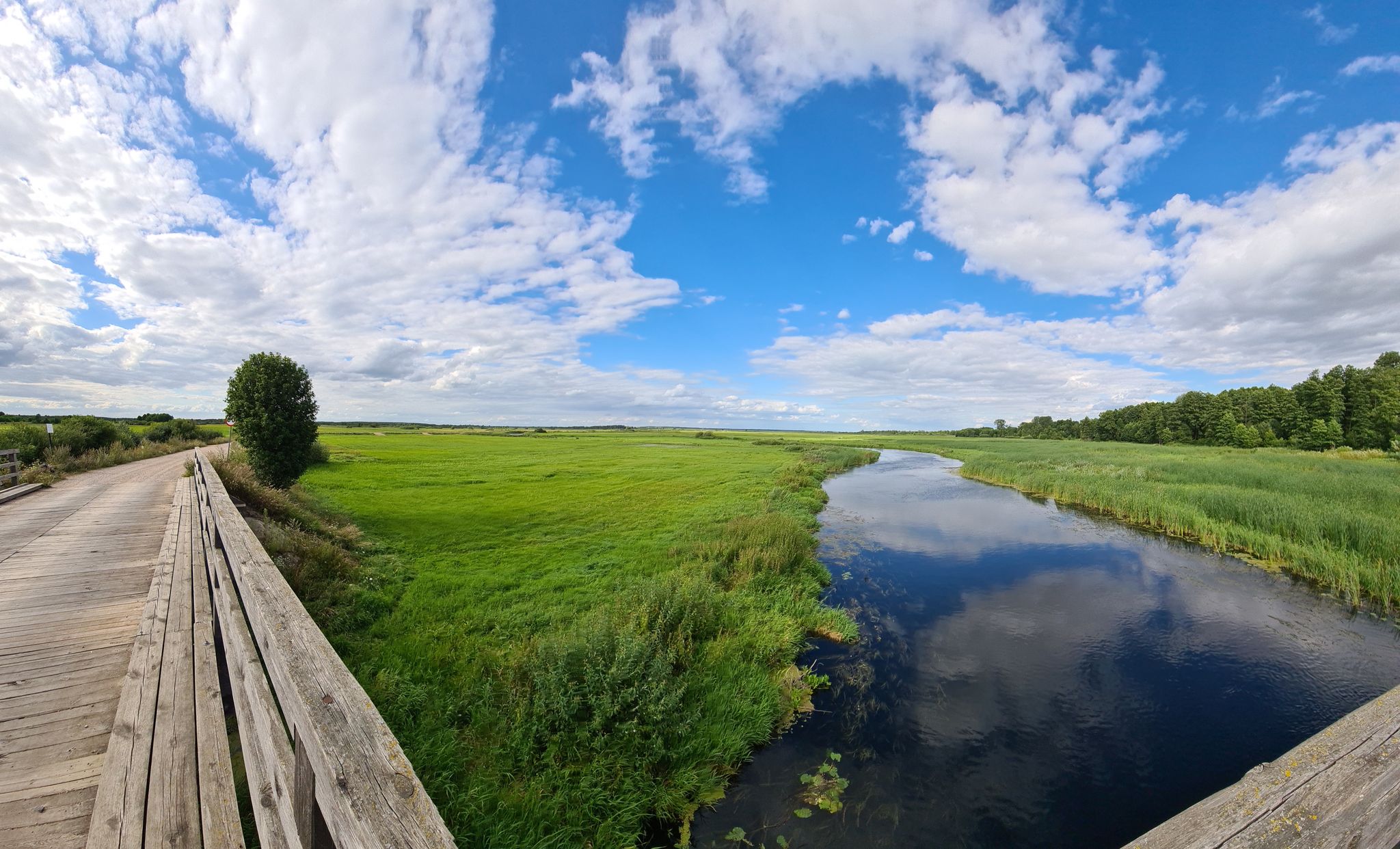
To the east, Eden – Green Velo Szlak (second part)
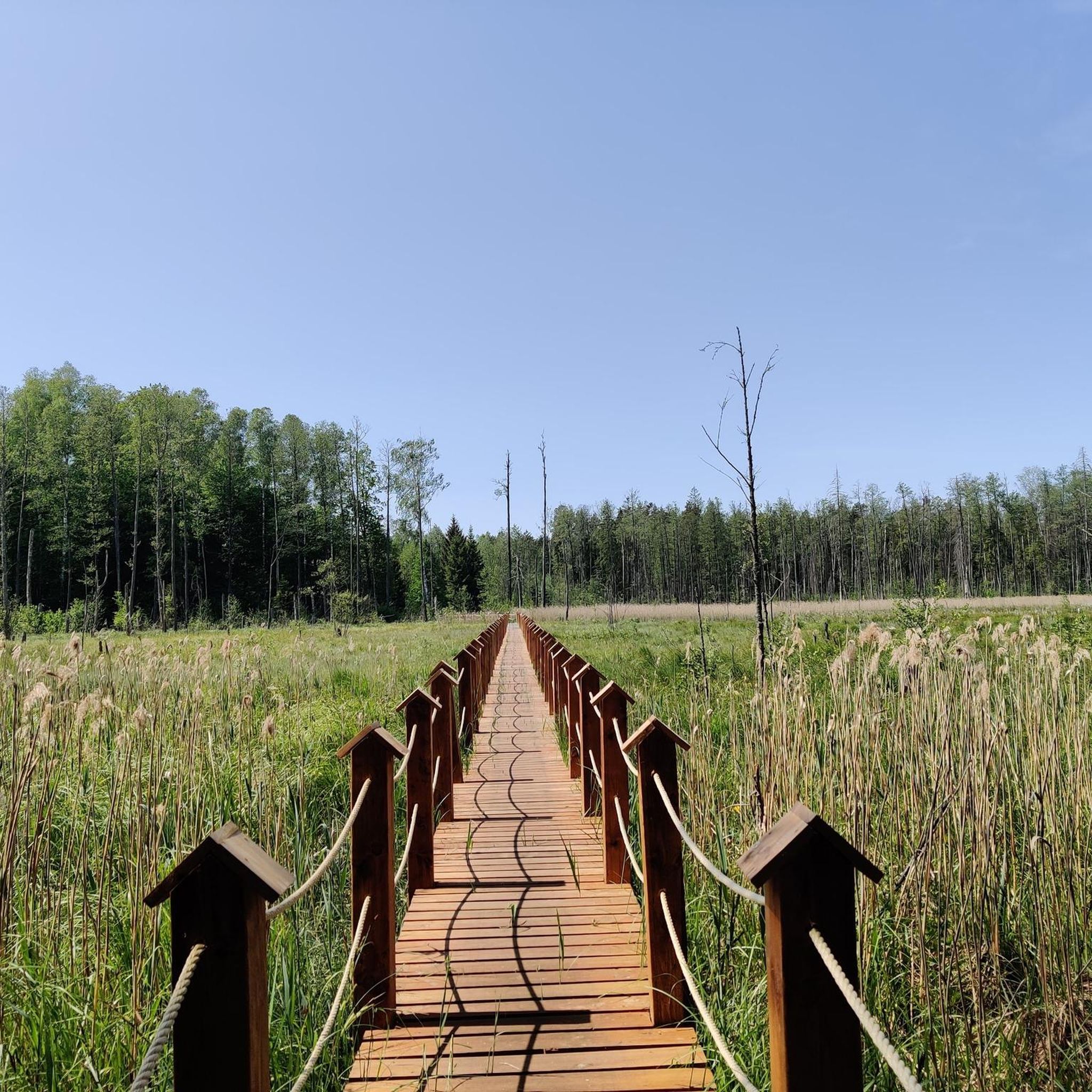
Hiking around Park Krajobrazowy Puszczy Knyszyńskiej
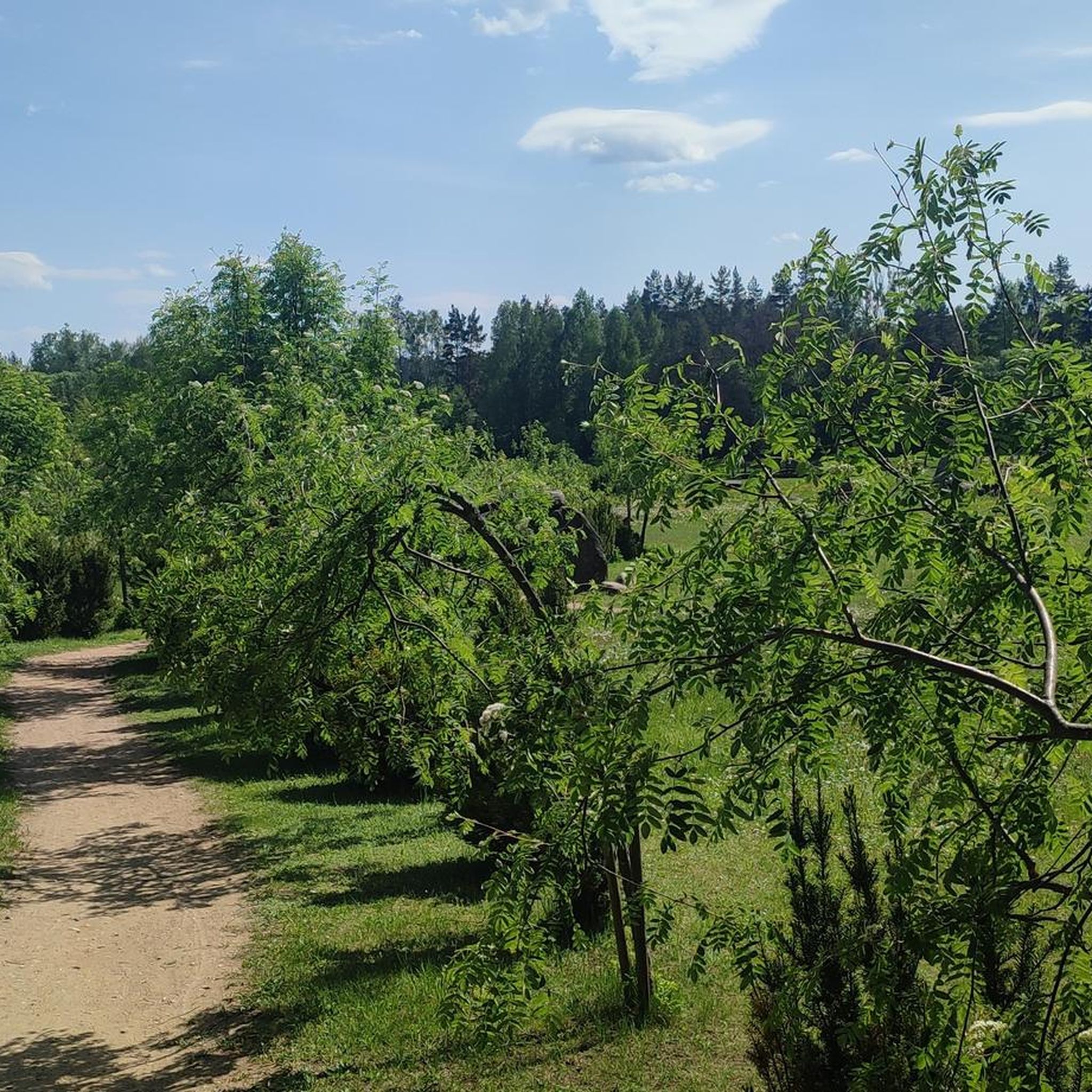
Cycling around Park Krajobrazowy Puszczy Knyszyńskiej
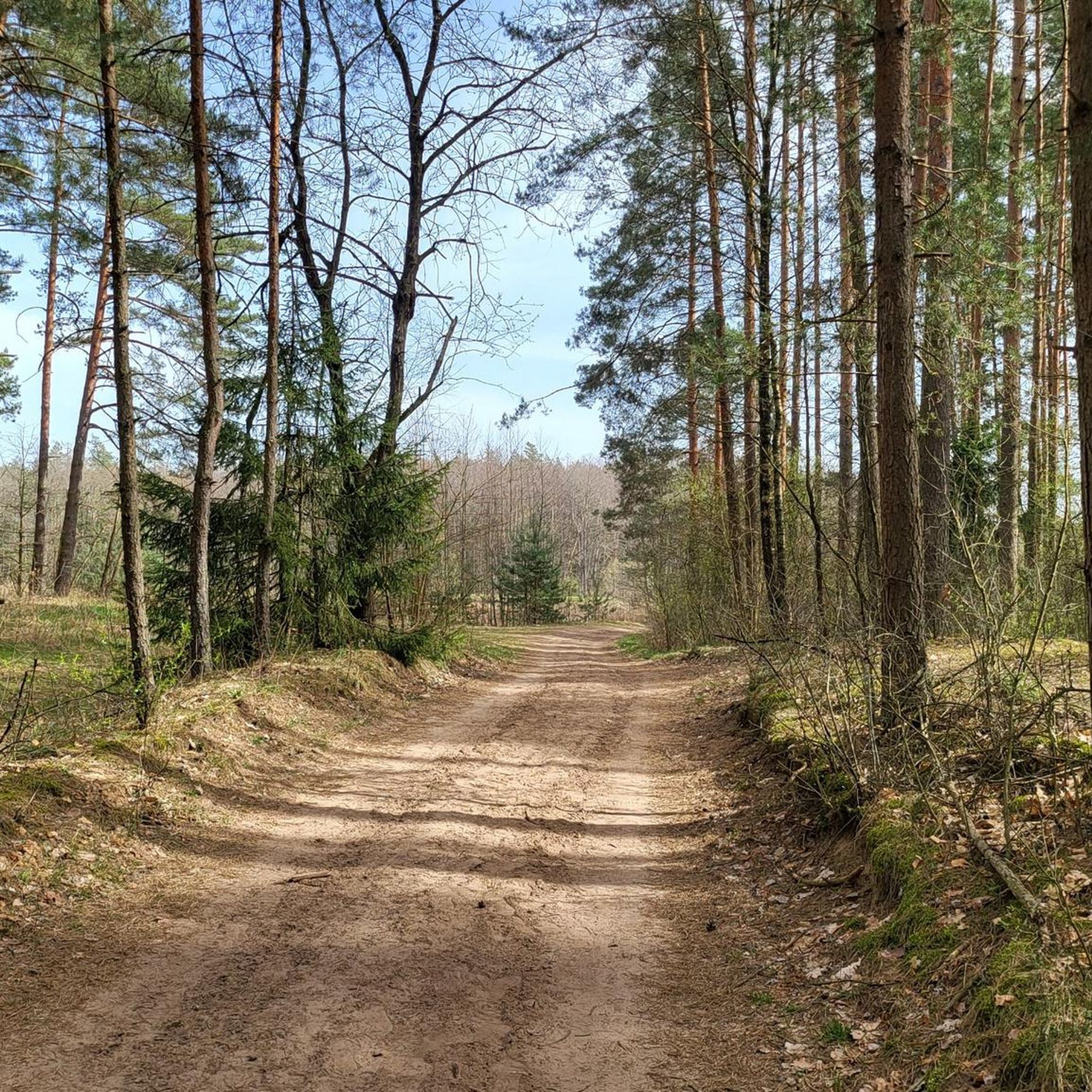
Running Trails around Park Krajobrazowy Puszczy Knyszyńskiej
Road Cycling Routes around Park Krajobrazowy Puszczy Knyszyńskiej
MTB Trails around Park Krajobrazowy Puszczy Knyszyńskiej

Gravel biking around Park Krajobrazowy Puszczy Knyszyńskiej
Other adventures around Park Krajobrazowy Puszczy Knyszyńskiej

Tips from the Community

The "Cieliczański Forest" reserve, within the Forest District's boundaries, covers an area of 239.98 hectares. Established in 1990, it was established to protect and preserve a fragment of the Knyszyńska Forest with numerous valuable forest communities of natural character. These communities are represented primarily by oak-hornbeam forests (with the rare wych elm in our forests), mixed coniferous forests, and alder forests. Ash-alder riparian forests are also well-preserved within the reserve's boundaries. The reserve is characterized by a great wealth and diversity of plant cover. It occupies an area rich in springs and seeps that form watercourses draining into the Supraśl River. https://zednia.bialystok.lasy.gov.pl/rezerwaty-przyrody
0
0

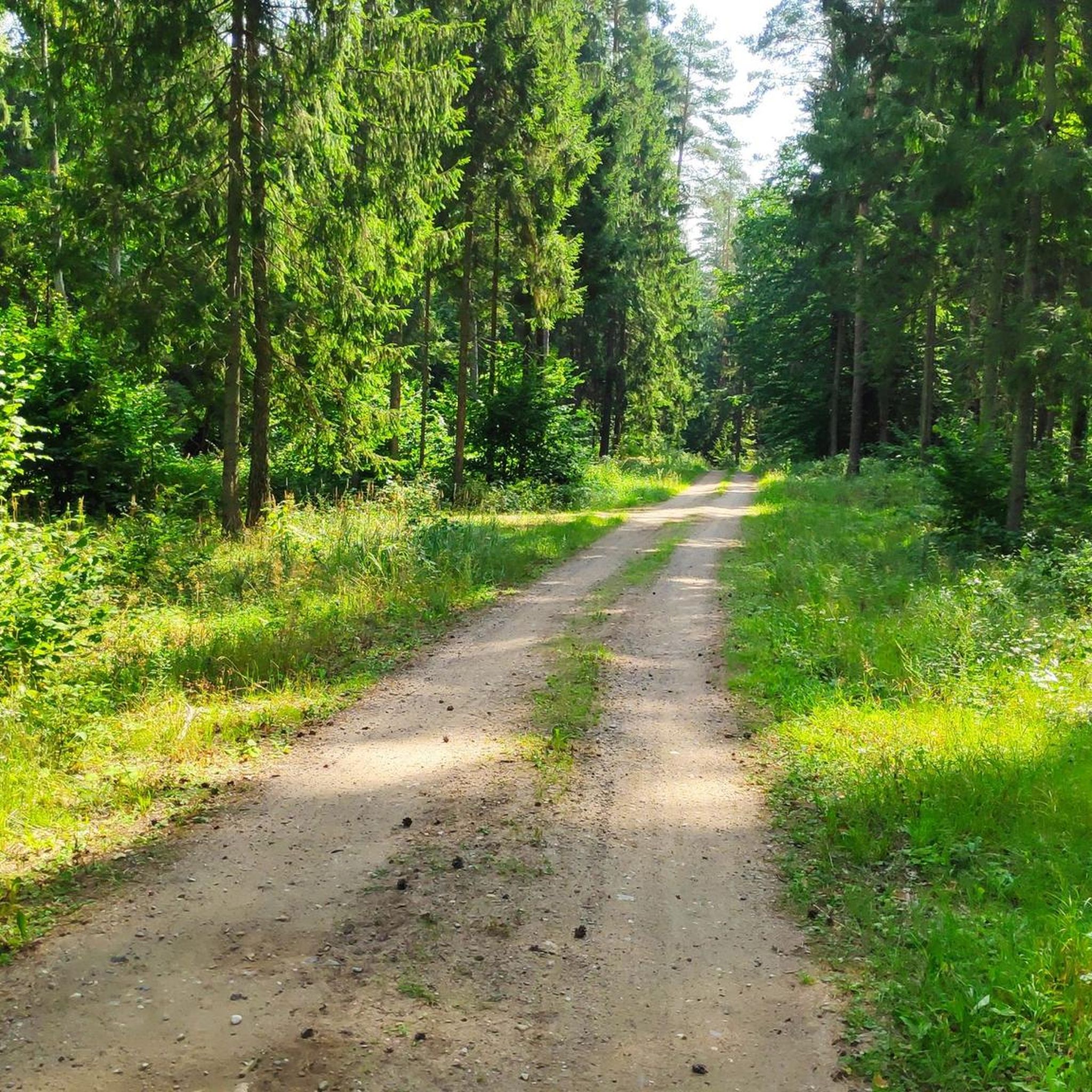
A forest road intersection in the heart of the Knyszyńska Forest, near the town of Surażkowo, on the green trail, in forest section 188. Looking around carefully, you'll notice numerous, large folk sculptures depicting January Uprising insurgents. The gallery was created to commemorate those who perished. The monuments were designed by Ryszard Bołtowicz.
4
0

Opposite the parking lot on the other side of the road we have the entrance to the Rybniki - Krzemianka walking and cycling trail. After 500m through the forest we have 300m of beautiful wetlands with a view of the valley, river and a shelter with a table. Being here it is worth visiting there. The trail goes further but at least the 800m to the shelter is definitely worth walking.
0
0

Signs at the entrance to the reserve inform about the ban on cycling. In the season, on a nice weekend, there are a lot of visitors. I suggest planning a trip outside of the obvious days and times.
1
0

One of the viewing terraces in the reserve. Very well maintained - looks brand new. There is also a great information board about the local springs feeding the Krzemionka stream: according to the information, such springs are rare in Poland, so they are protected here. Most of these springs are oval in shape and animals use them to drink water.
0
0

A great place to take a walk and breathe in clean air
0
1

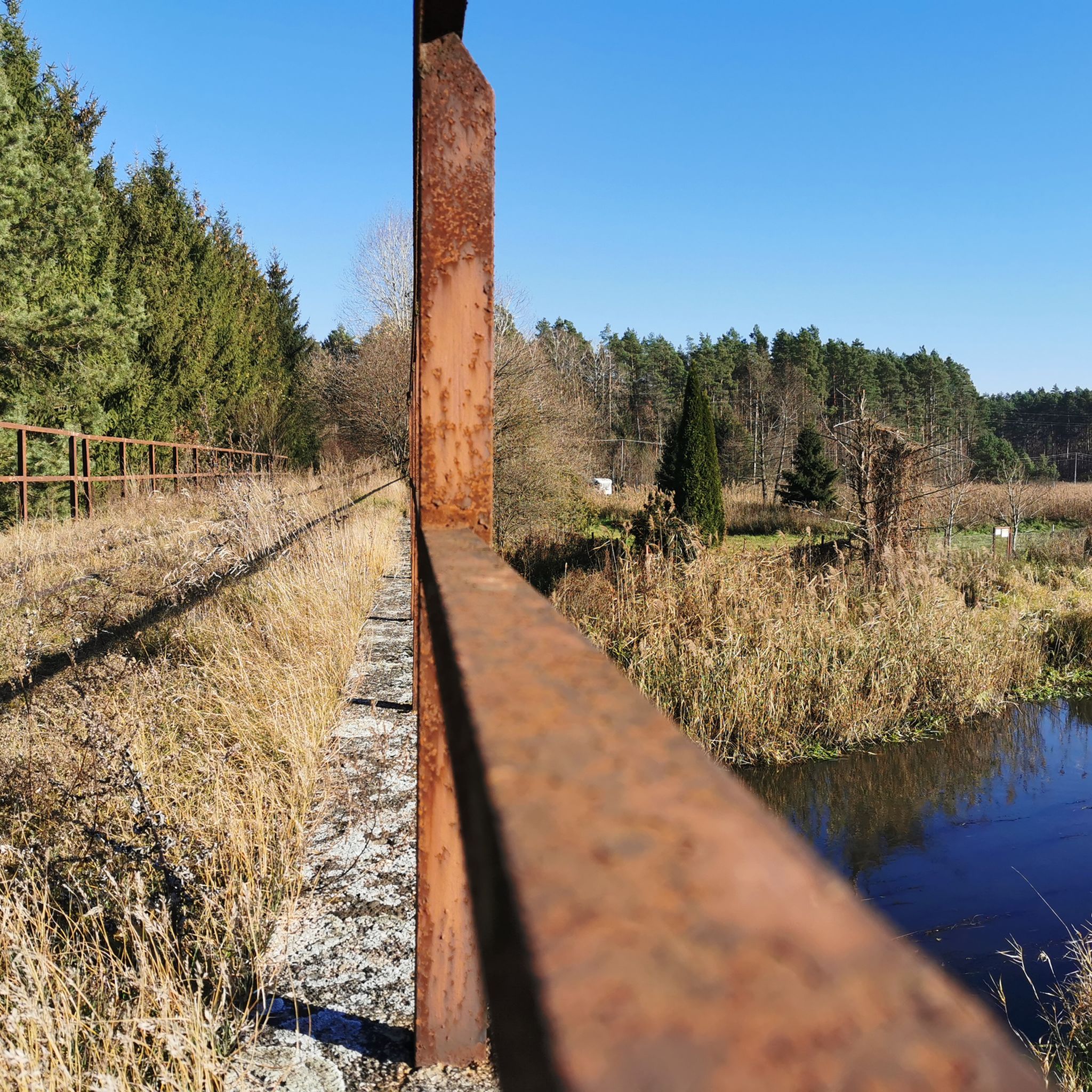
a new wooden footbridge with places to rest
1
0
This is the easternmost spring. There are 4 springs in the area, 2 of which are close to the path and 2 a little deeper.
1
0
Frequently Asked Questions
What types of natural monuments can I expect to see in Park Krajobrazowy Puszczy Knyszyńskiej?
The park is home to 157 natural monuments, primarily consisting of ancient individual trees, impressive tree avenues, and unique erratic boulders. These monuments showcase the region's rich biodiversity and preserved natural heritage, reflecting the primeval character of the Knyszyn Forest.
Are there any historical natural monuments in the area?
Yes, the January Uprising Forest Gallery is a notable historical natural monument. It features numerous folk sculptures depicting January Uprising insurgents, created to commemorate those who perished. It's located at a forest road intersection in the heart of the Knyszyńska Forest.
Which natural monuments are suitable for families with children?
Several natural monuments are family-friendly. The Krzemianka Nature Reserve offers mapped paths and a new wooden footbridge, perfect for a stroll. The Deer Bridge on the Starzynka River is also a pleasant spot with a shaded area and benches, ideal for a family break.
What are some of the most impressive natural features or specific trees to look out for?
The park boasts ancient oaks, including one nearly 470 years old, making it the oldest natural monument. Another impressive example is a pedunculate oak over 250 years old. The largest natural monument by circumference is a small-leaved linden near Suchy Hrud, measuring almost 7 meters around, offering a tangible connection to the ancient past of the region.
What kind of landscape can I expect to find around the natural monuments?
The landscape is shaped by the Middle Polish glaciation, featuring diverse post-glacial forms like kames, eskers, moraines, and outwash plains. You'll also find numerous springs feeding clean forest streams and rivers, extensive peat bogs, and prevalent coniferous forests, all contributing to the picturesque and unique scenery of the Knyszyn Forest.
Are there hiking or running trails near these natural monuments?
Yes, the region offers various outdoor activities. You can find numerous running trails, including loops from Cieliczanka and Supraśl, with varying difficulties. For more details on routes, you can explore the Running Trails around Park Krajobrazowy Puszczy Knyszyńskiej guide.
Can I go cycling near the natural monuments?
Absolutely. The area is well-suited for cycling. You can find road cycling routes, such as loops around Krasne Nature Reserve, and gravel biking options like the Supraśl City Beach loop. Check the Road Cycling Routes guide and the Gravel Biking guide for detailed routes.
What do visitors particularly enjoy about the natural monuments in Park Krajobrazowy Puszczy Knyszyńskiej?
Visitors appreciate the sense of history and natural grandeur. For instance, the January Uprising Forest Gallery is noted as a good place to stop and reflect, surrounded by beautiful large oak trees. The Krzemianka Nature Reserve is praised for its wild beauty and newly renovated paths, offering a serene experience.
Are there any nature reserves that are also considered natural monuments?
Yes, the park contains 20 nature reserves, many of which feature natural monuments. For example, the Cieliczanski Forest Nature Reserve protects valuable forest communities, including rare wych elm and ash-alder riparian forests, characterized by a wealth of plant cover and numerous springs.
Are there any viewpoints or observation decks to better appreciate the natural beauty?
Yes, within the Krzemianka Nature Reserve, you can find the Eastern Bridge and Observation Deck. This well-maintained viewing terrace provides excellent opportunities to observe the local springs feeding the Krzemionka stream, which are rare in Poland and protected in this area.
What is the best time of year to visit the natural monuments?
While the natural monuments can be enjoyed year-round, spring and autumn offer particularly beautiful scenery with vibrant foliage or fresh greenery. During peak season, especially on nice weekends, popular spots like the Krzemianka Reserve can attract many visitors, so planning your trip outside of obvious days and times might enhance your experience.
Most popular routes around Park Krajobrazowy Puszczy Knyszyńskiej
Most popular attractions around Park Krajobrazowy Puszczy Knyszyńskiej

Get inspired with the komoot mobile app


Explore more
Extend your search for the best caves by checking out these guides of the top ones around Park Krajobrazowy Puszczy Knyszyńskiej:
