Top 18 Natural Monuments around Biebrzański Park Narodowy
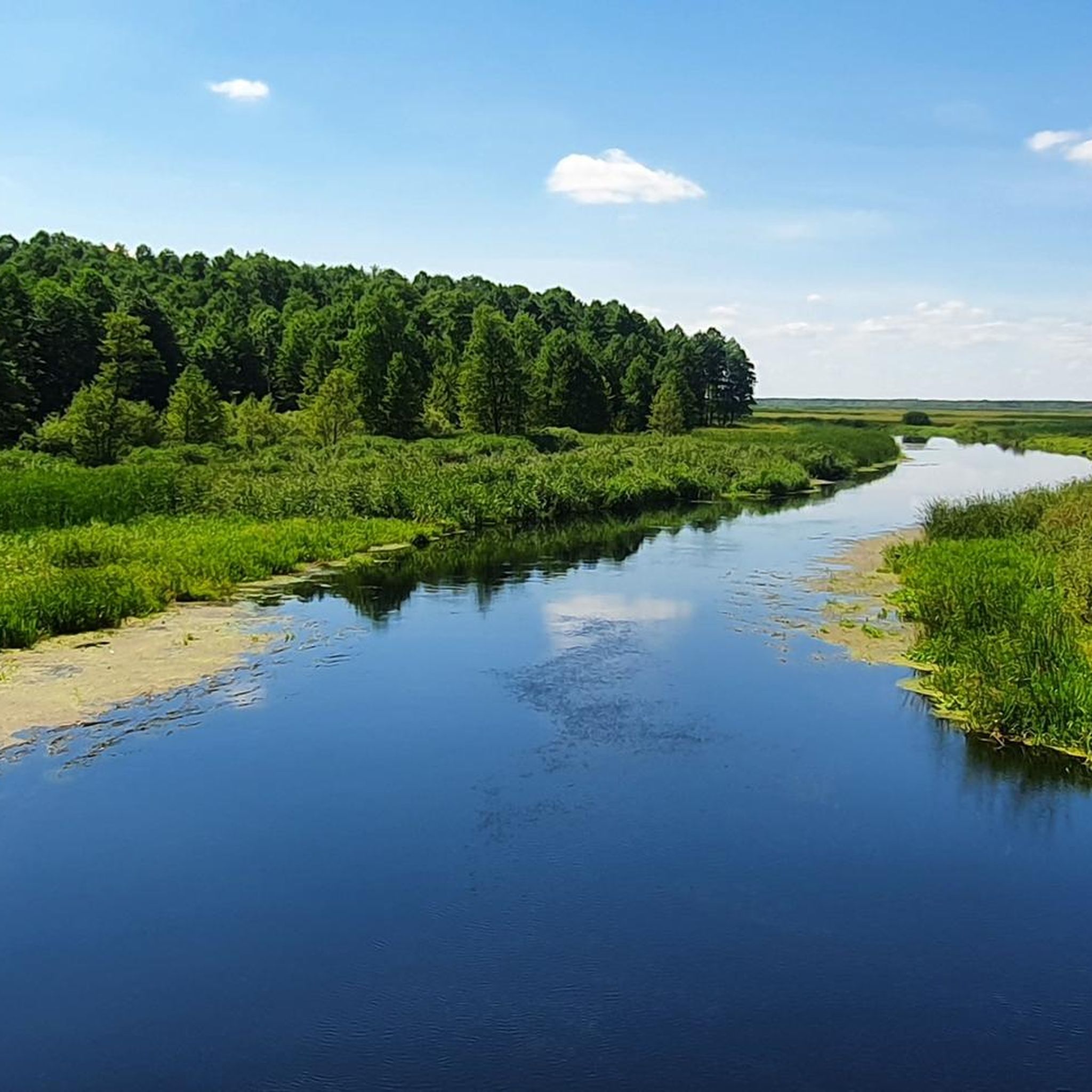
Best natural monuments around Biebrzański Park Narodowy are found within Poland's largest national park, a vast expanse of pristine wetlands, peat bogs, and the meandering Biebrza River. This unique landscape, characterized by its extensive marshlands, supports diverse ecosystems and offers significant opportunities for nature observation. The park's natural monuments showcase its untouched wilderness and rich biodiversity, reflecting the unique charakterystyka terenu Biebrzański Park Narodowy.
Best natural monuments around Biebrzański Park Narodowy
- The most popular natural monuments is Observation Tower Over…
Last updated: May 14, 2026
Observation Tower Over the Biebrza Marshes
Highlight • Viewpoint
Translated by Google •
Tip by

Long Gap Footbridge
Highlight • Trail
Translated by Google •
Tip by

Sign up now to discover places like this
Get recommendations on the best single tracks, peaks, & plenty of other exciting outdoor places.
Sign up for free
Viewing platform
Highlight • Viewpoint
Translated by Google •
Tip by
Góra Solistowska
Highlight • Historical Site
Translated by Google •
Tip by

Biebrza National Park
Highlight • Natural
Translated by Google •
Tip by

Sign up for free to discover even more natural monuments around Biebrzański Park Narodowy.
Sign up for free
Already have an account?
Start today with a free account
Your next adventure awaits.
Login or Signup
Popular around Biebrzański Park Narodowy

Tips from the Community

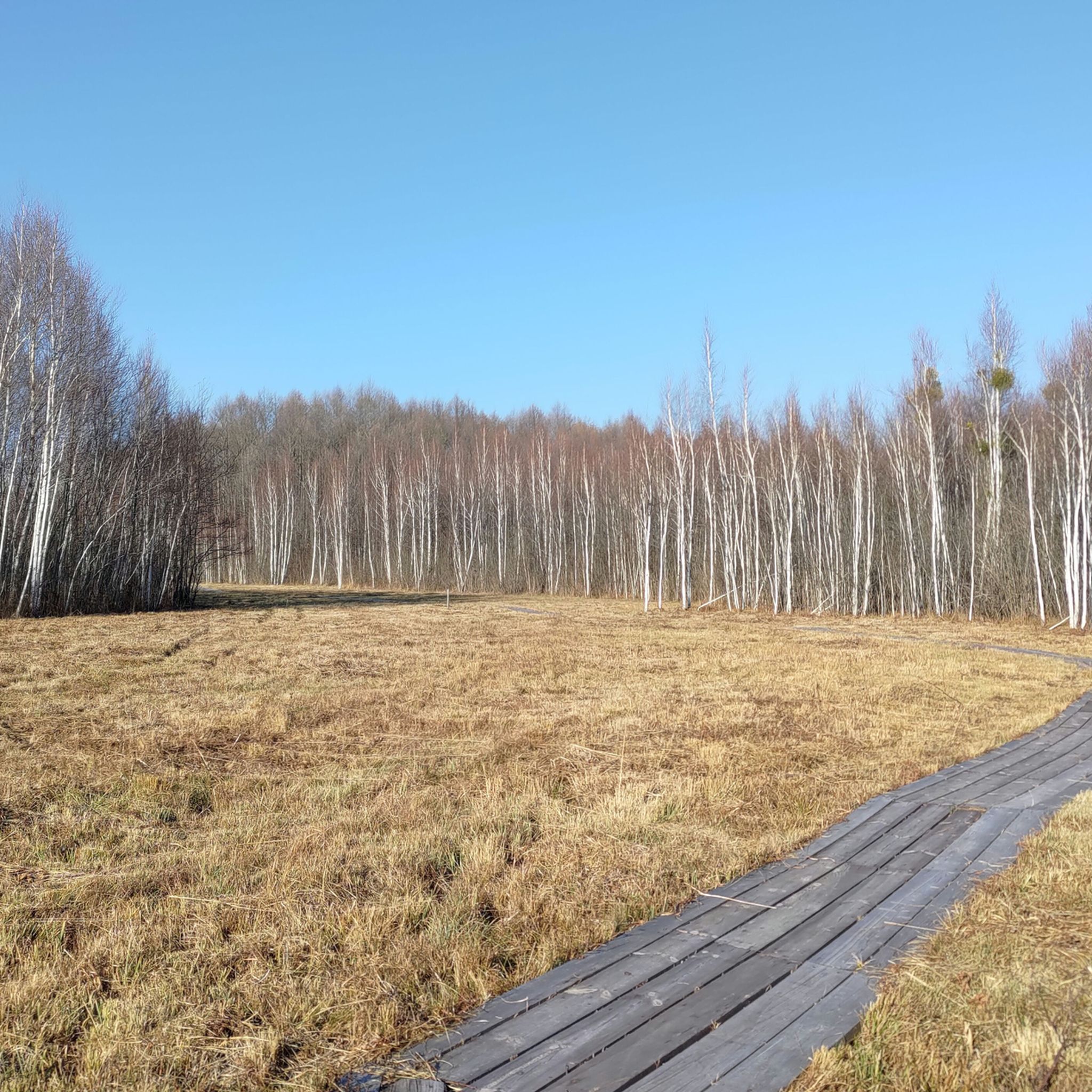
The Długa Luka Footbridge on Carska Droga is one of the most beautiful viewpoints in the Biebrza Valley. The wooden footbridge leads deep into the vast peat bogs, offering visitors a panoramic view of endless sedges and marshes. From the viewing platform, you can admire rare plants such as the red cuckoo and the Lapland willow, as well as numerous marsh birds, including the aquatic warbler, the long-eared owl, and the great snipe. Moose and sunbathing lizards are also common sights.
3
0


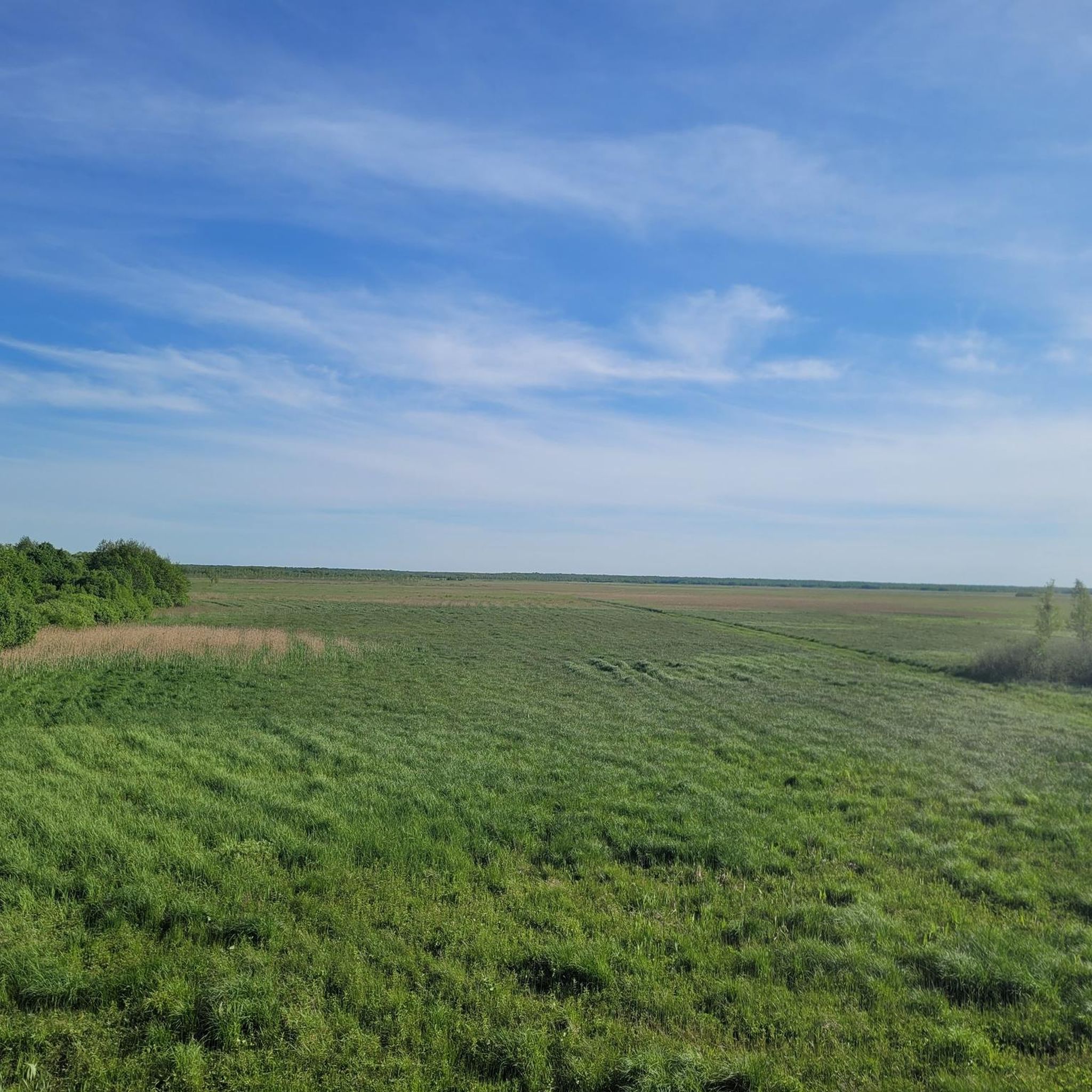
A beautiful observation tower overlooking the flat but vast marshy area between Goniadz and Wólka Piaseczna. It is worth stopping here and climbing the steps.
0
0
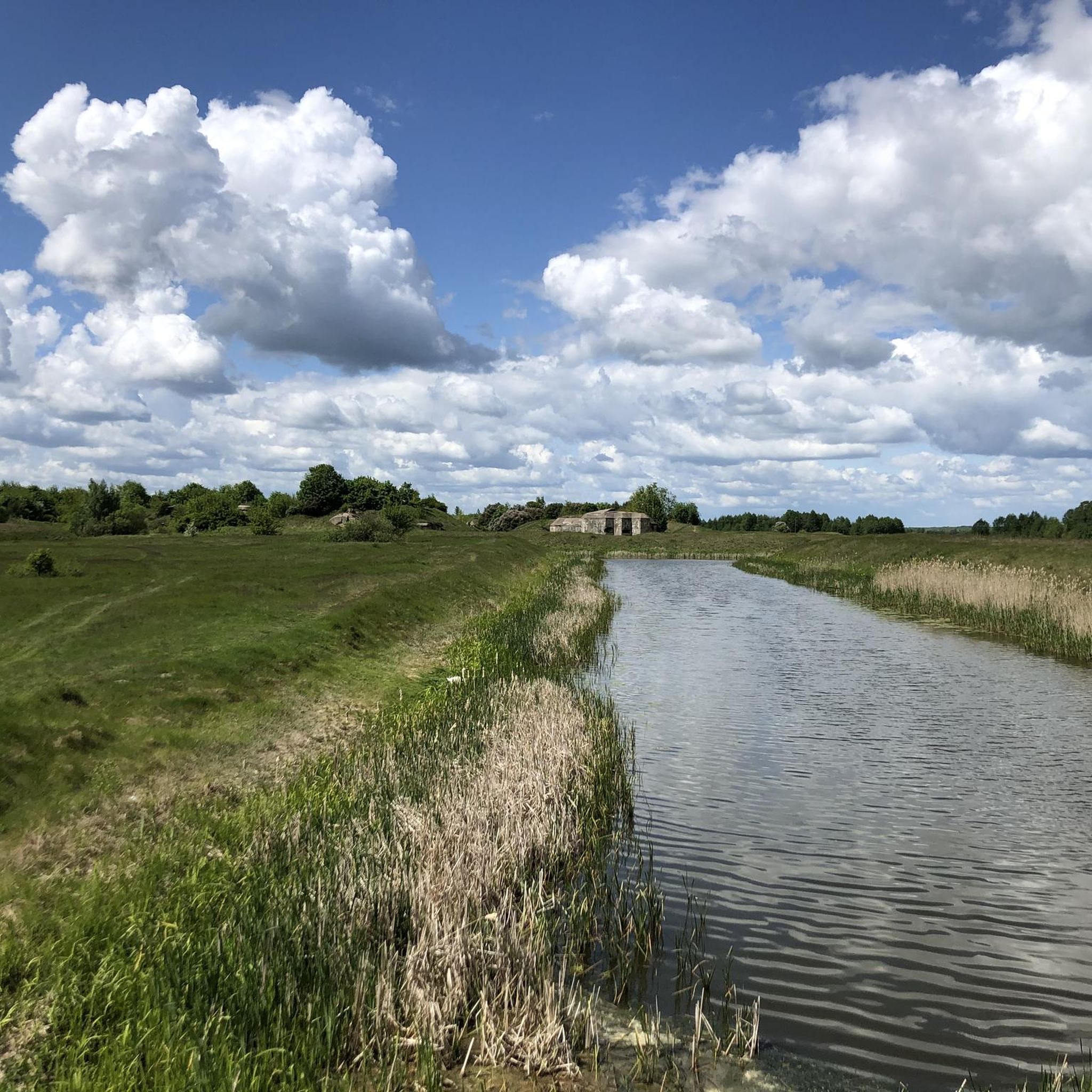
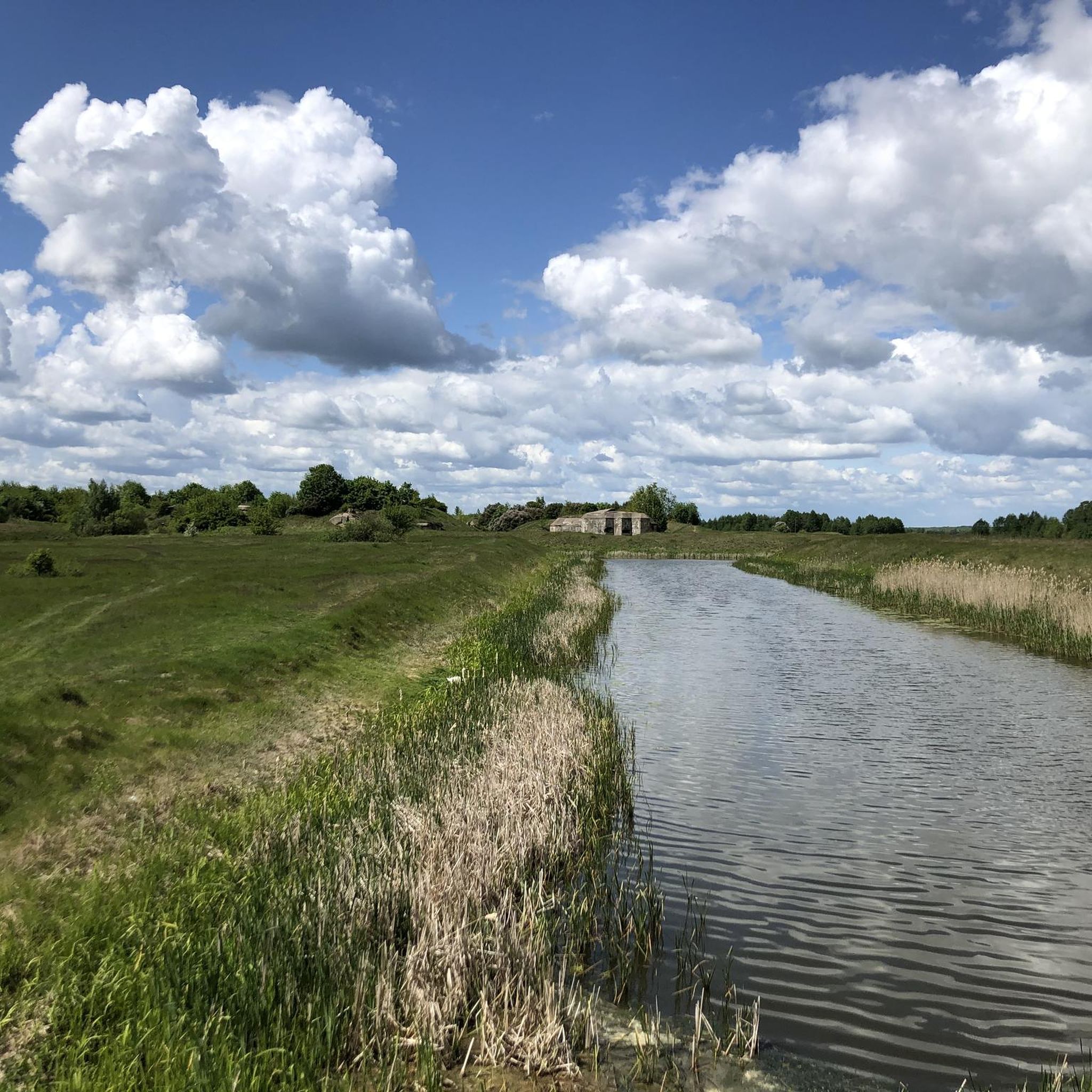
Góra Solistowska has a sad history: it is the place where former inhabitants of the village of Grzędy were executed in 1943, during World War II. There is a really great and detailed information board about it. Today it is a beautiful dune area. There is a shelter here, so sit down and, apart from the sad and tragic history, admire this beautiful area.
0
0

Right next to the road (unfortunately it is asphalt, but you have to somehow get to other places) there is a tower with a beautiful view of the meadows and Biebrza floodplains.
3
0
The observation tower is located right next to the road, so it's impossible not to notice it. It is worth stopping for a moment and going up to admire the charms that BPN offers us.
4
0

Observation tower behind the bridge in Goniądz. You can get there quite a walk from the beach in Goniądz, it's not far. In spring, there are interesting views of the Biebrza floodplains. There are a lot of yellow marigolds around in spring - it looks nice. You can see a lot of different birds here and sometimes moose or beavers.
2
0
The shelter is on the educational path at the Osowiec footbridge. Very good access. It's not far from the road. You can easily go for a walk there with your children.
2
0
Frequently Asked Questions
What unique natural features define Biebrzański Park Narodowy's natural monuments?
Biebrzański Park Narodowy is renowned for its vast and pristine wetlands, extensive peat bogs, and the meandering Biebrza River. These features create a unique landscape of fenlands, floodplains, and wet meadows, recognized globally for their ecological significance. The park's natural monuments showcase this untouched wilderness, offering a glimpse into one of Europe's most important marshland areas.
What kind of wildlife can I expect to see among the natural monuments?
The park is a haven for diverse wildlife. It's especially famous for its exceptional birdlife, hosting over 270 species, including rare ones like the aquatic warbler, greater spotted eagle, and black stork. Mammals such as elk (Poland's largest population), beaver, wolf, and lynx also thrive here. You might spot these animals from various observation points and trails, particularly during dawn or dusk.
Are there any particularly wild or untouched areas to explore within the park?
Yes, the Czerwone Bagno (Red Marsh) is highlighted as one of the park's most famous and important areas, known for its untouched, primeval character. It is under strict protection, offering a profound sense of wilderness and a chance to observe nature in its most raw form.
What are some notable viewpoints to experience the vastness of the park?
You can gain elevated perspectives from several points. The Observation Tower Over the Biebrza Marshes near Goniądz offers panoramic views, especially beautiful during spring floods. Another excellent spot is the Long Gap Footbridge on Carska Droga, which extends deep into the peat bogs, providing sweeping views of sedges and marshes.
Are there hiking opportunities near the natural monuments?
Absolutely. Biebrzański Park Narodowy offers numerous hiking opportunities. You can find trails ranging from easy to difficult, such as the 'Around Fort IV of the Osowiec Fortress' (easy) or the 'Dyer' path (moderate). For more options, explore the hiking guide for Biebrzański Park Narodowy.
Can I explore the natural monuments by bike or other means?
Yes, cycling is a popular way to see the park. There are routes like the 'Dwór Dobarz – Long Gap Footbridge loop' (moderate) or the 'Gravel road to Goniądz' (easy). You can find more cycling trails in the cycling guide for Biebrzański Park Narodowy. The Biebrza River itself is also popular for canoeing, offering a unique perspective of the park's landscapes and wildlife from the water.
Are there easy trails suitable for all fitness levels?
Many areas are accessible and suitable for various fitness levels. For instance, the Long Gap Footbridge is a wooden boardwalk that allows easy access into the peat bogs. The Viewing platform on an educational path is also easily accessible. Additionally, several easy hiking and cycling routes are available, as detailed in the respective guides.
Are the natural monuments suitable for families with children?
Yes, many natural monuments and trails are family-friendly. Highlights like the Long Gap Footbridge and the Viewing platform are great for families, offering accessible views and educational paths. The easy hiking routes, such as 'Around Fort IV of the Osowiec Fortress', are also suitable for children.
What is the best time to visit Biebrzański Park Narodowy to see its natural monuments?
The best time to visit largely depends on what you wish to see. Spring (April-May) is excellent for birdwatching, especially during the spring floods when thousands of migratory birds gather. Summer offers lush greenery and warmer weather for hiking and canoeing. Autumn brings beautiful colors and opportunities to spot elk. Each season offers a unique experience of the park's natural beauty.
Are there any historical sites among the natural monuments?
While primarily known for its natural beauty, the park also holds historical significance. Góra Solistowska, for example, is a beautiful dune area with a poignant history, marking the site where former inhabitants were executed during World War II. An information board there provides detailed context.
What do visitors enjoy most about Biebrzański Park Narodowy?
Visitors frequently praise the park's untouched wilderness and the unparalleled opportunities for nature observation. Many appreciate the panoramic views from observation towers and footbridges, especially during spring floods. The chance to spot rare birds and Poland's largest elk population is also a major draw. The peacefulness and raw beauty of the marshlands are often highlighted as unique experiences.
Where can I find more information about Biebrzański Park Narodowy's regulations or entry permits?
For detailed information regarding park regulations, entry permits, and visitor guidelines, it is best to consult the official source. You can find comprehensive details on the Biebrza National Park website.
Most popular routes around Biebrzański Park Narodowy
Most popular attractions around Biebrzański Park Narodowy

Get inspired with the komoot mobile app


Explore more
Extend your search for the best caves by checking out these guides of the top ones around Biebrzański Park Narodowy:
