Dłubniański Park Krajobrazowy
Dłubniański Park Krajobrazowy
Top 3 Natural Monuments around Dłubniański Park Krajobrazowy
Best natural monuments around Dłubniański Park Krajobrazowy showcase the region's diverse geological and hydrological characteristics. The Dłubnia Valley, a significant natural feature, is known for its picturesque landscapes, limestone rock formations, and the meandering Dłubnia River. The park features unique natural phenomena such as pulsating springs and various monumental trees. This area offers opportunities to explore distinct natural landmarks and features.
Best natural monuments around Dłubniański Park Krajobrazowy
- The most popular natural monuments is Dłubnia Valley, a forest that…
Last updated: October 13, 2026
Dłubnia Valley
Highlight • Forest
Translated by Google •
Tip by

Waterfalls on the Dłubnia 😉
Highlight • Waterfall
Translated by Google •
Tip by

Sign up now to discover places like this
Get recommendations on the best single tracks, peaks, & plenty of other exciting outdoor places.
Colorful Springs in Dłubniański Landscape Park
Highlight • Natural Monument
Translated by Google •
Tip by

Jordan Spring
Highlight • Natural Monument
Translated by Google •
Tip by

Dłubnia Spring.
Highlight • River
Translated by Google •
Tip by
Start today with a free account
Your next adventure awaits.
Popular around Dłubniański Park Krajobrazowy
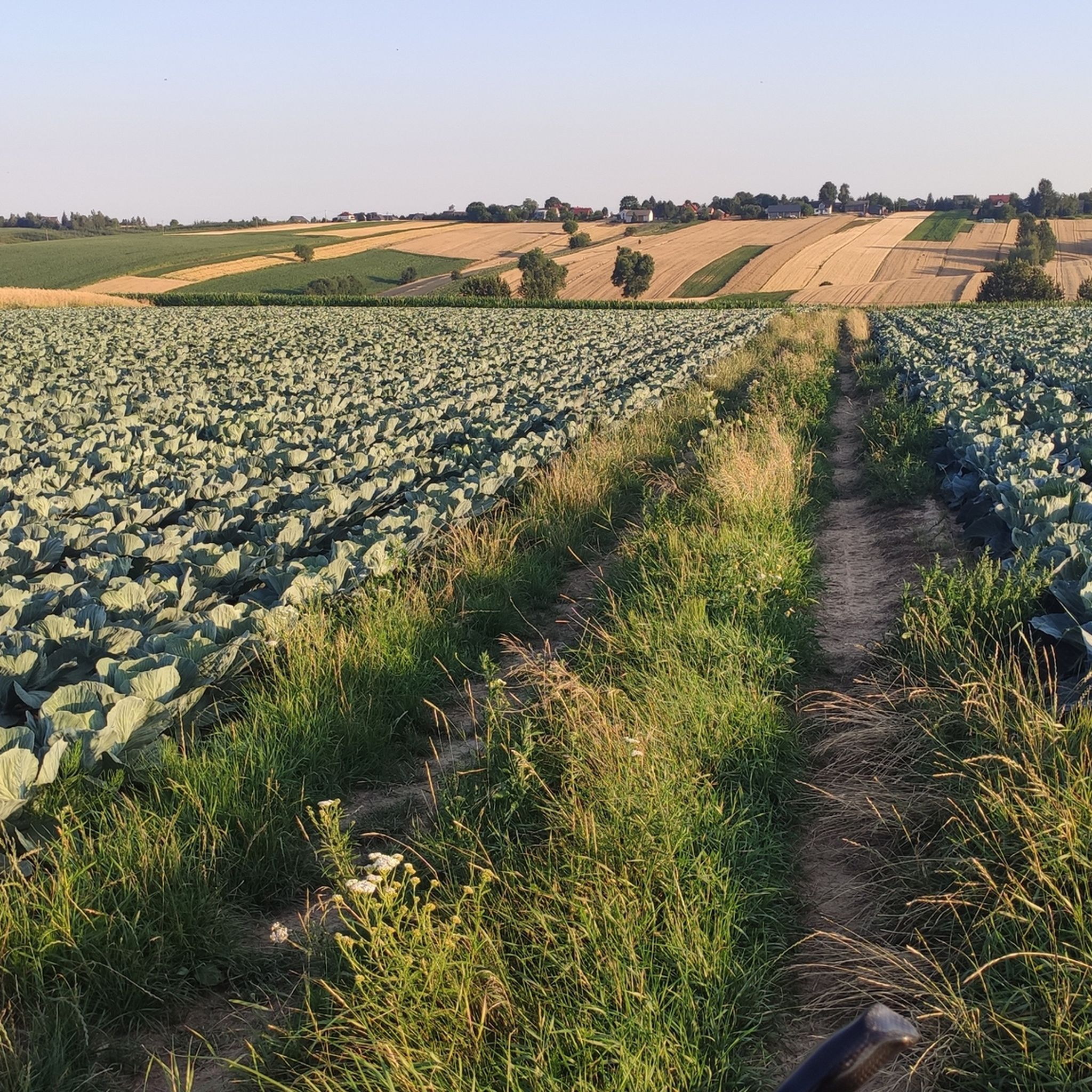
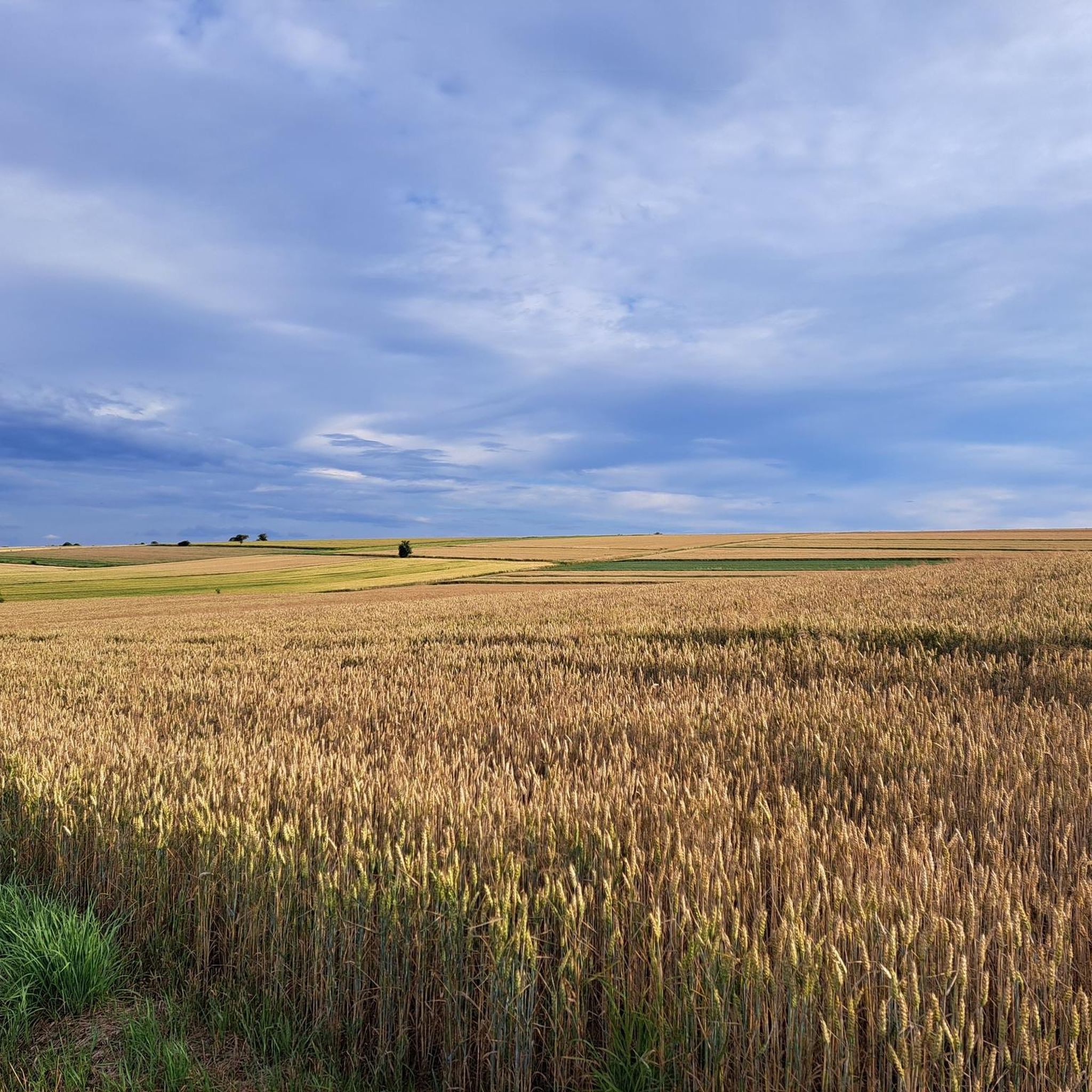
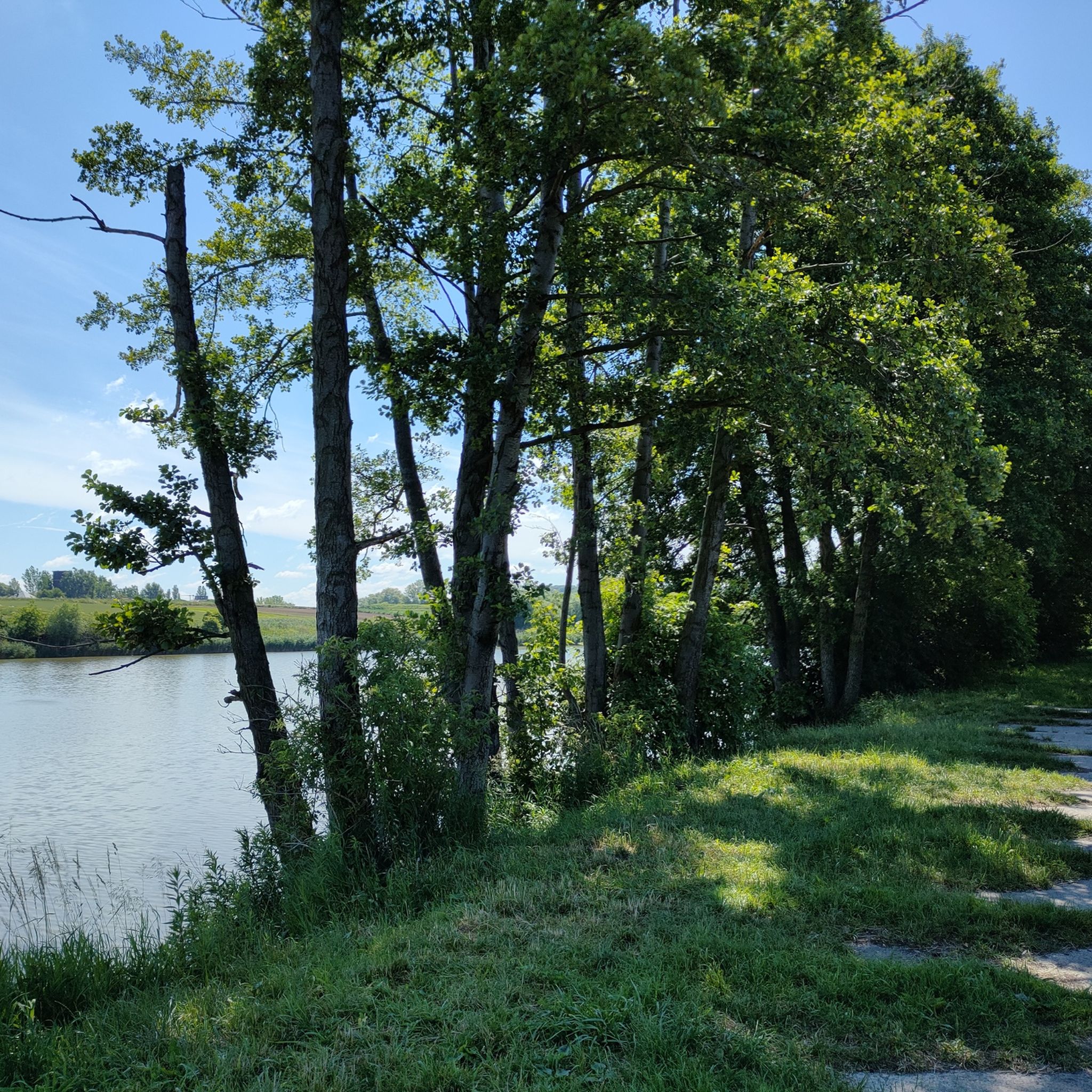
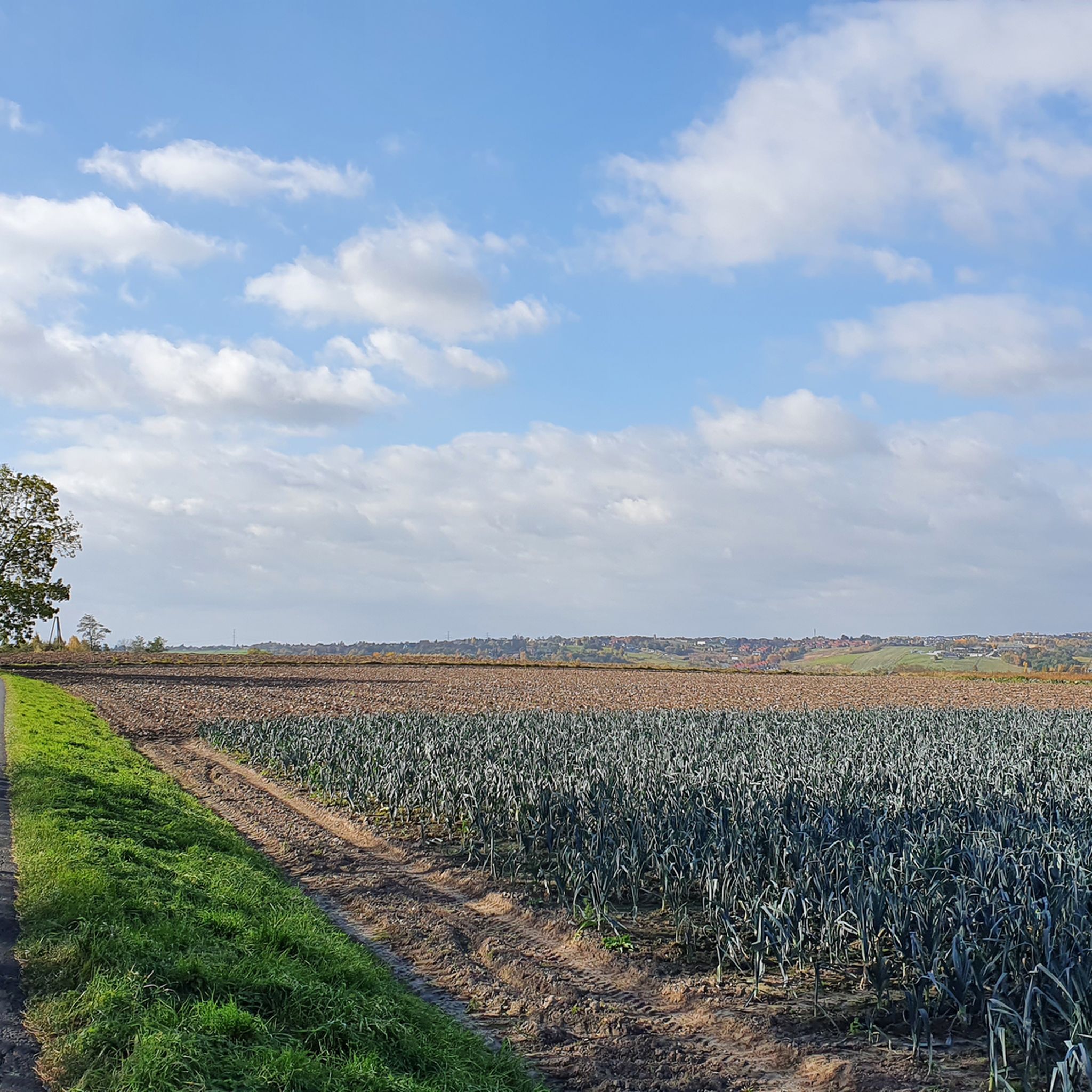

Tips from the Community

Nice surroundings of the lower part of Dłubnia
0
0
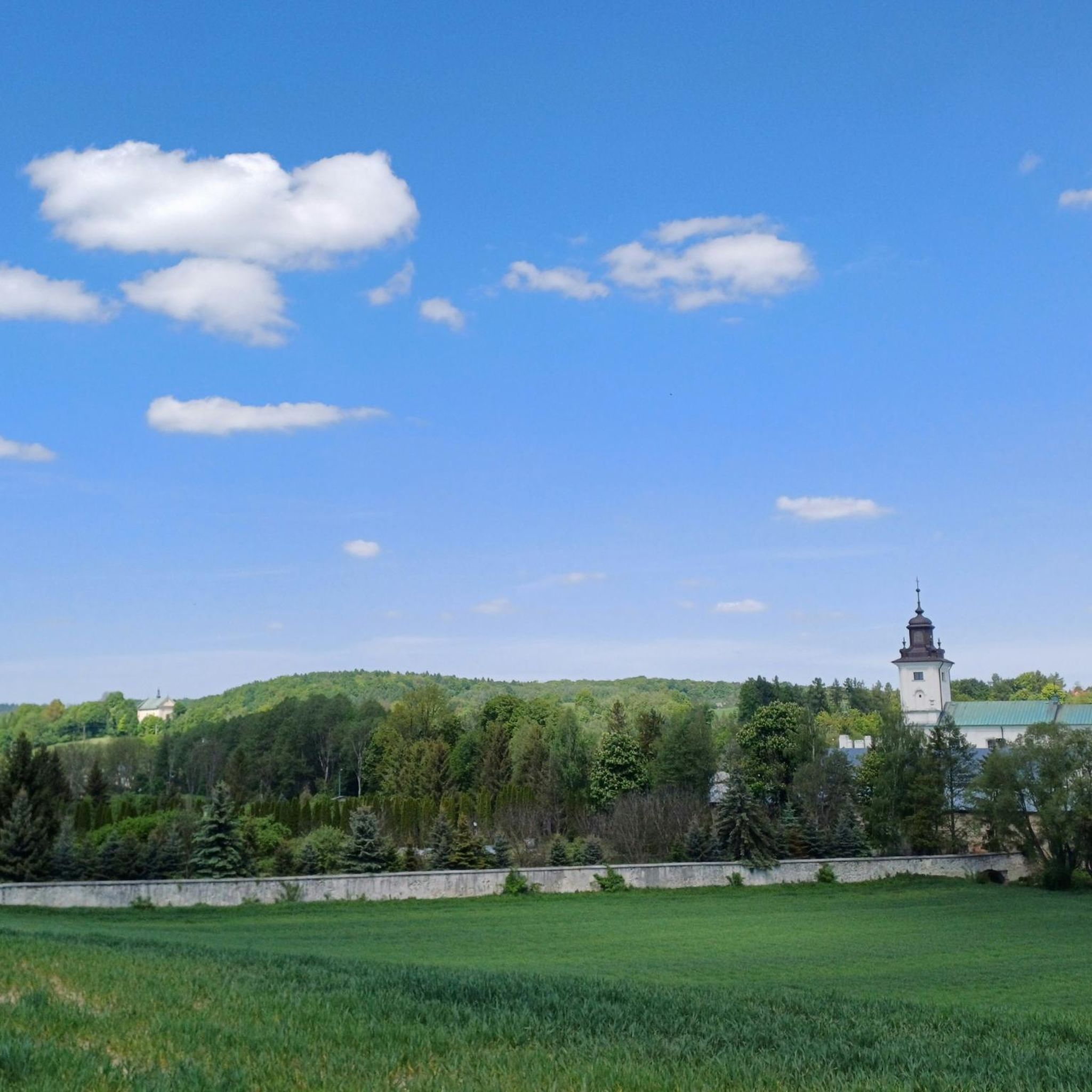
The lower section of the valley around Raciborowice is very picturesque, as is the upper section. And along the way, beautiful churches, beautiful views, and a noble manor house in Sieciechowice.
0
0

Fantastic place, you have to go off the road a bit, so it's easy to miss
0
0

It's private property, but the information board looks like it's in a national park. The owner hung a piggy bank on it. The spring and its surroundings are very pretty, but we only saw it from a distance because it was at the other end of the yard.
0
0

Komoot is leading badly, you should choose this path
0
0


A beautiful enclave of nature, and close to the city.
0
0

It's muddy after the rain.
0
0
Frequently Asked Questions
What are the most notable natural monuments in Dłubniański Park Krajobrazowy?
The region boasts several unique natural monuments. Key attractions include the scenic Dłubnia Valley, often called "Little Ojców," known for its picturesque landscape and limestone formations. You can also discover the Waterfalls on the Dłubnia and the fascinating "pulsating springs" like the Jordan Spring with its turquoise waters, and the Colorful Springs in Dłubniański Landscape Park.
What unique geological features can I expect to see in the park?
Dłubniański Park Krajobrazowy is characterized by its dramatic Jurassic limestone rock formations, especially prominent in the Dłubnia Valley. You'll also find deep loess ravines in the upper sections of side valleys, adding to the diverse geological landscape.
What do visitors enjoy most about the natural monuments here?
Visitors frequently praise the serene natural beauty and the opportunity to escape city life. The Dłubnia Valley is noted for its picturesque views and tranquil atmosphere. The waterfalls offer a pleasant spot for rest, and the unique colors of the Jordan Spring are often highlighted as a fantastic sight, despite sometimes requiring a slight detour to find.
Are there family-friendly natural monuments or activities in Dłubniański Park Krajobrazowy?
Yes, many of the natural monuments are suitable for families. The Waterfalls on the Dłubnia are considered family-friendly, offering a mini "beach" area for relaxation. Exploring the Dłubnia Valley by bike is also a popular family activity, with relatively easy terrain in many sections.
What outdoor activities can I do near these natural monuments?
The area is excellent for various outdoor activities. You can enjoy hiking on easy trails, with options like the Hydrographers' Spring loop from Imbramowice. Cycling is also very popular, especially along the Dłubnia River, which features attractive waterfalls. For more cycling options, explore traffic-free bike rides in the area.
When is the best time to visit the natural monuments in Dłubniański Park Krajobrazowy?
Spring and autumn are generally ideal for visiting, offering pleasant temperatures for hiking and cycling, and vibrant natural colors. The springs maintain a constant temperature year-round, but the surrounding landscape is most inviting during these seasons. Be aware that some areas can become muddy after rain.
Are there any monumental trees to see in the park?
Yes, the former manor grounds in Maszków are home to two designated natural monuments: a tulip tree and a small-leaved linden. These ancient trees offer a glimpse into the region's botanical heritage.
What are the 'pulsating springs' and where can I find them?
The 'pulsating springs' are a fascinating hydrological phenomenon in the park. The most notable is the Jordan Spring in Ściborzyce, known for its crystal-clear, turquoise lake. Other significant springs include Hydrografów, Strusi, and Aleksandry in Imbramowice, and an artesian spring in Maszków.
Can I bring my dog to the natural monuments and trails?
While specific regulations for each natural monument may vary, Dłubniański Park Krajobrazowy generally welcomes dogs on trails, provided they are kept on a leash. It's always a good idea to check local signage for any specific restrictions in sensitive natural areas.
Are there any historical or cultural sites near the natural monuments?
Beyond the natural beauty, the region also features historical and cultural remnants. As you explore the Dłubnia Valley, you might encounter old mills and manor houses, such as the noble manor house in Sieciechowice, adding a historical dimension to your visit.
How long should I plan for a visit to the natural monuments?
The duration of your visit depends on how many sites you wish to see and your chosen activity. A focused visit to one or two key springs or a section of the Dłubnia Valley could take a few hours. For a more comprehensive experience, including hiking or cycling, you could easily spend a full day exploring the various natural monuments and nearby trails.
Where can I find parking near the natural monuments?
Parking availability varies by location. For popular spots like the Dłubnia Valley or specific springs, you may find small parking areas or roadside spots. It's advisable to check maps or local information for designated parking zones, especially when visiting more remote natural monuments.
Most popular routes around Dłubniański Park Krajobrazowy
Most popular attractions around Dłubniański Park Krajobrazowy

Get inspired with the komoot mobile app


Explore more
Extend your search for the best caves by checking out these guides of the top ones around Dłubniański Park Krajobrazowy:
