Top 5 Natural Monuments around Pietzmoor
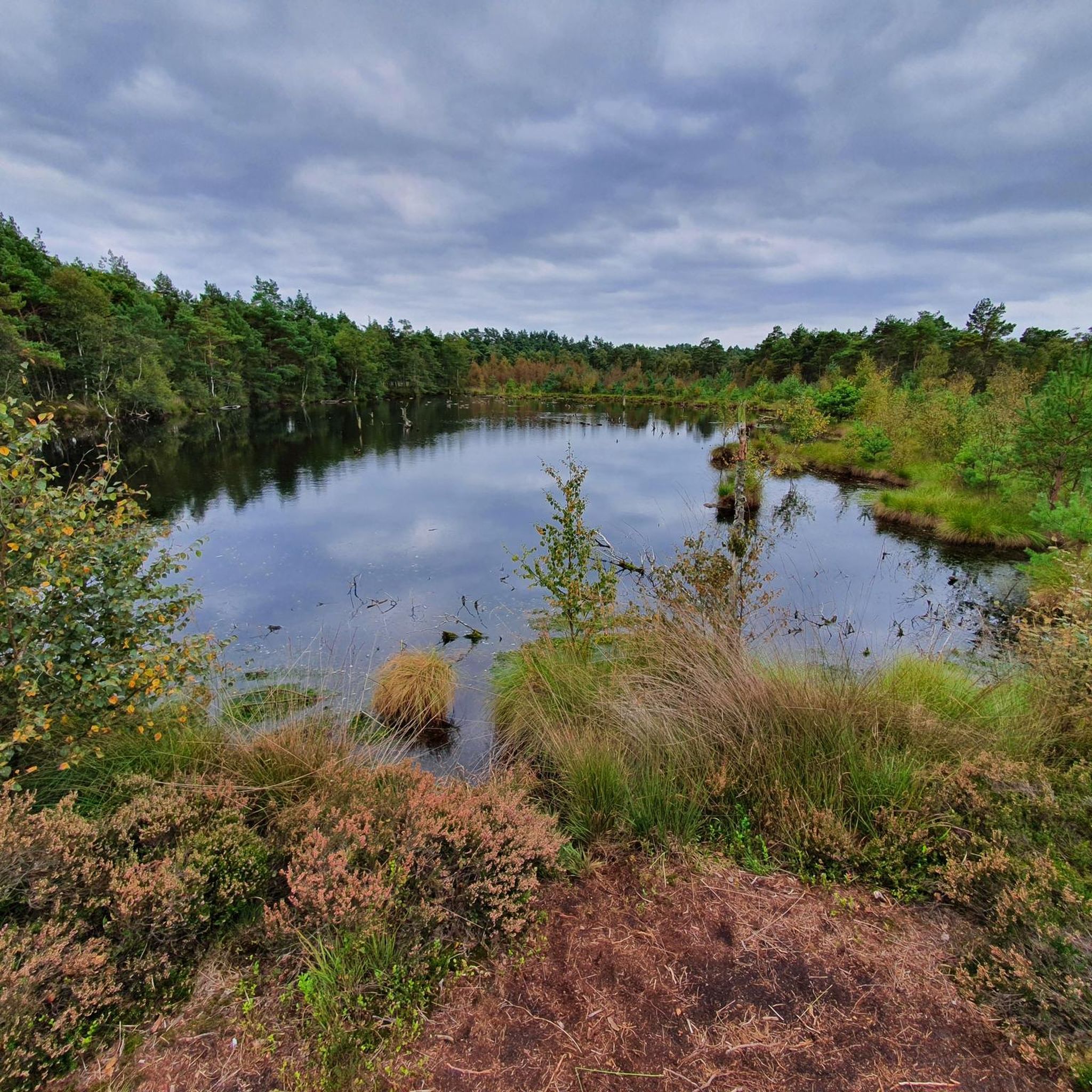
Best natural monuments around Pietzmoor include an approximately 8,000-year-old raised bog, characterized by peat depths averaging 4 meters. This unique ecosystem, located on the southern edge of the Lüneburg Heath Nature Reserve, features wooden boardwalks for exploration. The moor is home to typical bog plants such as cotton grass and sphagnum moss, and serves as a refuge for various wildlife including waterfowl and insects. An "Moor Experience Trail" provides information on the bog's history and renaturation efforts.
Best natural monuments…
Last updated: July 11, 2026
Pietzmoor
Highlight (Segment) • Natural
Translated by Google •
Tip by

Pietzmoor Raised Bog
Highlight • Natural
Translated by Google •
Tip by

Sign up now to discover places like this
Get recommendations on the best single tracks, peaks, & plenty of other exciting outdoor places.
Sign up for free
Pietzmoor
Highlight • Natural
8000 year old Pietzmoor
The Pietzmoor is located on the southern edge of the Lüneburg …
Translated by Google •
Tip by

Pietzmoor Wetlands
Highlight • Natural
Translated by Google •
Tip by

Pietzmoor
Highlight • Natural
Translated by Google •
Tip by

Sign up for free to discover even more natural monuments around Pietzmoor.
Sign up for free
Already have an account?
Start today with a free account
Your next adventure awaits.
Login or Signup
Tips from the Community

Very beautiful raised bog, numerous seating options 😁 Pietzmoor by bike??? It is no longer allowed! Can you cycle through the Pietzmoor? Unfortunately, no. Bike racks are available at the entrance near the Hotel Schäferhof. https://www.lueneburger-heide.de/natur/sehenswuerdigkeit/332/pietzmoor-schneverdingen.html
0
0

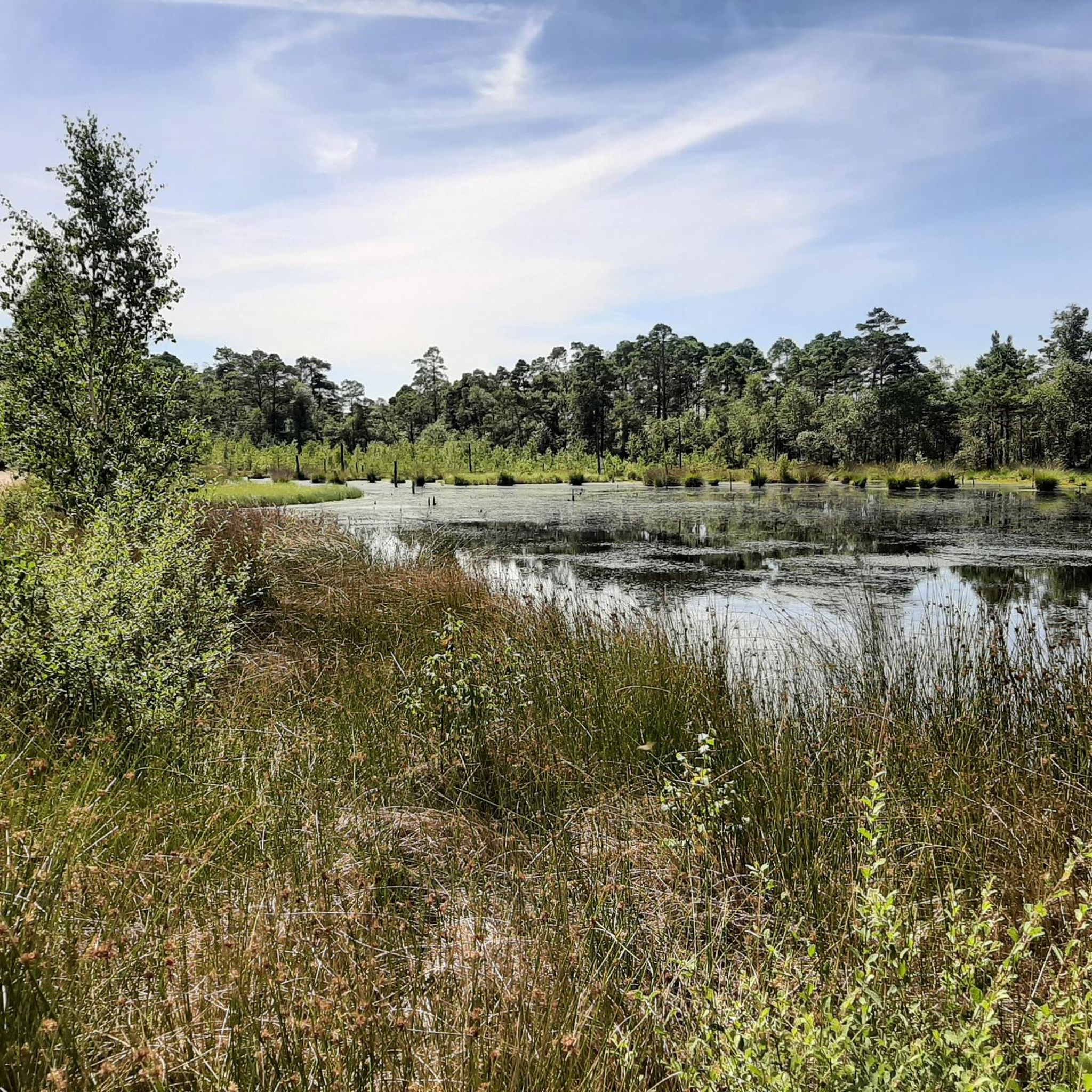
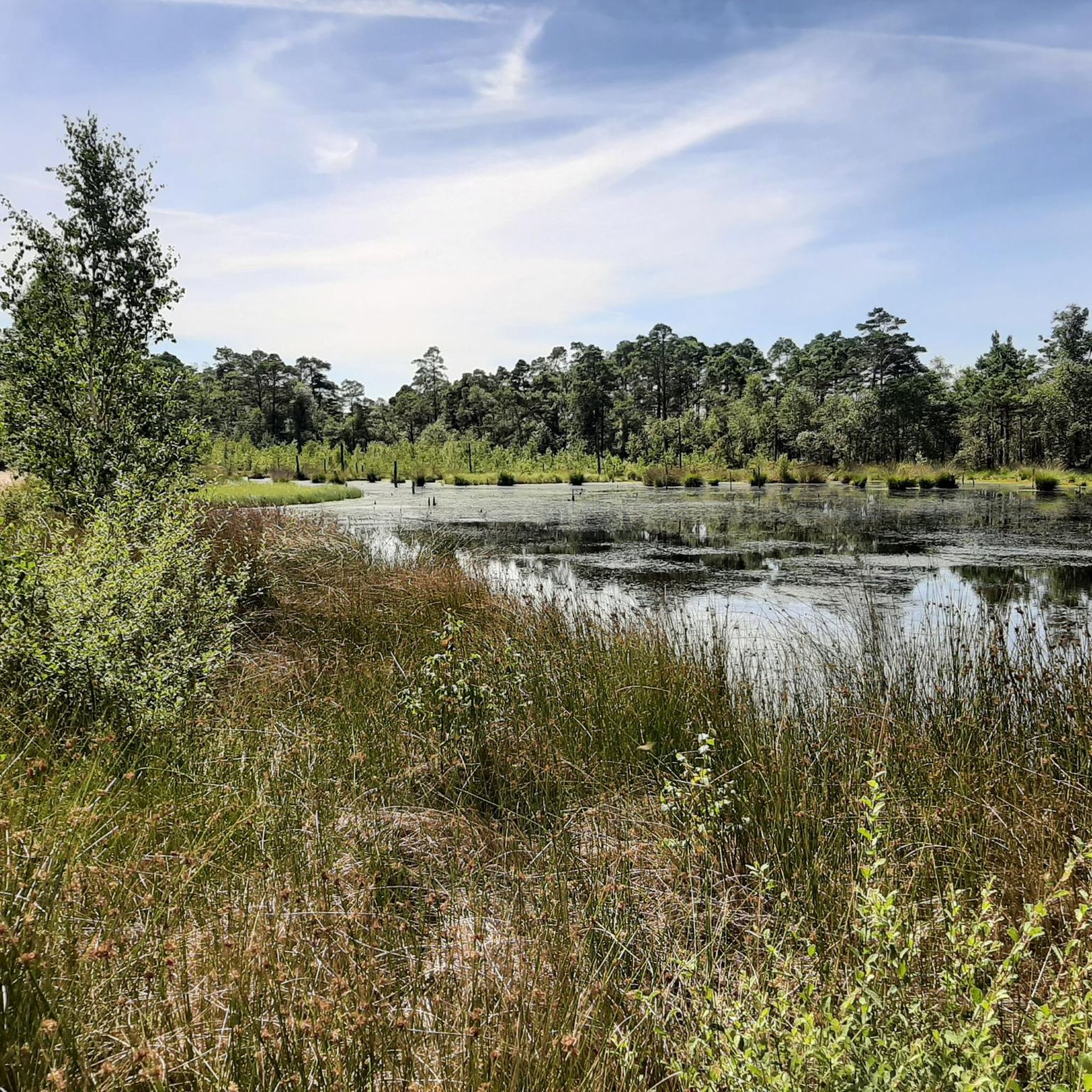
The Pietzmoor in the Lüneburg Heath was renaturalized in 1985/86. A 4.4 km circular trail offers excellent views of the moor and its water features. Half of the trail is on a wooden boardwalk.
2
0

It is amazing what successful renaturation of the moor can achieve in such a short time.
0
1

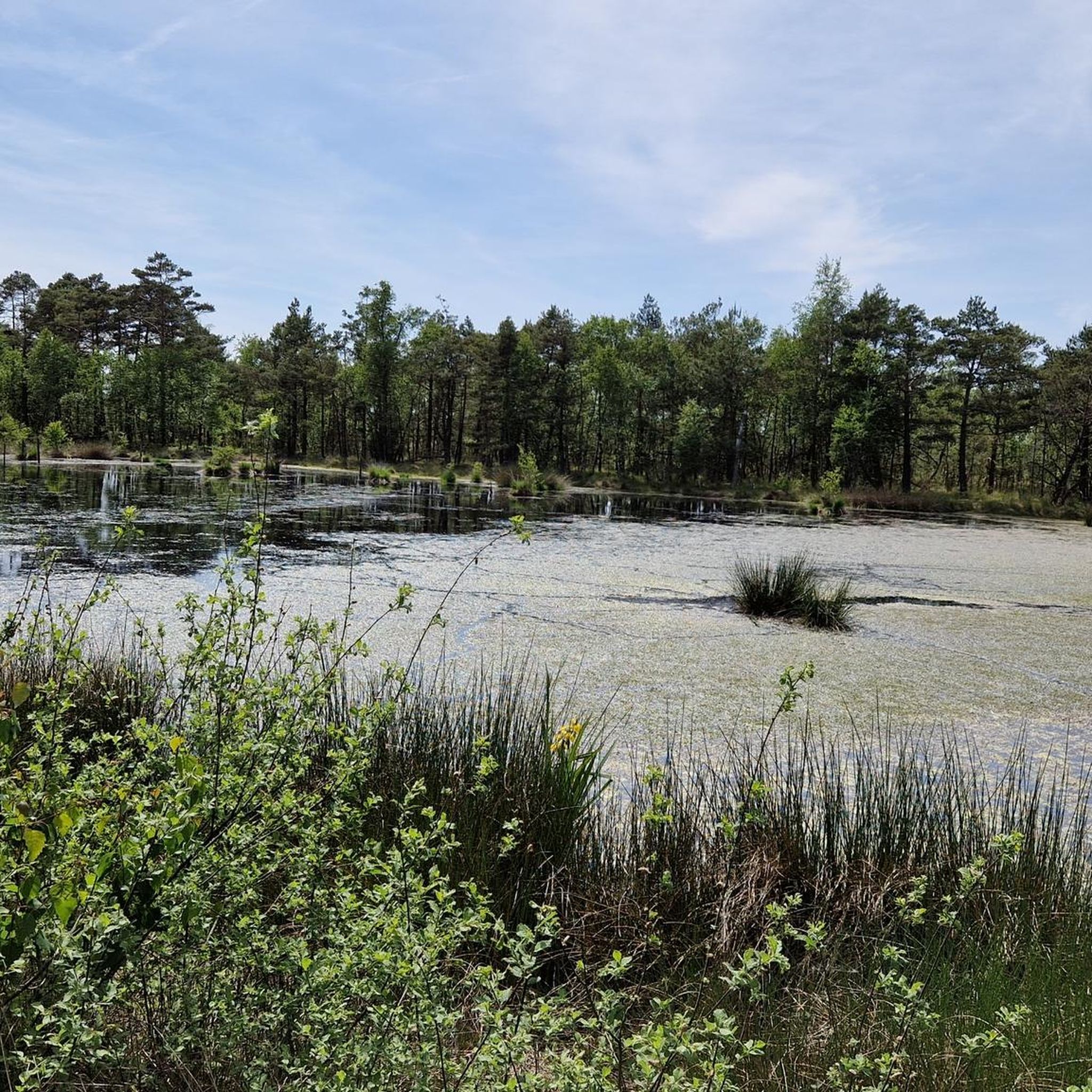
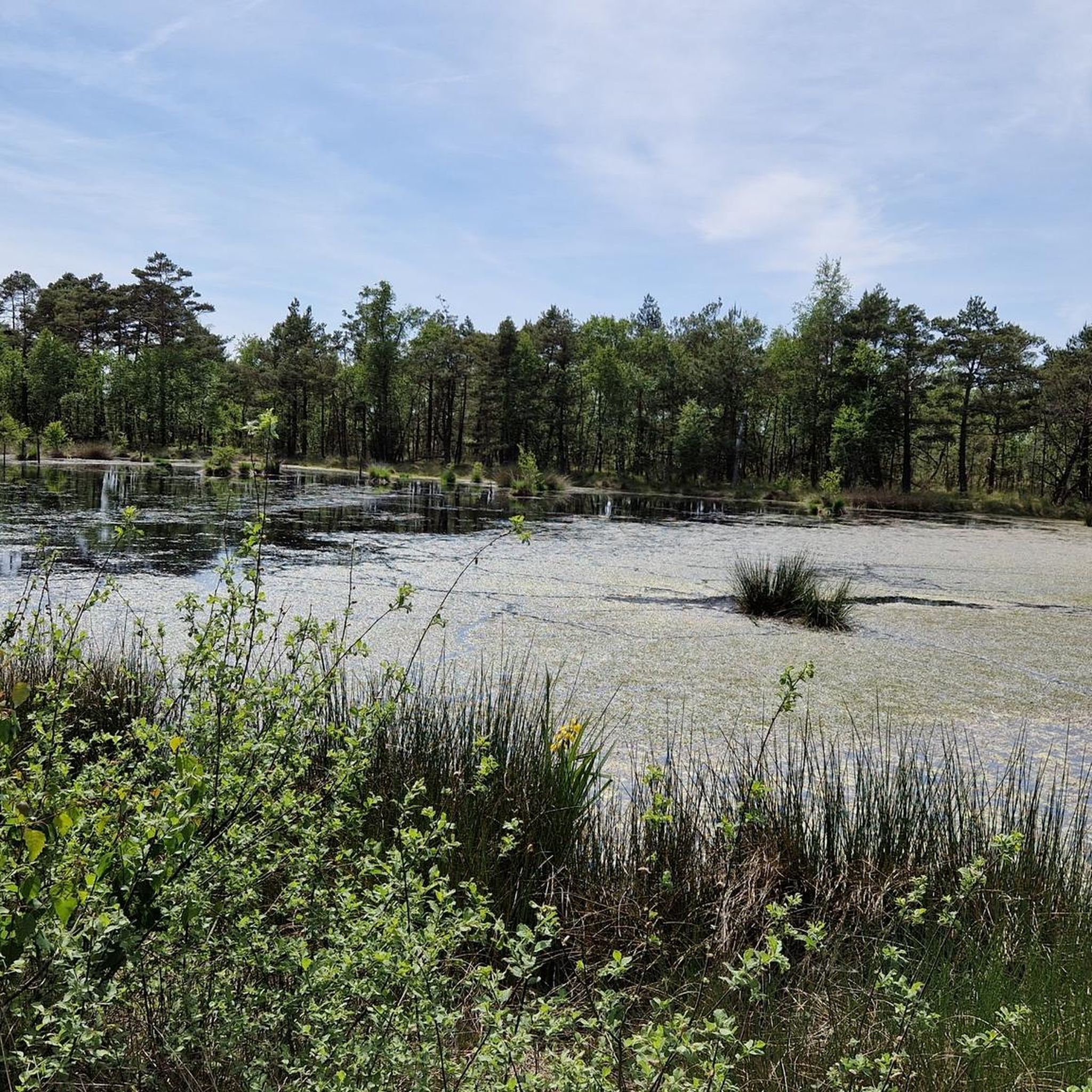
The approximately 7,500-year-old Pietzmoor Sneverdingen is the largest contiguous raised bog in the Lüneburg Heath, covering approximately 2.7 square kilometers. The peat thickness is 4 to 7.5 meters. The 5.5 km long rectangular circular path is provided with contiguous plank walkways on 4.8 km to the south and west. The areas of the former peat cuttings were filled with water for renaturation so that the moor would once again be rich in trees. As a result, dead birch stumps stand in the moor lakes. The typical fauna that have settled in the moor are moor frogs, four-spotted dragonflies, forest lizards, adders, and the typical flora is cotton grass, yellow bog lily, and bell heather.
0
0

When it's wet, you have to be very careful on the wooden walkways as they are extremely slippery.
0
0

Well-developed footbridges for safe walking through the Pietzmoor
0
0
Frequently Asked Questions
What makes the Pietzmoor area a unique natural monument?
The Pietzmoor is an approximately 8,000-year-old raised bog, characterized by peat depths averaging 4 meters and reaching up to 7.5 meters. Unlike bogs formed from lakes, this unique ecosystem developed from cotton grass, sedge, and peat mosses settling in a water-rich hollow after the Ice Age. It's a prime example of a raised bog landscape.
What kind of wildlife can be observed in the Pietzmoor?
The Pietzmoor is a refuge for diverse wildlife. You can spot waterfowl, various birds like Eurasian Teal and Common Crane, numerous insects, adders, and lizards. A notable highlight is the blue moor frogs, whose males turn a vibrant blue during their mating season in spring.
Are there accessible trails for exploring the Pietzmoor?
Yes, the Pietzmoor features a network of long raised wooden boardwalks, allowing visitors to experience the sensitive environment without disturbance. A popular 5 km circular route is particularly easy and suitable for hikers of all conditions, making it accessible for a wide range of visitors.
What is the best time of year to visit the natural monuments around Pietzmoor?
The Pietzmoor offers distinct beauty in every season. Spring is popular for the spectacular cottongrass blossom and the blue moor frog mating display. Summer allows for observing diverse wildlife. Autumn brings mystical fog and golden colors, while winter transforms the moor into a frosty, snowy ice landscape. Each season provides a unique experience.
Are there any other notable natural monuments near Pietzmoor besides the main bog area?
Yes, beyond the main bog, you can explore the Böhme Source Area, which marks the origin of the Böhme River. Another interesting spot is Bride and Groom, two overgrown trees symbolizing a local legend.
What kind of activities can families enjoy at Pietzmoor?
The easy circular hiking trails on boardwalks are suitable for families. The 'Moor Experience Trail' features informative boards detailing the bog's history and ecology, offering educational opportunities for children and adults alike. Wildlife spotting, especially during spring, can also be a fun activity for families.
Can I bring my dog to the Pietzmoor trails?
While the guide data doesn't explicitly state dog rules, natural areas often have specific regulations. It's generally recommended to keep dogs on a leash to protect the sensitive ecosystem and wildlife. Always check local signage for the most current rules regarding pets.
What outdoor activities are available near the Pietzmoor natural monuments?
Beyond hiking the boardwalks, the surrounding Lüneburg Heath offers various outdoor activities. You can find numerous MTB Trails, Gravel Biking routes, and Road Cycling Routes. These routes vary in difficulty from easy to difficult, catering to different skill levels.
Are there any cafes or places to eat near Pietzmoor?
While specific cafes aren't listed in the guide data, visitor tips mention that gastronomy can be found nearby. The Pietzmoor is located near Schneverdingen, which offers options for refreshments and meals after your visit.
What do visitors enjoy most about the Pietzmoor?
Visitors frequently praise the immersive nature experience provided by the boardwalks, allowing an intimate view of the unique flora and fauna. The tranquility and peaceful environment are also highly valued, especially for relaxation and photography. Many also appreciate the distinct beauty the moor offers in every season, from the cottongrass blossom in spring to the frosty winter landscape.
How long does it take to hike the main circular trail at Pietzmoor?
The popular circular walk on the boardwalks through the Pietzmoor is approximately 5 km long. For most visitors, this walk can be completed in about 1.5 to 2 hours, depending on your pace and how often you stop to observe the scenery and wildlife.
Is there parking available at Pietzmoor?
Yes, parking is sufficiently available near the Pietzmoor trails, making it convenient for visitors arriving by car. From the parking areas, you can easily access the boardwalks and start your exploration.
Most popular routes around Pietzmoor
Most popular attractions around Pietzmoor

Get inspired with the komoot mobile app


Explore more
Extend your search for the best caves by checking out these guides of the top ones around Pietzmoor:
