Top 20 Natural Monuments around Puszcza Goleniowska
Best natural monuments around Puszcza Goleniowska include a vast forest complex spanning approximately 63,000 hectares, characterized by pine forests, moraine hills, and deep ravines. This region is known for its rich biodiversity, featuring diverse forest types and significant habitats for rare plant and bird species. Puszcza Goleniowska offers an extensive network of hiking and cycling trails, providing access to its natural features.
Best natural monuments around Puszcza Goleniowska
- The most popular natural monuments is Linden Anna and Kliniska Forest District…
Last updated: July 25, 2026
Kołowskie Parowy Nature Reserve
Highlight • Forest
Showing Translation
Tip by

Osetno Nature Reserve
Highlight • Forest
Translated by Google •
Tip by
Sign up now to discover places like this
Get recommendations on the best single tracks, peaks, & plenty of other exciting outdoor places.
Sign up for free
Linden Anna and Kliniska Forest District
Highlight • Natural Monument
Translated by Google •
Tip by
Lewandowski Boulder Memorial
Highlight • Monument
Translated by Google •
Tip by
Szczecin Landscape Park "Puszcza Bukowa"
Highlight • Forest
Translated by Google •
Tip by

Sign up for free to discover even more natural monuments around Puszcza Goleniowska.
Sign up for free
Already have an account?
Start today with a free account
Your next adventure awaits.
Login or Signup

Tips from the Community

Józef Lewandowski, a distinguished forester, a pioneer in the development of the forests of West Pomerania
0
0

At the intersection of Leśna Szosa and Droga Kołowska, near the "Kołowskie Parowy" reserve, there is a granite erratic boulder with a circumference of 4.4 m and a height of 1.5 m. An inscription placed on it commemorates Józef Lewandowski – a distinguished forester, a pioneer in the development of the forests of Western Pomerania, and a long-time director of the OZLP in Szczecin. A resting place with a shelter, benches, and tables has been prepared right next to it.
0
0
The Szczecin Landscape Park "Puszcza Bukowa" covers an area of about 15 km in length and 10 km in width, stretching along the southern borders of Szczecin, all the way to the Płonia River in the east. Most of this area is occupied by the Bukowe Hills covered with the Bukowa Forest. The northern and central part of the forest is the most elevated and undulating, with a varied terrain, with high and steep hills cut by ravines and valleys through which forest rivers and streams flow. The flora of the Bukowa Forest includes about 1,250 species of plants, including 53 species under full protection. In the forest we can also find about 140 species of birds, a dozen or so species of mammals and several species of reptiles. Among the birds we can meet the black stork, white-tailed eagle, lesser spotted eagle and red kite. There is also a very rich butterfly fauna, about 400 species.
2
1
The reserve is located on the slopes of moraine hills, diversified by ravines, streams, and springs. The Utrata stream flows through this area, which appears and disappears from the surface. The aim of the protection is to preserve the Pomeranian beech forest in various typological variations with rich herbaceous plant communities in the undergrowth. Over a hundred-year-old beeches reach a height of up to 40 m. Rare and endangered plants occur here, including forest fescue, fumewort, one-flowered pearl grass, lanceolate spleenwort, and common madder. Among the protected plants are, for example, broad-leaved helleborine, blue helleborine, guelder rose, common buckthorn, and sweet woodruff. The bottom of the ravine is occupied by spring beech forest. The reserve is named after engineer Józef Lewandowski, an outstanding forester, a pioneer in the development of the forests of Western Pomerania. A glacial erratic boulder with a plaque commemorating this man, who was distinguished for the forests, is located in the southeastern part of the reserve, at the crossroads of roads from Szczecin-Śmierdnica and from Kołowo. For those who want to get to know the landscape of the Kołowskie Ravines better, two tourist trails are available. The Red Trail named after Stanisław Pawelski runs from Szczecin Kijewo to Glinna. The Blue Trail named after Stanisław Groński runs from Szczecin Zdroje to Zdunowo.
4
1
The Osetno nature reserve was established on November 14, 2008 and covers an area of 111.59 ha. Osetno is a forest reserve, but at the same time one of the first mycological reserves in Poland, i.e. protecting rare and endangered species of fungi.
2
1

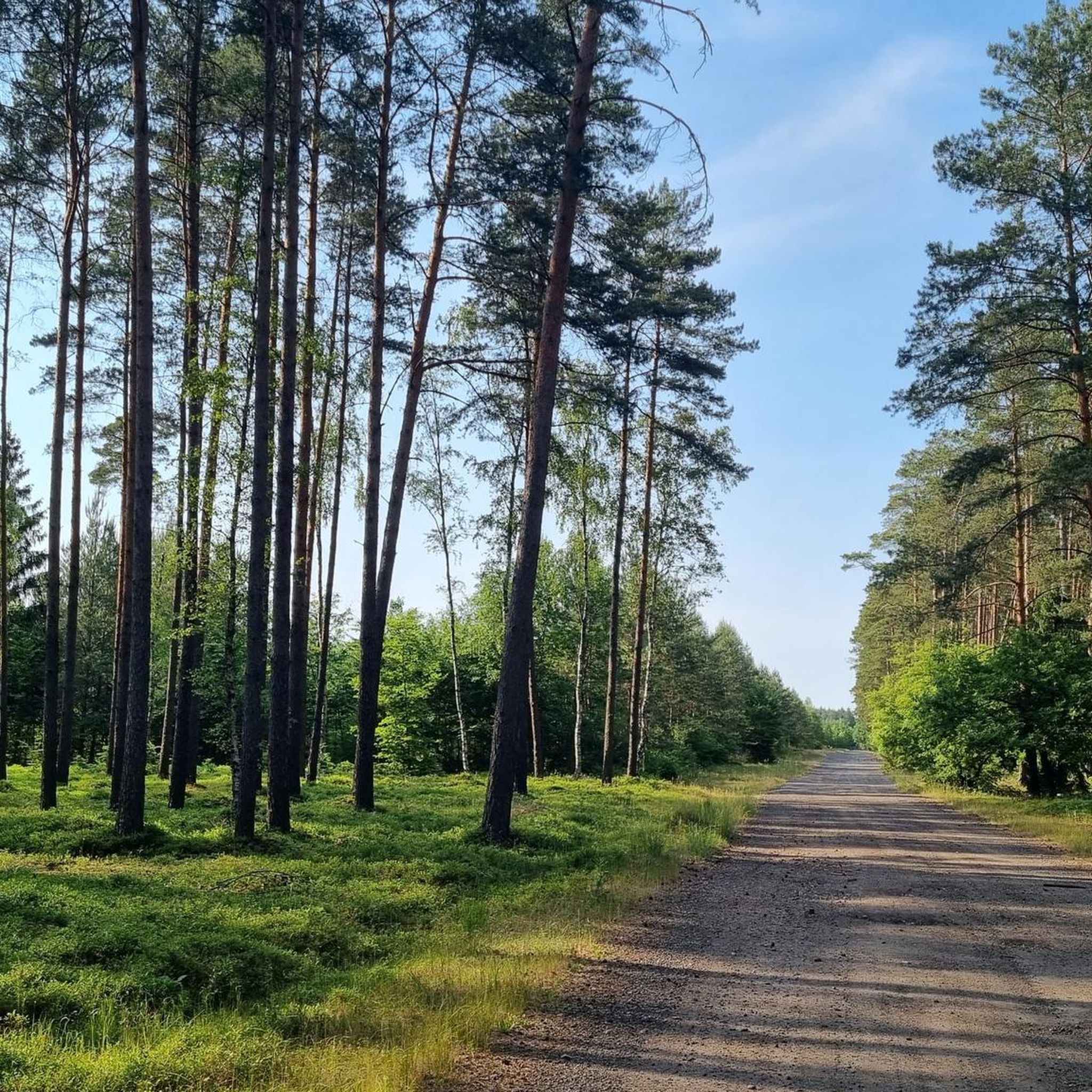
The Kołowskie Parowy nature reserve is a small but very charming protected area located near Gryfice, which delights with deep gorges and steep slopes covered with beech forest. This is an ideal place for cyclists looking for peace and contact with nature, although you need to be prepared for short but intense climbs and sandy sections. Forest paths lead through the reserve, which are best covered by a trekking or cross bike with solid tires. It is worth taking provisions with you, because there is no tourist base in the area, and it is a great place for a quiet rest away from busy routes.
3
2
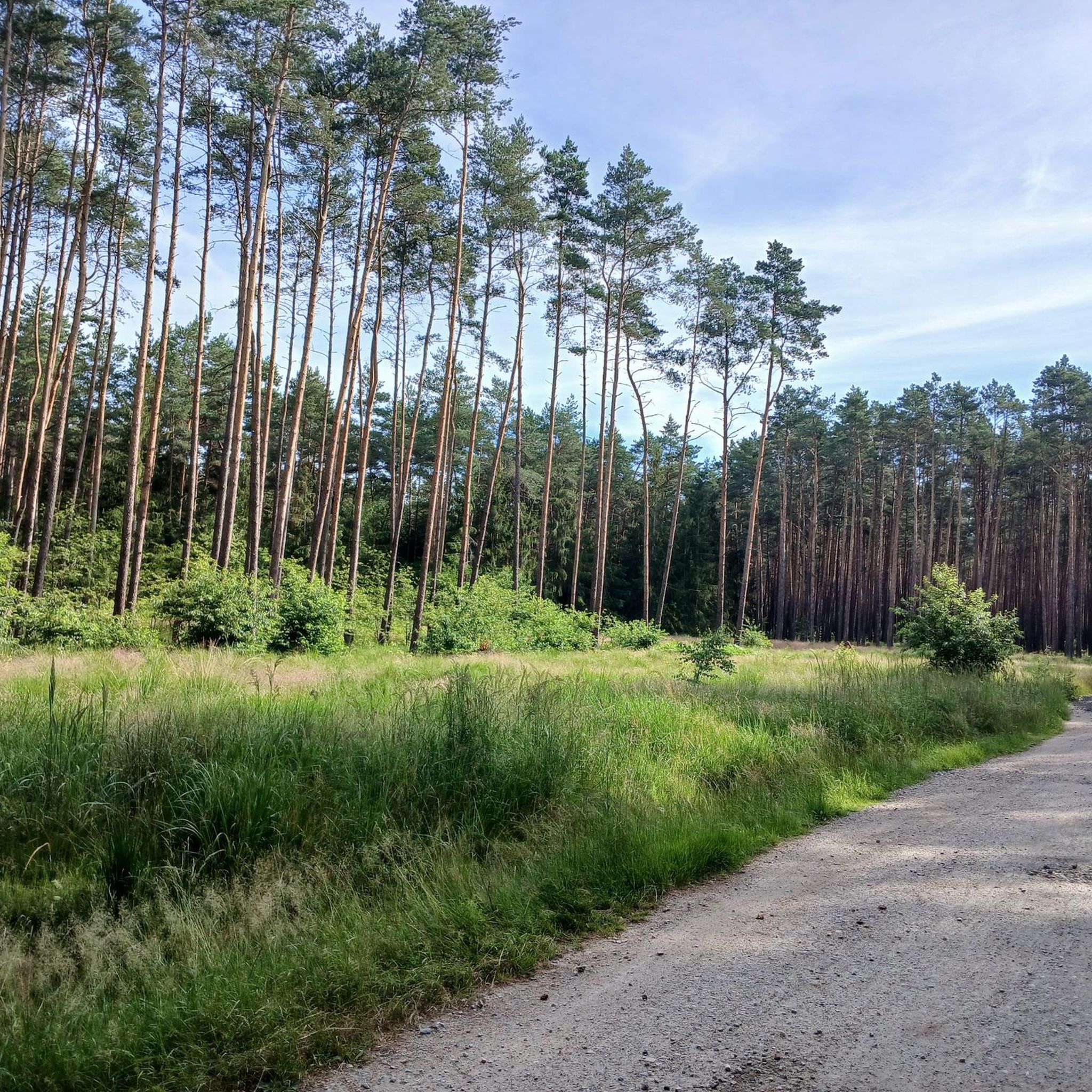
The Szczecin Landscape Park "Puszcza Bukowa" is a vast forest complex on the outskirts of Szczecin, ideal for peaceful bike trips along gentle but sometimes sandy trails. The biggest attractions are the vast beech forests, picturesque hills and deep ravines, which look particularly impressive in autumn. It is worth visiting viewpoints such as Góra Bukowiec and stopping at Lake Szmaragdowe, which delights with the intense colour of its water. The trails in the Forest are well marked, but after rain they can be slippery, so tires with better tread are recommended.
2
0

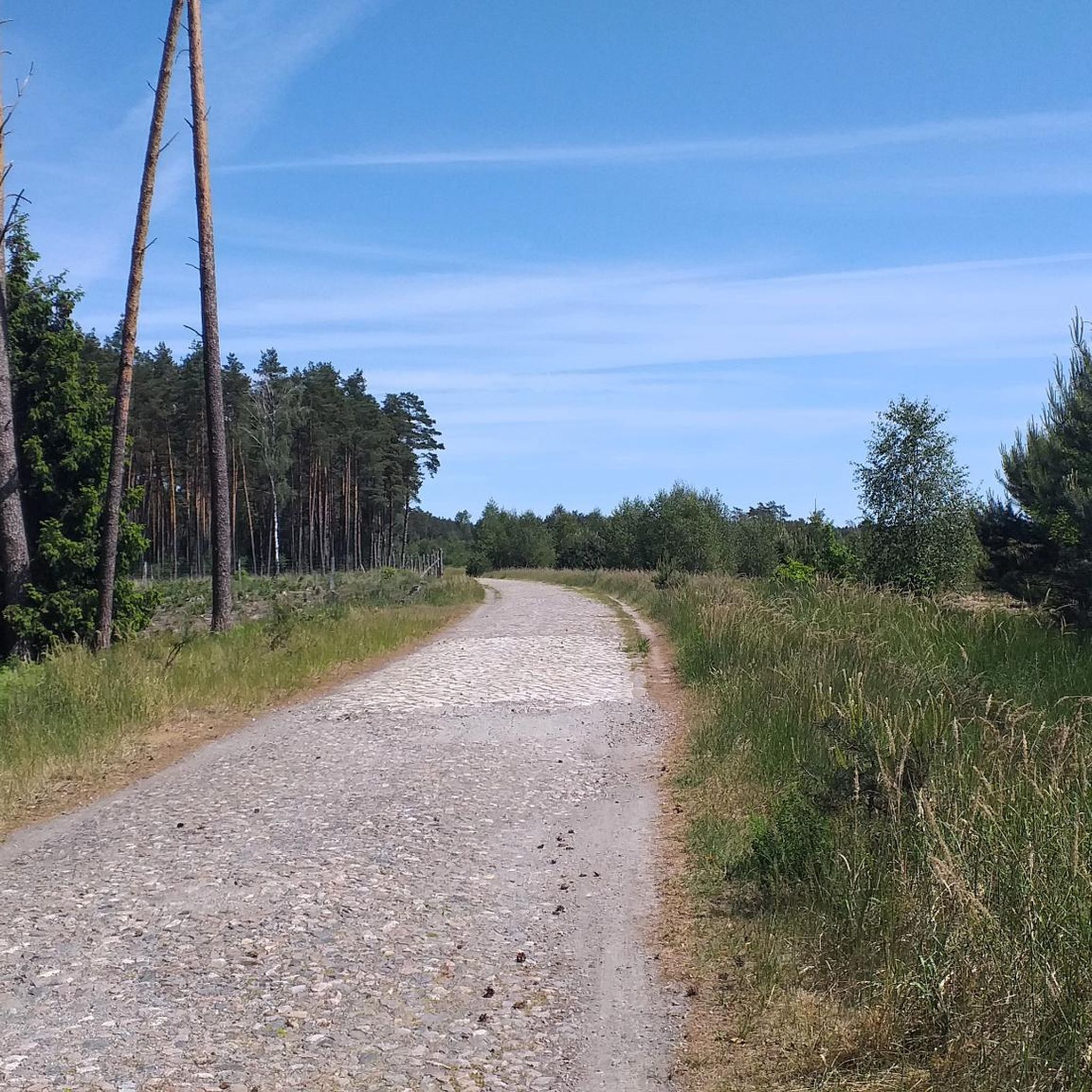
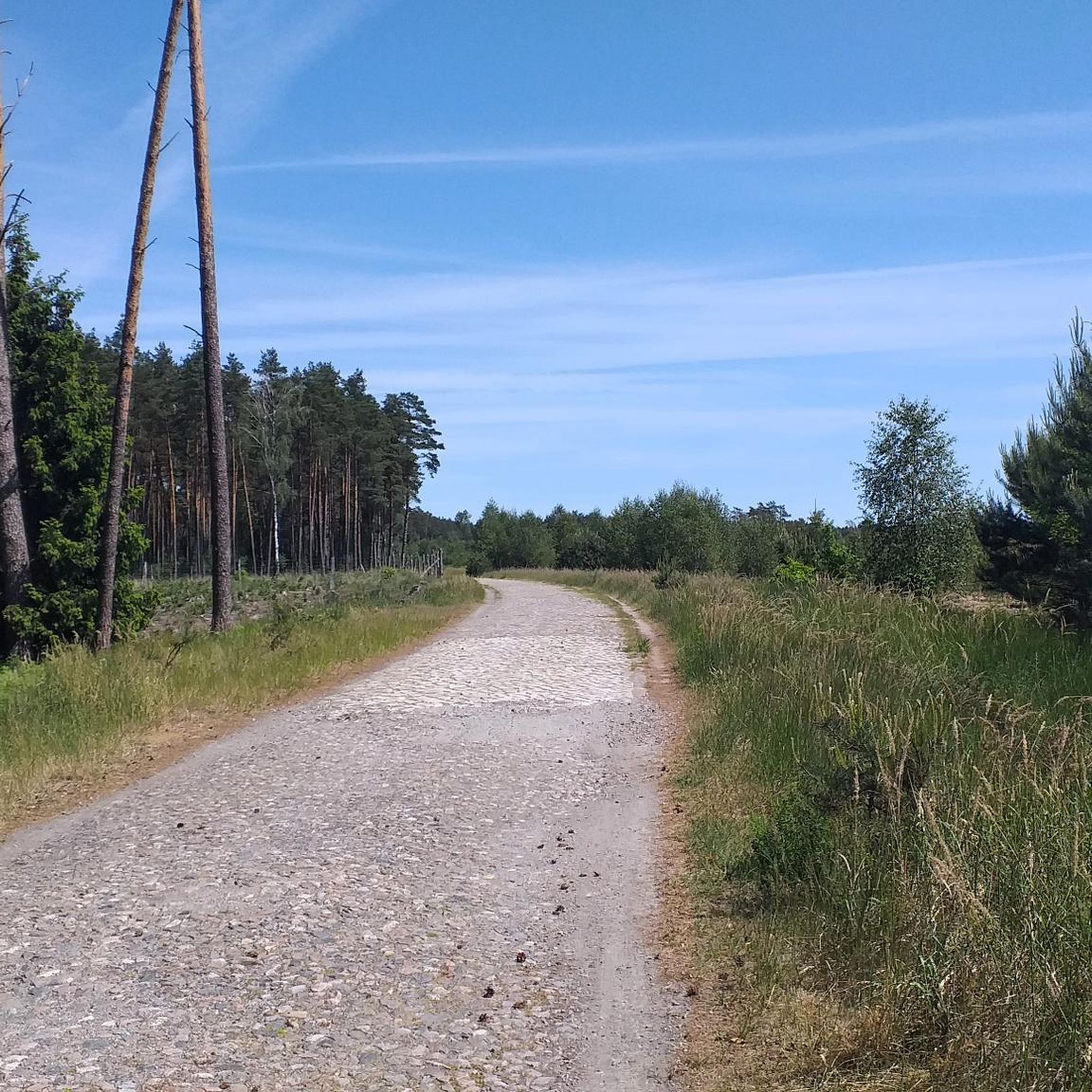
This is where the beautiful landscape park begins. The small villages you drive through make you feel like you are back in the days gone by.
0
2
Frequently Asked Questions
What makes the natural monuments in Puszcza Goleniowska unique?
The natural monuments in Puszcza Goleniowska are unique for their blend of ancient trees, diverse forest ecosystems, and significant geological features. You'll find everything from centuries-old individual trees like Lipa Anna to dramatic landscapes of moraine hills and deep ravines in reserves like Kołowskie Parowy Nature Reserve. The region is also a crucial habitat for rare plant and bird species.
Are there any natural monuments with historical significance in the region?
Yes, several natural monuments carry historical significance. The most prominent is Lipa Anna (Anna's Linden Tree), an over 450-year-old small-leaved linden tree steeped in local lore, with legends connecting it to Bogusław X the Great and Anna Jagielonka. Additionally, within the Kołowskie Parowy Nature Reserve, you can find the Lewandowski Boulder Memorial, an erratic boulder commemorating Józef Lewandowski, a pioneer in Western Pomeranian forestry.
What kind of wildlife can I expect to see at these natural monuments?
Puszcza Goleniowska is a rich habitat for various wildlife. The Osetno Nature Reserve is a refuge for rare bird species such as the white-tailed eagle, red kite, and small flycatcher. The broader Puszcza Goleniowska region is a significant breeding ground for majestic birds of prey, including the white-tailed eagle, osprey, red kite, black kite, and lesser spotted eagle, with over 60 protected zones for their nesting and hunting areas.
Are there hiking trails available near the natural monuments?
Absolutely. Many natural monuments are accessible via hiking trails. For instance, Kołowskie Parowy Nature Reserve offers two designated trails: the Stanisław Pawelski Red Trail and the Stanisław Groński Blue Trail, perfect for exploring its unique geological formations. The Osetno Nature Reserve also has a blue trail for hikers. You can find more hiking options in the area, including waterfall hikes around Puszcza Goleniowska.
What are the best natural features to observe in Puszcza Goleniowska?
The region boasts a variety of captivating natural features. The Kołowskie Parowy Nature Reserve is known for its dramatic moraine hills, deep ravines, and winding streams, including the Utrata stream that intermittently appears and disappears. The Szczecin Landscape Park "Puszcza Bukowa" features vast beech forests, picturesque hills, and deep ravines, with highlights like Lake Szmaragdowe. The broader Puszcza Goleniowska also includes the scenic valley of the Ina River, charming mid-forest meadows, and small lakes like Ostrowo and Przybiernowskie.
Are there any family-friendly natural monuments or activities?
Yes, several natural monuments are suitable for families. Lipa Anna (Anna's Linden Tree) is an accessible and historically rich site that can be enjoyed by all ages. The Lewandowski Boulder Memorial, located near Kołowskie Parowy, also offers a resting place with a shelter, benches, and tables, making it a good spot for a family break during a walk.
Can I go cycling near the natural monuments in Puszcza Goleniowska?
Yes, Puszcza Goleniowska offers an extensive network of trails suitable for cycling. While some reserves like Kołowskie Parowy might have challenging sandy sections, they are generally explorable with a trekking or cross bike. You can find various cycling routes in the area, including road cycling routes and general cycling tours around Puszcza Goleniowska.
What is the best time of year to visit the natural monuments?
The Puszcza Goleniowska region is beautiful year-round, but specific seasons offer different experiences. Autumn is particularly picturesque, especially in areas like the Szczecin Landscape Park "Puszcza Bukowa", when the beech forests display vibrant colors. Spring brings out rare and endangered plants in reserves like Kołowskie Parowy. Summer is ideal for berry and mushroom picking (where permitted) and enjoying the extensive trail network.
Are there any unique plant species to look out for?
Puszcza Goleniowska is rich in diverse flora. In Kołowskie Parowy Nature Reserve, you can find rare and endangered plants such as forest fescue, empty corydalis, pearlwort, spearwort, and common bedstraw, along with protected species like broadleaf helleborine and sweet woodruff. The extensive peat bogs in the southern part of the forest also host a variety of flora, including sundews and orchids.
What is the Osetno Nature Reserve known for besides birds?
Beyond being a refuge for rare bird species like the white-tailed eagle and red kite, the Osetno Nature Reserve is also one of Poland's first mycological reserves. It protects rare and endangered species of fungi, with at least 240 species identified, including legally protected and rare varieties. The reserve's varied forest types, including beech, riparian, and spring alder forests, along with ponds, create a diverse ecosystem.
How can I explore the varied terrain of Kołowskie Parowy Nature Reserve?
The Kołowskie Parowy Nature Reserve is characterized by its moraine hills, deep ravines, and winding streams. To explore this varied terrain, you can use the two designated hiking trails: the Stanisław Pawelski Red Trail, which leads from Szczecin Kijewo to Glinna, and the Stanisław Groński Blue Trail, connecting Szczecin Zdroje to Zdunów. These trails offer an immersive experience of the reserve's unique geological formations and rich flora.
Most popular routes around Puszcza Goleniowska
Most popular attractions around Puszcza Goleniowska

Get inspired with the komoot mobile app


Explore more
Extend your search for the best caves by checking out these guides of the top ones around Puszcza Goleniowska:
