Top 10 Natural Monuments around Guadiana Valley Natural Park
Natural monuments around Guadiana Valley Natural Park are characterized by a diverse landscape of hills, plains, and deep valleys, centered around the Guadiana River. This southeastern Portuguese park features impressive geological formations and ancient historical sites. The region is home to a rich array of flora and fauna, including rare species such as the black stork and Iberian toad. Visitors can explore narrow riverbanks, age-old watermills, and Mediterranean undergrowth within its protected areas.
Best natural monuments around Guadiana Valley Natural Park
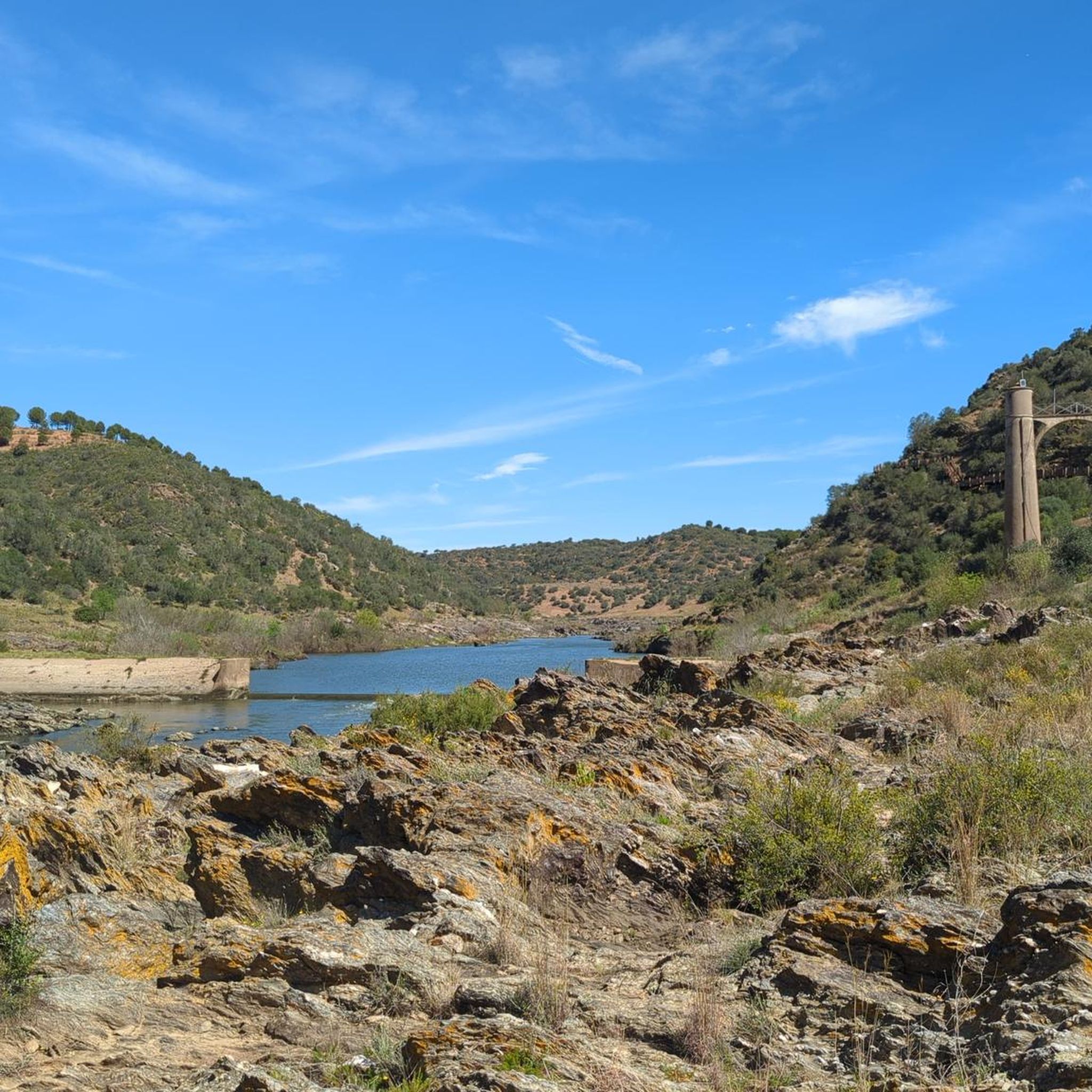
- The most popular natural monuments is Pulo do Lobo Waterfall, a waterfall that is the largest in southern Portugal and a dramatic natural decline in the course of the Guadiana River. The river has sculpted the rock into varied shapes, offering a sense of untamed nature.
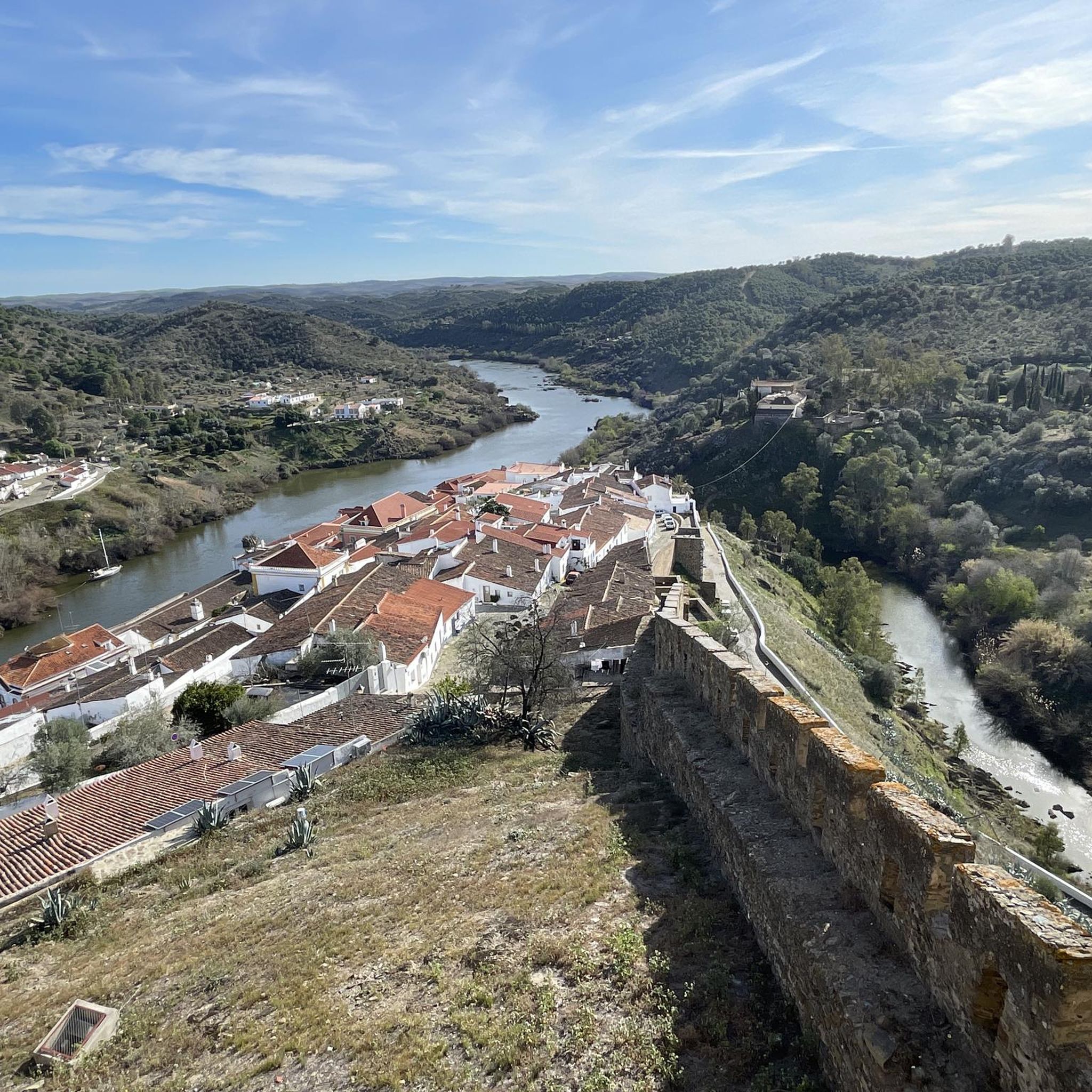
- Another must-see spot is Guadiana Riverside at Bombeira, a river area. This highlight showcases the presence of the Guadiana river, which defines the character of the nearby town of Mértola.
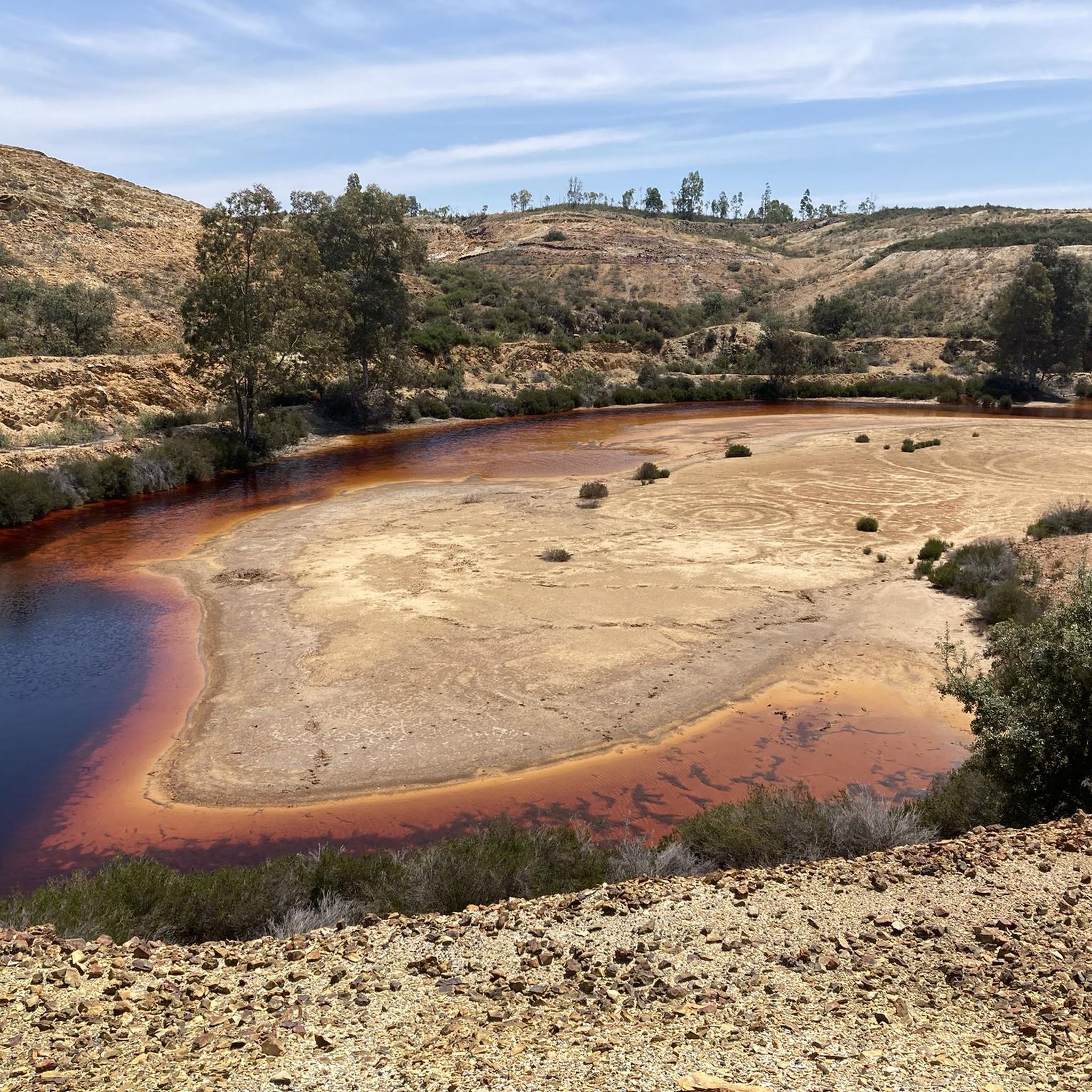
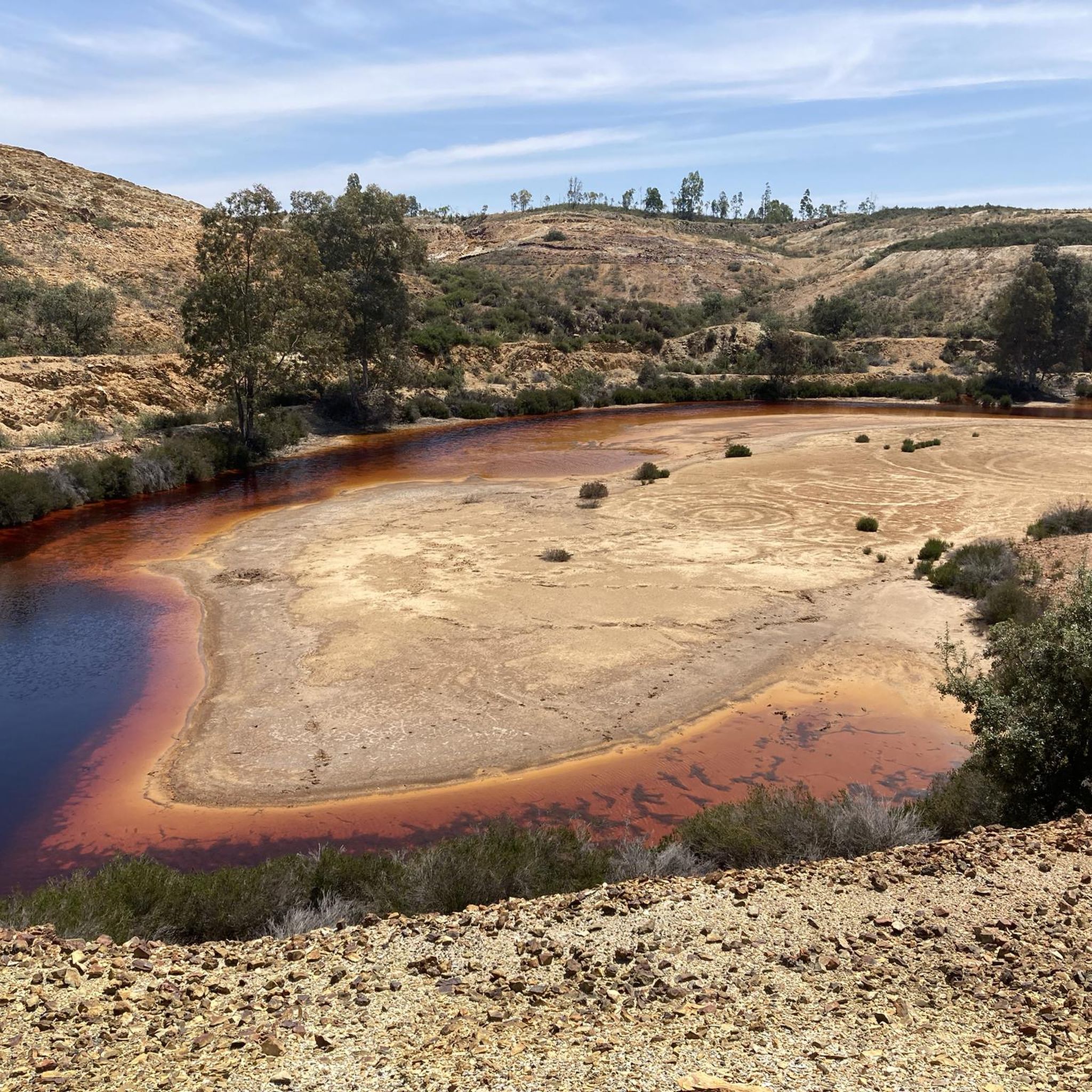
- Visitors also love Copper lakes of the mine, a lake feature. The old, abandoned copper mines resemble a lunar landscape, with streams and wells glowing in unlikely colors from copper to green.
- Guadiana Valley Natural Park is known for its waterfalls, rivers, and historical sites. The park offers a variety of natural monuments to see and explore, from geological formations to ancient dolmens.
- The natural monuments around Guadiana Valley Natural Park are appreciated by the komoot community, with more than 30 upvotes and over 60 photos shared by visitors.
Last updated: May 15, 2026
Pulo do Lobo Waterfall
Highlight • Waterfall
The waters fall from a height of over 20 metres and, surrounded by a sea of foam, descend the rocky gorge to the bottom, emptying into a lake between the rocks.
The banks of the waterfall are so narrow that, according to legend, even a wolf could cross them in one leap. Hence the name Pulo do Lobo.
The landscape of Pulo do Lobo is spectacular, the riverbed after the waterfall is completely exposed, in rock, between which the Guadiana River meanders, in a groove created over thousands of years.
Access to Pulo do Lobo can be from the east or west.
To the east, take a detour on the road that connects Serpa to Mértola. Access to the waterfall is difficult and you have to walk, crossing the rocky riverbed to reach the waterfall. We recommend caution.
To the west, take a detour on the road that connects Beja to Mértola and continue to the village of Amendoeira da Serra, following the signs to Pulo do Lobo. You will then reach Herdade de Pulo do Lobo, open the gate and it is about 1000m on a dirt road to the waterfall. Access is prohibited to heavy vehicles.
Access to the waterfall from the west is easier, and there is even a structure to better observe the waterfall.
Translated by Google •
Tip by

Guadiana Riverside at Bombeira
Highlight • River
Tip by

Sign up now to discover places like this
Get recommendations on the best single tracks, peaks, & plenty of other exciting outdoor places.
Sign up for free
Caution: Lynxes
Highlight • Natural Monument
Tip by

Copper lakes of the mine
Highlight • Lake
Translated by Google •
Tip by

View of the Guadiana River from Anta das Pias
Highlight • Viewpoint
Translated by Google •
Tip by
Sign up for free to discover even more natural monuments around Guadiana Valley Natural Park.
Sign up for free
Already have an account?
Start today with a free account
Your next adventure awaits.
Login or Signup
Popular around Guadiana Valley Natural Park
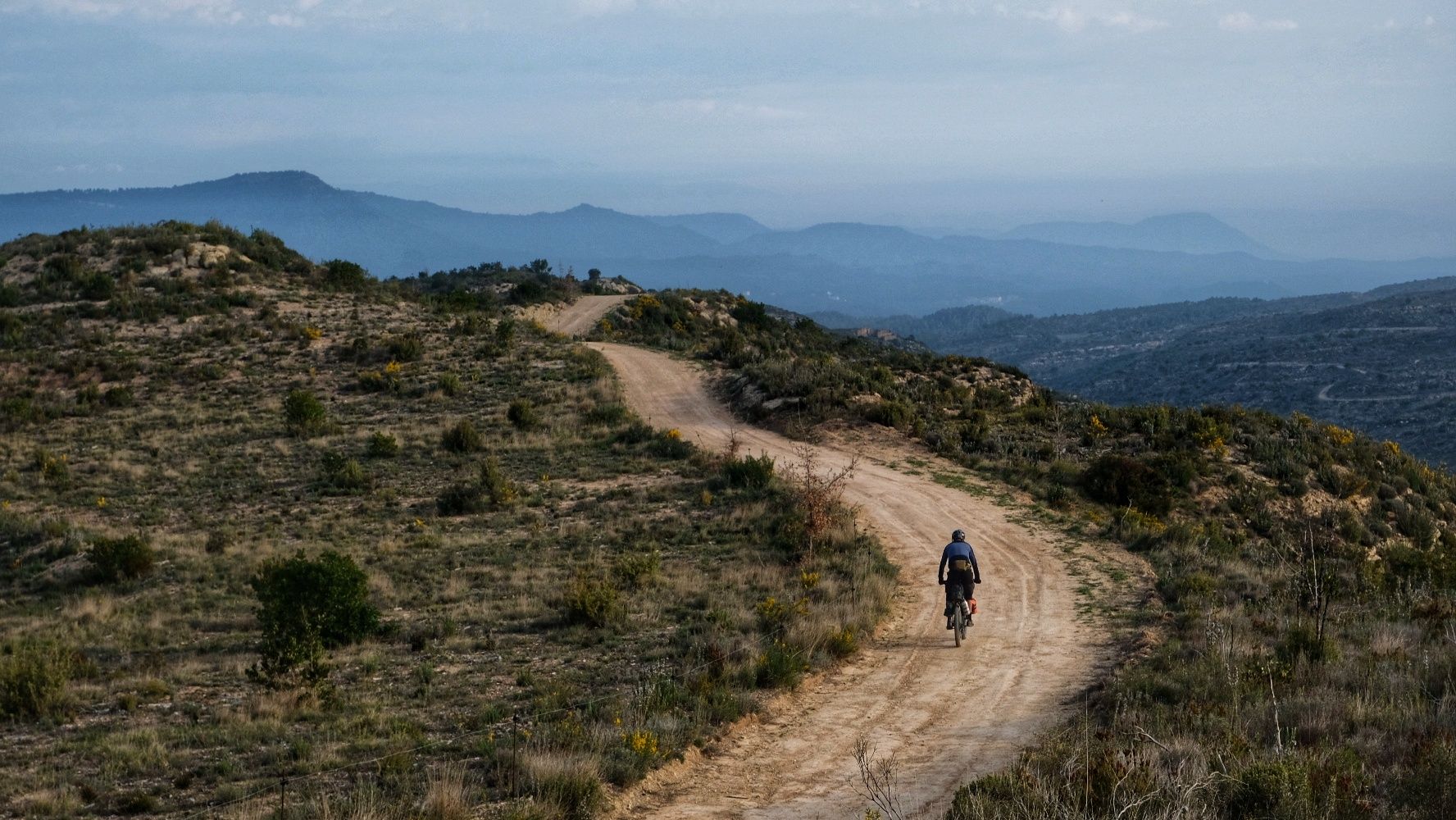
European Divide Trail — 7,600 km across the continent
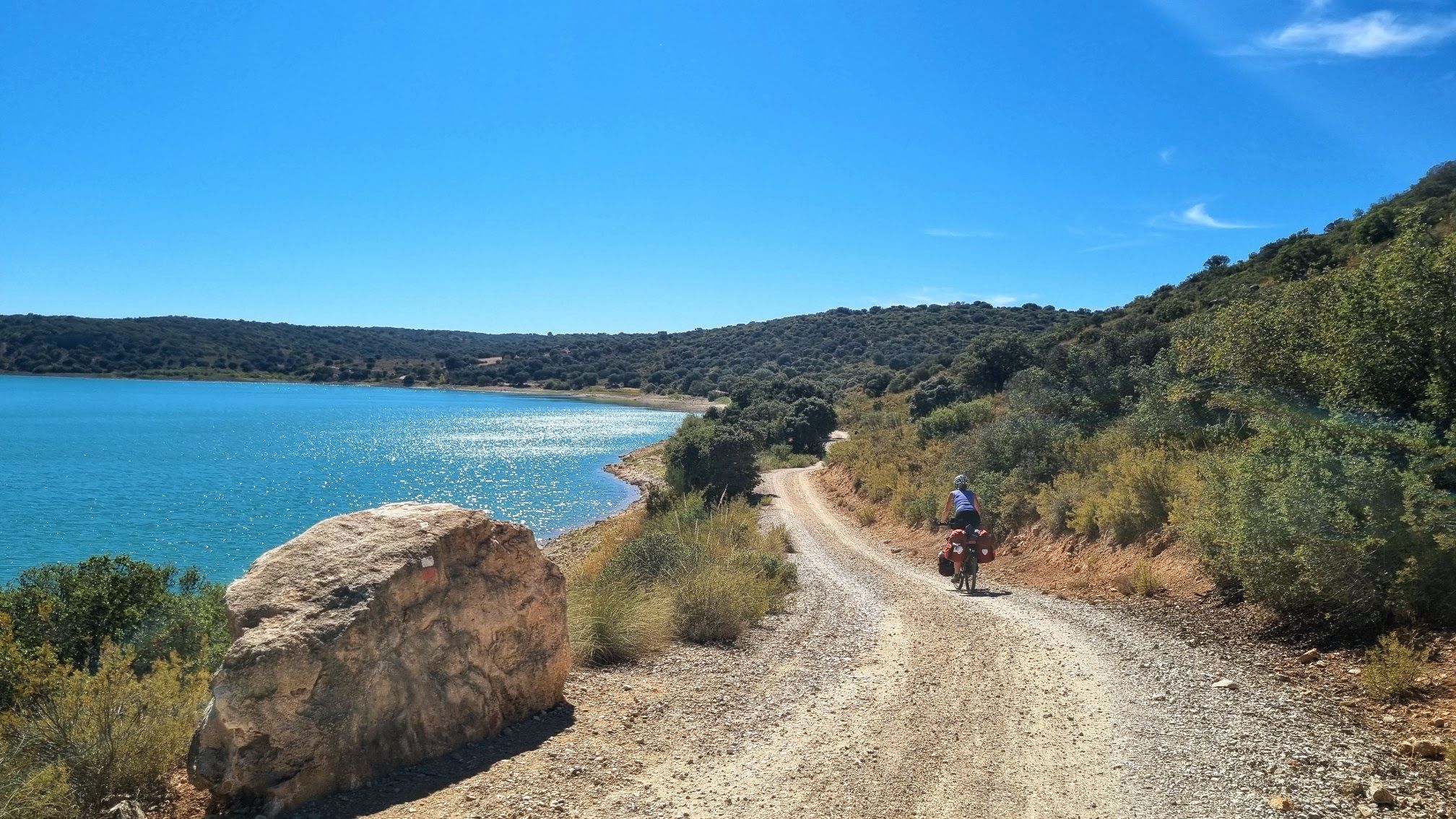
Pedalea junto al gran río — Camino Natural del Guadiana
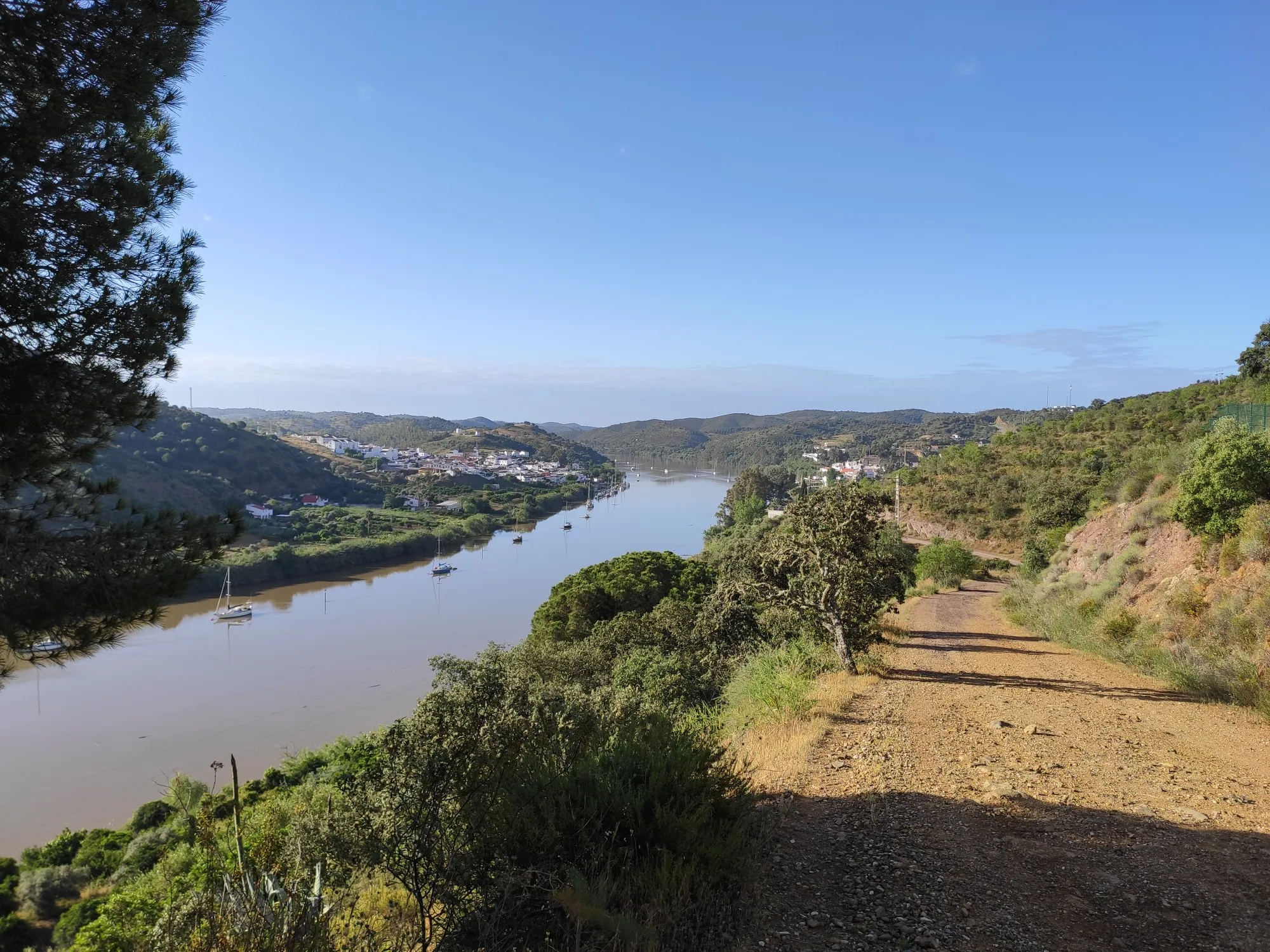
Stories of a river - Great Guadiana Route (GR 15)
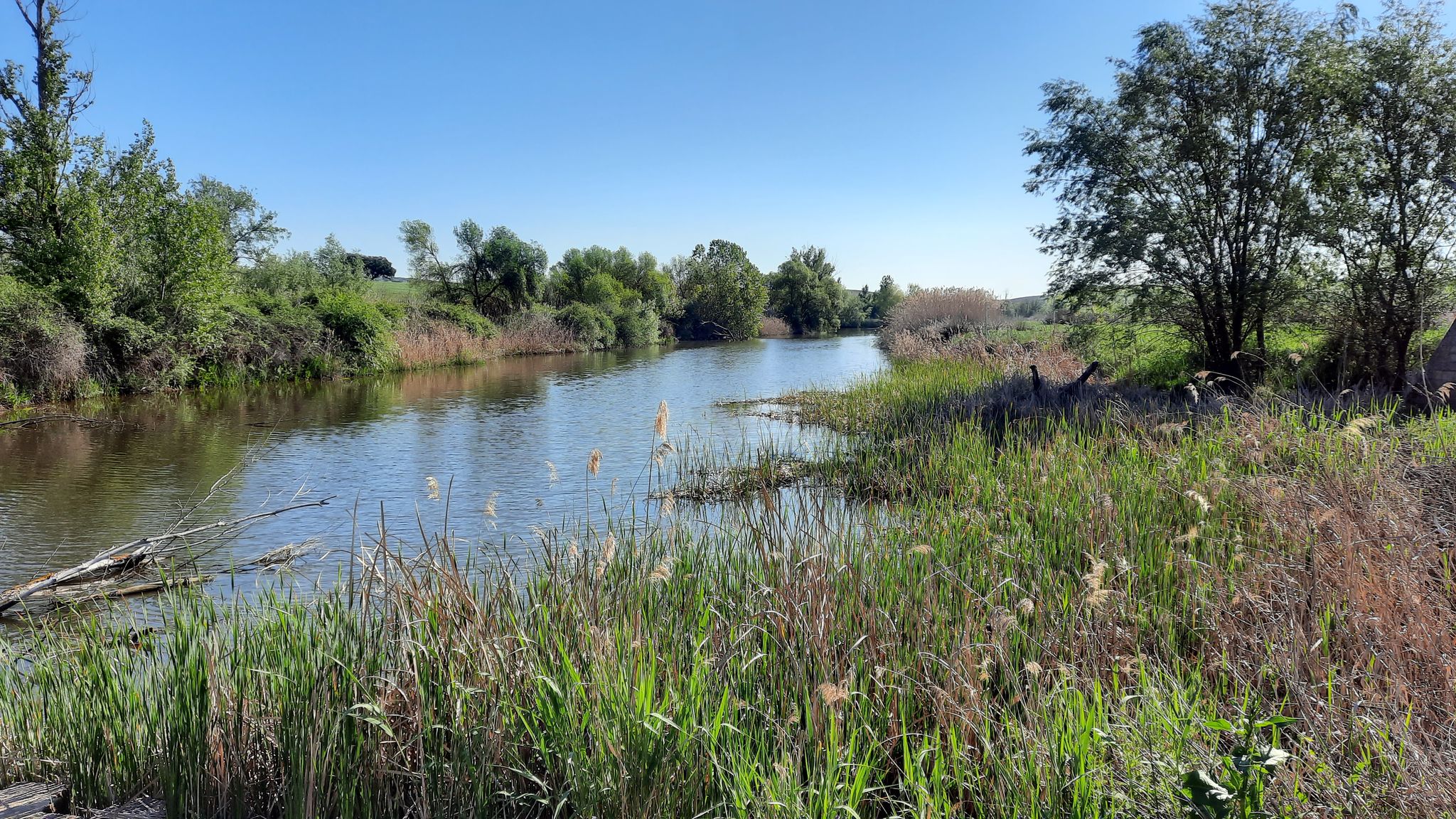
The magic of an endless river – Spain's Guadiana Natural Trail (GR 114)
Hiking around Guadiana Valley Natural Park
Running Trails around Guadiana Valley Natural Park
Road Cycling Routes around Guadiana Valley Natural Park
Cycling around Guadiana Valley Natural Park
MTB Trails around Guadiana Valley Natural Park

Gravel biking around Guadiana Valley Natural Park
Other adventures around Guadiana Valley Natural Park


Tips from the Community

The old, abandoned copper mines resemble a lunar landscape: a strange and fascinating stage, illuminated by the reflections of copper-hued lakes. A road cuts through the landscape, guiding you along dirt roads. Streams and wells glow in unlikely colors, from copper to green to deep black. Signs warn of the dangers of the water, but nothing prevents your gaze from losing itself in the dramatic and unsettling beauty of the place.
2
0

You can access Pulo do Lobo from either side of the river: from Aldeia da Amendoeira, on the Mértola-Beja road (left bank), or from Serpa, in the village of Vale de Poços, where you'll find signs indicating exactly where to turn right (right bank). Both paths are well signposted, and both have several viewpoints. The best view of the waterfall, however, is undoubtedly from the viewpoint on the right bank. Further ahead, you'll see Pego dos Sáveis, the spot where the water suddenly calms down again, forming a tranquil lake.
4
0

Pulo do Lobo. This is the largest waterfall in southern Portugal and is located on the Guadiana River, upstream from Mértola. The waters fall from a height of over 20 metres and, surrounded by a sea of foam, descend the rocky gorge to the bottom, emptying into a lake between the rocks. The banks of the waterfall are so narrow that, according to legend, even a wolf could cross them in one leap. Hence the name Pulo do Lobo. The landscape of Pulo do Lobo is spectacular, the riverbed after the waterfall is completely exposed, in rock, between which the Guadiana River meanders, in a groove created over thousands of years. Access to Pulo do Lobo can be from the east or west. To the east, take a detour on the road that connects Serpa to Mértola. Access to the waterfall is difficult and you have to walk, crossing the rocky riverbed to reach the waterfall. We recommend caution. To the west, take a detour on the road that connects Beja to Mértola and continue to the village of Amendoeira da Serra, following the signs to Pulo do Lobo. You will then reach Herdade de Pulo do Lobo, open the gate and it is about 1000m on a dirt road to the waterfall. Access is prohibited to heavy vehicles. Access to the waterfall from the west is easier, and there is even a structure to better observe the waterfall.
5
0
A dolmen measuring 2 m by 1.20 m, dating from the 3rd millennium BC. It has a trapezoidal chamber and a small corridor facing east. It was built with small, small local schist pillars. It also has a slab that partially covers the burial chamber. It was the subject of an intervention to enhance its value, through a landscape architecture project carried out by the Association for the Defence of the Heritage of Mértola. It is one of the points of interest before visiting Pulo do Lobo. It has suffered damage resulting from agricultural work and, despite being part of a visiting circuit, it exposes some weaknesses as tourists walk on top of the dolmen's lid and pillars.
0
0
The Anta das Pias, built between the 5th and 3rd millennia BC, sits on a hill overlooking the Guadiana River, close to the trail that leads to Pulo do Lobo. This small, trapezoidal dolmen has a short corridor formed by schist pillars and a slab that partially covers the burial chamber. Rare in the region, it is a valuable prehistoric vestige that has withstood the test of time, preserving the memory of ancient civilizations.
2
0
To get a better view of the waterfall, choose the viewpoint on the right bank.
4
0

The route is not easy, nor familiar, nor for people without any preparation as it says in the generic. The route is difficult and is characterized, in the area next to the river, by the permanent crossing of masses of rocks that are difficult to overcome, it is not familiar at all and requires someone physically fit.
1
1

Boardwalks have been built on the eastern side for several years to make it easier to get to the waterfall and admire it from a safe distance. A really great project, which unfortunately seems to have stalled. The footbridges are still closed, although most of them are already accessible. The footbridges down to the water and above the reservoir are accessible (but still closed), the footbridges to the other side, downstream, are not yet completed.
2
1
Frequently Asked Questions
What natural features can I expect to see in Guadiana Valley Natural Park?
The park is characterized by a diverse landscape of hills, plains, and deep valleys, all centered around the impressive Guadiana River. You'll find dramatic geological formations like the Pulo do Lobo Waterfall, narrow riverbanks, and Mediterranean undergrowth. The region is also home to a rich array of flora and fauna, including rare species such as the black stork and Iberian toad.
Where can I see impressive geological formations in the park?
The most prominent geological formation is the Pulo do Lobo Waterfall, where the Guadiana River dramatically carves through rock. Another fascinating site is the Copper lakes of the mine, where abandoned copper mines have created a unique, almost lunar landscape with streams and wells glowing in various colors.
Are there any historical or archaeological sites among the natural monuments?
Yes, you can visit the Anta das Pias, a prehistoric dolmen built between the 5th and 3rd millennia BC. This valuable vestige of ancient civilizations sits on a hill overlooking the Guadiana River, offering a glimpse into the region's past.
Are there hiking trails near the natural monuments?
Absolutely. The park offers various pedestrian trails. For example, you can find easy hikes like the "View of the Guadiana Valley – Pulo do Lobo Waterfall loop" near Anta das Pias. You can explore more options on the Easy hikes around Guadiana Valley Natural Park guide.
What other outdoor activities are available in the Guadiana Valley Natural Park?
Beyond hiking, the park is excellent for cycling and gravel biking. You can find routes like the "Rest area by the lake – Dirt road through the mines loop" for both gravel biking and cycling, allowing you to explore the diverse landscapes.
What is the best time to visit the natural monuments in Guadiana Valley Natural Park?
The best time to visit is typically during spring and autumn when the weather is milder. Summer can bring intense heat, which might make exploring the trails less comfortable. These shoulder seasons offer pleasant temperatures for hiking and enjoying the natural beauty.
Are the natural monuments family-friendly?
Many areas are suitable for families. For instance, the Guadiana Riverside at Bombeira is noted as family-friendly, offering a pleasant river area to explore. When planning, look for trails marked as 'easy' or 'family-friendly' for the most suitable options.
Can I explore the Guadiana River itself?
Yes, the Guadiana River is central to the park's character. You can experience it at locations like the Guadiana Riverside at Bombeira, which highlights the river's presence near Mértola. The dramatic Pulo do Lobo Waterfall also showcases the river's power and beauty.
Are there opportunities for wildlife spotting in the park?
The Guadiana Valley Natural Park is known for its rich fauna. It's a prime location for birdwatching, with species like the black stork, lesser kestrel, and Bonelli's eagle. If you're lucky, you might even spot the elusive Iberian lynx, as indicated by highlights like Caution: Lynxes.
What do visitors particularly enjoy about the natural monuments in Guadiana Valley Natural Park?
Visitors frequently praise the dramatic landscapes, especially the untamed nature around Pulo do Lobo Waterfall. The historical context of towns like Mértola and sites like Anta das Pias also add to the appeal, offering a blend of natural beauty and ancient history.
How long should I plan for a visit to the natural monuments?
The duration of your visit depends on how many sites you wish to see and the activities you plan. You could spend a full day exploring the area around Pulo do Lobo and Anta das Pias, including some hiking. For a more comprehensive experience, including Mértola and other natural features, consider a multi-day trip.
What should I wear when visiting the natural monuments?
Comfortable walking shoes or hiking boots are recommended, especially if you plan to explore trails or rocky areas like those around Pulo do Lobo. Layered clothing is advisable, as temperatures can vary, and don't forget sun protection, especially during warmer months.
Most popular routes around Guadiana Valley Natural Park
Most popular attractions around Guadiana Valley Natural Park

Get inspired with the komoot mobile app


Explore more
Extend your search for the best caves by checking out these guides of the top ones around Guadiana Valley Natural Park:
