Top 10 Natural Monuments around Dwingelderveld National Park
Best natural monuments around Dwingelderveld National Park are characterized by expansive wet heathlands, fens, and unique geological formations. This national park, located in Drenthe, is recognized as the largest wet heathland area in Western Europe. It offers a rich tapestry of ecosystems, including over 60 fens and peat bogs, some of which are pingo-ruins from the last glacial period. The park's diverse landscapes support a wide array of flora and fauna, making it a significant natural area.
Best natural monuments…
Last updated: July 11, 2026
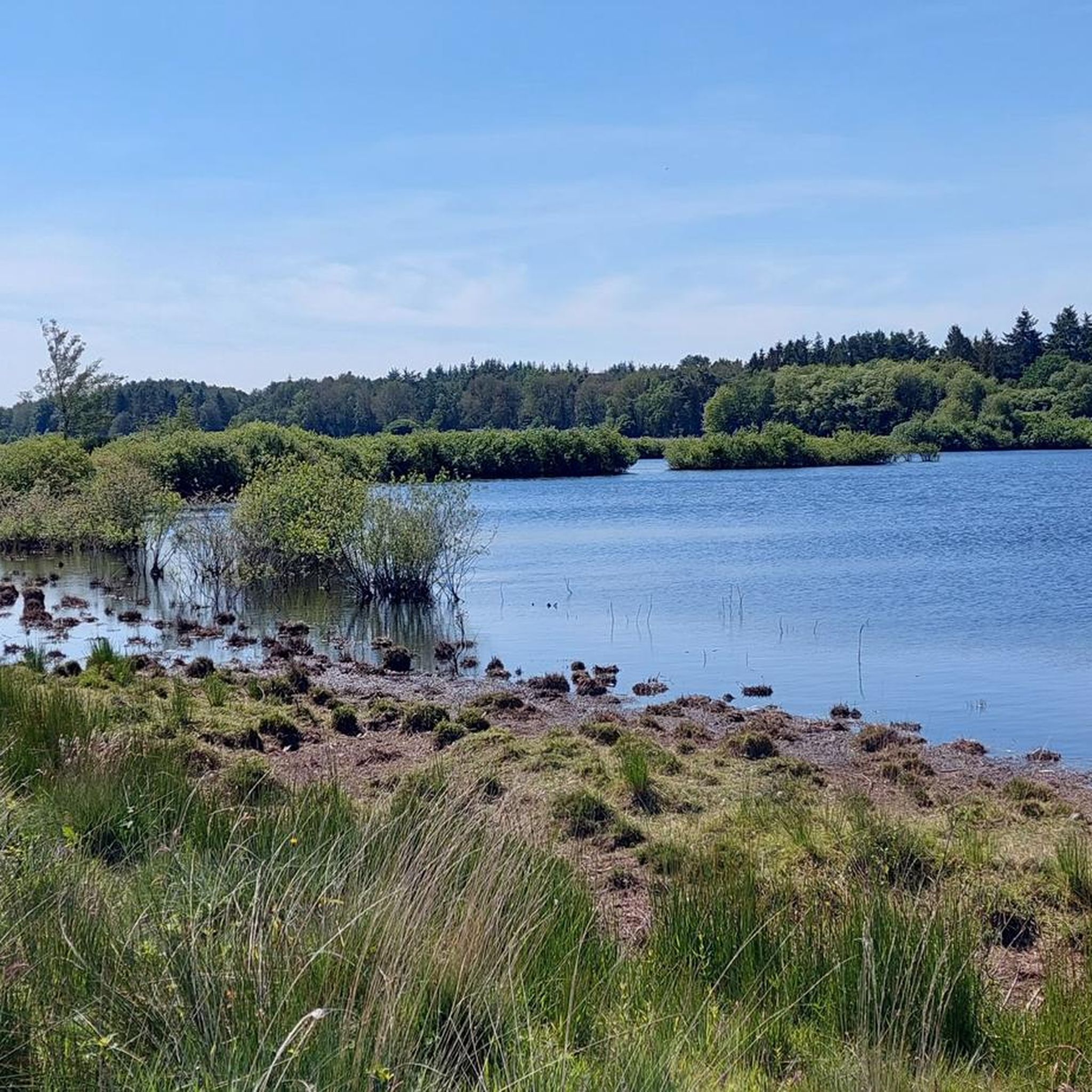
Holtveen Bird Hide
Highlight • Structure
The Dwingelerveld offers everything that makes cycling in Drenthe so great: forests, heaths, moors and beautiful cycle paths.
Translated by Google •
Tip by

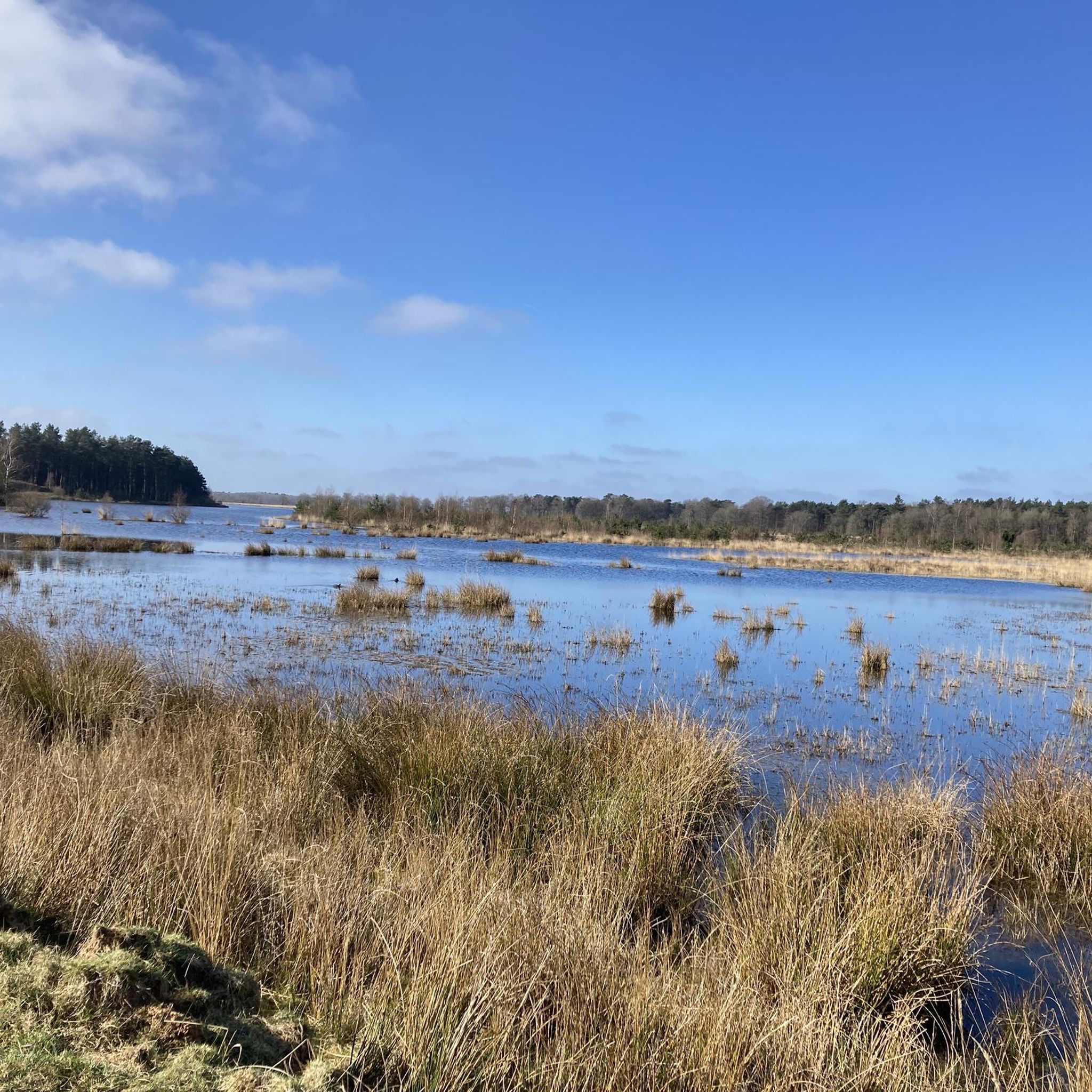
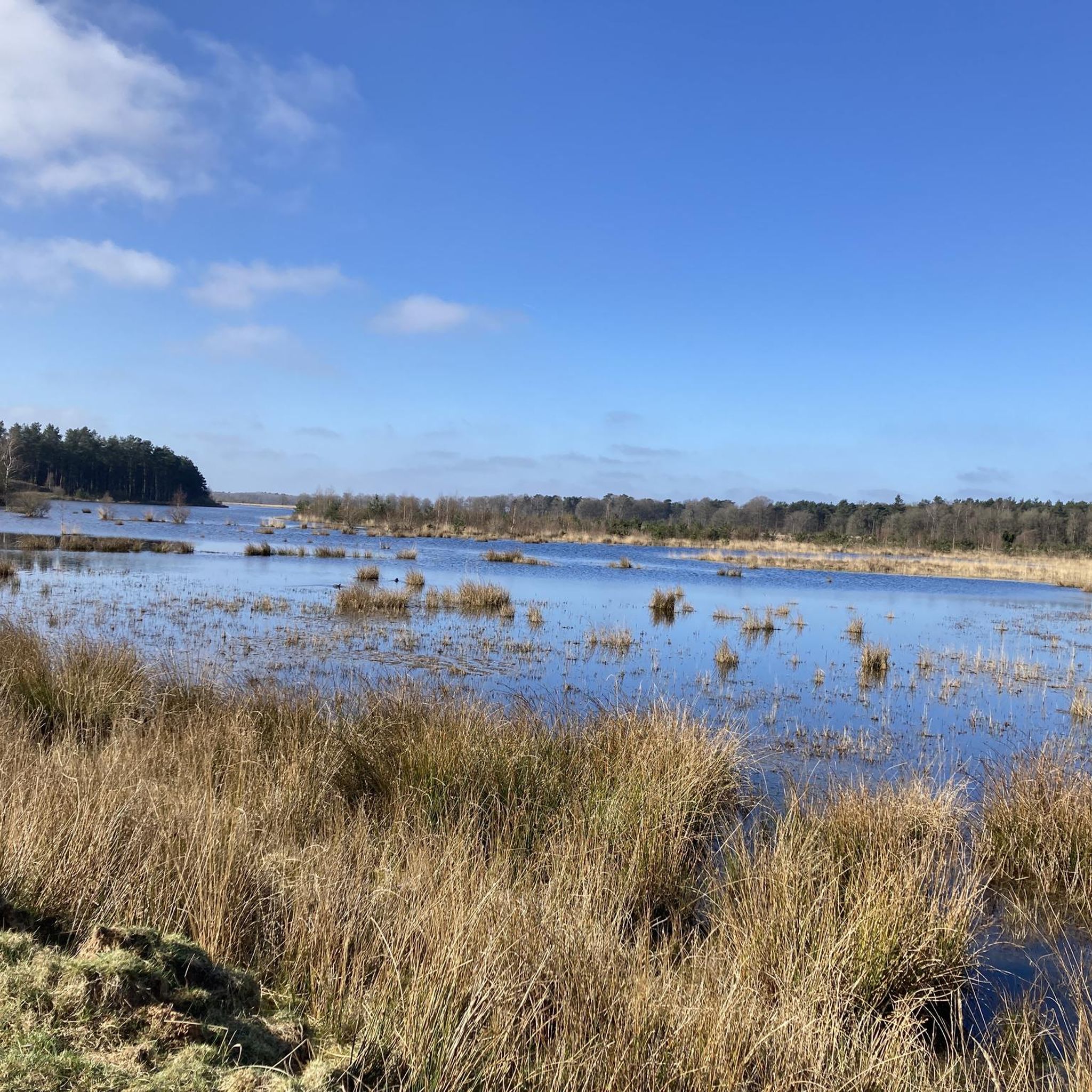
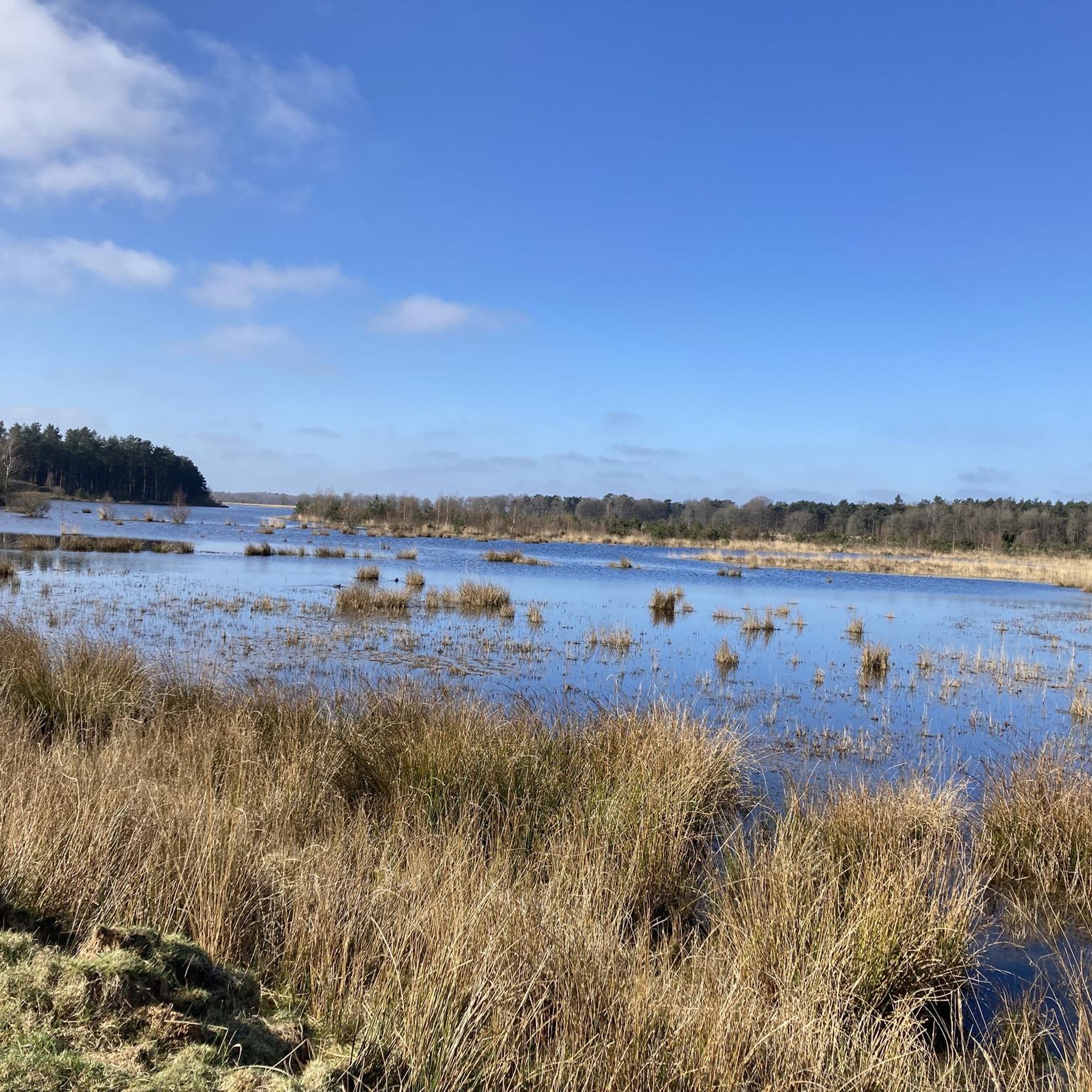
Wetlands of Dwingelderveld National Park
Highlight • Natural
Translated by Google •
Tip by

Sign up now to discover places like this
Get recommendations on the best single tracks, peaks, & plenty of other exciting outdoor places.
Sign up for free
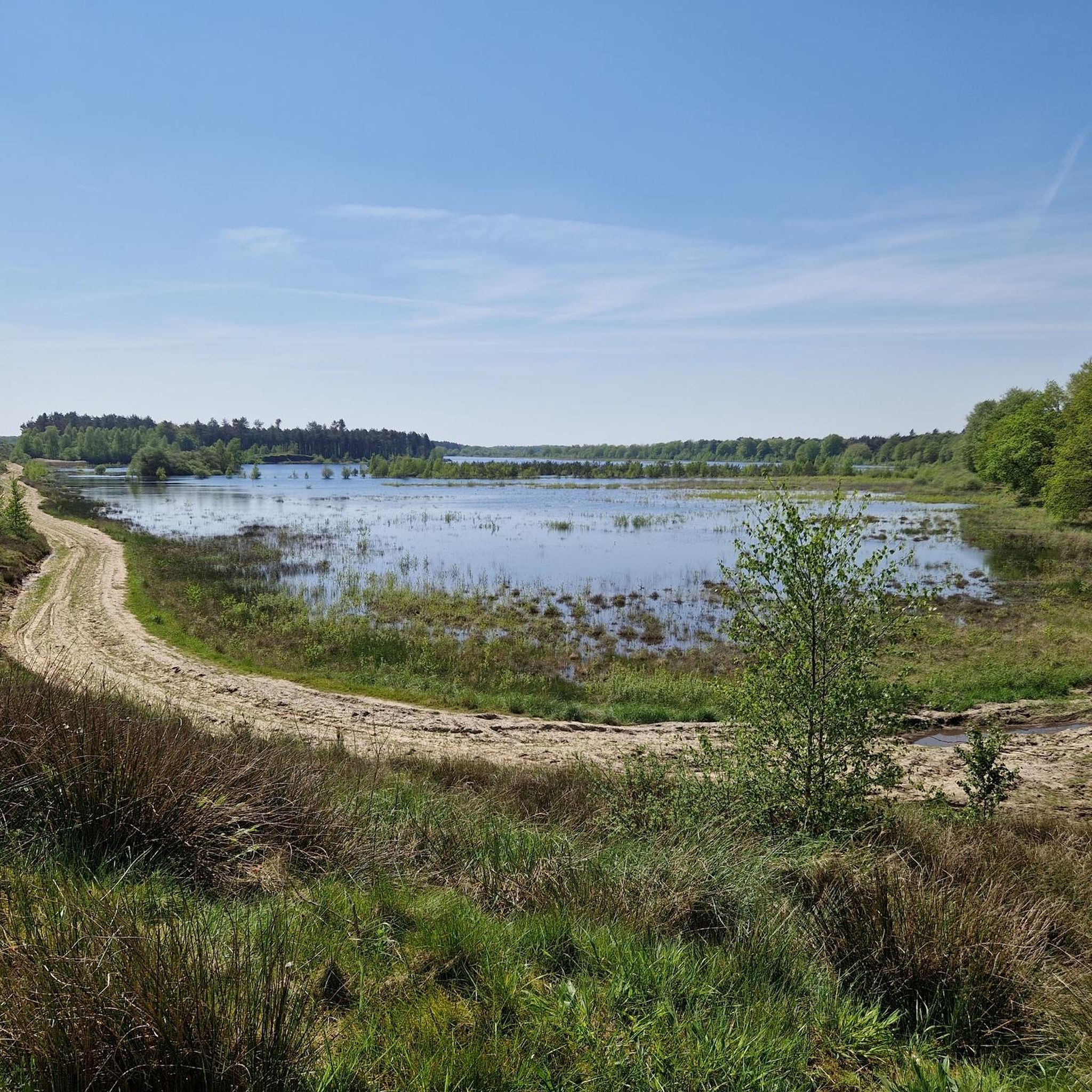
Sunken Trees in Dwingelderveld
Highlight • Natural
Translated by Google •
Tip by

Birdwatching Hide Davidsplassen
Highlight • Mountain Hut
Translated by Google •
Tip by

Several burial mounds
Highlight • Historical Site
Showing Translation
Tip by

Sign up for free to discover even more natural monuments around Dwingelderveld National Park.
Sign up for free
Already have an account?
Start today with a free account
Your next adventure awaits.
Login or Signup
Popular around Dwingelderveld National Park
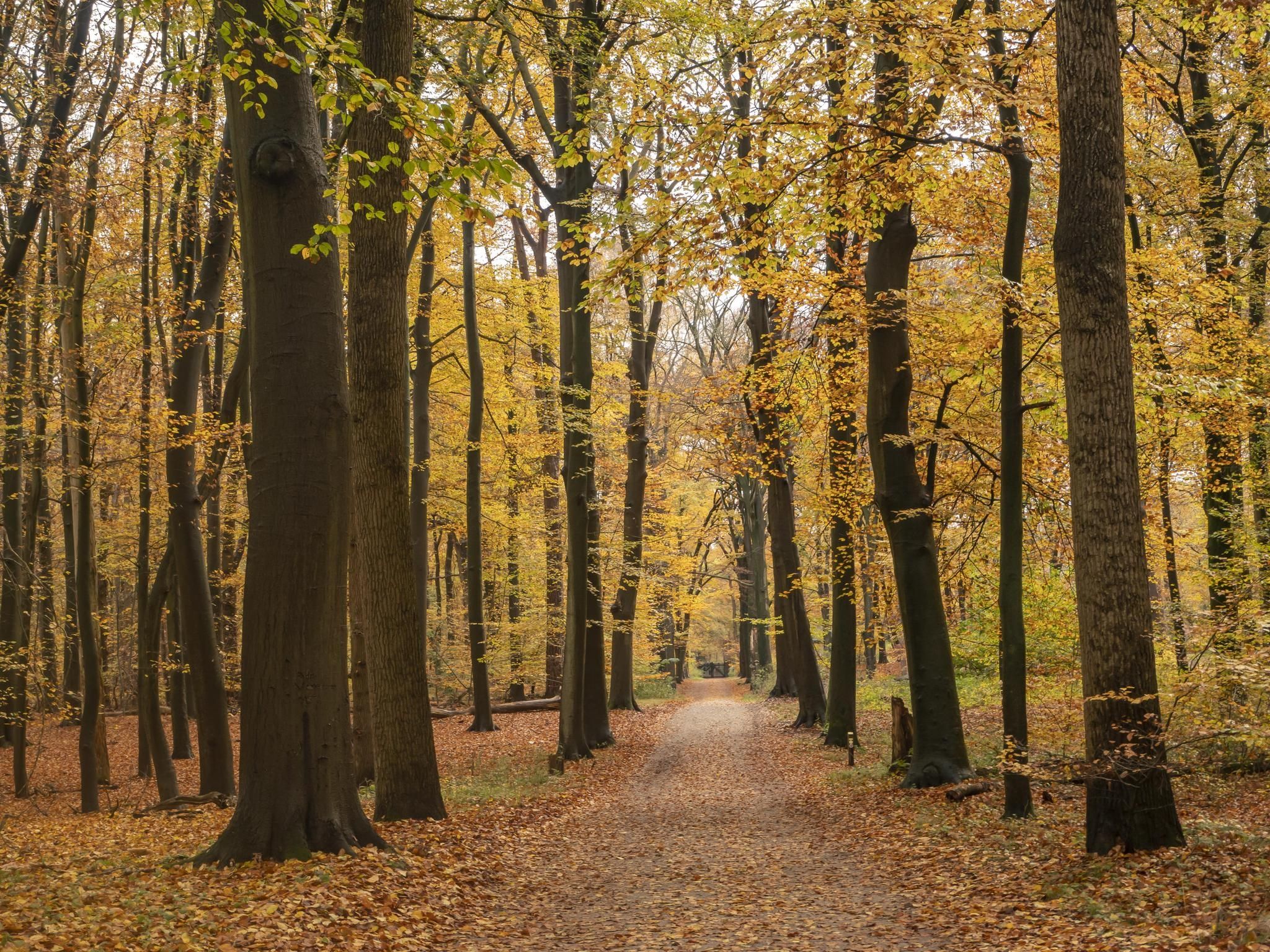
Walk under a golden canopy – 10 enchanting autumn walks in the Netherlands
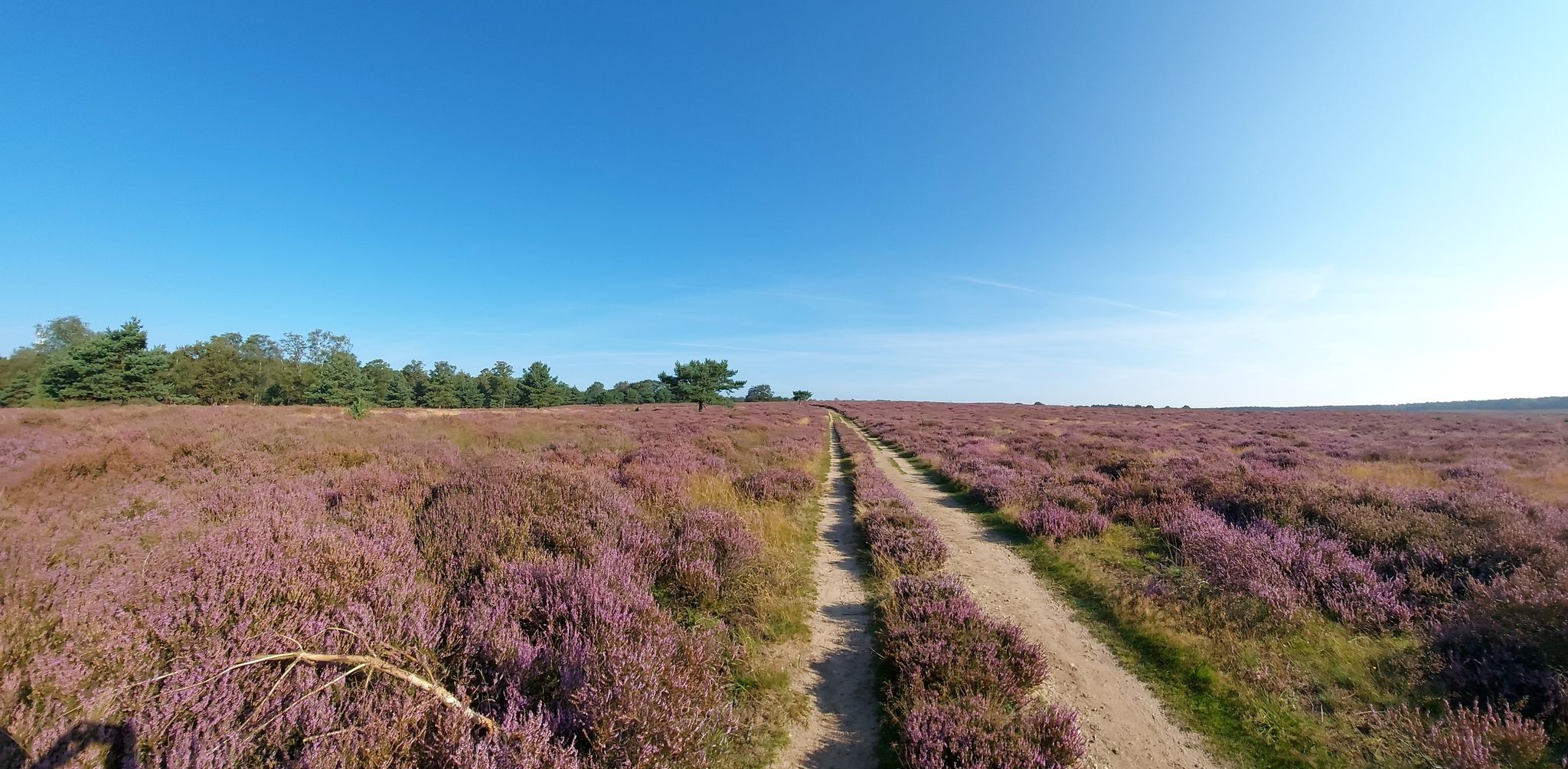
The Netherlands turns purple – 15 walks across the flowering heathlands
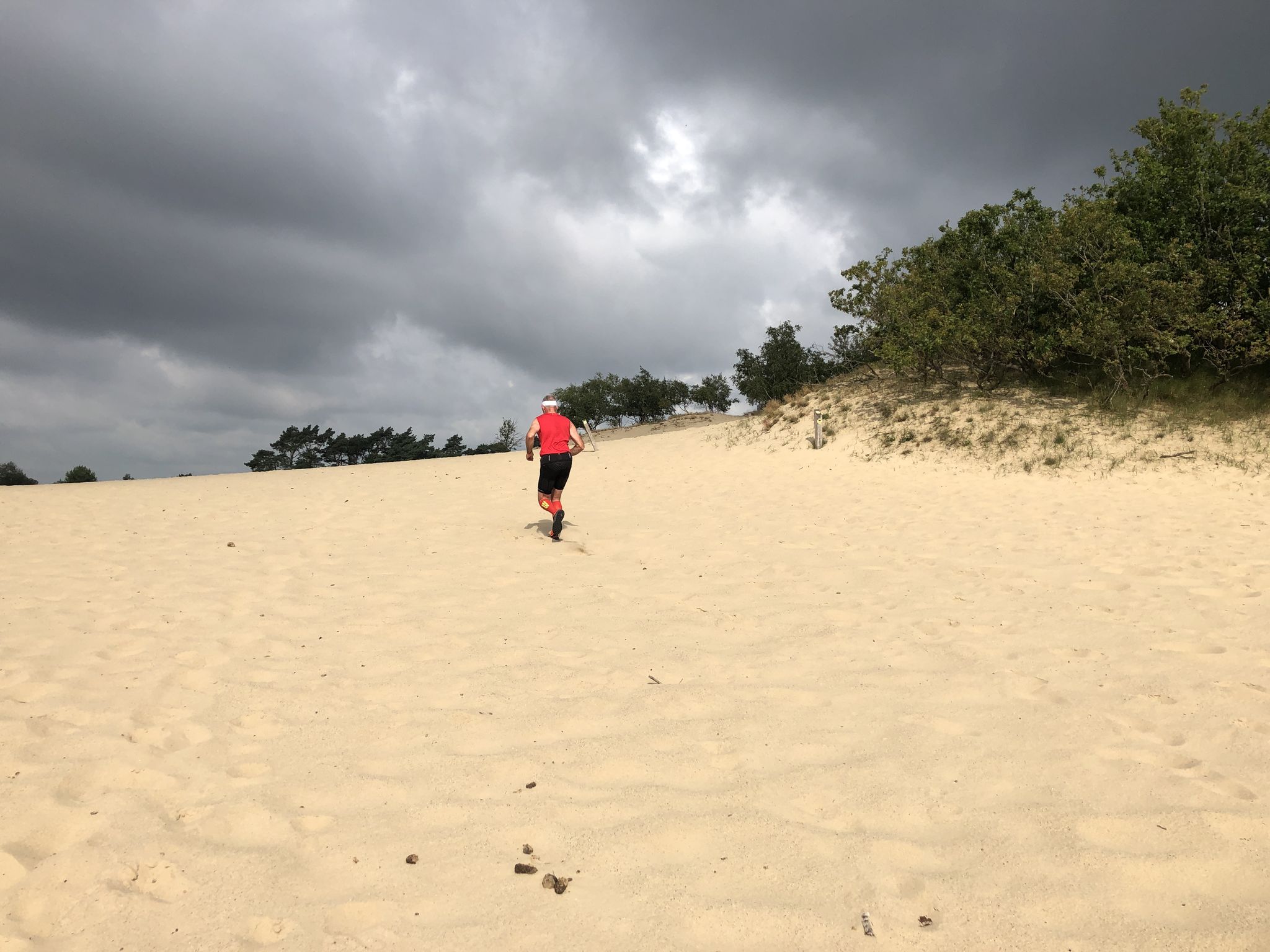
Trail runs for beginners – running off-the-beaten-track in the Netherlands
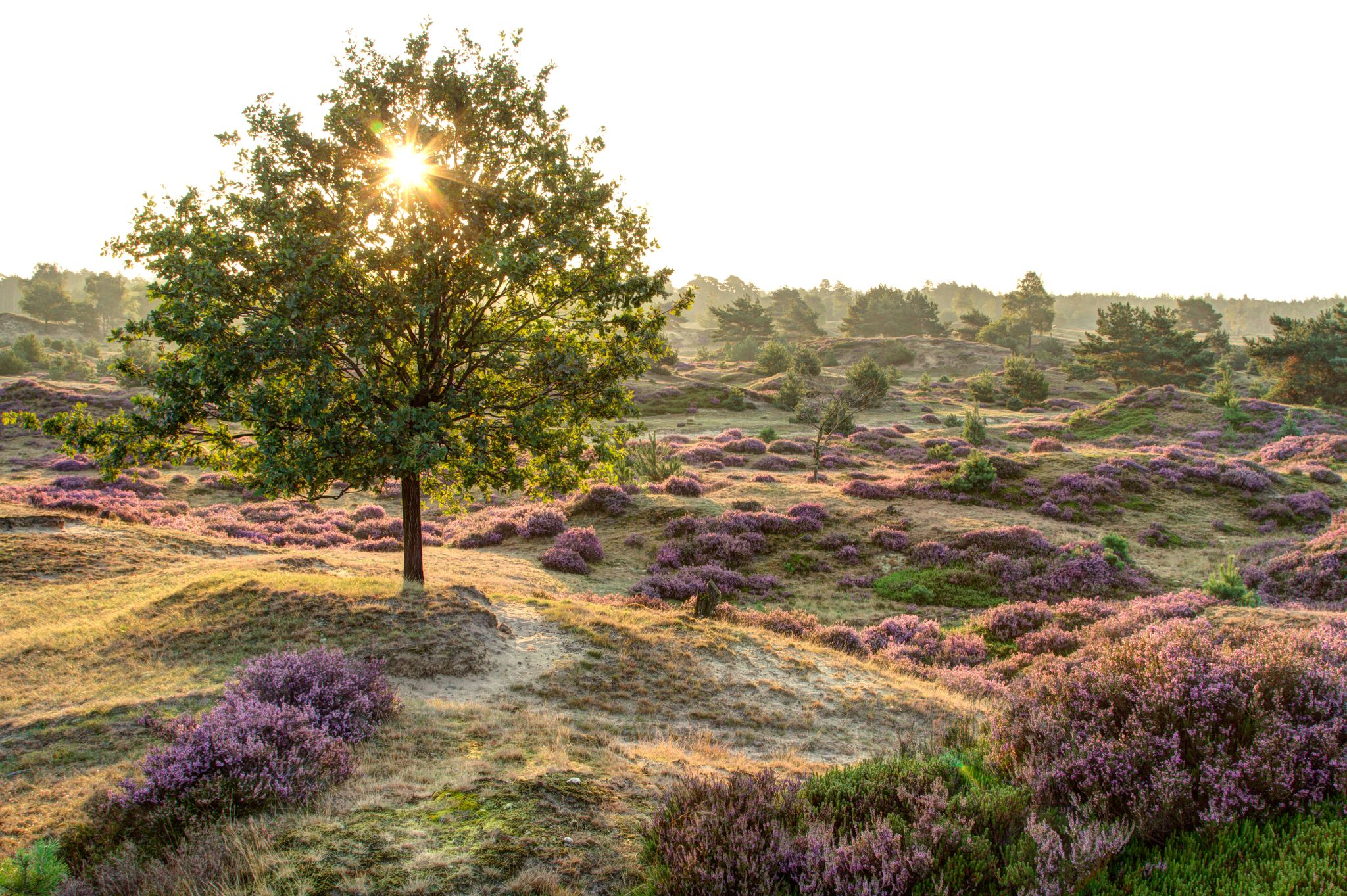
A complete hiking bucket list through every Dutch National Park
Hiking around Dwingelderveld National Park
Running Trails around Dwingelderveld National Park
Cycling around Dwingelderveld National Park
MTB Trails around Dwingelderveld National Park
Road Cycling Routes around Dwingelderveld National Park

Gravel biking around Dwingelderveld National Park
Other adventures around Dwingelderveld National Park


Tips from the Community

Here you clearly have a piece of wetlands.
2
0

Does anyone know where to rent bikes?
0
0

Great viewpoint The Dwingelerveld offers everything that makes cycling in Drenthe so great: forests, heaths, moors and beautiful cycle paths.
4
0

National Park Dwingelderveld is a vast nature reserve in Drenthe, known for its diverse landscapes of heathland, forests, fens and sand drifts. The park offers a rich flora and fauna, including rare birds and plants.
3
0

On a weekday at the end of the afternoon, take a lovely, quiet walk across the heath, through the woods and past the sheepfold.
0
1

Super nice view. In September many geese.
0
0

Near the Smitsveen lie several burial mounds. They are easy to spot because they are real mounds in the field. This is what the National Park website says about it: The hunebed builders were farmers, who grew grain and kept livestock. These human activities repeatedly created open areas. The traces of earlier inhabitants of the Dwingelderveld continue via another form of pottery and via other forms of burial. Burial mounds were constructed, which we can still see today. In burial mounds, the burnt remains of the dead were sometimes placed in urns. The Late Neolithic burial mound tradition was simply continued in the Bronze Age (2000 - 750 BC). In 1977, the two burial mounds near the Smitsveen were investigated and restored. During the war, damage had been caused by military digging. These sand mounds are built from heath sods. This is how they were also restored. They are family burial mounds from the Middle Bronze Age, in which various persons were interred. (source: https://www.nationaalpark-dwingelderveld.nl/uniek/nationaal-park/bewogen/)
1
0

Dwingelderveld National Park consists of forest, heathland and drifting sand. The extensive nature gives a good impression of the old Drenthe esdorp landscape. Near the ash villages you will find authentic ash trees; old fields where mainly grain was grown in the past. The Dwingeloosche Heide and the Kraloërheide together form the largest contiguous wet heathland area in Northwest Europe. Various duck species are seen on the Holtveen and in the area you can find stonechats, among other things.
1
0
Frequently Asked Questions
What are the most popular natural monuments to visit in Dwingelderveld National Park?
Visitors frequently enjoy the Holtveen Bird Hide, which offers excellent birdwatching opportunities and scenic views. Another highly appreciated spot is the Sunken Trees in Dwingelderveld, showcasing the park's unique wetland ecosystems. The Nature Gate Spier (Dwingelderveld National Park) is also very popular as a starting point for various outdoor activities.
Are there family-friendly natural monuments in Dwingelderveld National Park?
Yes, several natural monuments are suitable for families. The Holtveen Bird Hide and Birdwatching Hide Davidsplassen are great for observing wildlife. The Nature Gate Spier provides easy access to trails and facilities, making it an ideal starting point for family excursions. Additionally, the Several burial mounds offer an interesting historical element that can be explored with children.
What kind of wildlife can I expect to see at the natural monuments?
Dwingelderveld National Park is a haven for wildlife. At the Birdwatching Hide Davidsplassen, you might spot a tern colony, ducks, swallows, deer, and foxes, along with rarer species like the black-necked grebe and cranes. The heathlands are home to stonechats, curlews, and woodlarks. The fens attract numerous species of colorful dragonflies.
What are the best times to visit Dwingelderveld National Park to see the natural monuments?
The park is beautiful year-round, but late summer (August to September) is particularly stunning when the heather blooms, transforming the heathlands into a sea of purple. Spring offers vibrant new growth and active birdlife, while autumn brings rich colors to the woodlands and fens. Winter provides a serene, quiet landscape, often with unique bird sightings.
Are there historical natural monuments in the park?
Yes, the park features several historical sites that are considered natural monuments. The Several burial mounds at Smitsveen are ancient family burial mounds from the Middle Bronze Age, constructed from heather sods. These provide a glimpse into the lives of earlier inhabitants of the Dwingelderveld.
What types of landscapes define the natural monuments in Dwingelderveld National Park?
The natural monuments are characterized by a diverse range of landscapes. You'll find expansive wet heathlands, such as the Dwingelose Heide, along with over 60 fens and peat bogs, some of which are ancient 'pingo-ruins'. The park also features areas of shifting sand drifts, fragrant pine forests, and the Netherlands' largest juniper thickets, all contributing to its unique ecological tapestry.
What outdoor activities can I do near the natural monuments in Dwingelderveld National Park?
The park offers a wide array of outdoor activities. You can explore numerous running trails, including routes like 'Fens, boardwalks and sheep' or 'Dwingelderveld National Park – Smitsveen loop'. Cycling is also very popular, with routes such as 'De Zaandplatte Windmill – Holtveen Bird Hide loop'. For those who enjoy off-road adventures, there are gravel biking routes like 'Dwingeloo Radio Telescope – De Zaandplatte Windmill loop'. You can find more details on these activities and routes on the respective guide pages for running, cycling, and gravel biking.
Are there specific hiking trails that lead to or pass by natural monuments?
Many hiking trails traverse the park's diverse landscapes, leading past its natural monuments. For instance, the 'Fens, boardwalks and sheep' running trail, which is also suitable for hiking, takes you through key wetland areas. The Nature Gate Spier serves as an excellent trailhead for various routes that explore the heathlands, forests, and fens where many natural monuments are located.
Is Dwingelderveld National Park accessible by public transport, and are there parking options near the natural monuments?
While specific public transport routes to individual monuments may vary, the Nature Gate Spier is a well-known entry point with parking facilities, serving as a convenient starting location for exploring the park. For detailed information on public transport and parking, it's advisable to check local transport schedules or the official park website.
What makes the fens and peat bogs in Dwingelderveld National Park significant?
The fens and peat bogs, including 'pingo-ruins' from the last glacial period, are ecologically crucial. These nutrient-poor, wet areas support unique flora such as peat mosses, bog asphodel, cranberry, and various orchid species. Boardwalks are often available, allowing visitors to explore these delicate ecosystems without disturbance and witness the remarkable biodiversity they host.
Can I bring my dog to the natural monuments in Dwingelderveld National Park?
Dwingelderveld National Park generally welcomes dogs, but they must be kept on a leash in most areas to protect wildlife and livestock, especially the grazing Drenthe Heath Sheep. Specific rules may apply to certain sensitive natural monument areas, so it's always best to check signage or the park's official guidelines before your visit.
What are the juniper thickets in the park, and why are they special?
Dwingelderveld National Park is home to the Netherlands' largest juniper thicket. These unique bushes, found in large groups, exhibit various shapes and add a distinctive visual element to the landscape. Historically, they were sometimes associated with local folklore, being mistaken for mythical 'Witte Wieven' (wise women) at dusk. They also provide important habitat for local wildlife.
Most popular routes around Dwingelderveld National Park
Most popular attractions around Dwingelderveld National Park

Get inspired with the komoot mobile app


Explore more
Extend your search for the best caves by checking out these guides of the top ones around Dwingelderveld National Park:
