Top 6 Mountain Passes around Parco regionale dei Monti Lattari
Best mountain passes around Parco regionale dei Monti Lattari traverse a dramatic landscape where mountains meet the Tyrrhenian Sea, encompassing the Sorrento Peninsula and Amalfi Coast. This region offers numerous high-altitude points and trail sections that function as passes, providing connections between valleys and expansive views. The area is characterized by its steep ridges, diverse ecosystems, and a network of trails suitable for various outdoor activities. These passes serve as key points for exploring the park's natural and historical features.
…Last updated: October 1, 2026
Chiunzi Pass
Highlight • Mountain Pass
Translated by Google •
Tip by

Hole of Mount Finestra
Highlight • Natural Monument
Translated by Google •
Tip by

Sign up now to discover places like this
Get recommendations on the best single tracks, peaks, & plenty of other exciting outdoor places.
Santa Maria del Castello
Highlight • Settlement
Showing Translation
Tip by

Malopasso and Buco monte Finestra
Highlight (Segment) • Mountain Pass
Translated by Google •
Tip by

View of Mount Vesuvius from Monte Faito
Highlight • Viewpoint
Translated by Google •
Tip by

Sign up for free to discover even more mountain passes around Parco regionale dei Monti Lattari.
Already have an account?
Start today with a free account
Your next adventure awaits.
Popular around Parco regionale dei Monti Lattari
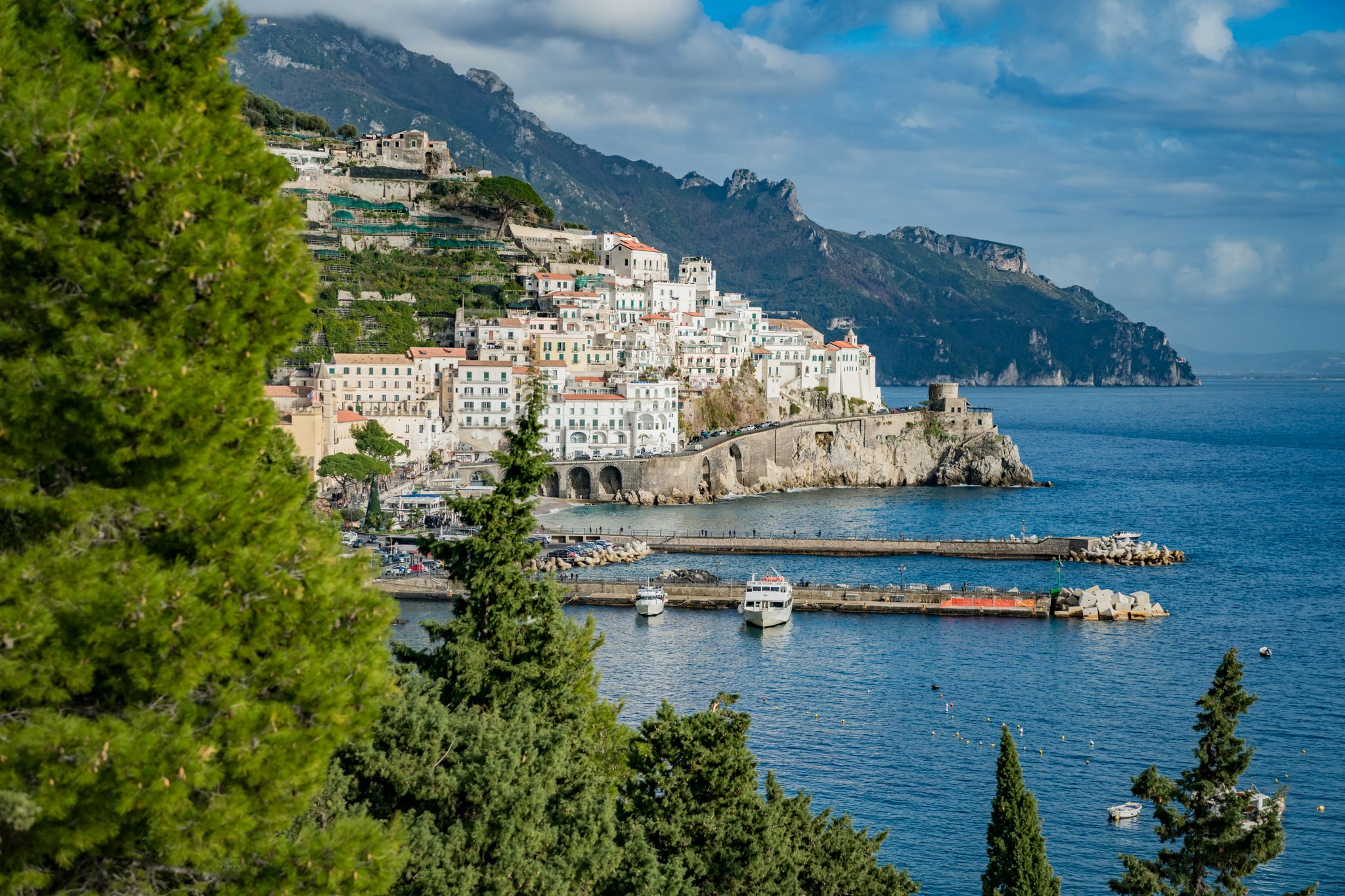
Hiking on the Amalfi Coast – routes for all year round
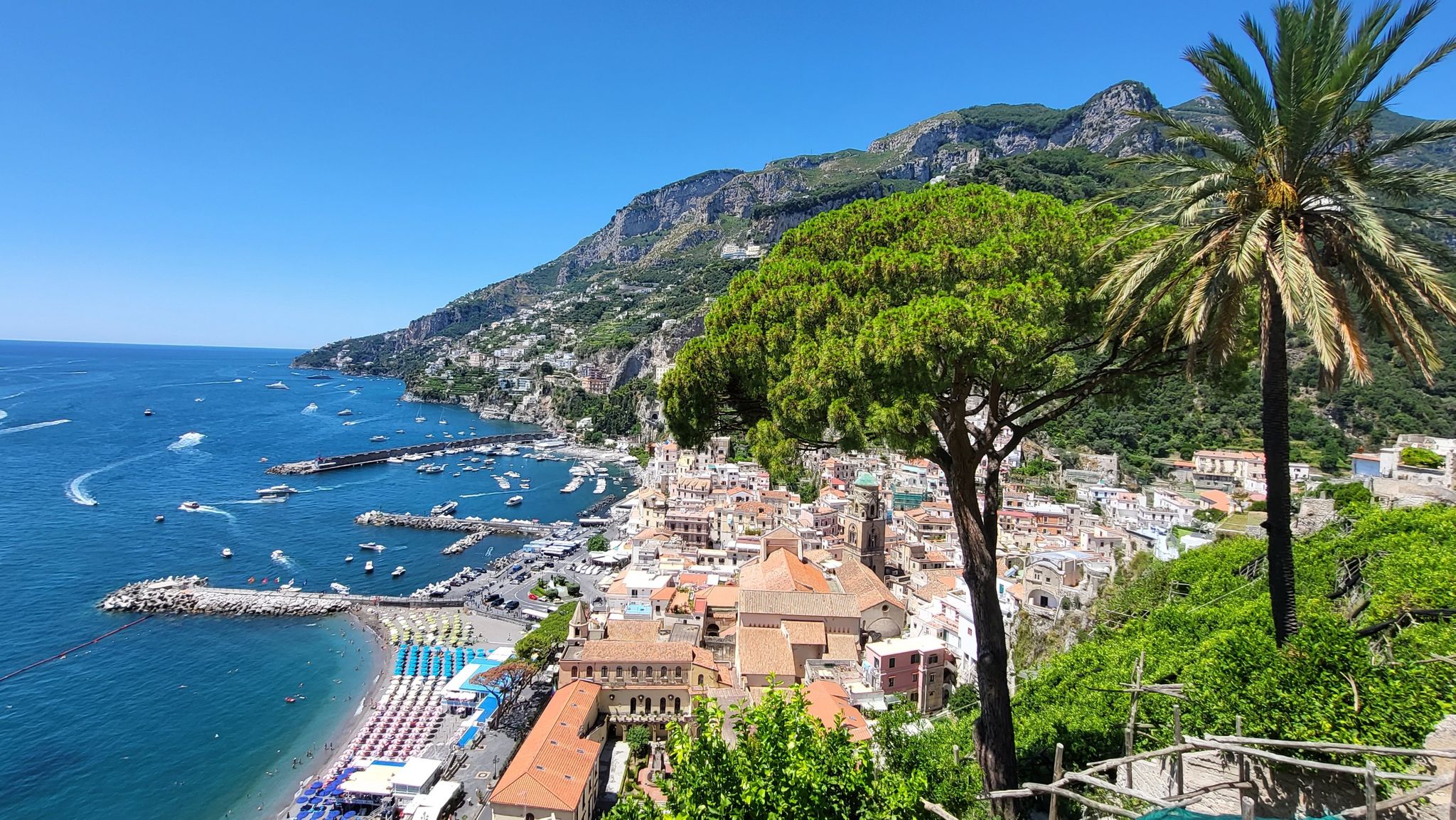
Discovering the Amalfi Coast – four unmissable walks
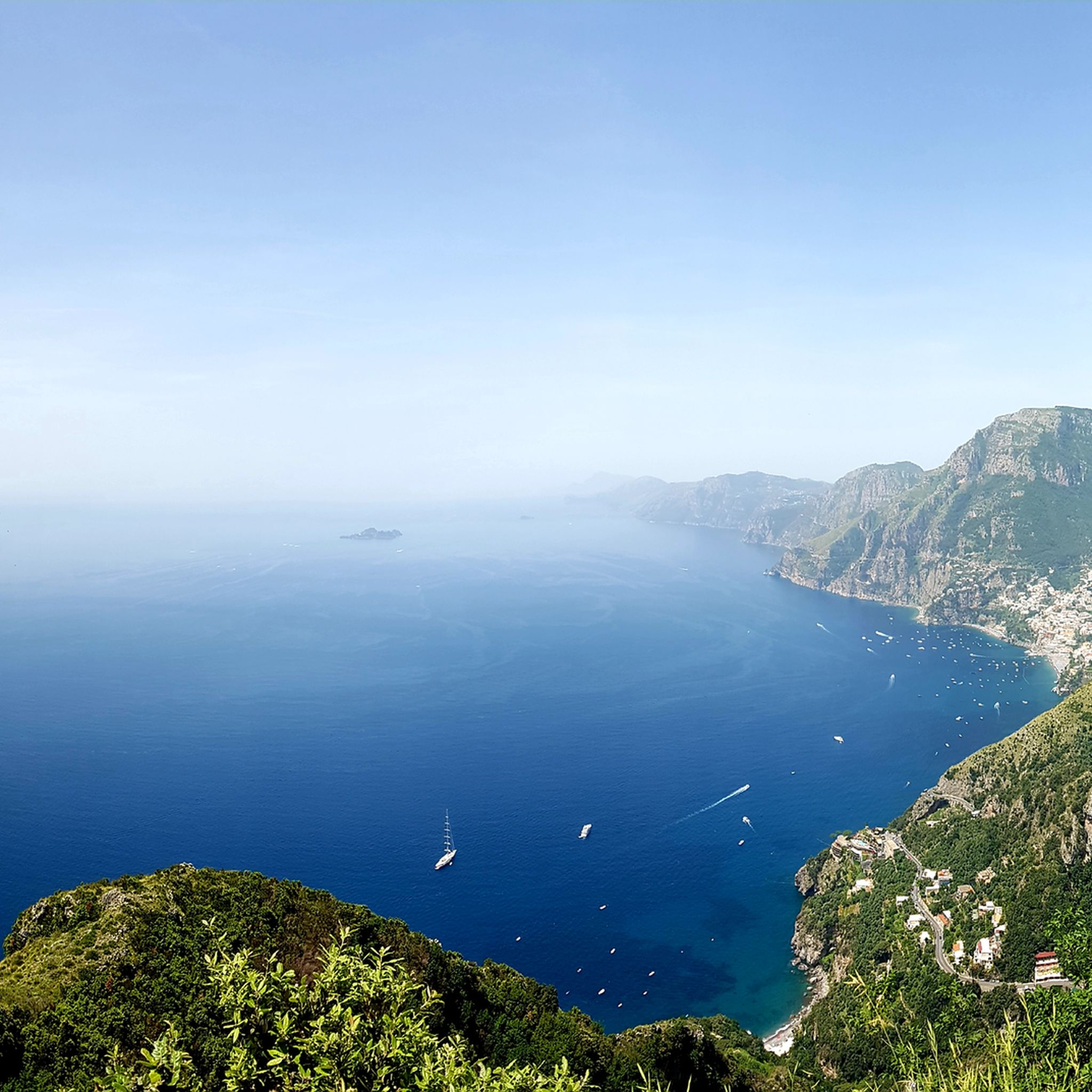
Hiking around Parco regionale dei Monti Lattari
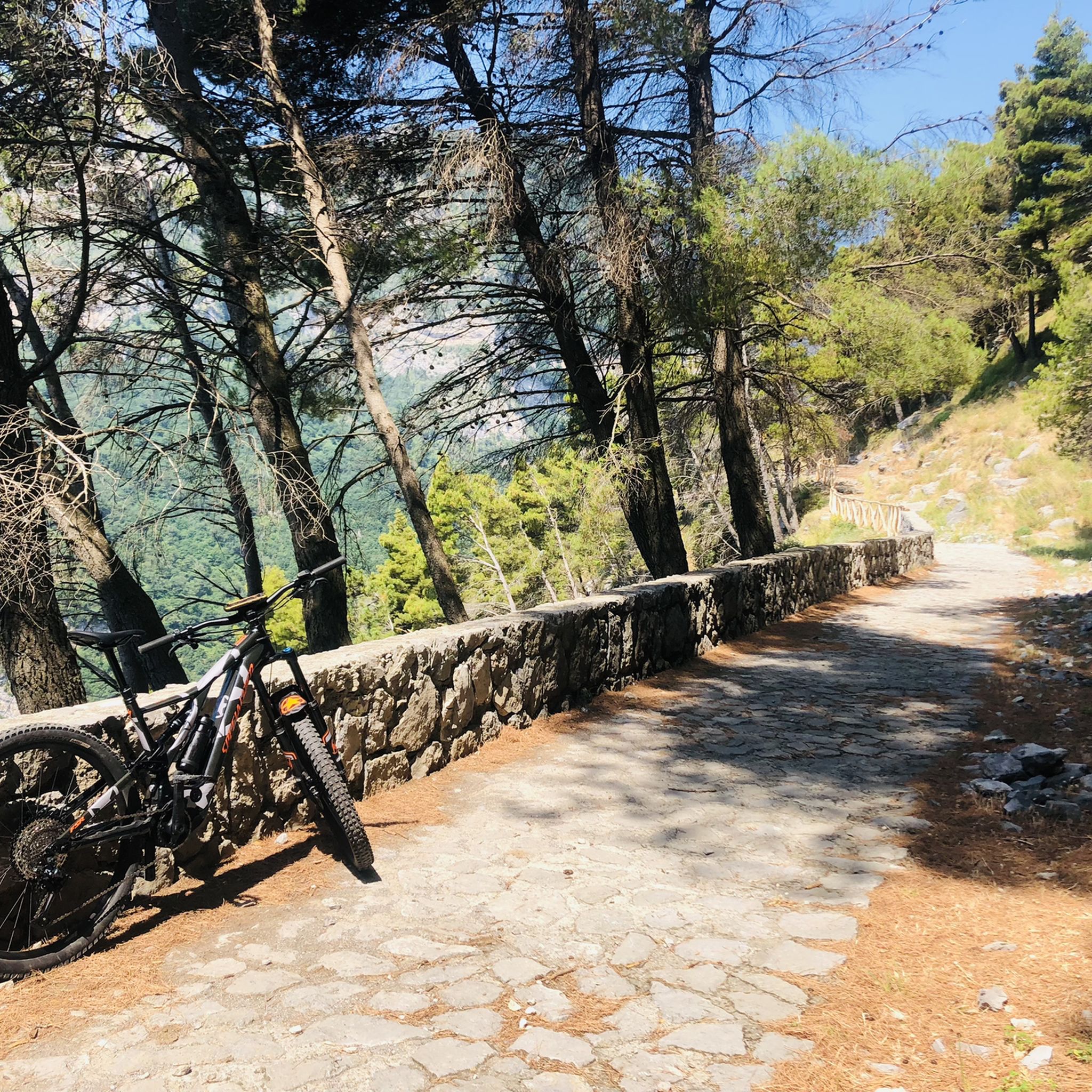
MTB Trails around Parco regionale dei Monti Lattari
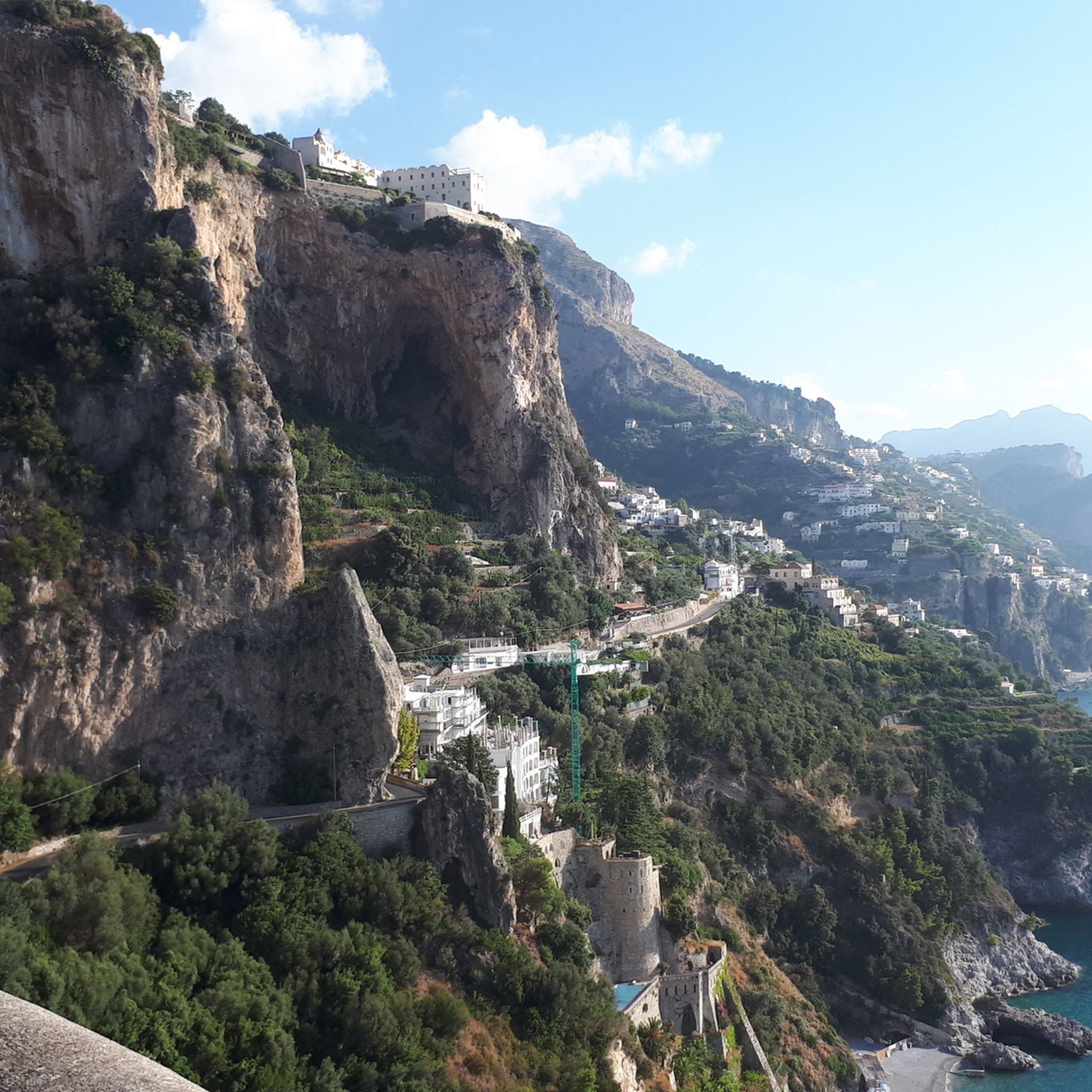
Cycling around Parco regionale dei Monti Lattari
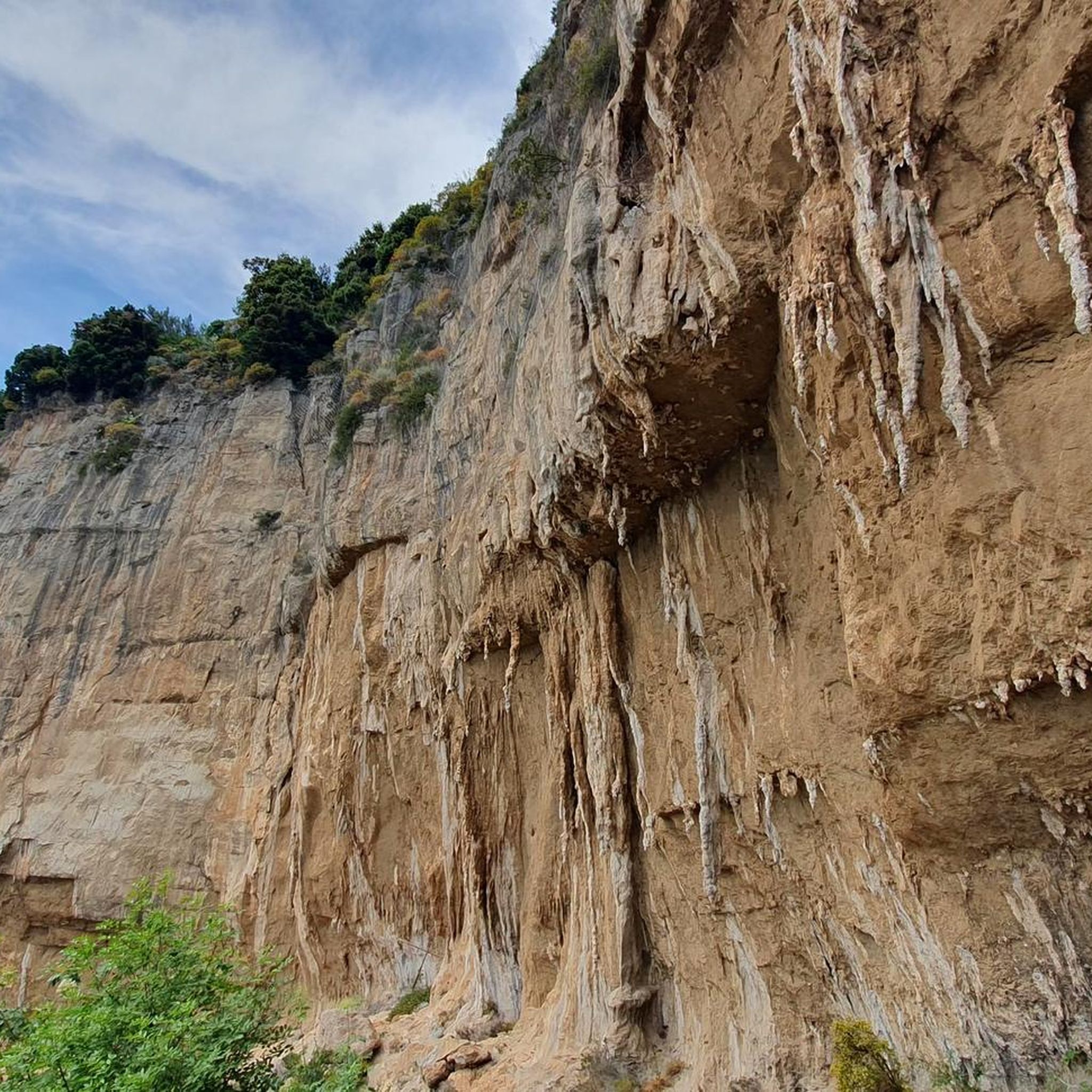
Running Trails around Parco regionale dei Monti Lattari
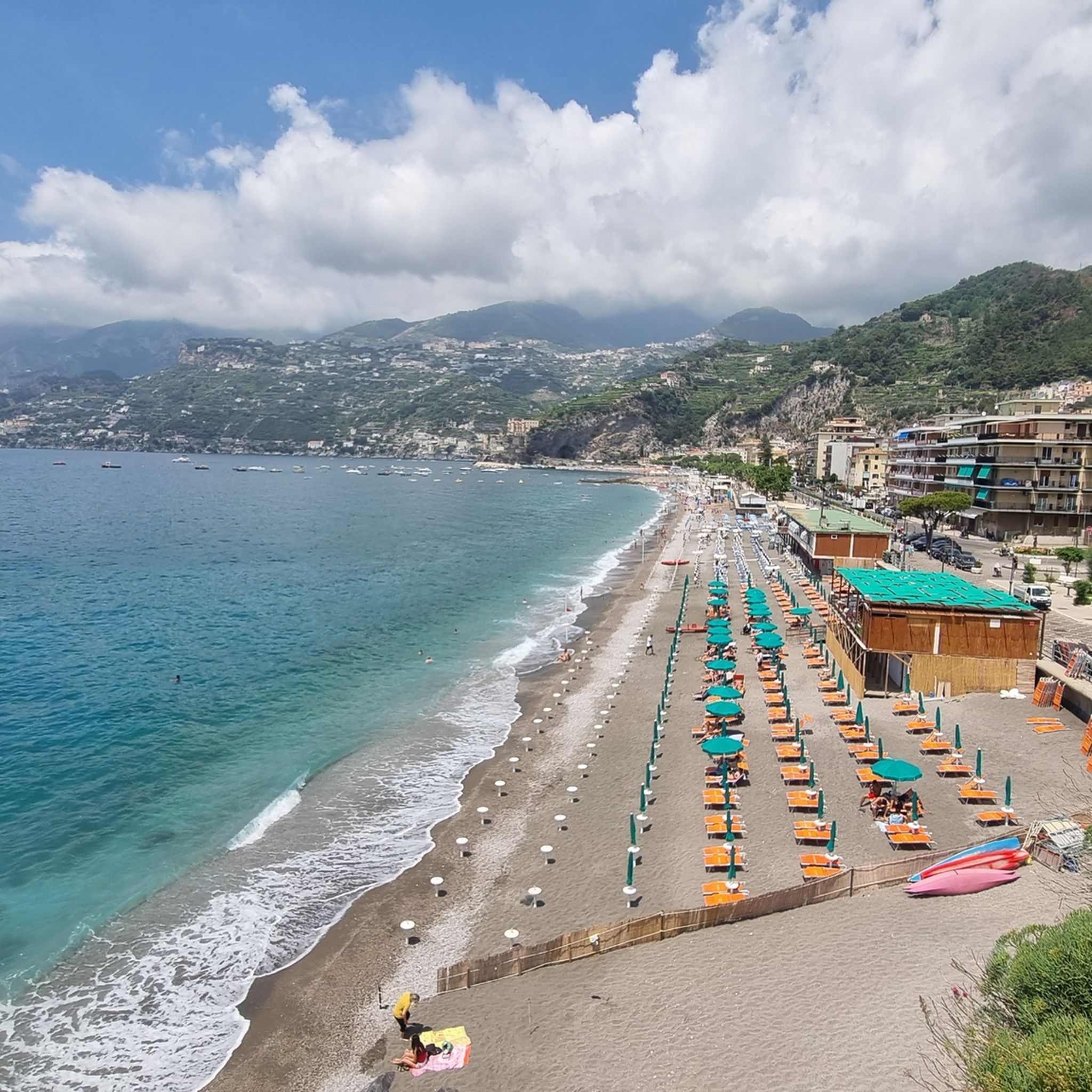
Road Cycling Routes around Parco regionale dei Monti Lattari

Gravel biking around Parco regionale dei Monti Lattari
Other adventures around Parco regionale dei Monti Lattari


Tips from the Community

S. Maria del Castello (670m) is a village at the pass between Vico Equense and Positano. It is a fundamental crossing point for hikers about to walk the CAI 300 trail. At the foot of the church staircase, there is a small fountain for water supply.
4
0


I would like to participate
0
0

Attention, a bad pass in name and in fact, an exposed section and suitable for those who do not suffer from vertigo
0
0

For anyone who would like to receive information on this route or would like to travel it together, please write to me. *My Instagram - alessandro_ale._ For anyone who would like to receive information on this route or would like to travel it together, please write to me. My Instagram - alessandro_ale._
0
1

Passage points and water supply
3
0

S. Maria del Castello (670m) is a village at the pass between Vico Equense and Positano. Thanks to its strategic position, for centuries it has been an obligatory point of passage to avoid the circumnavigation of the Peninsula reaching Punta Campanella. Today it is a very important crossroads for hikers.
3
0

Mount Finestra takes its name from this "Hole". To reach it from the north peak, be very careful, the path, T4, is very treacherous and includes the "Malopasso". Trekking clothing, sturdy shoes, mountaineering experience and no vertigo!
3
0
Frequently Asked Questions
What kind of views can I expect from the mountain passes in Parco regionale dei Monti Lattari?
The mountain passes in Parco regionale dei Monti Lattari offer spectacular panoramic vistas. From many high points, you can see both the Gulf of Naples and the Gulf of Salerno, the iconic Amalfi and Sorrento coastlines, and even the island of Capri. For example, from View of Mount Vesuvius from Monte Faito, you can enjoy incredible views of Mount Vesuvius and the surrounding landscape.
Are there any particularly challenging mountain passes for experienced hikers?
Yes, for experienced hikers seeking a challenge, the Hole of Mount Finestra is a notable point. It's a natural hole in the rock located on the fork between the North and South peaks of Monte Finestra. The path to reach it, especially from the north peak, is rated T4 and includes a very treacherous section called "Malopasso" with an overhanging part supported by a steel cable, requiring sturdy shoes and mountaineering experience.
What historical significance do the mountain passes in Parco regionale dei Monti Lattari hold?
Many passes in the Monti Lattari have significant historical importance, often serving as ancient communication routes. For instance, Chiunzi Pass historically connected the Nocerino-Sarnese countryside with the Amalfi coast. It features an imposing Norman tower, suggesting its past use for military purposes or as a customs post. Similarly, Santa Maria del Castello was a crucial passage point between Vico Equense and Positano for centuries.
What is the highest point accessible via a mountain pass experience in the Monti Lattari?
While not a traditional pass, the highest peak in the Monti Lattari range is Sant'Angelo a Tre Pizzi, reaching over 1,400 meters. The strenuous trails leading to and traversing its vicinity offer the ultimate mountain pass experience within the park, rewarding climbers with unparalleled, sweeping views of the entire peninsula and beyond.
What is the best time of year to visit the mountain passes in Parco regionale dei Monti Lattari?
The best time to visit the mountain passes in Parco regionale dei Monti Lattari is generally during the spring (April to June) and autumn (September to October). During these seasons, the weather is pleasant, temperatures are moderate, and the natural scenery is at its most vibrant, making for ideal hiking and cycling conditions. Summers can be very hot, especially at lower altitudes, while winters may bring colder temperatures and occasional snow at higher elevations.
Are there family-friendly options for exploring the mountain passes?
While many routes in the Monti Lattari can be challenging, there are certainly options for families. For easier access to stunning views, consider areas around Monte Faito. The Funivia del Faito (cable car) provides an accessible route to its upper reaches, making the stunning viewpoints available to a wider range of visitors, including families. Look for trails categorized as 'easy' or 'intermediate' for suitable options.
How can I access the mountain passes using public transport?
Public transport options vary depending on the specific pass. For Monte Faito, the Funivia del Faito (cable car) from Castellammare di Stabia offers direct access to its upper reaches. For other passes, you might need to combine bus services to towns like Agerola, Cetara, or Vico Equense with a hike. It's advisable to check local bus schedules and trail access points in advance.
Where can I find facilities or services near the mountain passes?
Some passes, like Santa Maria del Castello, are settlements that offer passage points and water supply. In general, facilities like restaurants, cafes, and accommodations are more readily available in the towns and villages surrounding the park, such as Agerola, Vico Equense, or along the Amalfi Coast. It's always a good idea to carry sufficient water and snacks, especially on longer hikes.
What outdoor activities can I do near the mountain passes in Parco regionale dei Monti Lattari?
The area around Parco regionale dei Monti Lattari is perfect for various outdoor activities. You can explore numerous hiking trails, from moderate to difficult, offering breathtaking views. There are also extensive road cycling routes and gravel biking opportunities. For more details on specific routes, check out the Hiking around Parco regionale dei Monti Lattari, Road Cycling Routes around Parco regionale dei Monti Lattari, and Gravel biking around Parco regionale dei Monti Lattari guides.
Are there specific hiking trails associated with these mountain passes?
Yes, many mountain passes are integral parts of the extensive trail network. For example, the Alta Via (Trail 300) is a 70 km long route that traverses the entire Monti Lattari chain, crossing numerous high points and offering continuous panoramic views. Other trails lead to specific passes like the Hole of Mount Finestra, which is an obligatory step for those visiting Monte Finestra. You can find more detailed hiking routes in the Hiking around Parco regionale dei Monti Lattari guide.
What natural features, besides views, can I see around the mountain passes?
Beyond the stunning views, the Monti Lattari region boasts diverse natural beauty. You'll encounter Mediterranean scrub near the coast, transitioning to chestnut and oak forests at higher altitudes. The trails often wind through dramatic limestone ridges and ancient agricultural terraces. Monte Faito, for instance, is known for its ancient beech forests (Faggi Secolari), adding to the park's rich biodiversity.
Most popular routes around Parco regionale dei Monti Lattari
Most popular attractions around Parco regionale dei Monti Lattari

Get inspired with the komoot mobile app


Explore more
See even more epic mountain passes by checking out these guides around Parco regionale dei Monti Lattari:
