North York Moors National Park
North York Moors National Park
Top 20 Natural Monuments in North York Moors National Park
Best natural monuments in North York Moors National Park include a diverse array of geological formations and unique ecosystems. This protected area in North Yorkshire, England, features extensive heather moorlands, ancient woodlands, and dramatic coastal cliffs. The park's landscape is shaped by its rich geology, offering varied terrain for outdoor exploration. These natural features provide habitats for diverse flora and fauna, making the region a significant ecological site.
Best natural monuments in North York Moors National Park
- The most popular…
Last updated: October 14, 2026
Roseberry Topping Summit
Highlight • Summit
Tip by

Carlton Bank Summit Trig Point
Highlight • Natural Monument
To the northeast, you can see the distinctively shaped Roseberry Topping. To the east and south, the stunning undulations …
Tip by
Sign up now to discover places like this
Get recommendations on the best single tracks, peaks, & plenty of other exciting outdoor places.
The Wainstones
Highlight • Climb
The rocks are situated on a hill called 'Hasty Banks', and there are fantastic views across to Middlesbrough …
Tip by
Mallyan Spout Waterfall
Highlight • Natural Monument
Tip by
Gormire Lake
Highlight • Natural
Tip by
Sign up for free to discover even more natural monuments in North York Moors National Park.
Already have an account?
Start today with a free account
Your next adventure awaits.
Popular around North York Moors National Park
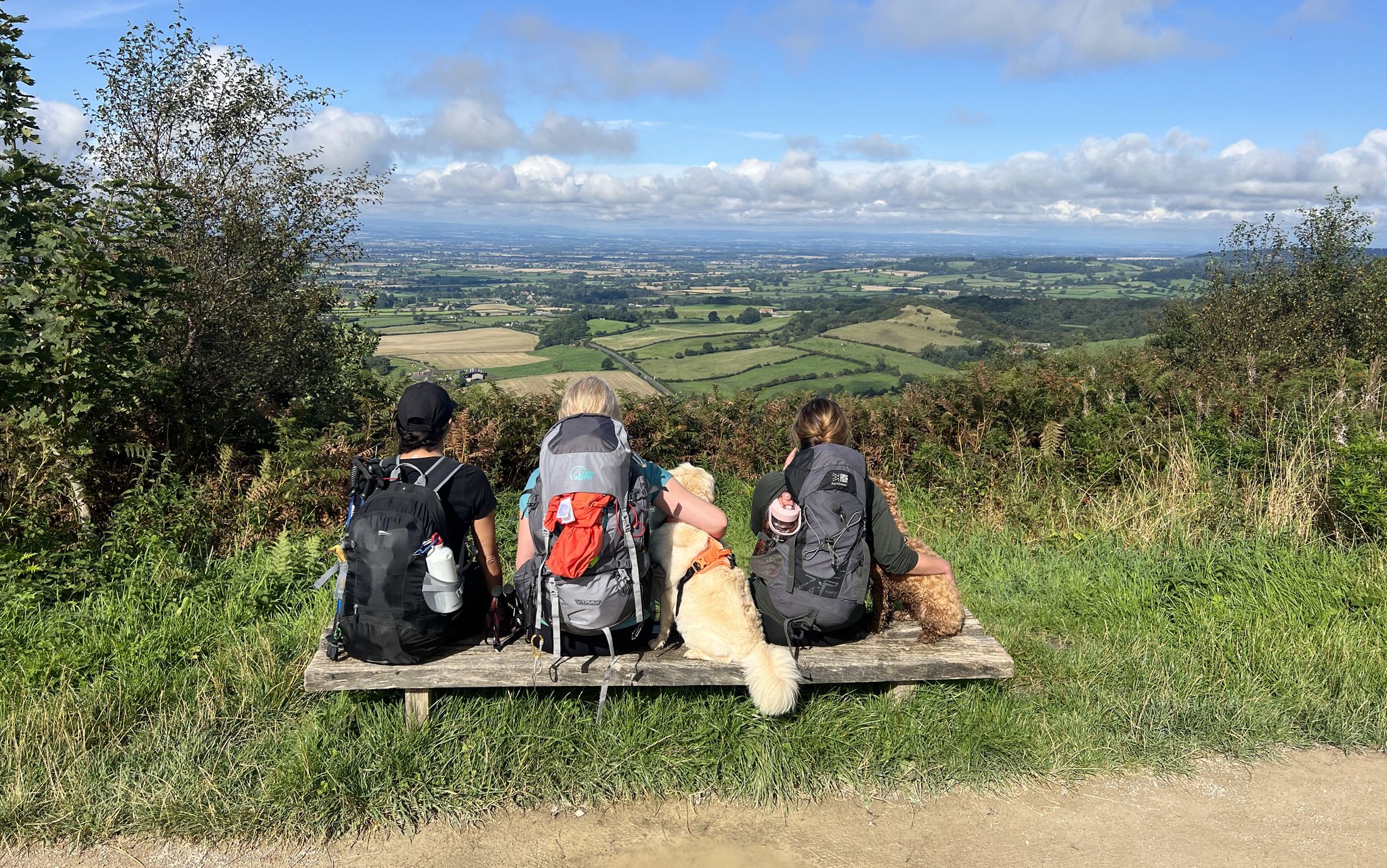
North York Moors National Park – A Walk in the Parks

Ebor Way – Discover Yorkshire's scenic splendour
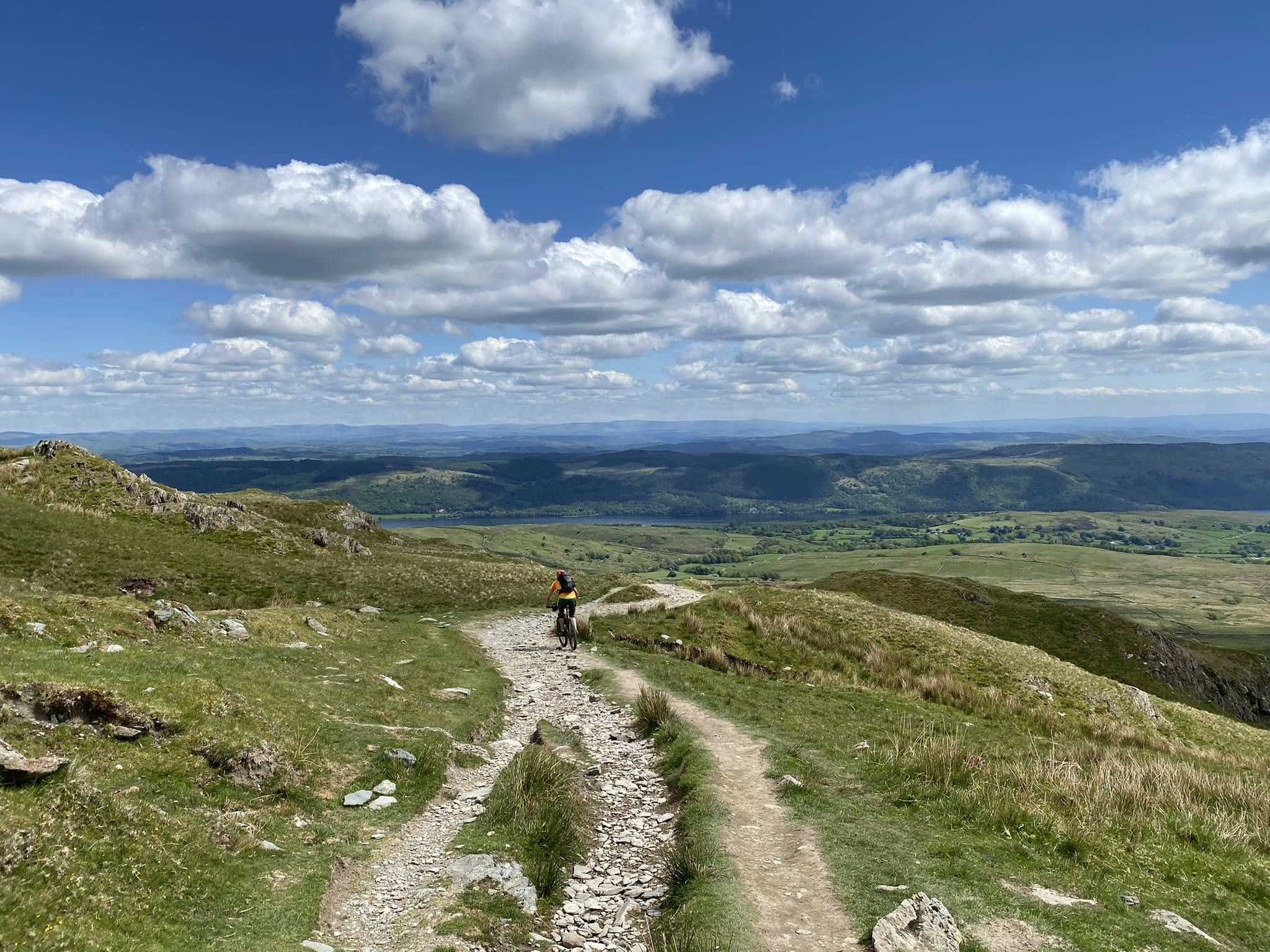
Tim Woodcock's Coast to Coast off-road route – Lakes, Dales and Moors
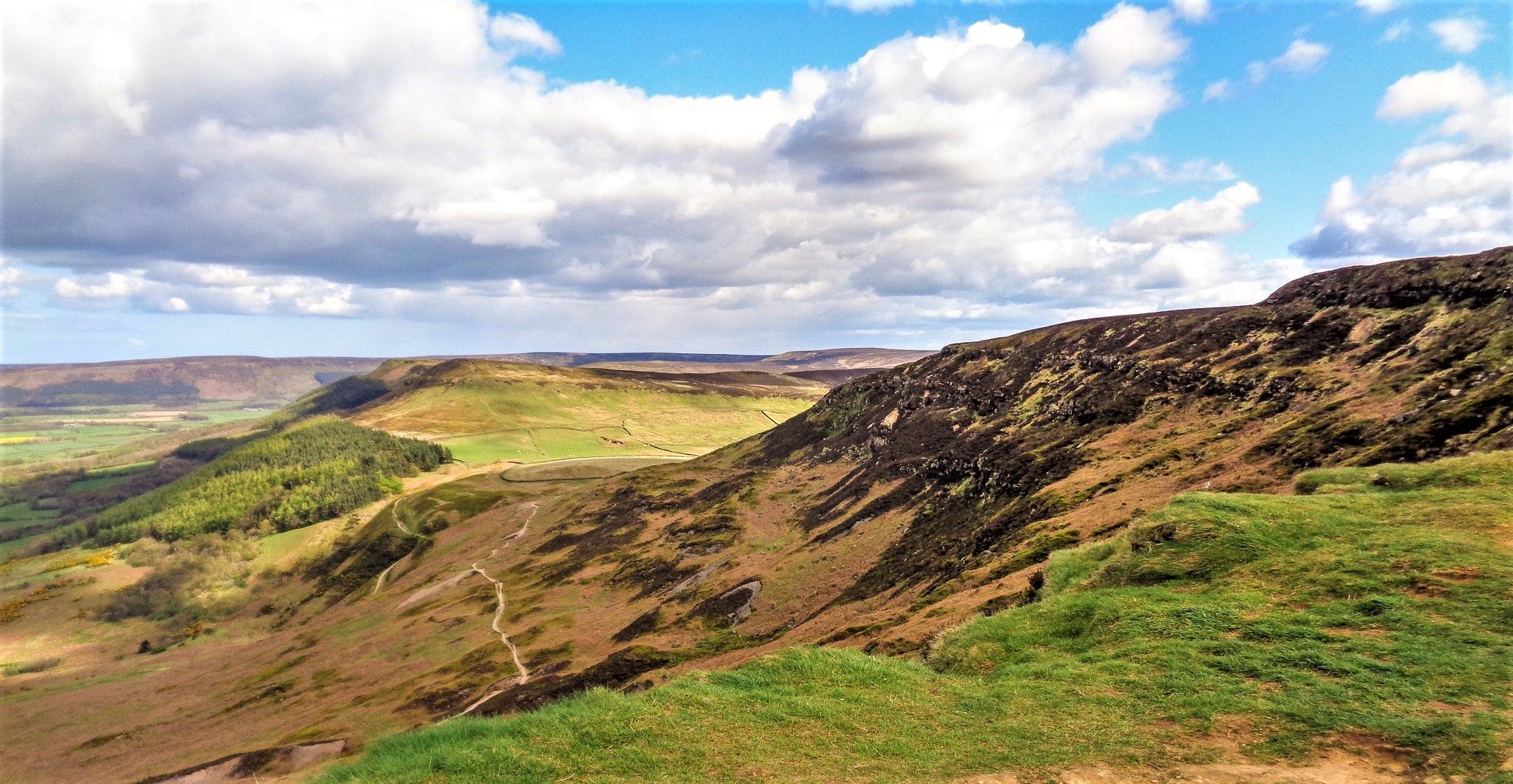
Lyke Wake Walk — Hike a wild and ghostly part of the North York Moors
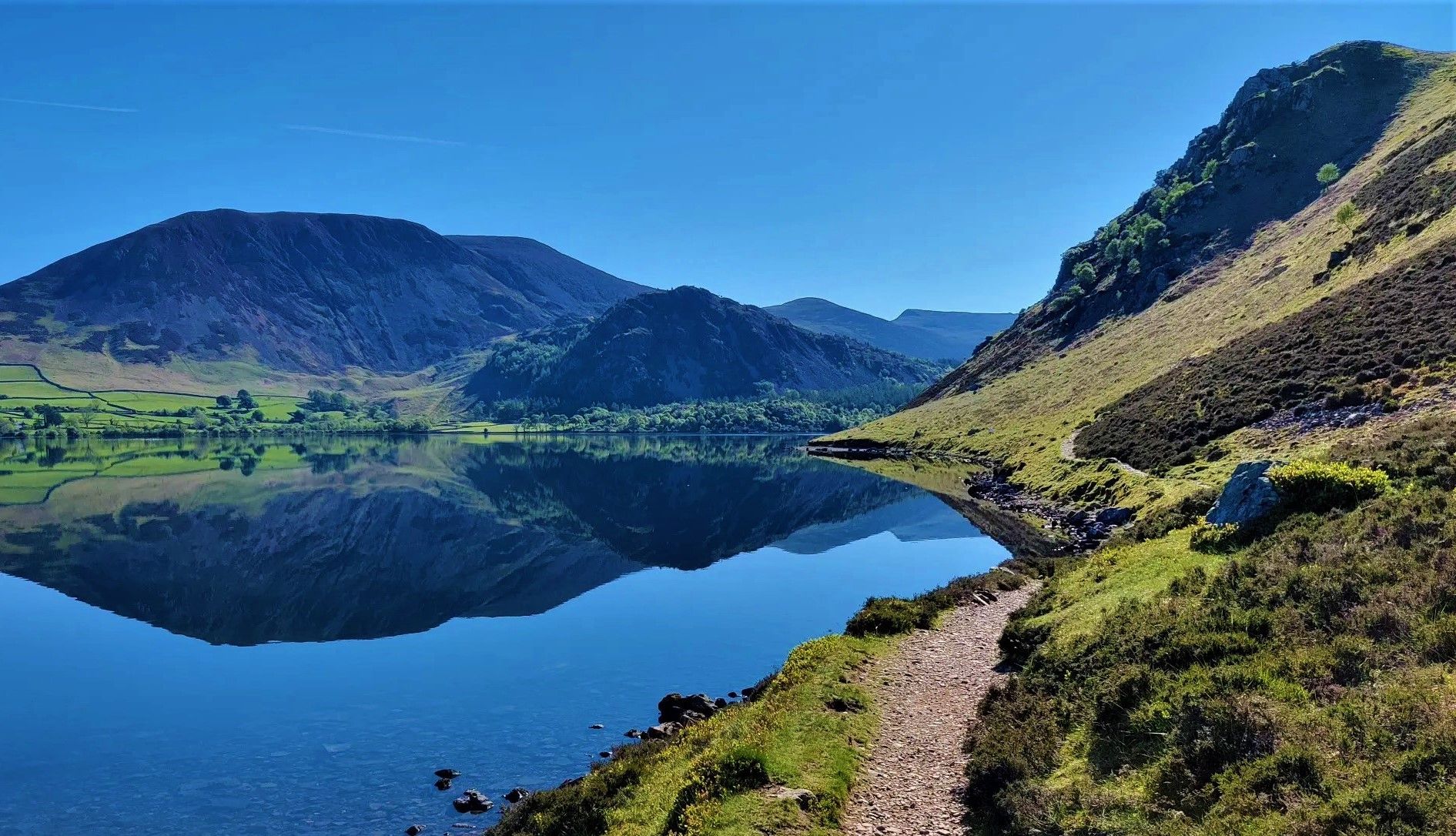
Wainwright's Coast to Coast — Hike the width of England in 13 stages
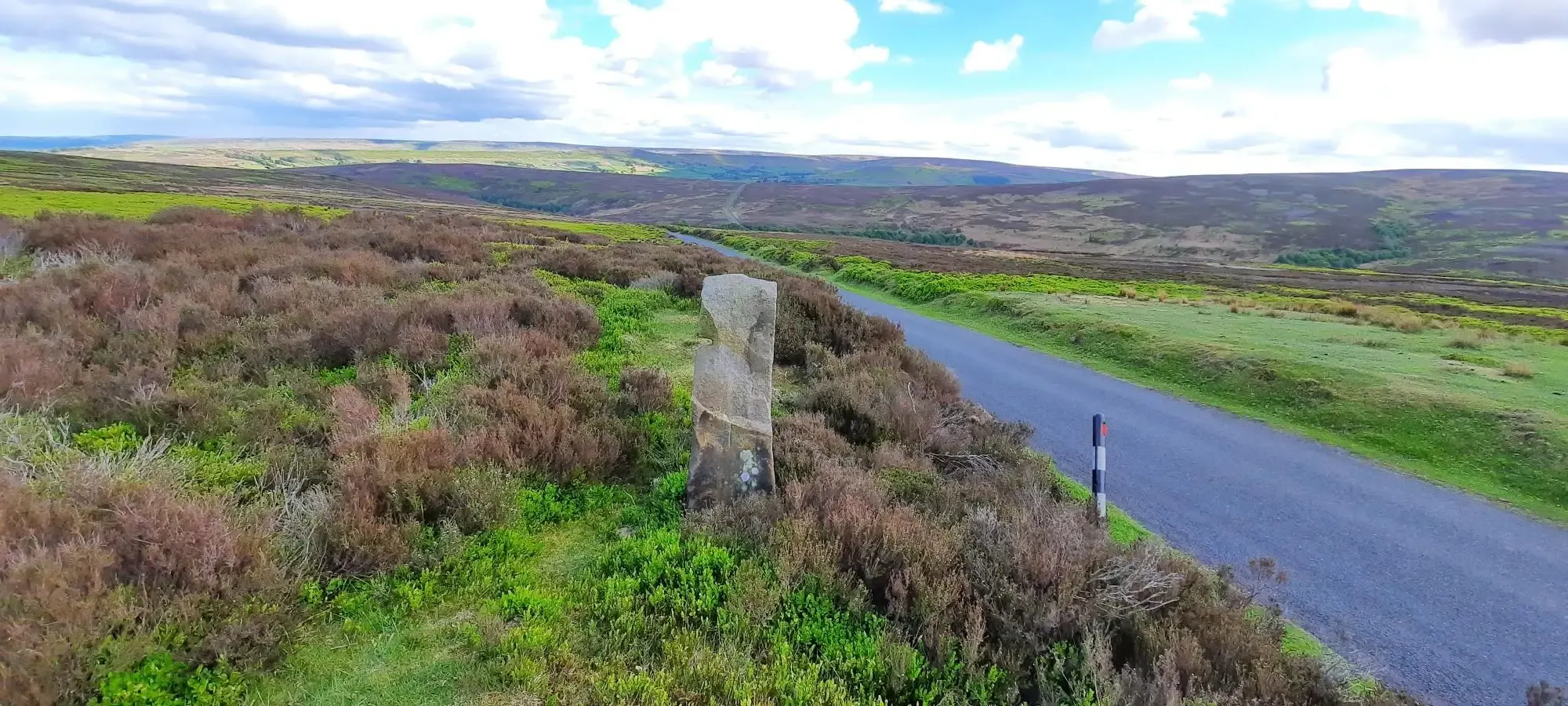
Road to Rail – Cycling in the North York Moors
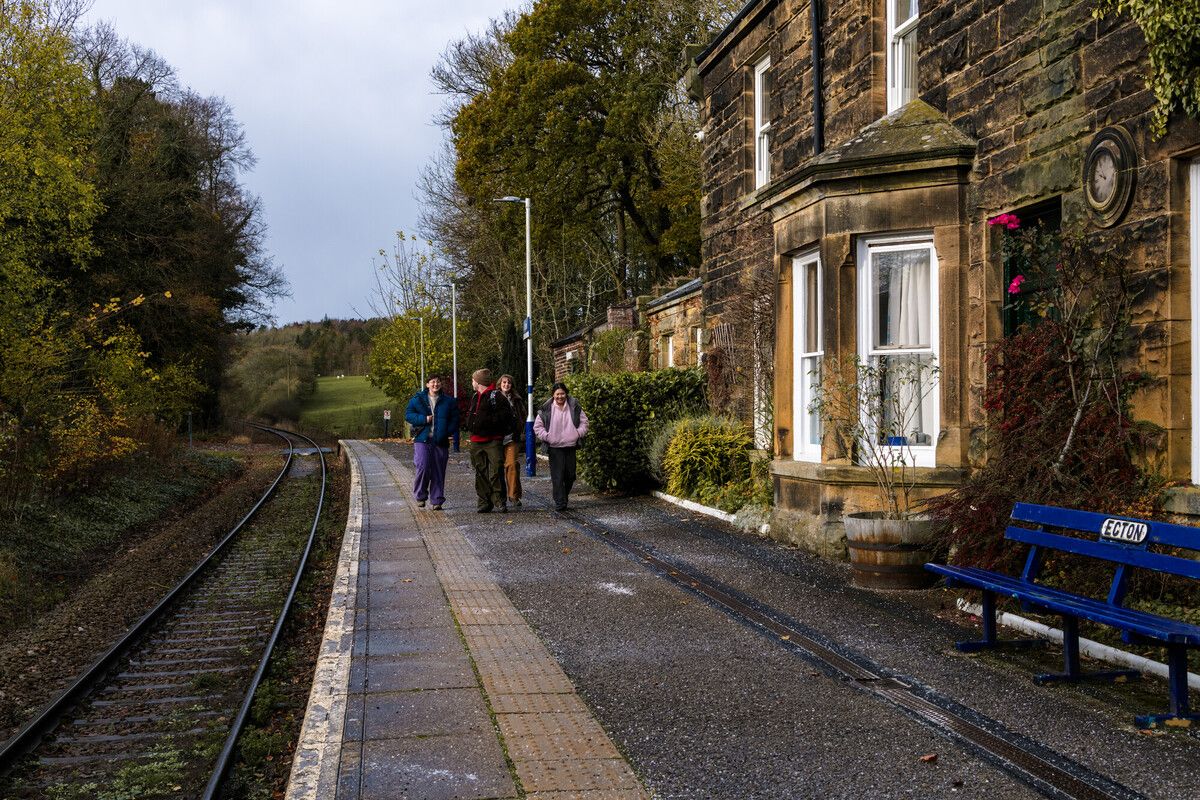
Explore the North York Moors on foot – beautiful hikes by train

Seasonal foraging hikes across Europe
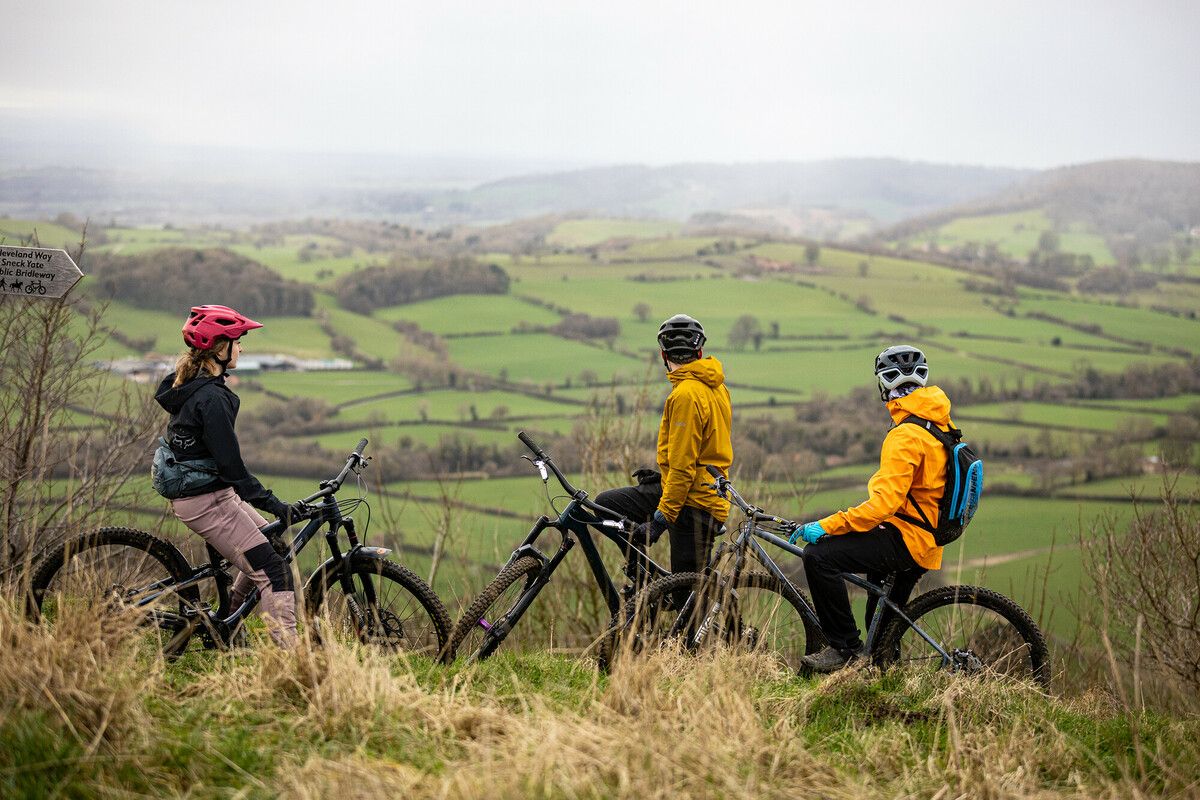
Sutton Bank Mountain Bike Trails

North York Moors Gravel and Explorer Routes
Other adventures in North York Moors National Park


Tips from the Community

Until 1912, Roseberry Topping had a smooth, sugarloaf‑like peak. A geological fault combined with underground mining caused a massive collapse, giving the summit its modern jagged profile. The climb up from the car park is steep and can be very busy, even before sunrise in winter where you can see a small procession of torches slowly ascending.
1
0

This is where I realised wearing new boots for a hike this long was a BAD idea!
0
0
Lots of view points, people rock climbing and the up and downs test you as they are short, but a touch punchy for their short elevation!
0
0


Gormire Lake is a natural lowland lake that lies at the foot of Whitestone Cliff, a western escarpment of the Hambleton Hills
0
0
Meaning "filthy swamp", there are many local legends and myths surrounding this lake, such as it is bottomless (it is 6.5m deep) and was created by an earthquake that swallowed a village resulting in the lake today (it is a glacial lake).
0
0
Whilst this waterfall is relatively accessible, as others point out it is a bit of a scramble, with the rocks still quite slippery and treacherous in the height of summer, as they are permanently in the shade and damp. In summer, the valley that the track to the waterfall runs through provides welcome respite from the heat of the day.
1
0
Judging from the number of recommendations, photos and tips, this is a hugely popular spot. If you can, get up there nice and early (I started 5.30am in May) to catch the rising sun and see the stones in a mix of sunlight and shadow, both from afar and close up. Spectacular rock formations and views all round.
3
0
Frequently Asked Questions
What are some of the most notable natural monuments to visit in North York Moors National Park?
The North York Moors National Park is home to many impressive natural monuments. Among the most popular are Roseberry Topping Summit, often called the “Yorkshire Matterhorn” for its distinctive shape, and The Wainstones, a unique rocky outcrop offering expansive views. Don't miss Mallyan Spout Waterfall, the tallest waterfall in the park, or the tranquil Gormire Lake, nestled beneath Sutton Bank.
Are there good hiking trails near the natural monuments in North York Moors National Park?
Yes, the North York Moors National Park offers a variety of hiking trails that allow you to explore its natural monuments. For easy walks, consider routes like the Roseberry Topping loop or the Mallyan Spout and Beck Hole loop. You can find more options in the Easy hikes in North York Moors National Park guide. For those seeking waterfalls, the Waterfall hikes in North York Moors National Park guide features routes like the Thomason Foss & Mallyan Spout loop.
What kind of views can I expect from the natural monuments?
Many natural monuments in the North York Moors offer spectacular views. From Roseberry Topping Summit, you'll get panoramic vistas across the North York Moors, the Vale of York, and even the distant Pennines. Carlton Bank Summit Trig Point provides breathtaking views of the Tees Valley and Roseberry Topping, while Sutton Bank is renowned for its expansive outlook over the Vale of Mowbray, described by James Herriot as 'the finest view in England'.
What are the best times of year to visit the natural monuments in North York Moors National Park?
The best time to visit depends on what you want to see. Late summer (August to early September) is ideal for witnessing the vast heather moorlands, such as those around Hawnby and Levisham Moor, transform into a vibrant purple carpet. Spring brings a carpet of bluebells and wild garlic to ancient woodlands like Forge Valley Woods. Summer is also excellent for spotting butterflies at Fen Bog Nature Reserve. For general hiking, spring and autumn offer pleasant temperatures and fewer crowds.
Are there any natural monuments suitable for families or those looking for easier walks?
While some natural monuments involve challenging climbs, there are options for easier exploration. Sutton Bank offers easy walks, including a path to the Kilburn White Horse. Dalby Forest, though managed, provides extensive walking trails suitable for various abilities and also features activities like Go Ape. For specific easy routes, you can consult the Easy hikes in North York Moors National Park guide.
What unique geological features can be found among the natural monuments?
The North York Moors are rich in geological history. Roseberry Topping's distinctive conical shape is a result of a geological fault and mining collapses. Forge Valley Woods was formed by an overflowing glacial lake at the end of the last Ice Age. The extensive heather moorlands are designated as a Site of Special Scientific Interest due to their unique heathland habitat, and Gormire Lake is thought to be fed by an underground spring and drained by a limestone channel.
Can I go wild swimming near any of the natural monuments?
Yes, Gormire Lake is a popular spot for wild swimming. It's known for its clean and surprisingly warm water, with no currents, making it a glorious addition to a day of hiking in the nature reserve.
What kind of wildlife can I expect to see at these natural sites?
The diverse habitats of the North York Moors support a wide range of wildlife. Around Roseberry Topping, you might spot skylarks, red grouse, and summer butterflies. The heather moorlands are home to breeding birds like red grouse, curlew, and golden plover. Fen Bog Nature Reserve teems with specialized plant life like sphagnum mosses and sundews, as well as butterflies such as the small pearl-bordered fritillary and birds like curlew, whinchat, and merlin. Forge Valley Woods is excellent for general wildlife spotting.
Are there any historical or cultural landmarks near the natural monuments?
Yes, the region has some interesting historical connections. Near Sutton Bank, you can find the Kilburn White Horse, a large hillside figure carved into the limestone in 1857. Additionally, on the lower ground surrounding The Wainstones, there's a small collection of rocks with prehistoric carvings, though they can be difficult to see due to erosion.
What do visitors enjoy most about the natural monuments in North York Moors National Park?
Visitors frequently praise the spectacular views and unique landscapes. Many are captivated by the dramatic shape of Roseberry Topping and the fierce-looking rock formations of The Wainstones. The sheer power and beauty of Mallyan Spout Waterfall are often described as 'epic'. The tranquility of places like Gormire Lake and the opportunity for solitude in the vast heather moorlands are also highly valued.
Are there running trails available near these natural monuments?
Yes, the North York Moors National Park offers various running trails. For example, you can find routes like the Low Dalby Park Run or the Captain Cook's Monument & Roseberry Topping loop from Great Ayton. More options are detailed in the Running Trails in North York Moors National Park guide.
Most popular routes in North York Moors National Park
Most popular attractions in North York Moors National Park

Get inspired with the komoot mobile app


Explore more
Extend your search for the best caves by checking out these guides of the top ones in North York Moors National Park:
