Top 16 Natural Monuments in Sierra Mariola
Best natural monuments in Sierra Mariola include a diverse range of geological formations, water sources, and historical sites within the Sierra Mariola Natural Park. This protected area, spanning over 17,000 hectares, is characterized by its mountainous terrain, abundant springs, and the headwaters of several rivers. Visitors can explore significant peaks, deep gorges, and ancient ice caves that reflect the region's natural beauty and historical ingenuity. The park offers varied landscapes for outdoor activities and a rich ecological environment.
Best natural monuments in Sierra Mariola
- The most popular natural monuments is Barranco del Cint, a gorge that cuts deep into the park's landscape. This impressive ravine features high limestone walls, offering striking views and routes for exploration.
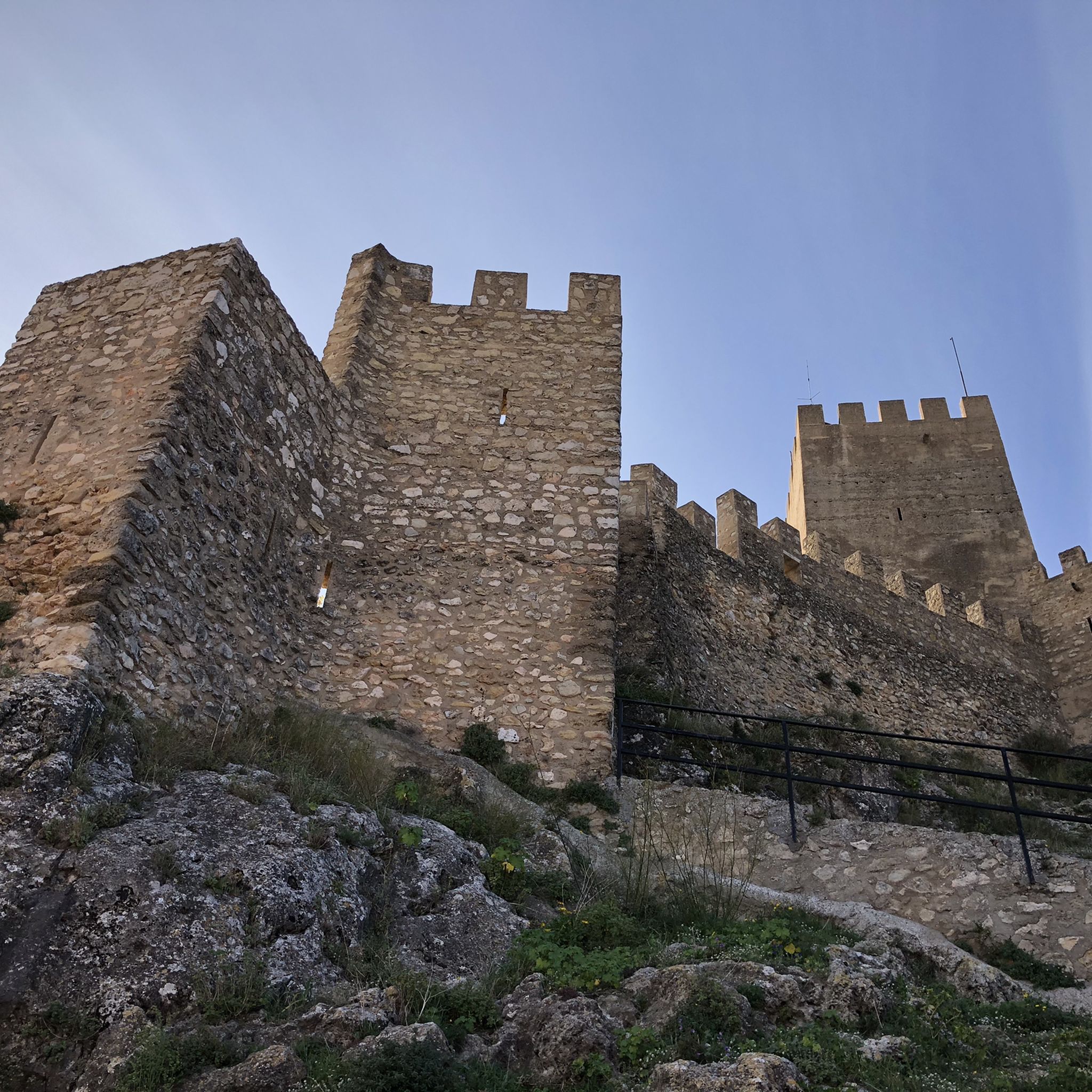
- Another must-see spot is Cava Gran de Agres, a man-made monument. This historic snow storage facility, dating back to the 15th century, is one of the largest and best-preserved ice houses in the region.
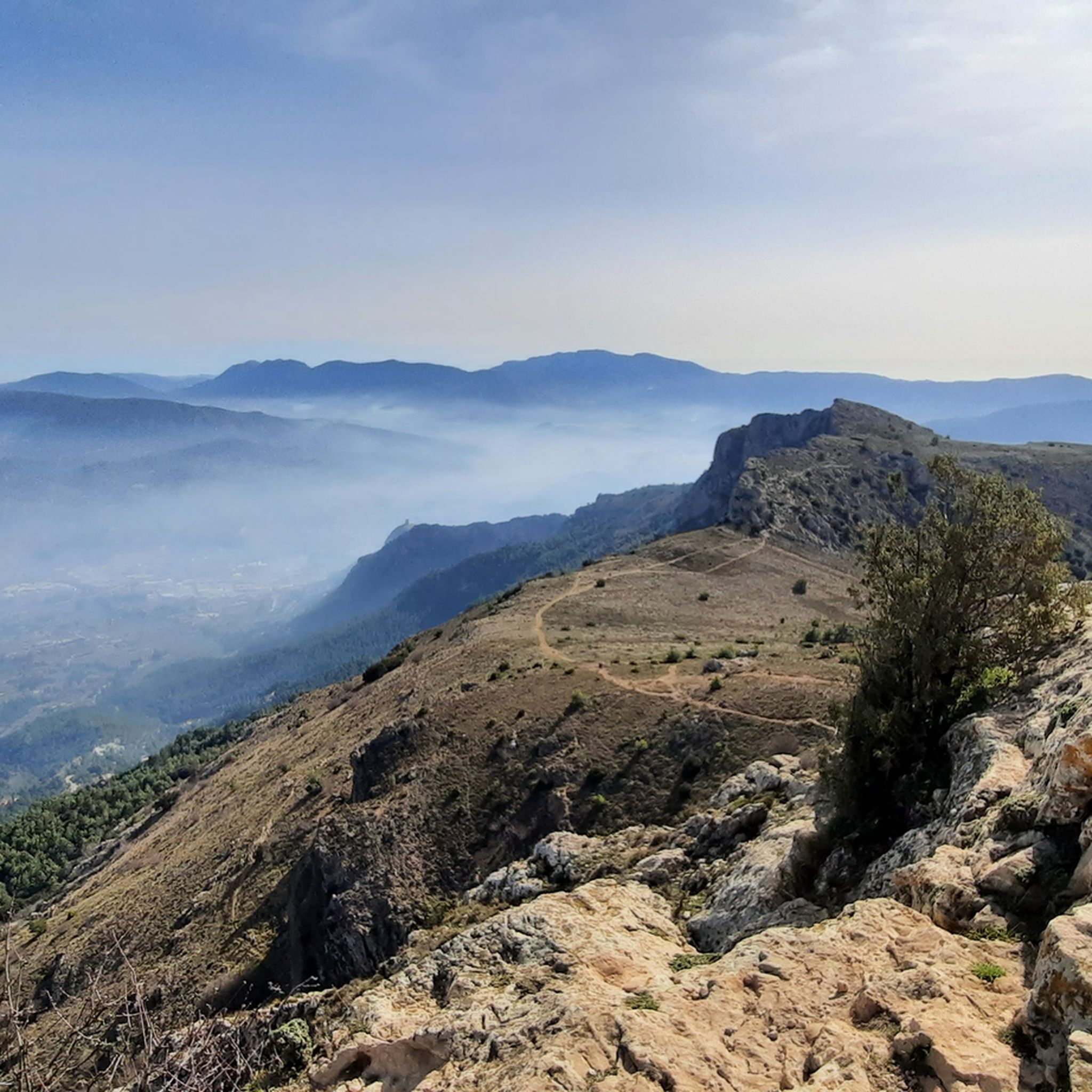
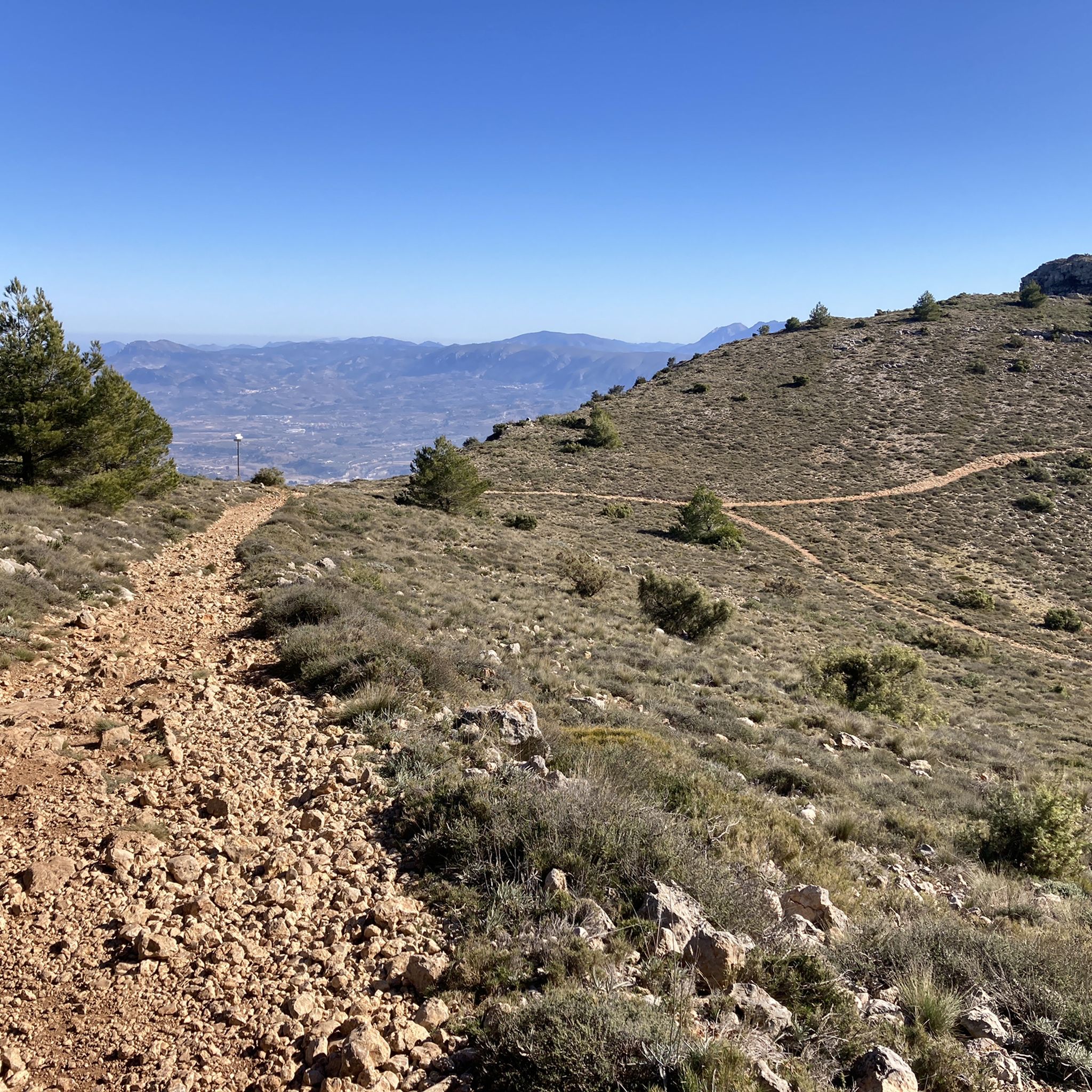
- Visitors also love Montcabrer Summit, the highest point in Sierra Mariola at 1,390 meters. It provides spectacular panoramic views of the surrounding countryside and distant mountain ranges.
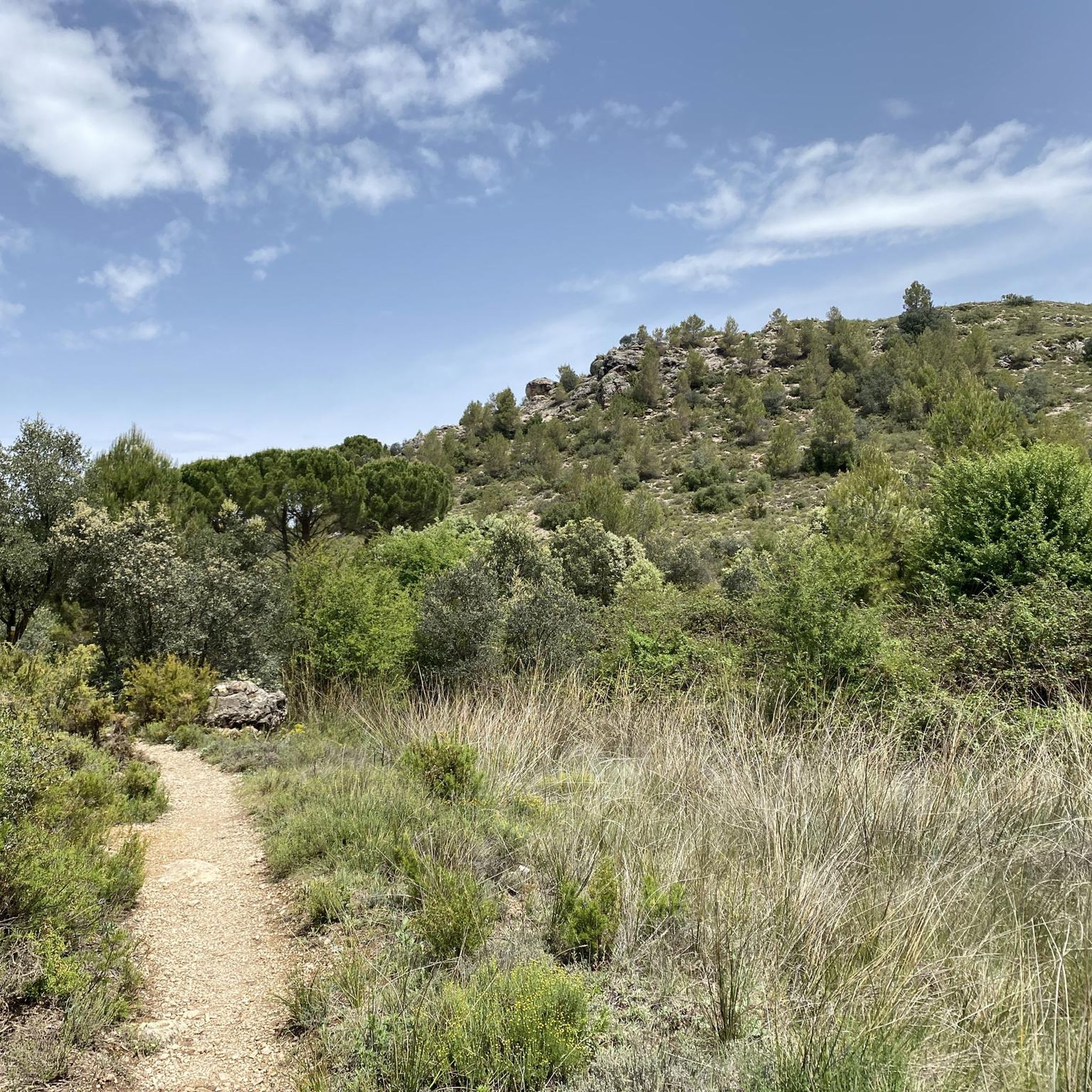
- Sierra Mariola is known for its numerous fountains, prominent peaks, and historical ice caves. These include diverse landscapes from riverbeds to mountain peaks, offering varied outdoor activities and insights into the region's natural and cultural heritage.
- The natural monuments in Sierra Mariola are appreciated by the komoot community, with over 100 upvotes and more than 50 photos shared by visitors.
Last updated: May 15, 2026
Cava Gran de Agres
Highlight • Monument
Ice was of great importance at that time for preserving food and for medicinal purposes. The architecture of the Cava is characterized by massive stone walls and a domed roof, parts of which are now in ruins. The building is an important testament to the traditional methods of preservation and logistics in the region.
Translated by Google •
Tip by

Montcabrer Summit
Highlight • Summit
Translated by Google •
Tip by

Sign up now to discover places like this
Get recommendations on the best single tracks, peaks, & plenty of other exciting outdoor places.
Sign up for free
Barranco del Cint
Highlight (Segment) • Gorge
Translated by Google •
Tip by
Mariola Spring
Highlight • Natural Monument
Translated by Google •
Tip by
Summit of Pico Teix
Highlight • Summit
Translated by Google •
Tip by

Sign up for free to discover even more natural monuments in Sierra Mariola.
Sign up for free
Already have an account?
Start today with a free account
Your next adventure awaits.
Login or Signup

Tips from the Community

Beautiful, you have to go up there at least once in your life.
1
0

Serra de Mariola Natural Park, please note that driving is prohibited if the track or path is less than 2 metres wide. The fine is 600 euros
0
0

Beautifully developed gorge. The GR7 hiking trail goes through here.
3
0

The Barranco del Cint, an impressive corner in the city of Alcoy, is part of the majestic Sierra de Mariola. It is located northwest of Alcoy and has a peculiar V shape at its entrance, which some believe gave it its name.
6
1

"La Cava Gran de Agres" is a historic snow storage facility that once served as a refrigerator for storing snow, which was later used as ice. In winter, snow was filled into the pit and compacted to be used as blocks of ice. The upper arches supported a roof that protected the snow from the sun. In summer, the stored snow was cut into blocks and transported to the cities by pack animals. Ice was of great importance at that time for preserving food and for medicinal purposes. The architecture of the Cava is characterized by massive stone walls and a domed roof, parts of which are now in ruins. The building is an important testament to the traditional methods of preservation and logistics in the region.
12
0


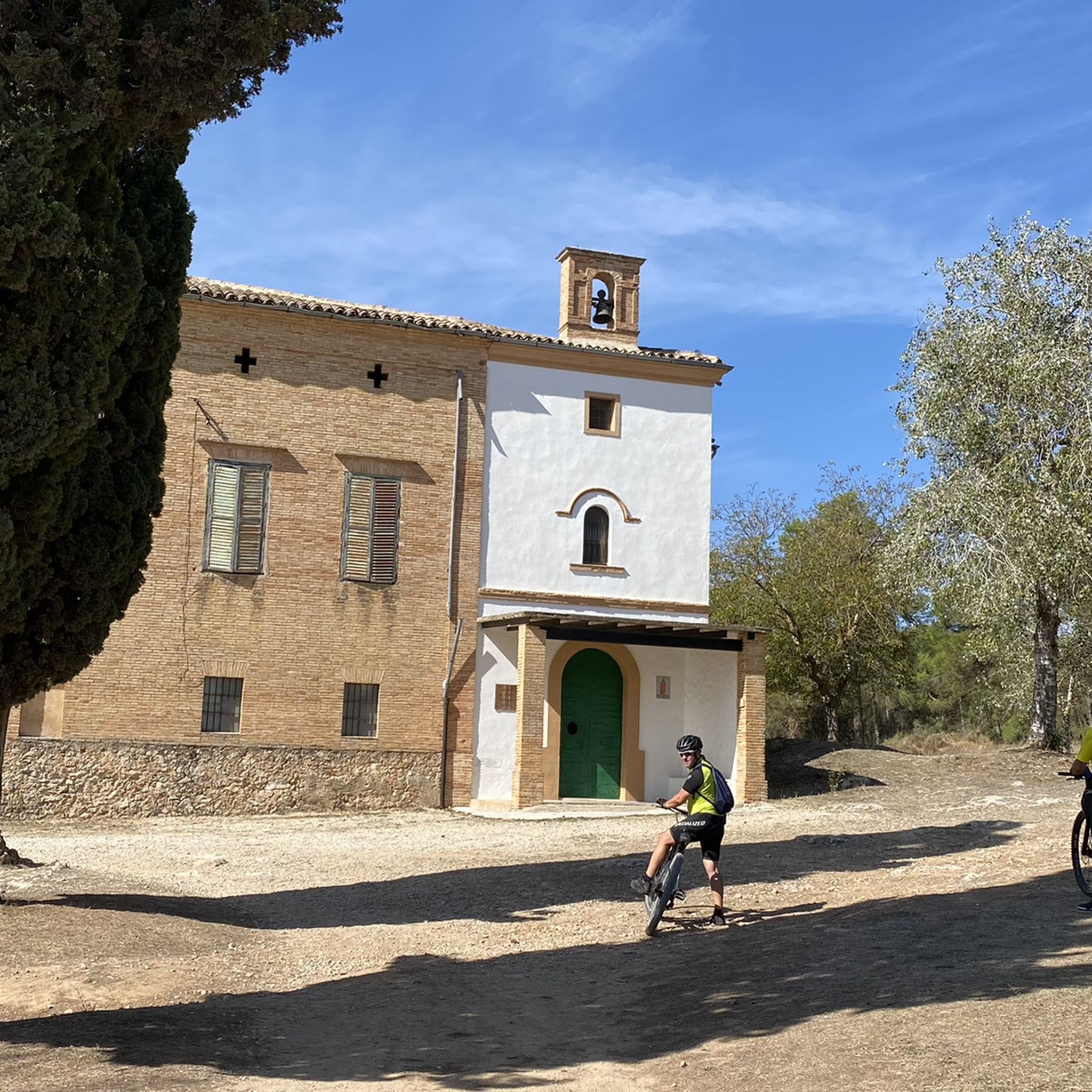
The Font Mariola recreational area is a very nice place to stop along the way. There is a picnic area, as well as picnic areas and a water fountain. If you want to be sure before drinking, I recommend using water purification tablets or a water filter. From here begins the route up to the Montcabrer refuge, at 1,230 meters above sea level.
2
2
This impressive ravine is located in the Sierra de Mariola, which culminates at an altitude of 1,390 meters at the top of Montcabrer. The gorge is surrounded by very high limestone walls that reach 200 meters. It is not surprising that climbing lovers come here in search of adrenaline and heart-stopping views.
4
0
Frequently Asked Questions
What unique natural features can I explore in Sierra Mariola?
Sierra Mariola is rich in diverse natural features. You can discover numerous fountains and river sources, such as La Font de Mariola, which is a popular starting point for hikes, and La Font del Baladre, known for its lush riparian ecosystem. The park also features impressive geological formations like the deep Barranco del Cint with its high limestone walls, and the peculiar table-like rock formations known as Els Taulellets.
Are there historical sites among the natural monuments in Sierra Mariola?
Yes, Sierra Mariola is home to fascinating historical ice caves, known as 'cavas,' which reflect ancient ingenuity. The most prominent is Cava Gran de Agres, a well-preserved 15th-century snow storage facility. Other notable examples include the Pedrera Ice Cave, dug into the rock, and the Don Miguel Ice Cave, known for its external buttresses.
What are some family-friendly natural monuments or activities in Sierra Mariola?
For families, the Mariola Spring recreational area is an excellent choice. It's considered the heart of the natural park, offering rest areas with tables and facilities for traditional Spanish barbecues, making it ideal for picnics and easy walks. Many of the park's water sources, like Molí Mató Recreational Area, also provide pleasant spots for families to enjoy nature.
How can I access the natural monuments in Sierra Mariola, and is there parking?
Access to Sierra Mariola's natural monuments is generally good, with various points of entry depending on the specific site. Many areas, such as La Font de Mariola, offer designated parking. For sites like Cava Gran de Agres, there are often well-marked paths leading from nearby villages like Agres, where parking might be available. It's advisable to check specific access points for each monument.
What is the best time of year to visit the natural monuments in Sierra Mariola?
The best time to visit Sierra Mariola's natural monuments for hiking and outdoor activities is typically during spring and autumn. These seasons offer pleasant temperatures, lush landscapes, and vibrant colors. Summer can be warm, especially at midday, while winter can bring colder temperatures and occasional snow, particularly at higher elevations like Montcabrer Summit.
What kind of outdoor activities can I do near the natural monuments?
The area around Sierra Mariola's natural monuments is perfect for various outdoor activities. You can enjoy extensive hiking, with options ranging from easy to difficult, such as the Montcabrer from Cocentaina Trail or the Cova de l'Habitació – Cava Gran de Agres loop. There are also numerous MTB trails, like the L'Estepar Rest Area loop from Cocentaina, and specific routes for waterfall hikes. You can find more details on these activities in the Hiking in Sierra Mariola, MTB Trails in Sierra Mariola, and Waterfall hikes in Sierra Mariola guides.
What are the highest points or best viewpoints for panoramic views?
For spectacular panoramic views, the highest points in Sierra Mariola are ideal. Montcabrer Summit, at 1,390 meters, offers extensive vistas of the surrounding countryside, including other peaks like Aitana and Puig Campana. Another excellent viewpoint is the Summit of Pico Teix, which provides amazing 360-degree views from its 1,265-meter elevation.
What wildlife might I encounter around the natural monuments?
Sierra Mariola is known for its diverse wildlife. Around the natural monuments, especially near water sources like La Font del Baladre, you might spot various reptiles, amphibians, and fish. The park is also home to a wide array of bird species, including birds of prey. The varied terrain and lush vegetation support a rich ecological environment, making wildlife sightings possible, particularly during quieter times of the day.
Are dogs allowed on trails around the natural monuments?
While Sierra Mariola is generally dog-friendly, specific regulations may apply to certain areas or trails, especially within the natural park. It's always recommended to keep dogs on a leash to protect wildlife and ensure the safety of other visitors. Check local signage or the park's official guidelines for any specific restrictions around the natural monuments you plan to visit.
What should I wear when visiting the natural monuments in Sierra Mariola?
When visiting the natural monuments in Sierra Mariola, it's best to wear comfortable, layered clothing suitable for hiking and varying weather conditions. Sturdy hiking boots are recommended, especially for trails leading to peaks like Montcabrer Summit or through gorges like Barranco del Cint. Don't forget sun protection, a hat, and plenty of water, especially during warmer months.
What do visitors particularly enjoy about the natural monuments in Sierra Mariola?
Visitors to Sierra Mariola particularly enjoy the blend of natural beauty and historical interest. The abundance of water sources creates refreshing landscapes, perfect for hiking and enjoying nature. The impressive panoramic views from peaks like Montcabrer Summit are highly appreciated, as is the unique historical insight offered by the ancient ice caves like Cava Gran de Agres. The varied terrain and well-marked paths also make it a rewarding destination for hikers of all levels.
Most popular routes in Sierra Mariola
Most popular attractions in Sierra Mariola

Get inspired with the komoot mobile app


Explore more
Extend your search for the best caves by checking out these guides of the top ones in Sierra Mariola:
