Top 18 Natural Monuments in Tamadaba
Natural monuments in Tamadaba Natural Park, a UNESCO Biosphere Reserve, showcase unique geological formations and rich biodiversity in the northwest of Gran Canaria. The park features an extensive natural pine forest, dramatic cliffs, and diverse valleys. These natural features contribute to an ecosystem of ecological, geological, and cultural value. The area offers numerous opportunities to explore its varied landscapes.
Best natural monuments in Tamadaba
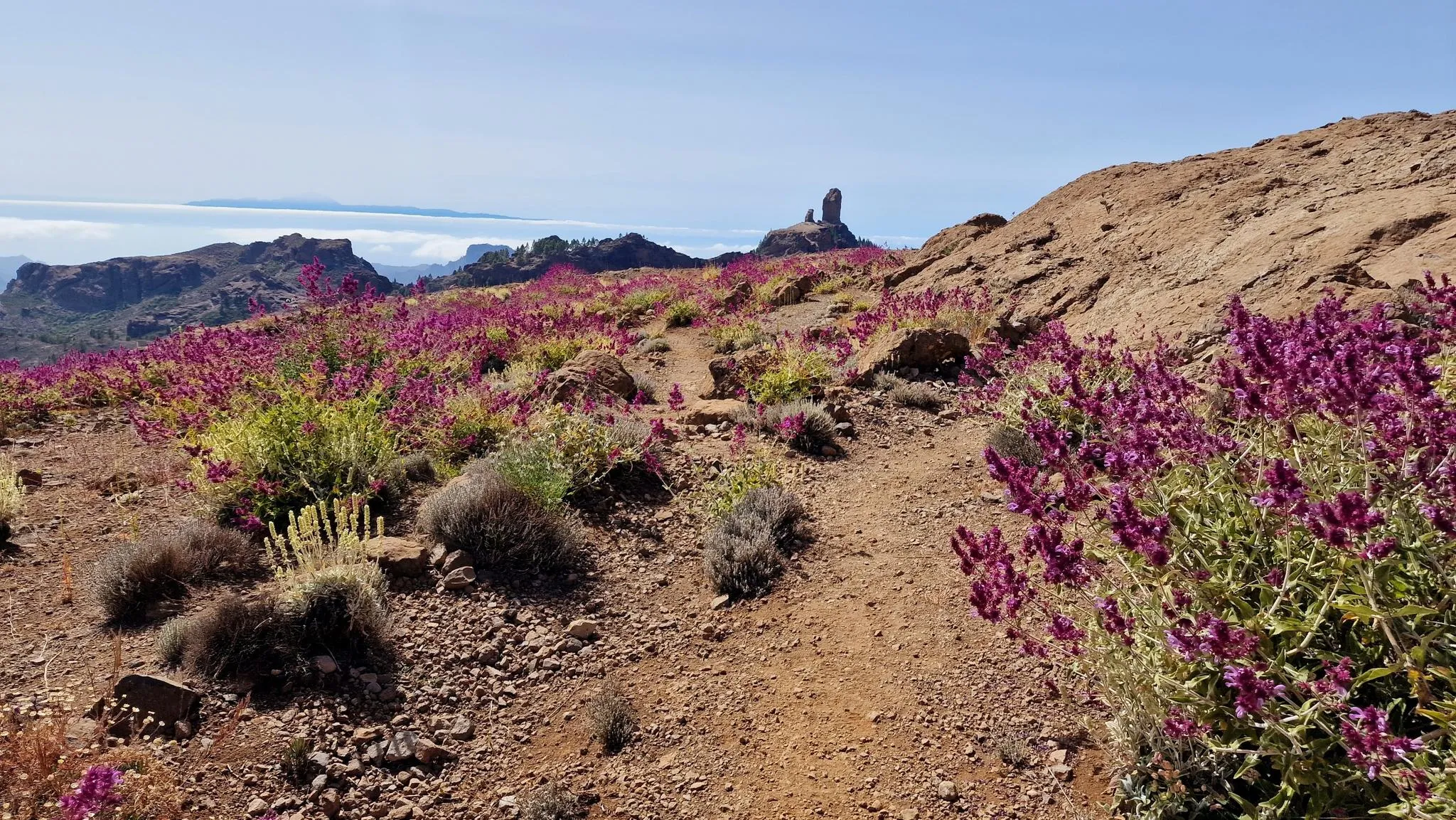
- The most popular natural monuments is Tamadaba Peak, a summit that offers wonderful views in…
Last updated: August 21, 2026
Tamadaba Peak
Highlight • Summit
Translated by Google •
Tip by

Tamadaba Pine Forest
Highlight • Forest
Showing Translation
Tip by

Sign up now to discover places like this
Get recommendations on the best single tracks, peaks, & plenty of other exciting outdoor places.
Sign up for free
Blue Pool
Highlight • Natural Monument
Translated by Google •
Tip by

View over the Dragon’s Tail
Highlight • Viewpoint
Tip by

Lava rock path
Highlight (Segment) • Trail
Tip by

Sign up for free to discover even more natural monuments in Tamadaba.
Sign up for free
Already have an account?
Start today with a free account
Your next adventure awaits.
Login or Signup
Popular around Tamadaba





Tips from the Community

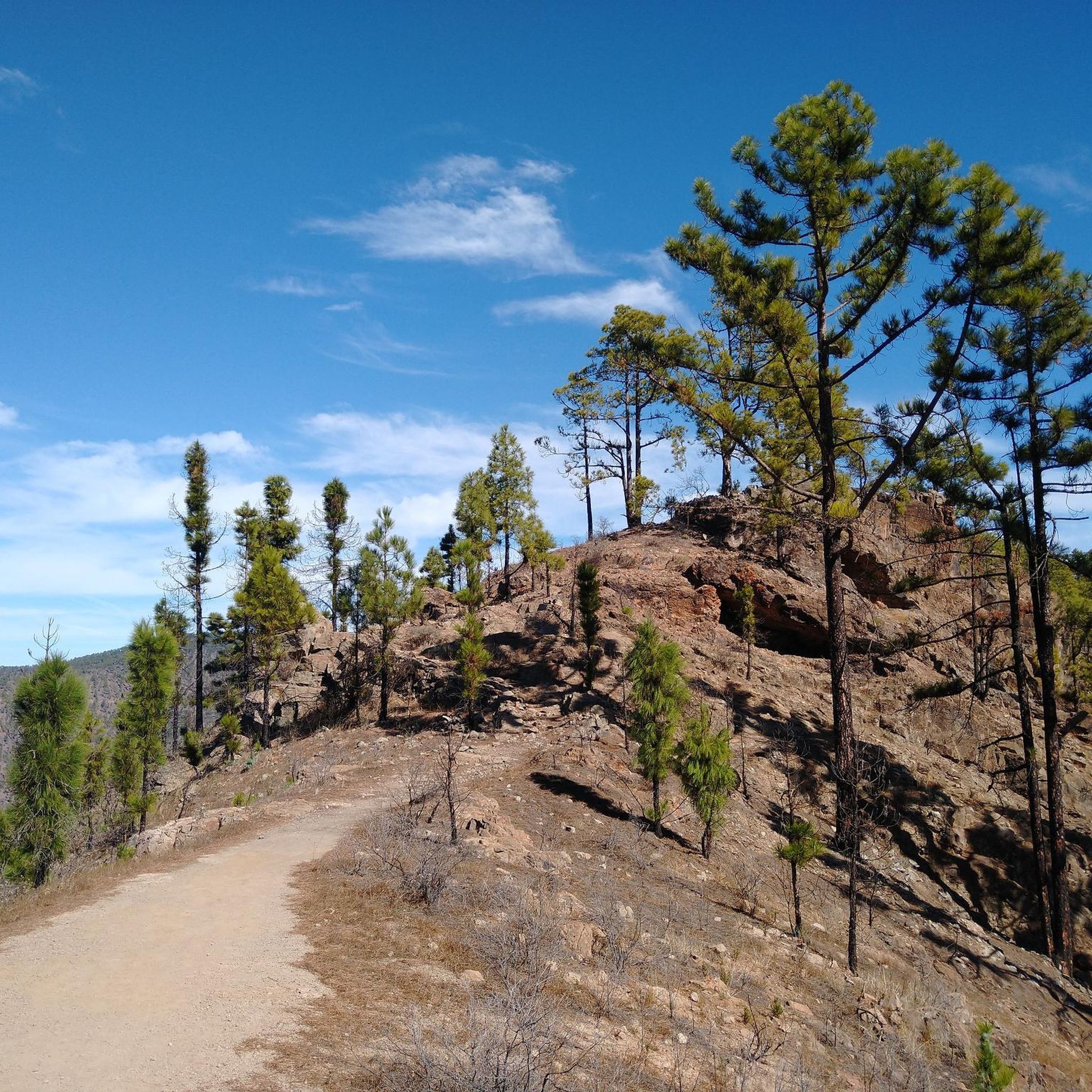
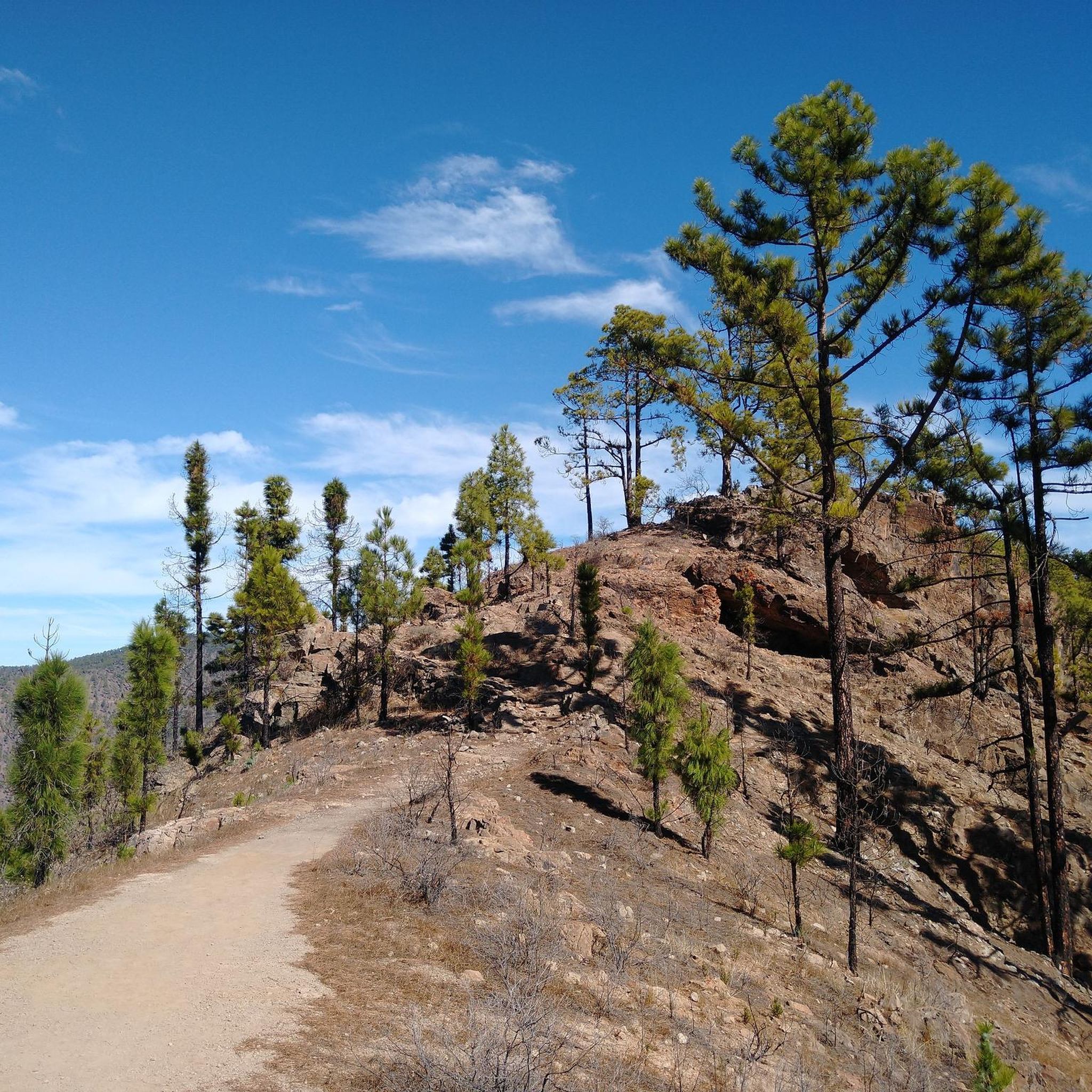
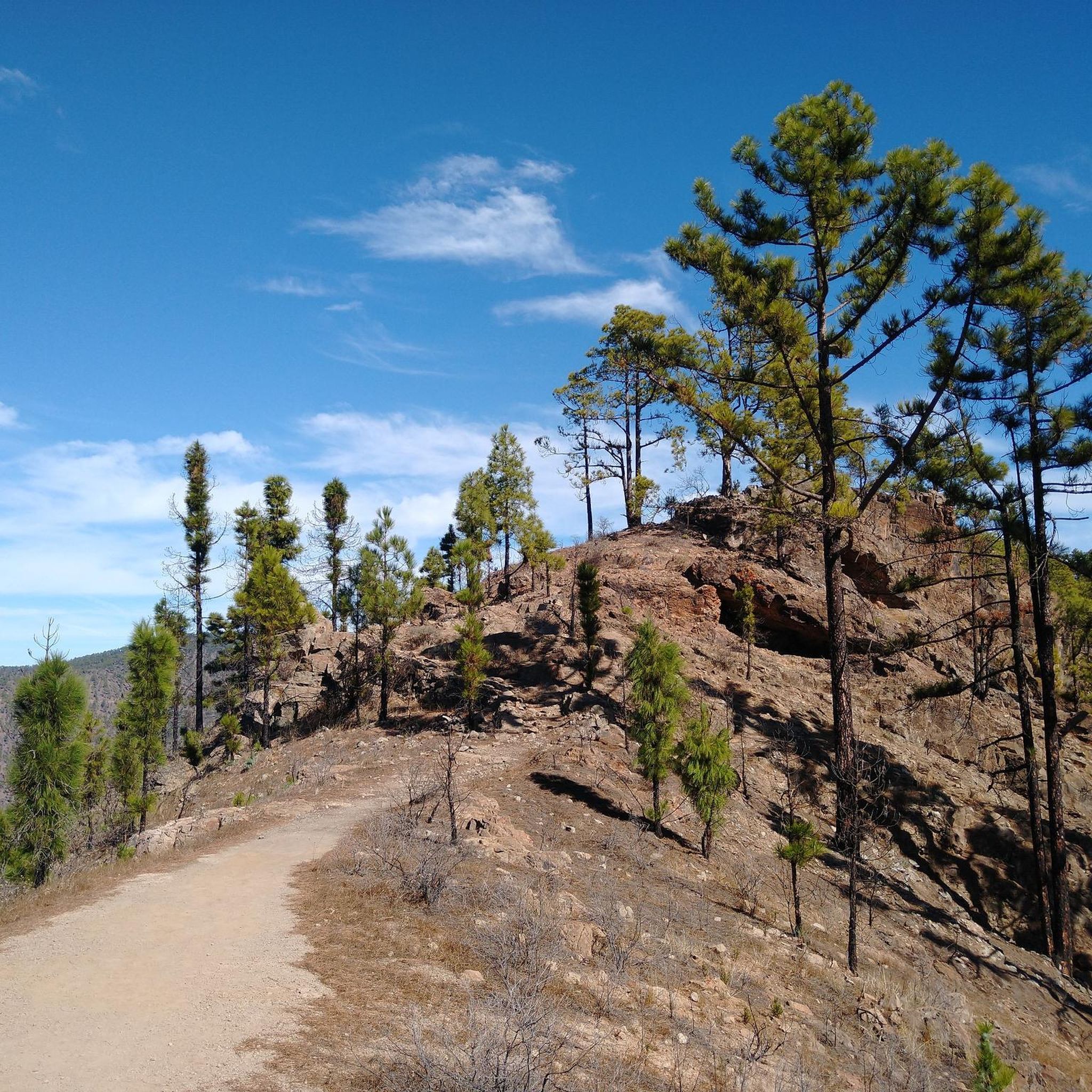
The Tamadaba pine forest is one of the best-preserved Canary pine forests. It is protected by the Tamadaba Natural Park, one of the best-preserved natural areas of Gran Canaria. It is also part of an area designated as a UNESCO Biosphere Reserve.
0
0

Unforgeable views from this point
0
0

In May 2025 unfortunately without water, but still quite nice.
0
0
On the way from or to San Pedro there is a drinking water point.
0
0

The ascent to the summit leads through romantic pine forests on well-developed paths. Highly recommended if you want to travel north on Gran Canaria.
1
0

The Tamadaba Nature Park is one of the least man-made areas on Gran Canaria. It stretches over an area of 7,500 hectares in the westernmost part of the island from the mountain peak down to the coast. The nature park is located within the western part of Gran Canaria, which has been declared a UNESCO biosphere reserve. The park offers visitors beautiful forests full of endemic pines, dizzying cliffs on its almost inaccessible coasts and an extraordinary biodiversity in its gorges. Source: https://www.hallokanarischeinseln.com/naturraeume/gran-canaria/naturpark-tamadaba/
2
0
The Tamadaba Nature Park is one of the least man-made areas on Gran Canaria. It stretches over an area of 7,500 hectares in the westernmost part of the island from the mountain peak down to the coast. The nature park is located within the western part of Gran Canaria, which has been declared a UNESCO biosphere reserve. The park offers visitors beautiful forests full of endemic pines, dizzying cliffs on its almost inaccessible coasts and an extraordinary biodiversity in its gorges. Source: https://www.hallokanarischeinseln.com/naturraeume/gran-canaria/naturpark-tamadaba/
1
1

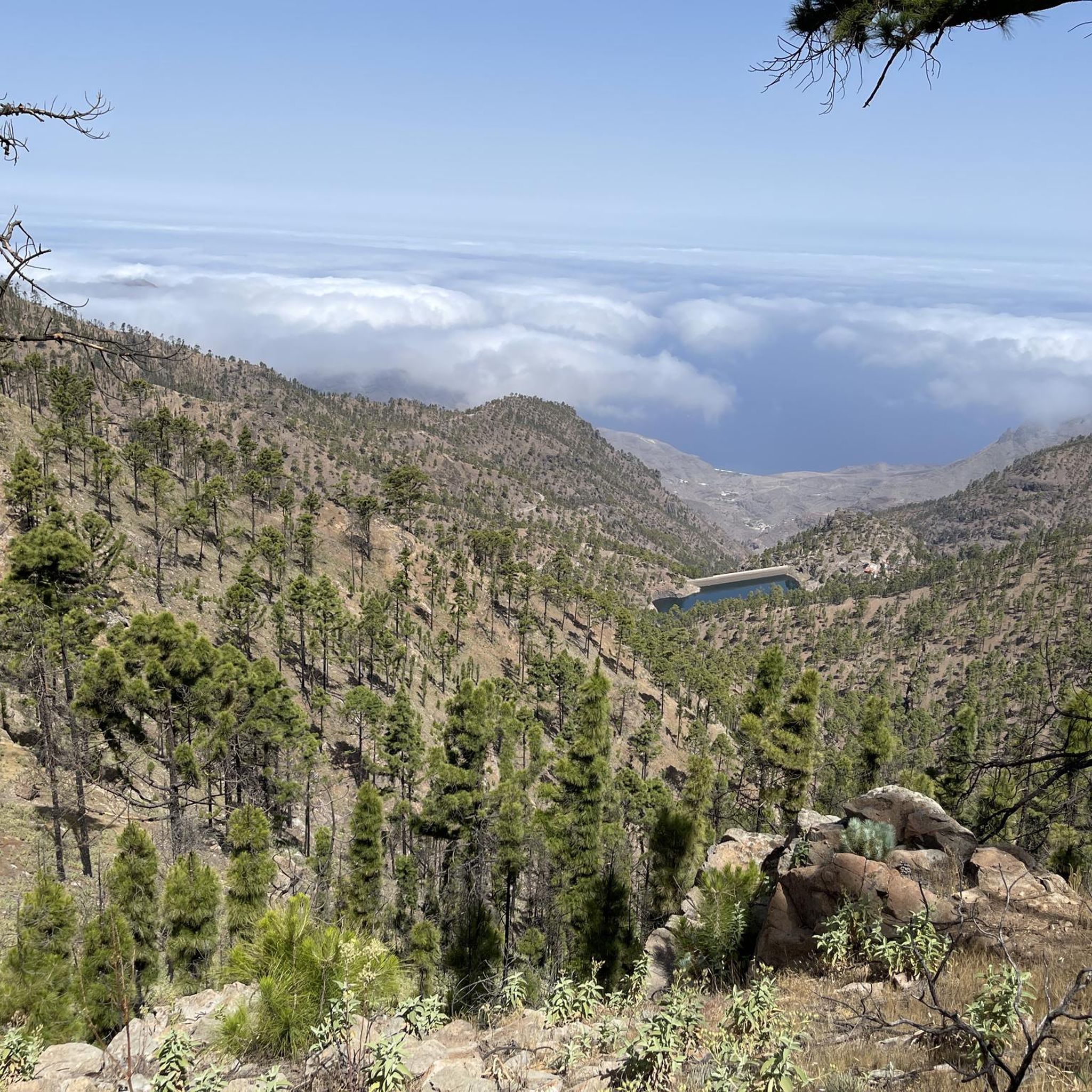
The Charco Azul collects the water that gushes from the mountains of Tirma and Tamadaba before continuing its course towards the Atlantic. Source: https://www.grancanaria.com/turismo/es/la-isla/isla-de-las-557-caras/charco-azul/
1
0
Frequently Asked Questions
What are some of the most impressive natural features to explore in Tamadaba Natural Park?
Tamadaba Natural Park is home to several remarkable natural features. You can explore the extensive Tamadaba Peak, which offers panoramic views as the highest point of the massif. Don't miss the dramatic coastal scenery from View over the Dragon’s Tail, where immense cliffs plunge into the sea. The park also features the unique Tamadaba Pine Forest, one of the best-preserved natural pine forests on the island, and the impressive Roque Faneque, one of the world's tallest active cliffs.
Are there any waterfalls or unique geological formations in Tamadaba Natural Park?
Yes, Tamadaba Natural Park features a natural monument known as Blue Pool, which includes a waterfall. Visitors can experience a rushing waterfall into deep, clean water, though water levels can vary seasonally. The park is also characterized by unique geological formations like the dramatic cliffs of Roque Faneque and the lava rock paths near San Pedro, where the flow direction of ancient lava is still visible.
What kind of hiking trails can I find in Tamadaba Natural Park?
Tamadaba Natural Park offers a variety of hiking experiences, from moderate to challenging. You can find trails leading to viewpoints like Tamadaba Peak, or through the unique Lava Rock Path with Bunchgrass near San Pedro. For more options, consider routes like the Tamadaba Natural Park Circular Trail or the Tamadaba Pine Forest loop. You can find more detailed hiking routes in the Hiking in Tamadaba guide.
What is the best time of year to visit Tamadaba Natural Park for its natural monuments?
The 'sea of clouds' phenomenon, created by trade winds, often envelops the Tamadaba Pine Forest, offering a mystical and picturesque experience. This phenomenon is more common during certain times of the year, typically when trade winds are active. For pleasant hiking conditions and to potentially witness this, visiting outside of the hottest summer months might be ideal, though specific weather patterns can vary.
Are there any family-friendly natural monuments or activities in Tamadaba?
While many trails in Tamadaba can be challenging, exploring parts of the Tamadaba Pine Forest can be enjoyable for families, offering cool shade and opportunities to observe endemic flora. The Guayedra Valley also leads to a wild pebble and volcanic sand beach, which can be a tranquil escape for families after exploring easier trails. Always check specific trail difficulties before heading out with children.
What kind of wildlife can be spotted in Tamadaba Natural Park?
Tamadaba Natural Park is a UNESCO Biosphere Reserve, known for its rich biodiversity. The Guayedra Valley and El Risco areas are particularly significant as special protection zones for various threatened and endemic bird species that nest in their crags. Keep an eye out for unique flora like the Tamadaba thyme and various fungi within the pine forest.
Are there any historical or archaeological sites near the natural monuments?
Yes, the Guayedra Valley is not only rich in biodiversity but also holds archaeological significance. It contains remnants of ancient forests and archaeological sites. The area of El Risco is also noted for its archaeological importance, adding a cultural dimension to the natural beauty of the park.
What are the options for mountain biking (MTB) near Tamadaba's natural monuments?
For those interested in mountain biking, Tamadaba offers several challenging routes. You can find trails like the Artenara Village loop or the Mirador del Sargento loop. These routes often provide stunning views of the natural landscape. More details on MTB trails can be found in the MTB Trails in Tamadaba guide.
What do visitors enjoy most about the natural monuments in Tamadaba?
Visitors frequently praise the stunning panoramic views, especially from spots like Tamadaba Peak and View over the Dragon’s Tail. The tranquility and natural beauty of the pine forests, the dramatic cliffs, and the unique geological formations are also highly appreciated. Many enjoy the sense of being above the world and the mystical 'sea of clouds' phenomenon.
Is public transport available to reach Tamadaba Natural Park?
While specific public transport routes directly into the heart of Tamadaba Natural Park can be limited, it's advisable to check local bus schedules for connections to nearby towns like Agaete. From there, you might need to arrange for a taxi or consider hiking/cycling routes into the park. For general information on visiting the area, you might find resources on local tourism sites like visitagaete.com.
Are there any running trails near the natural monuments in Tamadaba?
Yes, Tamadaba offers several running trails, many of which are quite challenging due to the terrain. You can find routes such as the Parque Natural de Tamadaba circular to Morro de las Lechugas and Pico de la Bandera, or the View of the Cliffs of Agaete loop. For a comprehensive list of options, refer to the Running Trails in Tamadaba guide.
Can I find places to eat or stay near Tamadaba Natural Park?
While Tamadaba Natural Park itself is a protected natural area with limited facilities, you can find cafes, restaurants, and accommodation in the surrounding towns and villages, such as Agaete. It's recommended to plan your visit and check for amenities in these nearby communities before heading into the park.
Most popular routes in Tamadaba
Most popular attractions in Tamadaba

Get inspired with the komoot mobile app


Explore more
Extend your search for the best caves by checking out these guides of the top ones in Tamadaba:
