Top 20 Natural Monuments in Vanoise
Best natural monuments in Vanoise National Park include majestic peaks, extensive glaciers, and pristine high-altitude lakes. Established in 1963, Vanoise is France's first national park, known for its significant alpine landscapes and geological formations. The park was originally created to protect the Alpine ibex and is now home to diverse wildlife. It forms one of the largest protected areas in the Western Alps, contiguous with Italy's Gran Paradiso National Park.
Best natural monuments in Vanoise
- The most popular natural monuments…
Last updated: July 11, 2026
Refuge des lacs Merlet
Highlight • Mountain Hut
Translated by Google •
Tip by

View of Lake Garattaleu
Highlight • Lake
Translated by Google •
Tip by

Sign up now to discover places like this
Get recommendations on the best single tracks, peaks, & plenty of other exciting outdoor places.
Sign up for free
Plan du Lac
Highlight • Lake
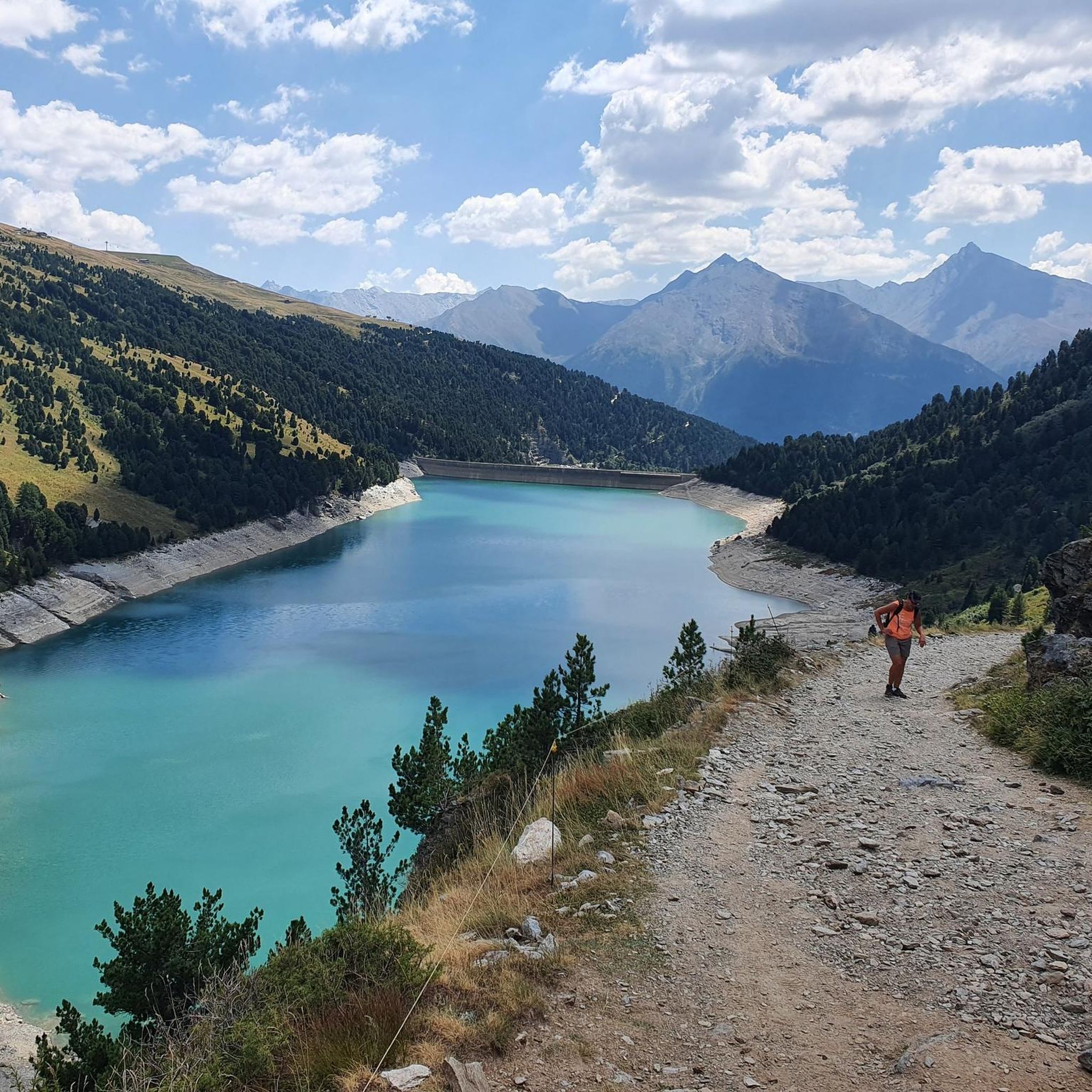
Ideal for a break, the lake also makes an excellent view of the mountains overlooking the valley.
Translated by Google •
Tip by
Col des Fours
Highlight • Mountain Pass
Translated by Google •
Tip by

Plan de la Plagne
Highlight • Natural
“From the Col du Palet refuge, I discovered a new Vanoise. The valley, the plan of La Plagne, which …
Translated by Google •
Tip by
Sign up for free to discover even more natural monuments in Vanoise.
Sign up for free
Already have an account?
Start today with a free account
Your next adventure awaits.
Login or Signup



Tips from the Community


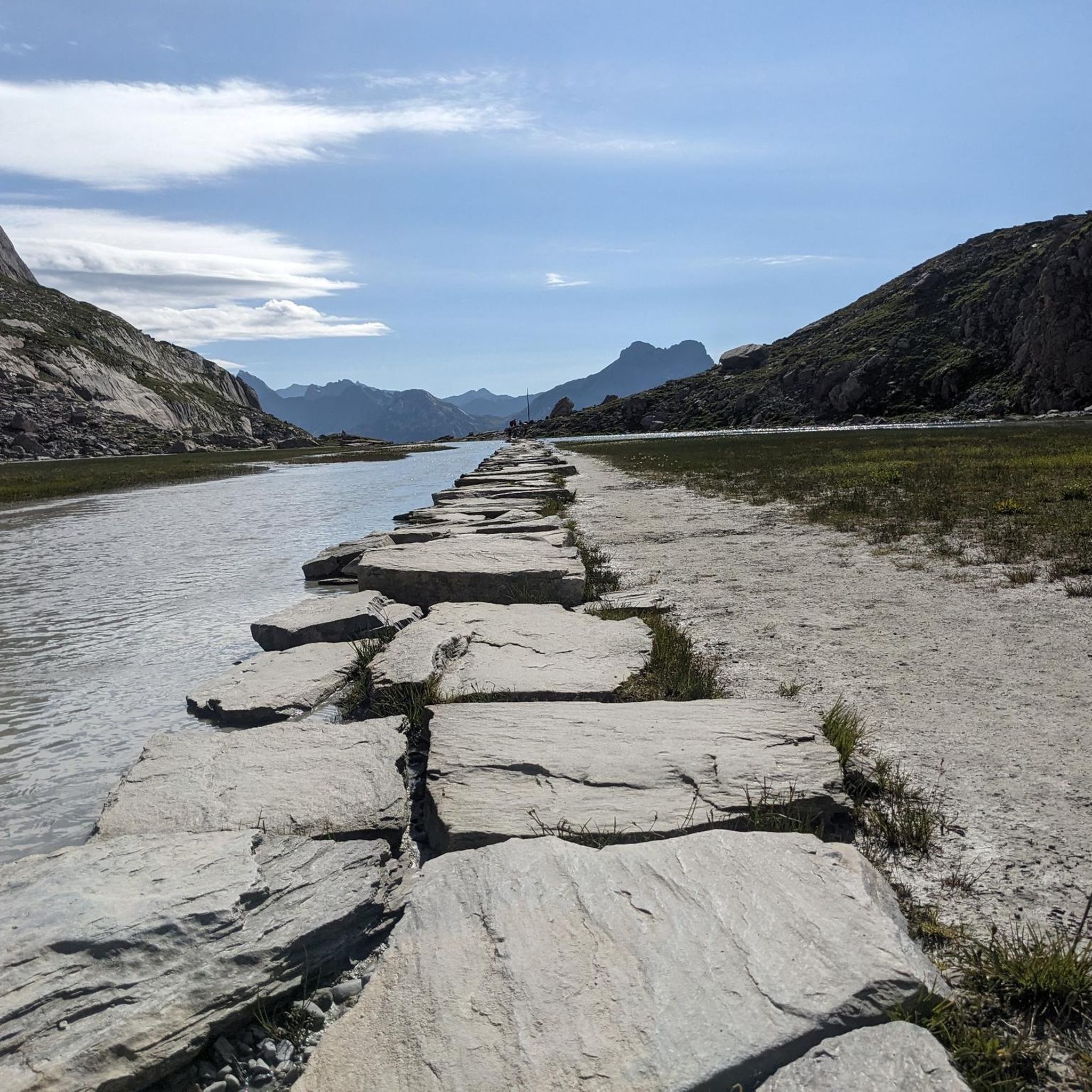
Grattaleu Lake is located just below a hill, behind the refuge. Overlooked by the Aiguille des Aimes and the Pointe du Chardonnet, the lake invites you to take a break before turning around to return to Tignes. Grattaleu Lake is one of the 130 high-altitude lakes in the Vanoise massif. Frozen in ice for nearly six months a year, only a few invertebrates live there.
0
0

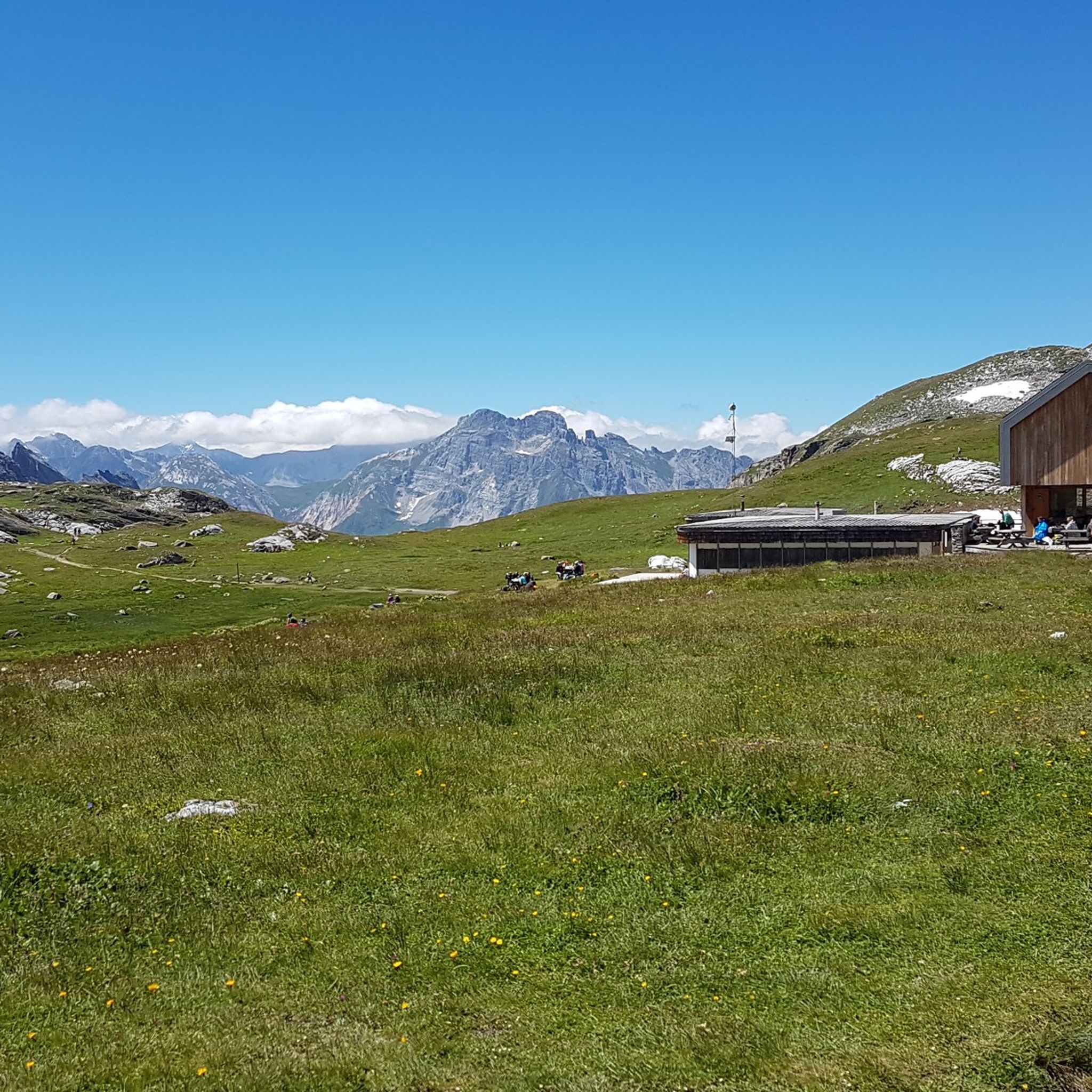
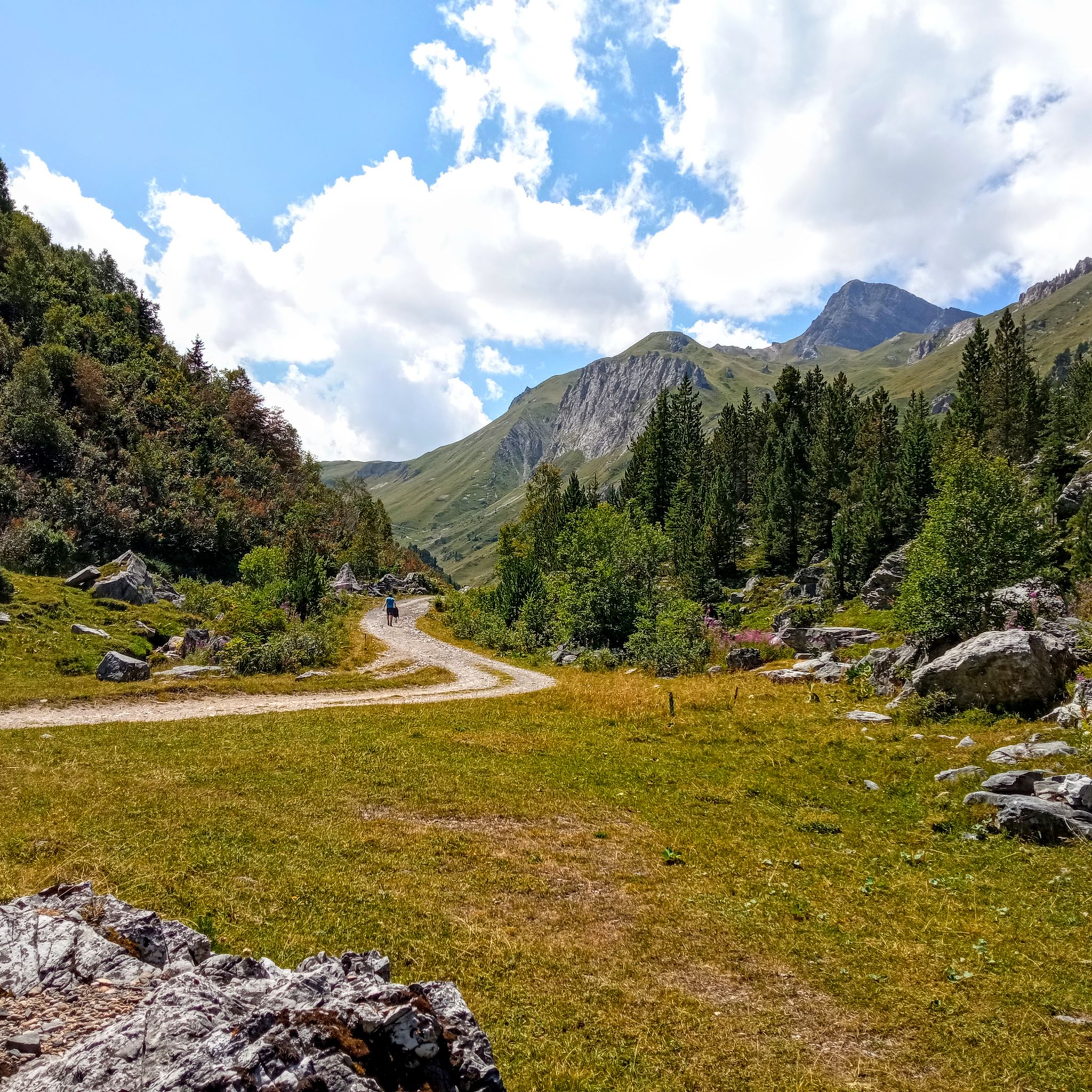
This pretty refuge is located at an altitude of 2,417 metres, in the heart of the Vanoise park. It is easily accessible from the Col de la Platta car park. The refuge has a single large room, so the 14-bed dormitory is in the same place as the dining room. An intimate atmosphere awaits you! It is also possible to pitch a tent around it, but only by reservation.
0
0

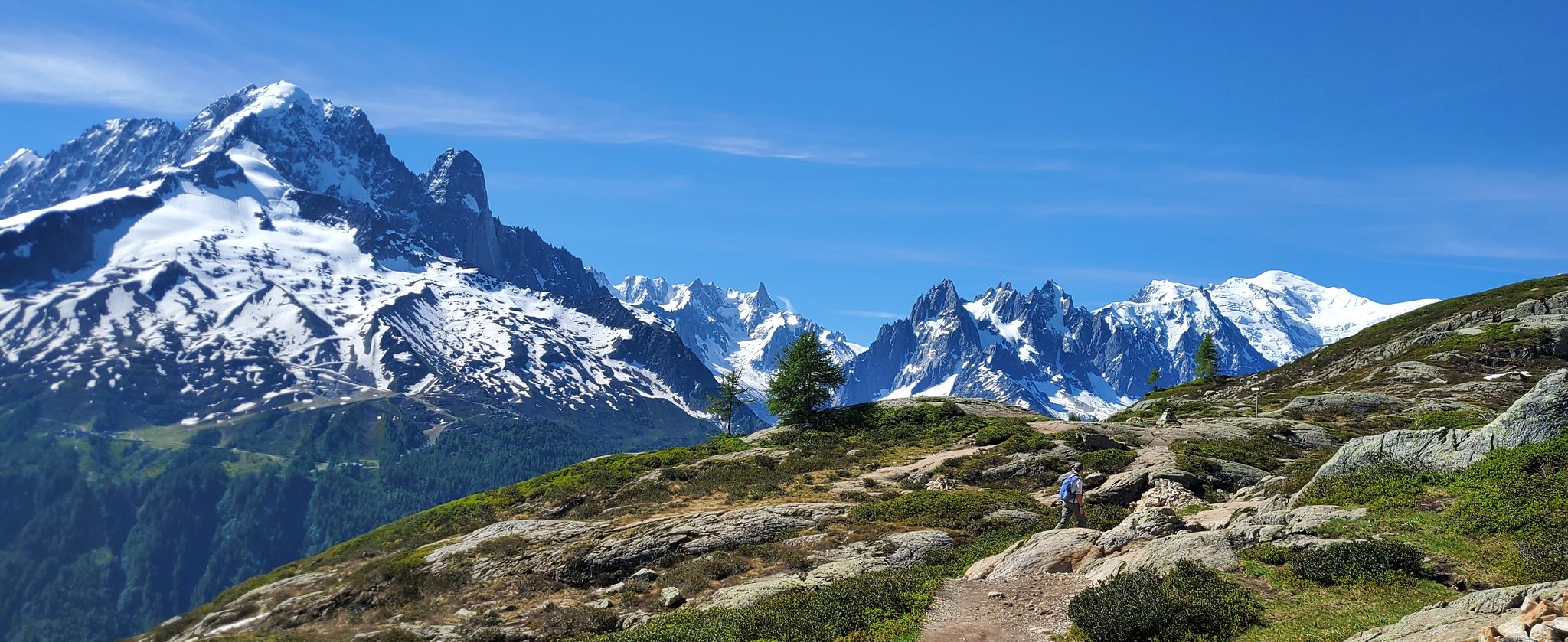
The real high mountain trail, well marked but where you need a sure foot, breathtaking panoramas 🤩 fairy tale lakes, we have here an exceptional must!
0
2

Nice littly mountain hut. Not guarded during winter. Not there is no shower available. you have to wash yourself at the trough
0
0

Below the Col du Palet, Lake Garattaleu is a gem. At 2,517 meters above sea level, its verdigris colors reflect the greenery that proliferates between the great mountains of the Vanoise.
0
0
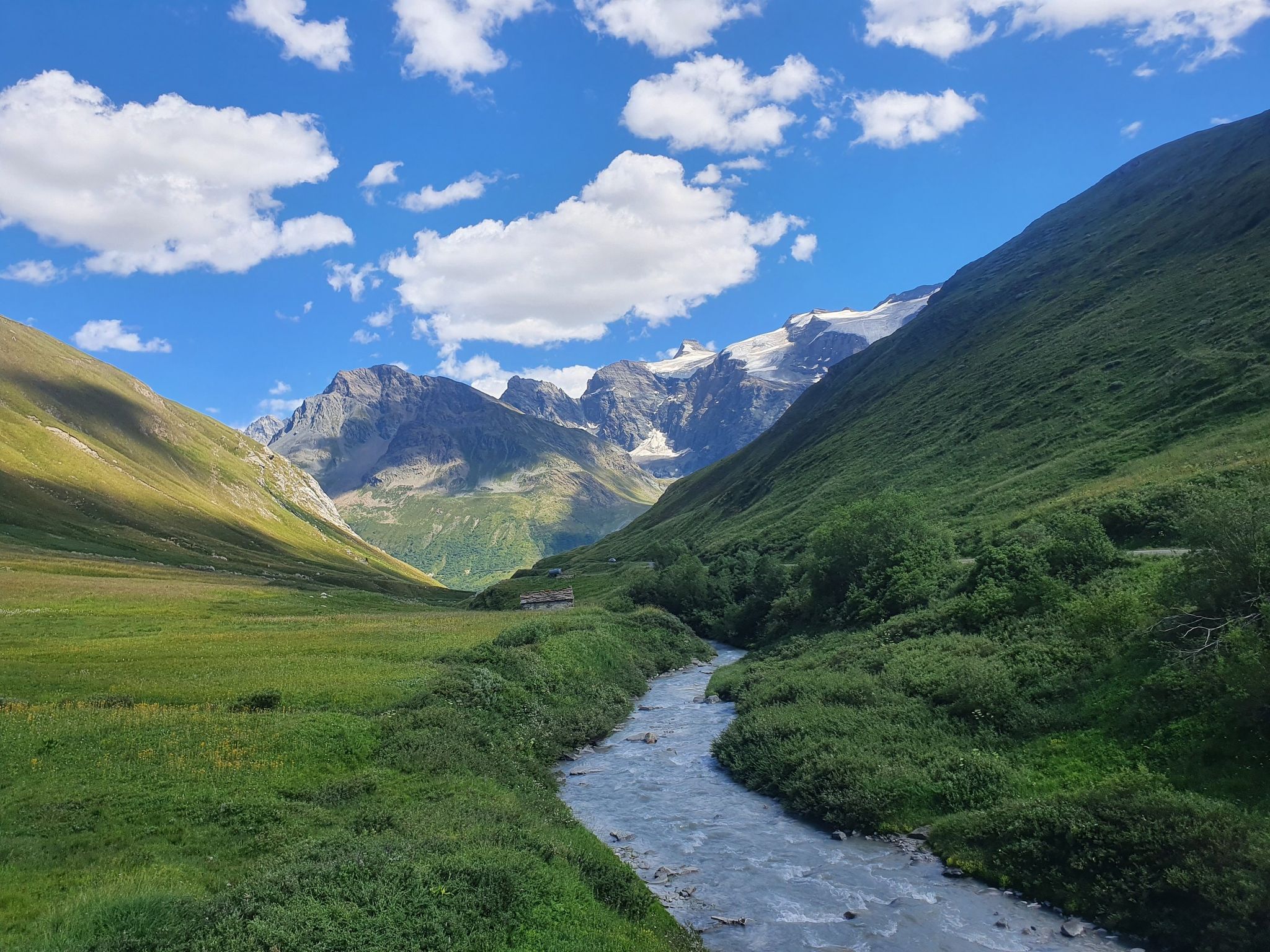
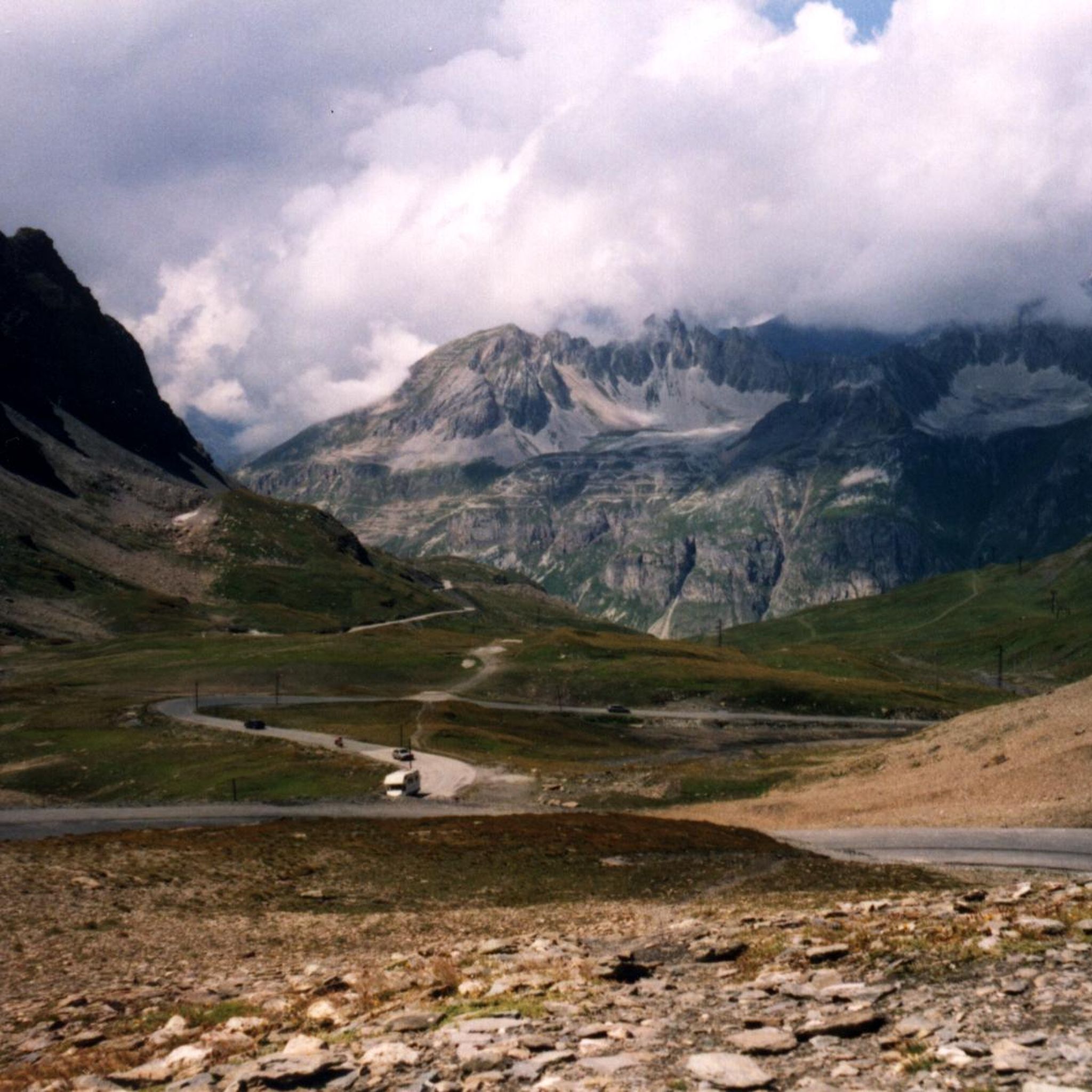
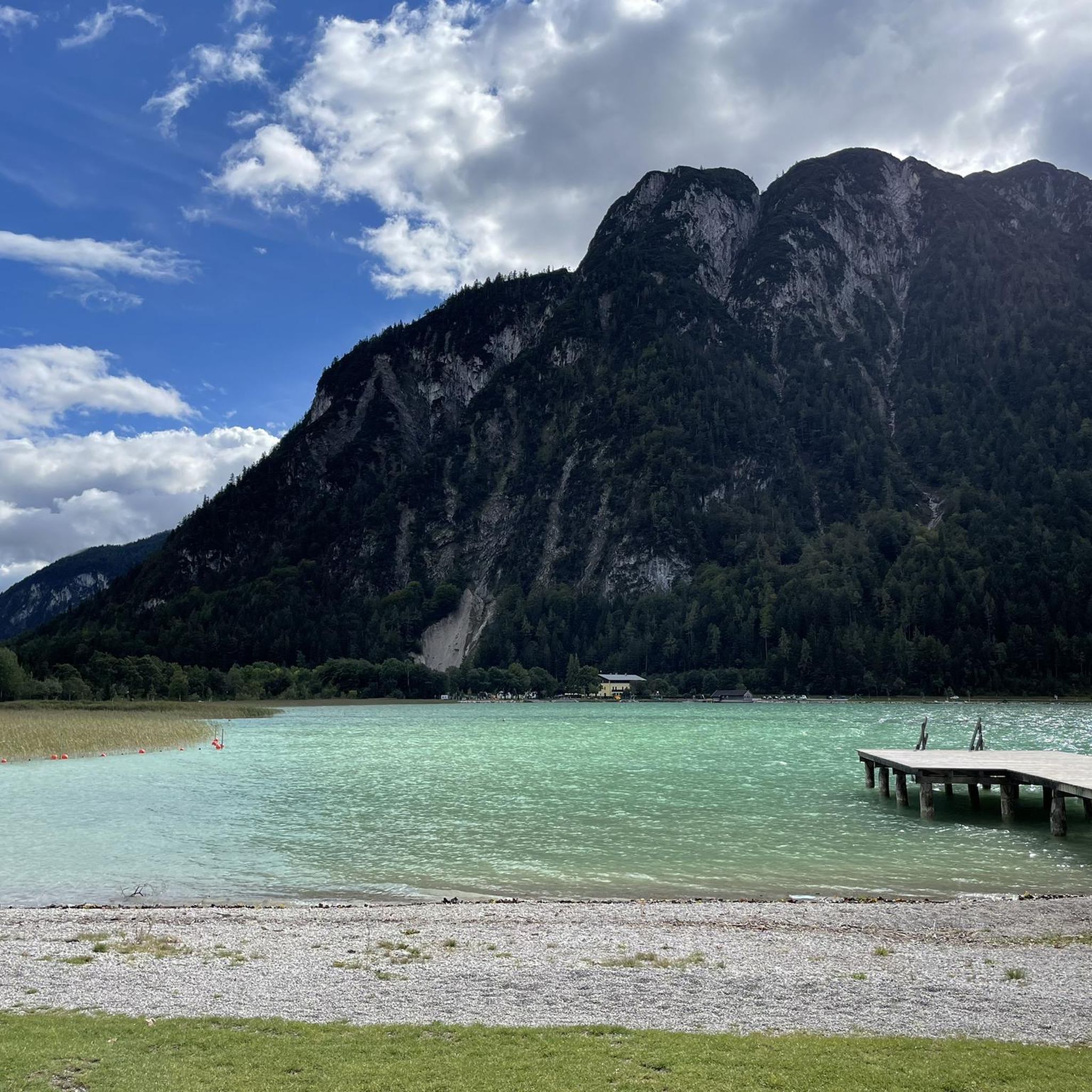
About the Vanoise National Park, I wrote in an old notebook: “From the Col du Palet refuge, I discovered a new Vanoise. The valley, the plan of La Plagne, which I borrow gains in chlorophyll. The rocks are rare, even if I remain surrounded by immense stone colossi from which arise waterfalls and torrents. At sunset, the shadow of the valley cools the lights. The silence is split by the sound of water flowing to the deepest part of the valley. In the distance, the last rays of the sun make the clouds blush. If paradise exists, I believe that my feet caress its secret garden. »
0
0
In the heart of the Vanoise, the Plan du Lac is a bucolic expanse of water bordered by flourishing vegetation. Ideal for a break, the lake also makes an excellent view of the mountains overlooking the valley.
0
0
Frequently Asked Questions
What are the most notable natural features to explore in Vanoise National Park?
Vanoise National Park is renowned for its diverse natural features. You can explore majestic peaks like Grande Casse, extensive glaciers such as Grande Motte, and pristine high-altitude lakes including Lake Garattaleu and Lac de la Plagne. The park also features dramatic mountain passes like Col des Fours and Col de Chavière, offering breathtaking panoramas and unique geological formations.
Are there hiking trails to access the natural monuments in Vanoise?
Yes, Vanoise National Park offers numerous hiking opportunities to its natural monuments. Trails range from moderate to challenging, leading to places like Lake Garattaleu, Col des Fours, and Col de Chavière. For more detailed routes, you can explore options like the 'Lacs de Bellecombe' loop or the 'Lake of the Cows – Col de la Vanoise Refuge' loop, which are part of the Hiking in Vanoise guide.
What kind of wildlife can I expect to see near Vanoise's natural monuments?
Vanoise National Park is a haven for wildlife. It was established to protect the Alpine ibex, and you can often spot France's largest colony of ibex (around 3,000 individuals). Marmots are also easy to see from April to September, and chamois are common. Birdwatchers might spot golden eagles, bearded vultures, and nutcrackers. Col de Chavière is particularly known for ibex and marmot sightings.
What is the best season to visit the natural monuments in Vanoise?
The best time to visit Vanoise's natural monuments is generally from late spring to early autumn (June to September). During these months, the weather is more stable, trails are clear of snow, and the alpine flora is in bloom. Summer offers the warmest temperatures and full access to high-altitude areas. Winter access can be challenging due to snow, with many areas only accessible for experienced winter sports enthusiasts.
Are there family-friendly natural monuments or activities in Vanoise?
Yes, Vanoise offers options for families. Lac de la Plagne is a popular destination accessible on foot or by donkey, offering a peaceful atmosphere. The area around Plan de la Plagne provides gentler terrain. While many high-altitude areas require moderate to challenging hikes, there are easier paths in the valleys that allow families to enjoy the stunning scenery and spot wildlife like marmots.
Do I need a permit to visit natural monuments in Vanoise National Park?
Generally, you do not need a specific permit for day hikes or visits to the natural monuments within Vanoise National Park. However, as a protected area, strict regulations apply regarding camping, fires, dog access, and wildlife disturbance. Always respect the park's rules to preserve its natural beauty. For specific activities like mountaineering or overnight stays in refuges, reservations or specific guidelines might apply.
Are there challenging hikes to Vanoise natural monuments?
Absolutely. Vanoise National Park is known for its challenging alpine terrain. Ascents to peaks like Grande Casse or passes such as Col des Fours (at 2,976 meters) and Col de Chavière (at 2,796 meters) involve significant elevation gain and can be demanding, especially with snow remaining even in mid-July. These routes offer incredible rewards with panoramic views for experienced hikers.
What do visitors enjoy most about the natural monuments in Vanoise?
Visitors frequently praise the breathtaking panoramic views from mountain passes like Col des Fours and the unique, almost lunar landscapes found at Col de Chavière. The serene beauty of high-altitude lakes like Lake Garattaleu and the chance to spot abundant wildlife, particularly ibex and marmots, are also highly cherished experiences.
Can I visit Vanoise natural monuments in winter?
Visiting Vanoise natural monuments in winter is possible but requires specific equipment and experience due to heavy snow and challenging conditions. Many high-altitude areas become inaccessible or require mountaineering skills, snowshoes, or skis. Some refuges, like Refuge des lacs Merlet, are unguarded in winter but may offer basic amenities. Always check weather forecasts and trail conditions before attempting winter excursions.
Are there accommodations available near the natural monuments?
Yes, there are mountain refuges located within the park, offering basic accommodation and sometimes meals. For example, Refuge des lacs Merlet is a popular option. Additionally, nearby villages and towns such as Pralognan-la-Vanoise, Val d'Isère, Modane, and Bonneval-sur-Arc offer a wider range of hotels, guesthouses, and restaurants.
Are dogs allowed on trails near Vanoise natural monuments?
Within the Vanoise National Park's core zone, dogs are generally not allowed, even on a leash, to protect the fragile ecosystem and wildlife. However, they may be permitted in the peripheral zone of the park and on certain designated trails. Always check specific regulations for the area you plan to visit, as rules can vary.
What are some other outdoor activities I can do near Vanoise's natural monuments?
Beyond hiking, Vanoise offers a variety of outdoor activities. You can explore mountain biking routes, enjoy road cycling on scenic passes like Col de l'Iseran, or engage in mountaineering. For detailed routes and guides, check out the Mountain Hikes in Vanoise or Road Cycling Routes in Vanoise guides.
Most popular routes in Vanoise
Most popular attractions in Vanoise

Get inspired with the komoot mobile app


Explore more
Extend your search for the best caves by checking out these guides of the top ones in Vanoise:
