Top 4 Natural Monuments around Laino Castello
Natural monuments around Laino Castello are situated within the Pollino National Park, a UNESCO Global Geopark in Calabria, Italy. The region is characterized by its mountainous terrain, including the Pollino Mountains, and the Lao River valley. This area offers a diverse landscape of geological formations, ancient forests, and river gorges. Its location provides a setting for outdoor activities amidst significant natural features.
Best natural monuments around Laino Castello
- The most popular natural monuments is Ascent to Piano Ruggio, a…
Last updated: June 27, 2026
Ascent to Piano Ruggio
Highlight (Segment) • Climb
Translated by Google •
Tip by

Mormanno Viewpoint, Parco Nazionale del Pollino
Highlight • Viewpoint
Translated by Google •
Tip by

Sign up now to discover places like this
Get recommendations on the best single tracks, peaks, & plenty of other exciting outdoor places.
Sign up for free
Monte Pizzo via Papasidero and Bivio Avena
Highlight • Trail
I'll be biased because it's managed by my buddy but after a good trek, …
Translated by Google •
Tip by

Mercure Spring
Highlight • River
Translated by Google •
Tip by

Monte Ciagola
Highlight (Segment) • Summit
Translated by Google •
Tip by

Start today with a free account
Your next adventure awaits.
Login or Signup
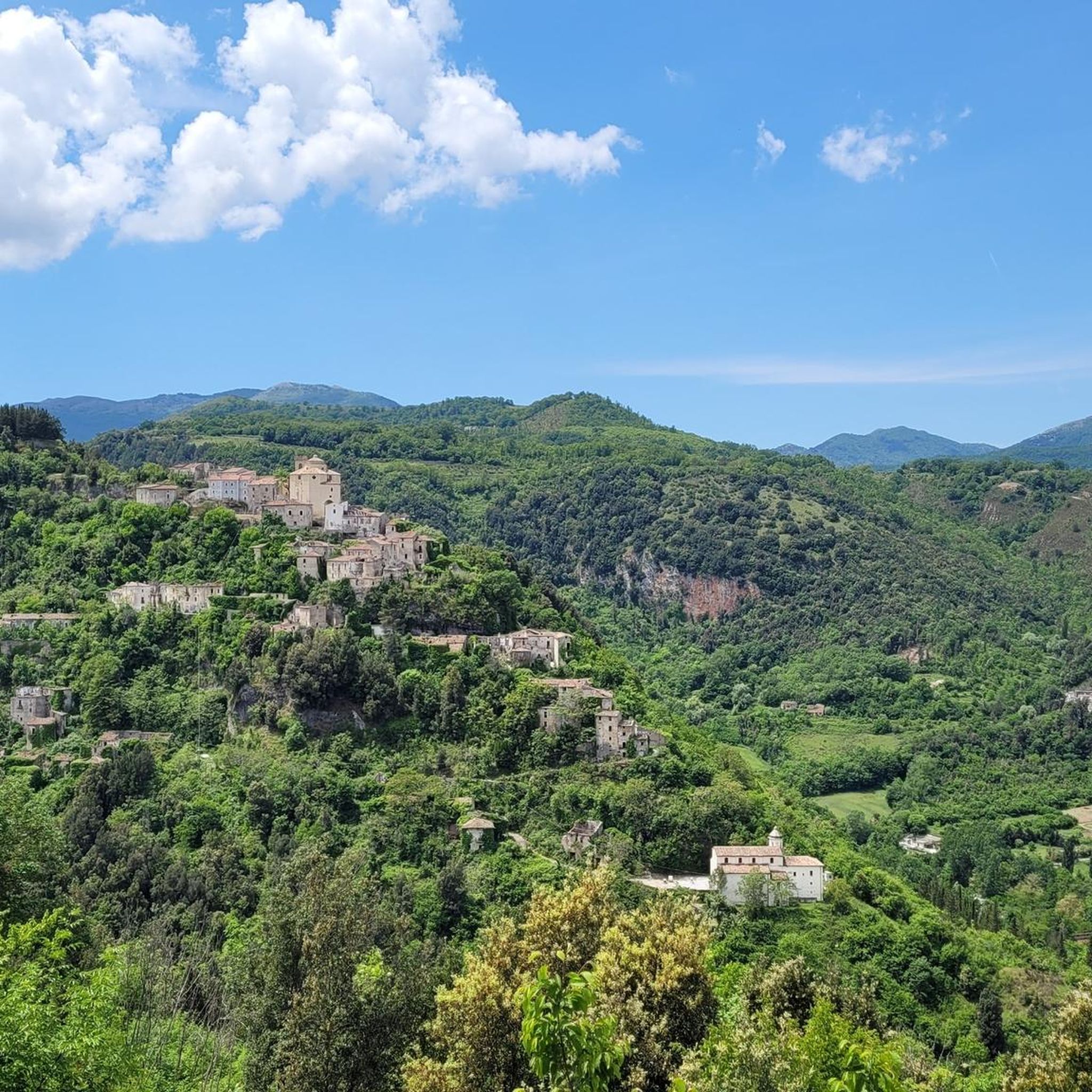
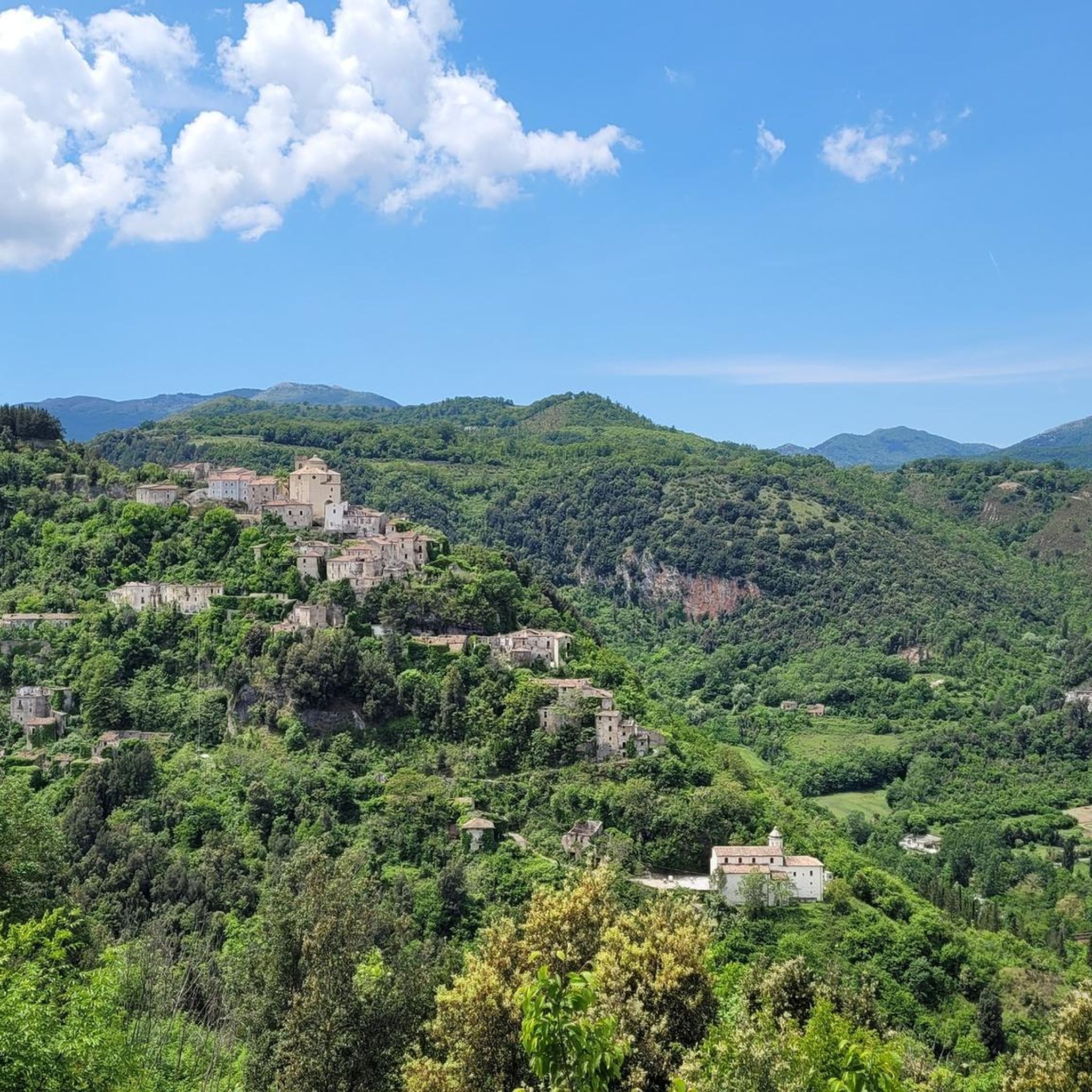
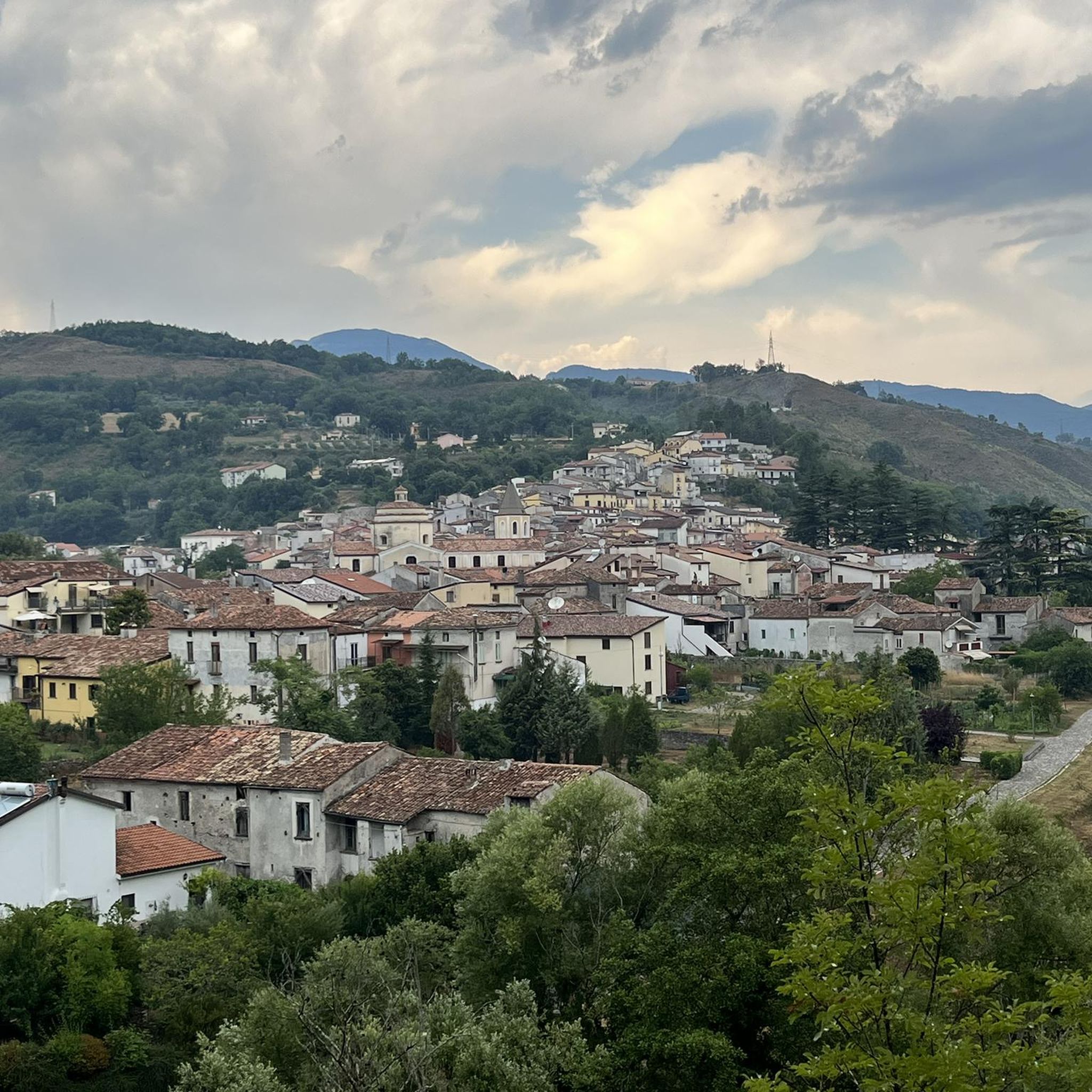
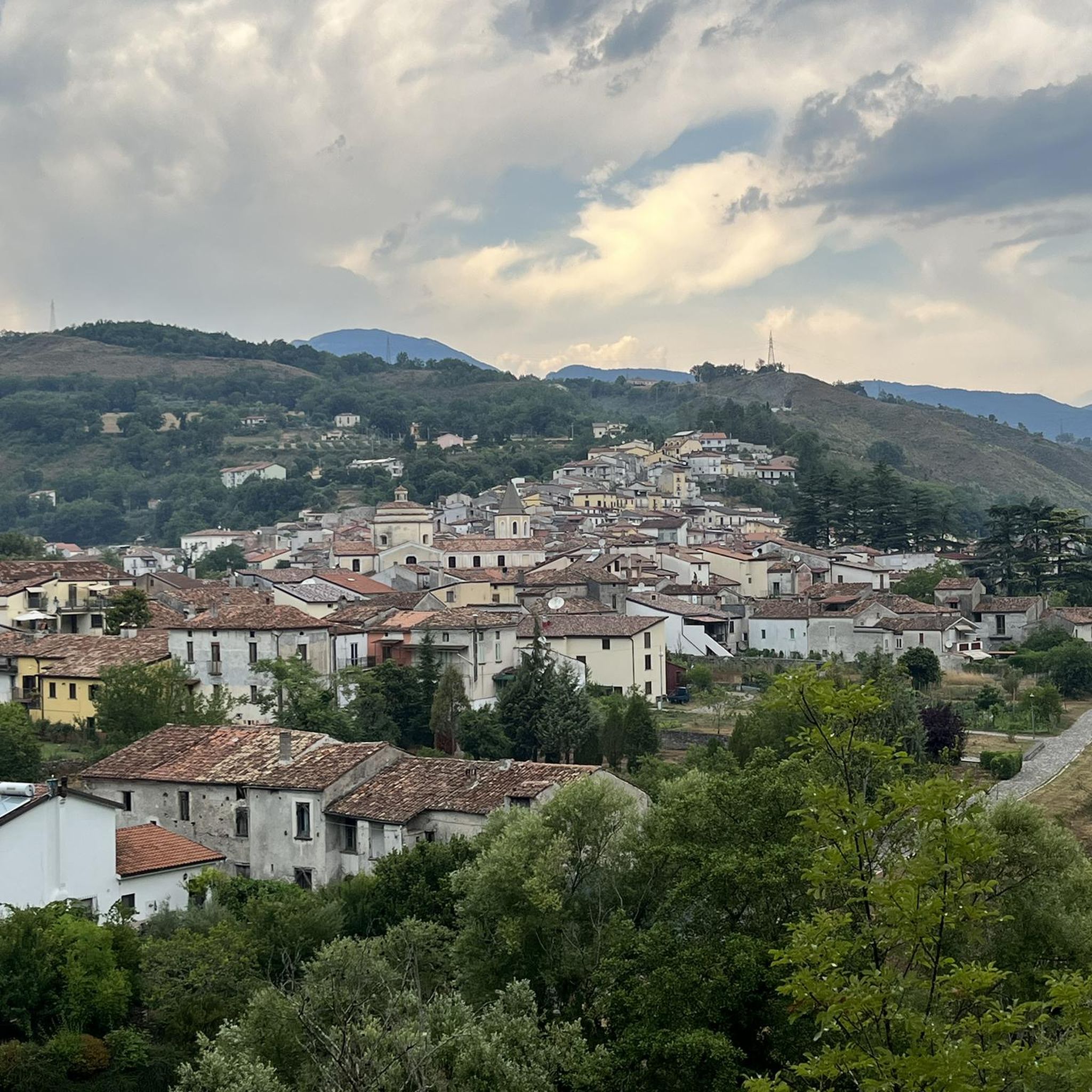

Tips from the Community

Mormanno lies at the foot of the Pollino massif, with beautiful views of the mountains and the Lao River Valley. It is an excellent place for nature lovers, hiking, cycling, climbing and kayaking. In the area you can find rare species of plants and animals - such as the Apennine wolves or golden eagles (Aquila chrysaetos), which are one of the largest and most majestic birds of prey in Europe - and one of the symbols of the mountain wildlife of the Pollino National Park, where Mormanno is located.
0
0
Mormanno is a small, picturesque town located in the northern part of Calabria, in the province of Cosenza, on the border with the Basilicata region. It is located at an altitude of about 850 m above sea level and is part of the Pollino National Park (Parco Nazionale del Pollino) – the largest national park in Italy.
0
0

Lots of nature, meditation and clean air. Not to mention the little restaurant located upon arrival. I'll be biased because it's managed by my buddy but after a good trek, eating well, healthy and genuine at a 0 km restaurant is priceless. For the return, given the considerable inclination of the route and seen in my case a full belly, 😂 you can wait for the bus that takes you back to the town of Papasidero. And I forgot: from Bivio Avena you can visit the Romito cave.
1
0

Monte Ciagola is 1463 meters high and is part of the Pollino National Park. From the top you can see Aieta and the Gulf of Policastro.
2
0

The source of the Mercure river is an idyllic place surrounded by greenery, ideal for a break and to quench your thirst with pure and clear water.
1
0

hello is it easy to reach from viggianello?
0
0

The ascent of Monte Impiso is very beautiful and also tough ... it is an 11km long climb. with an average gradient of almost 9% and sections with peaks of 15% - Monte Pollino from Colle dell'Impiso For the days spent in the Pollino National Park we have chosen Mezzana Salice, a hamlet of San Severino Lucano. It is an ideal accommodation, it is located in the heart of the protected area and is very close to the starting points of the excursions we have planned. It is from the village of Mezzana Salice that we go to Colle dell’Impiso (1578 m) to climb our first two thousand: Mount Pollino. Leaving the car, we take the slightly uphill dirt road, but it is only for a few meters. After a while, in fact, at the signs describing the itinerary, keep to the right on the path to Colle Gaudolino (be careful not to take the more right paths that go up towards the Serra del Prete). The times indicated by the signs will prove to be much longer than what is actually necessary for our progress and this will also apply to almost all the other itineraries in the Park. THE MOUNTAIN IS LOCATED IN THE POLLINO NATIONAL PARK ON THE BORDER BETWEEN BASILICATA AND CALABRIA. I was not very convinced of this itinerary, but when I reached the top, it was a surprise: the view is wonderful, ranging from the mountain ranges of the Lucanian Apennines to the Sila, from the Ionian tides to the Tyrrhenian. Too bad that the signage is completely missing. The Impiso Pass is marked by a white writing on a stone and there are never signs for Monte Pollino or Serra Dolcedorme which can be reached by following a good part of this itinerary.
0
0
Frequently Asked Questions
What are some unique natural features to explore around Laino Castello?
Laino Castello is situated within the vast Pollino National Park, a UNESCO Global Geopark. Key natural features include the dramatic Lao River Gorges, known for rafting, and the ancient Heldreich's pines, some of which are over a thousand years old. The region also features natural caves near Laino Castello Vecchio, historically used by monks and later as dwellings.
Are there any challenging climbs or summits among the natural monuments?
Yes, the area offers challenging climbs. For instance, the Ascent to Piano Ruggio is an 11 km climb with sections reaching a 15% gradient. From its summit, you can enjoy extensive views across the Lucanian Apennines, Sila, and both the Ionian and Tyrrhenian seas. Another notable summit is Monte Ciagola, offering views of Aieta and the Gulf of Policastro.
What kind of trails can I find near Laino Castello's natural monuments?
You'll find a variety of trails. For a scenic route with extensive nature, consider Monte Pizzo via Papasidero and Bivio Avena. The Pollino National Park also features the 'Trail of the Loricate Pines,' allowing you to walk among ancient trees and enjoy spectacular viewpoints. For more hiking options, explore the hiking guide for Laino Castello.
Are there family-friendly natural attractions in the area?
Yes, Mercure Spring is a family-friendly spot. It's the source of the Mercure river, surrounded by greenery, and provides an ideal place for a break and access to pure, clear water. The Pollino National Park itself offers many gentle paths suitable for families.
What outdoor activities are popular around Laino Castello's natural monuments?
Beyond hiking, the Lao River Gorges are famous for rafting. The mountainous terrain of the Pollino National Park is also excellent for cycling and mountain biking. You can find detailed routes in the cycling guide and MTB trails guide for Laino Castello.
What is the best time of year to visit the natural monuments around Laino Castello?
The region generally enjoys a mild climate year-round due to its altitude and strategic location, making it suitable for outdoor activities even in cooler months. Spring and autumn offer pleasant temperatures for hiking and exploring the diverse flora, while summer is ideal for water activities like rafting in the Lao River.
Can I visit historical sites in conjunction with natural monuments?
Absolutely. The historical 'Old Laino Castello' (Laino Castello Vecchio) features ancient ruins and a series of natural caves on the hillside. These caves were historically used by Byzantine monks and later adapted for civilian dwellings, offering a fascinating blend of natural landscape and historical significance.
What kind of views can I expect from the natural monuments?
The natural monuments around Laino Castello offer breathtaking panoramic views. From the summit of Ascent to Piano Ruggio, you can see mountain ranges and both the Ionian and Tyrrhenian seas. The 'Vomero' of Laino Castello also provides an exceptional 360° viewpoint of the Lao River valley and the Pollino mountain range.
Are there any specific natural features related to water in the area?
The Lao River is a prominent natural feature, carving spectacular gorges and offering opportunities for rafting. Additionally, the Mercure Spring provides a serene spot where you can access pure, clear water directly from its source.
What makes the Pollino National Park significant?
The Pollino National Park, where Laino Castello is located, is one of Italy's largest national parks and a UNESCO Global Geopark. It's renowned for its majestic peaks, lush forests, and diverse ecosystem, including ancient Heldreich's pines. The park's geological formations and ecological importance make it a significant natural marvel.
What should I wear for hiking in the natural monuments around Laino Castello?
Given the mountainous terrain and varied trails, it's advisable to wear sturdy hiking boots, layered clothing suitable for changing weather conditions, and bring rain gear, especially if venturing into higher altitudes. Sun protection and sufficient water are also essential.
Are there any hidden natural gems worth discovering in the Laino Castello area?
While the Pollino National Park is widely recognized, exploring the less-traveled paths within the park can reveal hidden waterfalls, secluded forest clearings, and unique rock formations. The natural caves near Laino Castello Vecchio, though historically significant, also offer a unique natural exploration opportunity away from typical tourist routes.
Most popular attractions around Laino Castello

Get inspired with the komoot mobile app


Explore more
Extend your search for the best caves by checking out these guides of the top ones around Laino Castello:
