Top 5 Natural Monuments around Palagiano
Natural monuments around Palagiano offer diverse landscapes and ecological richness in the Puglia region of Italy. The area is characterized by coastal pine forests, sand dunes, and deep karst canyons known as "gravine." These natural features provide habitats for various flora and fauna, including migratory birds and unique plant species. Palagiano's surroundings are part of significant protected areas, showcasing a blend of natural beauty and historical elements.
Best natural monuments around Palagiano
- The most popular natural monuments is View of…
Last updated: July 11, 2026
WWF Monte Sant'Elia Oasis
Highlight • Natural Monument
The Oasis is …
Translated by Google •
Tip by

Rock Church of San Nicola
Highlight • Religious Site
Translated by Google •
Tip by

Sign up now to discover places like this
Get recommendations on the best single tracks, peaks, & plenty of other exciting outdoor places.
Sign up for free
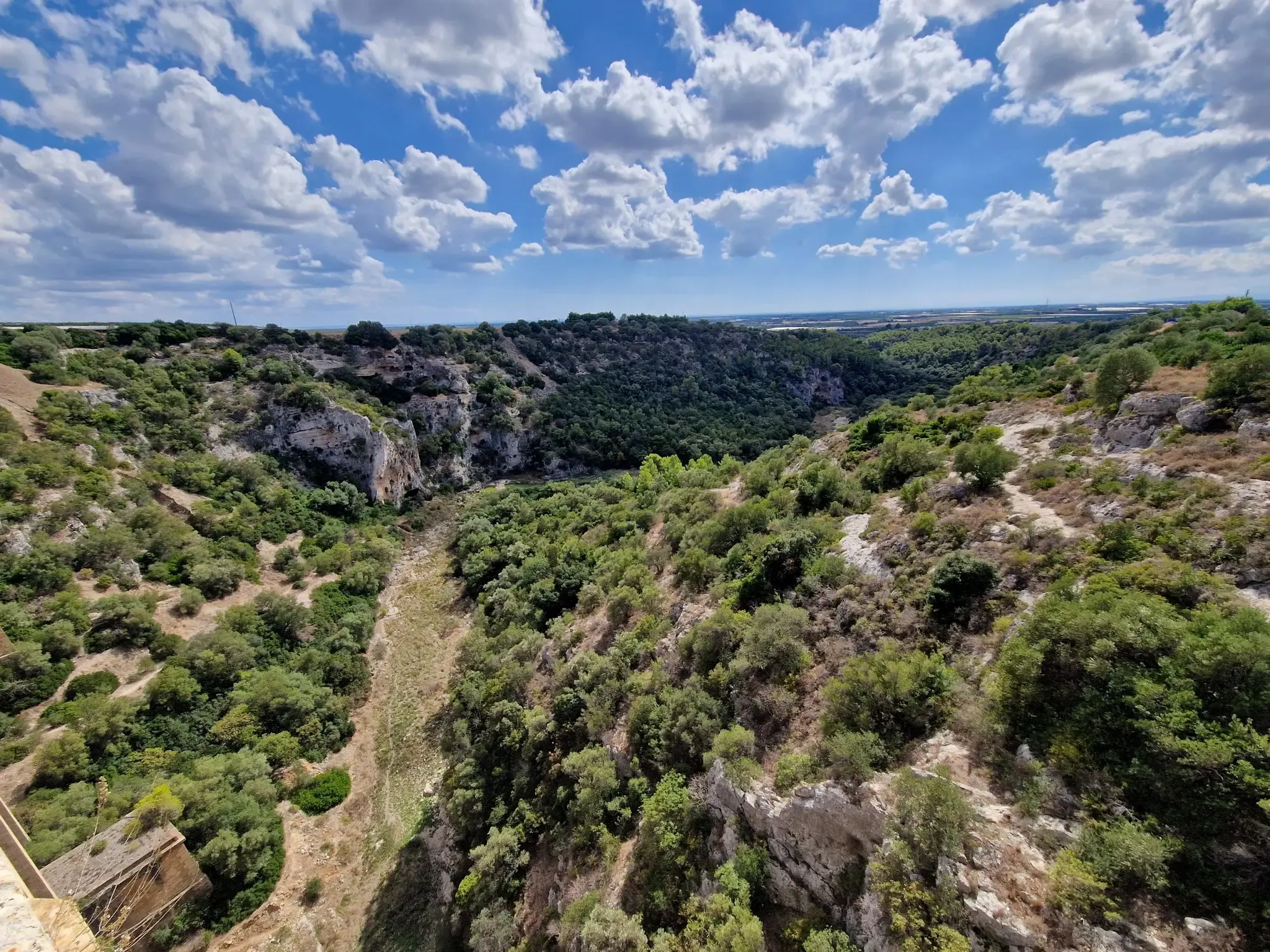
View of the Gravina Grande of Castellaneta from the Ponte di Santa Lucia
Highlight • Viewpoint
Translated by Google •
Tip by

Sanctuary of Madonna della Scala
Highlight • Religious Site
Translated by Google •
Tip by

View of the Ionian Sea and Calabrian Mountains
Highlight • Viewpoint
Translated by Google •
Tip by

Sign up for free to discover even more natural monuments around Palagiano.
Sign up for free
Already have an account?
Start today with a free account
Your next adventure awaits.
Login or Signup

Other adventures around Palagiano

Tips from the Community

South-east of Mottola, in the Gorgone area near the Lamaderchia farm, along the ancient Via Consolare which represents a medieval branch of the Via Appia, stands the jewel in the crown of the Mirabili Grotte di Dio Mottolesi, the rock church of San Nicola, so named by Charles Diehl who was the first to describe it in 1894, an object of devotion for centuries of the local inhabitants, as well as of the Crusaders and pilgrims who travelled to Taranto and Brindisi from the inland regions to embark for the Holy Land. The beauty of its frescoes, cleaned for the first time in 1972 and restored in August 1989, after the vandalism of some heads of the wall icons, have led to it being defined as the Sistine Chapel of the rock civilization in Southern Italy. In truth, in this rock church we find ourselves in front of the most complete and astonishing art gallery of the popular sacred art of Puglia, which manages to fully highlight the testimonies of the various theological and artistic influences of oriental and Latin origin, spanning almost four centuries of the Middle Ages. The church is located on the edge of the ravine and can be accessed via stairs carved into the rock and adapted from the recent iron structure prepared by the Superintendency. A double-ringed lunette surmounts the door to the crypt and on it are visible traces of painted decoration of a half-length haloed figure.
0
0


Santa Lucia Bridge, a disused railway bridge over the ravine of the same name
0
0

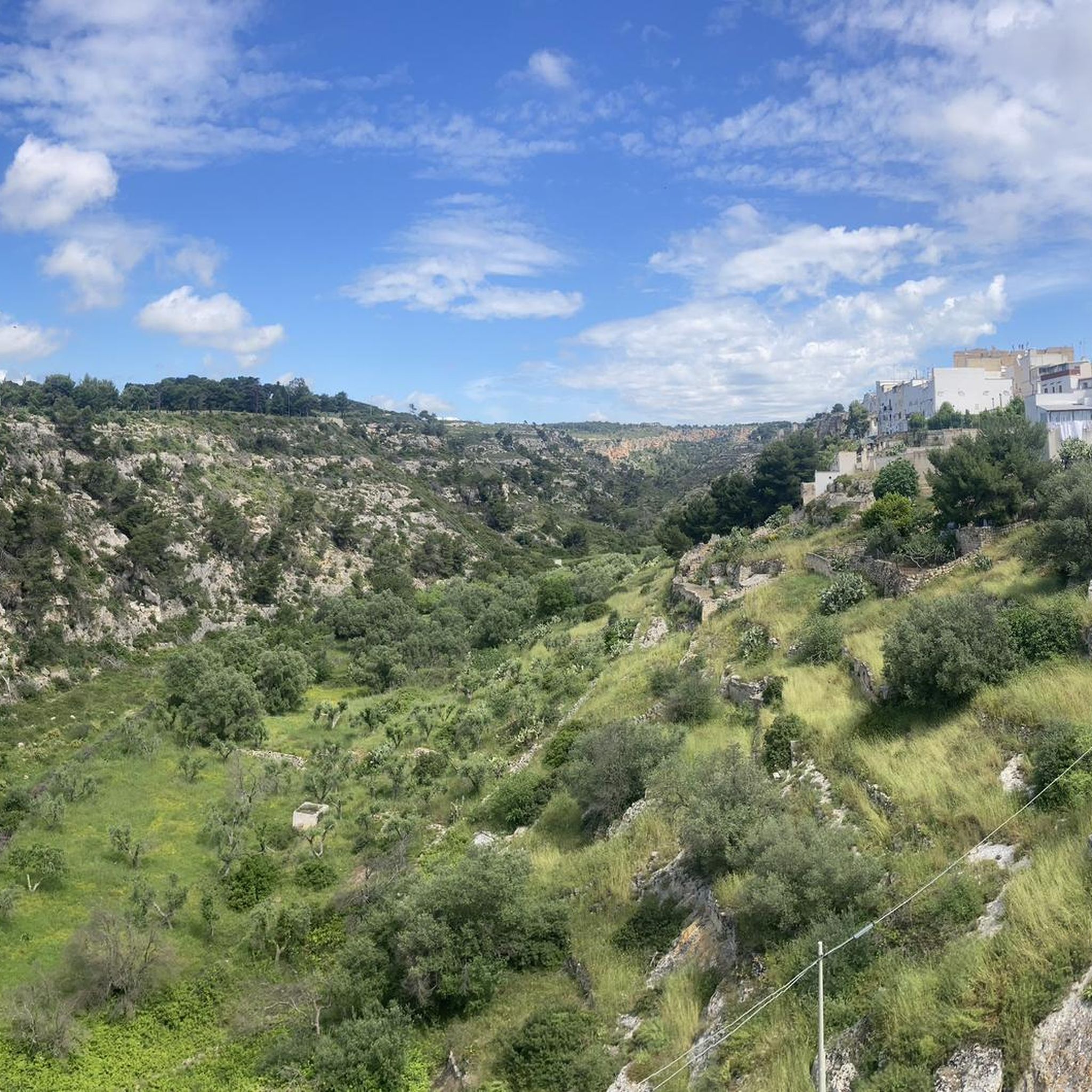
From this roundabout, take the road towards the Sanctuary of the Madonna della Scala in Massafra, which is 500 meters away from here. The church is located at the bottom of the Massafra ravine, a natural canyon carved out by the water of the Patemisco river. When the road ends, the Sanctuary can be reached by a staircase or an elevator.
3
0

Bridge from the Fascist era from which the now disused railway line passed. From here you can enjoy a magnificent view of the historic center and the Gravina Grande di Castellaneta.
2
0

inside the church there are several frescoes, including the depiction of St. Nicholas who is illuminated at the heart by a ray of light that passes through a hole in the wall, on the day of the equinox
0
0

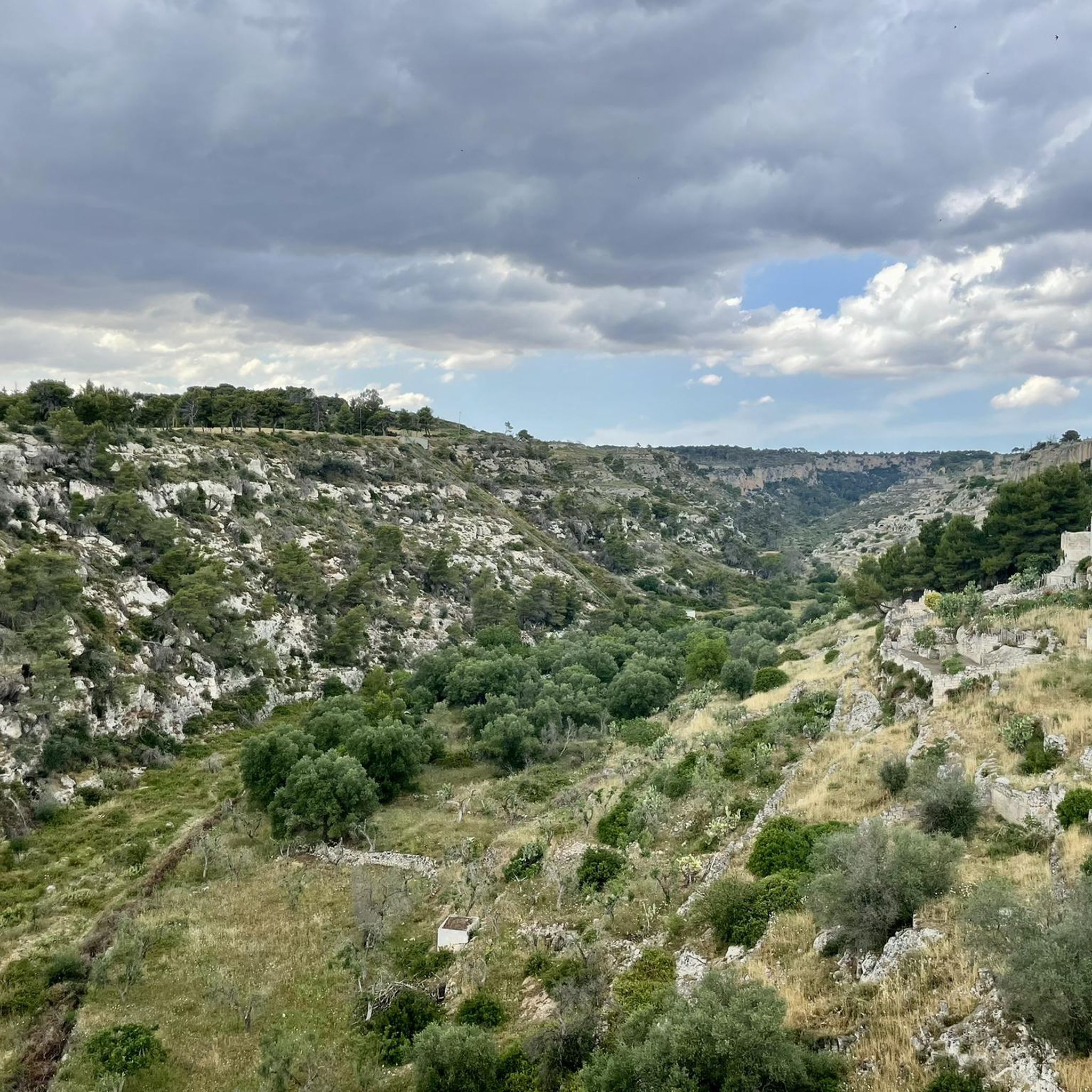
Rock sanctuary in the magnificent scenery of the Massafra ravine
5
0

The WWF Monte Sant'Elia Oasis is a beautiful hilly area of the eastern Murge overlooking the ravine and the Gulf of Taranto, a typical Mediterranean steppe environment. The Oasis is located within a Site of Community Importance (SIC IT9130007) in the Municipality of Massafra ((Ta). It is also a Protection Zone (SPA IT9130007). The area, of 93 hectares, WWF protects the typical Apulian landscape where the typical Apulian structures: the trulli can be observed together with the wonders of nature.
1
0
Frequently Asked Questions
What unique natural features can I explore around Palagiano?
The area around Palagiano is rich in diverse natural features. You can discover extensive coastal pine forests and sand dunes in the Riserva Naturale Statale Stornara, which also features the brackish Lago Salinella. Additionally, the region is famous for its deep karst canyons, known as "gravine," found within the Parco Naturale Regionale Terra delle Gravine. These gravine boast impressive rock formations, caves, and Mediterranean scrub.
Are there any protected natural areas near Palagiano?
Yes, Palagiano is surrounded by significant protected areas. These include the Riserva Naturale Statale Stornara, known for its Aleppo pine forests and coastal ecosystem, and the Parco Naturale Regionale Terra delle Gravine, which protects the unique canyon landscapes. The WWF Monte Sant'Elia Oasis, located in nearby Massafra, is another protected area offering a typical Mediterranean steppe environment overlooking a ravine and the Gulf of Taranto.
What kind of wildlife can I spot in the natural monuments around Palagiano?
The diverse ecosystems support a variety of wildlife. In the Riserva Naturale Statale Stornara, you might spot foxes, hedgehogs, badgers, and wood pigeons, along with numerous aquatic bird species like pink flamingos at Lago Salinella during migration. The gravine of the Parco Naturale Regionale Terra delle Gravine are home to small birds of prey such as the Lanner falcon, Lesser Kestrel, and Common Kestrel, as well as the Black Kite and Eurasian Eagle-Owl.
Are there historical or cultural sites integrated with the natural landscapes?
Absolutely. The gravine within the Parco Naturale Regionale Terra delle Gravine have been continuously used as settlement sites since the Neolithic period, with many caves featuring Byzantine-style icons in rock-hewn churches and crypts. For example, the Rock Church of San Nicola near Mottola is renowned for its ancient frescoes. Additionally, watchtowers like Torre Mattoni in the Stornara Reserve offer historical context to the coastal defense.
What are some popular viewpoints to experience the natural beauty?
Visitors particularly enjoy the View of the Ionian Sea and Calabrian Mountains, which offers panoramic vistas after an uphill route. Another must-see is the View of the Gravina Grande of Castellaneta from the Ponte di Santa Lucia, providing an impressive perspective of the deep ravine and the historic center from a disused railway bridge.
What outdoor activities can I do near these natural monuments?
The region offers various outdoor activities. You can find numerous hiking trails, such as those around the WWF Monte Sant'Elia Oasis, or explore the gravine. For cycling enthusiasts, there are road cycling and gravel biking routes available. You can find detailed routes for hiking, road cycling, and gravel biking around Palagiano.
Are there family-friendly natural monuments or activities suitable for children?
Many natural areas around Palagiano are suitable for families. The Riserva Naturale Statale Stornara offers easy walks through pine forests and opportunities for birdwatching at Lago Salinella. Exploring the less strenuous paths in the Parco Naturale Regionale Terra delle Gravine can also be an adventure, with children enjoying the unique landscapes and historical caves. The Rock Church of San Nicola is also noted as family-friendly.
What is the best time of year to visit the natural monuments around Palagiano?
The best time to visit is generally during the spring (April-June) and autumn (September-October) months. During these periods, the weather is pleasantly mild, making it ideal for hiking and exploring. Spring brings blooming wildflowers, while autumn offers comfortable temperatures and beautiful foliage. Summers can be very hot, especially in July and August, which might be less comfortable for extensive outdoor activities.
Are there any specific permits or entrance fees required to visit these natural areas?
Generally, access to the Riserva Naturale Statale Stornara and the Parco Naturale Regionale Terra delle Gravine is free and does not require specific permits for general exploration. However, for guided tours or specific activities within protected areas like the WWF Monte Sant'Elia Oasis, it's advisable to check their official websites or contact local visitor centers for any potential entrance fees or booking requirements.
Can I bring my dog to the natural monuments around Palagiano?
Policies regarding dogs vary by specific location within the natural monuments. While many outdoor areas are generally dog-friendly, it's crucial to keep dogs on a leash, especially in protected reserves like the Riserva Naturale Statale Stornara, to protect local wildlife. For specific rules regarding the WWF Monte Sant'Elia Oasis or other sites, it's best to check their guidelines beforehand.
What are the geological features of the gravine near Palagiano?
The gravine are deep karst canyons formed by water erosion over millennia, cutting into the soft rock of the region. These impressive geological formations feature steep walls, often covered with Mediterranean scrub and quercus calliprinos (fragno) oaks. They are characterized by fascinating caves, pinnacles, and a unique microclimate that supports diverse flora and fauna, making them significant biodiversity hotspots.
Where can I find information about nearby cafes or restaurants after visiting the natural monuments?
After exploring the natural monuments, you'll find various dining options in the nearby towns such as Palagiano, Massafra, and Castellaneta. These towns offer a range of cafes, trattorias, and restaurants where you can enjoy local Apulian cuisine. Specific recommendations would depend on your exact location after your visit, but local information centers can provide current suggestions.
Most popular routes around Palagiano
Most popular attractions around Palagiano

Get inspired with the komoot mobile app


Explore more
Extend your search for the best caves by checking out these guides of the top ones around Palagiano:
