Top 3 Natural Monuments around Gioia Del Colle
Natural monuments around Gioia Del Colle are characterized by a landscape shaped by significant karst phenomena, including numerous caves and unique geological formations. The region, nestled in Italy's Puglia, features a diverse terrain of vineyards, olive groves, and fascinating underground worlds. This area offers a blend of natural beauty and geological heritage, primarily showcasing the intricate processes of karst erosion.
Best natural monuments around Gioia Del Colle
- The most popular natural monuments is Grotta Croce in Laterza, a cave…
Last updated: July 11, 2026
Grotta Croce in Laterza
Highlight • Cave
Translated by Google •
Tip by

Tenuta Albenzio Masseria Pietro Rossi
Highlight • Historical Site
Translated by Google •
Tip by

Sign up now to discover places like this
Get recommendations on the best single tracks, peaks, & plenty of other exciting outdoor places.
Sign up for free
Trullo Cave
Highlight • Cave
Translated by Google •
Tip by

along the Terre delle Gravine Nature Park
Highlight (Segment) • Trail
Discover Puglia by bike on viaggiatorelento.com
Translated by Google •
Tip by

Start today with a free account
Your next adventure awaits.
Login or Signup

Tips from the Community

Grotta Croce, located in Gravina di Laterza, is one of the many karst caves in this suggestive canyon in Puglia. Famous for its natural beauty and historical interest, the cave offers spectacular limestone formations. Explored by speleology enthusiasts and hikers, it is part of the Terra delle Gravine Natural Park, an area rich in biodiversity and characterized by deep ravines and hidden caves. Grotta Croce also has archaeological value, with finds that testify to human presence in ancient times.
1
0

Grotta Croce is a natural cavity located in the ravine of Laterza, a deep canyon dug by the river Lato. The cave has a shape resembling a Greek cross and a vault 9 meters high, and is inhabited by many birds, such as kestrels and swifts. It is part of the Lipu Oasis, a protected area for nature conservation
2
0

Discovered by chance in the 1930s, it is a small but spectacular karst cave due to its dome shape and the rare presence, in addition to stalactites and stalagmites, of calcite-aragonite inflorescences glittering with dripping water
0
0

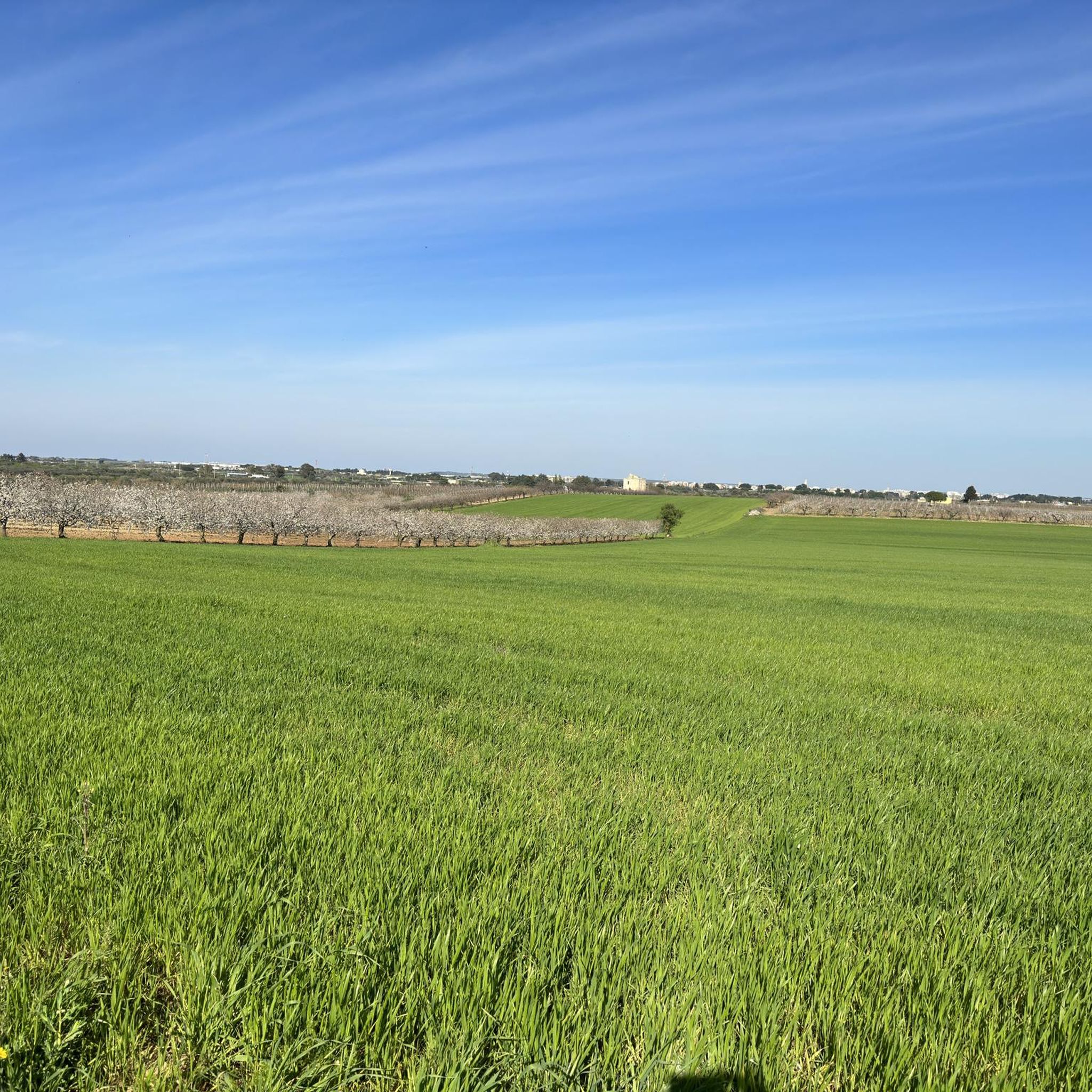
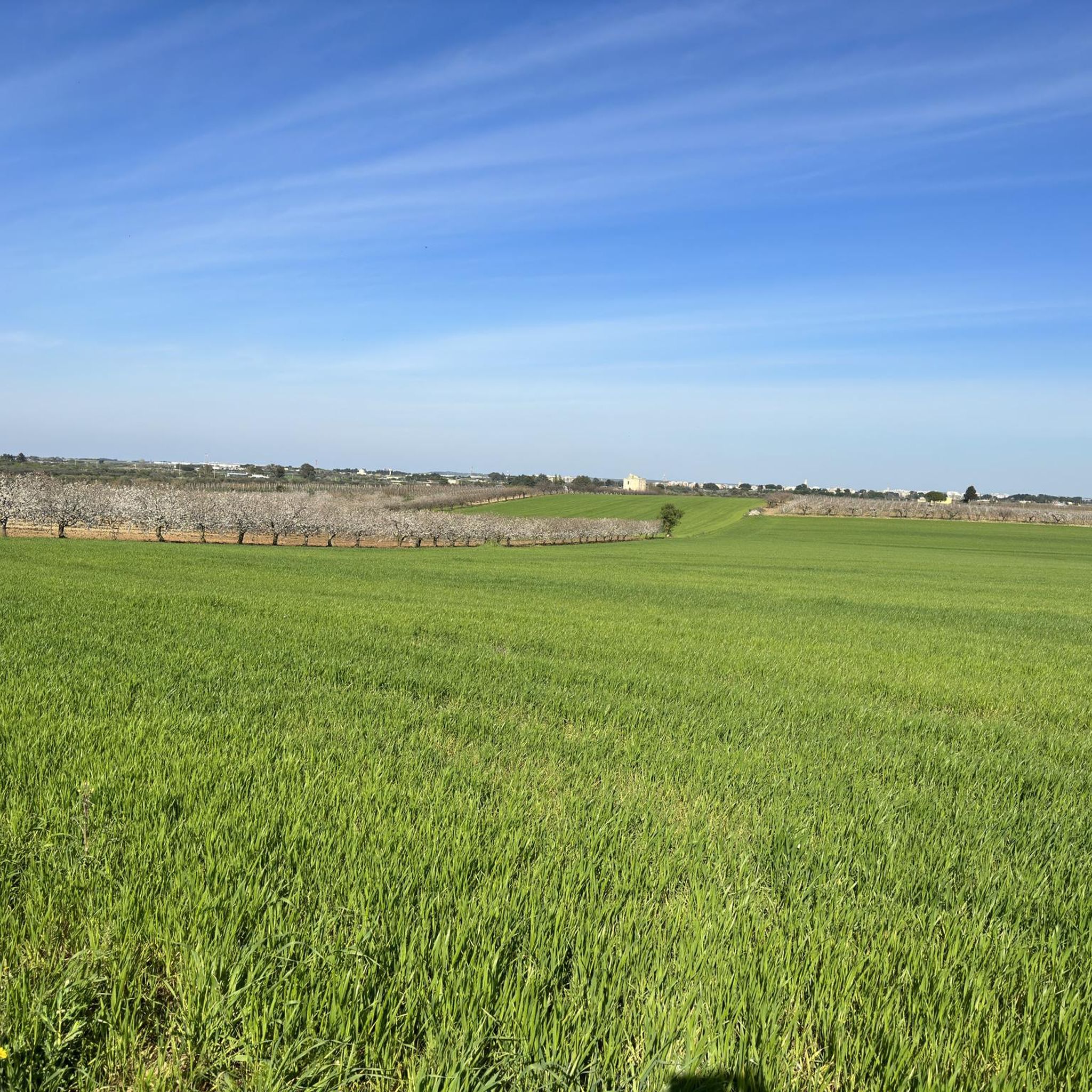
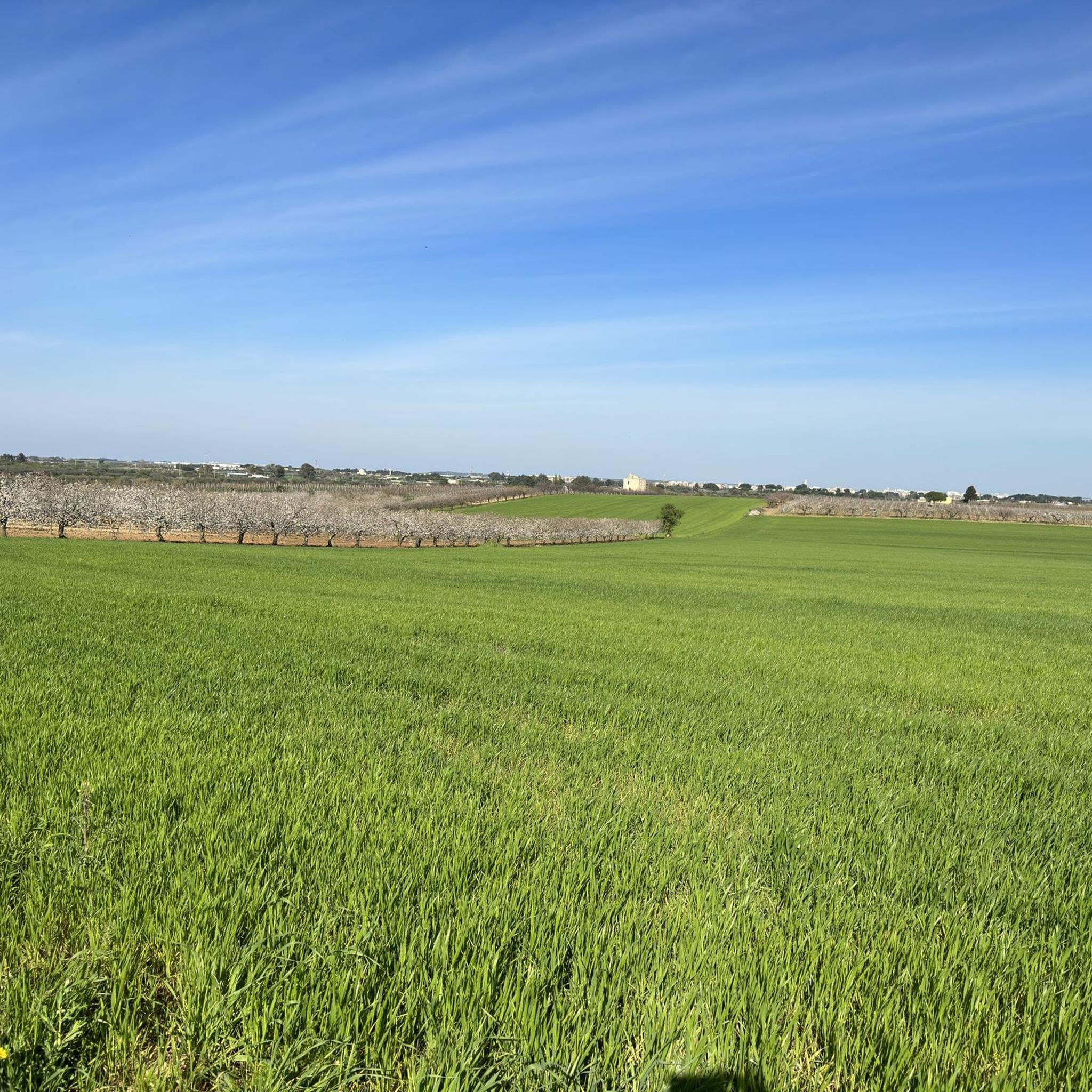
nice downhill stretch in the Parco delle terre delle Gravine from Laterza towards Palagianello. Discover Puglia by bike on www.viaggiatorelento.com
0
0

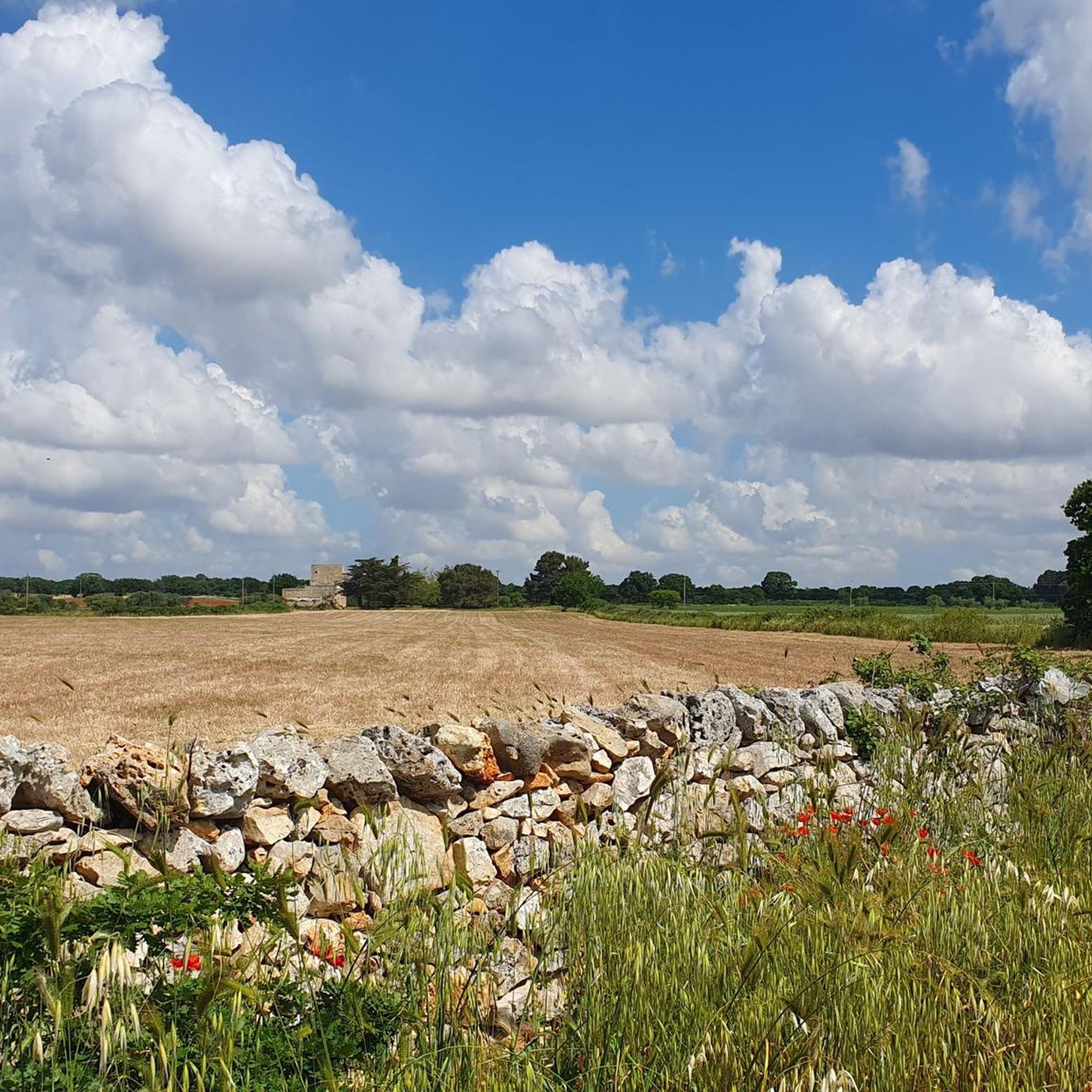
the "Pietro Rossi" estate, owned by the notary Pietro Albenzio, houses the Menhir n ° 1 at its entrance Monument dating back to the Neolithic period
2
0
IL Menhir number 1 ", located in the countryside west of Casamassima and placed in plain sight in the courtyard of the country house. The schematic name that has been attributed to it serves to distinguish it from another block in the area, the" Menhir number 2 ".
3
0
The Tenuta Albenzio Masseria Pietro Rossi was built in 1620. It was subsequently enlarged by the architect Luigi Castellucci (Bitonto, September 17, 1798 - Bitonto, November 4, 1877) an architect and engineer considered one of the most important exponents of the architecture of nineteenth century in the south.
3
0
Frequently Asked Questions
What kind of natural monuments can I expect to see around Gioia del Colle?
The region around Gioia del Colle is primarily known for its fascinating karst phenomena. You'll discover numerous underground cavities, such as the Grotta Croce in Laterza and the Trullo Cave, which showcase unique geological formations like stalactites and aragonite inflorescences. The landscape also features impressive ravines, like the one visible from the View of the Laterza Ravine, and ancient sites with natural elements like the Menhir at Tenuta Albenzio Masseria Pietro Rossi.
Are there any natural monuments that also offer historical insights?
Yes, the Parco Archeologico di Monte Sannace, located about 5 km from Gioia del Colle, is a prime example. While primarily an archaeological park, its elevated position provides stunning natural views of the Murge landscape, blending ancient history with the region's natural beauty. You can learn more about it on Wikipedia.
What outdoor activities can I do near these natural monuments?
The area offers diverse outdoor activities. You can explore the landscape through various routes, including gravel biking, hiking, and mountain biking. For example, you can find numerous hiking trails around Gioia del Colle, such as the Gravina di Laterza Loop, or embark on gravel biking adventures that take you past significant natural features.
Are there family-friendly natural monuments or activities in the area?
Many of the natural areas, especially those with well-maintained trails, can be enjoyed by families. Exploring the general karst landscape and its surface features, or visiting the Parco Archeologico di Monte Sannace, offers a blend of easy walking and discovery suitable for various ages. Always check specific trail difficulties for younger children.
What is the best time of year to visit the natural monuments around Gioia del Colle?
Spring and autumn are generally the most pleasant times to visit. The weather is milder, making outdoor exploration of caves, ravines, and trails more comfortable. Summer can be quite hot, especially in open areas, while winter might bring cooler temperatures, though many natural sites remain accessible.
Can I find hiking trails that lead through or near natural monuments?
Absolutely. The region is crisscrossed with trails that allow you to experience its natural beauty. For instance, you can find trails that take you along the Terre delle Gravine Nature Park, offering views of the dramatic ravines. Many hiking routes, like those listed in our hiking guide for Gioia del Colle, incorporate these natural features.
Are there any natural monuments that are particularly good for beginners or easy hikes?
For easier exploration, consider areas with well-marked paths within the broader natural parks, or viewpoints like the View of the Laterza Ravine, which offer impressive sights without strenuous effort. Some of the shorter loops in our hiking guide are also suitable for beginners.
What kind of wildlife might I encounter in the natural monuments?
The ravines and caves, such as Grotta Croce in Laterza, are home to various bird species, including kestrels and swifts. The rich undergrowth in areas like the Gravina di Laterza also supports diverse flora, including colorful orchids, and provides habitat for smaller mammals and insects characteristic of the Murge landscape.
Are there any hidden or less-known natural monuments worth exploring?
Beyond the more prominent sites, the territory of Gioia del Colle is dotted with numerous karst caves, many of which are 'fossil' caves with more subtle features. Examples include Grotte Paradiso and Grotta di Monte Rotondo. While some may require specialized access, they offer a glimpse into the intricate subterranean world of Puglia for those seeking a deeper exploration of the region's geological heritage.
Are the natural monuments accessible by public transport, or is a car necessary?
While some natural areas might be reachable by local buses to nearby towns, having a car generally offers the most flexibility to access many of the natural monuments, especially the more secluded caves and viewpoints. Parking is typically available near the main access points for popular sites.
What should I wear when visiting the natural monuments, especially in spring?
In spring, the weather can be variable. It's advisable to wear layers, including a light jacket, as temperatures can change, especially when exploring caves where it's consistently cooler. Comfortable, sturdy walking shoes are essential for navigating uneven terrain, trails, and cave entrances. Don't forget sun protection for open areas.
Are there any natural monuments that are dog-friendly?
Many outdoor natural areas and trails are generally dog-friendly, provided dogs are kept on a leash and owners clean up after them. However, specific rules may apply to protected areas or inside caves. It's always best to check local regulations for individual sites, especially for nature parks like the Terre delle Gravine.
Most popular routes around Gioia Del Colle
Most popular attractions around Gioia Del Colle

Get inspired with the komoot mobile app


Explore more
Extend your search for the best caves by checking out these guides of the top ones around Gioia Del Colle:
