Top 20 Natural Monuments around Taranta Peligna
Natural monuments around Taranta Peligna are characterized by karst phenomena, diverse flora and fauna, and dramatic mountain landscapes. Situated at the foot of the eastern Majella, in the valley of the upper Aventine river, the area offers a blend of geological marvels and extensive hiking opportunities. It is an ideal base for exploring significant natural attractions within the Majella National Park.
Best natural monuments around Taranta Peligna
- The most popular natural monuments is Gorges of Fara San Martino, a…
Last updated: June 28, 2026
Gorges of Fara San Martino
Highlight • Gorge
Translated by Google •
Tip by

Passo San Leonardo
Highlight • Mountain Pass
Translated by Google •
Tip by

Sign up now to discover places like this
Get recommendations on the best single tracks, peaks, & plenty of other exciting outdoor places.
Sign up for free
Majella National Park
Highlight • Natural Monument
Translated by Google •
Tip by
Chapel of Our Lady of the Snow
Highlight • Religious Site
Translated by Google •
Tip by

Majella National Park
Highlight • Natural Monument
Translated by Google •
Tip by

Sign up for free to discover even more natural monuments around Taranta Peligna.
Sign up for free
Already have an account?
Start today with a free account
Your next adventure awaits.
Login or Signup
Tips from the Community

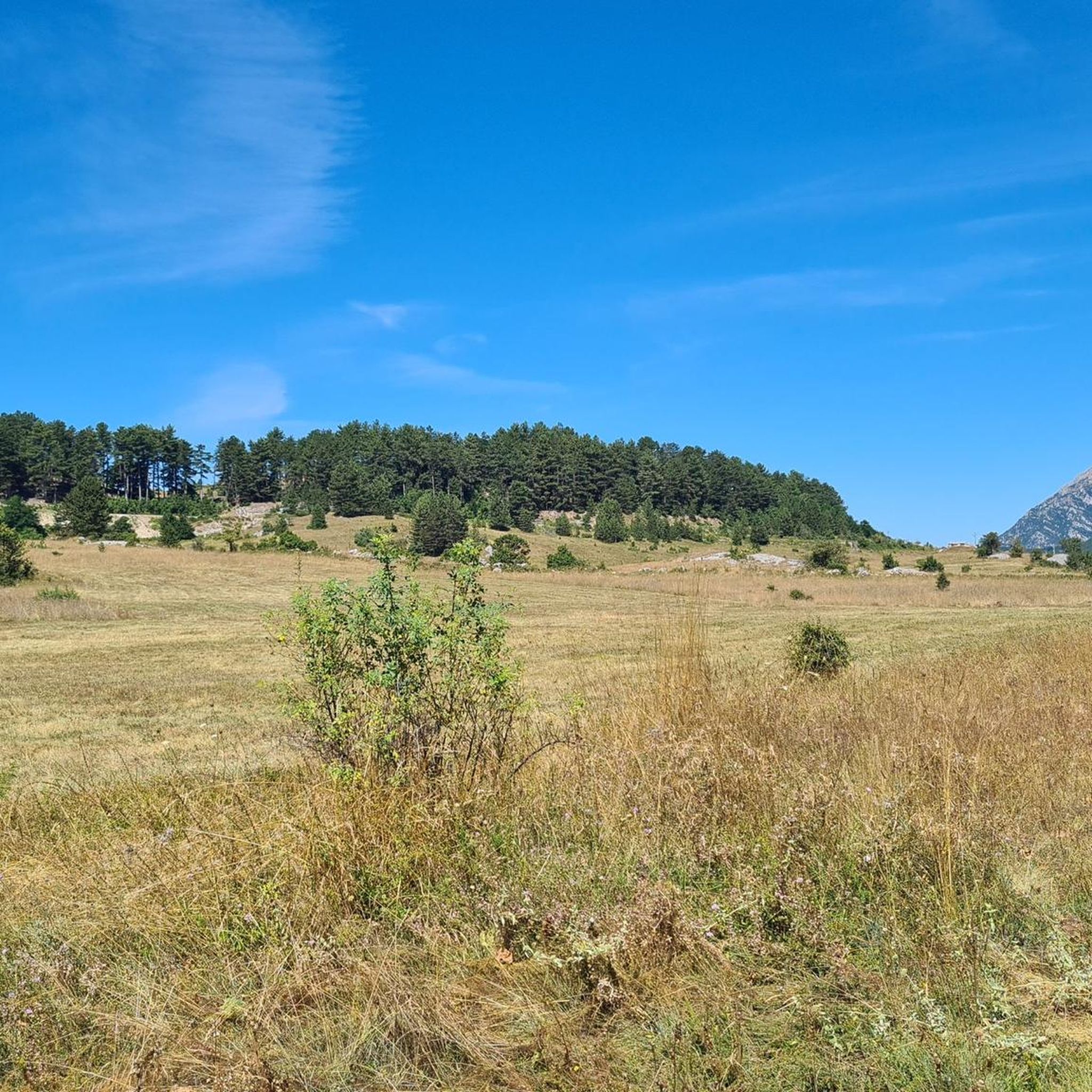
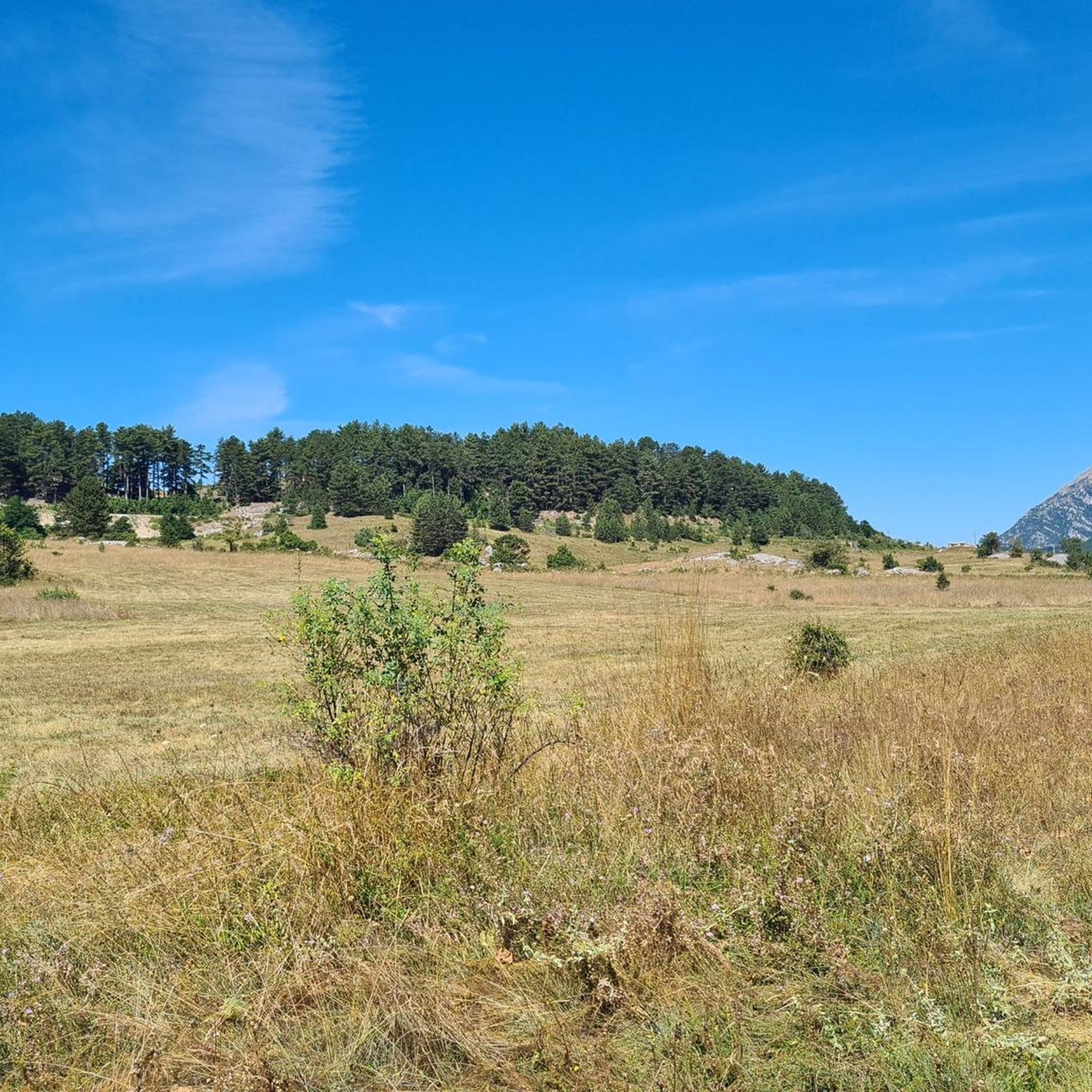
If you go beyond the end of the paved road, after the telecommunications facilities of the blockhouse, you'll find a paved road that ends on another stretch of gravel road, leading to a sort of small terrace, where you can admire a 360° panorama. A short distance away, you can see a small chapel dedicated to Our Lady of the Snows... from there, you'll find trails for hiking or, for a while, for a gravel bike ride.
0
0

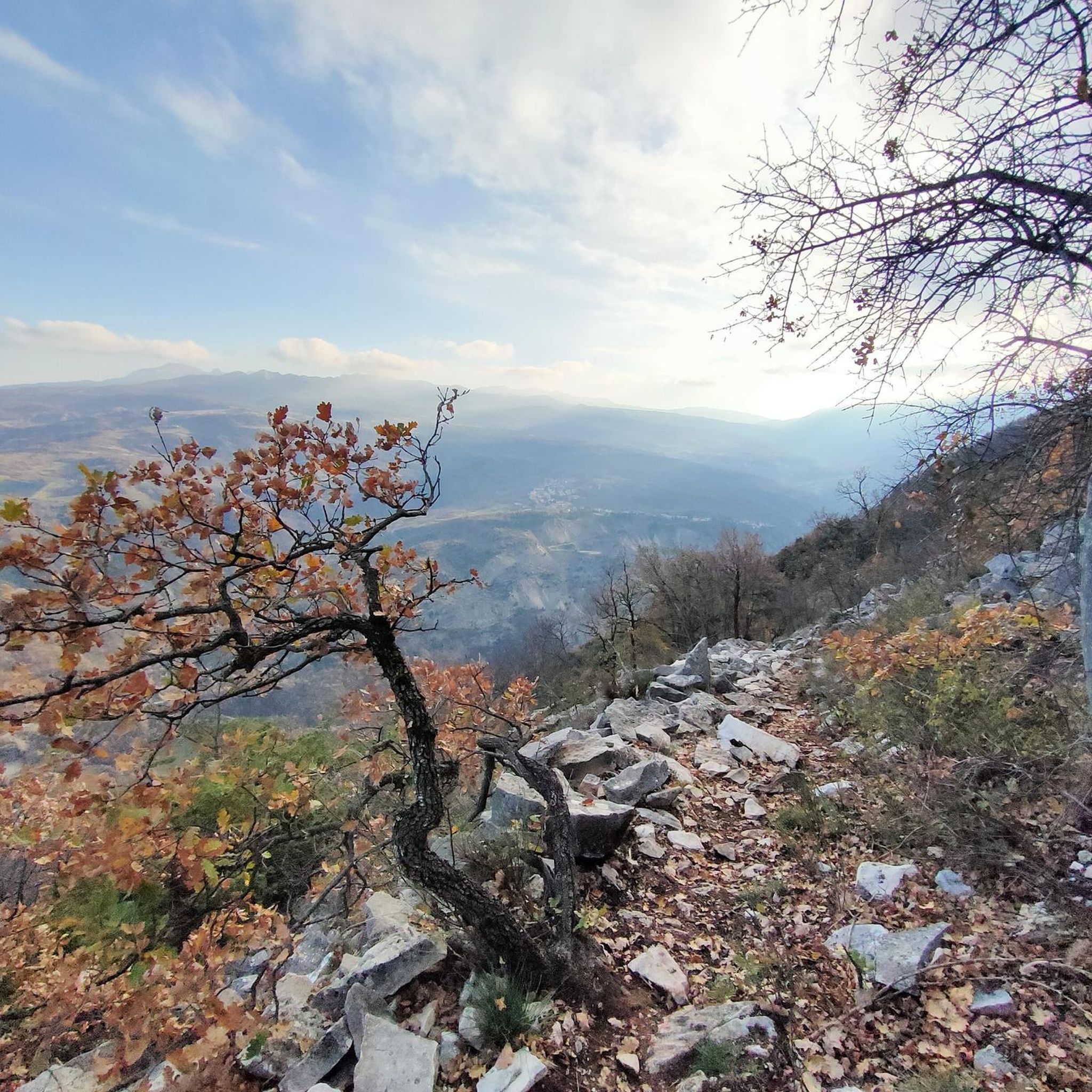
end of the blockhaus trail, wonderful view
0
0

A stop to the Madonnina. The statue is located at 2,000 meters on the Blockaus. For mountain enthusiasts and visitors to the Majella, it was a stop in a place of peace and meditation. The Madonnina was built at his own expense by a great lover of our mountains, a small entrepreneur in the earthmoving and asphalt sector, the late Mario Tracanna from Roccamontepiano It must also be said that Mario Tracanna, after having obtained all the authorizations, starting from those who would detain its custody, unfortunately died in 2017 in a terrible accident on the ski slopes. Since then and after its inauguration with a blessing and consecration, it has also become the shrine of all mountain lovers who have lost their lives here. A place of devotion and spirituality where every year, Mario's friends celebrate an outdoor mass with a short hike on foot, from the Rifugio Pomilio to the Madonnina. If you are a true cyclist you have to reach the Madonnina... there is also a breathtaking view from above.
0
0

In the territory of the Majella National Park there is the medieval village of Campo di Giove, home to an information centre.
0
0

I ride with my leg always in shot
1
1

The Fara San Martino Gorges are one of the most fascinating places in the Majella, with a network of easy-to-follow paths.
0
0

The gorges of Fara San Martino are among the most evocative and accessible places of the Majella. The route inside the gorges is easy and suitable for families. It allows you to get to know the mountain from the inside, through its very high rocks. For those who love challenges, from here they can undertake the climb to the summit of Mount Amaro and face the highest altitude difference in the Apennines!
3
0

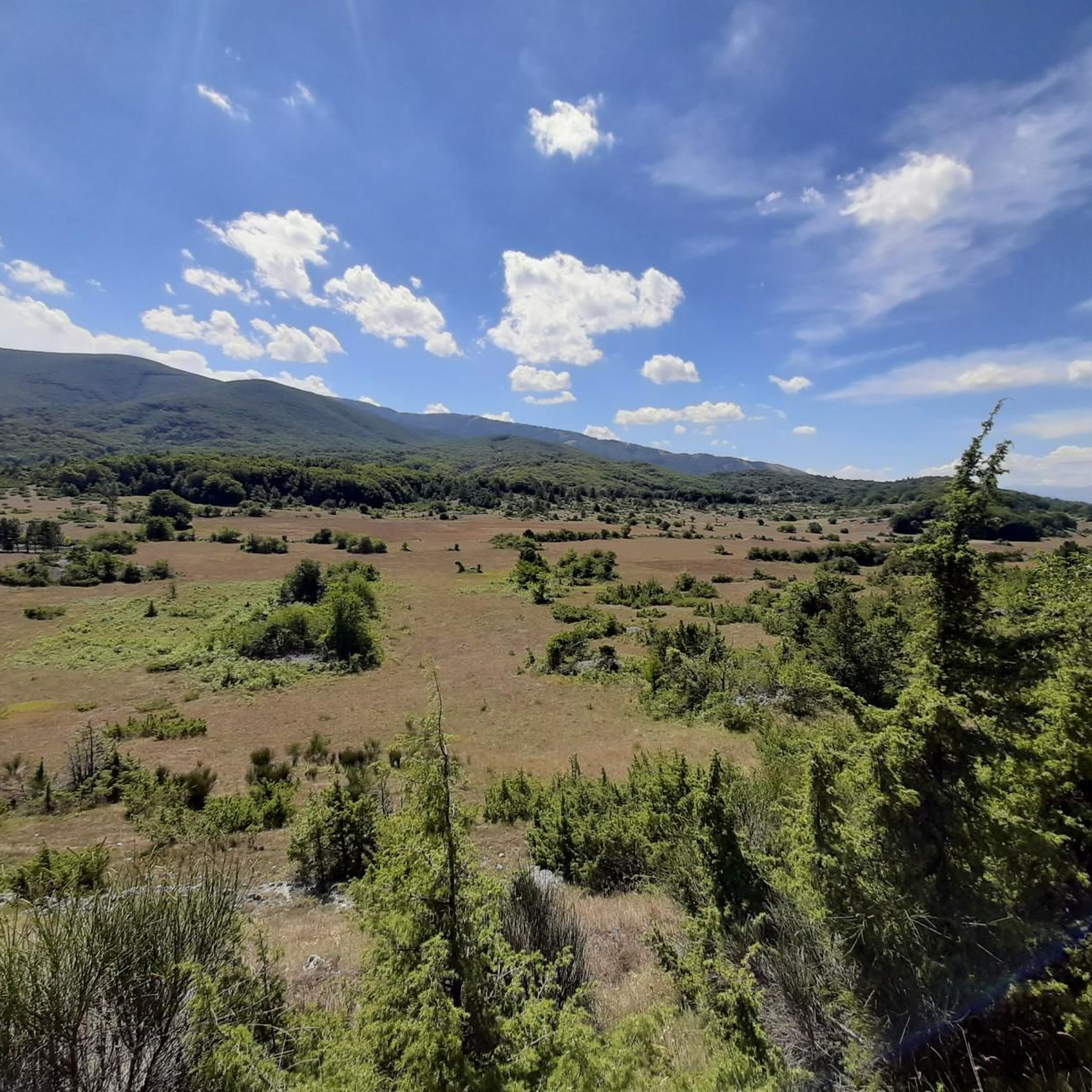
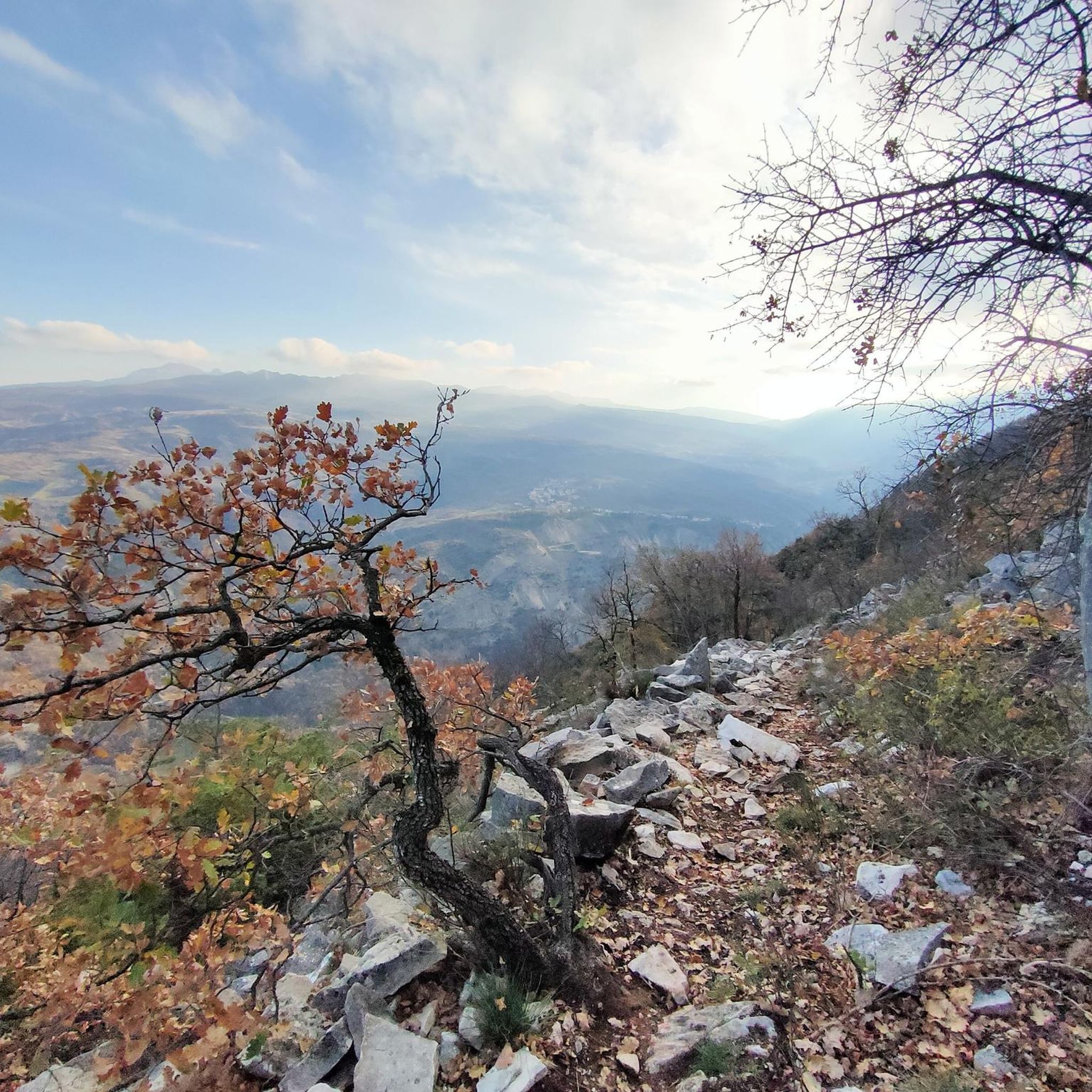
The Majella National Park is one of the most important protected areas in Abruzzo. The Majella area is characterized by its high mountains: a large part of the National Park, in fact, exceeds 2,000 meters of altitude.
0
0
Frequently Asked Questions
What are some unique natural features to explore around Taranta Peligna?
Taranta Peligna is rich in natural wonders, including impressive karst phenomena, diverse flora and fauna, and dramatic mountain landscapes. You can explore geological formations like the Gorges of Fara San Martino, known for its high rocks and accessibility, or experience the high-altitude views from Passo San Leonardo.
What makes the Majella National Park a significant natural monument in this area?
The Majella National Park is a crucial protected area characterized by its high mountains, with a large portion exceeding 2,000 meters in altitude. It's a significant region for biodiversity, preserving a variety of flora and fauna, and offers vast areas of wild nature. It's considered a treasure trove of valuable and rare Italian biodiversity.
Are there any historical or cultural connections to the natural monuments in Taranta Peligna?
Yes, the Grotte del Cavallone, for instance, are famously known as the “Grotte della Figlia di Jorio” (Caves of the Daughter of Iorio) because they inspired the painter Francesco Paolo Michetti. This adds a layer of local lore and artistic heritage to the natural beauty of the caves.
Are there family-friendly natural monuments or trails suitable for children?
Absolutely. The Gorges of Fara San Martino offer an easy route inside, suitable for families to experience the mountain's interior. Additionally, the Acquevive Nature Park is equipped with areas for picnics and children, making it an ideal spot for a family day out in nature.
What kind of outdoor activities can I do near the natural monuments of Taranta Peligna?
The area around Taranta Peligna's natural monuments is excellent for various outdoor activities. You can find numerous running trails, including challenging routes like the 'Race from Fara San Martino to Vallone di Santo Spirito' or moderate loops in the Majella National Park. For more details, check the Running Trails around Taranta Peligna guide.
What are the hiking opportunities around Taranta Peligna's natural monuments?
Hiking is a primary activity here, especially in the Valley of Taranta and the Majella Mountain Range. The Macchia di Taranta hut (1703 m) serves as a starting point for excursions to peaks like Colle d'Acquaviva (2200 m) and Mount Macellaro (2646 m). The Passo San Leonardo also offers routes, including the direct path to Monte Amaro.
Can I find trails suitable for mountain biking or road cycling near these natural monuments?
Yes, the region offers diverse cycling opportunities. You can explore MTB trails like 'Campo di Giove e Macchia di Secina – giro ad anello' or road cycling routes such as 'From Campo di Giove to Rivisondoli – Maiella National Park'. For more options, refer to the MTB Trails around Taranta Peligna and Cycling around Taranta Peligna guides.
When is the best time to visit the natural monuments around Taranta Peligna?
The best time to visit largely depends on your planned activities. Spring and autumn offer pleasant temperatures for hiking and exploring the caves. Summer is ideal for higher altitude excursions in the Majella mountains, while winter can offer unique, snow-covered landscapes, though accessibility to some areas might be limited.
What can I expect when visiting the Grotte del Cavallone?
The Grotte del Cavallone are among Europe's highest accessible caves, situated at 1475 meters. You can expect to see spectacular concretions, including stalactites and stalagmites, within chambers like the 'Galleria della devastazione' and the 'Sala di Aligi'. Access often involves a cable car ride from Pian di Valle. For those unable to enter, a virtual museum, 'Cavallone Easy,' is available in Taranta Peligna's historic center.
What is the Acquevive Nature Park, and what does it offer visitors?
The Acquevive Nature Park is a fluvial oasis located opposite the historic Merlino wool mill. It features a botanical garden and a nature trail, with equipped areas for camping, picnics, and children. It's a perfect place for nature lovers to immerse themselves in the vibrant, flowing waters of the Aventine river.
What do visitors particularly enjoy about the natural monuments in Taranta Peligna?
Visitors frequently highlight the truly suggestive rock gorges and the opportunity to experience the mountain from the inside, through its very high rocks. Many appreciate the wonderful views from mountain passes and the sense of peace and meditation found at spots like the Chapel of Our Lady of the Snow, especially for cyclists and mountain enthusiasts.
Is parking available near the natural monuments?
While specific parking details for every natural monument are not provided, areas like the Acquevive Nature Park are equipped for visitors, suggesting parking facilities. For popular hiking trailheads or cave entrances, parking is generally available, though it's advisable to check local information for specific locations like the Grotte del Cavallone cable car station.
Are there any permits required for hiking in Majella National Park?
The Majella National Park is a protected area, and while general access for hiking is usually permitted, certain activities or specific areas might require permits or adherence to regulations. It's always recommended to check with the official Majella National Park authority for the most up-to-date information regarding permits, especially for challenging routes or overnight stays.
Most popular attractions around Taranta Peligna

Get inspired with the komoot mobile app


Explore more
Extend your search for the best caves by checking out these guides of the top ones around Taranta Peligna:
