Top 16 Natural Monuments around Moricone
Best natural monuments around Moricone are situated within the Natural Regional Park of the Lucretili Mountains, offering a diverse natural landscape. This area is characterized by mountainous terrain and karstic features, providing a rich environment for exploration. Visitors can discover geological formations and scenic viewpoints. The region presents a blend of natural intrigue and historical connections to the landscape.
Best natural monuments around Moricone
- The most popular natural monuments is Monte Gennaro Meadow, an other natural feature that is…
Last updated: June 28, 2026
Abbey of Farfa
Highlight • Religious Site
Translated by Google •
Tip by

Pizzo Pellecchia
Highlight • Summit
Translated by Google •
Tip by

Sign up now to discover places like this
Get recommendations on the best single tracks, peaks, & plenty of other exciting outdoor places.
Sign up for free
Monte Gennaro Meadow
Highlight • Natural
Translated by Google •
Tip by

Gattaceca and Barco Nature Reserve
Highlight • Forest
Translated by Google •
Tip by

Monte Guardia
Highlight • Summit
Translated by Google •
Tip by
Sign up for free to discover even more natural monuments around Moricone.
Sign up for free
Already have an account?
Start today with a free account
Your next adventure awaits.
Login or Signup
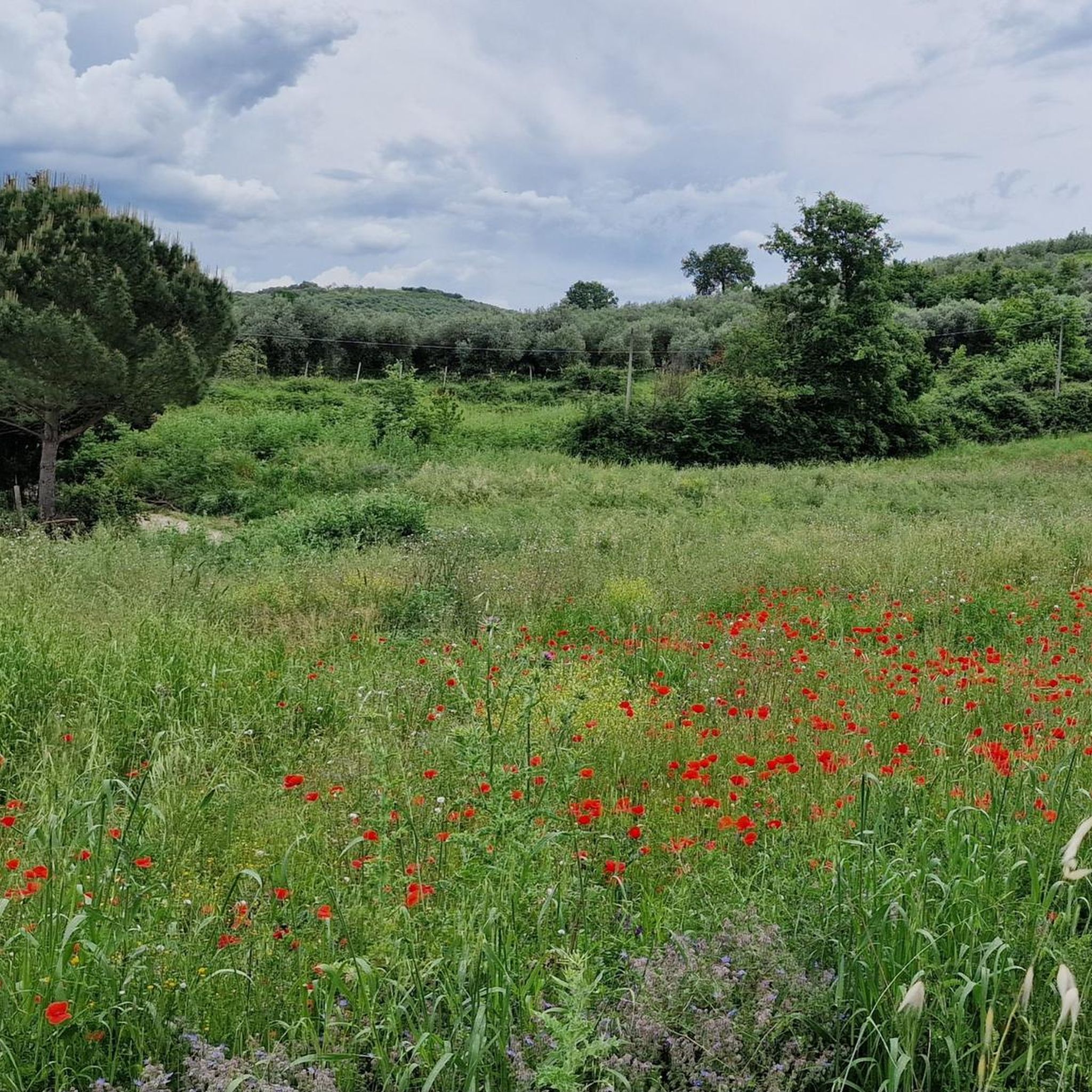
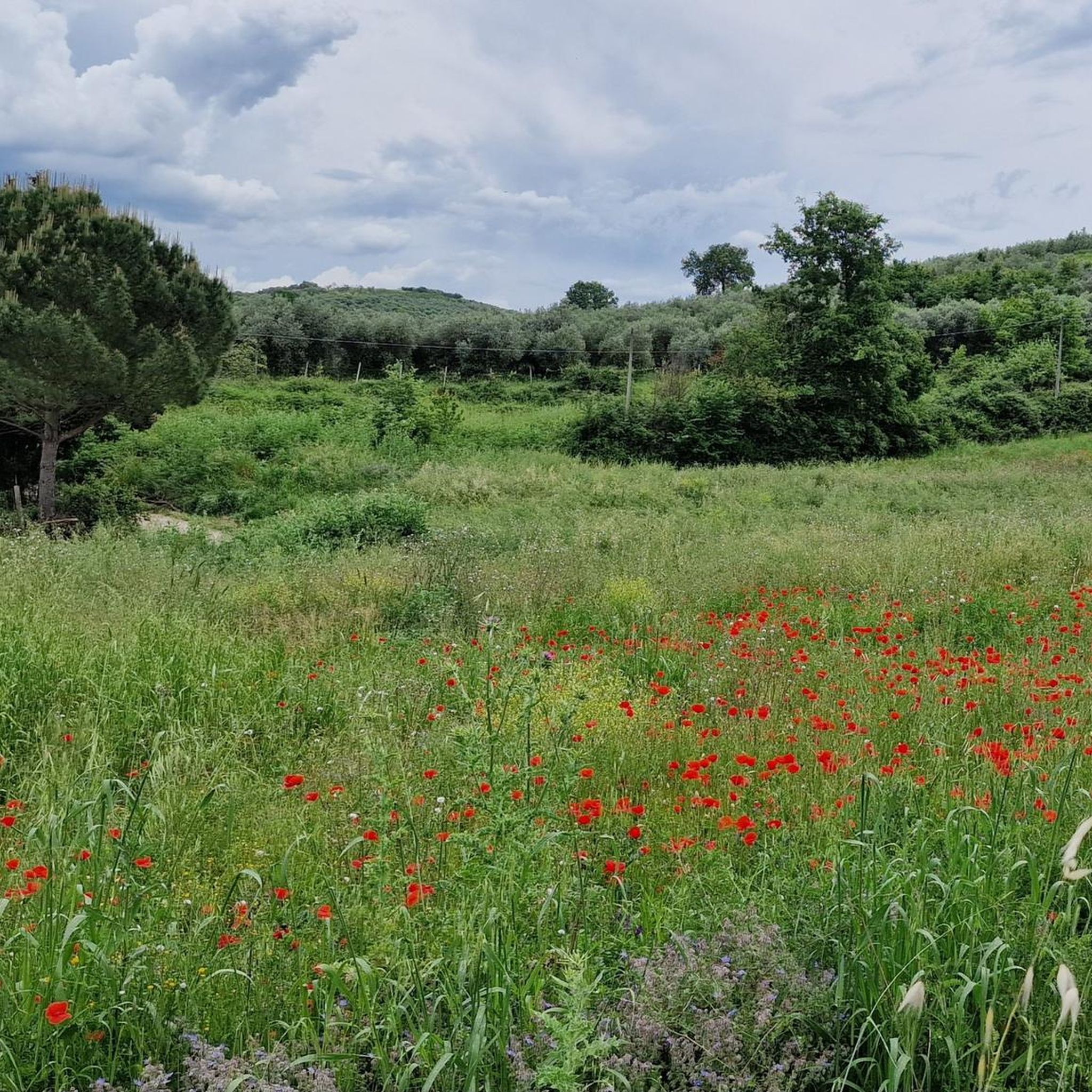
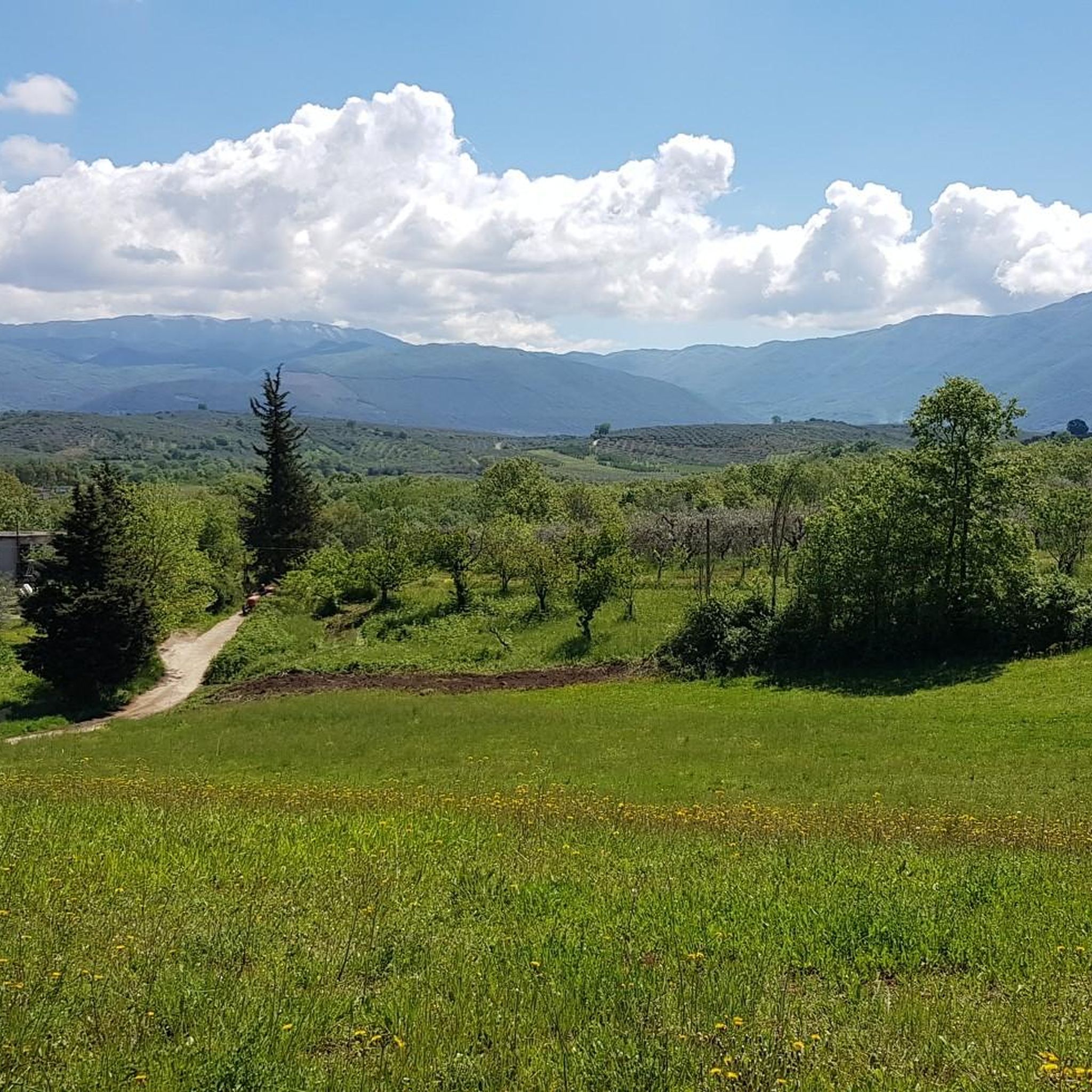
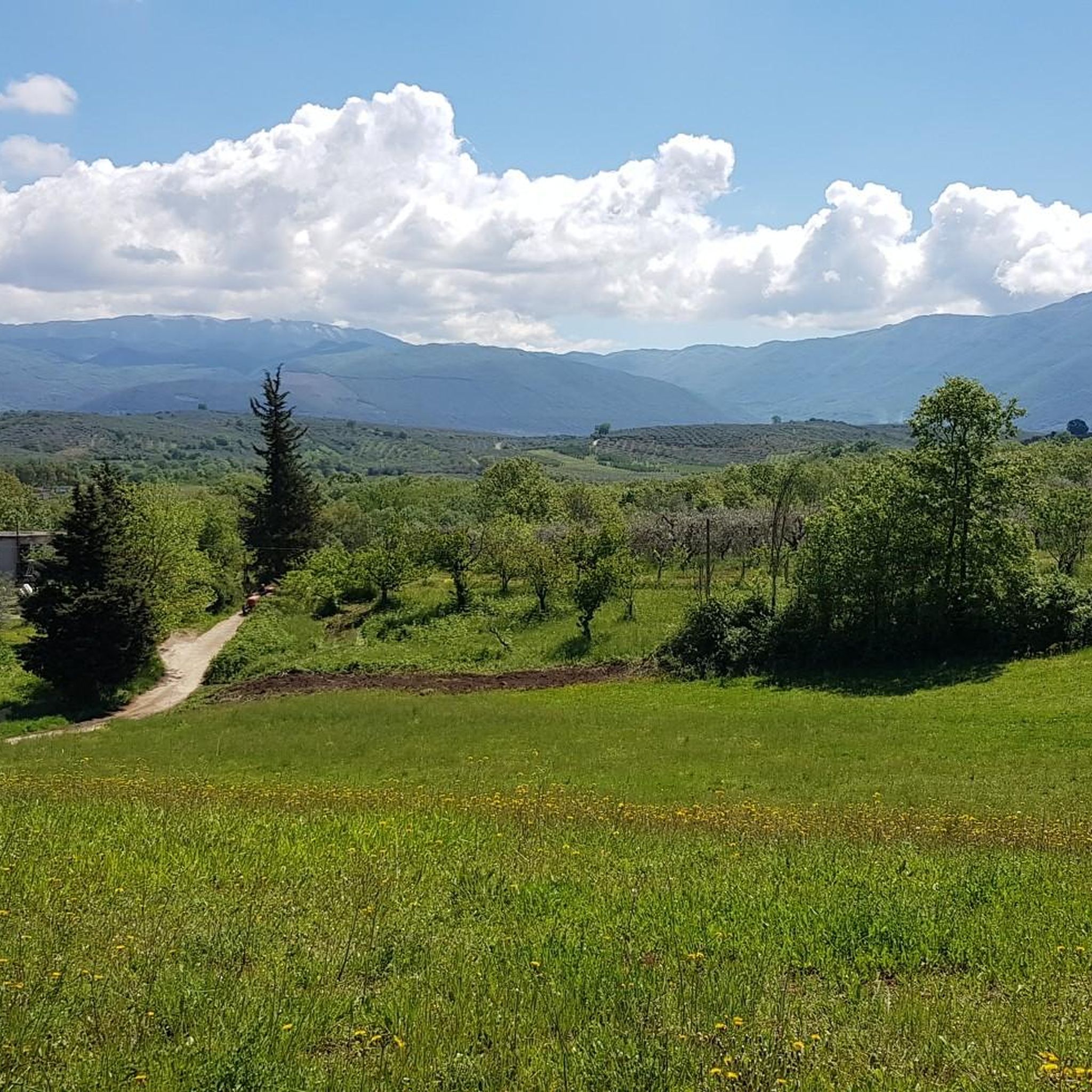
Tips from the Community

Beautiful village with an abbey that is worth a visit. From Fara Sabina there is a very long singletrack that is very fun to do only by MTB
0
0

The nature reserve extends over about a thousand hectares between the Tiber Valley and the Cornicolani Mountains, in the Roman Sabina. The landscape is hilly, with pasture areas, crops and fragments of woods, remnants of the original forests. The area is known for its botanical value and for karst phenomena such as caves and sinkholes, including the Pozzo del Merro, one of the deepest in the world. The reserve also preserves historical evidence, from prehistory to the Middle Ages.
1
0

Suggestive to say the least, very low grass and populated by cows and horses. An excellent refreshment point before the summit!
0
1


Mount Guardia, or La Guardia, is the least known peak of the Lucretili mountains, perhaps due to its more secluded position compared to the nearby Pellecchia and Gennaro. The routes to reach this peak are longer than those to other areas of the park, but the view from here is worth all the effort.
3
0

Pizzo Pellecchia, with its 1330 meters, is the second peak of the Lucretili mountains. Pizzo Pellecchia and the top of Monte Pellecchia are part of the same wide mountain ridge and for this reason they have the same name. The name Pellecchia, in fact, derives from "penniculus" (pen), to indicate a place located on a steep hill.
1
0
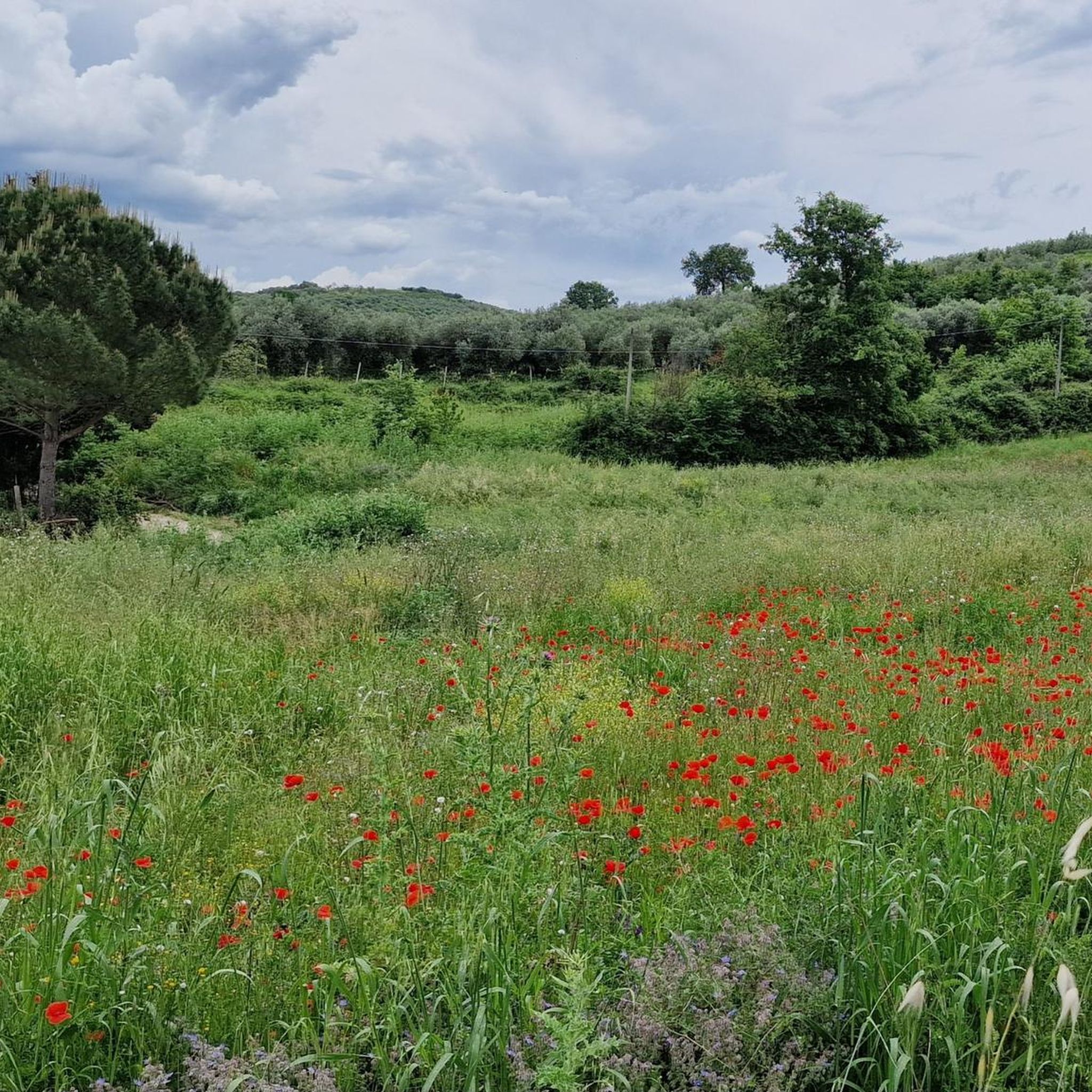
Large grassy clearing of karst nature, one kilometer long and about 500 meters wide. For hundreds of years it has been the destination of the transhumance of local shepherds. Today you can admire horses and cows grazing in the wild.
1
0

The Farfa abbey takes its name from the river of the same name (the Farfarus of Ovid) which flows nearby. The abbey is a monastery attributable to the Benedictine congregation.
1
0
Frequently Asked Questions
What unique natural features can I explore near Moricone?
Beyond the well-known summits, you can discover the intriguing Pozzo Fornillo, a karstic cave famous for the cloudy wisps of steam that rise from it during winter, offering a truly unique geological spectacle. Another notable feature is the Ponte del Diavolo (Devil's Bridge) near the Casoli spring, an impressive landmark that blends historical grandeur with the natural landscape.
Are there any natural reserves or protected areas in the vicinity?
Yes, the Gattaceca and Barco Nature Reserve is a significant protected area extending over about a thousand hectares between the Tiber Valley and the Cornicolani Mountains. It's known for its botanical value, karst phenomena like caves and sinkholes (including the Pozzo del Merro), and historical evidence from prehistory to the Middle Ages. You can learn more about it here.
What are some family-friendly natural monuments to visit around Moricone?
For families, the Monte Gennaro Meadow is an excellent choice. This large, grassy clearing of karst nature is perfect for picnics and observing grazing horses and cows. The Abbey of Farfa, while a religious building, is also listed as family-friendly and offers a pleasant village setting surrounded by greenery.
Where can I find panoramic views of the Lucretili Mountains?
For breathtaking panoramic views, consider hiking to Pizzo Pellecchia, the second highest peak of the Lucretili mountains at 1330 meters. Its panoramic ridge offers expansive vistas. Another rewarding option, though with longer routes, is Monte Guardia, which at 1185 meters provides spectacular views despite its more secluded position.
What outdoor activities can I do near these natural monuments?
The area around Moricone, situated within the Natural Regional Park of the Lucretili Mountains, offers diverse opportunities for outdoor activities. You can find numerous routes for gravel biking, road cycling, and mountain biking. For detailed routes and guides, explore options like Gravel biking around Moricone, Road Cycling Routes around Moricone, and MTB Trails around Moricone.
Are there historical sites connected to the natural landscape?
Yes, the Abbey of Farfa is a significant historical and religious site nestled in a beautiful natural setting. Additionally, the Ponte del Diavolo (Devil's Bridge) near the Casoli spring is an impressive landmark with historical connotations, often associated with ancient or medieval construction in dramatic natural environments. The Gattaceca and Barco Nature Reserve also preserves historical evidence from prehistory to the Middle Ages.
When is the best time of year to visit the natural monuments around Moricone?
The best time to visit depends on your interests. If you want to witness the unique cloudy wisps of steam rising from Pozzo Fornillo, winter is the ideal season. For those interested in flora, May is a great time to visit Pizzo Pellecchia to observe the blooming of irises along its ridge. Generally, spring and autumn offer pleasant temperatures for hiking and exploring the mountainous terrain.
What kind of terrain can I expect when exploring the Lucretili Mountains?
The Natural Regional Park of the Lucretili Mountains, where Moricone is located, is characterized by diverse mountainous terrain. You'll encounter karstic features, including large grassy clearings like Monte Gennaro Meadow, and geological formations such as caves and sinkholes. Summits like Pizzo Pellecchia and Monte Guardia involve ascents, with some routes being more challenging and secluded.
Can I spot any wildlife or unique flora in the area?
The Natural Regional Park of the Lucretili Mountains and areas like the Gattaceca and Barco Nature Reserve are rich in biodiversity. The Monte Gennaro Meadow is home to grazing horses and cows. The Gattaceca and Barco Nature Reserve is particularly noted for its botanical value. In May, you can observe the blooming of irises around Pizzo Pellecchia.
What do visitors particularly enjoy about the natural monuments around Moricone?
Visitors appreciate the diverse natural landscape, from the unique geological phenomena like the karstic features and caves to the expansive views from the summits. The presence of grazing animals in meadows like Monte Gennaro Meadow adds to the charm. The blend of natural intrigue and historical connections, such as the impressive Ponte del Diavolo, also makes the area a rewarding destination for exploration.
Are there any natural monuments that are less frequented but still offer great experiences?
Yes, Monte Guardia is considered the least known peak of the Lucretili mountains due to its more secluded position. While the routes to reach it are longer, the views from this 1185-meter summit are highly rewarding for those seeking a quieter, more challenging experience.
Most popular routes around Moricone
Most popular attractions around Moricone

Get inspired with the komoot mobile app


Explore more
Extend your search for the best caves by checking out these guides of the top ones around Moricone:
