Top 8 Natural Monuments around Tuscania
Best natural monuments around Tuscania are found in the Lazio region of Italy, characterized by its tufa rock formations and rolling hills. The area is known for its unique blend of natural landscapes and historical significance, particularly its Etruscan necropolises and ancient settlements integrated into the environment. The landscape features dramatic tufa gorges carved by streams, offering a distinctive natural setting. This region provides a variety of natural sites for exploration.
Best natural monuments around Tuscania
- The most popular natural…
Last updated: June 28, 2026
Etruscan Necropolis of Monterozzi (Tarquinia)
Highlight • Historical Site
Since 2004, …
Translated by Google •
Tip by

Etruscan Necropolis of Monterozzi
Highlight • Historical Site
Translated by Google •
Tip by

Sign up now to discover places like this
Get recommendations on the best single tracks, peaks, & plenty of other exciting outdoor places.
Sign up for free
Norchia Necropolis
Highlight • Historical Site
Translated by Google •
Tip by

View of Bisentina Island, Lake Bolsena
Highlight • Viewpoint
Translated by Google •
Tip by

Lago di Pellicone
Highlight • Lake
Translated by Google •
Tip by

Sign up for free to discover even more natural monuments around Tuscania.
Sign up for free
Already have an account?
Start today with a free account
Your next adventure awaits.
Login or Signup

Tips from the Community

Lago di Bolsena is the largest volcanic lake (crater lake) in Europe. The lake lies in the previously volcanically active zone of the so-called Apparato Vulsinio. It fills a caldera that was formed by the collapse of underground magma chambers following powerful, explosive volcanic eruptions, an estimated 300,000 years ago
2
1

The original Etruscan name of the city of Norchia is unknown, but it probably resembled "Orcla", as attested by early medieval forms. The settlement occupied a narrow plateau at the intersection of the Pile and Acqualta ditches, with the Biedano stream. The only access route was the Via Clodia, which crossed the hill and overcame the Biedano via a three-arched bridge, now in ruins. To go back towards Tuscania, the Via Clodia was cut into the tuffaceous walls in an area called Cava Buia. This segment of the road, dating back to Roman times, is still today one of the most fascinating and uncontaminated landscapes of the hinterland of southern Etruria.
1
0

The Etruscan necropolis of Tarquinia is located on the Monterozzi plateau, so called due to the presence of mounds in the form of small mounds of earth. Listed by Unesco as a World Heritage Site, you can visit 22 tombs dating back to the 7th century BC.
1
0

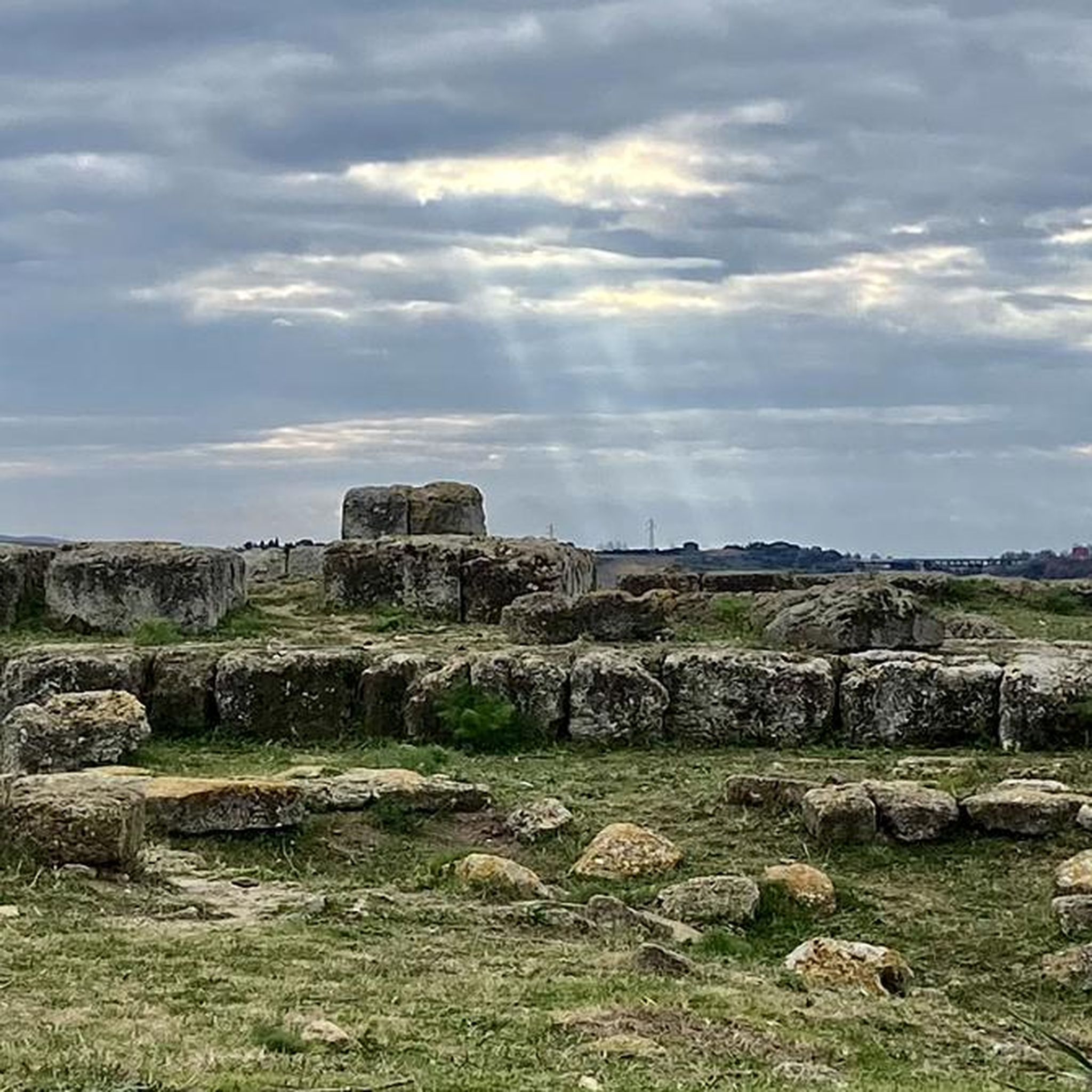
There are many tombs found in this area. All prior to the Roman imperial age, they represent one of the largest examples of Etruscan art and ancient painting. Since 2004, the Monterozzi necropolis has become part of the UNESCO list of world heritage sites.
2
0

A truly special place, the photos don't do it justice. Uncrowded and clean, we hope it always stays that way.
0
0

Necropolis of a village dating back to the Bronze Age, one of the most important centers of Etruria
0
0

UNESCO World Heritage Very many underground tombs, all can be viewed by stairs. https://necropoliditarquinia.it
2
0
Frequently Asked Questions
What are the most prominent natural monuments to visit around Tuscania?
The region around Tuscania is rich in natural monuments, often intertwined with historical sites. Key natural features include the dramatic tufa gorges and volcanic lakes. Notable spots include the View of Bisentina Island, Lake Bolsena, which offers panoramic views of Europe's largest volcanic lake, and Lago di Pellicone, known for its pristine natural environment. The Marturanum Regional Park is also a significant area, blending unique natural landscapes with Etruscan archaeological treasures.
Are there family-friendly natural sites near Tuscania?
Yes, several natural monuments around Tuscania are suitable for families. View of Bisentina Island, Lake Bolsena and Lake Bolsena itself are considered family-friendly, offering opportunities to enjoy the lake and its surroundings. The Marturanum Regional Park also has trails that can be adapted for various family activity levels, allowing for exploration of both nature and history.
What kind of natural features can I expect to see in the Tuscania area?
Tuscania's natural landscape is primarily defined by its distinctive tufa rock formations, which have been sculpted by water over centuries into spectacular gorges and canyons. You'll also find volcanic lakes, such as Lake Bolsena, and lush vegetation. The area's volcanic origins are evident in the tufa rock walls and the overall geological structure, creating a unique and dramatic environment.
What historical or cultural sites are integrated with the natural monuments?
The natural monuments around Tuscania are deeply intertwined with ancient history. The Marturanum Regional Park, often called 'The Park of the Etruscans,' features numerous Etruscan necropolises and ancient settlements carved directly into the tufa rock. Specific examples include the Norchia Necropolis and the Etruscan Necropolis of Monterozzi (Tarquinia), both showcasing tombs integrated into the natural tufa walls. The ancient Roman Ponte del Diavolo within Marturanum also blends historical engineering with a natural setting.
What outdoor activities can I do near these natural monuments?
The area around Tuscania offers various outdoor activities, particularly hiking, running, and cycling. You can explore the tufa gorges and ancient paths within the Marturanum Regional Park. For more structured routes, consider the running trails around Tuscania, which include loops like the Ancient Via Clodia. There are also options for gravel biking and road cycling routes that take you through the scenic countryside and past many natural and historical points of interest.
What is the best time of year to visit the natural monuments around Tuscania?
The best time to visit the natural monuments around Tuscania is typically during the spring (April to June) and autumn (September to October). During these seasons, the weather is pleasant for hiking and exploring, with comfortable temperatures and lush landscapes. Summer can be quite hot, while winter might bring cooler temperatures and occasional rain, though some sites remain accessible year-round.
Are there any specific natural highlights within Marturanum Regional Park?
Within the Marturanum Regional Park, you can discover several natural highlights. The park is characterized by its dramatic tufa gorges carved by streams, offering a unique geological experience. The Waterfall of La Mola (Cascata della Mola) is a picturesque spot within this tufa landscape, adding dynamic beauty to the park's serene environment. The park's trails also lead to impressive rock-cut tombs hidden within these gorges.
What kind of wildlife can be observed in the natural areas around Tuscania?
The diverse ecosystems within areas like the Marturanum Regional Park support a variety of wildlife. You might encounter rare amphibian species, such as the spectacled salamander, and various nesting birds. The park is also home to diverse flora, including the zerinzia butterfly, making it a rich area for nature observation.
Are the natural monuments around Tuscania accessible by public transport?
While Tuscania itself is accessible, reaching some of the more remote natural monuments and trailheads often requires private transportation. Public transport options to the immediate vicinity of all natural areas may be limited. It's advisable to check local bus schedules or consider renting a car for greater flexibility when planning to visit specific sites like the Marturanum Regional Park or more distant necropolises.
What do visitors enjoy most about the natural monuments in this region?
Visitors frequently appreciate the unique blend of natural beauty and profound historical significance. The integration of ancient Etruscan sites within the dramatic tufa landscapes creates a truly evocative experience. The panoramic views, the pristine nature of places like Lago di Pellicone, and the opportunity to explore untouched nature alongside significant archaeological treasures are often highlighted as key attractions.
Are there dog-friendly trails or natural monuments in the Tuscania area?
Many natural areas and trails around Tuscania are dog-friendly, especially within the Marturanum Regional Park, where you can explore the gorges and ancient paths with your canine companion. When visiting specific sites or protected areas, it's always best to keep dogs on a leash and ensure you clean up after them. Always check local regulations for any specific restrictions.
Where can I find cafes or accommodation near the natural monuments?
Tuscania itself offers a range of cafes, restaurants, and accommodation options. For natural monuments further afield, such as those within the Marturanum Regional Park or near Lake Bolsena, you'll find amenities in nearby towns and villages. It's recommended to plan your visits to coincide with stops in these towns for refreshments and lodging, as facilities directly at the natural sites can be limited.
Most popular routes around Tuscania
Most popular attractions around Tuscania

Get inspired with the komoot mobile app


Explore more
Extend your search for the best caves by checking out these guides of the top ones around Tuscania:
