Top 20 Natural Monuments around Velo Veronese
Best natural monuments around Velo Veronese are found within the Lessinia Natural Park, a region characterized by unique geological formations and historical significance. This area showcases a blend of natural features and insights into prehistoric life. The landscape is dominated by karstic features, including natural bridges, caves, and sinkholes. These sites offer opportunities to explore the geological history and natural beauty of the Veneto foothills.
Best natural monuments around Velo Veronese
- The most popular natural monument is Veja Bridge,…
Last updated: October 1, 2026
Veja Bridge
Highlight • Natural Monument
Translated by Google •
Tip by

Valley of the Sphinxes
Highlight • Natural Monument
Translated by Google •
Tip by

Sign up now to discover places like this
Get recommendations on the best single tracks, peaks, & plenty of other exciting outdoor places.
Papalini Waterfall
Highlight • Waterfall
Translated by Google •
Tip by

Lessinia Plateau
Highlight • Natural
Translated by Google •
Tip by

Trail of the Great Trees
Highlight (Segment) • Trail
Translated by Google •
Tip by

Sign up for free to discover even more natural monuments around Velo Veronese.
Already have an account?
Start today with a free account
Your next adventure awaits.


Tips from the Community

The Cascata dei Papalini suddenly appears in a small clearing in the heart of the forest, along the path: over time the falling water has formed a columnar deposit of gray limestone that descends like a drape and that partly acts as a springboard for the jet. But the peculiarity and spectacular nature of this waterfall is the possibility of seeing it even from behind the scenes: in fact, by climbing to the left on a short but steep path, you reach a natural roof of the rock from which you can observe the forest below through the curtain of water, without getting wet! The passage is not protected and is wet, so you need to pay particular attention. Like all torrential waterfalls, it is not always full and active: you need to look for the right period, perhaps after heavy rains, to visit it in all its thunderous splendor.
1
0

The "Vajo del Bruto" or Valle delle Buse di Sopra, more simply known as the Valle delle Sfingi, is located in the contrada del Brutto or malga Buse di Sotto in Camposilvano. It is a particular valley, about 800 meters long, which has large monoliths regularly spaced from each other and which recall the Egyptian sphinxes, from which it takes its name. These particular rocks are the result of the karst erosion of two different rock formations, the Rosso Ammonitico and the Oolite di San Vigilio. The Valle delle Sfingi is a magical place, full of stories and legends, such as the one linked to the particular mushroom-shaped rock, also known as "el sengio de l'orco". According to tradition, in fact, this mushroom was brought here by an ogre to allow the fade (magical creatures) to tie a rope end to it to hang out the laundry. Or like the "Fò della Pace", a large tree isolated from the others and so called because under its shade disputes were resolved and contracts were drawn up.
0
0


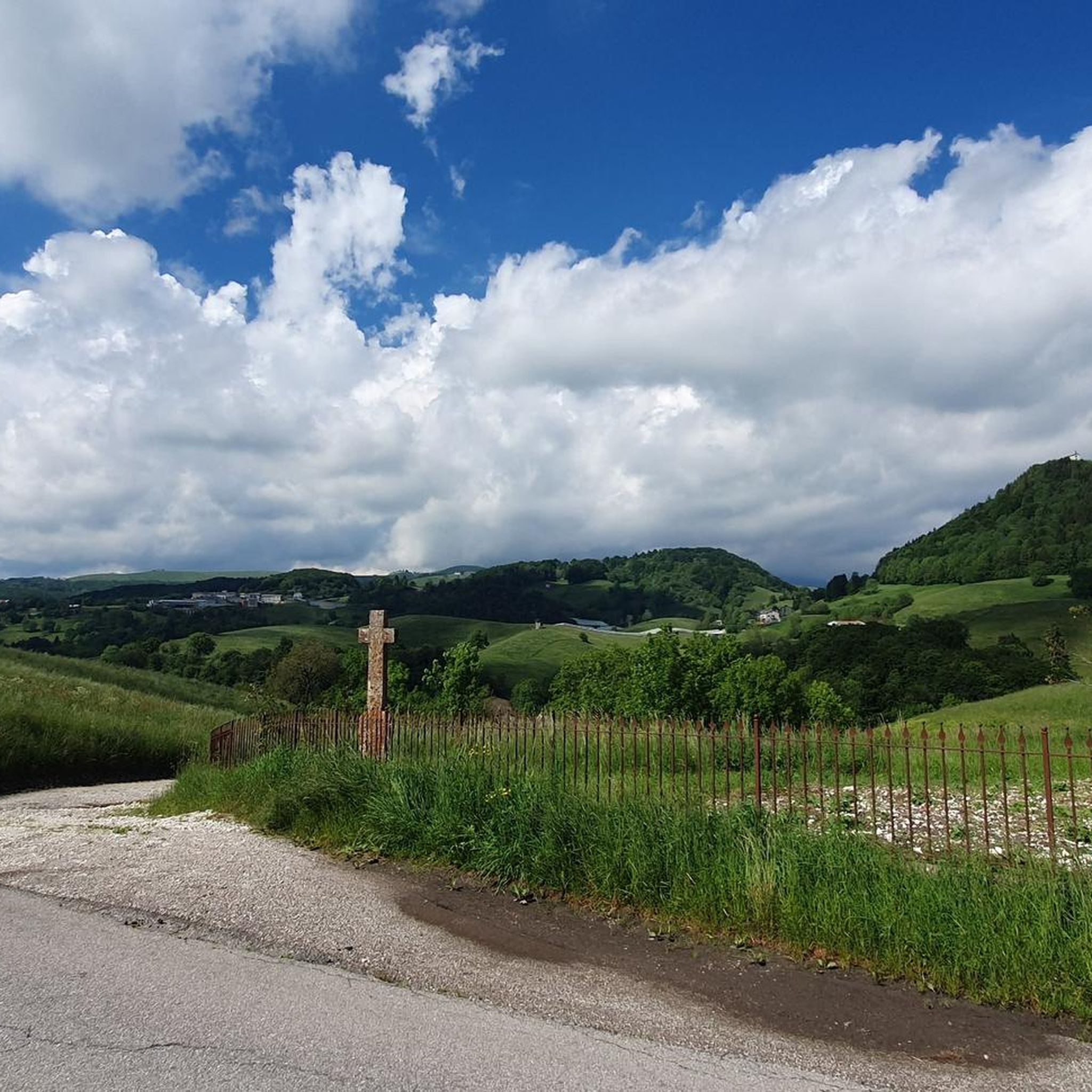
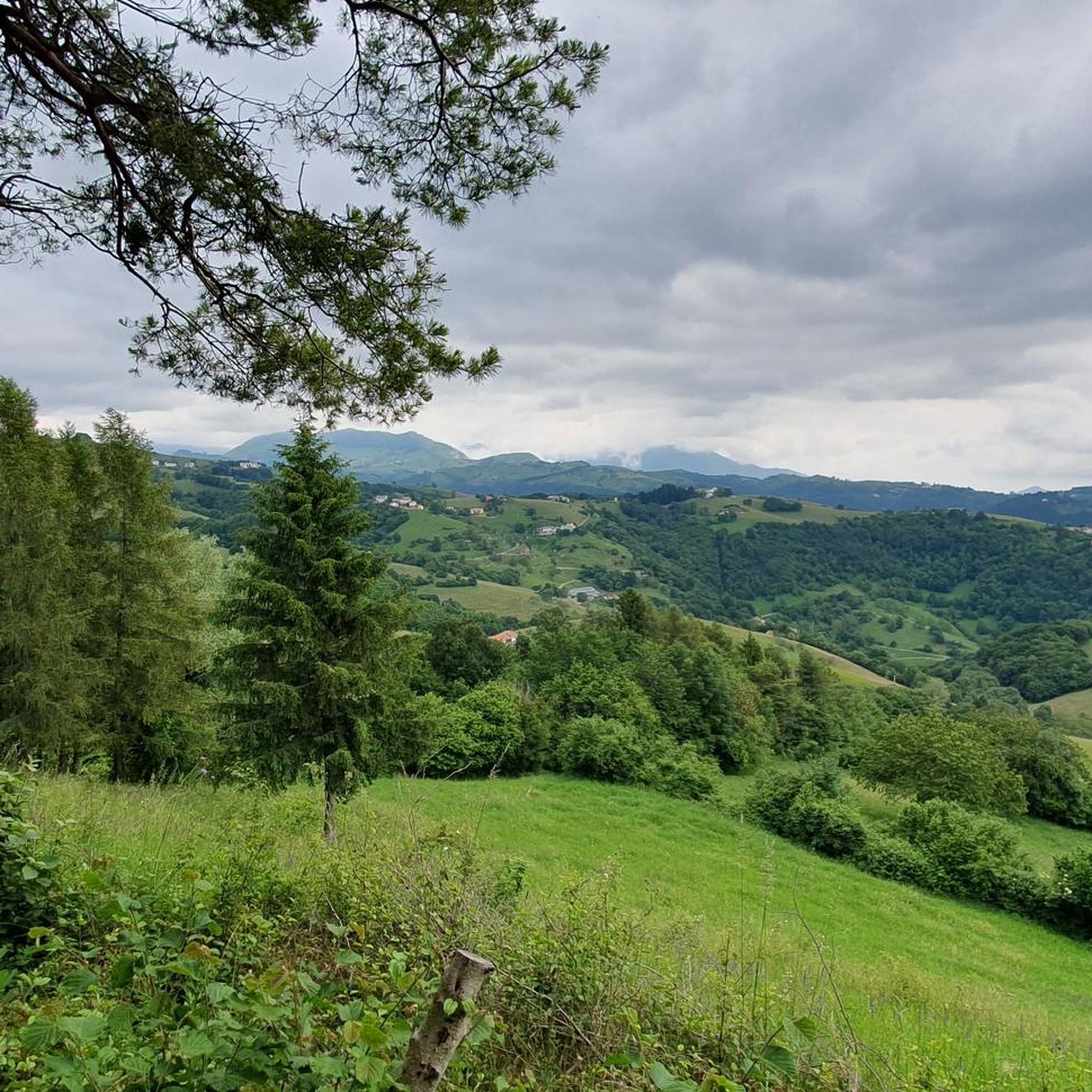
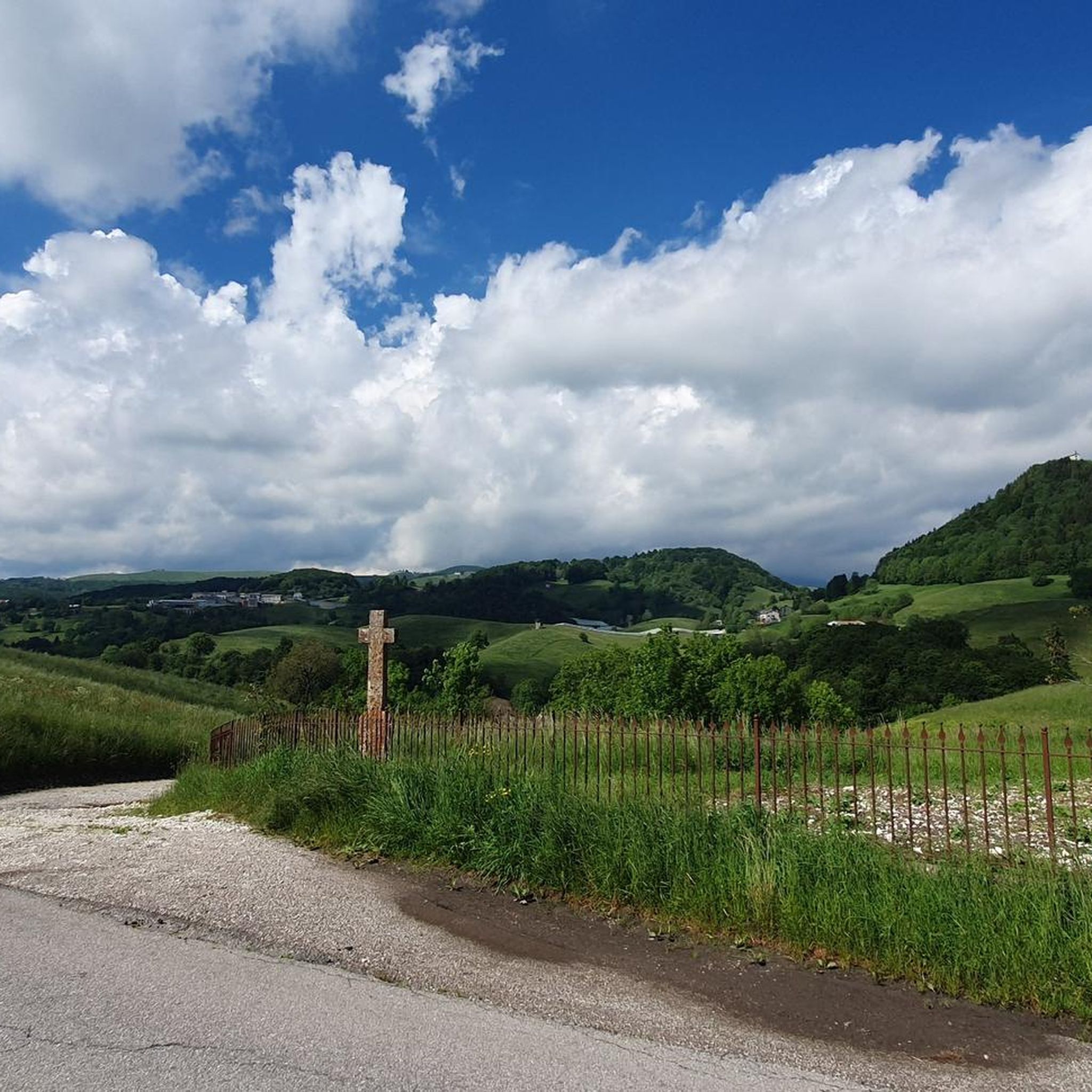
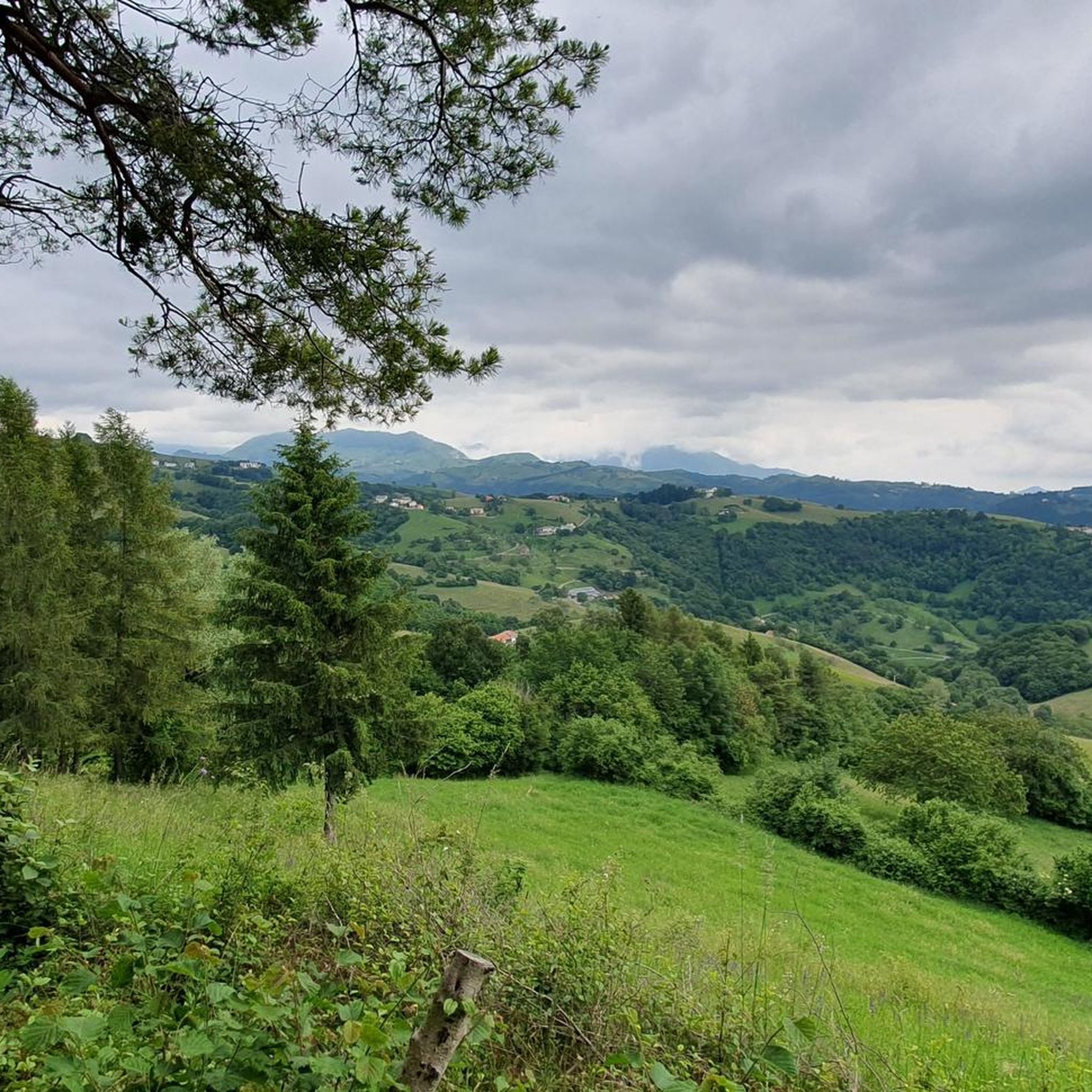
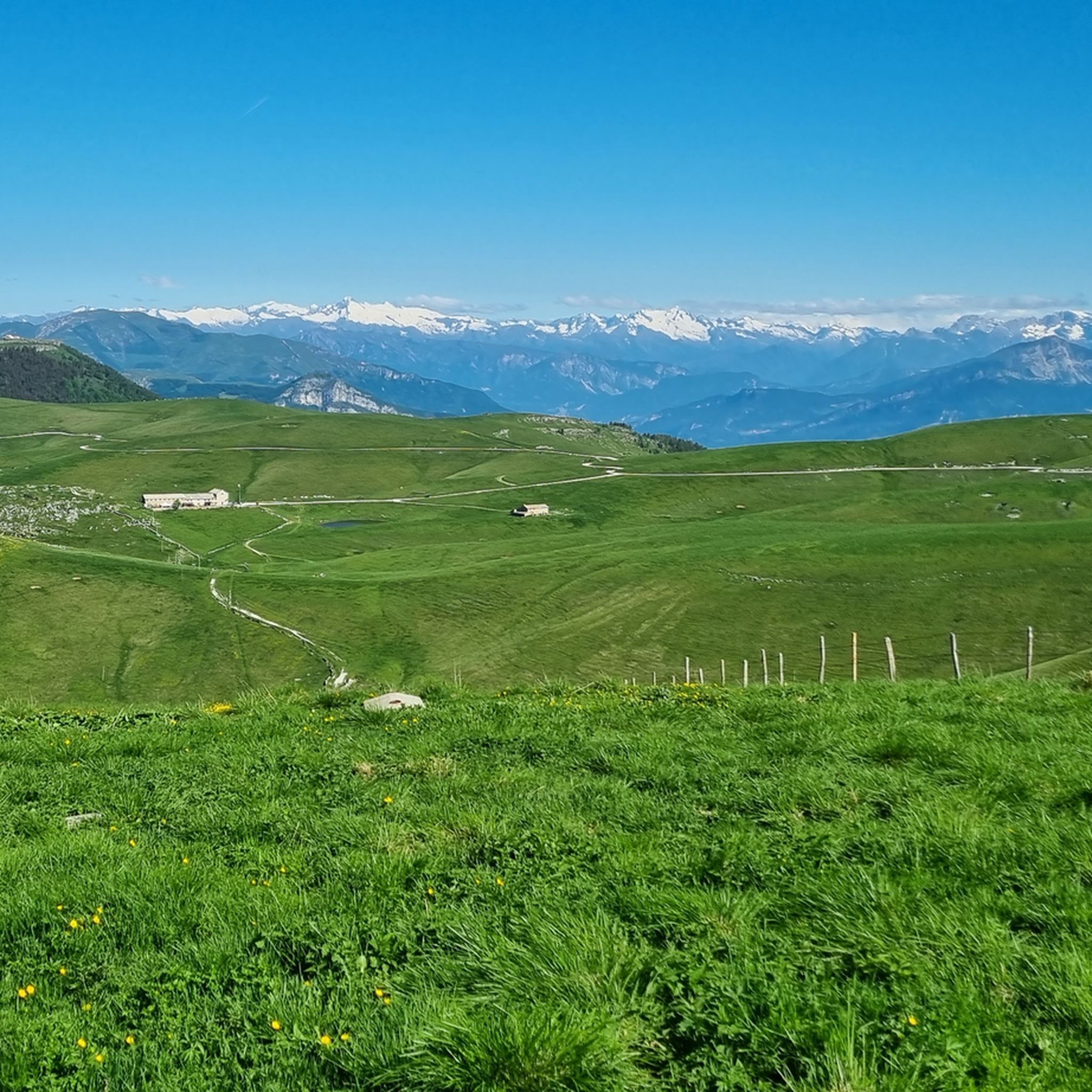
Lessinia, or Monti Lessini, is a plateau and an Alpine supergroup located mainly in the province of Verona and partially in the provinces of Vicenza and Trento. A part of the Lessini territory constitutes the Lessinia Regional Natural Park. It borders to the north with the Val di Ronchi and the Carega Group, to the east with the Val Leogra, to the south with the Adige and the upper Veronese plain and to the west with the Val Lagarina. Its peaks reach an altitude between 1500 and 1800 m above sea level. https://it.wikipedia.org/wiki/Lessinia
0
0

Beautiful waterfall, it looks like a face with one eye, a big nose and teeth😊
1
0

Very suggestive place due to the presence of these rock formations, typical of Lessinia (they are also seen in other parts but here they are concentrated in a particular way, with the formations that stand out from the ground giving the idea of the Sphinxes)
0
0

The Papalini waterfall is a small waterfall in the middle of the woods, it deserves to be seen
0
0
The Trail of the Big Trees winds through a breathtaking landscape: the quiet and gentle Montagnole Plateau at the foot of the rugged Tre Croci mountain range. It offers wide pastures, small mountain lakes and alpine pools, ancient mountain huts, views of the Piccole Dolomiti... and of course, as the name suggests, a plethora of majestic, ancient trees: beech, ash, lime, and many other species. Information panels describe the most impressive trees encountered and other points of interest related to ancient mountain life. The complete and official trail, which passes all the numbered panels, begins at the disused Chalet di Recoaro Mille and ends at the Rifugio Battisti. The first section, however, offers little, is expendable and forgotten. It can be significantly shortened, both in length and elevation gain, by choosing various starting points (the figures are approximate and refer to the total round trip): • from Recoaro Mille (full route), 22km 710m elevation gain; • from Pizzegora (large parking lot), 17km 580m elevation gain; • from the Malga Sebe curve (small parking lot), 14km 510m elevation gain; • from Trattoria La Gabiola or Casare Asnicar 12km 440m elevation gain. The latter is the shortest and most popular option, ideal for families: it's the segment indicated in the highlight. The route is not very well indicated: the map on the panel is very stylized, and a couple of forks in the road can confuse hikers. In particular, at Malga Morando, you can choose whether to continue on the forest road to the right or to ascend the path on the left that passes near the 'giàsara'. Further on, at Malga Rove Alta, you can choose the lower route to the right, easier and suitable for mountain bikes, which follows a wide dirt forest road with ups and downs and finally climbs onto a paved road. Alternatively, you can choose the higher route to the left, which immediately climbs to altitude and then continues flat at the foot of Mount Zevola, crossing a couple of gravel ruts caused by landslides. Ultimately, all roads lead to the Battisti Refuge: we recommend diversifying your outward and return routes to explore all the alternatives. This is a popular weekend hike throughout the year due to its easy accessibility, from spring blossoms to winter snowshoe hikes. It's especially a must for autumn foliage lovers, due to the variety and spectacular nature of the trees.
1
0
Frequently Asked Questions
What are some of the most impressive natural monuments to visit around Velo Veronese?
The region boasts several remarkable natural monuments. The Veja Bridge is a must-see, an immense natural arch with archaeological significance. Another impressive site is the Covolo Camposilvano, known as the largest karst cave in the Veneto foothills, featuring unique geological formations. The Valley of the Sphinxes also offers a unique landscape with large, regularly spaced monoliths.
Are there natural monuments suitable for families with children?
Yes, several natural monuments are family-friendly. The Veja Bridge is easily accessible and often has a nearby adventure park for children. The Valley of the Sphinxes is also suitable for everyone, with large rocks where families can stop and relax. The Molina Waterfall Park, though a short drive away, offers picturesque scenery and a charming medieval village that can be enjoyed by all ages.
What kind of geological features can I expect to see in the Lessinia Natural Park?
The Lessinia Natural Park is characterized by diverse and special geological features. You'll find landscapes dominated by sinkholes, numerous caves, and natural bridges, all formed by the karstic erosion of limestone rocks. The park is also rich in fossil deposits, offering a glimpse into ancient ecosystems.
Are there any natural monuments with historical or archaeological significance?
Absolutely. The Veja Bridge is not only a geological marvel but also an archaeological site. Prehistoric humans used the caves beneath the bridge as refuge and homes, leaving behind finds like arrowheads and tools. Covolo Camposilvano also shows evidence of ancient human habitation, possibly even before the last ice age.
What outdoor activities can I do near these natural monuments?
The area around Velo Veronese and its natural monuments is excellent for various outdoor activities. You can explore numerous hiking trails, including those leading to the Papalini Waterfall or through the Folignani Forest. For cyclists, there are many road cycling, gravel biking, and general cycling routes available. You can find detailed routes in the guides for Road Cycling around Velo Veronese, Gravel Biking around Velo Veronese, and Cycling around Velo Veronese.
What is the best season to visit the natural monuments in Velo Veronese?
The natural monuments around Velo Veronese can be enjoyed throughout much of the year. Spring and autumn offer pleasant temperatures for hiking and exploring, with vibrant foliage or blooming wildflowers. Summer is also popular, though it can be warmer. Some areas, like the Lessinia Plateau, offer beautiful winter landscapes for those prepared for colder conditions.
Are there any less crowded natural gems to discover?
While popular sites like the Veja Bridge can attract visitors, exploring the wider Lessinia Natural Park offers opportunities to find quieter spots. The Folignani Forest, for example, provides a dense, wild natural environment perfect for immersing yourself in nature away from larger crowds. Many of the numerous caves and sinkholes throughout the park also offer secluded exploration.
Can I bring my dog to the natural monuments?
Many natural areas and trails in the Lessinia Natural Park are dog-friendly, provided dogs are kept on a leash and owners clean up after them. It's always advisable to check specific regulations for individual sites or protected areas before your visit, but generally, the outdoor environment is welcoming to well-behaved pets.
What kind of clothing and gear should I wear for exploring these natural monuments?
For exploring the natural monuments, especially if you plan on hiking or walking, comfortable and sturdy footwear is essential. Layered clothing is recommended as weather can change, particularly at higher elevations on the Lessinia Plateau. Depending on the season, consider bringing rain gear, sun protection, and plenty of water.
Are there any waterfalls to visit in the area?
Yes, the Papalini Waterfall is a beautiful small waterfall located in the middle of the woods, offering the unique opportunity to walk behind its veil of water. Additionally, the Molina Waterfall Park, though a short distance from Velo Veronese, is renowned for its abundant water resources and picturesque waterfalls.
What makes the Lessinia Plateau a significant natural monument?
The Lessinia Plateau is a significant natural monument due to its extensive views and diverse natural features. It forms a substantial part of the Lessinia Regional Natural Park, known for its unique geological characteristics, including karstic formations, and its rich biodiversity. It's a place where you can truly appreciate the vastness and beauty of the region's landscape.
Most popular routes around Velo Veronese
Most popular attractions around Velo Veronese

Get inspired with the komoot mobile app


Explore more
Extend your search for the best caves by checking out these guides of the top ones around Velo Veronese:
