Top 20 Natural Monuments around Bovegno
Best natural monuments around Bovegno are situated within the Val Trompia, a region known for its mountainous terrain and diverse natural landscapes. This area provides numerous trekking routes for exploring its natural wonders, including prominent peaks and historic mountain passes. The environment features a mix of natural and man-made attractions, with the Mella river and varied vegetation defining its pre-alpine character.
Best natural monuments around Bovegno
- The most popular natural monuments is Monument to the Redeemer on Monte Guglielmo,…
Last updated: July 11, 2026
Monument to the Redeemer on Monte Guglielmo
Highlight • Monument
Translated by Google •
Tip by

Passo Crocedomini
Highlight • Mountain Pass
Translated by Google •
Tip by

Sign up now to discover places like this
Get recommendations on the best single tracks, peaks, & plenty of other exciting outdoor places.
Sign up for free
Pass of the Seven Crosses
Highlight • Mountain Pass
Translated by Google •
Tip by

Val Grigna Regional Forest
Highlight • Forest
Translated by Google •
Tip by

Monte Ario
Highlight • Summit
Translated by Google •
Tip by
Sign up for free to discover even more natural monuments around Bovegno.
Sign up for free
Already have an account?
Start today with a free account
Your next adventure awaits.
Login or Signup
Popular around Bovegno
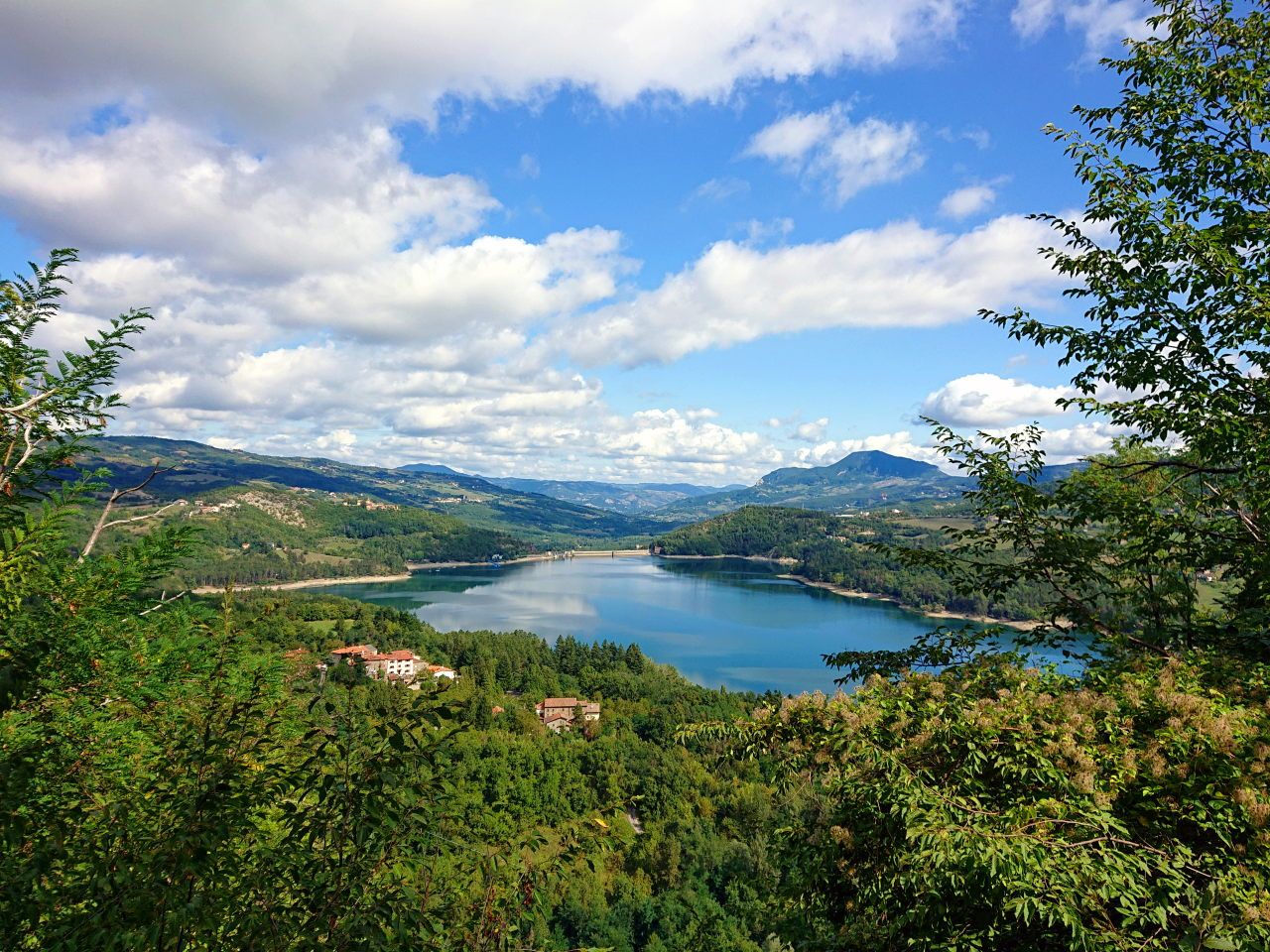
Interiora - A Journey into the Remote Areas of Italy
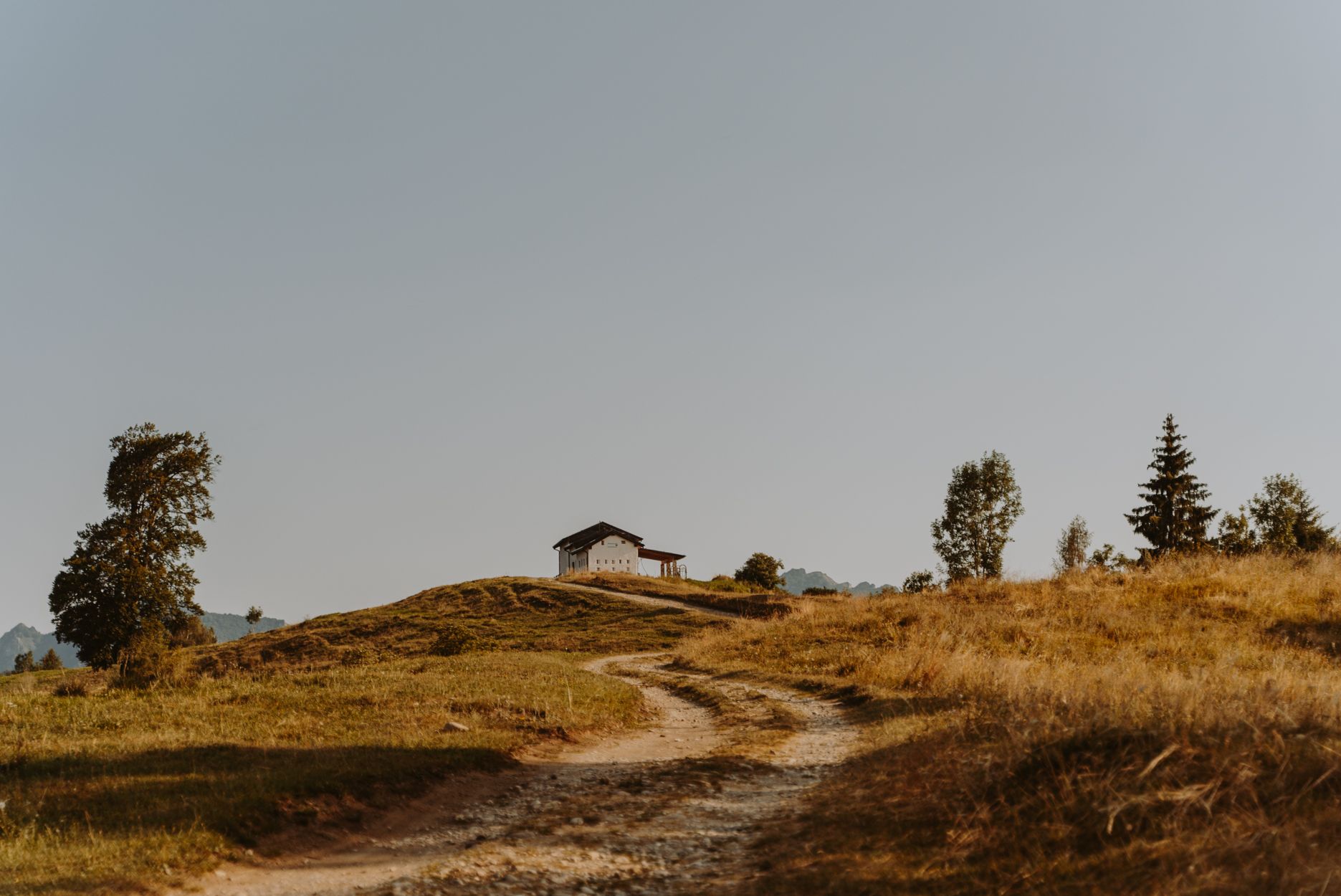
Superb descents and old huts – Italy’s upper Trompia Valley by MTB
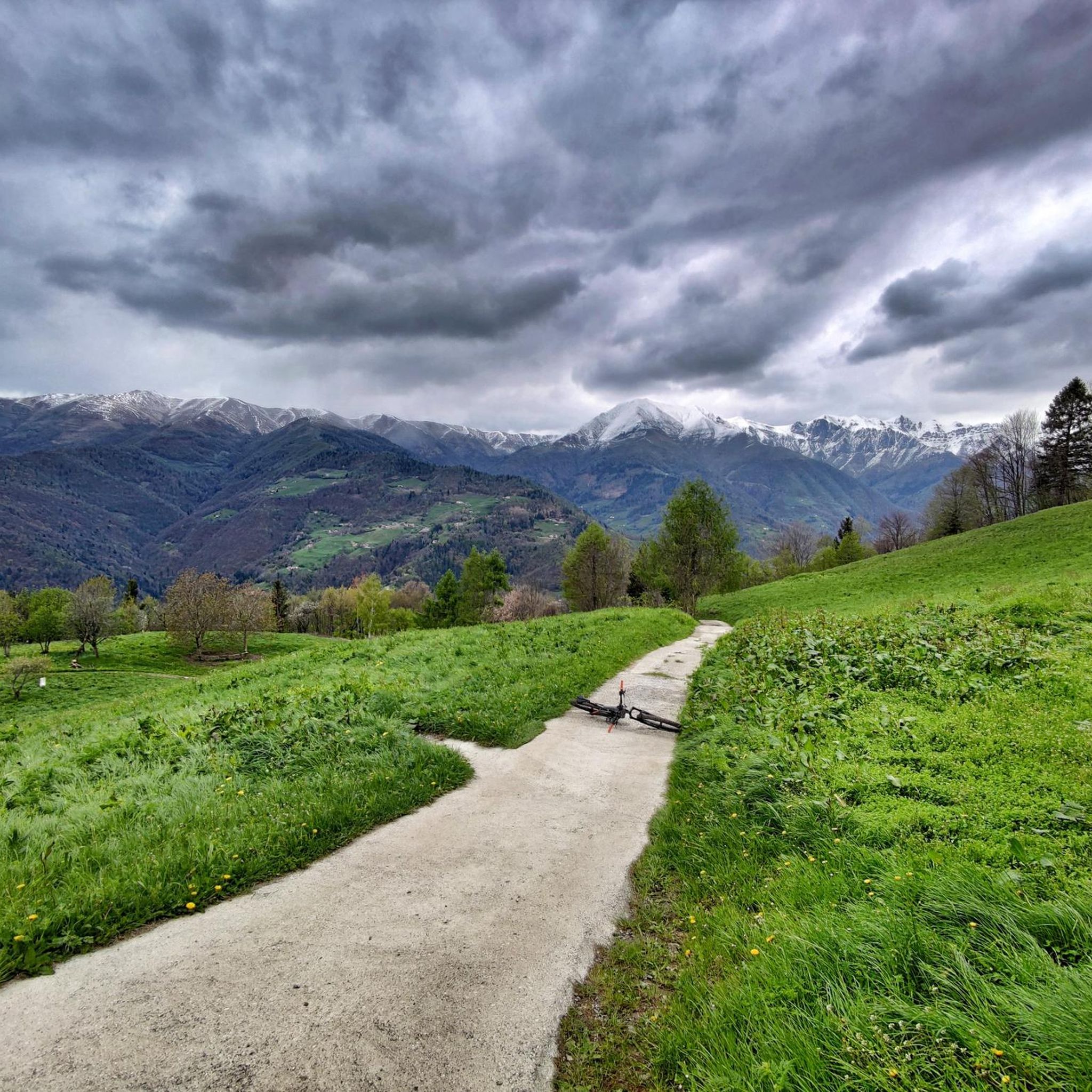
Hiking around Bovegno
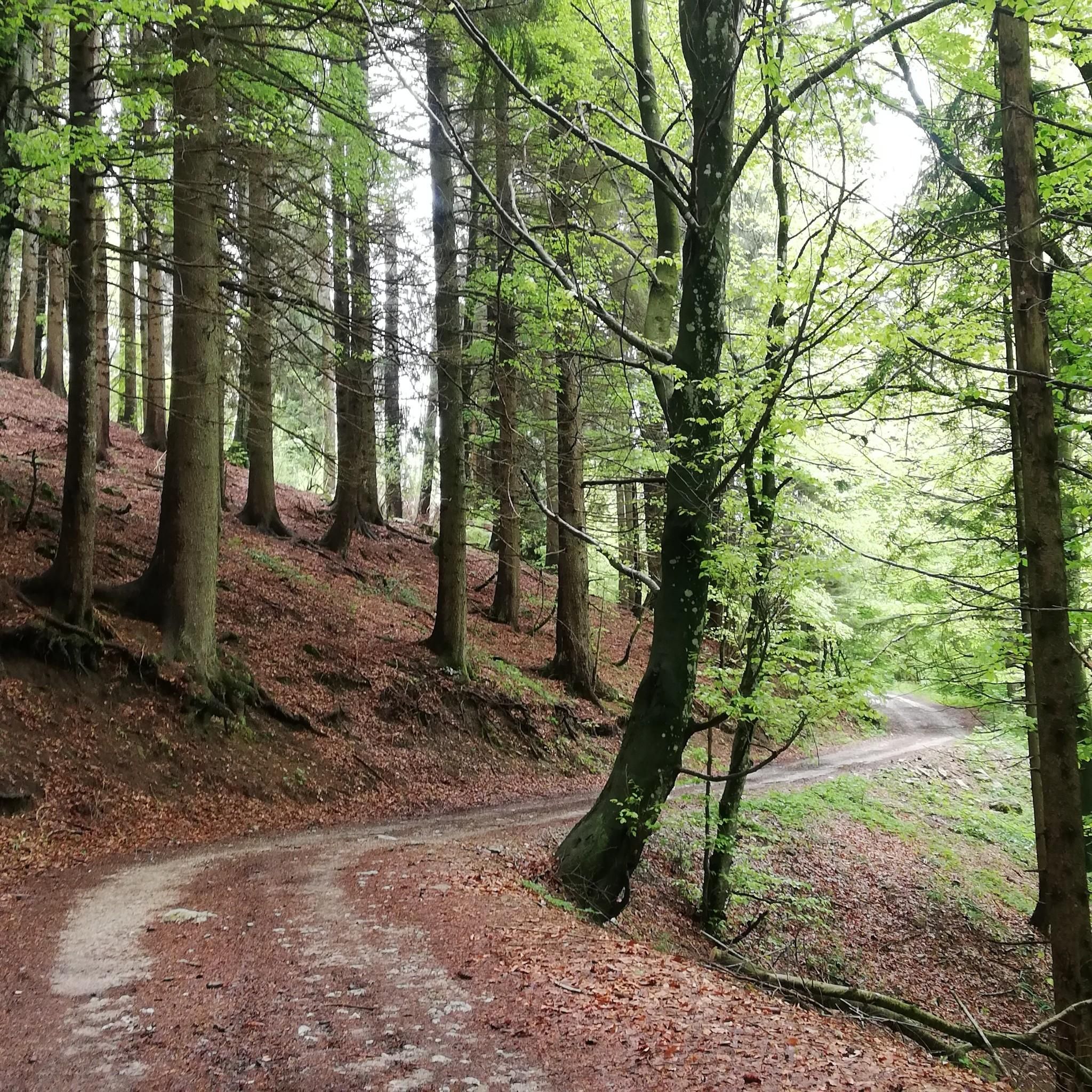
MTB Trails around Bovegno
Road Cycling Routes around Bovegno
Cycling around Bovegno
Running Trails around Bovegno

Gravel biking around Bovegno

Mountain Hikes around Bovegno

Tips from the Community


wonderful view of the valley below
0
0


Guglielmo top
0
0

A famous pass in the Brescian Pre-Alps, the Crocedomini has a very long history (it is said that Emperor Frederick Barbarossa passed through here in the 12th century) and is almost 1,900 meters above sea level. It represents a real challenge for those who decide to tackle it by bicycle: from Bagolino it is a 22 kilometer climb at an average 5%, while the Breno side is even harder, around 20 kilometers at an average 7.5%. You can also get to Crocedomini in a third way, that is, through the splendid partly dirt road (very simple gravel) that comes from the south, from the Maniva pass.
4
0

Iconic place of Monte Guglielmo which represents reaching the top. The monument stands on the summit of Mount Guglielmo, at around 1950 meters above sea level, built right on the mountain at the beginning of the 20th century as one of the twenty (one per century) monuments to the Redeemer erected on the Italian peaks. The works were conducted by the father of the future Pope Paul VI, Giorgio Montini: in 1902 the chapel was inaugurated, twenty meters high with a large iron cross which, subsequently left to fall into ruin, was rebuilt in 1967, at the express wish of Pope Paul YOU. In his memory, in 1998 a bronze statue was placed next to the church.
3
0

This is the Passo delle Sette Crocette! An ancient road between the upper Val Trompia and Val Grigna, with a dry stone wall and seven iron crosses. A 1688 cippus adds to the historic charm. Legends tell of witchcraft and mountain piety linked to tragic events. A fascinating place steeped in history and mystery.
3
1

The Val Grigna Regional Forest covers an area of 2,847.50 hectares, located in the municipalities of Berzo Inferiore, Bienno, Bovegno, Esine and Gianico. It extends from an altitude of 1,000 meters to the summit of Monte Crestoso, which reaches 2,207 metres. The landscape of the area is characterized by spruce fir and larch woods, interspersed with large clearings used as pastures. Much of the forest is in Valle Camonica, but a significant portion of the south-facing pastures extend beyond the watershed, into Valle Trompia. Inside the Forest there are numerous structures, originally linked to alpine farming and cattle grazing. Over time, many of these structures have been restructured to continue to perform their function, while others have been transformed into bivouacs, refuges, agritourisms, environmental education centers and ethnographic museums. Access to the Forest and to the alpine pastures is through some forest roads, but the internal connections are mainly pedestrian, through ancient paths which today also offer considerable excursion interest. Furthermore, the area is crossed by long-distance paths, such as the Tre Valli Bresciane path and the Via dei Silter, which connect the pastures of the Vasta Valgrigna area in a fascinating trek. Hunting is prohibited in the regional forests, but it is possible to spot deer, chamois and black grouse for those with good eyesight or a bit of luck.
1
0
Frequently Asked Questions
What are some highly-rated natural monuments around Bovegno?
Beyond the well-known sites, visitors highly appreciate the Monte Muffetto summit for its spectacular panoramic views of the Orobie mountain range, Adamello massif, and even Lake Sebino. Another significant natural area is the Val Grigna Regional Forest, which offers extensive spruce fir and larch woods, ancient paths, and opportunities for wildlife spotting.
What kind of views can I expect from the natural monuments in the Bovegno area?
The natural monuments around Bovegno are renowned for their breathtaking vistas. From the Monte Muffetto summit, you can enjoy extensive views of the Lombardy mountains, including the Presolana, Adamello massif, and Brenta Dolomites. You can also see Lake Sebino, the Camonica Valley, and the Trompia Valley. The Pass of the Seven Crosses also offers splendid views in all directions, set amidst green meadows and red rocks.
Are there any natural monuments with historical significance near Bovegno?
Yes, the Pass of the Seven Crosses (Passo delle Sette Crocette) is an ancient road connecting Val Trompia and Val Grigna. It features a dry stone wall, seven iron crosses, and a 1688 cippus, all contributing to its historical and mysterious atmosphere, with legends of witchcraft and mountain piety. Additionally, Passo Crocedomini is a historic mountain pass, said to have been traversed by Emperor Frederick Barbarossa in the 12th century.
What outdoor activities can I do near the natural monuments around Bovegno?
The region offers a wide range of outdoor activities. For hiking, you can explore routes like the 'Silter Way - Val Trompia' or the challenging 'Monte Muffetto Summit Trail from Graticelle'. Cyclists can enjoy road cycling routes such as the 'Maniva Pass – Dosso Alto Hotel & Restaurant loop from Bovegno', while gravel biking enthusiasts might try the 'Pass of the Seven Crosses – Maniva Pass loop from Bovegno'. You can find more details on these and other routes in the hiking guide, road cycling guide, and gravel biking guide for Bovegno.
Are there family-friendly trails or activities at the natural monuments?
While specific 'family-friendly' designations for all natural monuments are not always available, the broader Val Trompia region, where Bovegno is located, offers diverse landscapes suitable for various activity levels. The Val Grigna Regional Forest, with its ancient paths and opportunities for spotting deer and chamois, can be a pleasant option for families looking for a nature walk. Always check the difficulty of specific trails before heading out with children.
What is the best time of year to visit the natural monuments around Bovegno?
The best time to visit the natural monuments around Bovegno is generally during the warmer months, from late spring to early autumn (May to October). During this period, the weather is more favorable for hiking and outdoor activities, and the alpine meadows are green with colorful rhododendrons. Winter offers opportunities for snowshoeing or winter hiking, but requires appropriate gear and awareness of weather conditions, especially at higher altitudes like Monte Muffetto or Passo delle Sette Crocette.
Can I spot wildlife at the natural monuments in this region?
Yes, the natural environments around Bovegno offer opportunities for wildlife spotting. In the Val Grigna Regional Forest, hunting is prohibited, increasing your chances of seeing deer, chamois, and black grouse. The area around the Pass of the Seven Crosses is also known for its marmots, adding to the pleasant mountainous environment.
Are there any loop trails available for hiking near these natural monuments?
Yes, there are loop trails that allow for comprehensive exploration. For instance, you can find the 'Monte Stabil and Monte Muffetto Loop from Bovegno', which offers a challenging but rewarding experience around the Monte Muffetto summit. For more options, consult the hiking guide for Bovegno.
What is the 'Sentiero delle Tre Valli Bresciane' and does it pass through any natural monuments?
The 'Sentiero delle Tre Valli Bresciane' (Path of the Three Brescian Valleys) is a long-distance path that connects the diverse landscapes of the region. The Pass of the Seven Crosses is located along this path, offering opportunities for extended trekking and connecting to wider trail networks. The Val Grigna Regional Forest is also crossed by this path, as well as the 'Via dei Silter'.
What makes the Val Trompia region, where Bovegno is located, unique for natural monuments?
Val Trompia is characterized by its mountainous terrain, the Mella river, and diverse vegetation including oaks, hornbeams, and beeches, creating a distinct pre-alpine landscape. It offers a blend of natural and man-made attractions, with numerous trekking routes that allow visitors to admire its natural wonders. The region is home to prominent peaks like Monte Muffetto and historic mountain passes such as the Pass of the Seven Crosses, making it a rich area for natural exploration.
How long should I plan to spend visiting the natural monuments?
The time needed varies greatly depending on the monument and your activity. A visit to a summit like Monte Muffetto or a pass like Passo delle Sette Crocette can range from a half-day hike to a full-day excursion, especially if you combine it with longer trekking routes. Exploring the Val Grigna Regional Forest could also be a multi-hour or full-day activity, depending on the trails you choose. It's best to plan based on the specific route's distance and difficulty.
What do visitors enjoy most about the natural monuments around Bovegno?
Visitors frequently highlight the stunning panoramic views from summits and passes, the tranquility and unspoiled nature, and the rich historical and mysterious charm of sites like the Pass of the Seven Crosses. The variety of hiking opportunities, from challenging alpine climbs to pleasant walks through green meadows, is also a major draw. The komoot community has shared over 230 photos and given more than 300 upvotes, reflecting a strong appreciation for the area's natural beauty and outdoor experiences.
Most popular routes around Bovegno
Most popular attractions around Bovegno

Get inspired with the komoot mobile app


Explore more
Extend your search for the best caves by checking out these guides of the top ones around Bovegno:
