Top 20 Natural Monuments around Settefrati
Best natural monuments around Settefrati are found within the Abruzzo, Lazio, and Molise National Park, offering diverse geological features and rich biodiversity. This region is characterized by its mountainous terrain, dense forests, and significant natural landmarks. Settefrati serves as a gateway to exploring these natural areas, which include valleys, peaks, and water bodies. The area provides opportunities for experiencing nature and observing local wildlife.
Best natural monuments around Settefrati
- The most popular natural monuments is Nymphs' Waterfall, a waterfall…
Last updated: June 28, 2026
Monte Marrone
Highlight • Summit
Translated by Google •
Tip by

Monks' Pass
Highlight • Mountain Pass
Translated by Google •
Tip by

Sign up now to discover places like this
Get recommendations on the best single tracks, peaks, & plenty of other exciting outdoor places.
Sign up for free
Camosciara Stream
Highlight • River
Translated by Google •
Tip by

Mount La Meta
Highlight • Summit
Translated by Google •
Tip by

Nymphs' Waterfall
Highlight • Waterfall
Translated by Google •
Tip by

Sign up for free to discover even more natural monuments around Settefrati.
Sign up for free
Already have an account?
Start today with a free account
Your next adventure awaits.
Login or Signup
Tips from the Community

In August, you can only climb at the top with a guide, after booking the tour.
0
0

Passage point for the Meta and other paths
0
0

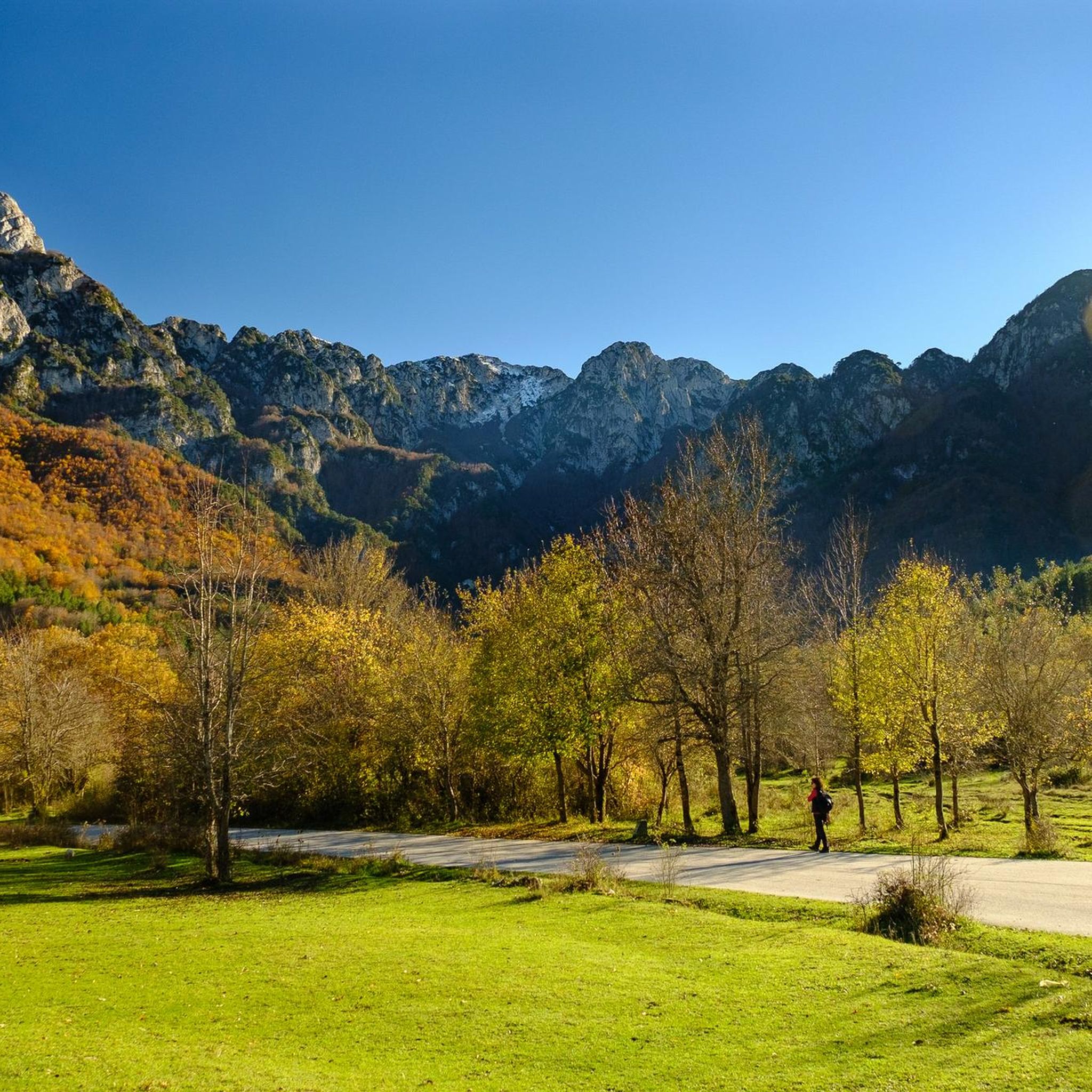
Mount La Meta 2242m Abruzzo Lazio and Molise National Park
0
0

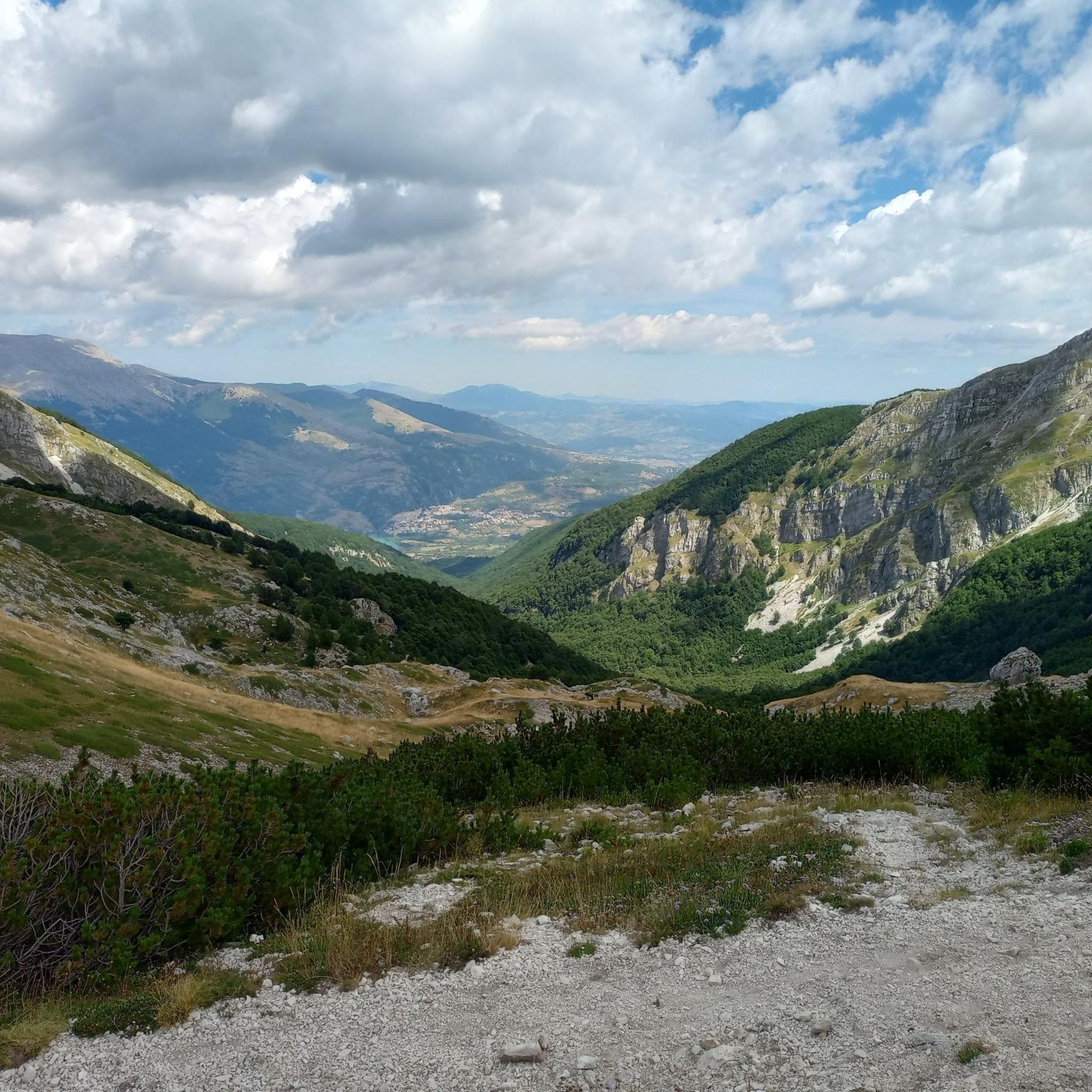
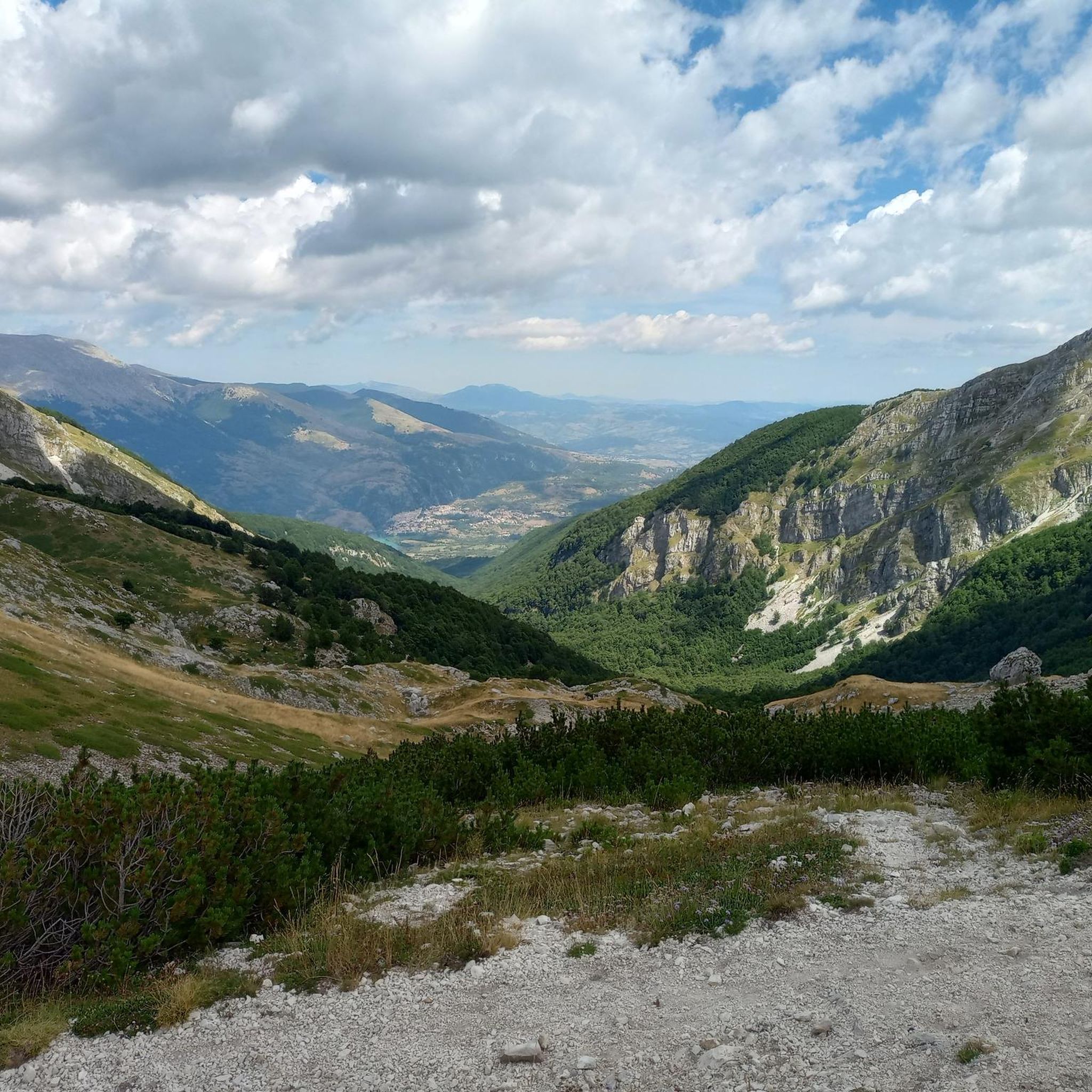
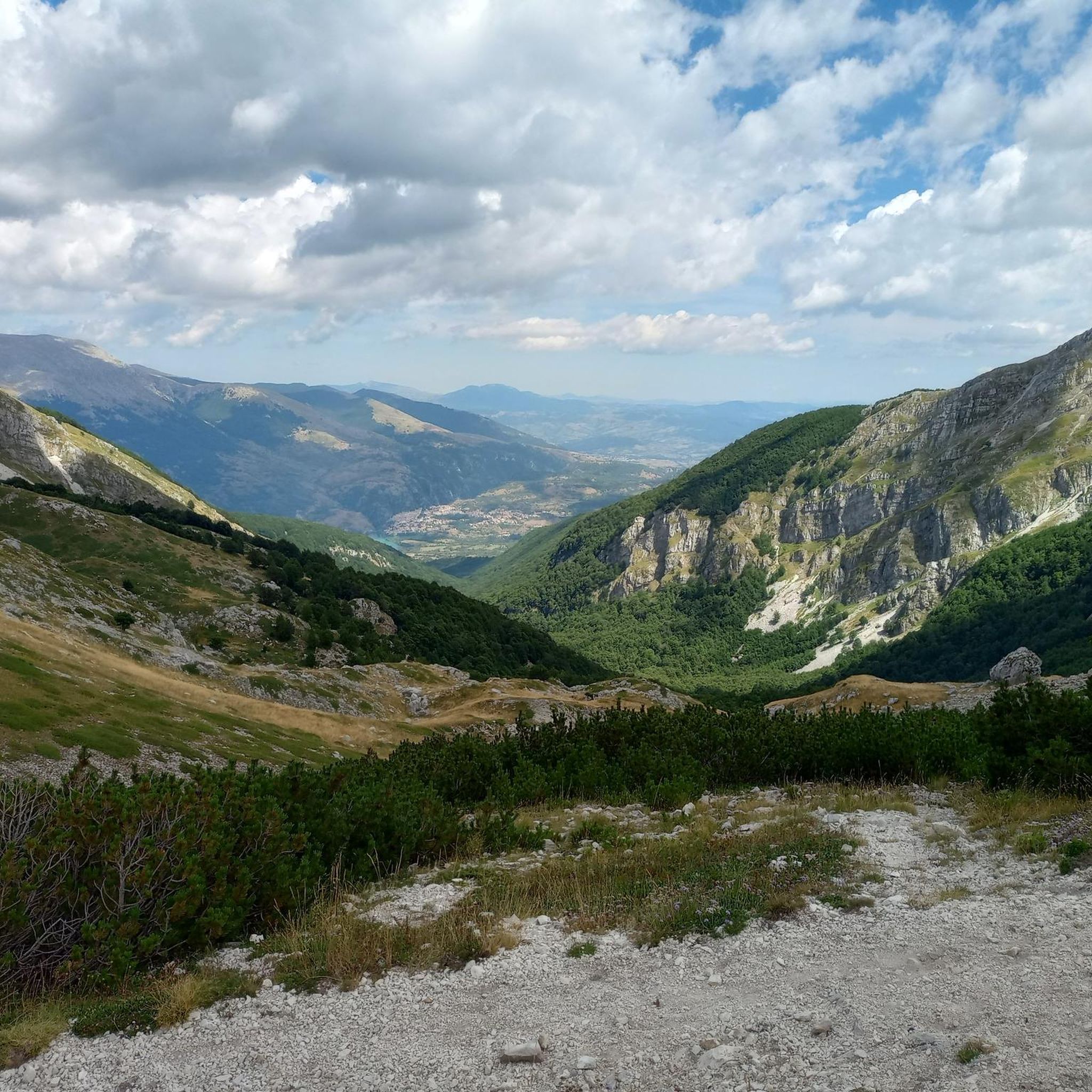
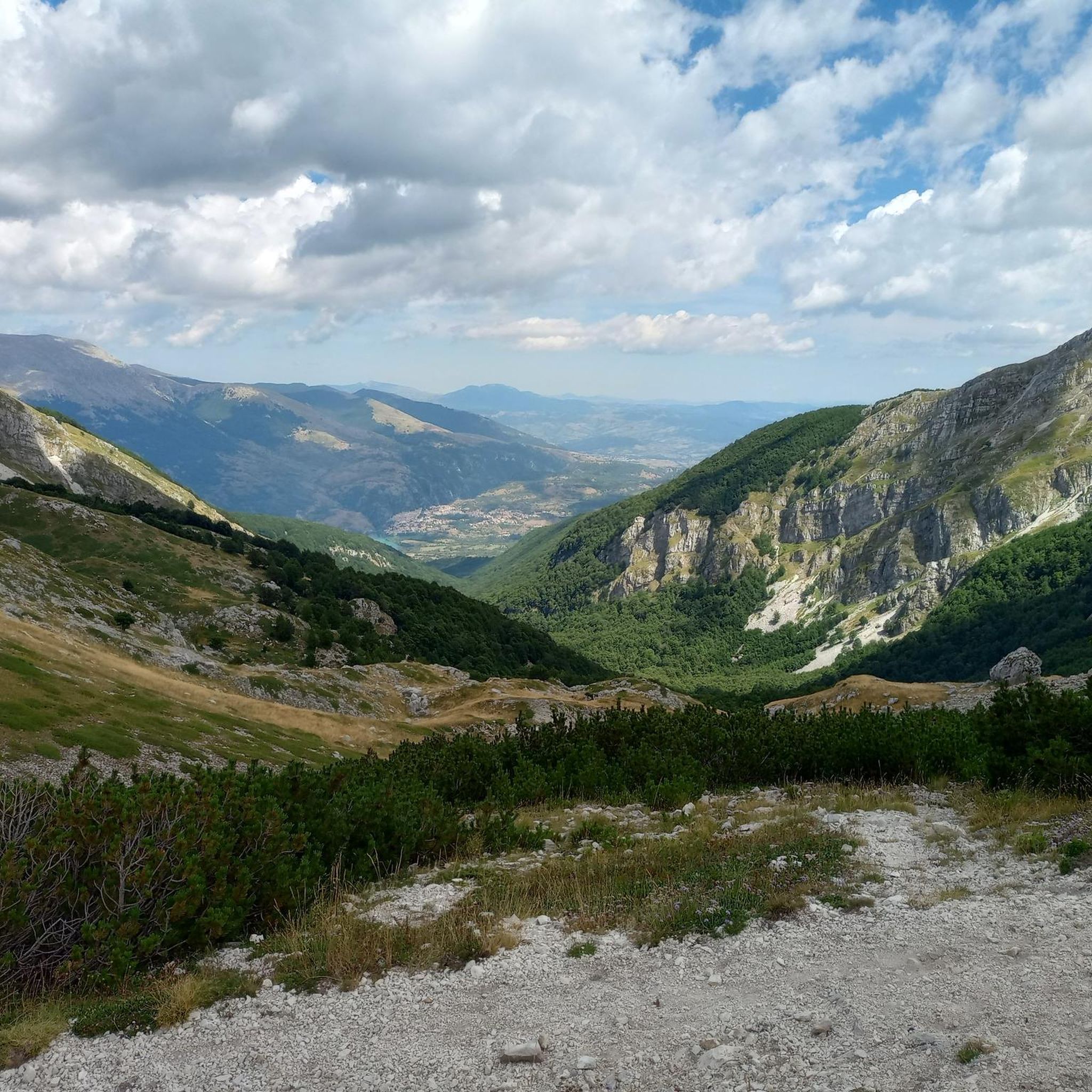
(1967mt) The Monaci Pass is located on the border between Abruzzo, Lazio and Molise, crossed since ancient times by pilgrims, traders and bandits. The monks used to place a stone when they reached the pass. Over the years, piles of a couple of meters high have formed, clearly visible in the center of the plateau, making it a characteristic sign of recognition. The name of the Monaci Pass comes from a legend: three monks died during a storm while trying to cross the pass. The story is plausible, given the difficulty in identifying it if you come from the west and there is fog, and considering that historically the mule track that passes it connected the territories of the important abbeys of S. Vincenzo al Volturno and Montecassino. This very particular territory is the kingdom of a historic herd of Apennine chamois, which performs acrobatics between leaps, cliffs and steep meadows, grazing on grass or resting comfortably on sheer walls.
0
0

Fantastic place of nature, clean air, easy route for everyone.
0
0

Monte Marrone is a mountain in the National Park of Abruzzo, Lazio and Molise. It is famous for having been the scene of a battle between the Alpini and the Germans during the Second World War. For this reason, on the top there is an iron cross with a bronze eagle and the motto of the Alpini Battalion "Tut per l'Italia" (Everything for Italy).
4
0

One of the most popular, easy and discounted walking routes in the Abruzzo, Lazio and Molise National Park.
0
0
Splendid waterfall immersed in the woods. Reachable by an easy path.
0
0
Frequently Asked Questions
What are some of the most popular natural monuments to visit around Settefrati?
Visitors frequently enjoy the Nymphs' Waterfall, known for its easy accessibility and beautiful forest setting. The Camosciara Stream also offers a popular and easy walking itinerary with picturesque water jumps. For those seeking panoramic views and a historical touch, Monte Marrone is a favored choice.
Are there family-friendly natural monuments or trails suitable for all ages near Settefrati?
Yes, the area offers several family-friendly options. The Nymphs' Waterfall is easily accessible via a short and simple path, making it ideal for families. Similarly, the Camosciara Stream provides an easy walking route with charming water features, suitable for practically everyone.
What kind of geological features can I expect to see in the natural monuments around Settefrati?
The region, part of the Abruzzo, Lazio, and Molise National Park, boasts diverse geological features. You can find impressive limestone and dolomite formations, such as those in the Camosciara Nature Reserve. The Valle del Canneto features unique 'Marmitte dei Giganti' (Giant's Kettles), which are large stone basins carved by river erosion, and the distinctive 'Head of Our Lady' rock formation. Waterfalls like the Nymphs' Waterfall and Schioppaturo Waterfall also showcase the area's natural water-sculpted landscapes.
Are there any natural monuments with historical significance in the Settefrati area?
Yes, several natural monuments hold historical importance. Monte Marrone is historically significant as the site of a World War II battle, commemorated by an iron cross at its summit. The Monks' Pass was historically crossed by pilgrims, traders, and bandits, and its name is linked to a legend of three monks. The Valle del Canneto was once a pagan place of worship before the Christian Sanctuary of the Madonna di Canneto was built there.
Where can I go for challenging hikes or trails with significant elevation gain near Settefrati?
For challenging hikes, consider routes leading to summits like Monte Marrone or Mount La Meta, both offering substantial elevation. The Monks' Pass also presents a challenging trail. For specific routes, you can explore the 'Hiking around Settefrati' guide, which includes difficult options like the 'Valico della Portella – Monte Bellavista (2061 m) loop from Melfa'. You can find more details in the Hiking around Settefrati guide.
What kind of wildlife can be spotted around the natural monuments?
The Abruzzo, Lazio, and Molise National Park is rich in biodiversity. You might spot Apennine chamois, Marsican brown bears, and Apennine wolves, especially in areas like the Camosciara Nature Reserve and near Monks' Pass. Golden eagles can be seen around Monte Marrone. Lake Barrea is a haven for various fish species, migratory birds, herons, mallards, kingfishers, deer, and even otters.
Are there opportunities for cycling or running near the natural monuments?
Yes, the region offers various routes for cycling and running. For cycling, you can find challenging routes like the 'Val di Comino Villages Loop' or the 'Alvito Historic Village – Forca d'Acero Pass loop'. Runners can explore trails such as the 'Macchiarvana and Santuario di Monte Tranquillo loop' or the 'Wolves' Path'. Detailed routes are available in the Cycling around Settefrati guide and the Running Trails around Settefrati guide.
What is the best time of year to visit the natural monuments around Settefrati?
The best time to visit largely depends on your preferred activities. Spring and autumn offer pleasant temperatures for hiking and exploring the forests, with vibrant foliage in autumn. Summer is ideal for water activities at Lake Barrea and higher altitude hikes, though some mountain access might be restricted for wildlife protection (e.g., Mount La Meta). Winter can be beautiful for snowshoeing or winter hiking, but some trails may be inaccessible due to snow.
Can I find viewpoints with scenic vistas of the surrounding landscape?
Absolutely. Monte Marrone offers excellent panoramic views, sometimes extending to the sea on clear days. The Monks' Pass also provides stunning vistas. The area around Lake Barrea is known for its picturesque views of the lake surrounded by lush forests and dramatic mountains. Even the Nymphs' Waterfall offers a refreshing natural viewpoint.
Are there any unique or 'hidden gem' natural attractions in the Settefrati area?
Beyond the well-known spots, the Valle del Canneto holds some unique features, such as the 'Marmitte dei Giganti' (Giant's Kettles) and the 'Head of Our Lady' rock formation, which are less commonly highlighted but offer intriguing natural and legendary appeal. The Child's Rock (Roccia del Bambino), a rock formation resembling a child's head, is another curious natural landmark worth discovering for those exploring the local mountainous terrain.
What are the regulations for visiting natural monuments, especially regarding wildlife protection?
As many natural monuments are within the Abruzzo, Lazio, and Molise National Park, regulations are in place to protect the environment and wildlife. For instance, access to certain paths on Mount La Meta can be forbidden at certain times of the year to protect Apennine chamois, and sometimes requires a qualified park guide. It's advisable to contact the park or check their website before your visit for the most current access rules and guidelines. You can find more information about the region at Visit Lazio.
Most popular attractions around Settefrati

Get inspired with the komoot mobile app


Explore more
Extend your search for the best caves by checking out these guides of the top ones around Settefrati:
