Top 5 Natural Monuments around Carezzano
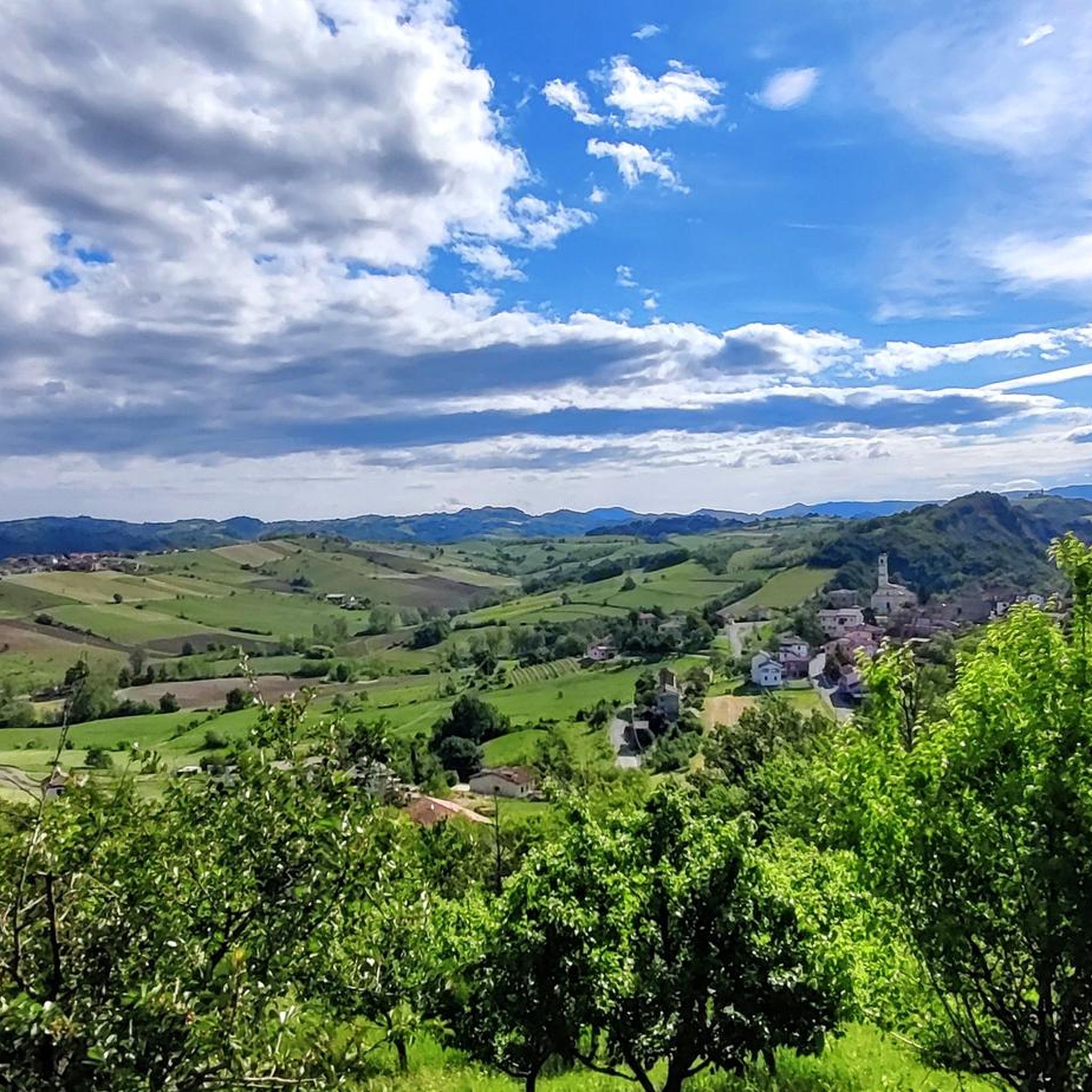
Natural monuments around Carezzano are found within the municipality in the province of Alessandria, Italy. The region features varied terrain, including the Tortona Hills, which offer diverse natural landscapes. Visitors can explore significant natural landmarks and engage in activities like hiking and mountain biking on established trails. The area's geology contributes to unique formations and notable natural features.
Best natural monuments around Carezzano
- The most popular natural monuments is Strette del Borbera, a gorge carved by the Borbera river.…
Last updated: June 28, 2026
Strette del Borbera
Highlight (Segment) • Gorge
Translated by Google •
Tip by

Calanchi
Highlight • Natural Monument
Translated by Google •
Tip by

Sign up now to discover places like this
Get recommendations on the best single tracks, peaks, & plenty of other exciting outdoor places.
Sign up for free
Castellone Oak
Highlight • Natural Monument
Translated by Google •
Tip by

Monte Barilaro
Highlight • Summit
Translated by Google •
Tip by

Roverella of Avolasca
Highlight • Natural Monument
Translated by Google •
Tip by

Start today with a free account
Your next adventure awaits.
Login or Signup

Tips from the Community

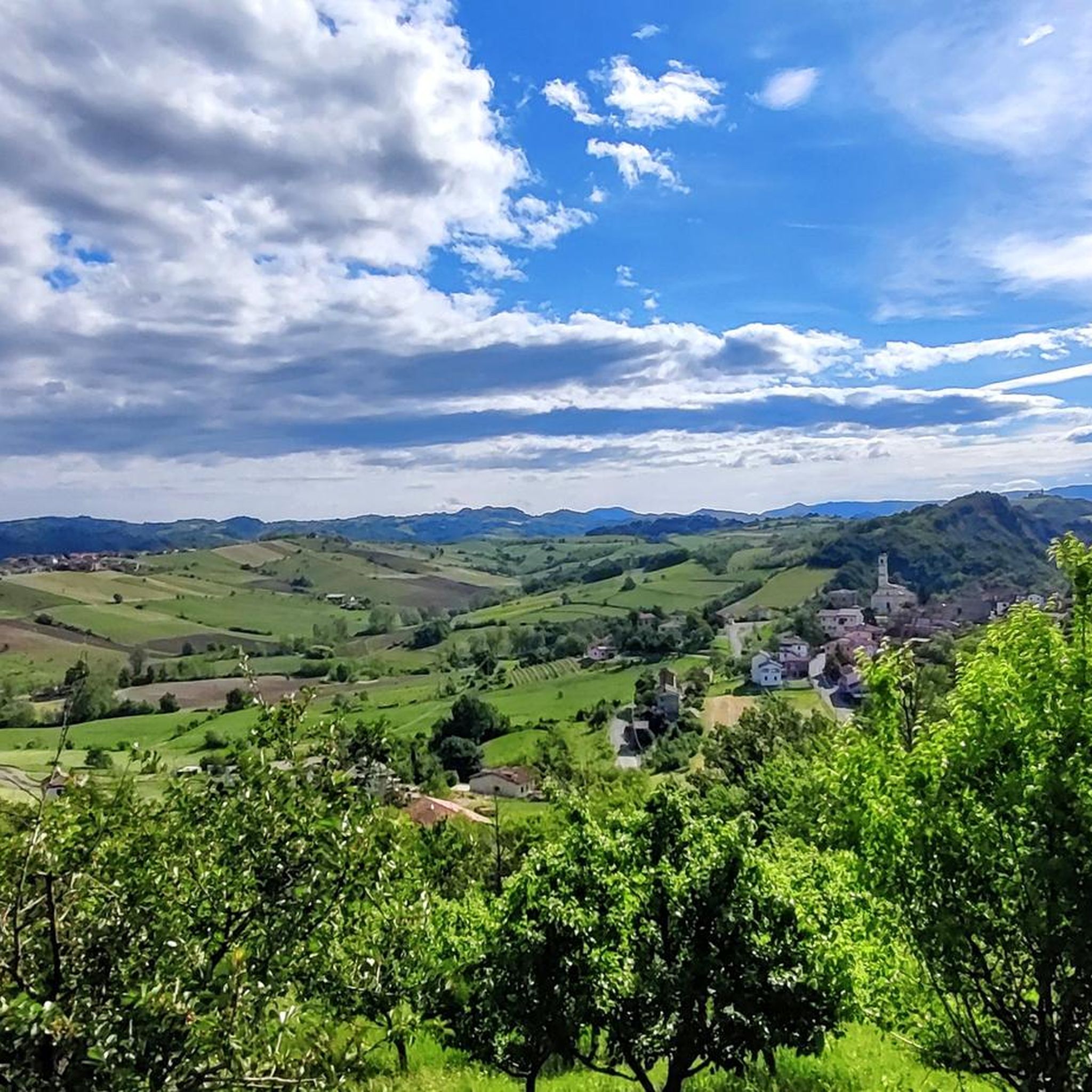
Walking along this stream offers wonderful views.
17
0

The Roverella di Avolasca is listed in the List of monumental trees of Italy. The dimensions of the tree are truly impressive. The circumference of the trunk exceeds 4 meters, the height is over 20 meters. The estimated age is at least 200 years. What is most striking is the majesty of the overall architecture of the tree, which is located right on the edge of the road.
0
0

The tree is curiously locally defined as the "walking oak", as it is said that, over time, it has slipped towards the valley several times, moving along the slope for at least 100 m. The morphology of the land indeed shows the wavy profile characteristic of soils subject to landslides, but it is currently difficult to confirm a translocation of this magnitude
0
0

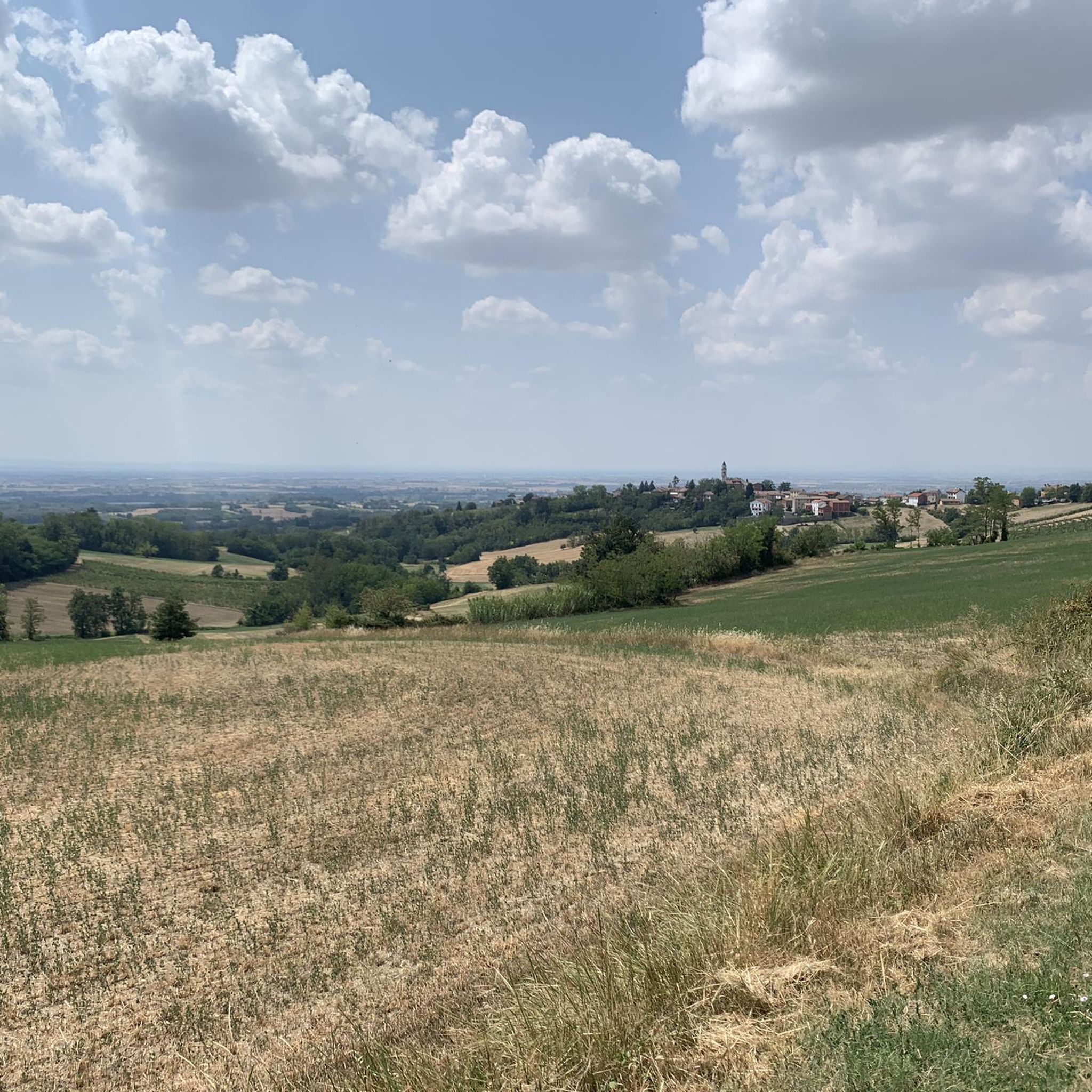
Compared to the nearby Monte Gavasa it is panoramic ... on the east side it is characterized by a part of conglomerate and being devoid of trees the panorama is excellent ... worth a visit!
0
0

At this point, the trees thin out and the gullies are exposed. They add a very special element to the landscape. Badlands are not that common, so this point in particular is worth noting.
2
0
Frequently Asked Questions
What are some unique natural monuments to visit around Carezzano?
Carezzano offers a variety of distinctive natural monuments. You can explore the Strette del Borbera, a splendid gorge with a panoramic road, or witness the striking exposed gullies of the Calanchi. Don't miss the Castellone Oak, known locally as the 'walking oak,' and the impressive Roverella of Avolasca, a monumental tree over 200 years old. For panoramic views, consider a visit to Monte Barilaro.
Are there hiking trails near the natural monuments in Carezzano?
Yes, the area around Carezzano is excellent for hiking. Many natural monuments are accessible via trails. For example, Monte San Vito, a significant natural landmark, offers various paths, including CAI paths 124 and 139, leading to its summit. You can find more hiking options in the region, including routes like 'Walking through the woods from Costa Vescovato' or 'Monte San Vito Summit – Fausto Coppi House Museum loop,' by exploring the hiking guide for Carezzano.
What kind of natural features can I expect to see around Carezzano?
The natural monuments around Carezzano showcase diverse geological and botanical features. You'll encounter deep gorges carved by rivers, unique badlands characterized by exposed gullies, and ancient, monumental trees with impressive sizes and histories. The region also features summits like Monte San Vito and Monte Barilaro, offering expansive panoramic views of the Tortona Hills.
Are there any family-friendly natural monuments or walks in Carezzano?
Yes, some natural monuments are suitable for families. The Castellone Oak and the Roverella of Avolasca are both listed as family-friendly highlights, offering accessible natural beauty. These spots provide a chance to enjoy nature without overly strenuous activity.
Can I go mountain biking near the natural monuments in Carezzano?
Absolutely. The area around Monte San Vito, for instance, is well-known among mountain bikers, with a network of tracks descending from the peak and connecting to other trails towards Monte Campogrande and Monte Bruzzo. Some of these trails have even hosted enduro MTB races. For more options, check out the gravel biking guide for Carezzano, which includes routes like 'Passo Coppi – Panoramic View of the Vineyard loop from Carezzano'.
What is the best time to visit the natural monuments around Carezzano?
The best time to visit the natural monuments around Carezzano is generally during spring and autumn. These seasons offer pleasant temperatures for hiking and exploring, with vibrant foliage in spring and rich colors in autumn. Summer can also be enjoyable, especially in the mornings or late afternoons, but be prepared for warmer weather. Winter visits are possible, but some trails might be more challenging due to conditions.
Are there any natural monuments that offer panoramic views?
Yes, several natural monuments in the Carezzano area provide excellent panoramic views. Monte San Vito, the highest peak of the Tortona Hills, offers magnificent vistas from its 684-meter summit. Similarly, Monte Barilaro is noted for its panoramic outlook, especially on its treeless east side. The Strette del Borbera also features a scenic panoramic road.
What do visitors enjoy most about the natural monuments in Carezzano?
Visitors particularly enjoy the diverse landscapes, from the dramatic gorges of Strette del Borbera to the unique geological formations of the Calanchi. The monumental trees like the Castellone Oak and Roverella of Avolasca are also highly appreciated for their impressive size and natural beauty. The opportunities for hiking and mountain biking, coupled with the stunning panoramic views from summits, contribute to a memorable outdoor experience.
Are there cycling routes that pass by or near these natural monuments?
Yes, the region around Carezzano is popular for cycling. While not all routes pass directly through every natural monument, many offer scenic rides in the vicinity. For instance, the panoramic road through the Strette del Borbera is a notable cycling highlight. You can find various cycling routes, including challenging ones like 'Passo Coppi – Coppi Climb Mural loop from Carezzano,' in the cycling guide for Carezzano.
Are the natural monuments in Carezzano accessible by public transport?
Access to some natural monuments in Carezzano might require a combination of public transport and walking, or a private vehicle. While specific public transport routes directly to every monument are not detailed, the region is generally best explored with some form of personal transportation to reach trailheads or specific sites. It's advisable to check local transport schedules and options for the specific monument you plan to visit.
What is the highest point among the natural monuments in the Carezzano area?
The highest point among the notable natural monuments in the Carezzano area is Monte San Vito. It stands as the highest peak of the Tortona Hills, reaching an elevation of 684 meters above sea level. Its summit is marked by an iconic cross and offers extensive panoramic views.
Are there any hidden gems or lesser-known natural monuments worth exploring?
While the Strette del Borbera and Calanchi are popular, the Castellone Oak, with its local legend of being a 'walking tree' due to the wavy land profile, offers a unique and charming experience. Similarly, the sheer majesty of the Roverella of Avolasca, a monumental tree with a trunk circumference exceeding 4 meters, is a truly impressive sight that might be considered a hidden gem for those seeking botanical wonders.
Most popular routes around Carezzano
Most popular attractions around Carezzano

Get inspired with the komoot mobile app


Explore more
Extend your search for the best caves by checking out these guides of the top ones around Carezzano:
