Top 8 Mountain Passes around Borgofranco D'Ivrea
Mountain passes around Borgofranco D'Ivrea offer access to the mountainous regions of the Aosta Valley and the Piedmontese Alps. This area, situated in Piedmont near Ivrea, is known for its morainic amphitheater and unique "Balmetti" (natural cellars). The region serves as a gateway to various mountain passes, providing opportunities for outdoor activities. These passes are recognized for their scenic beauty, historical significance, and recreational value.
Best mountain passes around Borgofranco D'Ivrea
- The most popular mountain passes is Pass below the…
Last updated: July 12, 2026
Colletto Bossola
Highlight • Mountain Pass
Showing Translation
Tip by

Pass below the summit
Highlight • Mountain Pass
Translated by Google •
Tip by

Sign up now to discover places like this
Get recommendations on the best single tracks, peaks, & plenty of other exciting outdoor places.
Sign up for free
Passo dell'Oca
Highlight • Mountain Pass
Translated by Google •
Tip by

Colle Carisey
Highlight • Mountain Pass
Translated by Google •
Tip by

Colle Pian dei Muli
Highlight • Mountain Pass
Translated by Google •
Tip by
Sign up for free to discover even more mountain passes around Borgofranco D'Ivrea.
Sign up for free
Already have an account?
Start today with a free account
Your next adventure awaits.
Login or Signup
Tips from the Community

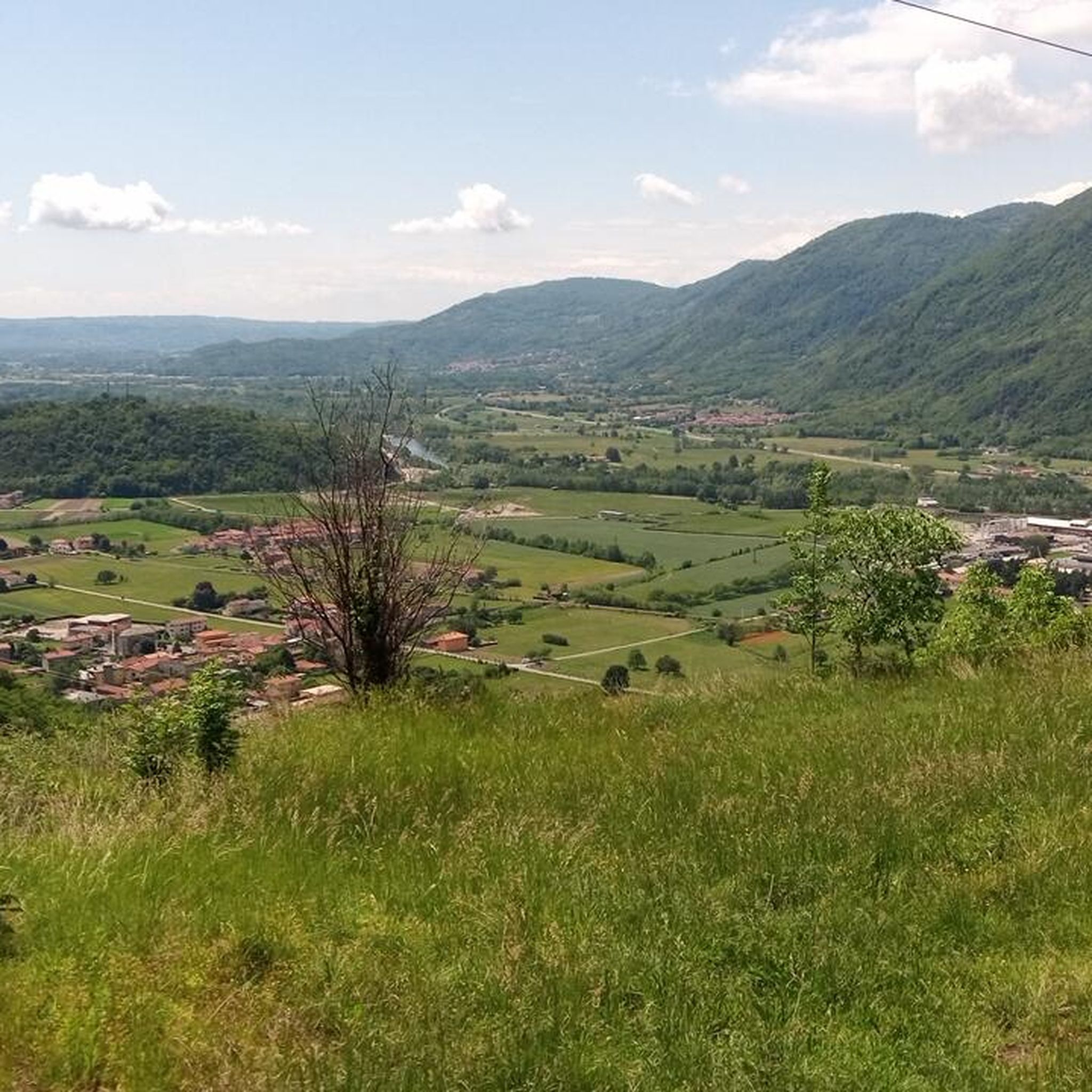
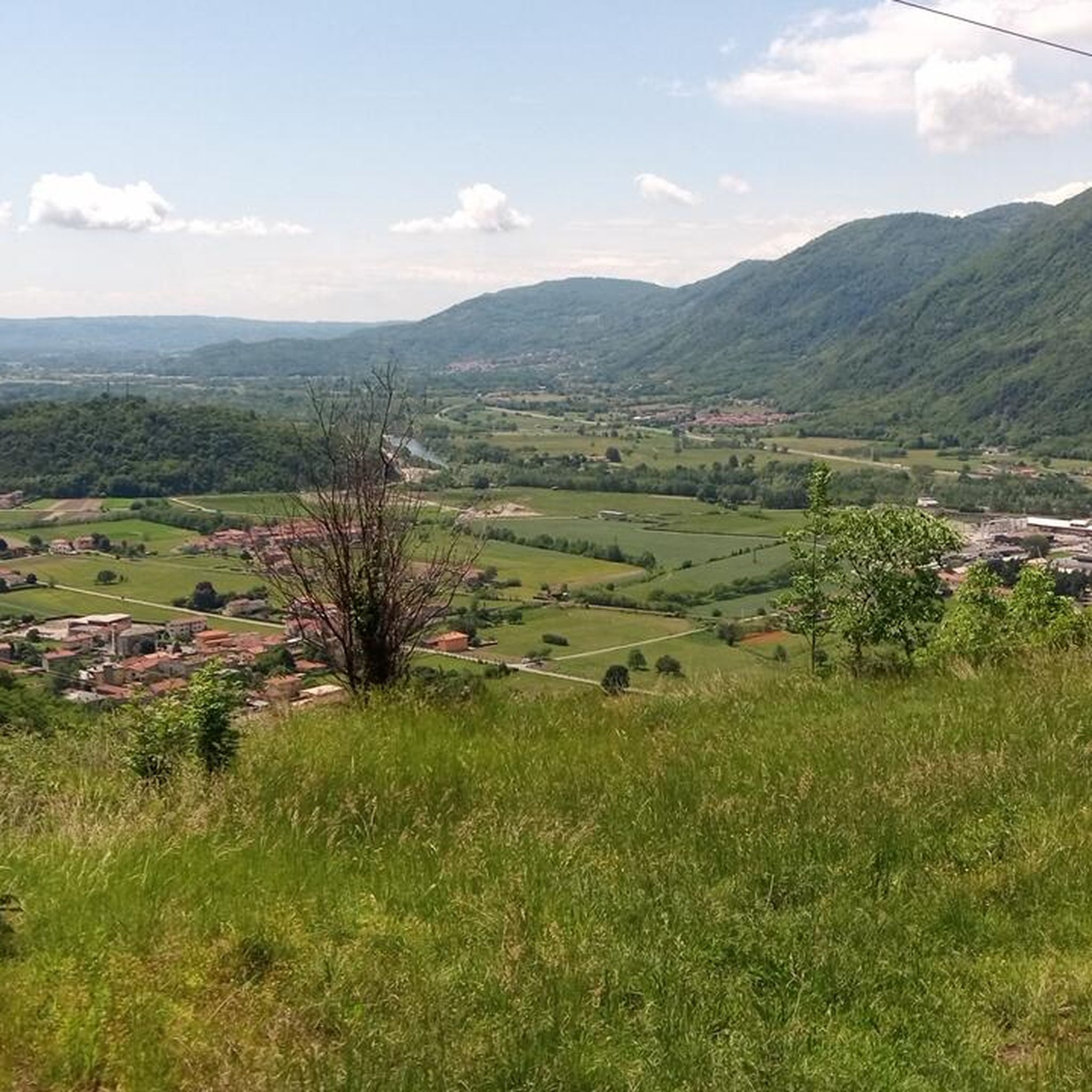
Accessible by car after a dirt road, excellent starting point for Monte Lion
2
0

Remarkable views and very nice MTB route, partly challenging
0
0

It's just a high point on the dirt road. Not a single geese in sight.
0
0

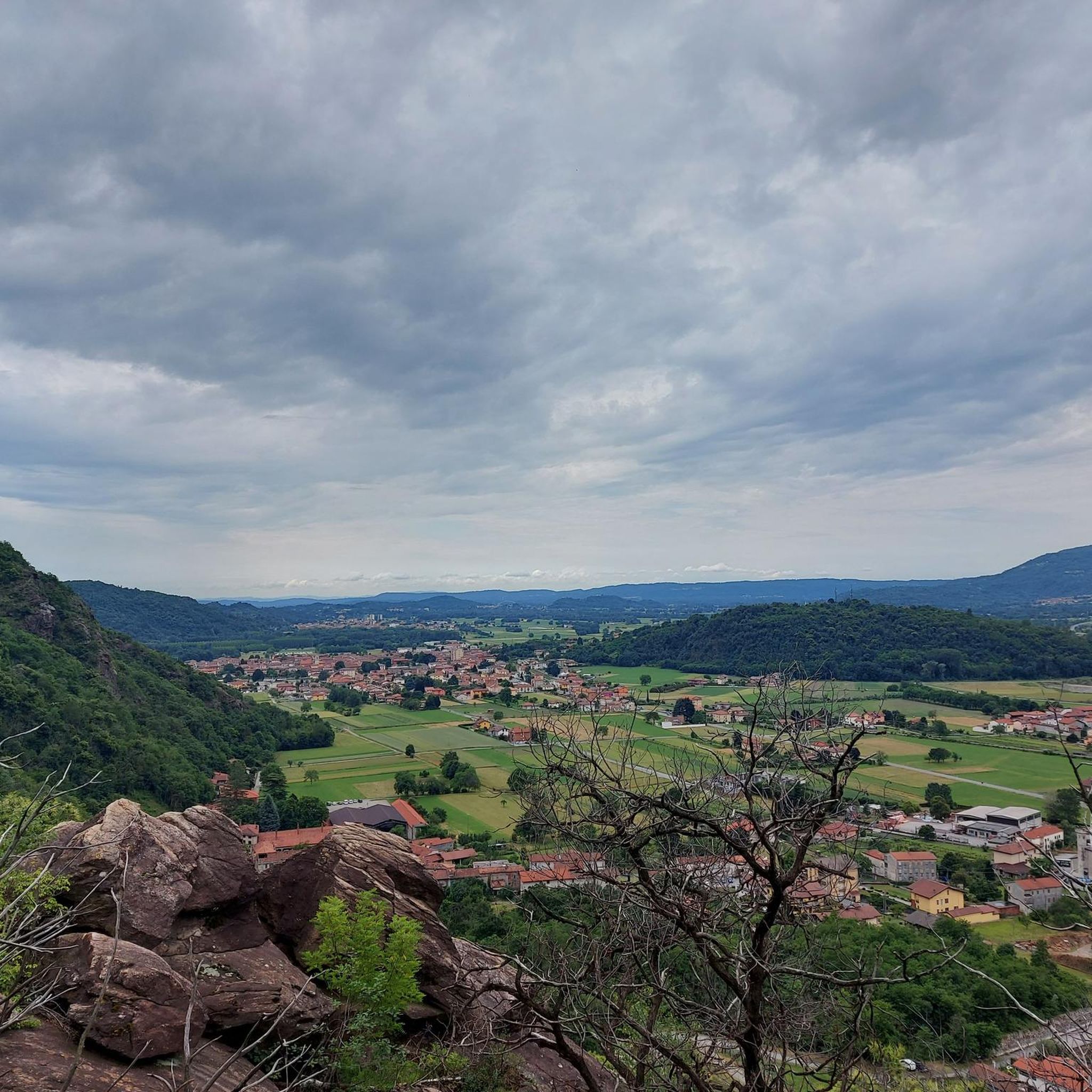
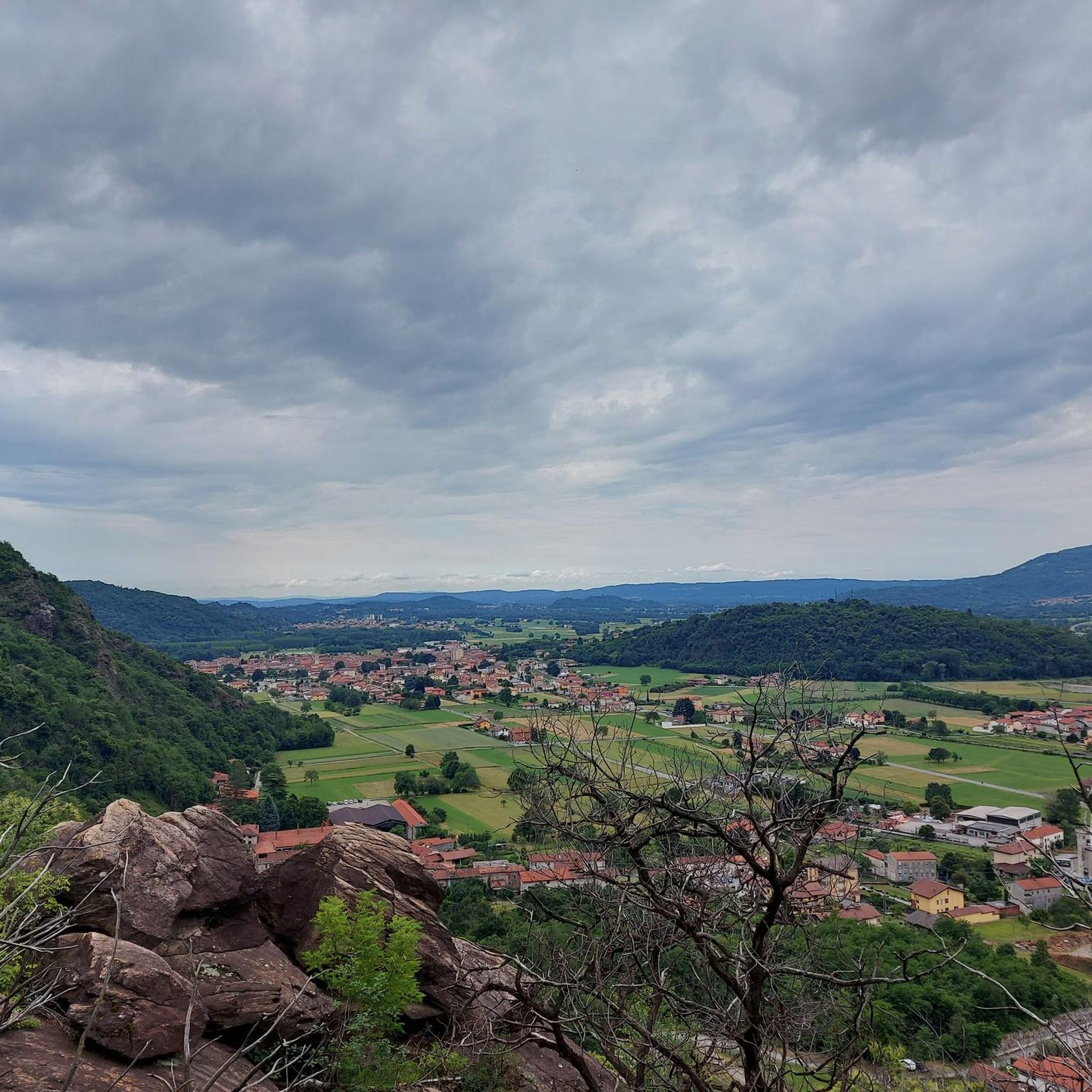
The Oca Pass is a pass on the Serra di Ivrea ridge, a glacial moraine that extends between the Canavese and Biella areas. The pass can be reached from various paths that cross woods, lakes and historical sites such as the Torre della Bastia and the Ciucarun.
0
0

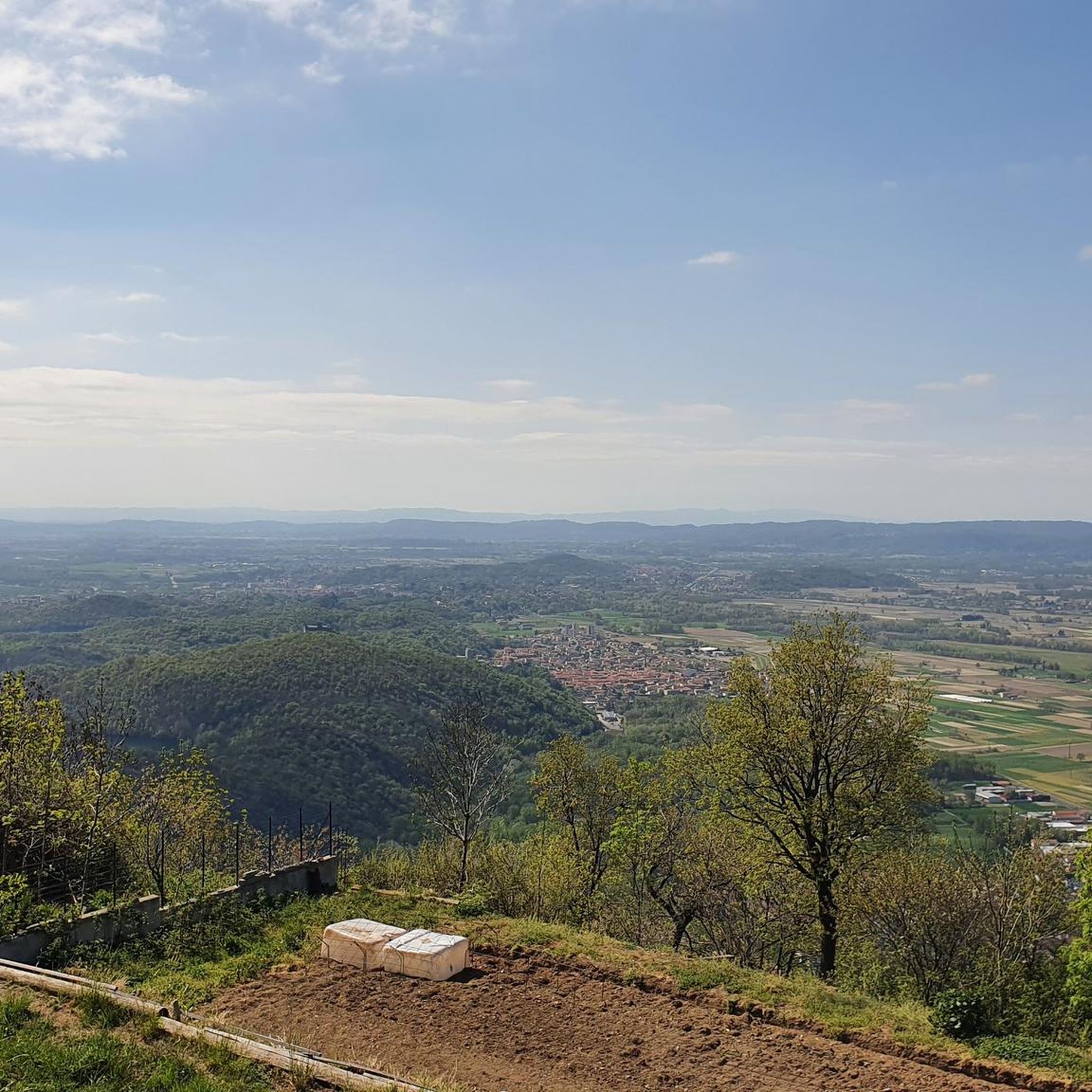
Colletto di Bossola is a real crossroads. Among the paths that you can choose, the best known are on one side the one that goes up to Cima Bossola and in the opposite direction the one that goes up to Alpe Laser (and if you want to Monte Lion).
1
0
Highest point of a road linking Brosso and Quassolo. Nearby we find a memorial log of an air disaster that occurred on 12 September 1944, and the Cavallaria mountain (or tip) which can be reached in a few minutes.
1
0

reachable on asphalt except for the last hundreds of meters, on the left is the summit reachable with some stretches by pushing with a muscle in my opinion
1
0
colletto Rueglio side the climb from here to the top includes two climbs which in my opinion involve a lot of portage and between them a pedalable plateau, for the descent the easiest on the Rueglio side is towards the houses below which can be seen from the coletto, or towards Colletto Bossola you have to walk a fairly wide traverse all downhill but with several loose stones
0
0
Frequently Asked Questions
What are some notable mountain passes accessible from Borgofranco D'Ivrea?
Borgofranco D'Ivrea serves as a gateway to a variety of mountain passes. You can find challenging routes like Pass below the summit, which offers remarkable views and a demanding MTB route with two climbs. For easier access and panoramic views, consider Colle Carisey, known as the most easily accessible hill on the Cresta from the Valle d'Aosta side. Further afield in the Aosta Valley, the historic Great St Bernard Pass (2,469 meters) is famous for its hospice and stunning alpine scenery.
What kind of terrain and difficulty can I expect on mountain passes near Borgofranco D'Ivrea?
The passes in the region offer diverse terrain. Some, like Colle del Nivolet (2,650 meters), provide a challenging high-alpine experience with breathtaking scenery, ideal for experienced cyclists and hikers. Others, such as Colle Carisey, are more accessible with no technical difficulties, making them suitable for a wider range of visitors. You'll encounter everything from wooded paths to exposed high-altitude trails.
Are there mountain passes with historical significance in the area?
Yes, the Great St Bernard Pass is particularly rich in history. Situated at 2,469 meters, it marks the border between Italy and Switzerland and is renowned for its hospice, founded over 1,000 years ago, and its legendary St. Bernard dogs. It's also a significant point on the ancient pilgrim route, the Via Francigena, which descends towards Ivrea from here.
What natural features and viewpoints can I find on these mountain passes?
Many passes offer spectacular natural beauty. For instance, Col Giassit provides a beautiful panoramic view stretching from Monbarone to the Canavese plains and the Gressoney valley. Colle del Nivolet is known for its high-alpine scenery and picturesque lakes like Lago Rosset and Lago Leita. Grand Col Ferret and Col de la Seigne offer exceptional panoramic views of the Val Ferret and the Mont Blanc massif.
What outdoor activities can I do near these mountain passes?
The region is excellent for various outdoor activities. You can find numerous routes for hiking, mountain biking, and road cycling. For example, there are many hiking trails around Borgofranco D'Ivrea, including moderate loops like the 'Il Burnel Fountain in Nomaglio – The Old Mill loop'. Cyclists can explore road cycling routes or gravel biking trails that traverse the morainic amphitheater and surrounding areas.
Are there any family-friendly mountain passes or trails?
While many high-alpine passes can be challenging, more accessible options exist. Colle Carisey is noted for its easy accessibility and lack of technical difficulties, making it a good choice for families looking for panoramic views without extreme exertion. The wooded environment of Col de Joux also offers a gentler alpine experience.
What is the best time to visit the mountain passes around Borgofranco D'Ivrea?
The best time to visit largely depends on the pass and your intended activity. For high-alpine passes like Colle del Nivolet, Grand Col Ferret, or Col des Fontaines, the summer months (June to September) are ideal when the snow has melted, and trails are clear. Lower and wooded passes might be accessible earlier in spring and later into autumn, offering beautiful seasonal foliage. Always check local conditions before planning your trip, especially for higher elevations.
Can I find mountain passes that are part of famous long-distance trails?
Yes, several passes in the region are integral to renowned long-distance routes. Grand Col Ferret and Col de la Seigne are both key sections of the iconic Tour du Mont Blanc trail, offering trekkers spectacular views of the Mont Blanc massif. The Great St Bernard Pass is also a significant point on the Via Francigena pilgrimage route.
What do visitors enjoy most about the mountain passes near Borgofranco D'Ivrea?
Visitors frequently highlight the remarkable views and the diverse range of experiences. For example, Pass below the summit is praised for its challenging MTB route and scenery. Passo dell'Oca is appreciated for its paths crossing woods, lakes, and historical sites. The panoramic vistas, historical significance, and opportunities for various outdoor activities are consistently mentioned as major draws.
Are there any passes that offer 360-degree views?
Yes, the Colma di Mombarone Summit, while not a pass in the traditional sense, offers exceptional 360-degree views, particularly of Monte Rosa. It's also home to an imposing statue of the Madonna, making it a significant viewpoint and hiking destination.
What is the accessibility like for mountain passes near Borgofranco D'Ivrea?
Accessibility varies greatly by pass. Some, like Colle Carisey, are noted for being easily accessible. Others, especially the higher alpine passes, may require more effort to reach, often involving challenging climbs or longer hikes. Roads to some passes, such as Colle Pian dei Muli, can be fully asphalted, while others might involve dirt roads or trails. Public transport options are generally limited for direct access to high mountain passes, so personal vehicles or organized tours are often necessary.
Are there any passes that connect different valleys or countries?
Absolutely. The Great St Bernard Pass connects Italy and Switzerland, serving as a historic border crossing. Similarly, Grand Col Ferret and Col de la Seigne also mark the border between Italy and Switzerland, and Italy and France respectively, making them significant international connections for trekkers on routes like the Tour du Mont Blanc. Col des Fontaines provides spectacular views between Val d'Ayas and Valtournenche within the Aosta Valley.
Most popular routes around Borgofranco D'Ivrea
Most popular attractions around Borgofranco D'Ivrea

Get inspired with the komoot mobile app


Explore more
See even more epic mountain passes by checking out these guides around Borgofranco D'Ivrea:
