Top 20 Natural Monuments around Demonte
Best natural monuments around Demonte are situated in the Valle Stura di Demonte, within Italy's Piedmont region. This area, part of the Province of Cuneo, features an uncontaminated natural environment. The landscape offers opportunities for outdoor activities amidst its valleys, ridges, and watercourses. Demonte's natural features provide a setting for exploration and appreciation of seasonal changes.
Best natural monuments around Demonte
- The most popular natural monuments is Tancias Waterfall, a waterfall that is accessible by an easy walk. The…
Last updated: June 28, 2026
Lago Nero (Valle Maira)
Highlight • Lake
Translated by Google •
Tip by

Preit Pass
Highlight • Mountain Pass
The climb is quite demanding, with peaks of …
Translated by Google •
Tip by

Sign up now to discover places like this
Get recommendations on the best single tracks, peaks, & plenty of other exciting outdoor places.
Sign up for free
Colle Fauniera
Highlight • Mountain Pass
Translated by Google •
Tip by

Tancias Waterfall
Highlight • Waterfall
Translated by Google •
Tip by

Lago Sottano della Sella
Highlight • Lake
Translated by Google •
Tip by

Sign up for free to discover even more natural monuments around Demonte.
Sign up for free
Already have an account?
Start today with a free account
Your next adventure awaits.
Login or Signup
Popular around Demonte
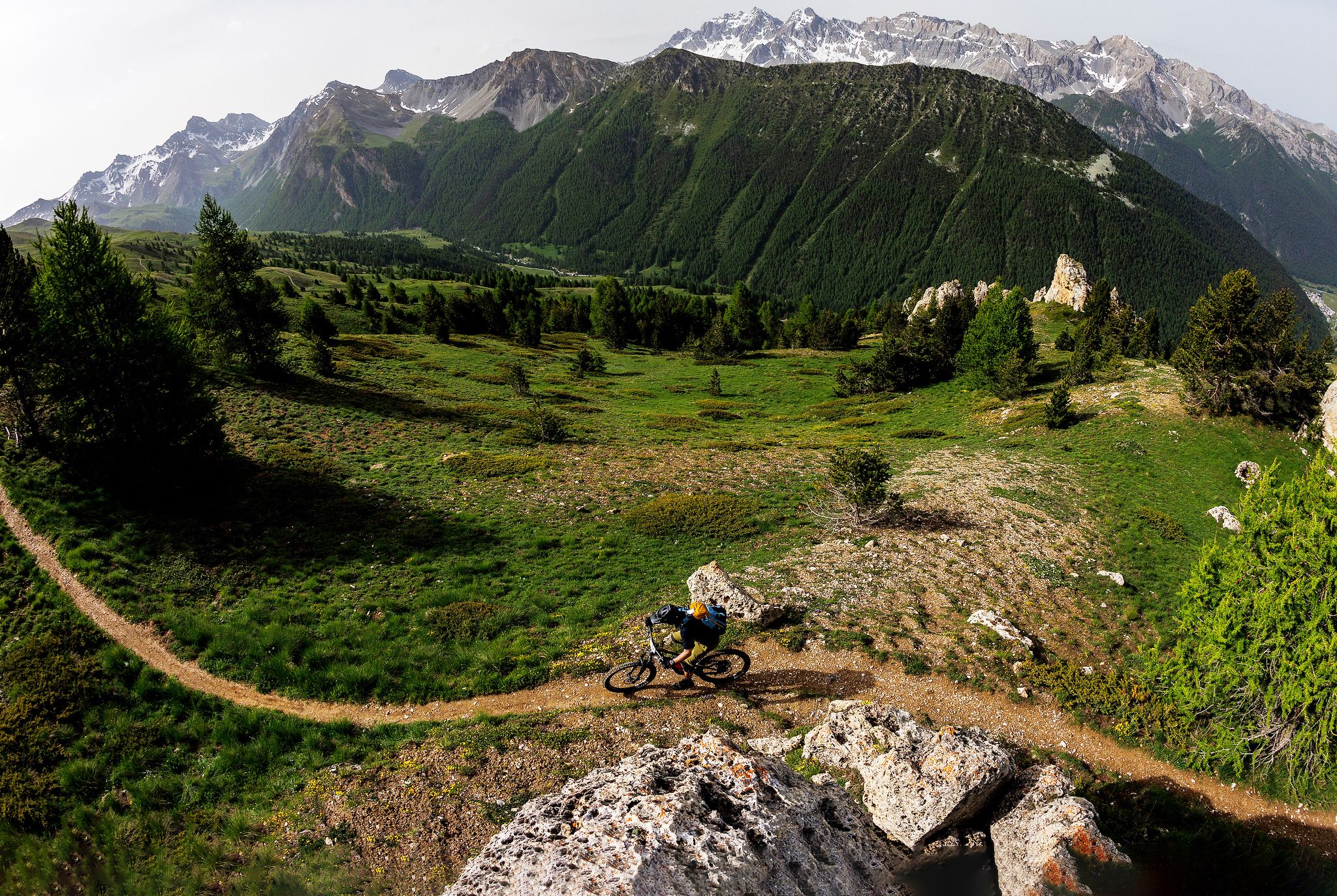
The STONE KING Route – adventure enduro from High Alps to the Med

High-altitude military roads – gravel on the Gardetta Plateau
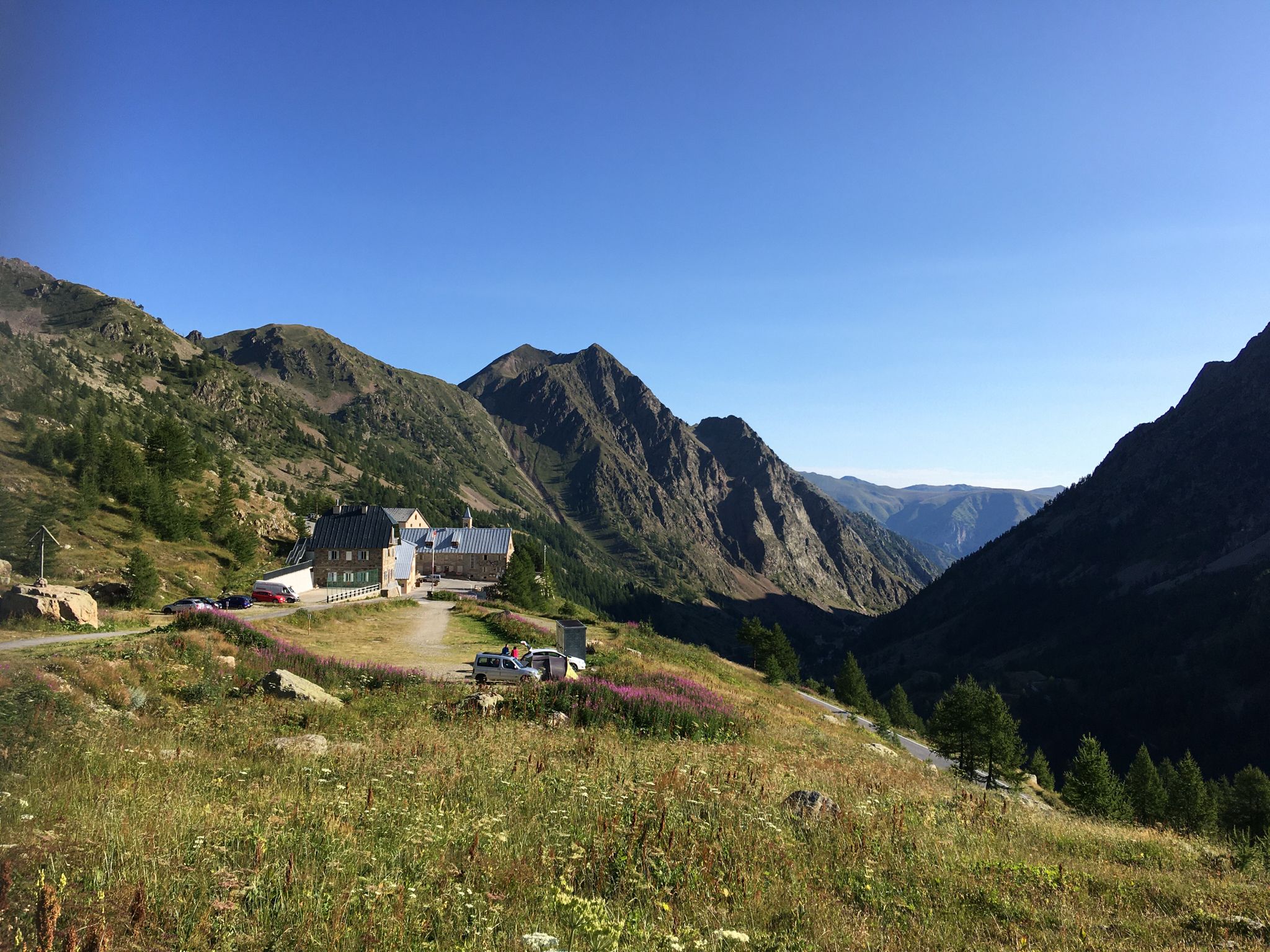
Italy’s Way of Saint Anne – a journey through faith and tradition
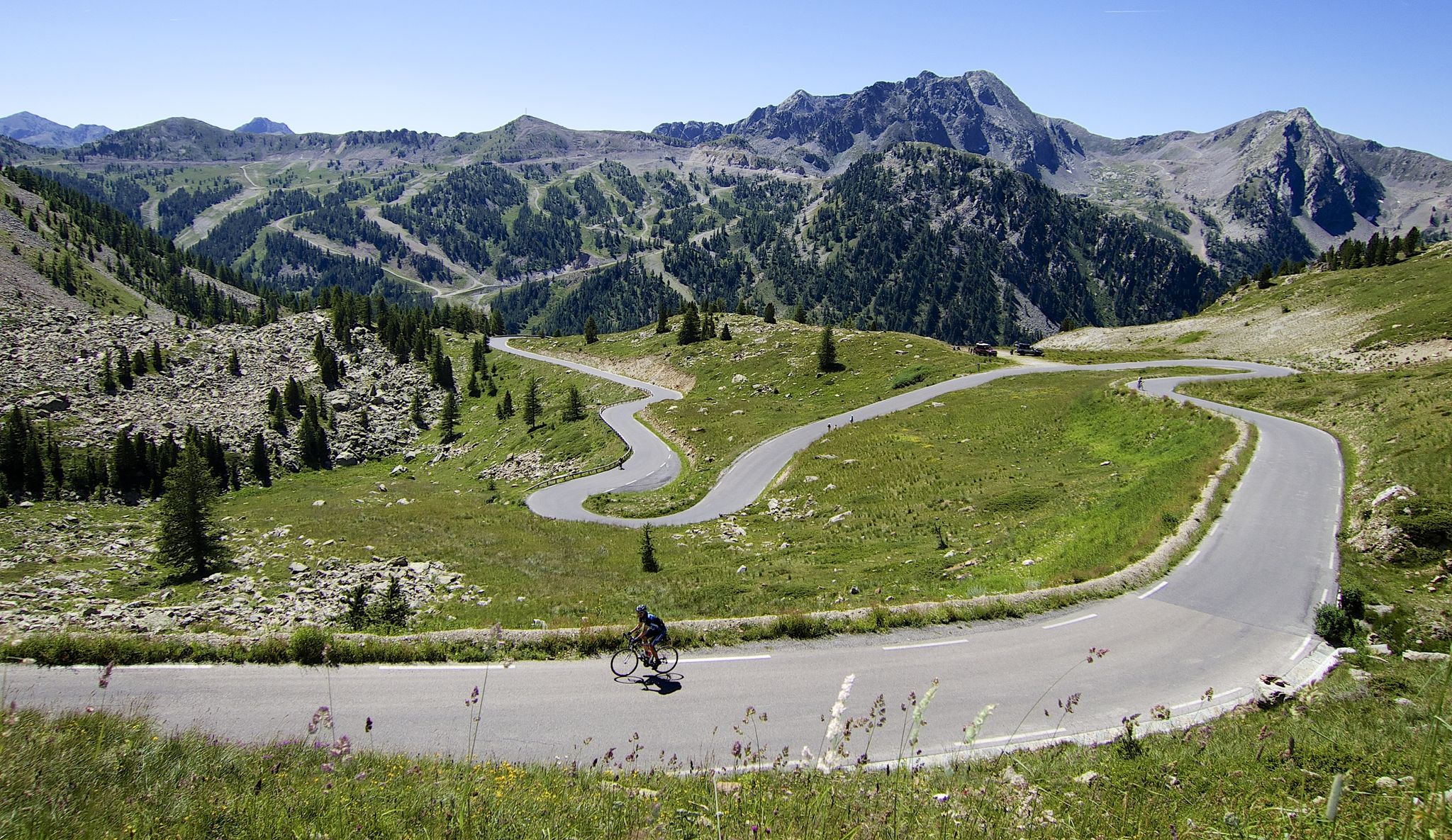
Conquer peaks – 7 Majors challenge between France and Italy
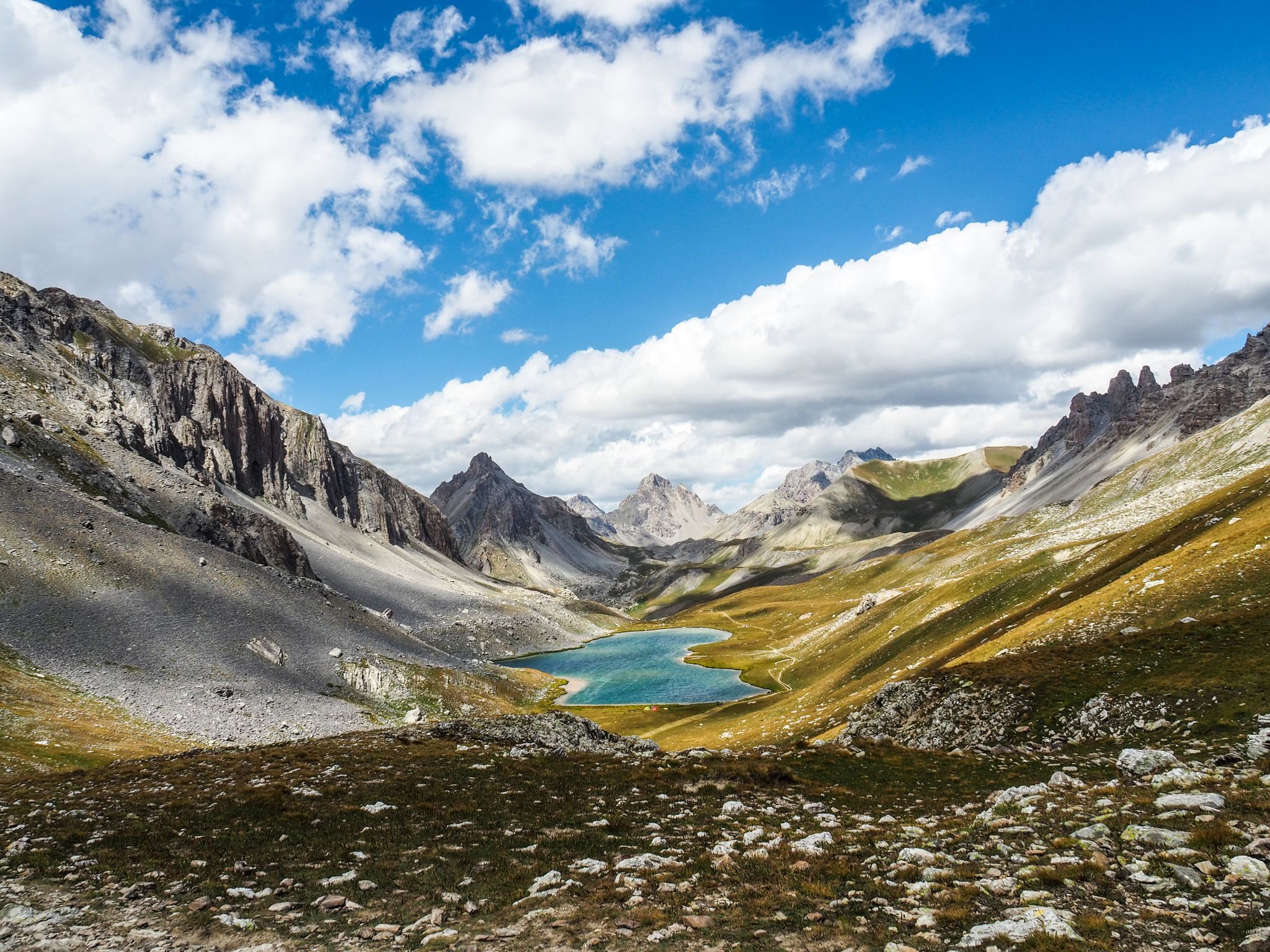
MigrAction – Generations in Motion
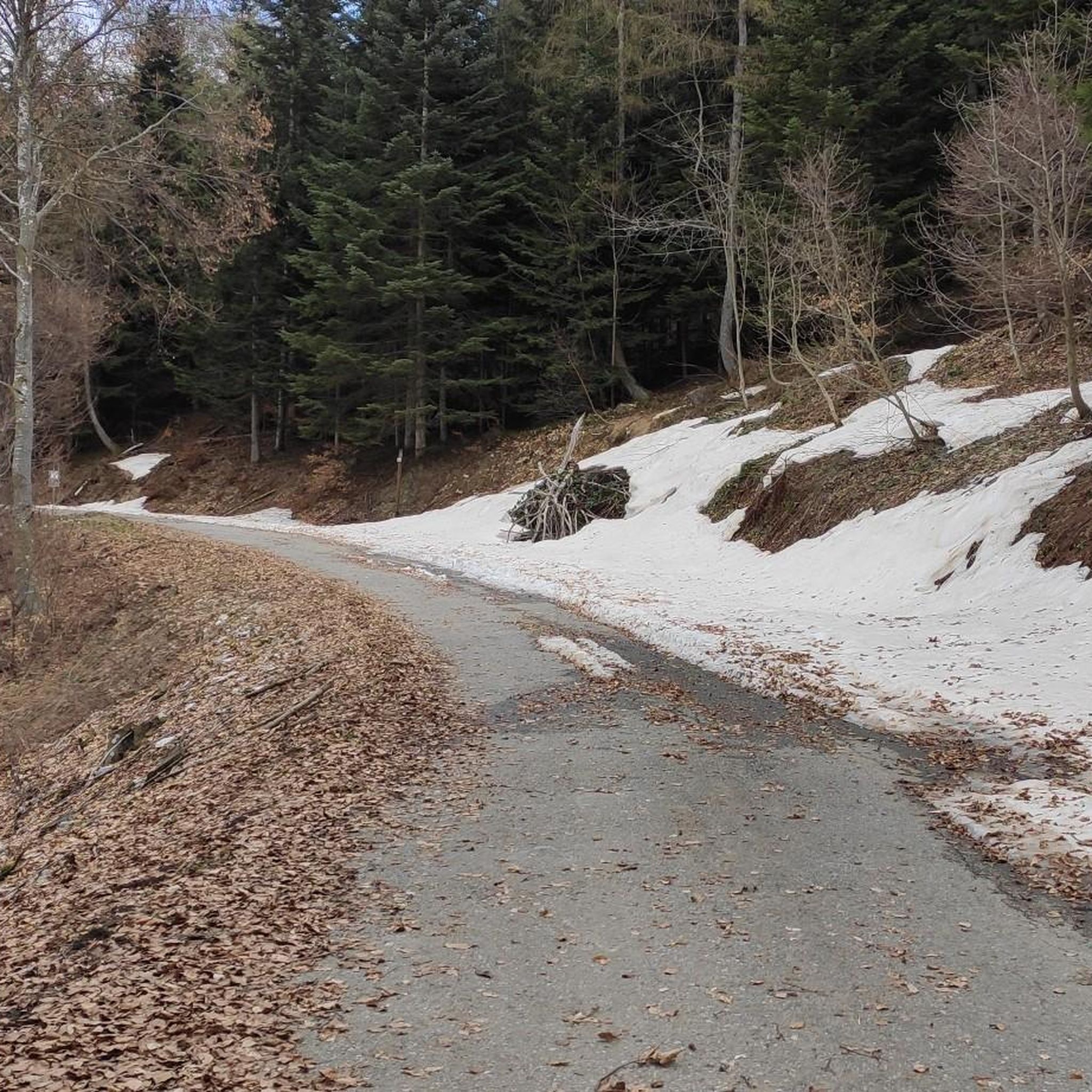
Hiking around Demonte
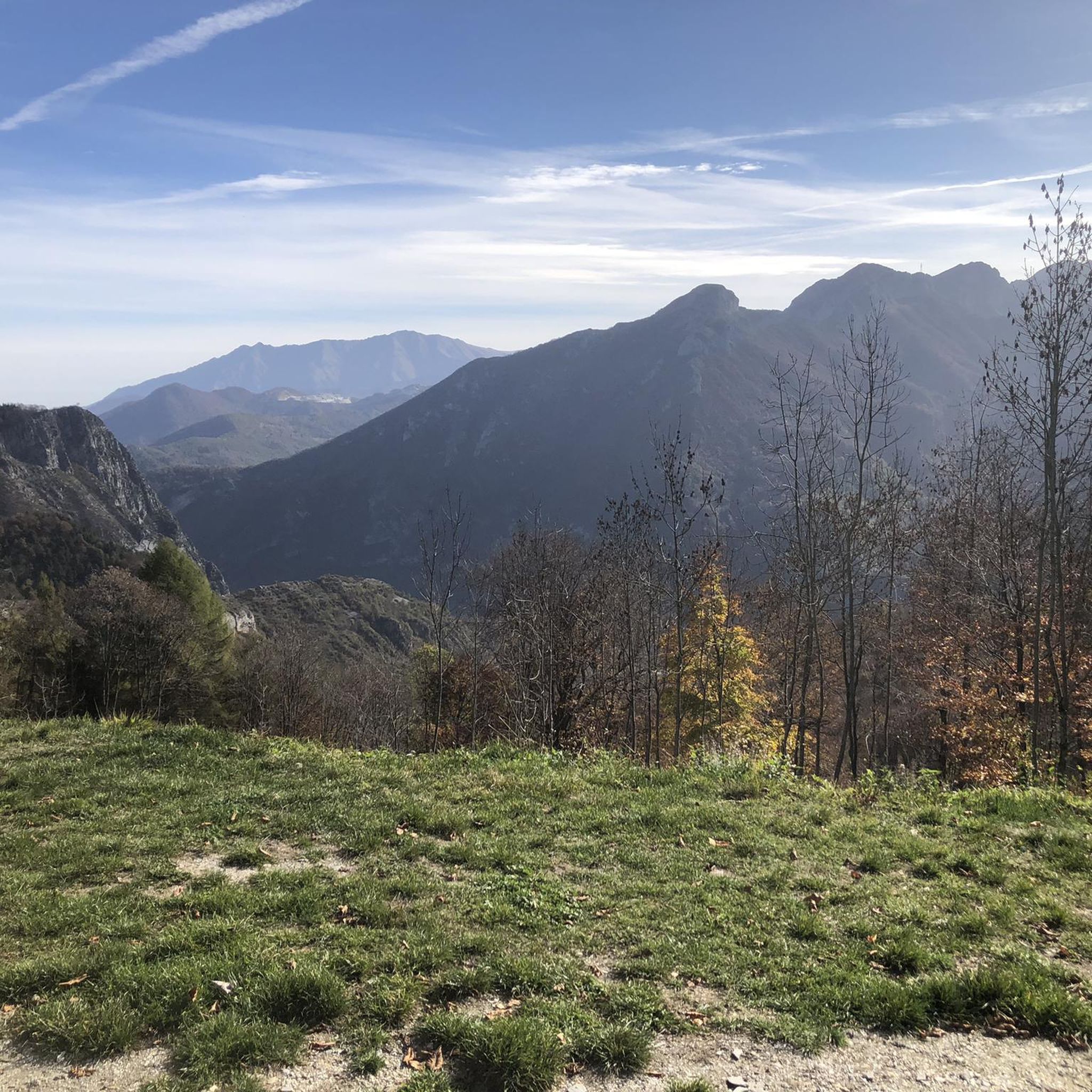
MTB Trails around Demonte

Gravel biking around Demonte
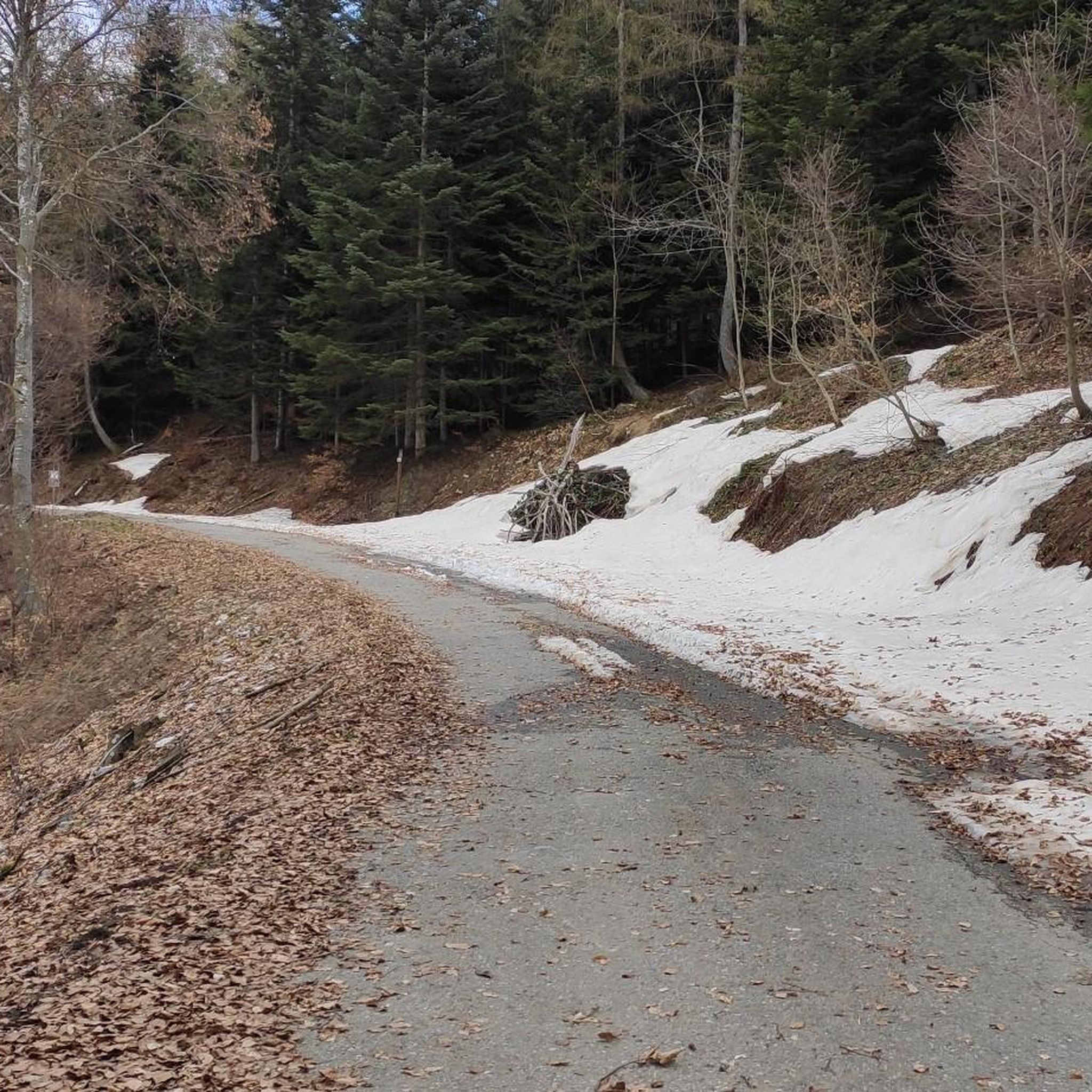
Road Cycling Routes around Demonte
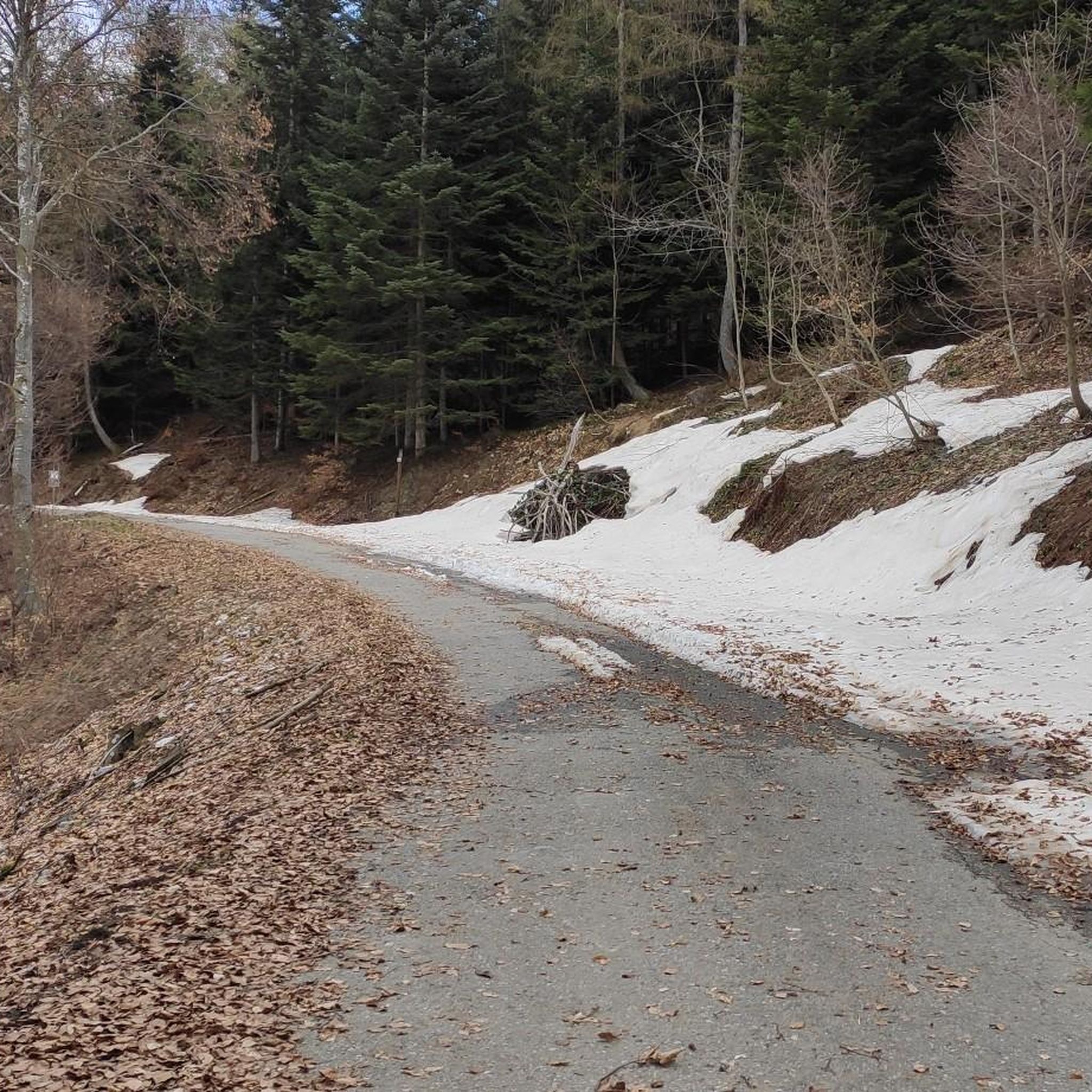
Cycling around Demonte
Other adventures around Demonte


Tips from the Community

Beautiful alpine lake in the Gesso valley, nearby we find the Livio Bianco refuge. Continuing on the mule track you could climb to the upper lake and the Valletta hill
0
0

Colle del Preit welcomes you at the gates of the Gardetta plateau. The landscape here seems almost lunar with the rock that rises imposingly among the soft green meadows. You are at over 2000 meters above sea level, the climb to get there requires the right amount of effort and the atmosphere is truly unique. Admiring the panorama that surrounds you sharpens your sight and hearing, the whistle of some marmots reveals their presence among the rocks.
5
0

lake sottano and in the valley gesso
0
0

A very challenging climb with asphalt in very poor condition.
10
0
to get there, you walk a little way or push your bike
0
0
One of the hardest climbs ever in Piedmont, and above all we must not underestimate the descent which is very technical.
14
0

Beautiful natural lake at the foot of Rocca la Meja
1
0

Small body of water, very suggestive, reachable via a pleasant path. Excursion suitable for everyone...
1
0
Frequently Asked Questions
What are some popular natural monuments to visit around Demonte?
The Demonte area offers a variety of natural monuments. Highly regarded spots include Tancias Waterfall, known for its accessible path and year-round flow. Another popular destination is Lago Nero (Valle Maira), an easily reachable lake offering enchanting views of Rocca La Meja. For those seeking a challenge, Colle Fauniera is a well-known alpine pass, recognized as one of Piedmont's most demanding climbs.
When is the best time to visit the natural monuments in Demonte?
The best time to visit depends on your interests. For vibrant displays of nature, the lavender fields at the entrance of Demonte are spectacular between June and July. The region is generally beautiful throughout the warmer months for hiking and outdoor activities. In winter, the surroundings offer opportunities for snowshoeing or cross-country skiing in areas like Festiona.
What kind of natural features can I expect to see in the Demonte area?
Demonte's natural environment is rich and varied. You can expect to see stunning lakes like Lago Nero (Valle Maira) and Lago Sottano della Sella, impressive waterfalls such as Tancias Waterfall, and challenging mountain passes like Colle Fauniera and Preit Pass. The region also features picturesque plateaus like Piana del Valasco and seasonal lavender fields.
Are there family-friendly natural monuments in the Demonte area?
Yes, there are options suitable for families. Lago Nero (Valle Maira) is noted as a family-friendly destination and is one of the easier lakes to reach. The Tancias Waterfall is also accessible by an easy walk, making it a good choice for families.
What outdoor activities can I do near the natural monuments in Demonte?
The Demonte area is ideal for outdoor enthusiasts. You can enjoy hiking, biking, and horseback riding. The Stura River offers opportunities for rafting. In winter, snowshoeing and cross-country skiing are popular. For specific routes, explore the hiking routes around Demonte, gravel biking routes, or road cycling routes.
Are there hiking trails near these natural monuments?
Absolutely. The region offers numerous hiking trails. For example, the path to Tancias Waterfall is an easy walk. The area around Lago Nero (Valle Maira) is a popular hiking destination. You can find detailed hiking options and routes in the hiking guide for Demonte, which includes routes like the 'Rocca Radevil - Colle dell'Ortiga Loop' and 'La Madonna del Pino and La Madonna del Ronvello – loop from Demonte'.
Can I go cycling or mountain biking near Demonte's natural monuments?
Yes, the Demonte area is well-suited for cycling and mountain biking, with routes ranging from moderate to difficult. You can explore challenging climbs like Colle Fauniera or enjoy gravel routes around the Gardetta plateau. For more information, check out the gravel biking guide and road cycling guide for Demonte.
Do any natural monuments in Demonte have historical significance?
Yes, the Piana del Valasco holds historical significance. The Valasco Hut, located at the heart of the plateau, was once the hunting lodge of Vittorio Emanuele II of Savoy, adding a royal historical touch to its natural beauty.
What do visitors particularly enjoy about the natural monuments in Demonte?
Visitors often praise the stunning landscapes and the sense of tranquility. For instance, Lago Nero (Valle Maira) is appreciated for its enchanting views of Rocca La Meja. The Preit Pass offers a unique, almost lunar landscape and a truly unique atmosphere at over 2000 meters above sea level. The Tancias Waterfall is enjoyed for its accessibility and variable flow throughout the year.
Are there any unique or less-known natural gems in the Demonte area?
Beyond the well-known spots, the Vallone dell'Arma is listed as a naturalistic attraction within Demonte, suggesting significant scenic beauty and opportunities for nature exploration. The Piana del Valasco is also described as a place of rare beauty, offering an idyllic atmosphere and serving as a starting point for various walks into lateral or upper valleys.
What should I wear for hiking to natural monuments in Demonte?
Given the mountainous terrain and varying altitudes, it's advisable to wear layers, even in warmer months. Sturdy hiking boots are essential for comfort and safety on trails. Depending on the season, waterproof outerwear, sun protection, and appropriate gear for colder temperatures (especially at higher passes like Colle Fauniera) are recommended.
Are there options for winter activities near Demonte's natural monuments?
Yes, the Demonte region transforms in winter, offering opportunities for snow-based activities. You can explore the natural surroundings on snowshoes or enjoy cross-country skiing in nearby Festiona. Some natural monuments, like Tancias Waterfall, are also beautiful to visit in winter when parts of the waterfall and lake freeze.
Most popular routes around Demonte
Most popular attractions around Demonte

Get inspired with the komoot mobile app


Explore more
Extend your search for the best caves by checking out these guides of the top ones around Demonte:
