Top 10 Natural Monuments around Colfontaine
Best natural monuments around Colfontaine offer diverse natural features and historical landscapes. The region is characterized by its significant natural heritage, including vast forests and ecologically rich slag heaps. These areas provide opportunities to explore varied flora, wildlife, and geological formations. Visitors can discover a blend of natural beauty and historical significance within these protected sites.
Best natural monuments around Colfontaine
- The most popular natural monuments is Hyon Waterfall and Ponds, a waterfall located at the confluence of the…
Last updated: August 22, 2026
Hyon Waterfall and Ponds
Highlight • Waterfall
Translated by Google •
Tip by

Crachet slag heap
Highlight • Natural Monument
Translated by Google •
Tip by

Sign up now to discover places like this
Get recommendations on the best single tracks, peaks, & plenty of other exciting outdoor places.
Sign up for free
Terril Saint-Antoine
Highlight • Structure
Translated by Google •
Tip by

Trees with mistletoe
Highlight • Forest
The white, berry-like fruit is spread by birds. …
Translated by Google •
Tip by

View from the Terril de l'Héribus
Highlight • Viewpoint
Translated by Google •
Tip by
Sign up for free to discover even more natural monuments around Colfontaine.
Sign up for free
Already have an account?
Start today with a free account
Your next adventure awaits.
Login or Signup
Other adventures around Colfontaine

Tips from the Community

like a little trip to the moon...
0
0

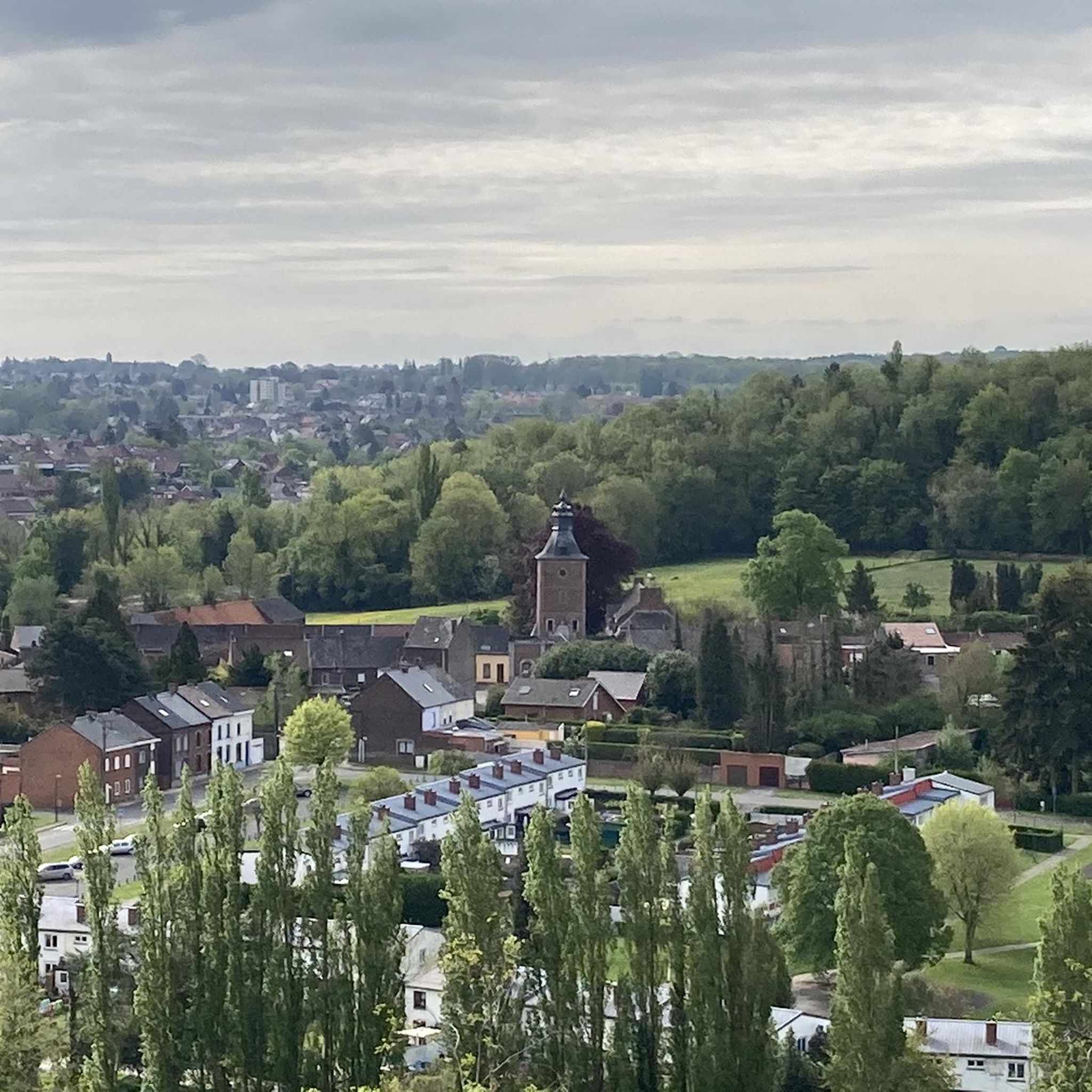
When I was still "able-bodied", I climbed it several times... The climb is also well laid out as a staircase with railway "balls"... Once at the top, you can enjoy a splendid view of Mons (in particular of Sainte Waudru) as well as of Hyon and in particular, its church with its greenish bell tower.
1
2

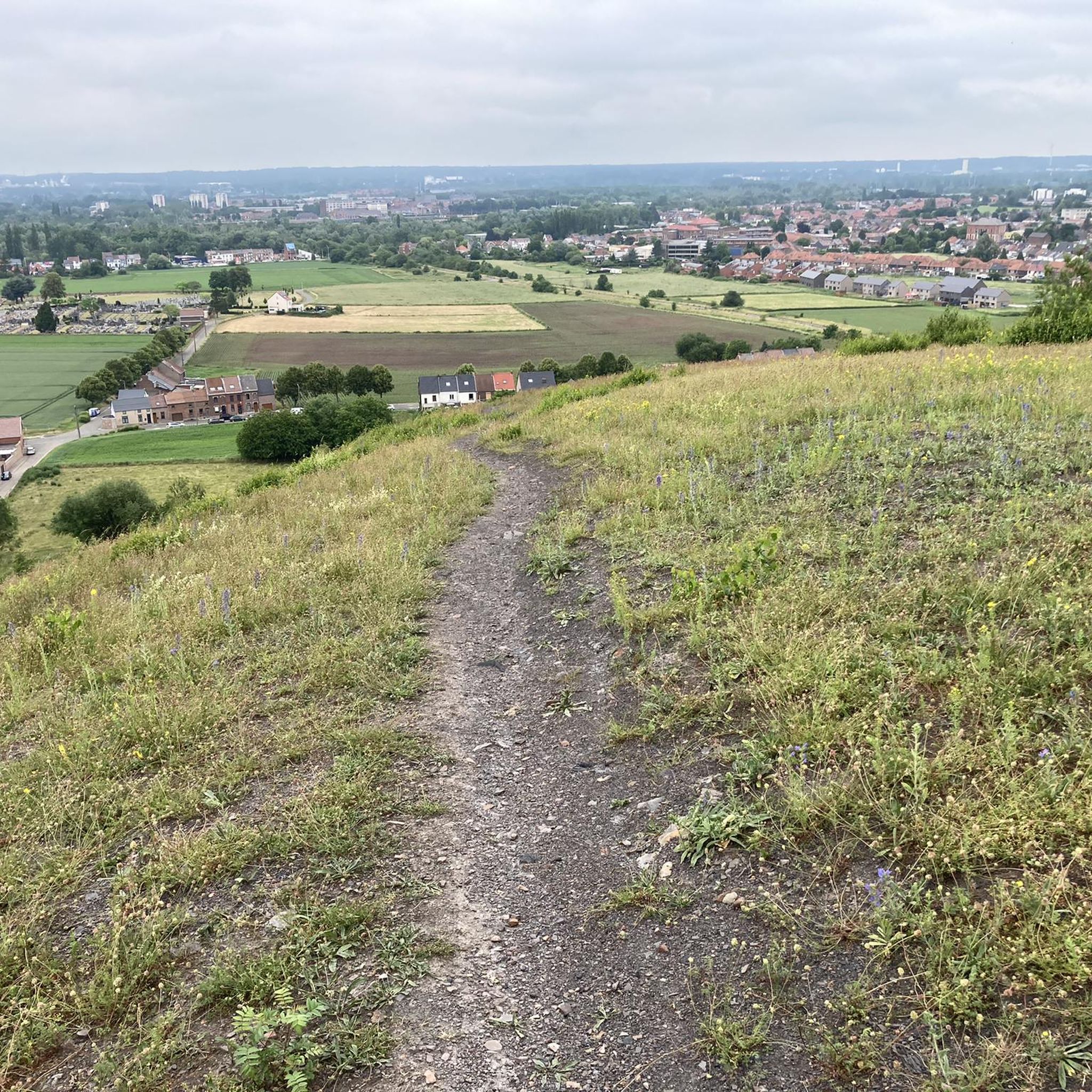
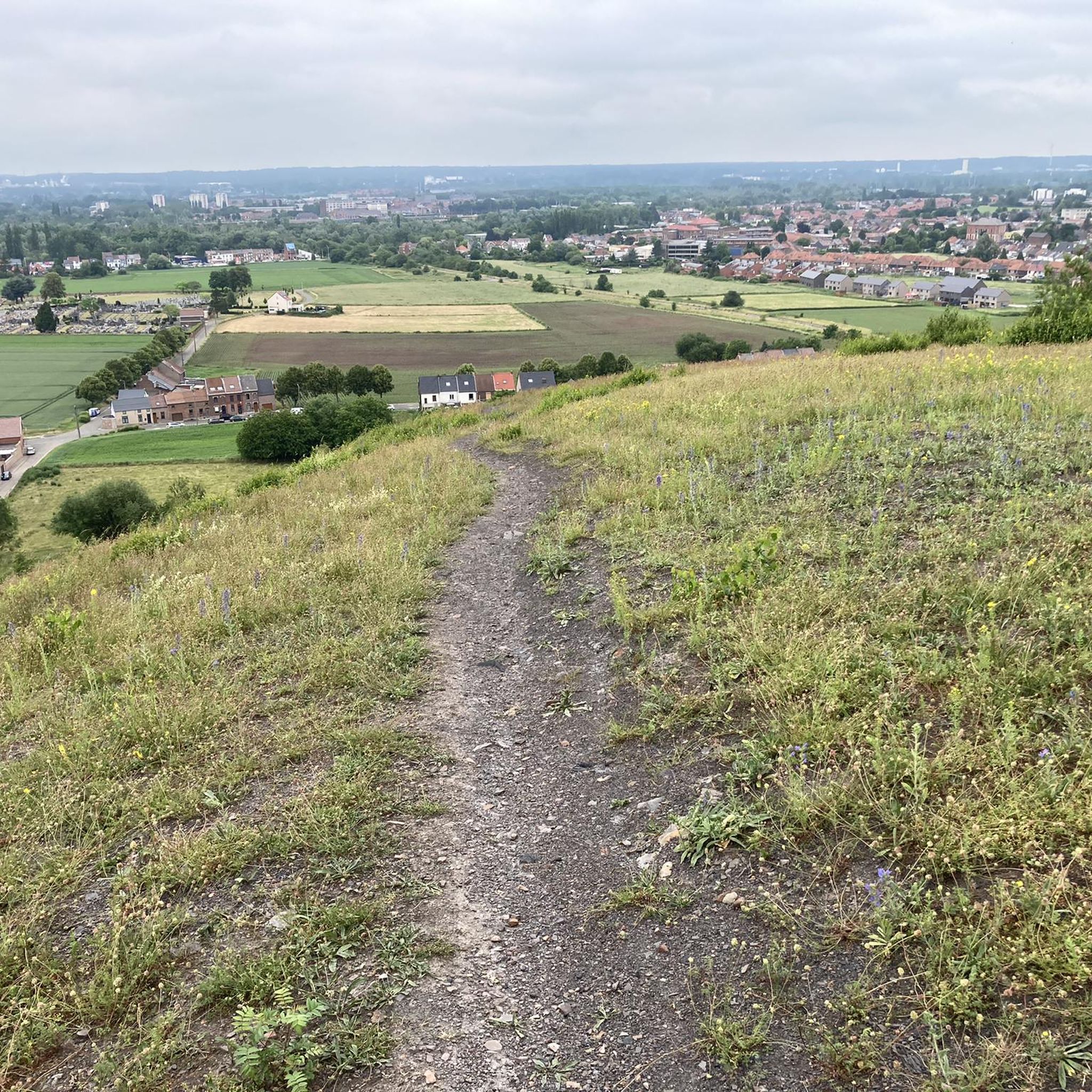
Want some super steep gravel climbing? This terril offers 25% or more! Great view on the town of Mons
1
0

It is at the confluence of the Trouille and the Nouvelles river that this waterfall bridge was born. Originally there was a mill, which was turned into a tannery after the First World War. Today it is a bucolic place surrounded by nature.
2
0

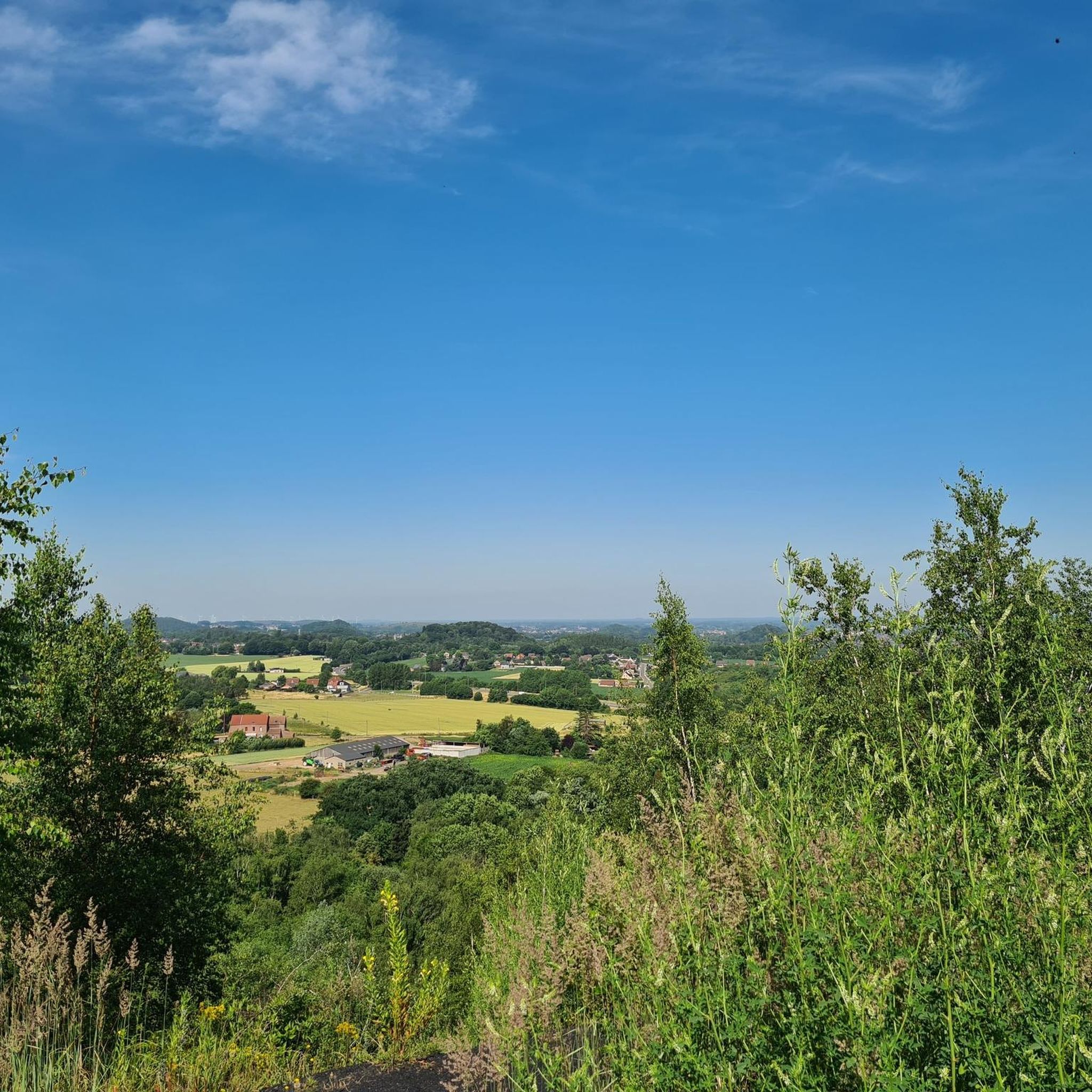
If you've been dreaming of climbing a slag heap all your life, go to the Héribus slag heap... It was the last mine in the Borinage that opened its doors (1918) only to close them 50 years later. Nothing remains of the factory chimneys and shaft trestles. Below you can see a concrete transport tower. The slag heap – 138 meters high – is a beautiful piece of nature. Several hiking trails lead to the top. First you stroll between the birch trees. Then the color of the soil changes and it becomes increasingly spicy. Only do the walk with sturdy footwear and preferably not alone. Above, a coal car rests on a rusted rail. You have a 360° view of the surroundings. The belfry of Mons and the boat lift of Strépy-Thieu are at your feet. A nice spot to relax or have a picnic. If you get hot, it's not just because of the effort. The coal remains still radiate heat. Insiders claim that the temperature in a slag heap can reach up to 2,000° C and that - after digging a well - you can boil an egg there without blinking. https://www.parkoers.be/terril-van-heribus/
5
0
Among the numerous slag heaps, the one at Héribus in Cuesmes is definitely worth a visit. Your calves will have known it, but what a walk!
8
0
This is a summit climb. Especially on the adventurous side. There are ropes there to hoist you up. The other side is a nice wide walking path. In my opinion, the most beautiful slag heap on the GR 412.
6
0
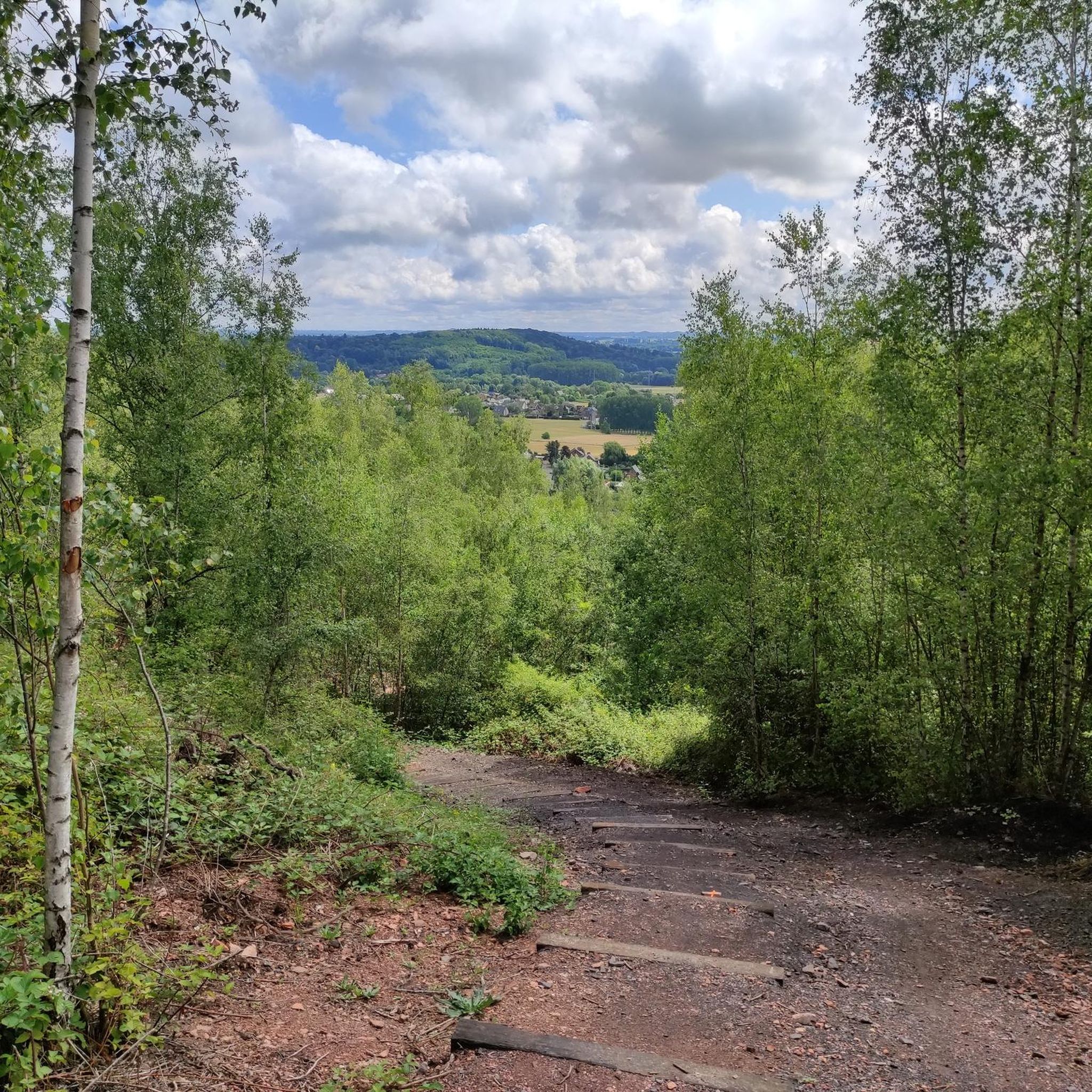
The Crachet slag heap is a Site of Great Biological Interest (SGIB). It is also part of the Natura 2000 network to protect its exceptional fauna and flora. Located a stone's throw from the SPARKOH science museum! (former PASS), the slag heap is a fabulous educational tool which regularly welcomes school visits but also families looking for calm and nature. Thanks to its marked and well-equipped paths with stairs, small bridges, duckboards and ropes, its ascent is easy despite a difference in altitude of around 70 m. Relatively wooded, the Crachet sometimes gives way to magnificent grassy wastelands and a few ponds which encourage the development of great biodiversity. Its summit, located at an altitude of 140 m, offers a beautiful panoramic view of the Borinage slag heap range as well as the SPARKOH! site, built by the architect Jean Nouvel. In this place, the ground is adorned with red and black. Smoke can even be observed in certain places because the heap is still burning more than 60 years after the closure of the site. coal mining. https://www.destinationterrils.eu/nl/terril-du-crachet
8
0
Frequently Asked Questions
What are the main natural monuments to explore around Colfontaine?
The region around Colfontaine is rich in natural monuments, including the vast Colfontaine Forest, the ecologically significant Marcasse slag heap, and the tranquil Hyon Waterfall and Ponds. Other notable sites include the Crachet slag heap and Terril Saint-Antoine, both offering unique natural and historical insights.
What kind of natural features can I expect to see in the Colfontaine Forest?
The Colfontaine Forest is characterized by diverse flora, including a wide array of trees like hazel, hornbeam, ash, maple, and oak. It's a haven for wildlife and boasts varied plant diversity. You'll find picturesque valleys where the Elwasmes and Colfontaine streams flow, and small ponds that provide habitats for dragonflies.
Are there family-friendly natural monuments or activities in the area?
Yes, several natural monuments are suitable for families. The Colfontaine Forest offers the 'Rando des Leus,' a 5 km yellow-marked trail particularly appealing for children, inviting them to spot red squirrels or roe deer. The Hyon Waterfall and Ponds provide a peaceful setting for a family outing, and the Mayeur Garden is also family-friendly. The Crachet slag heap is also considered an excellent educational tool for families and school visits.
What is the historical significance of the slag heaps around Colfontaine?
The slag heaps, such as the Marcasse, Crachet, and Terril Saint-Antoine, are remnants of the region's rich coal mining past. They offer a fascinating blend of industrial heritage reclaimed by nature. For instance, the Colfontaine Forest still holds remnants like the concrete headframe of the Sauwartan mine, and the Marcasse slag heap is where Vincent van Gogh briefly shared the lives of miners in 1879.
What kind of outdoor activities can I do near these natural monuments?
The natural monuments around Colfontaine are excellent for various outdoor activities. The Colfontaine Forest features over 30 to 60 km of marked trails for walking or cycling. The Crachet slag heap has marked paths, stairs, and bridges for an accessible ascent. For cycling enthusiasts, there are numerous MTB trails, gravel biking routes, and road cycling routes in the vicinity.
Are there good viewpoints among the natural monuments?
Yes, several natural monuments offer spectacular views. The slag heaps, in particular, are known for their panoramic vistas. The summit of the Crachet slag heap, at an altitude of 140 m, provides a beautiful panoramic view of the Borinage slag heap range. Similarly, the Terril Saint-Antoine also offers panoramic views over the green canopy.
What is the best time of year to visit the natural monuments around Colfontaine?
While specific seasonal tips are not available, the natural monuments, especially the forests and slag heaps, are generally enjoyable during spring, summer, and autumn when the flora is vibrant and weather conditions are mild for outdoor activities like hiking and cycling. Winter can also offer a unique, serene experience, though some paths might be more challenging.
What makes the Marcasse slag heap unique?
The Marcasse slag heap is a compelling example of nature reclaiming an industrial site. It has been transformed into a nature reserve, supporting a unique ecosystem with rare plants, birds, and insects. It beautifully combines the region's industrial past with biodiversity conservation, offering a fascinating environment for ecological study and appreciation.
Can I find any hidden natural gems or unique flora/fauna?
The Colfontaine Forest is recognized as a major ornithological reserve, making it an excellent spot for birdwatching. The Crachet slag heap is a Site of Great Biological Interest, part of the Natura 2000 network, protecting its exceptional fauna and flora, including magnificent grassy wastelands and ponds. You might also spot trees with mistletoe, an evergreen semi-parasite with cultural significance.
Are there challenging trails for experienced hikers?
While many trails are accessible, some areas offer more challenging routes. The Terril Saint-Antoine is noted for its challenging routes, and the Crachet slag heap, while having accessible paths, involves a summit climb with ropes in some sections, appealing to those seeking a more adventurous ascent.
Where can I find more information about the Colfontaine Forest?
For more detailed information about the Colfontaine Forest, including its features and visitor information, you can refer to external resources such as visitmons.be.
Most popular routes around Colfontaine
Most popular attractions around Colfontaine

Get inspired with the komoot mobile app


Explore more
Extend your search for the best caves by checking out these guides of the top ones around Colfontaine:
