Top 20 Natural Monuments around Hélécine
Best natural monuments around Hélécine include a diverse range of sites, from historical burial mounds to ancient springs and unique geological features. The region's landscape is characterized by its agricultural heritage and significant natural havens like the Hélécine Estate Park, a 28-hectare area with a nature reserve and various natural elements. These landmarks and natural features around Hélécine offer opportunities for historical exploration and nature appreciation. Visitors can discover a blend of cultural history and natural beauty, making it an engaging area for outdoor activities.
Best natural monuments around Hélécine
- The most popular natural monument is Sint-Hymelinus Spring, a natural monument that is an idyllic spot with benches and a story of Saint Hymelinus. This site is known for its historical and spiritual significance, with pilgrims visiting for centuries.
- Another must-see spot is Drie Tumuli of Grimde, a historical site and natural monument. These three Gallo-Roman tumuli are preserved above ground along the Sint-Truidensesteenweg. They are notable for their interconnectedness, rich burial contents, and location along an ancient Roman highway.
- Visitors also love Via Longa (Sunken Lane Haspengouw), a trail and natural monument known for its rich fauna and flora. This ancient path, part of a Roman road, offers geological interest and is a protected habitat.
- Hélécine is known for historical tumuli, ancient springs, and unique sunken roads. These sites offer a blend of natural beauty, historical context, and opportunities for exploration.
- The natural monuments around Hélécine are appreciated by the komoot community. With more than 40 upvotes and 18 photos, these locations are popular among outdoor enthusiasts.
Last updated: August 22, 2026
Sint-Hymelinus Spring
Highlight • Natural Monument
nl.wikipedia.org/wiki/Himelinus
Translated by Google •
Tip by

Narrow sunken lane
Highlight • Trail
Translated by Google •
Tip by

Sign up now to discover places like this
Get recommendations on the best single tracks, peaks, & plenty of other exciting outdoor places.
Sign up for free
Drie Tumuli of Grimde
Highlight • Historical Site
The fact that the three tombs, which can be dated to the 2nd century, are the only above-ground burial mounds in Tienen makes them special. The exceptional character of the tumuli is also underscored by their rich burial contents. Among the finds are several unique objects, including a cameo depicting Emperor Augustus, a gold engagement ring with an inscription, a silvered bronze fibula, and a gold ingot bearing the name Marcus Probius Burrus.
Inventory of Immovable Heritage: Grimde Tumuli id.erfgoed.net/erfgoedobjecten/301309
I would certainly also advocate for the small park where the tumuli are located, despite the more crowded surroundings. The walk you can take along and around the tumuli, the artworks of the academy that make the whole thing more beautiful (Experience walk Academy Region Tienen or ART) and the very good information boards, also about the hamlet of Grimde and of course Tienen and the Romans, including the tumuli: all good points to include this park in a longer walk.
Translated by Google •
Tip by
Tumulus of Bortombe
Highlight • Historical Site
Translated by Google •
Tip by
Sinte-Gitter
Highlight • Historical Site
You can enjoy a real adventure park where you will have to overcome a number of obstacles without setting foot on the ground.
Target group: everyone Price: 4 euros per person
Closed on Sundays and Mondays
Tue-Fri: 9 am - 6 pm
Sat: 9 am - 5 pm
This archaeological site includes a Merovingian cemetery with a covered archaeological site of church choir foundations and two medieval moth mounds.
This would originally have been the home of Pepijn van Landen, a scion of an aristocratic and very influential family.
Translated by Google •
Tip by

Sign up for free to discover even more natural monuments around Hélécine.
Sign up for free
Already have an account?
Start today with a free account
Your next adventure awaits.
Login or Signup

Tips from the Community

A narrow hollow way, for sure. But above all a hollow way with a particularly rich life, not least of all the mammals typically found in hollow ways, which like to linger here, as evidenced by all the many tracks and entrances to all sorts of burrows. A delight. And typically Rosdel.
6
0
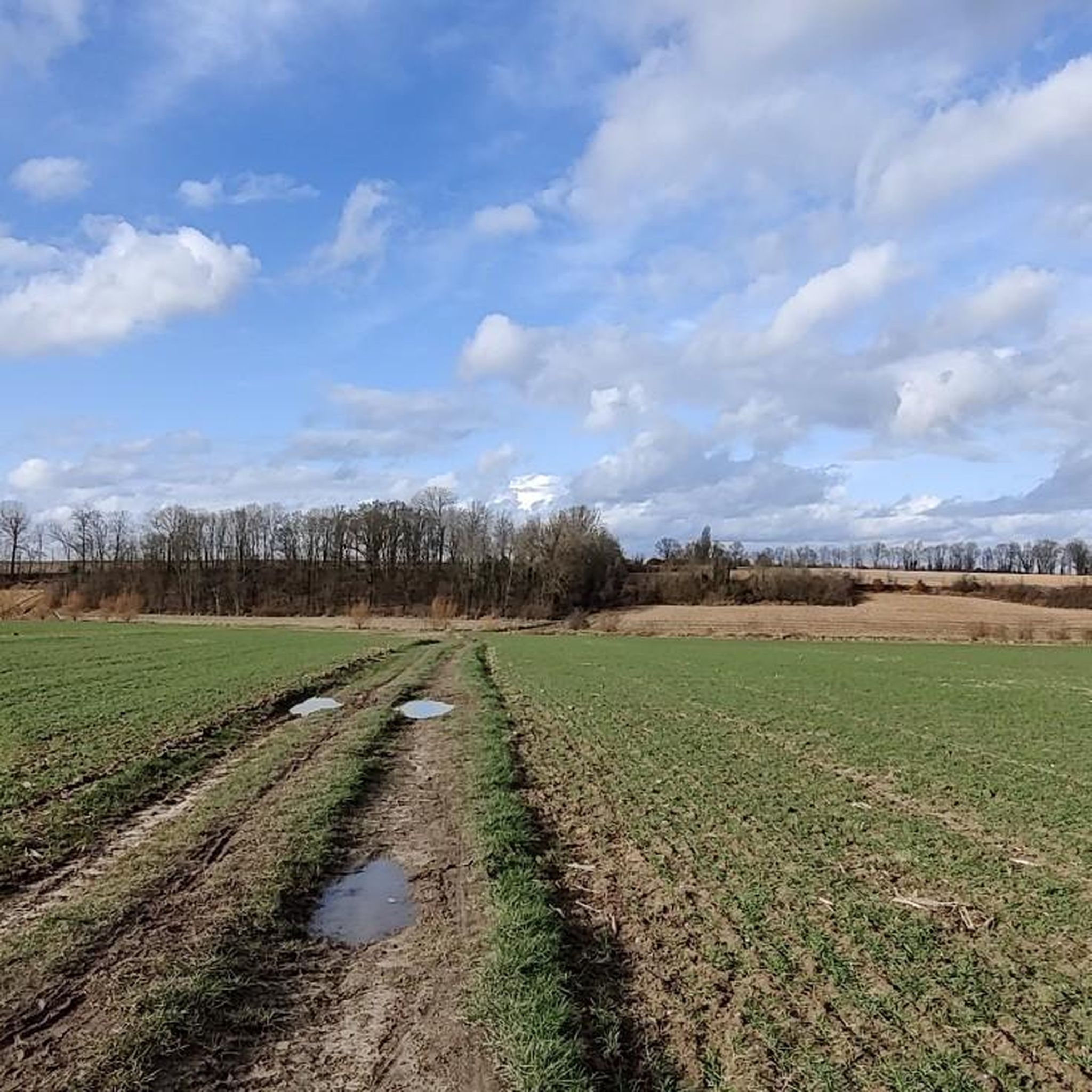
The many sunken roads in Hoegaarden (and its sub-municipalities like here) form valuable lines in the landscape. The preservation of these linear landscape elements was heavily debated in the first land consolidation plans. Through targeted actions, Natuurpunt was able to preserve a series of unpaved country roads. These green corridors are the habitat of the yellowhammer and woodlark. And you enjoy them. Source: https://www.natuurpunt.be/natuurgebieden/rosdel
6
0
Centrally at the summit stands an imposing multi-stemmed linden. This tree still has an old trunk base (approximately 2 meters in diameter) with parts of the original residual wall of the previous hollow tree. Several new trunks grew from this residual wall and from trunk base suckers, which now once again form a beautiful, full crown atop the tumulus. Inventory of Immovable Heritage 2026: Linden at Bortombe, https://id.erfgoed.net/erfgoedobjecten/308038
4
0
Roman tumulus with a diameter of approximately 20 to 25 meters. The burial mound is located approximately one and a half kilometers from the Roman villa complex of Hemelrijk. In 1863, H. Schuermans and A. conducted excavations there, during which a rectangular burial chamber (2.18 by 2.05 meters) was discovered in the mound. The burial mound partially covered the remains of the funeral pyre southeast of the burial chamber. A wealth of gifts were recovered from the burial chamber: terra sigillata bowls, burnt iron fragments, terra nigra, glass, beads in glass paste, bone and bronze objects, and coins of Faustina I, Tiberius, and Hadrian. Based on the finds, the burial mound could be dated between the second half of the 2nd century and the beginning of the 3rd century. Inventory of Immovable Heritage: Tumulus Bortombe, https://id.erfgoed.net/erfgoedobjecten/302655
4
0
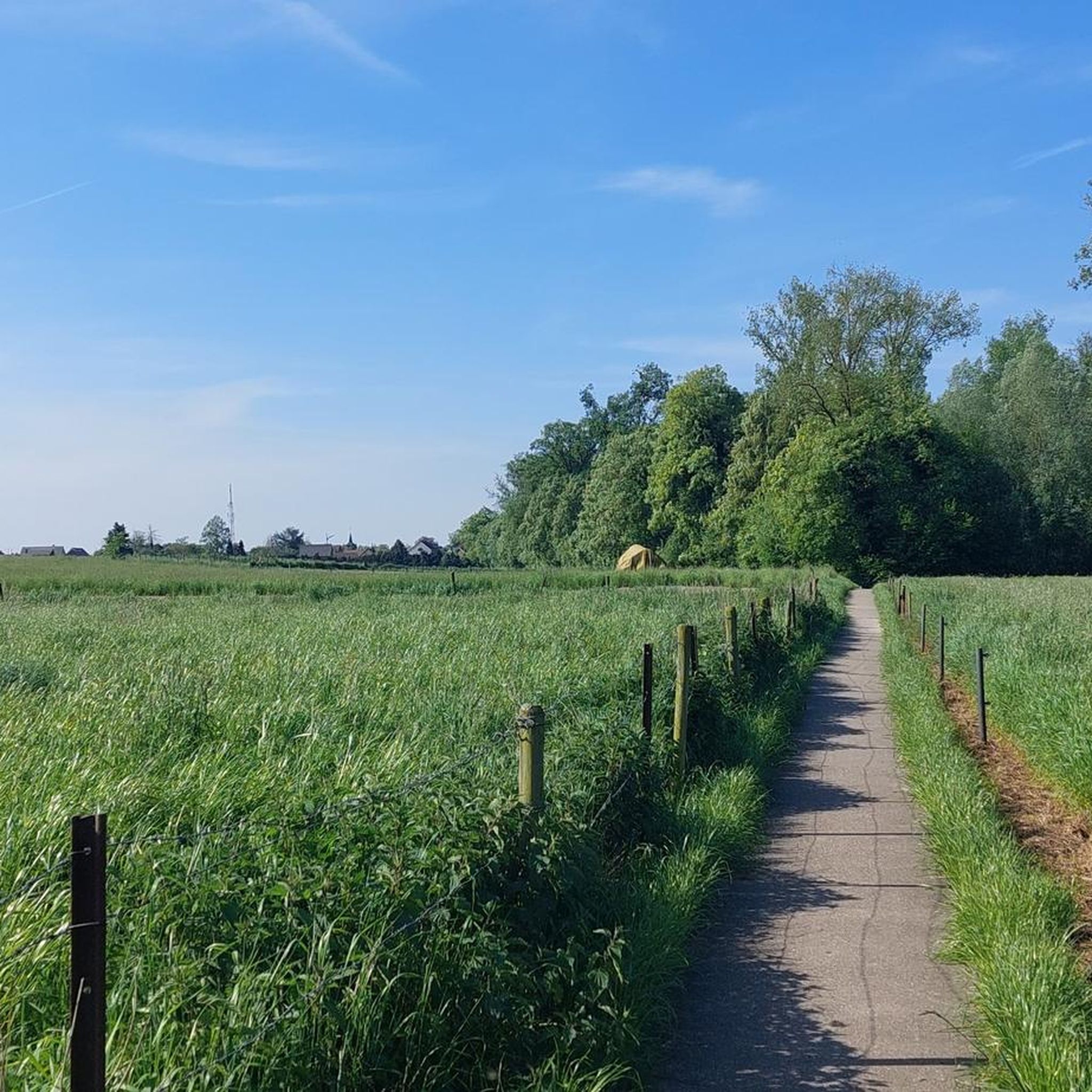
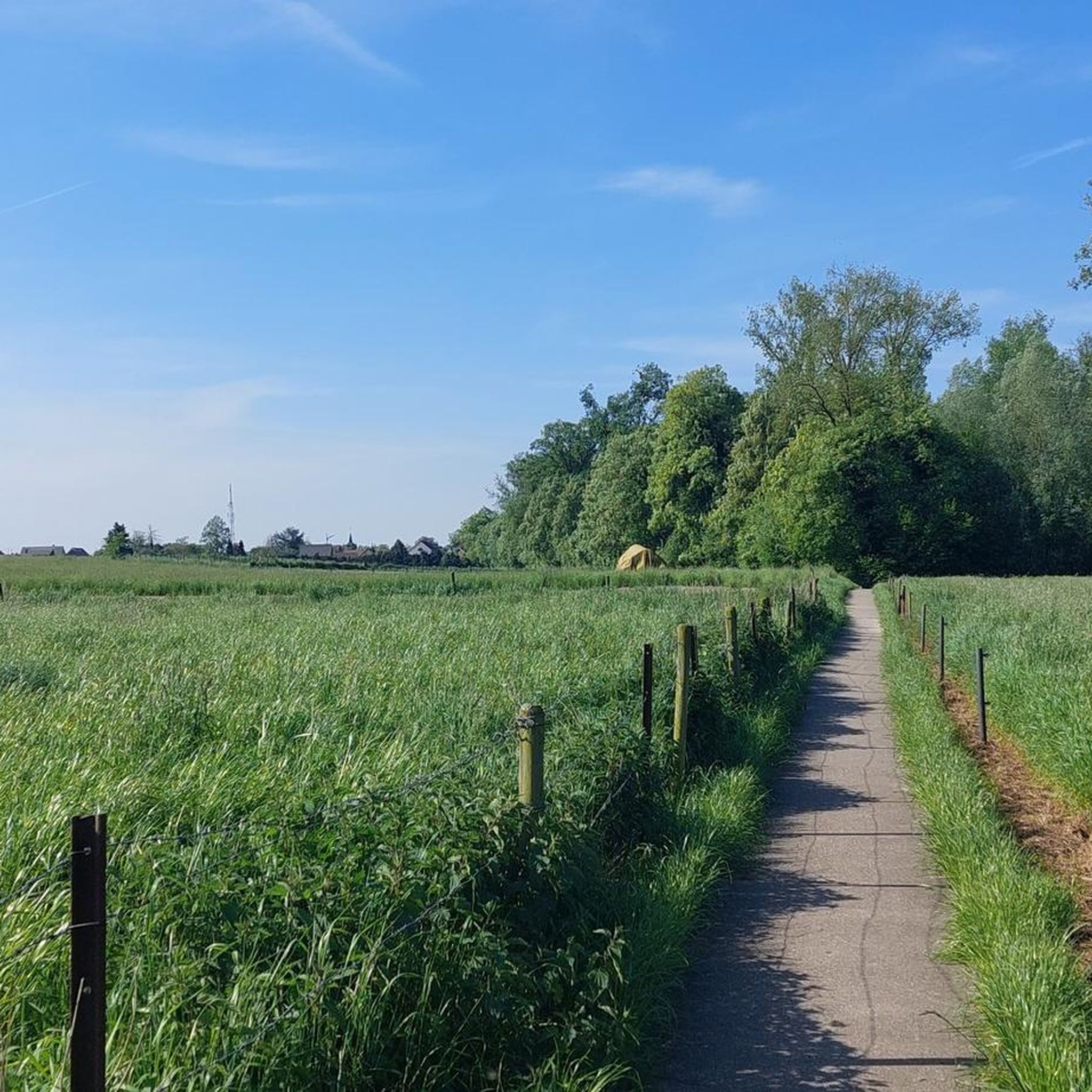
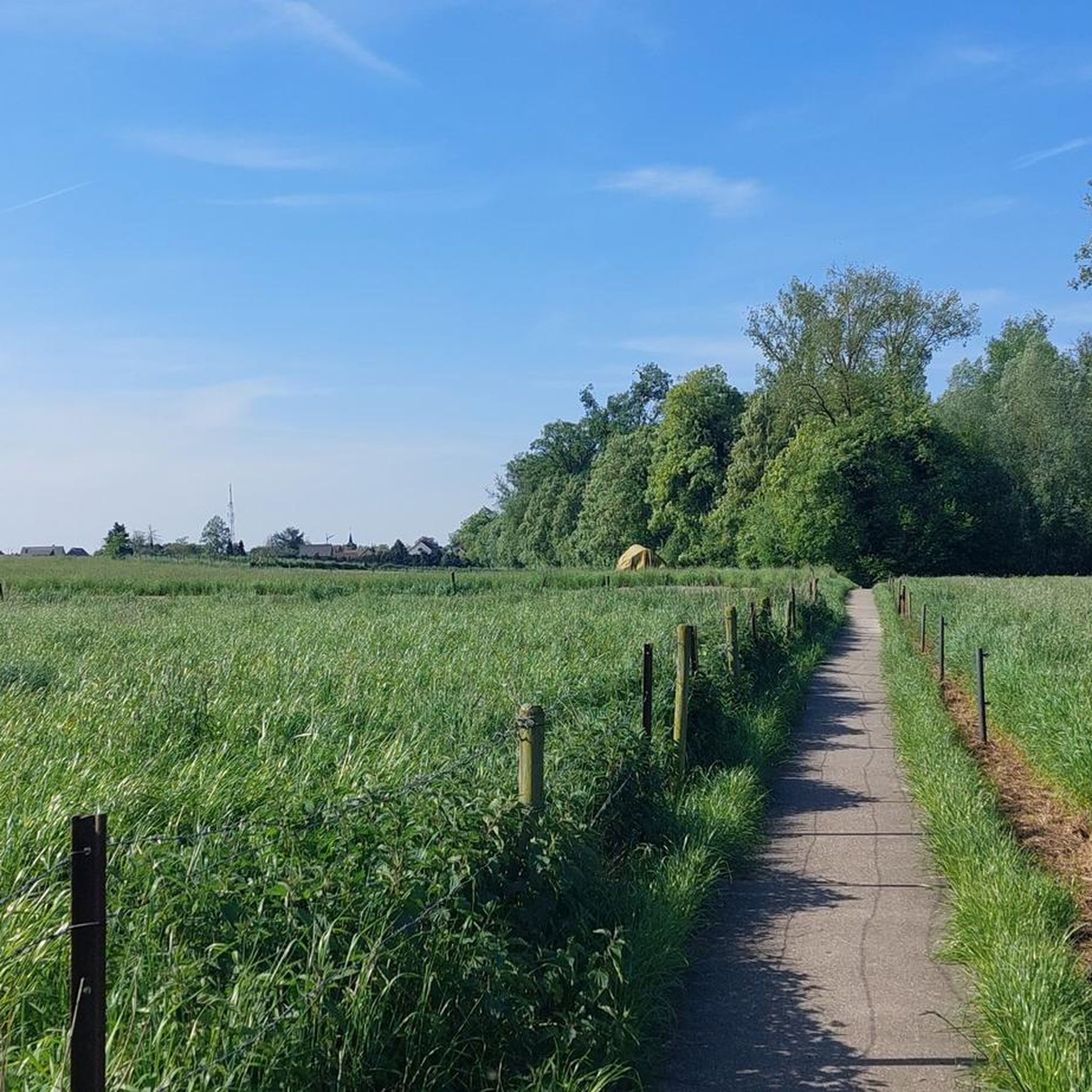
The tumulus of Bortombe is situated on a hill, and anyone who appreciates a listed ancient burial mound (Roman artifacts were found in the tomb) with a listed lime tree on it will have to sacrifice paved walking paths. But that's the case for most walks in the area, and it doesn't bother me. It's always nice to have a bench and enjoy the views.
4
0
The monumental character of the tumuli and their location along a main road to Tongeren served to display the power and wealth of the deceased. This road remained a major traffic artery for several centuries after the Roman era, meaning that passersby were constantly confronted with the monumental mounds. Over time, however, it lost its original purpose as a burial monument, and the area around the three tombs was used for various other purposes. In the first half of the 15th century, the tumuli came into the possession of the Dukes of Brabant, who established a rabbit warren there under the supervision of a gamekeeper, the so-called tombhueder. This person's job was to capture the numerous rabbits and foxes on the estate in exchange for rye. Around 1403-1404, the hunt was placed under the supervision of a warantmeester. In 1450, Philip of Burgundy decided to lease the three tumuli to the city of Tienen, which in turn leased the tumuli, along with the nearby fields, as parcels of land. Those who acquired them had to pay a tax to the duke for exterminating the rabbits. Later, the tumuli became the property of the local Table of the Holy Spirit (a civic institution that cared for the poor). When the Table of the Poor was closed in 1796, its management passed to the directors of the newly established Tienen charity office. Attention to the tumuli themselves gradually revived due to a renewed interest in ancient culture during the 16th and 17th centuries. For example, in the 16th century, the Zaventem tumulus was completely excavated in the presence of Emperor Charles V to reveal its rich grave contents. But it wasn't only scholars and prominent figures who became interested in ancient objects; itinerant soldiers also sought their share of the loot. Thus, many tumuli were sought out by treasure hunters, including the Grimde tumuli. Inventory of Immovable Heritage: Grimde Tumuli https://id.erfgoed.net/erfgoedobjecten/301309
4
0

A small chapel hidden in nature...
1
0
Neatly tidied and renovated since my last visit. Sometimes the moisture on the window can obscure Hymelinus from view. Those who are here for the pilgrimage or want to know more can, however, visit Hymelinus' reliquary in the church of Sint-Martens-Vissenaken and, of course, see his image and light a candle, as has been done for centuries. See photos at https://www.komoot.com/nl-nl/highlight/5345914
2
0
Frequently Asked Questions
What unique natural features can I explore around Hélécine?
Beyond specific monuments, the Hélécine region offers diverse natural settings. The expansive 28-hectare Hélécine Estate Park is an exceptionally green setting with a nature reserve, several fishing ponds, and diverse wildlife like deer, swans, geese, and peacocks. You can also experience the unique design of the Suspension bridge over the Grote Gete, which leads to a nature reserve, or visit the De Pallox Observation Tower for panoramic views of local fruit trees, connecting you to the agricultural natural heritage.
Are there historical natural monuments in the Hélécine area?
Yes, Hélécine is rich in historical natural monuments. You can visit the Drie Tumuli of Grimde, three well-preserved Gallo-Roman burial mounds along the Sint-Truidensesteenweg, known for their rich burial contents and historical significance. Another notable site is the Tumulus of Bortombe, a Roman burial mound with a listed ancient lime tree at its summit, offering a glimpse into ancient history and beautiful views.
What are some family-friendly natural monuments to visit near Hélécine?
For families, the Hélécine Estate Park is an excellent choice, featuring two playgrounds, fishing ponds, and ample space for relaxation. Additionally, the Sinte-Gitter archaeological site offers an adventure park experience with medieval moth mounds and a barefoot path, suitable for all ages. The Drie Tumuli of Grimde are also considered family-friendly, with good information boards and artworks making the area engaging for a walk.
What kind of wildlife can I expect to see in Hélécine's natural areas?
The Hélécine Estate Park is a significant natural haven where you can observe diverse wildlife. Visitors often spot deer, swans, geese, and peacocks within the park's expansive grounds. The nature reserve within the estate and the areas around the fishing ponds provide habitats for various species, making it a great spot for nature observation.
Are there hiking opportunities near the natural monuments in Hélécine?
While specific hiking routes directly linked to individual natural monuments aren't always available, you can find numerous cycling and gravel biking routes in the broader Hélécine area that pass by or near these sites. For example, you can explore various trails listed in the Cycling around Hélécine guide or the Gravel biking around Hélécine guide, which offer different difficulty levels and scenic paths through the countryside.
What is the best time to visit the natural monuments around Hélécine?
The best time to visit Hélécine's natural monuments is generally during the spring and summer months (April to September) when the weather is pleasant, and the natural landscapes are in full bloom. This period is ideal for outdoor activities, enjoying the greenery of the Hélécine Estate Park, and exploring historical sites like the tumuli. Some sites, like Sinte-Gitter, are particularly recommended in the 'better seasons' due to potential flooding in winter.
Is there a natural monument known for its spiritual or historical legends?
Yes, the Sint-Hymelinus Spring is an idyllic natural monument with significant historical and spiritual importance. It's associated with the legend of Saint Hymelinus, a Scottish pilgrim who died in Visaken in 750. Pilgrims have visited this site for centuries, and it's known for its serene atmosphere and the story of water turning into wine.
Are there any protected natural areas or unique geological features?
The Hélécine Estate Park includes a designated nature reserve, providing a protected environment for local flora and fauna. Additionally, the Via Longa (Sunken Lane Haspengouw) is a fully protected ancient path, part of a Roman road, known for its rich fauna and flora and fascinating geological interest. Its steep flanks reveal underlying white sand-lime brick in some places.
What kind of cycling activities can I do near Hélécine's natural monuments?
Hélécine offers various cycling opportunities. You can find routes suitable for touring bicycles in the Cycling around Hélécine guide, with options like the 'Hélécine Castle and Park – Hélécine Castle loop' which is an easy 25 km ride. For more adventurous cyclists, the Gravel biking around Hélécine guide provides routes like the 'Gravel Path Through the Fields – Narrow Path Along Hedge loop', a moderate 31 km option.
Are there any MTB trails in the vicinity of Hélécine's natural sites?
Yes, mountain biking enthusiasts can explore trails in the area. The MTB Trails around Hélécine guide features several routes, such as the 'Celis Watermill – Tienen-Hoegaarden Railway Path loop' which is a moderate 24 km trail, or the 'Narrow Path Along Brick Wall – Orp-Jauche Park loop', an easy 24 km option, allowing you to experience the natural landscapes on two wheels.
Are there places to eat or drink near the natural monuments?
The Hélécine Estate Park features a 'Pop-Up Bar' with a terrace overlooking the ponds, providing a pleasant spot for refreshments. While specific cafes or pubs might not be directly adjacent to every monument, the nearby towns and villages will offer various dining options. It's advisable to check local listings for establishments closest to your chosen natural monument.
What do visitors enjoy most about the natural monuments around Hélécine?
Visitors appreciate the blend of natural beauty and historical context. The Sint-Hymelinus Spring is loved for its idyllic setting and spiritual story. The Drie Tumuli of Grimde are valued for their historical depth and the engaging walk around them. The Via Longa is praised for its rich fauna, flora, and geological interest, making it a fun and educational walk.
Most popular routes around Hélécine
Most popular attractions around Hélécine

Get inspired with the komoot mobile app


Explore more
Extend your search for the best caves by checking out these guides of the top ones around Hélécine:
