Top 20 Natural Monuments around Boortmeerbeek
Best natural monuments around Boortmeerbeek include diverse landscapes such as wet meadows, marsh forests, and sandy elevations. The region features several nature reserves and historical sites that offer varied ecological characteristics. These areas provide habitats for a wide array of plant and animal species, including specific insects, birds, and mammals. Visitors can explore a range of environments, from river landscapes to regenerating heathland.
Best natural monuments around Boortmeerbeek
- The most popular natural monuments is Zellaer Castle, a castle and…
Last updated: July 12, 2026
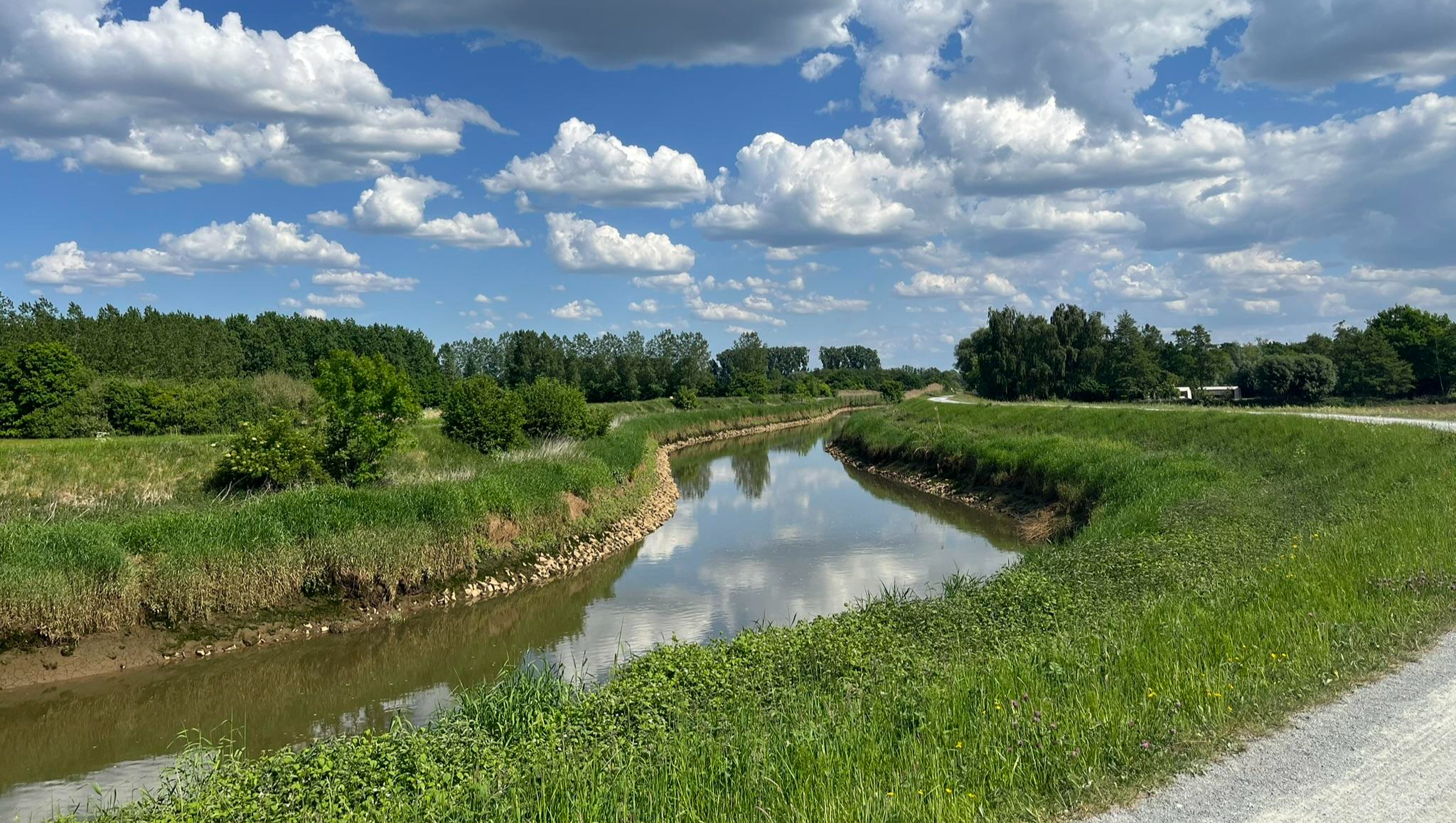
Antitank Canal Haacht
Highlight • Structure
Translated by Google •
Tip by

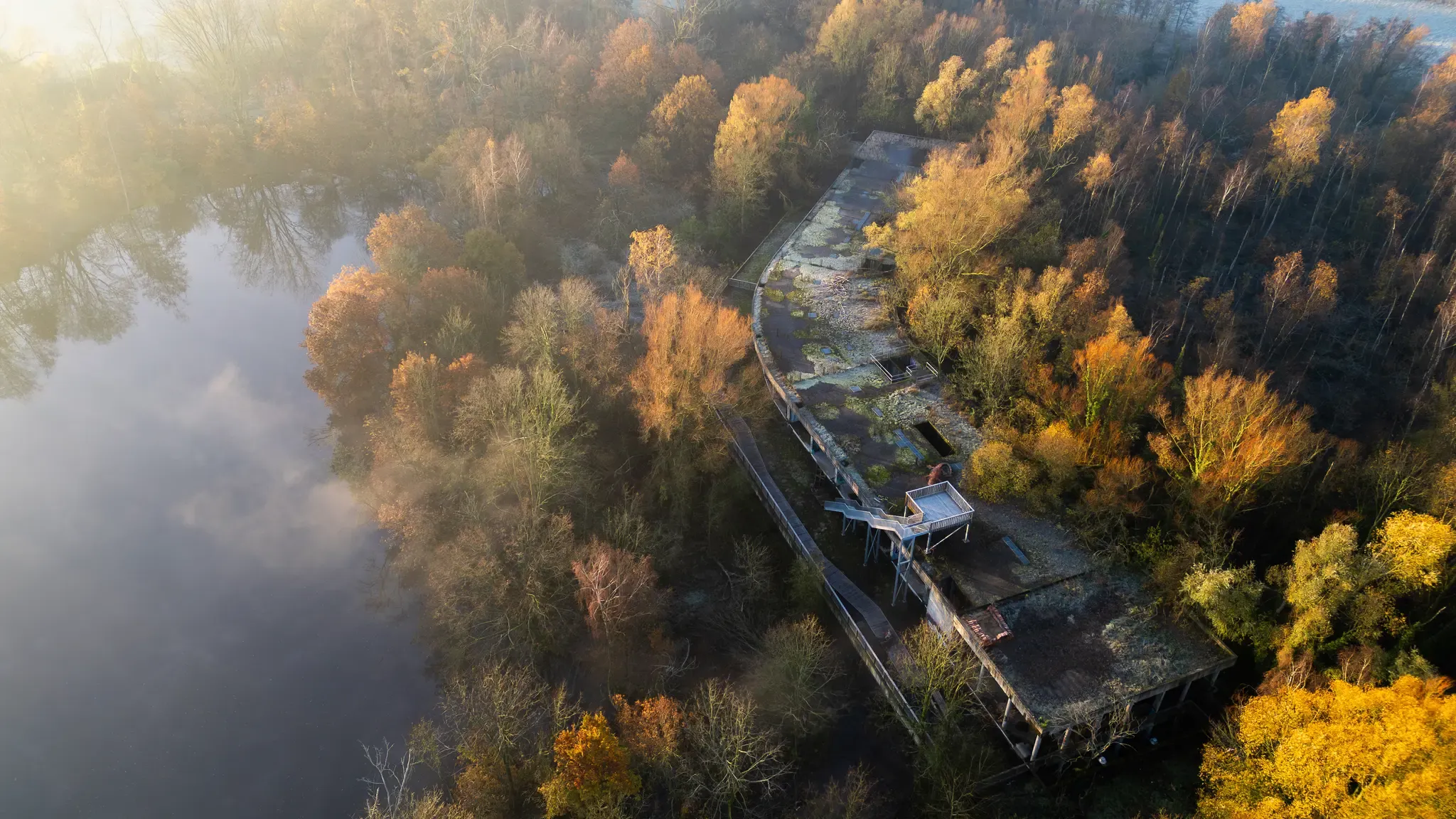
Mispeldonk Nature Reserve
Highlight • Natural
Translated by Google •
Tip by

Sign up now to discover places like this
Get recommendations on the best single tracks, peaks, & plenty of other exciting outdoor places.
Sign up for free
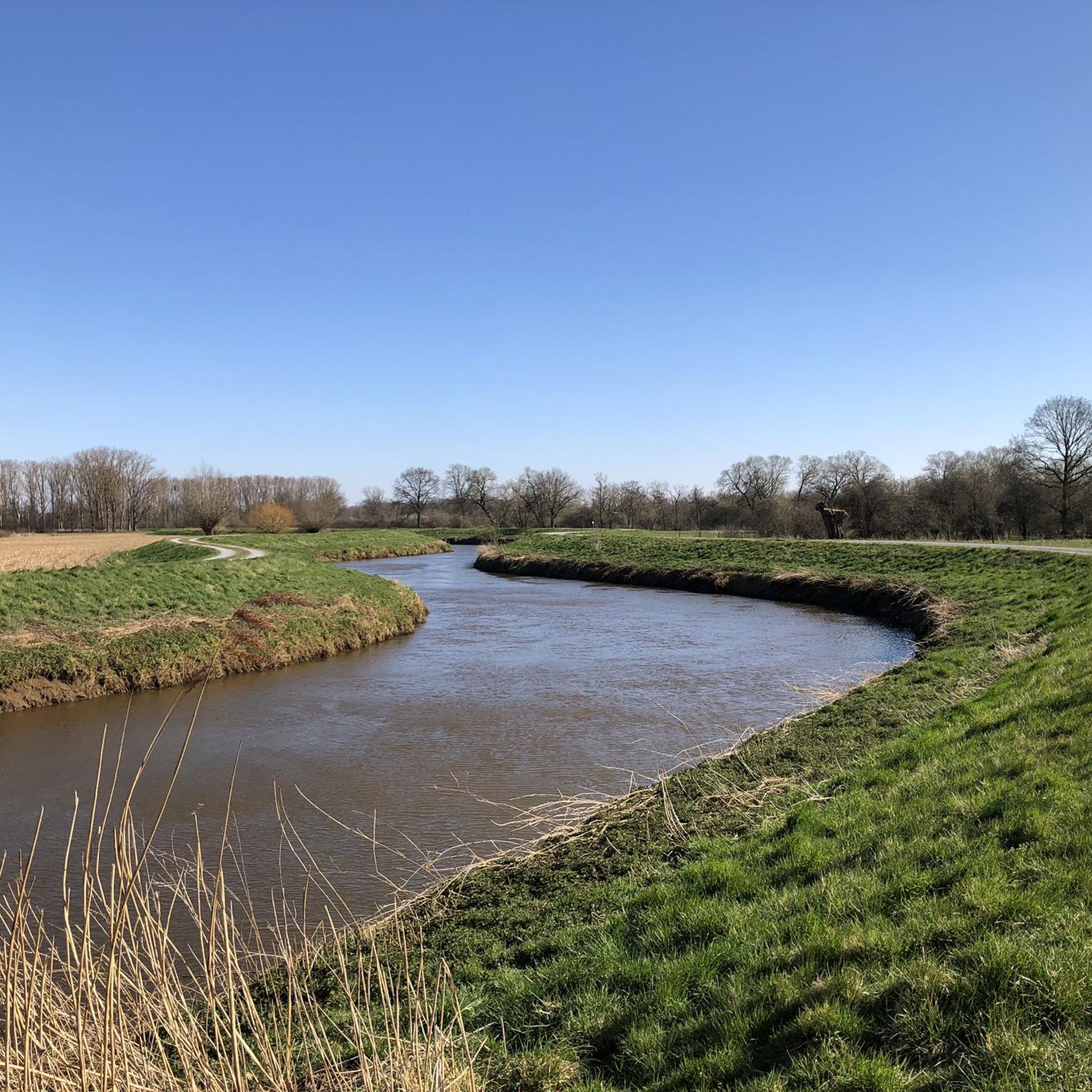
Confluence of the Demer and the Dijle
Highlight • River
Translated by Google •
Tip by

Zellaer Castle
Highlight • Castle
Translated by Google •
Tip by
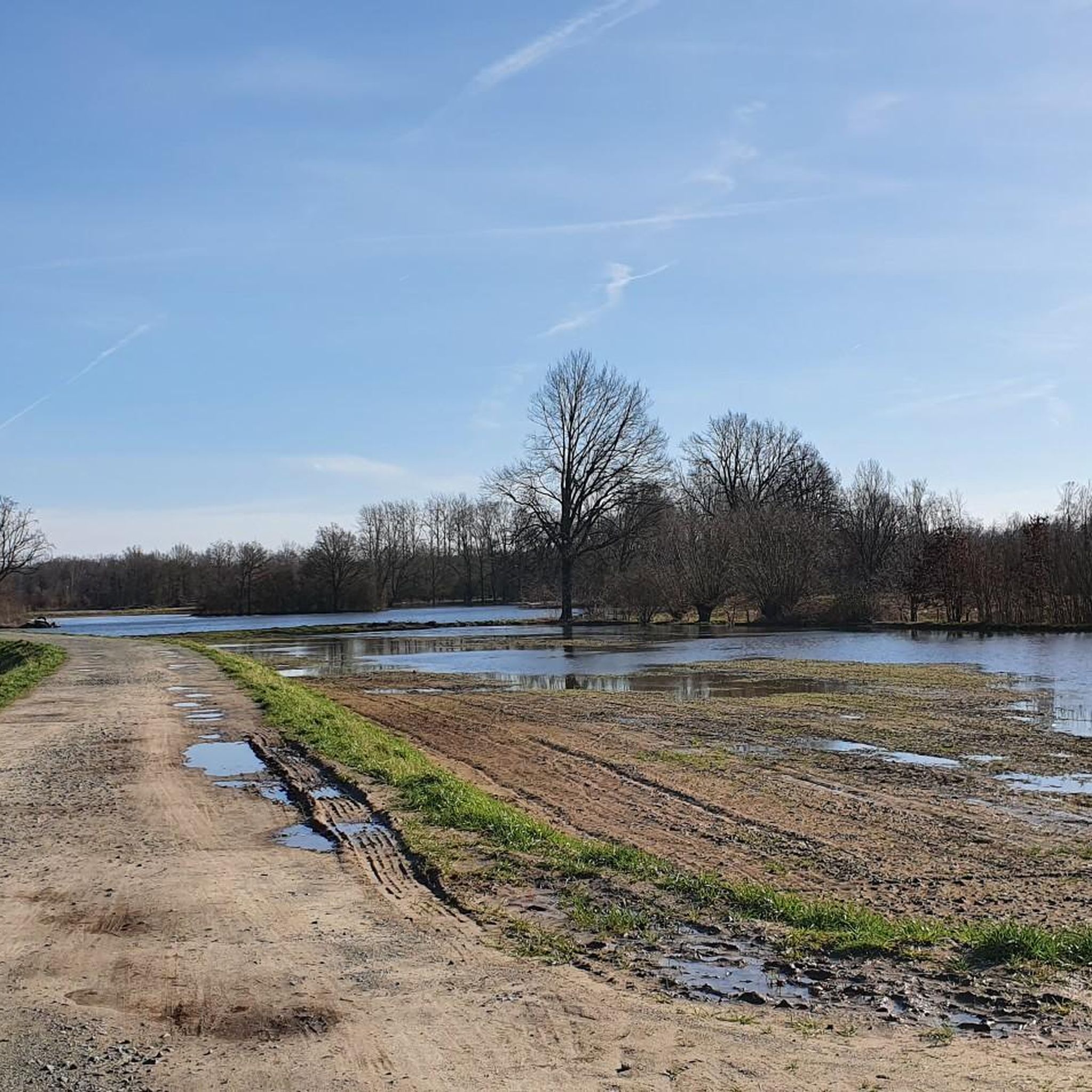
Zennegat Flood Area
Highlight • Natural Monument
Translated by Google •
Tip by
Sign up for free to discover even more natural monuments around Boortmeerbeek.
Sign up for free
Already have an account?
Start today with a free account
Your next adventure awaits.
Login or Signup
Popular around Boortmeerbeek



Tips from the Community


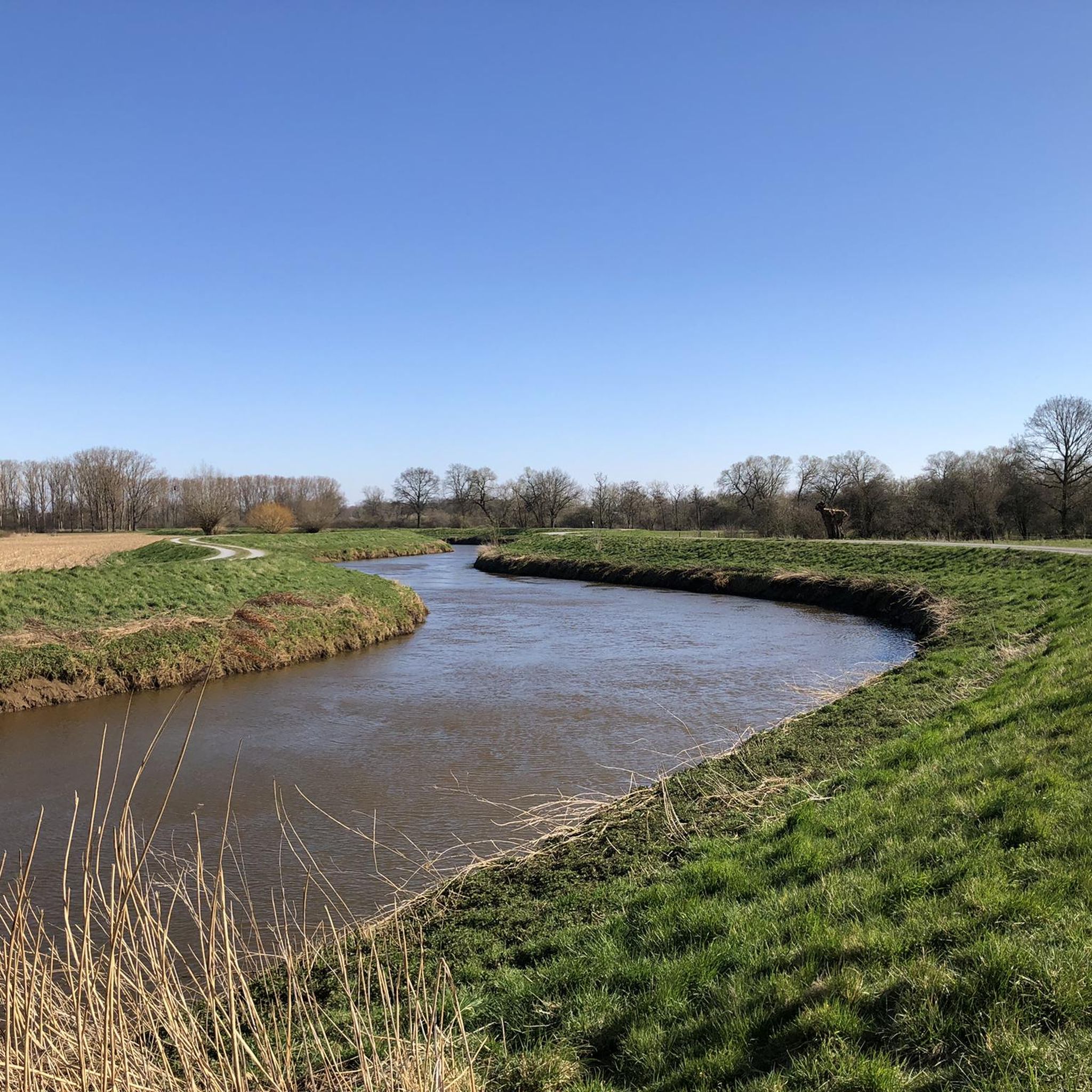
You see the mouth of the Demer
1
0
Another castle that can be called a castle...
2
0
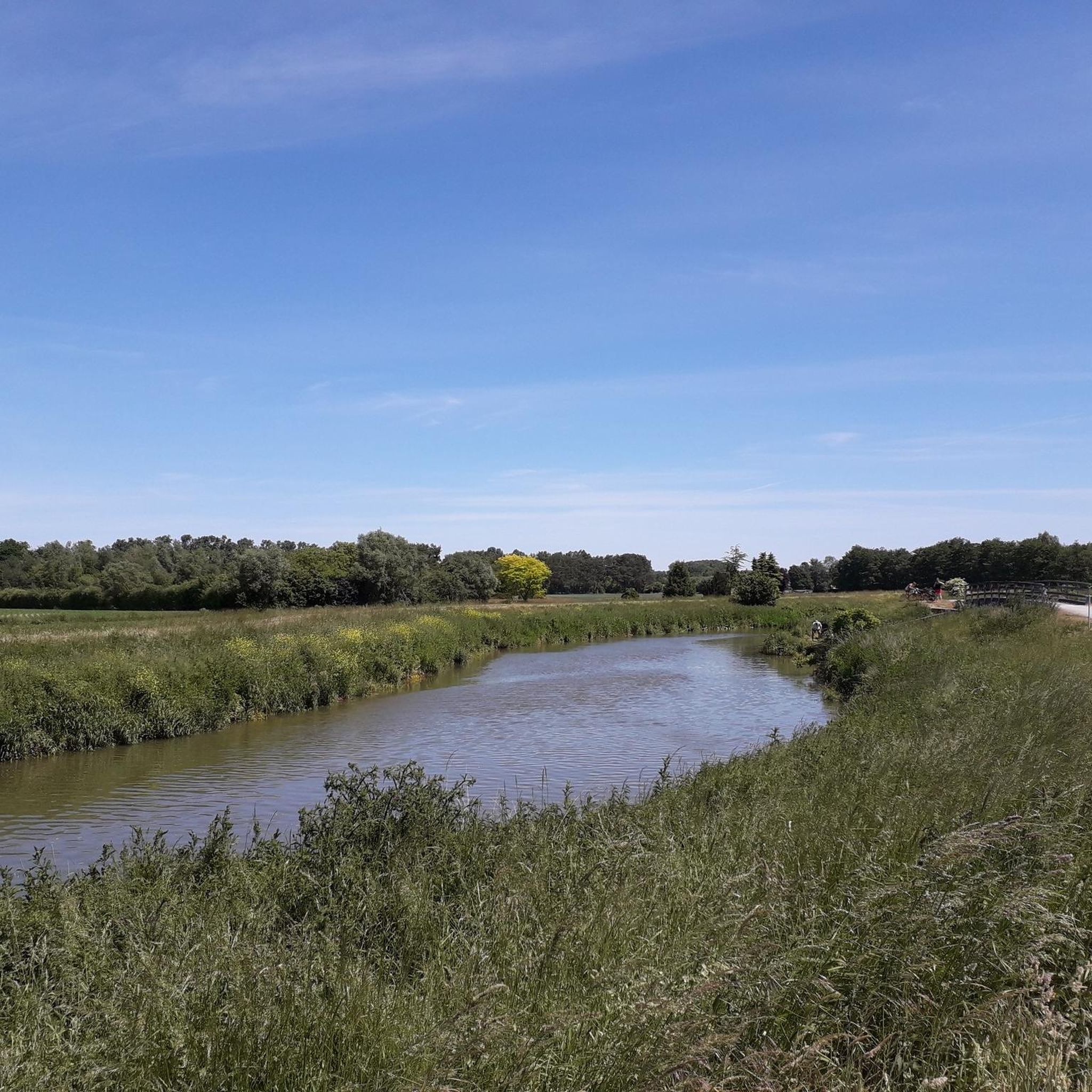
From one river to another...
9
0

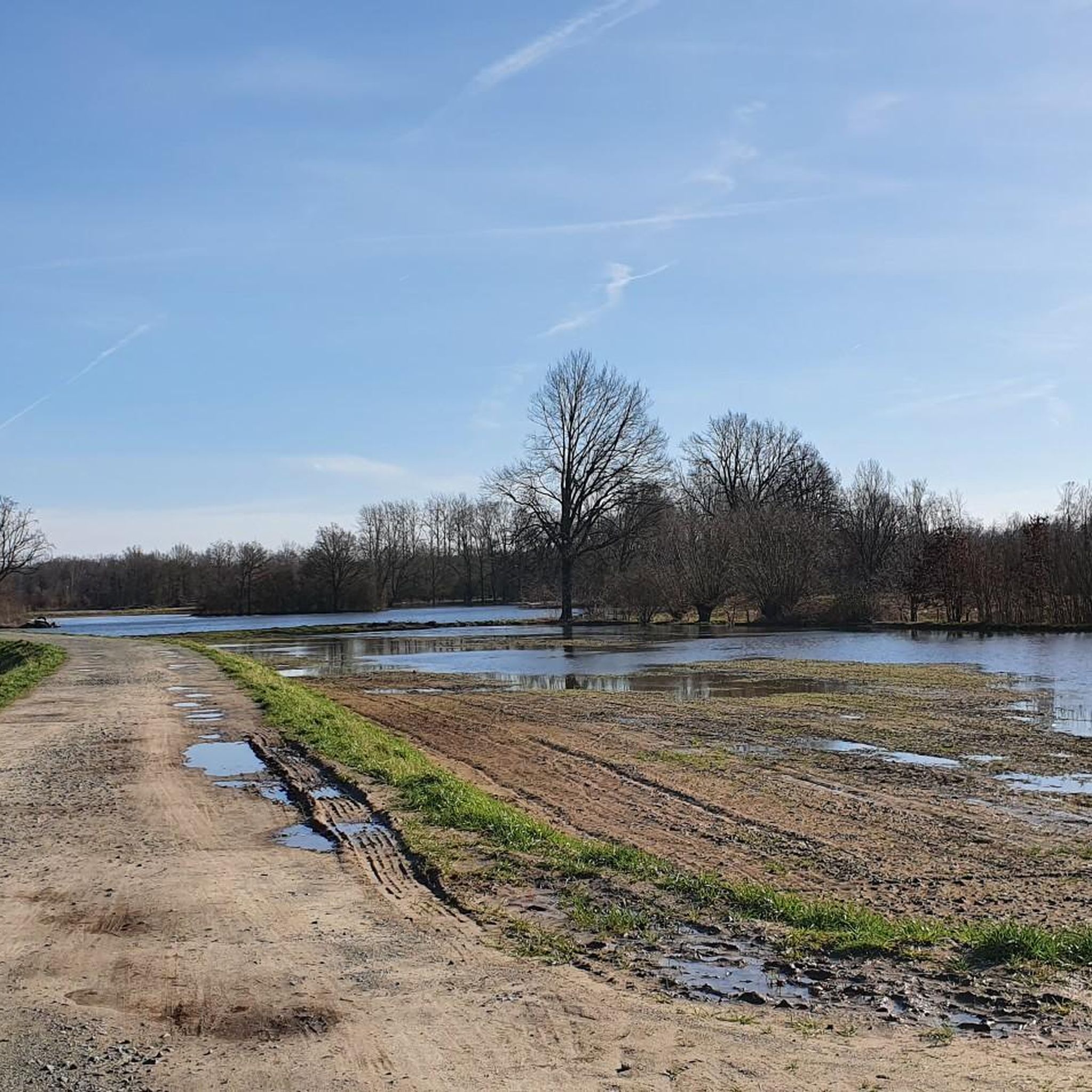
Mispeldonk Nature Reserve is a beautiful and valuable nature reserve in Bonheiden, located in the province of Antwerp. The area is known for its unique ecosystems, rich biodiversity and the natural beauty of the landscape. Here are some key points about Mispeldonk: Location and Size Mispeldonk is located between Bonheiden and the nearby municipality of Rijmenam, along the banks of the Dijle. The area is part of the larger Dijle landscape, which is known for its wet meadows, meandering waterways and rich flora and fauna. Mispeldonk covers approximately 50 hectares and consists of a mix of marshlands, meadows, forests and ponds. Ecological Importance Mispeldonk is a protected nature reserve because of its special ecological value. The area has a typical structure of a flood plain of the Dijle, which makes it an important habitat for many plant and animal species: • Flora: Various rare and protected plant species grow in the area, such as marsh marigolds, cuckoo flowers and water violets. The wet grasslands and marshes provide unique vegetation that is less common elsewhere in the region. • Fauna: Mispeldonk is an important habitat for birds such as the bluethroat, water rail and reed warbler. Amphibians such as the crested newt and the green frog can also be found there. Furthermore, the area is rich in insects, including butterflies and dragonflies, that thrive in the moist environment. Water management The nature reserve plays an important role in local water management. It is located in a flood-prone area along the Dijle and functions as a natural buffer against flooding. In the event of high water levels, the area can collect water and thus help prevent flooding in nearby villages. The nature reserve contributes to the preservation of water quality by filtering and purifying the water through natural processes. Recreation and Experience Mispeldonk is a popular place for nature lovers and hikers. The area is accessible via various hiking trails that lead through the meadows and forests. There are signposted routes that give walkers the chance to explore the diversity of the landscape and enjoy the peace and quiet of nature. Birdwatchers enjoy visiting the area because of the variety of bird species that can be seen, especially during the breeding season and the migratory bird periods. Management and Protection The nature reserve is managed by Natuurpunt, a Belgian organisation that is committed to nature conservation. Natuurpunt carries out management work to protect biodiversity and maintain the landscape. This includes mowing grasslands, removing invasive plant species and maintaining the walking paths. There is collaboration with local farmers for nature-friendly agriculture, whereby meadows are extensively grazed or mowed, so that they remain suitable for meadow birds and rare plants.
7
1
Kasteeldomein Zellaer is a beautiful historic castle located in Bonheiden, a municipality in the province of Antwerp, Belgium. The castle and the surrounding domain are popular attractions due to their rich history, architecture and the natural beauty of the surroundings. History The current castle of Zellaer largely dates from the 19th century, but the origins of the domain go back much further. It is believed that a fortified castle already existed in the Middle Ages. In the 13th century, the domain was owned by the Van Duffel family. Later, it came into the possession of the noble Berthout family. In the 18th century, the old castle was destroyed, after which it was completely rebuilt in the neo-Gothic style in the 19th century by the famous architect Jean-Pierre Cluysenaar. Cluysenaar was responsible for the design of several iconic buildings in Belgium, such as the Royal Galleries of Saint-Hubert in Brussels. The castle as we know it today, with its towers, battlements and romantic appearance, dates from this period. Architecture The castle of Zellaer is a beautiful example of the neo-Gothic architectural style, which was very popular in the 19th century. The building has a fairytale appearance with towers, battlements, a moat and a drawbridge. The neo-Gothic style is known for the revival of medieval architectural elements, such as pointed arches and decorative details. The interior of the castle also contains Gothic and neo-Gothic elements. Some rooms are beautifully decorated with woodwork, stained glass windows and old furniture, which provide a glimpse into the rich past of the residents. The Domain The castle domain includes an extensive park with forests, ponds and walking paths. The park is freely accessible and is often used by hikers and nature lovers. It is a green oasis in the region and offers visitors the opportunity to enjoy the nature and landscape around the castle. Current Use Zellaer Castle is owned by the municipality of Bonheiden and is managed by Kempens Landschap, an organisation that is committed to the preservation of heritage and nature. The castle is used for various events, such as weddings, photo shoots, exhibitions and cultural activities. There are also regular guided tours that give visitors the opportunity to learn more about the history and architecture of the building. Visits Visitors can enter the park freely, but access to the castle itself is often limited to special occasions or guided tours. During these tours, you will get a glimpse into the various rooms and will be told about the rich history of the domain and its former residents. Summary Zellaer Castle is an impressive piece of heritage in Flanders, with a rich history and beautiful architecture. It offers both cultural and recreational value to the region and is worth a visit for anyone interested in history, architecture or just wants to take a nice walk in a historic environment.
9
0

Frequently Asked Questions
What kind of natural features can I expect to see around Boortmeerbeek?
The natural monuments around Boortmeerbeek offer a diverse range of features. You can explore extensive valley areas with wet meadows, marsh forests, and sandy elevations, as seen in Boortmeerbeeks Broek. Other areas like Mispeldonk Nature Reserve feature varied ecosystems including poor grasslands, hay meadows, moist deciduous forests, and restored heathland. River landscapes, such as the Confluence of the Demer and the Dijle, are also prominent, offering scenic views and unique habitats.
What wildlife and flora can be observed in the natural monuments?
The region is rich in biodiversity. In areas like Boortmeerbeeks Broek, you might spot roe deer, squirrels, hares, and rabbits, and occasionally storks. The presence of pollard willows creates micro-habitats for insects, birds, mosses, and lichens. Mispeldonk Nature Reserve is known for sand-dwelling insects like bees, wasps, and tiger beetles, as well as kingfishers along the Boeimeerbeek stream, and a variety of butterflies and grasshoppers in its grasslands. Forest management practices also promote diverse flowers and butterflies.
Are there family-friendly natural monuments in the Boortmeerbeek area?
Yes, several natural monuments are suitable for families. Mispeldonk Nature Reserve, the Confluence of the Demer and the Dijle, and the Zennegat Flood Area are all categorized as family-friendly. These areas typically offer walking paths and opportunities to observe nature, making them enjoyable for all ages.
What historical sites are considered natural monuments in this region?
Beyond purely natural areas, the region also features historical sites recognized as natural monuments. Zellaer Castle is a neo-Gothic moated castle with an 18.5-hectare park, protected as a landscape, showcasing historical elements like moats and avenues. Another significant site is the Antitank Canal Haacht, a historical defense line from World War II, featuring a concrete wall over 3 kilometers long with a moat, largely intact today.
What outdoor activities can I do near these natural monuments?
The area around Boortmeerbeek is excellent for various outdoor activities. You can find numerous routes for hiking, road cycling, and running. For example, there are easy hiking trails like the 'Land van Ronsdonck – Forest Trail loop' or 'Bridge over Leibeek – View of the Dijle River loop'. Cyclists can enjoy routes such as the 'Zenne Cycle Route – Nete River Cycle Path loop'. You can explore more options for these activities on the respective guide pages: Hiking around Boortmeerbeek, Road Cycling Routes around Boortmeerbeek, and Running Trails around Boortmeerbeek.
When is the best time to visit the natural monuments around Boortmeerbeek?
The natural monuments are generally accessible year-round. However, for areas like Boortmeerbeeks Broek, sturdy shoes or boots are recommended during wet periods due to the water-rich environment. Spring and summer are ideal for observing diverse flora and fauna, including butterflies and various bird species. Autumn offers beautiful scenery with changing foliage. Winter hiking is also possible, though conditions may vary.
Are dogs allowed in the natural monuments?
Many natural areas in Belgium, including some around Boortmeerbeek, are dog-friendly. For instance, the Antitank Canal Haacht is listed as dog-friendly. However, specific policies can vary by reserve, especially in sensitive ecological zones. It's always advisable to check local signage or the managing organization's website (like Natuurpunt) for the most current dog policies before your visit, and to keep dogs on a leash.
How can I get to the natural monuments, and is parking available?
Access to many natural monuments, such as Boortmeerbeeks Broek, is generally free via walking paths. While specific parking details for every site are not always provided, natural areas in the region often have designated parking spots nearby. For public transport, it's recommended to check local bus or train schedules to see which routes serve the vicinity of your chosen natural monument, as options can vary.
What are the terrain and difficulty levels of the trails in these natural areas?
The terrain varies significantly across the natural monuments. Boortmeerbeeks Broek features a gently undulating landscape with transitions from wet to dry areas, suggesting some uneven and potentially muddy paths. Mispeldonk Nature Reserve includes poor grasslands and heathland, which can offer varied walking surfaces. Many hiking routes in the region are rated as 'easy' or 'moderate', such as the 'Land van Ronsdonck – Forest Trail loop' (easy) or 'The Steentjesbos – Entrance to Steentjesbos loop' (moderate).
Are there any viewpoints or scenic spots to enjoy the landscape?
Yes, several natural monuments offer excellent viewpoints. Mispeldonk Nature Reserve and the Confluence of the Demer and the Dijle are both highlighted as having scenic viewpoints. The Zennegat Flood Area also provides beautiful views, particularly between the Canal Leuven-Mechelen and the Dijle, with informative boards about the area's history.
What makes Boortmeerbeeks Broek a significant natural monument?
Boortmeerbeeks Broek is significant due to its extensive valley area, characterized by wet meadows, fields, marsh forests, and sandy elevations. This water-rich region, with its numerous ditches, streams, and ponds, creates a diverse habitat for a wide array of plants and animals. Its gently undulating landscape and the presence of pollard willows, which are crucial micro-habitats, contribute to its high ecological value. It's also a place where roe deer, squirrels, and various birds can be observed.
What is the historical significance of the Antitank Canal Haacht?
The Antitank Canal Haacht is a historical site and natural monument that was part of a defense line constructed in the run-up to the Second World War. It features a concrete wall over 3 kilometers long and approximately 3 meters high, with a moat in front. This structure was designed to impede the invasion of the German army and remains largely intact today, cutting through the Haacht landscape as a tangible piece of wartime history.
Most popular routes around Boortmeerbeek
Most popular attractions around Boortmeerbeek

Get inspired with the komoot mobile app


Explore more
Extend your search for the best caves by checking out these guides of the top ones around Boortmeerbeek:
