Top 15 Natural Monuments around Buckhurst Hill
Best natural monuments around Buckhurst Hill include a variety of green spaces and ancient woodlands. The area is bordered by significant natural attractions, offering opportunities to connect with nature. These locations feature diverse ecological characteristics, from flood-plain hay meadows to ancient pollard trees. The landscape provides a range of natural features for exploration.
Best natural monuments around Buckhurst Hill
- The most popular natural monuments is Hollow Pond, a lake that serves as a recreational area ideal for walking and…
Last updated: June 29, 2026
Abney Park Cemetery
Highlight • Historical Site
Tip by

Hollow Pond
Highlight • Trail
Tip by

Sign up now to discover places like this
Get recommendations on the best single tracks, peaks, & plenty of other exciting outdoor places.
Sign up for free
Grimston's Oak (The Monarch of the Forest)
Highlight • Natural Monument
Tip by

The Deer Sanctuary, Epping Forest
Highlight • Forest
Tip by
Ambresbury Banks — Iron Age hillfort
Highlight • Forest
Tip by

Sign up for free to discover even more natural monuments around Buckhurst Hill.
Sign up for free
Already have an account?
Start today with a free account
Your next adventure awaits.
Login or Signup
Tips from the Community

What a tranquile place - great to wander around and feel the atmosphere.
0
0

Added to the collection: komoot.com/de-de/collection/3600632/-naturdenkmaeler-besondere-baeume-und-weitere-schaetze-der-natur
0
0

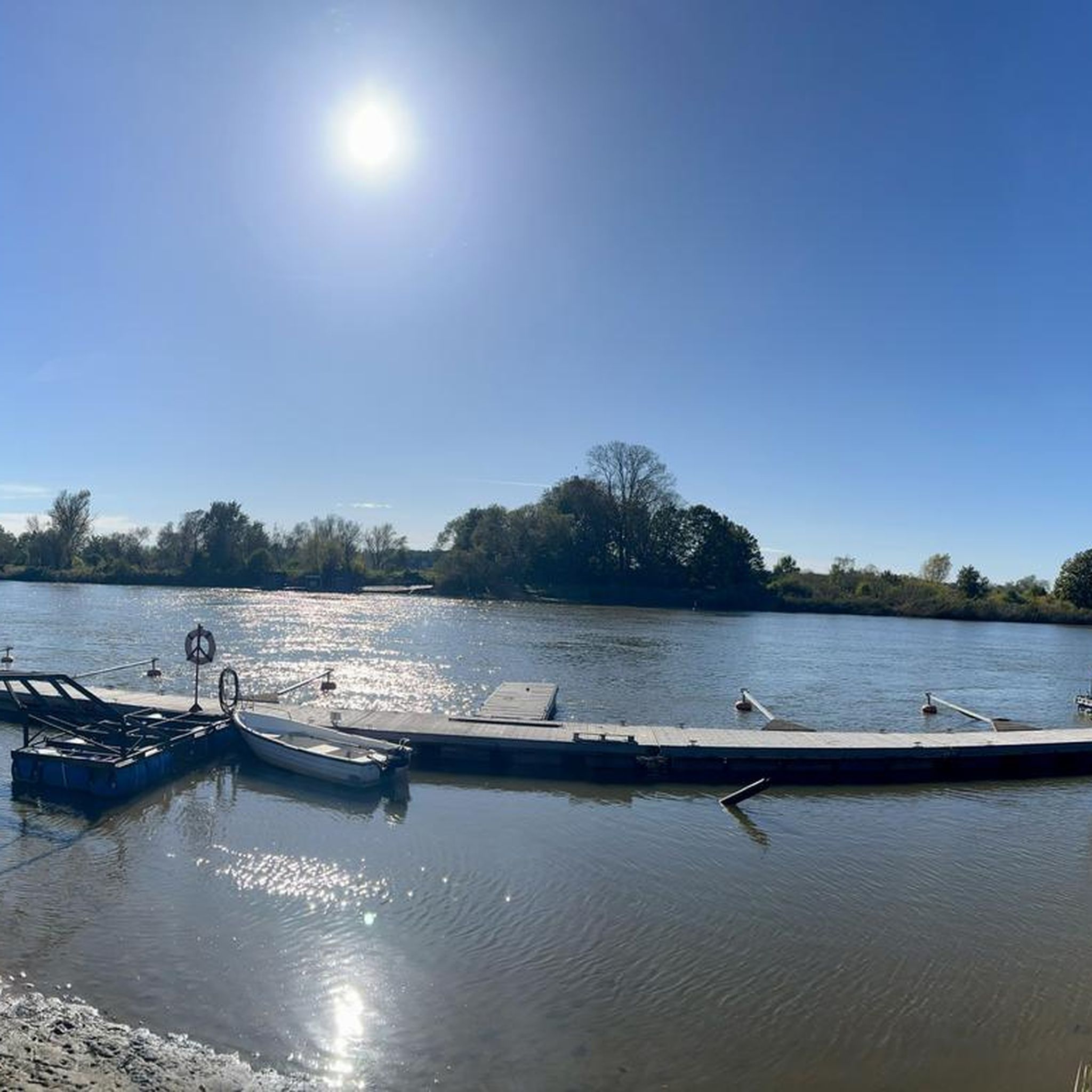
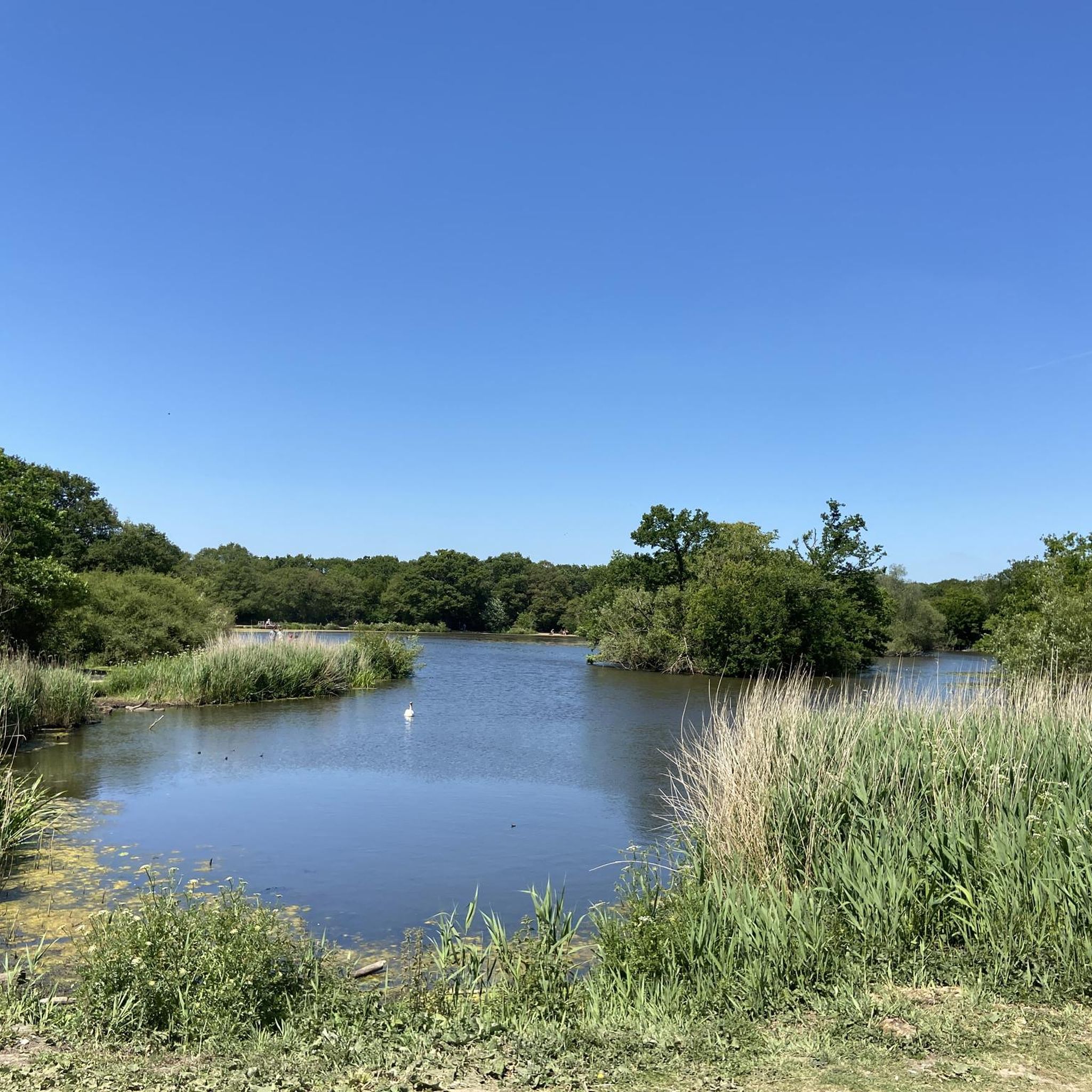
Leyton Flats and Hollow Pond are great places to explore by bike. On warm summer days, it's an ideal place to bring a picnic and watch the local wildlife. There's even the option of hiring a rowing boat and getting out onto the lake.
0
0

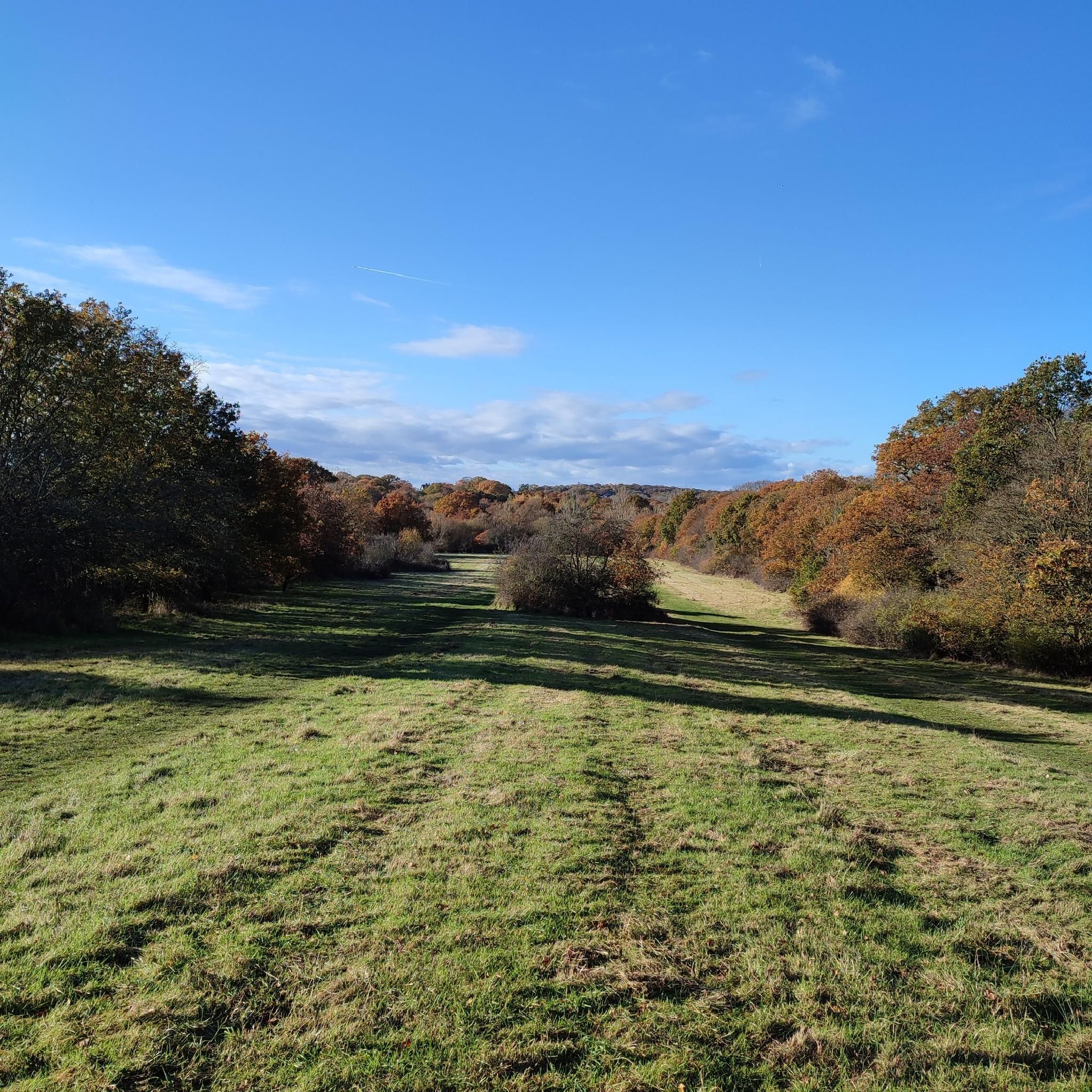
This deer sanctuary is home to a population of fallow deer and is located on the edge of Epping Forest. The sanctuary is part of Epping Forest's long history of deer conservation, dating back to medieval times when the forest was a royal hunting ground.
1
0
Hollow Pond is on the southern tip of Epping Forest in London. It was built in the 18th century as a reservoir for water supply. Today it's a lovely recreational area ideal for walking, picnics and activities. It's easily accessible by transport and a real escape into nature right in the heart of the city.
2
0

Abney Park Cemetery is one of the "Magnificent Seven" cemeteries in London, built in the Victorian era in the suburbs of London to alleviate crowding in the central cemeteries. It is unique in that it was laid out as an arboretum, to be both a final resting place and a garden. It has a unique link to the Salvation Army, as founder William Booth and his wife Catherine (a force in the temperance movement and advocate of women's right to preach). Frank Bostock, lion-tamer in the 19th and early 20th century is also buried there, with a sad, tame looking lion atop his monument. Bostock died at the age of 46 in his bed, brought down by a mightier but smaller foe than lions, a flu virus.
0
0

Resting place of founders of Salvation Army William and Catherine Booth
0
0

The tree is estimated to be about 350 years old
0
0
Frequently Asked Questions
What are the most notable natural areas to explore around Buckhurst Hill?
Buckhurst Hill is surrounded by significant natural attractions. Key areas include the Roding Valley Meadows Local Nature Reserve, known for its flood-plain hay meadows, and extensive parts of Epping Forest, such as Knighton Wood and Lords Bushes. Linder's Field Local Nature Reserve also offers ancient woodland and wildflower meadows.
Are there family-friendly natural monuments around Buckhurst Hill?
Yes, several natural areas are great for families. Hollow Pond is a popular recreational area ideal for walking and picnics, with options for rowing. Knighton Wood and Lords Bushes within Epping Forest offer easy-access trails suitable for all ages, and The Deer Sanctuary, Epping Forest provides a chance to spot fallow deer.
What kind of wildlife can I expect to see in the natural monuments near Buckhurst Hill?
The natural areas around Buckhurst Hill are rich in wildlife. Roding Valley Meadows is a haven for butterflies, dragonflies, and various invertebrates, as well as bird species like Song Thrush, Blackcap, and Kingfishers. Epping Forest is home to diverse flora and fauna, including fallow deer at The Deer Sanctuary, and feral parakeets are frequently observed. Linder's Field supports frogs, toads, newts, and a variety of insects in its wildflower meadows.
Are there historical sites within the natural monuments?
Yes, history is intertwined with nature in this region. Ambresbury Banks — Iron Age hillfort in Epping Forest features clearly visible earthworks from a pre-Roman settlement. Roding Valley Meadows also has historical elements, including remnants from its time as RAF Chigwell during WWII. Additionally, Knighton Wood and Lords Bushes retain features from their past as formal gardens of the Buxton Estate.
What are some notable trees or ancient woodlands to visit?
Epping Forest is renowned for its ancient woodlands. You can visit Grimston's Oak (The Monarch of the Forest), an impressive tree estimated to be around 350 years old. Knighton Wood and Lords Bushes are home to around 300 veteran trees, including ancient pollarded oaks and hornbeams. Linder's Field also features ancient woodland indicator species like Wild service trees and Bluebells.
What outdoor activities can I do near these natural monuments?
The natural areas around Buckhurst Hill offer extensive opportunities for outdoor activities. You can enjoy hiking, running, and cycling. For specific routes, explore the Running Trails around Buckhurst Hill, Road Cycling Routes around Buckhurst Hill, and MTB Trails around Buckhurst Hill guides for detailed options.
Are there accessible trails for wheelchairs or strollers?
Yes, efforts have been made to ensure accessibility in some areas. Knighton Wood and Lords Bushes within Epping Forest offer an easy-access trail around Knighton Lake with a level, firm surface suitable for wheelchairs. Roding Valley Meadows also features numerous paths, both hard-surfaced and grass, with gentle gradients, making it largely accessible, though some areas can be prone to flooding.
What is the best time to visit the natural areas around Buckhurst Hill?
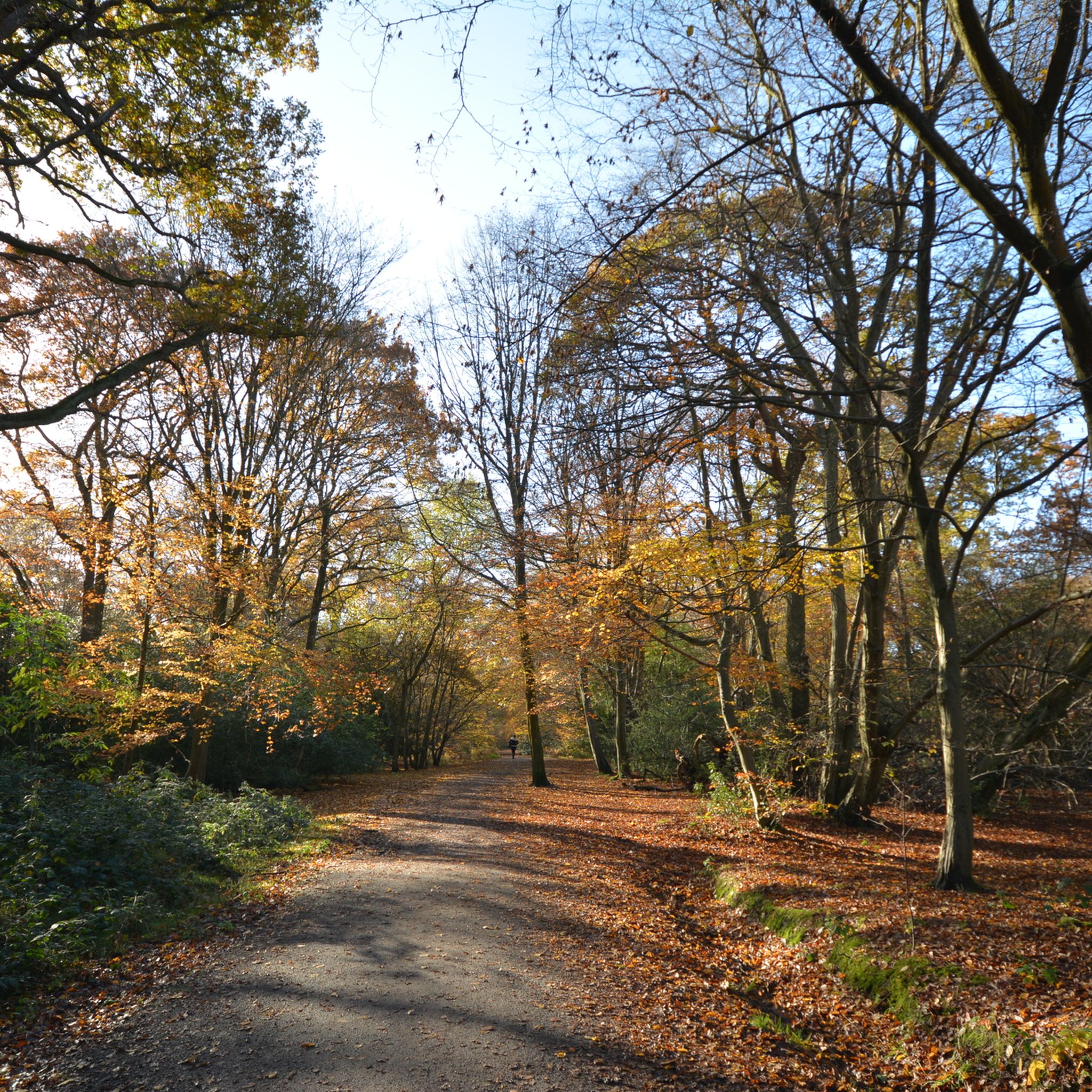
The best time to visit depends on your interests. Spring brings wildflowers to Roding Valley Meadows and Linder's Field, and birdsong fills the air. Summer is ideal for spotting butterflies and dragonflies. Autumn showcases the changing foliage of Epping Forest. While some areas can be prone to flooding in winter, many trails remain enjoyable for walks year-round.
Can I bring my dog to the natural monuments?
Many natural areas around Buckhurst Hill, especially within Epping Forest, are dog-friendly. However, it's always recommended to keep dogs under control, especially in areas with wildlife or grazing animals, such as Roding Valley Meadows where traditional breeds of cattle graze. Please check local signage for specific rules and restrictions in each area.
How can I get to these natural monuments by public transport?
Buckhurst Hill is well-connected by public transport, making it easy to access the surrounding natural areas. Epping Forest and its various sections, including Knighton Wood and Lords Bushes, are often reachable via local bus routes or by walking from Tube stations on the Central Line. Roding Valley Meadows is also accessible, often within walking distance from residential areas and public transport links.
Is parking available near the natural monuments?
Yes, parking is generally available near the main access points for the larger natural areas. For Epping Forest, there are numerous car parks scattered throughout, including those serving areas like Knighton Wood and Connaught Water. For Roding Valley Meadows and Linder's Field, local street parking or designated small car parks may be available, though it's advisable to check specific locations beforehand.
What do visitors enjoy most about the natural monuments in Buckhurst Hill?
Visitors particularly enjoy the tranquility and natural beauty so close to an urban environment. The opportunity for peaceful walks, wildlife spotting, and connecting with nature is highly valued. Highlights like Hollow Pond are praised for being lovely recreational areas for picnics and activities, while the ancient character of Epping Forest and the rich biodiversity of Roding Valley Meadows offer unique experiences.
Most popular routes around Buckhurst Hill
Most popular attractions around Buckhurst Hill

Get inspired with the komoot mobile app


Explore more
Extend your search for the best caves by checking out these guides of the top ones around Buckhurst Hill:
