Top 11 Natural Monuments around Newton Valence
Best natural monuments around Newton Valence are found within the picturesque chalk hills of Hampshire, England. This village is largely situated within the South Downs National Park, offering a blend of natural beauty and tranquility. The area features diverse ecosystems, including ancient woodlands, chalk downland, and unique geological formations, providing opportunities to explore notable landmarks and natural features.
Best natural monuments around Newton Valence
- The most popular natural monuments is Mill Lane Waterfall, a waterfall located in a residential…
Last updated: June 29, 2026
Joan's Acre Wood
Highlight • Trail
Tip by

Mill Lane Waterfall
Highlight • Natural Monument
Tip by
Sign up now to discover places like this
Get recommendations on the best single tracks, peaks, & plenty of other exciting outdoor places.
Sign up for free
Ancient Yew Tree at St. Mary’s Church, South Downs National Park
Highlight • Historical Site
Tip by

Rake Hanger Site of Special Scientific Interest
Highlight • Trail
Tip by

The King Oak
Highlight • Forest
Tip by

Sign up for free to discover even more natural monuments around Newton Valence.
Sign up for free
Already have an account?
Start today with a free account
Your next adventure awaits.
Login or Signup

Tips from the Community

I'm glad I included this church yard in my hike. It was a pleasant detour. I recommend it.
0
0

It was a struggle to find the correct tree for me.
0
0

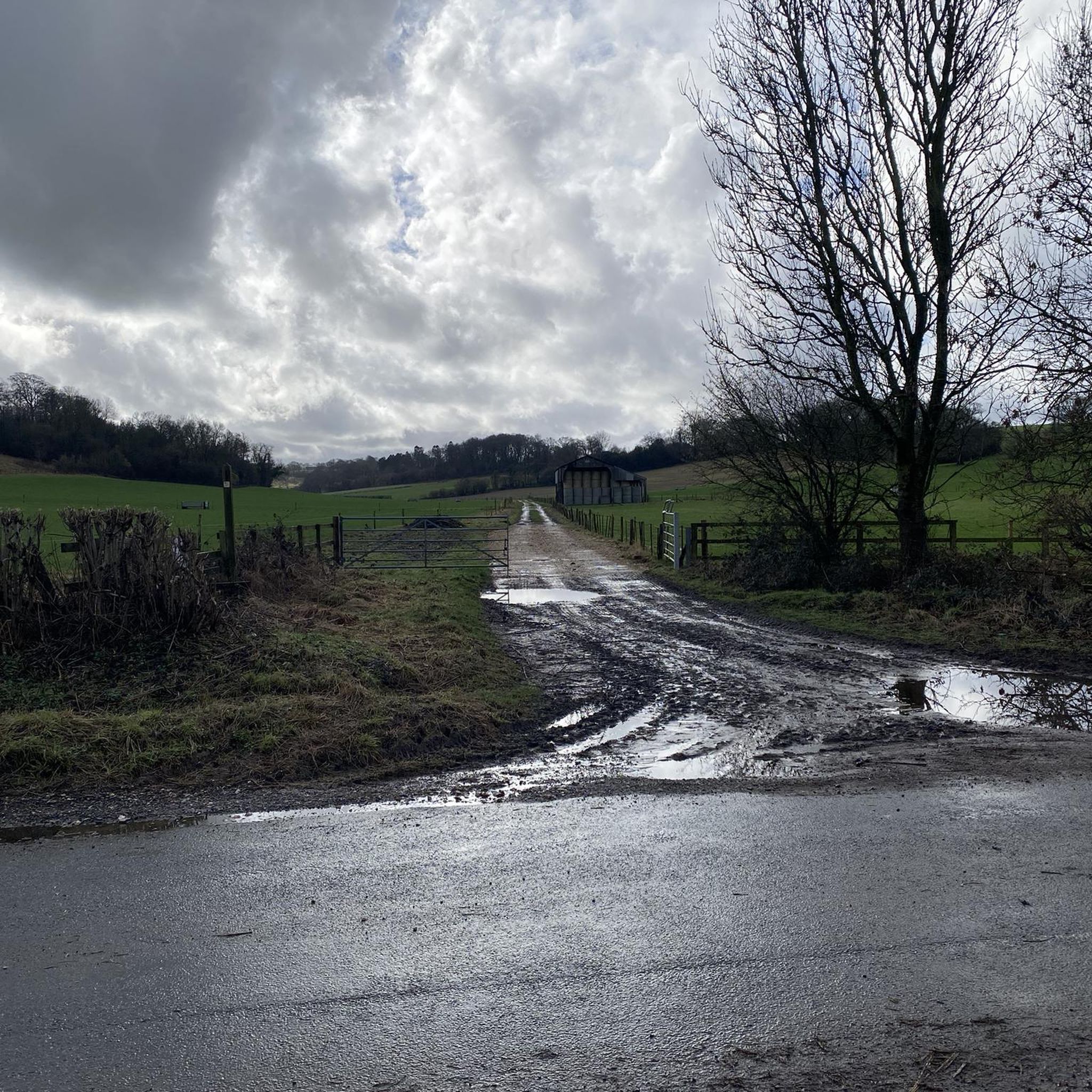
This is just a little waterfall but worth going to have a look at. It is quite amazing that the waterfall is located in a lane that is right in the middle of a residential area. It is however close to a good walking route.
1
0
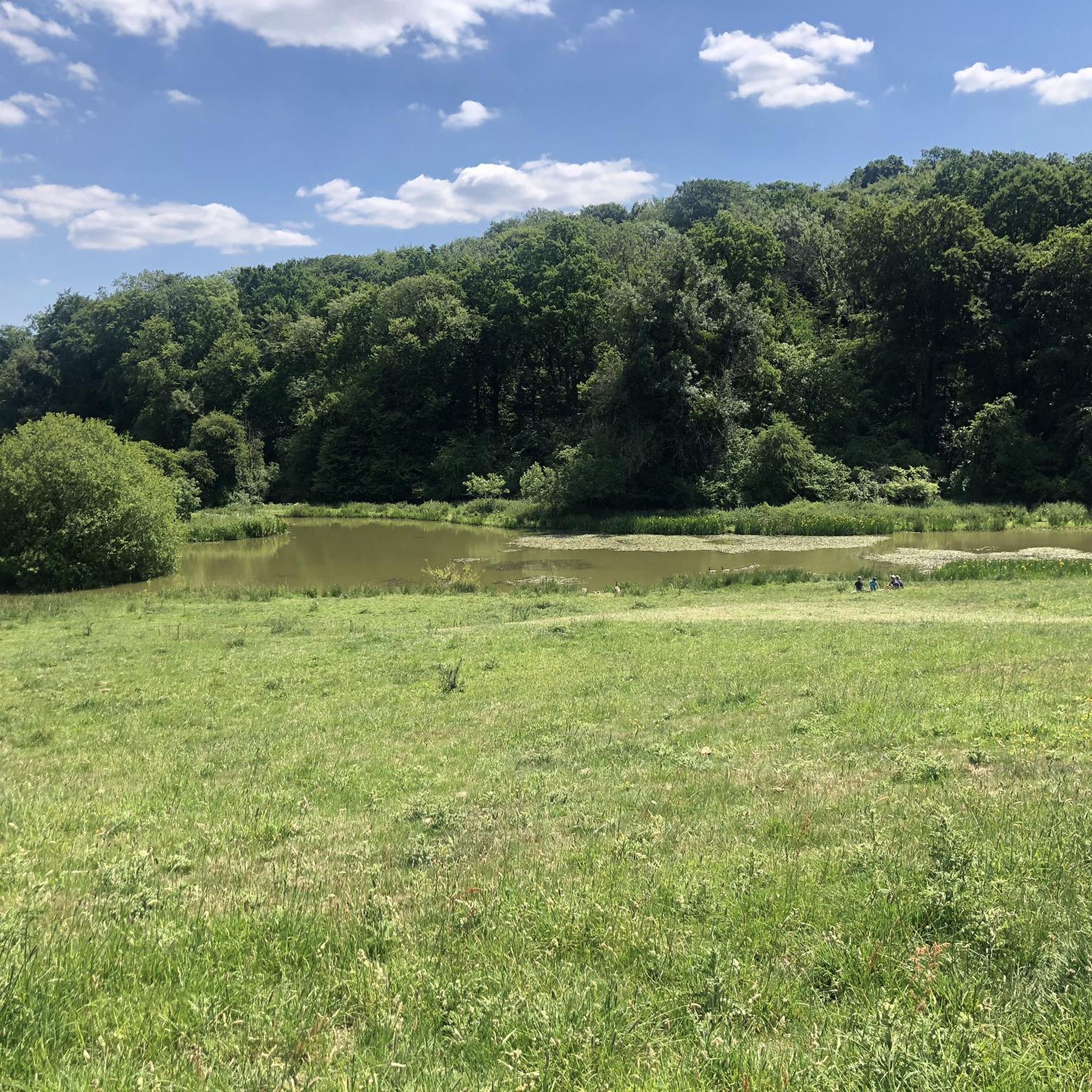
The wood was gifted to the Woodland Trust in 1996. It is a small level and almost rectangular site extending north to south alongside the road with pasture to the east. It is valued by locals for its role in conservation as the locality has lost many of its trees over the last century and little woodland remains. It therefore forms an integral part of the village landscape. There is a circular footpath following inside the site's perimeter linking its three access points.
0
0

One of the oldest Yew trees in the UK, in the cemetery of the church.
0
0

Rake Hanger is a 70-acre (28.2 ha) Site of Special Scientific Interest near Hill Brow on the border between West Sussex and Hampshire. The area has a footpath that goes along the foot of the scarp, forming part of the Serpent Trail long-distance footpath. A hanger is an area of woodland on a incline and Rake is just one example of such that are liberally dotted across the countryside of the South Downs. Sessile oaks are found on the slope, whilst alder thrives on the wetter ground at the foot of the escarpment.
0
0

One of the largest trees in Bordon Inclosure managed woodland, the King Oak is estimated to be about 470 years old (and still counting).
0
0
Frequently Asked Questions
What are some unique natural features to explore around Newton Valence?
Newton Valence is rich in diverse natural features. You can discover the unique chalk downland and medieval chalk workings at Noar Hill Nature Reserve, which is known for its vibrant wildflowers and butterflies. The village also features a traditional Dew Pond and a geological curiosity, a Sarsen Stone, adding to its natural charm.
Are there family-friendly natural monuments in the Newton Valence area?
Yes, several natural monuments around Newton Valence are suitable for families. Joan's Acre Wood offers a pleasant forest trail with a circular footpath, ideal for a family stroll. The small but charming Mill Lane Waterfall is also located near a good walking route in a residential area, making it an easy stop. Additionally, the Ancient Yew Tree at St. Mary’s Church provides an interesting historical and natural landmark that is family-friendly.
What kind of outdoor activities can I do near the natural monuments in Newton Valence?
The area around Newton Valence offers a variety of outdoor activities, primarily hiking and gravel biking. You can find numerous trails for different skill levels. For hiking, there are easy routes like those found in the Easy hikes around Newton Valence guide, or more moderate options including loops around Selborne Hill and Noar Hill, detailed in the Hiking around Newton Valence guide. Gravel biking enthusiasts can explore routes ranging from moderate to difficult, as outlined in the Gravel biking around Newton Valence guide.
What is the best time of year to visit the natural monuments in Newton Valence?
The best time to visit the natural monuments around Newton Valence is generally during spring and summer. This period allows you to fully appreciate the vibrant display of chalk downland flowers, including juniper and pyramidal orchids, and observe butterflies at sites like Noar Hill Nature Reserve. Midsummer evenings also offer the chance to spot glowworms there.
Are there any ancient or historical natural monuments in the area?
Yes, the area boasts a significant historical natural monument: the Ancient Yew Tree at St. Mary’s Church, South Downs National Park. This remarkable tree is considered one of the oldest Yew trees in the UK and is located within the church cemetery, offering a blend of natural history and heritage.
What is the terrain like for walks around Newton Valence's natural monuments?
The terrain around Newton Valence is characterized by rolling chalk and clay landscapes. At sites like Noar Hill Nature Reserve, paths are unsurfaced and can be slippery when wet due to bare chalk, with some steep slopes within old chalk pits. Woodlands, such as Joan's Acre Wood, typically offer more gentle, circular footpaths. Overall, expect a mix of easy to intermediate trails, with some areas presenting moderate inclines.
Can I find any significant woodlands or ancient trees near Newton Valence?
Absolutely. Newton Valence is known for its significant woodlands. You can visit Joan's Acre Wood, a Woodland Trust site valued for conservation. Another notable ancient tree is The King Oak, estimated to be around 470 years old and one of the largest trees in Bordon Inclosure. Additionally, Durford Wood, a scenic woodland along the King Alfred's Way, offers opportunities for walks amidst a dense tree canopy.
Is there a nature reserve or protected area near Newton Valence?
Yes, Noar Hill Nature Reserve is a prominent natural monument located within the parish boundary of Newton Valence. This 20-hectare reserve is renowned for its chalk downland flora and fauna. Additionally, Rake Hanger Site of Special Scientific Interest, a 70-acre woodland, is nearby, offering a footpath that forms part of the Serpent Trail long-distance footpath.
What geological points of interest are there in Newton Valence?
Beyond the rolling chalk hills of the South Downs National Park, Newton Valence features a small Sarsen Stone on a grassy triangle near the dew pond. These silcrete blocks are remnants from the Tertiary period and add a unique geological touch to the village landscape.
Are the natural monuments around Newton Valence suitable for dog walking?
Many of the natural outdoor areas and woodlands around Newton Valence, being part of the South Downs National Park, are generally suitable for dog walking. However, it's always advisable to keep dogs on a lead, especially in nature reserves like Noar Hill, to protect wildlife and livestock, and to check for any specific local restrictions.
How long should I plan for a visit to the natural monuments in Newton Valence?
The time needed depends on which natural monuments you wish to visit. You could spend a couple of hours exploring Noar Hill Nature Reserve, especially if you enjoy observing flora and fauna. Shorter visits of 30-60 minutes might suffice for individual highlights like the Mill Lane Waterfall or the Ancient Yew Tree. For a more comprehensive experience, combining several sites with a hike could easily fill half a day or more.
What makes Noar Hill Nature Reserve a special natural monument?
Noar Hill Nature Reserve is special due to its unique landscape, which includes medieval chalk workings, creating ridges, banks, and hollows that support diverse habitats. It's particularly famous for its spectacular display of chalk downland flowers in spring and summer, attracting numerous butterflies. Rare fairy shrimp can sometimes be found in temporary puddles, and glowworms are visible at dusk in midsummer, making it a truly biodiverse spot.
Most popular routes around Newton Valence
Most popular attractions around Newton Valence

Get inspired with the komoot mobile app


Explore more
Extend your search for the best caves by checking out these guides of the top ones around Newton Valence:
