Top 15 Natural Monuments around Nazeing
Best natural monuments around Nazeing are situated within the Epping Forest District of Essex, an area known for its tranquil natural spaces and historical significance. The landscape features gently rolling terrain, ancient woodlands, and significant waterways such as the River Lea. These locations provide opportunities for outdoor enjoyment and serve as important habitats for diverse wildlife. Visitors can explore a variety of natural settings, from historic commons to serene ponds and river valleys.
Best natural monuments around Nazeing
- The most…
Last updated: June 29, 2026
Grimston's Oak (The Monarch of the Forest)
Highlight • Natural Monument
Tip by

The Deer Sanctuary, Epping Forest
Highlight • Forest
Tip by

Sign up now to discover places like this
Get recommendations on the best single tracks, peaks, & plenty of other exciting outdoor places.
Sign up for free
Ambresbury Banks — Iron Age hillfort
Highlight • Forest
Tip by

Chadwell Spring and New River Source Monument
Highlight • Monument
Tip by
Gernon Bushes Nature Reserve
Highlight • Forest
Tip by

Sign up for free to discover even more natural monuments around Nazeing.
Sign up for free
Already have an account?
Start today with a free account
Your next adventure awaits.
Login or Signup



Tips from the Community

Added to the collection: komoot.com/de-de/collection/3600632/-naturdenkmaeler-besondere-baeume-und-weitere-schaetze-der-natur
0
0

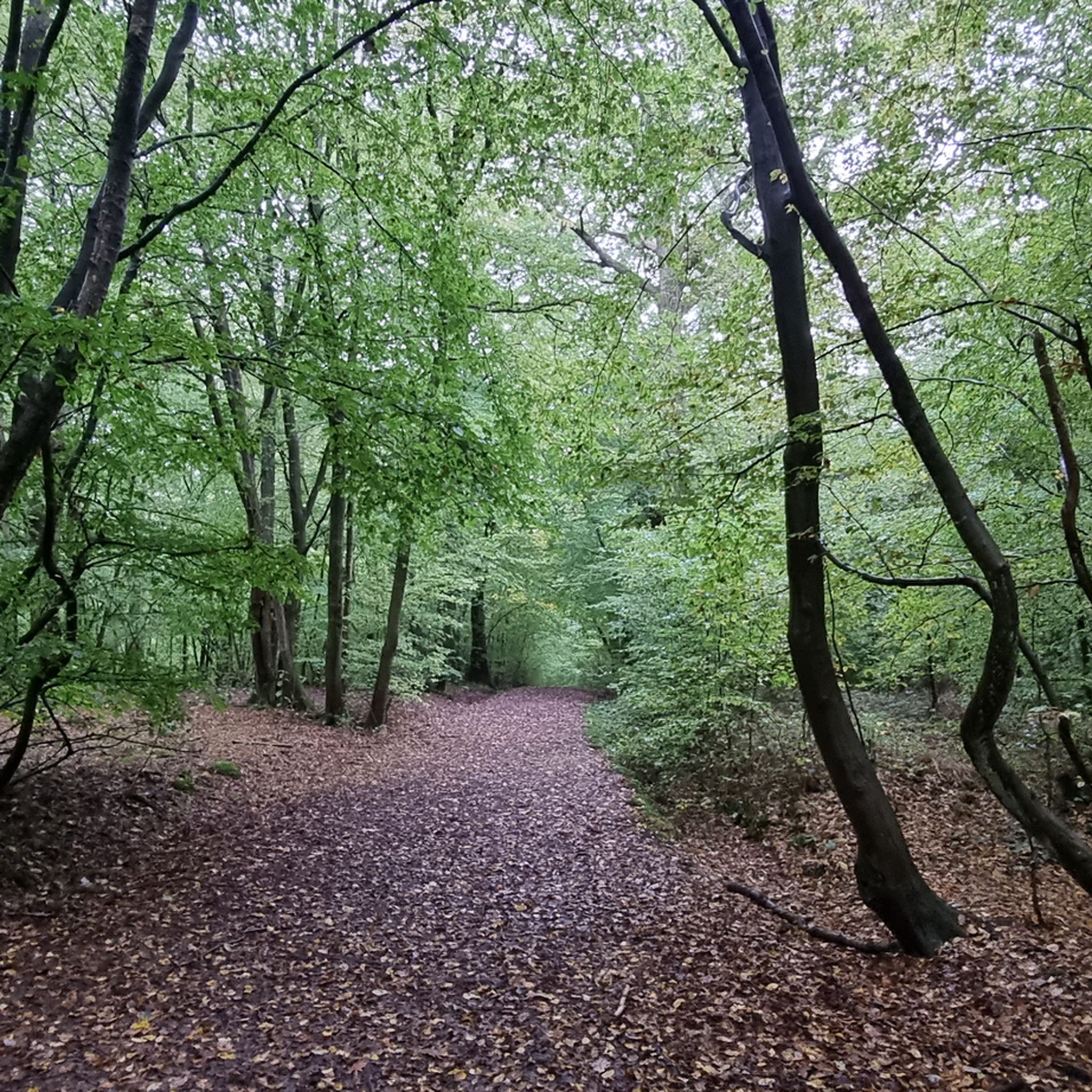
A great place for a walk before paying a visit to the Garnon Bushes pub in Coopersale!🙂
0
0

This deer sanctuary is home to a population of fallow deer and is located on the edge of Epping Forest. The sanctuary is part of Epping Forest's long history of deer conservation, dating back to medieval times when the forest was a royal hunting ground.
1
0

The tree is estimated to be about 350 years old
0
0

It's often possible to spot the Deer Sanctuary's fallow deer inhabitants from the trails in this part of Epping Forest. Once a Royal hunting forest, Epping has had a long association with deer. The increase in road traffic through the forest in the 1950s meant deer were often getting hit by cars. The sanctuary was set up in 1959 to protect them.
0
0
An Iron Age hillfort once stood here, in the northern reaches of Epping Forest. The earthworks are still clearly visible and would have protected an area of 11 acres (4.5 hectares). The legend goes that Boudica's last stand against the Romans occurred here, though there's no actual evidence that this is the case.
0
0

The New River, an aqueduct that supplies 8% of London's water, originally started here at Chadwell Spring. The source is now to the west at New Gauge.
0
0
Also known as 'The Monarch of the Forest', Grimston's Oak is estimated to be around 350 years old. It is named after a cricketer, Robert Grimston who played in the 19th century, but is sometimes called Bedford's Oak after JT Bedford in recognition of his work to save Epping Forest in the 1870s.
1
1
Frequently Asked Questions
What are some of the most notable ancient trees or natural landmarks in the Nazeing area?
One significant natural landmark is Grimston's Oak (The Monarch of the Forest), estimated to be around 350 years old. It's also known as Bedford's Oak, recognizing efforts to preserve Epping Forest.
Where can I observe wildlife, particularly deer, around Nazeing?
You can visit The Deer Sanctuary, Epping Forest. This area is home to a population of fallow deer and is part of Epping Forest's long history of deer conservation, dating back to medieval times.
Are there any historical natural monuments to explore near Nazeing?
Yes, Ambresbury Banks — Iron Age hillfort is a forest site with historical significance. You can observe clearly visible earthworks from an Iron Age hillfort that once protected an area of 11 acres.
What is the significance of Chadwell Spring in the Nazeing region?
Chadwell Spring and New River Source Monument marks the original source of the New River, an aqueduct that provides 8% of London's water. The spring still supplies a significant amount of water daily, rising from a circular basin known as the 'banjo'.
Where can I find ancient woodlands with rare plants near Nazeing?
Gernon Bushes Nature Reserve is a pocket of ancient woodland, a remnant of the old Coopersale Common. It's known for many rare marsh plants and flowers, including the marsh fern, lady fern, and bogbean.
What kind of walking experiences does Nazeingwood Common offer?
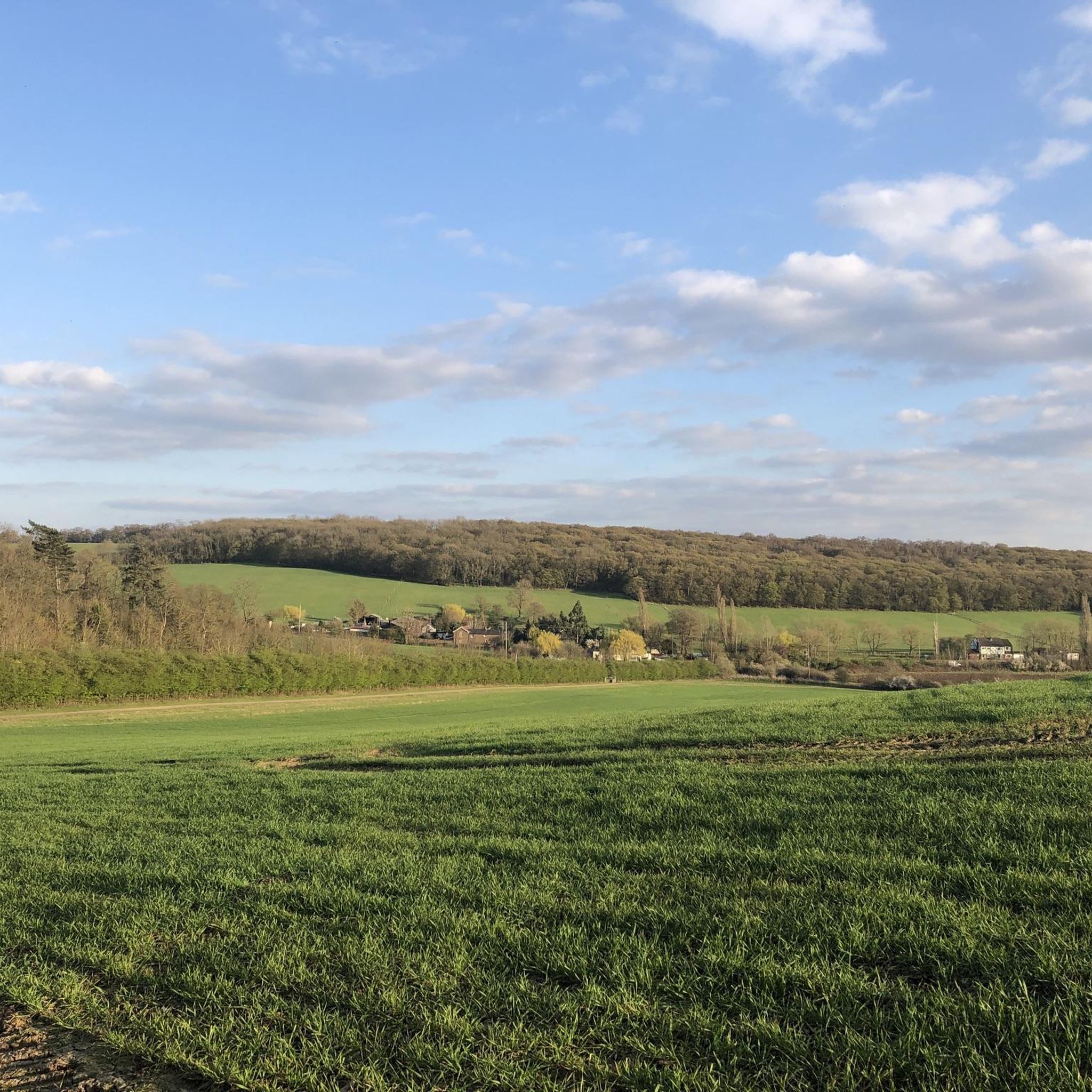
Nazeingwood Common features gently rolling landscapes, fields, and hedgerows. You can enjoy the Nazeing Country Walk, a circular 4-mile route that follows ancient trackways and footpaths, offering superb views and an easy grade walk. More information can be found on visiteppingforest.org.
Is there a peaceful spot for a picnic or rest within Epping Forest near Nazeing?
Yes, Strawberry Hill Pond, located within Epping Forest, is a tranquil retreat surrounded by conifers and sweet chestnut trees. It's ideal for a rest or picnic after a forest walk and is known for its serene atmosphere.
What outdoor activities are available along the River Lea near Nazeing?
The River Lea, forming Nazeing's western boundary, and the wider Lee Valley Park offer extensive opportunities for walking, cycling, and birdwatching. It's a vital artery for the region and a habitat for diverse wildlife. You can find various routes for easy hikes, cycling, and running in the area.
Are there any local nature reserves in Nazeing suitable for a short visit?
Nazeing Triangle Local Nature Reserve (LNR) is one of nine local nature reserves managed by Epping Forest District Council. It offers open access and is considered a perfect picnic spot, where you might observe mallards, moorhens, dragonflies, and common blue butterflies in summer.
What kind of terrain can I expect on walking trails around Nazeing's natural monuments?
The Nazeing area generally features gently rolling landscapes. Trails like the Nazeing Country Walk are considered easy grade. Many routes along the River Lea and within Epping Forest are also suitable for easy to moderate walks, making them accessible for various fitness levels.
Are there family-friendly natural monuments or activities in the Nazeing area?
Many natural monuments in the area are family-friendly. For instance, Grimston's Oak is a fascinating ancient tree, and The Deer Sanctuary offers a chance to spot wildlife. Nazeing Triangle Local Nature Reserve is also a pleasant spot for a family picnic and observing local flora and fauna.
What is the best time of year to visit the natural monuments around Nazeing?
The natural monuments around Nazeing can be enjoyed year-round. Spring and summer are ideal for seeing wildflowers and wildlife, especially at places like Gernon Bushes Nature Reserve and Nazeing Triangle LNR. Autumn offers beautiful foliage in Epping Forest, while winter walks can be peaceful, particularly along the River Lea.
Most popular attractions around Nazeing

Get inspired with the komoot mobile app


Explore more
Extend your search for the best caves by checking out these guides of the top ones around Nazeing:
