Top 4 Natural Monuments around North Leigh
Best natural monuments around North Leigh offer diverse natural features and historical significance within a peaceful landscape. The area is characterized by remnants of heathland, varied flora, and rich wildlife habitats, providing opportunities for exploration. The River Evenlode flows through the region, adding to its natural appeal. These natural monuments provide a range of walking paths and opportunities for wildlife spotting.
Best natural monuments around North Leigh
- The most popular natural monuments is High Park entrance — Blenheim Palace (World…
Last updated: May 18, 2026
Blenheim Park Lake and The Pump House Waterfall
Highlight • Waterfall
Tip by

High Park entrance — Blenheim Palace (World Heritage Site)
Highlight • Rest Area
Tip by

Sign up now to discover places like this
Get recommendations on the best single tracks, peaks, & plenty of other exciting outdoor places.
Sign up for free
Devil's Quoits Stone Circle
Highlight • Natural Monument
Tip by

The Hawkstone
Highlight • Natural Monument
Tip by

Observation Hides on the Boardwalk
Highlight • Structure
Tip by

Start today with a free account
Your next adventure awaits.
Login or Signup

Tips from the Community

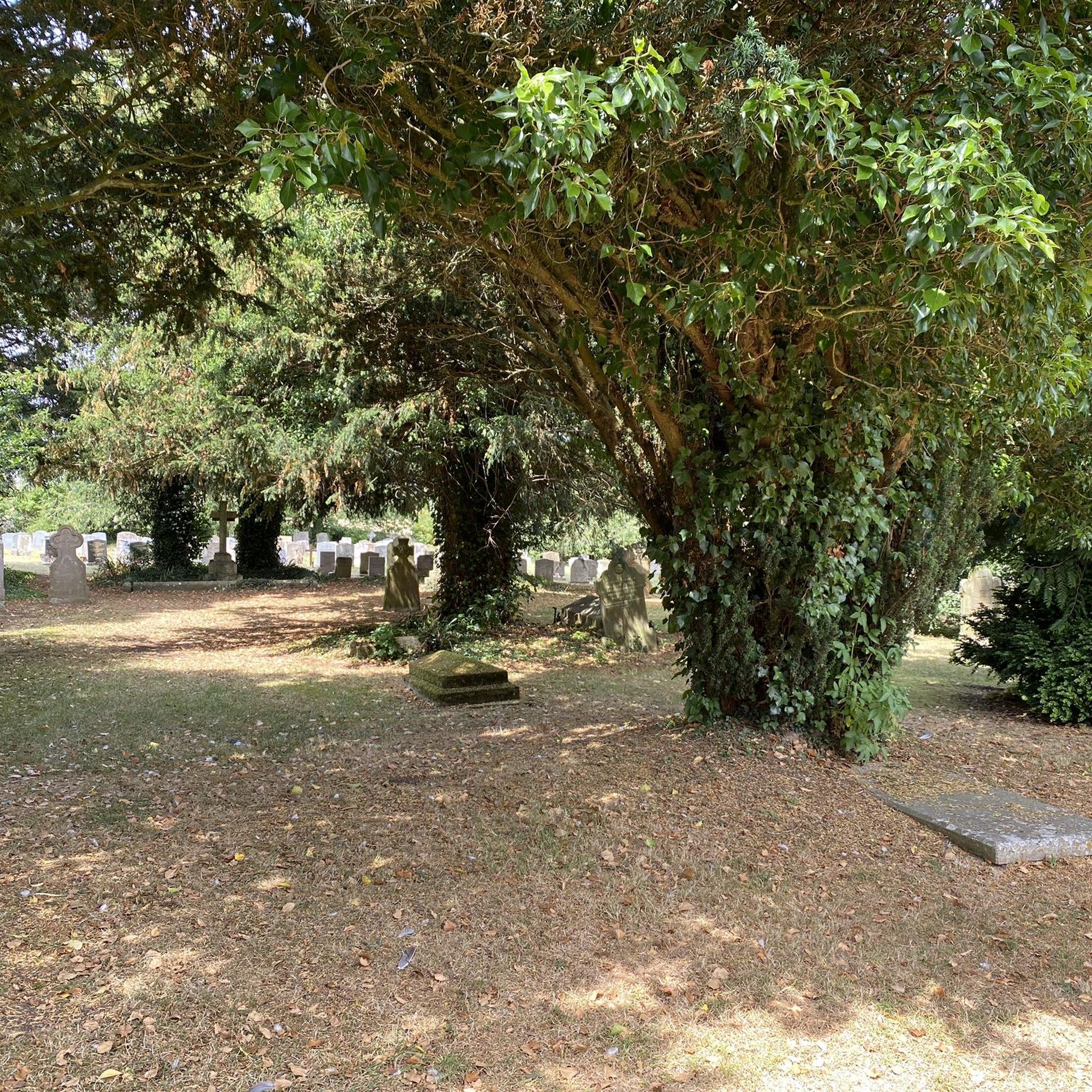
No one really knows how it was named - possibly it resembles a hawk (?) or it is derived from the old English word 'hoare' meaning old or ancient, but it is all guesswork. Local legend has it that witches were chained to the holes in the top and burned to death but there is no evidence of this. Do not put coins in the natural pitts in the stone it increases erosion and damages the stone.
0
0

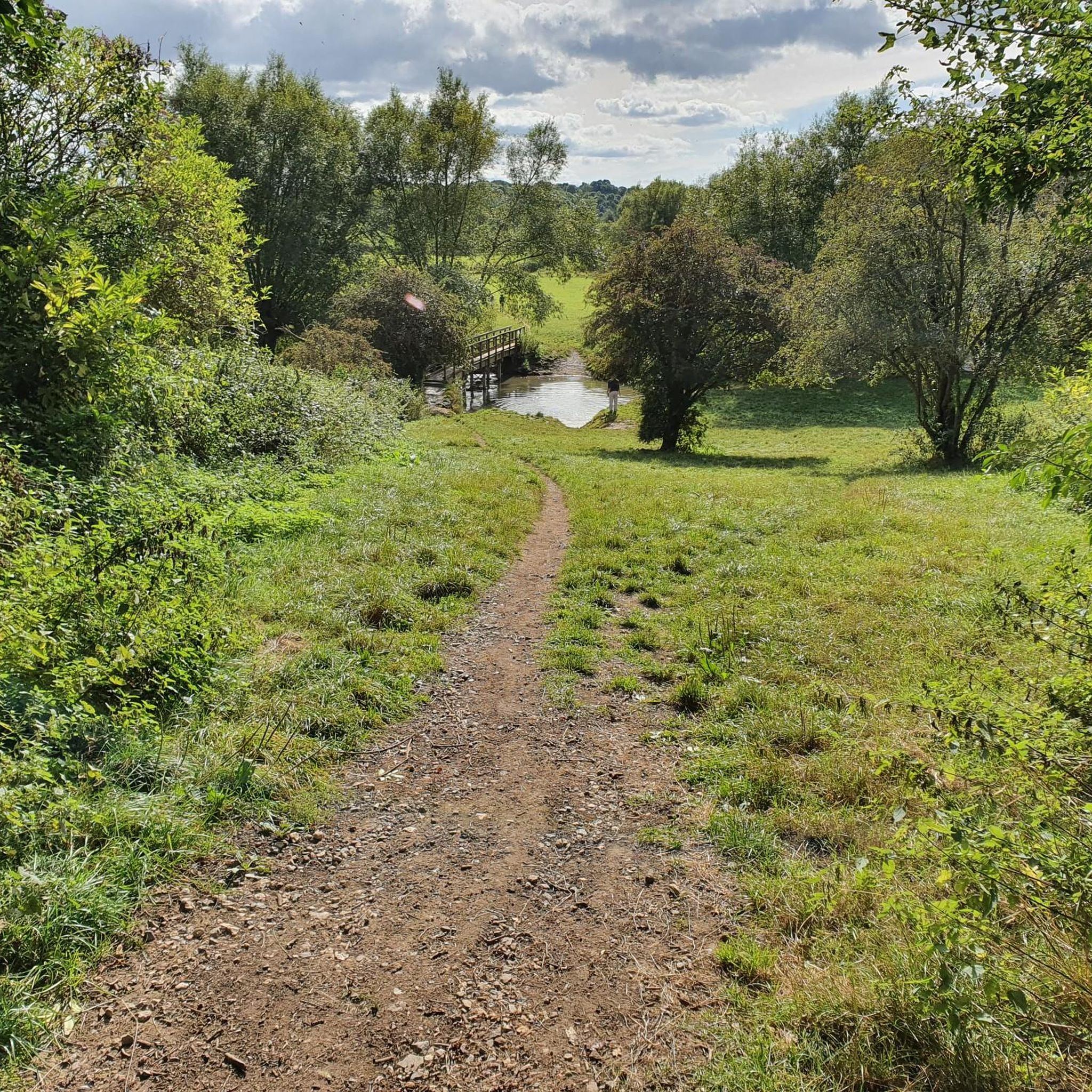
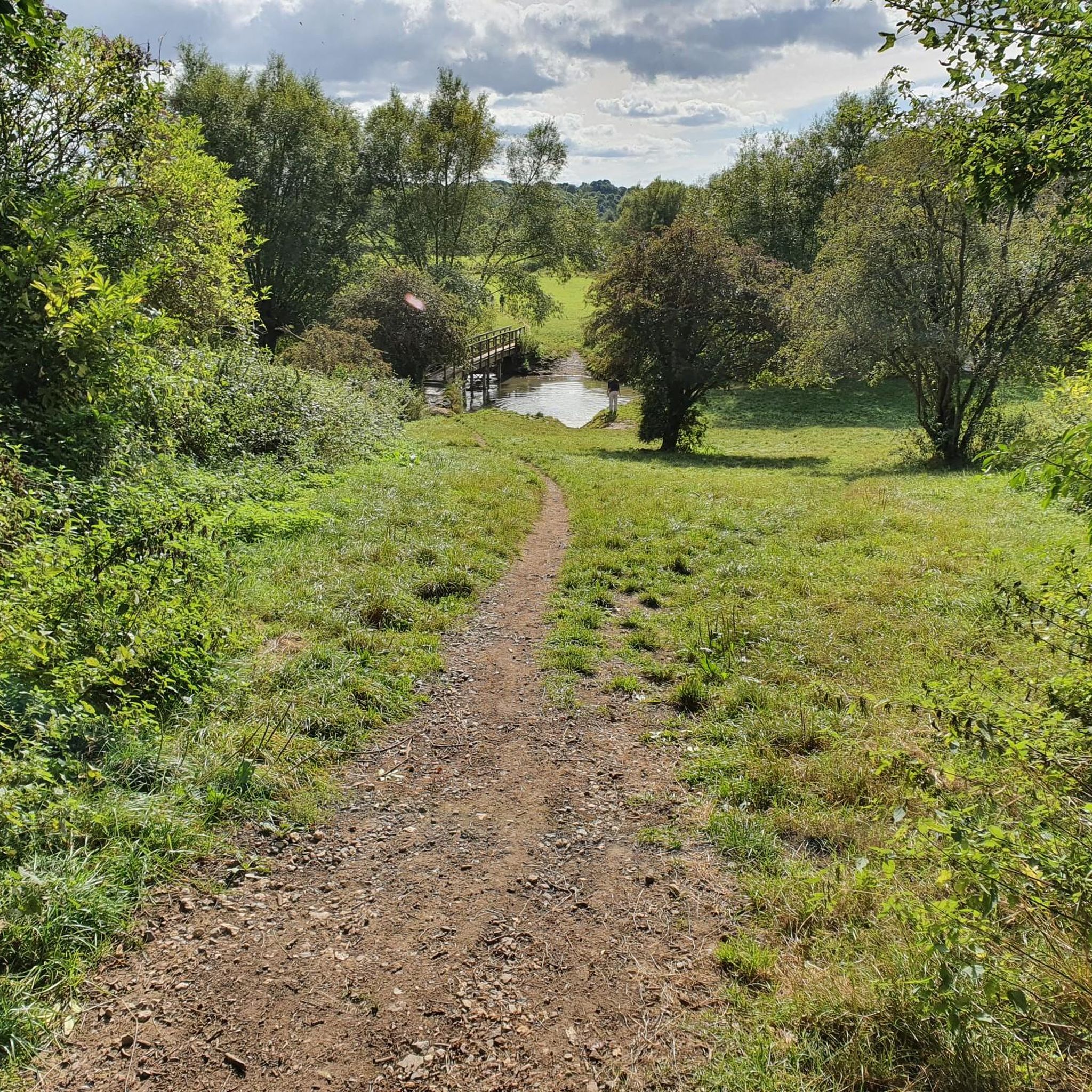
On the wooden path, supporting you during the floods, you can find two observation points (small huts), in one there are binoculars.
1
0

Neolithic stone circle from around 2900-2600BC - a remarkable site to visit.
6
0

554 acres (224 ha) of glorious parkland await at Blenheim Park, which occupies most of Blenheim Palaces' grounds. The park is a designated Site of Special Scientific Interest due to the habitats it supports. Whilst you have to pay to enter the palace and formal gardens, the park's many footpaths are free to enter. You can take a stroll by the lake, explore the woodland areas, or find a tranquil spot for a picnic.
0
0
Neolithic stone circle from around 2900-2600BC - a remarkable site to visit. You can learn more here: https://www.youtube.com/watch?v=npAxEvruu9M
5
0
The Devil's Quoits is a reconstructed stone circle henge, originally dating from the late Neolithic period, probably around 2900-2600BC. The large site with a 115m diameter earth bank, internal 2m deep ditch and 75m diameter stone circle is likely to have been of great significance and will have been visible from the Ridgeway, Britain's oldest road. The stone circle consisted of 28 conglomerate stones, with one additional stone standing slightly offset to the south. It is a truly remarkable site; transporting you back to a time where people travelled along the Windrush Valley from its headwaters to its confluence with the Thames at Devil's Quoits and further downstream to the Big Rings at Dorchester on the Thames. Many hundreds of people would have gathered within the site, observing from the banks and participating in rituals in the centre.
3
0

Free access to the park is available via Park Rd (51.8401582,-1.384567). Free parking is also available near this entrance.
3
0
Frequently Asked Questions
What are some popular natural monuments to visit around North Leigh?
The area offers diverse natural and historical sites. You can explore the extensive parkland of High Park entrance — Blenheim Palace (World Heritage Site), which is a designated Site of Special Scientific Interest. Another popular spot is Blenheim Park Lake and The Pump House Waterfall, offering scenic strolls and woodland areas. For ancient history, visit the reconstructed Neolithic Devil's Quoits Stone Circle.
What kind of natural features can I expect to see around North Leigh?
North Leigh boasts a variety of natural features. North Leigh Common, a remnant heathland, is known for its diverse flora including hawthorn, blackthorn, wood anemones, bluebells, and several orchid species. It also features unique acid grasslands and a rare patch of Sphagnum moss. The area around the North Leigh Roman Villa offers a peaceful setting by the River Evenlode. You can also find a waterfall at Blenheim Park Lake and The Pump House Waterfall.
Are there any historical natural monuments in the area?
Yes, the region is rich in history. The Devil's Quoits Stone Circle is a remarkable reconstructed Neolithic henge dating from around 2900-2600BC. Additionally, the High Park entrance — Blenheim Palace (World Heritage Site) is part of a historic estate with significant natural elements. The North Leigh Roman Villa, while primarily a historical site, is set within a beautiful natural landscape by the River Evenlode.
Are there family-friendly natural monuments around North Leigh?
Many natural monuments in the area are suitable for families. The extensive parkland at High Park entrance — Blenheim Palace (World Heritage Site) and Blenheim Park Lake and The Pump House Waterfall offer plenty of space for children to explore. North Leigh Common provides a maze of paths through woodland and grasses, perfect for family walks. The Devil's Quoits Stone Circle and The Hawkstone are also listed as family-friendly.
What is the best time to visit North Leigh Common for nature spotting?
North Leigh Common offers something year-round. In spring, you can see wood anemones, bluebells, and primroses. Summer brings various orchids, St. John's Wort, and provides crucial nectar sources for insects. The woodlands and scrub are excellent for birdwatching, especially for summer migrants like chiffchaff and warblers. The area is also noted for its diversity of fungi in autumn. It's an open access facility for public enjoyment throughout the year.
Where can I find parking for natural monuments near North Leigh?
Free parking is available near the High Park entrance — Blenheim Palace (World Heritage Site), accessible via Park Road. For North Leigh Common, there are usually local parking options in the nearby villages of North Leigh, Long Hanborough, and East End, though specific car parks may vary.
Are there any natural monuments suitable for easy walks?
Yes, North Leigh Common offers a lovely setting for walks with a maze of paths through woodland, bracken, and grasses, suitable for various abilities. The walk down to the North Leigh Roman Villa is described as a beautiful and steady trail. You can also enjoy easy strolls by the lake and through woodland areas at Blenheim Park Lake and The Pump House Waterfall.
Can I bring my dog to the natural monuments?
North Leigh Common is an open access facility, generally welcoming dogs, though they should be kept under control, especially due to the diverse wildlife. Blenheim Park also allows dogs in its extensive parkland, but specific rules may apply in certain areas or during events. Always check local signage for the most current regulations.
What outdoor activities can I do near these natural monuments?
Beyond exploring the natural monuments themselves, the area around North Leigh offers various outdoor activities. You can find numerous hiking routes, including the 'Wychwood Way: Ramsden and North Leigh Circular' or the 'North Leigh Roman Villa loop'. For cycling enthusiasts, there are gravel biking and mountain biking trails available. You can find more details on these activities in the Hiking around North Leigh and Gravel biking around North Leigh guides.
Where can I observe wildlife around North Leigh?
North Leigh Common is an excellent spot for wildlife observation. Its woodlands and scrub provide nesting and feeding grounds for birds like chiffchaff, various warblers, bullfinches, and song thrushes. Linnets are regular visitors, and the common is particularly noted for its diversity of fungi. The blossoming trees and summer-flowering plants also attract numerous insects. The area around Blenheim Park Lake also offers opportunities for birdwatching and observing aquatic life.
Are there any unique geological features or ancient sites?
Yes, the region features unique ancient sites. The Devil's Quoits Stone Circle is a significant Neolithic henge, a truly remarkable site from around 2900-2600BC. Additionally, The Hawkstone is a natural monument with an unknown origin, possibly named for its resemblance to a hawk or derived from an old English word for 'ancient'.
What do visitors enjoy most about the natural monuments in North Leigh?
Visitors appreciate the diverse natural beauty and historical significance. The extensive parklands of Blenheim Palace offer tranquil walks and stunning views. North Leigh Common is valued for its rich biodiversity, peaceful atmosphere, and varied walking paths. The ancient mystery of sites like the Devil's Quoits Stone Circle also captivates many, providing a glimpse into the region's deep past.
Most popular routes around North Leigh
Most popular attractions around North Leigh

Get inspired with the komoot mobile app


Explore more
Extend your search for the best caves by checking out these guides of the top ones around North Leigh:
