Mourne Mountains Middle
Mourne Mountains Middle
Top 20 Natural Monuments around Mourne Mountains Middle
Best natural monuments around Mourne Mountains Middle feature a landscape shaped by millions of years of geological activity, including volcanic processes and glacial erosion. This region is characterized by rugged granite peaks, dramatic mountain passes, and significant glacial features like corries and glaciated valleys. The area offers diverse natural attractions for exploration, showcasing its distinctive beauty. These monuments provide insights into the geological history and natural forces that have sculpted the terrain.
Best natural monuments around Mourne Mountains Middle
- The…
Last updated: November 13, 2026
Slieve Commedagh Summit
Highlight • Summit
Tip by

Slieve Binnian summit
Highlight • Summit
Fantastic views down to silent valley reservoir and south towards Carlingford.
As with any hill walking - be prepared for a change in weather and have good footwear. Enjoy
Tip by

Sign up now to discover places like this
Get recommendations on the best single tracks, peaks, & plenty of other exciting outdoor places.
Hare's Gap
Highlight • Trail
Tip by

Cloughmore Stone
Highlight • Natural
Legend …
Tip by

Silent Valley Reservoir
Highlight • Viewpoint
Situated in the Mourne Mountains AONB near Kilkeel, Silent Valley …
Tip by

Sign up for free to discover even more natural monuments around Mourne Mountains Middle.
Already have an account?
Start today with a free account
Your next adventure awaits.

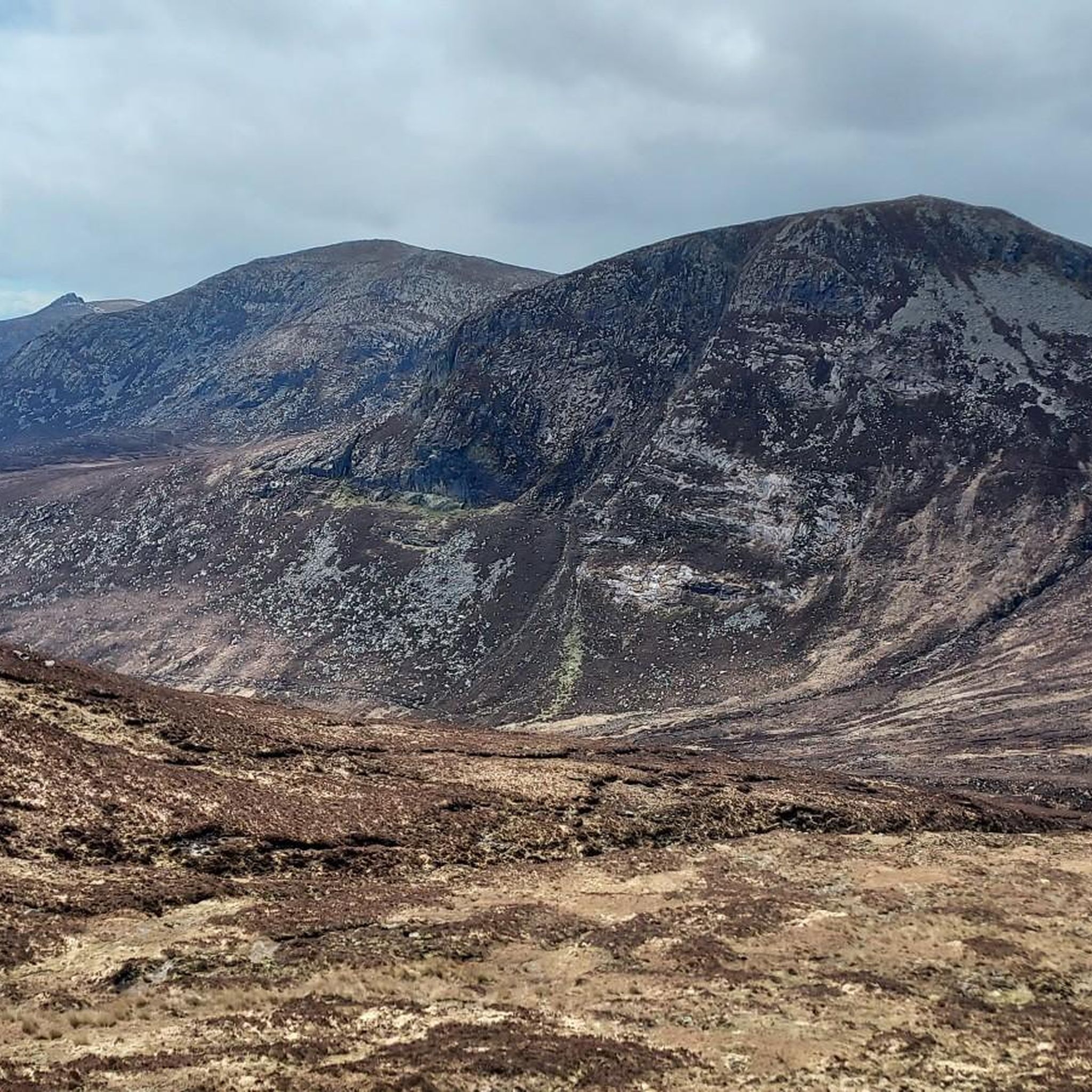
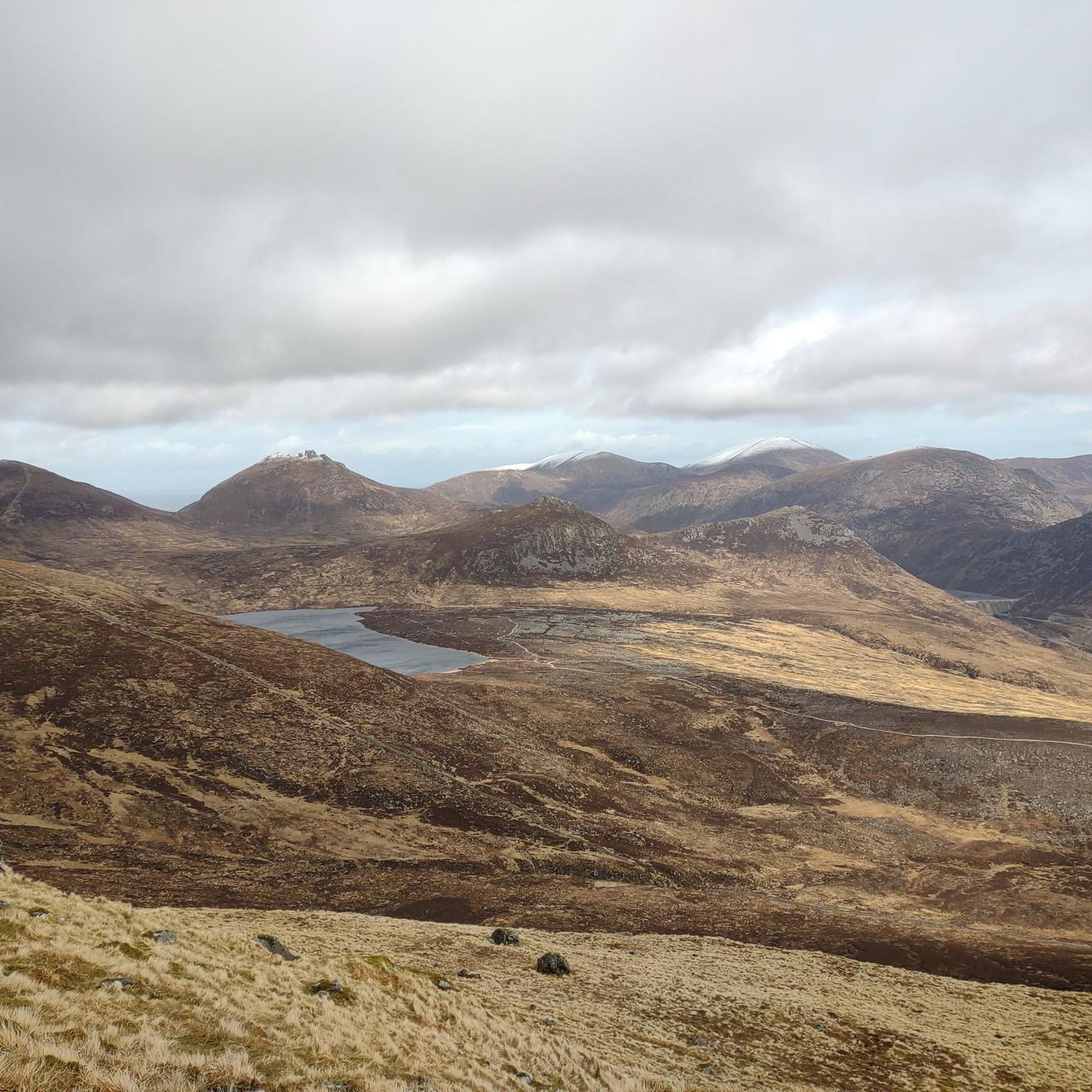
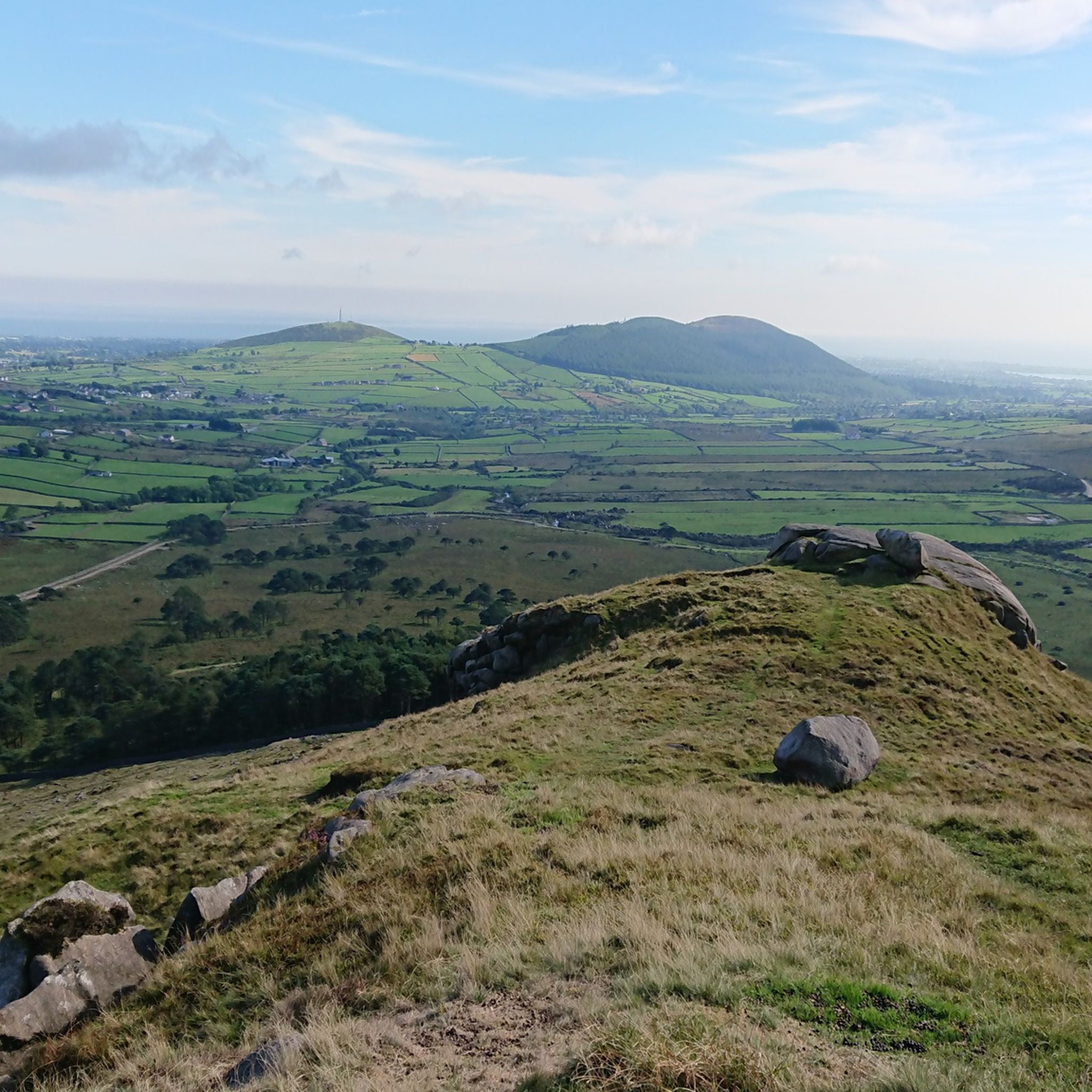

Tips from the Community

Slieve Binnian is absolute magic. Standing as the third-highest peak in Northern Ireland (747 meters), it easily claims the title for the most dramatic silhouette in the Mournes, thanks to the massive, weathered granite towers—called tors—that guard its summit. https://www.expresstollpass.com
0
0

Hare's Gap is a dramatic mountain pass nestled in the heart of the Mourne Mountains. This striking pass, situated between Slieve Bearnagh and Slievenaglogh, offers hikers a blend of natural beauty and historical intrigue. From this vantage point, hikers are treated to panoramic views of the surrounding peaks and valleys. The pass itself is historically significant, having once served as a route for smuggling goods across the mountains, adding a layer of intrigue to the hike. Hare's Gap is a popular starting point for various hikes, including ascents of Slieve Bearnagh and Slieve Meelmore.
2
0
Hare’s Gap is one of the most iconic passes in the Mourne Mountains, marked by its rugged stile and dramatic views that open up across the range. Once a historic smuggling route, it remains a natural gateway into the high Mournes, with steep paths and striking rock formations framing the way. From here, the landscape unfolds in every direction, making it a perfect spot to pause, take in the scenery, and appreciate the wild beauty of these mountains.
4
0
Slieve Commedagh, at 767 meters, is the second-highest peak in the Mourne Mountains and a rewarding climb for any hiker. Its summit offers sweeping views across the Mournes and out to the Irish Sea, a reminder of how close these mountains sit to the coast. The ascent is steep and demanding, often over pathless ground, but never overly technical in good weather. You can climb it on its own or link it with nearby peaks such as Slieve Donard, making for a truly memorable day in the heart of the Mournes.
3
0
Silent Valley Reservoir, nestled in the Mourne Mountains, is a peaceful retreat surrounded by sweeping granite peaks and heathered slopes. Built in the early 20th century to supply water to Belfast and much of County Down, the reservoir combines striking engineering with natural beauty. Visitors can stroll along well-kept paths, admire the Victorian-style dam and impressive Mourne Wall, or simply enjoy the quiet atmosphere by the lakeshore.
4
1

The well-maintained trails take you through impressive scenery, surrounded by the striking peaks of the Mournes. The view of the Mourne Wall, which stretches for 35 kilometers and connects 15 peaks, is particularly impressive. However, some sections can become slippery in wet weather, so caution is advised. A highlight is a visit to Ben Crom Reservoir, which can be reached via an extension of the route. Note that there is a fee to enter the park.
1
1
The hike to the Cloghmór Stone feels like a journey through time. Over 10,000 years ago, the ice brought this massive granite block from Scotland here, and now, weighing an estimated 50 tons, it towers majestically over the landscape. But it's not just the geology that's fascinating - according to legend, it was the giant Finn McCool who threw this enormous stone over Carlingford Lough. To be honest, the legend is a much more exciting explanation, isn't it? Once you've reached the top, you'll not only be greeted by the imposing boulder, but also by a fantastic view of Carlingford Lough and the surrounding hills. It's the perfect place to pause for a moment, take in the vastness and enjoy the peace that this place exudes.
0
0

A beautiful round stone, there is a legend about it but unfortunately we could not find out
0
0
Frequently Asked Questions
What are the most popular natural monuments around Mourne Mountains Middle?
The Mourne Mountains Middle region boasts several highly-regarded natural monuments. Among the most popular are the Summit of Slieve Donard, Ulster's highest peak offering expansive views, and Hare's Gap, an iconic mountain pass with dramatic scenery. Visitors also frequently explore the Cloughmore Stone, a massive glacial erratic, and Slieve Bearnagh, known for its distinctive rocky tors.
What kind of natural features can I expect to see in the Mourne Mountains Middle?
The Mourne Mountains Middle region is characterized by rugged granite peaks, dramatic mountain passes, and significant glacial features. You'll encounter high summits like Slieve Donard and Slieve Bearnagh, U-shaped passes such as Hare's Gap, and unique erratic stones like the Cloughmore Stone. The landscape also features glaciated valleys and the serene Silent Valley Reservoir.
Are there family-friendly natural monuments to visit in Mourne Mountains Middle?
Yes, several natural monuments in the Mourne Mountains Middle are suitable for families. Hare's Gap is considered family-friendly, offering a memorable experience. The Silent Valley Reservoir also provides well-kept paths and a peaceful environment, making it a great option for families to explore the natural beauty.
What is the geological history behind the natural monuments in the Mourne Mountains?
The Mourne Mountains' natural monuments are a testament to millions of years of geological activity. The region's rugged granite peaks, like Slieve Donard, are primarily composed of granite from igneous intrusions that occurred approximately 56 million years ago. Glacial erosion during the Ice Ages further shaped the landscape, creating distinctive features such as U-shaped passes like Hare's Gap, corries, and glaciated valleys. The Cloughmore Stone is a prime example of a glacial erratic, transported by ice over 10,000 years ago.
Are there unique rock formations to see in the Mourne Mountains Middle?
Absolutely. The Mourne Mountains Middle is home to several unique rock formations. Slieve Bearnagh, for instance, is known for its two giant rocky tors and the col between them. Hare's Gap features striking rock formations that frame the mountain pass. Additionally, the Cloughmore Stone is a massive, 50-ton granite erratic boulder, a remarkable sight overlooking Carlingford Lough.
What outdoor activities can I do near these natural monuments?
The natural monuments in Mourne Mountains Middle are excellent starting points for various outdoor activities. Hiking is particularly popular, with numerous trails ranging from easy to challenging. You can find detailed hiking routes in the Hiking around Mourne Mountains Middle guide. For those interested in mountain biking, the region also offers exciting MTB Trails around Mourne Mountains Middle.
Are there easy walks to natural monuments in the Mourne Mountains Middle?
Yes, there are easier options for exploring the natural monuments. While some peaks require challenging ascents, you can find more accessible routes. For example, the Silent Valley Reservoir offers well-maintained paths suitable for leisurely strolls. You can explore a selection of less strenuous routes in the Easy hikes around Mourne Mountains Middle guide, which includes trails like 'Slieve Muck from Moyad Road' and 'Wee Binnian'.
What do visitors enjoy most about the natural monuments in Mourne Mountains Middle?
Visitors consistently praise the breathtaking panoramic views from peaks like the Summit of Slieve Donard, often extending to the Isle of Man and Scotland on clear days. The dramatic scenery and sense of wild beauty at places like Hare's Gap are also highly valued. Many find the unique geological features, such as the Cloughmore Stone and the rocky tors of Slieve Bearnagh, fascinating. The presence of the iconic Mourne Wall, weaving through the landscape, also adds to the appeal for hikers.
What is the best time to visit the natural monuments in Mourne Mountains Middle?
The best time to visit the natural monuments in Mourne Mountains Middle is generally during the spring (April-May) and autumn (September-October) months. During these periods, the weather is often milder, and the landscapes are vibrant with spring blooms or autumn colors. Summer (June-August) also offers good conditions, though it can be busier. Winter visits are possible but require appropriate gear due to colder temperatures, potential snow, and shorter daylight hours.
What should I wear when hiking to natural monuments in Mourne Mountains Middle?
When hiking to natural monuments in the Mourne Mountains Middle, it's crucial to be prepared for changeable mountain weather. We recommend wearing layers that can be added or removed as conditions change. Essential items include waterproof and windproof outer layers, sturdy hiking boots with good ankle support, and moisture-wicking base layers. Don't forget a hat, gloves, and sun protection, even on cloudy days.
Are the natural monuments in Mourne Mountains Middle dog-friendly?
Many areas within the Mourne Mountains are dog-friendly, but it's important to keep dogs under control, especially around livestock and wildlife. Specific rules may apply in certain protected areas or near reservoirs like Silent Valley Reservoir. Always check local signage and be mindful of other hikers and the environment. Keeping your dog on a lead is generally recommended.
Are there accessible trails for natural monuments in Mourne Mountains Middle?
While many of the higher peaks and passes involve rugged terrain and scrambling, some areas offer more accessible paths. The Silent Valley Reservoir, for example, has well-maintained, relatively flat paths that are suitable for a wider range of visitors. For specific accessible trail information, it's advisable to consult local visitor centers or official park websites before your visit.
Most popular routes around Mourne Mountains Middle
Most popular attractions around Mourne Mountains Middle

Get inspired with the komoot mobile app


Explore more
Extend your search for the best caves by checking out these guides of the top ones around Mourne Mountains Middle:
