Top 17 Natural Monuments around Downton
Best natural monuments around Downton offer diverse landscapes for exploration. The region features historical sites, ancient forests, and nature reserves, providing a blend of natural beauty and historical significance. These areas include protected tracts of land and significant earthworks. Visitors can explore environments ranging from extensive woodlands to unique geological features.
Best natural monuments around Downton
- The most popular natural monuments is Bokerley Dyke, a trail and historical site that is a 3.5 mile long prehistoric boundary ditch. This…
Last updated: July 1, 2026
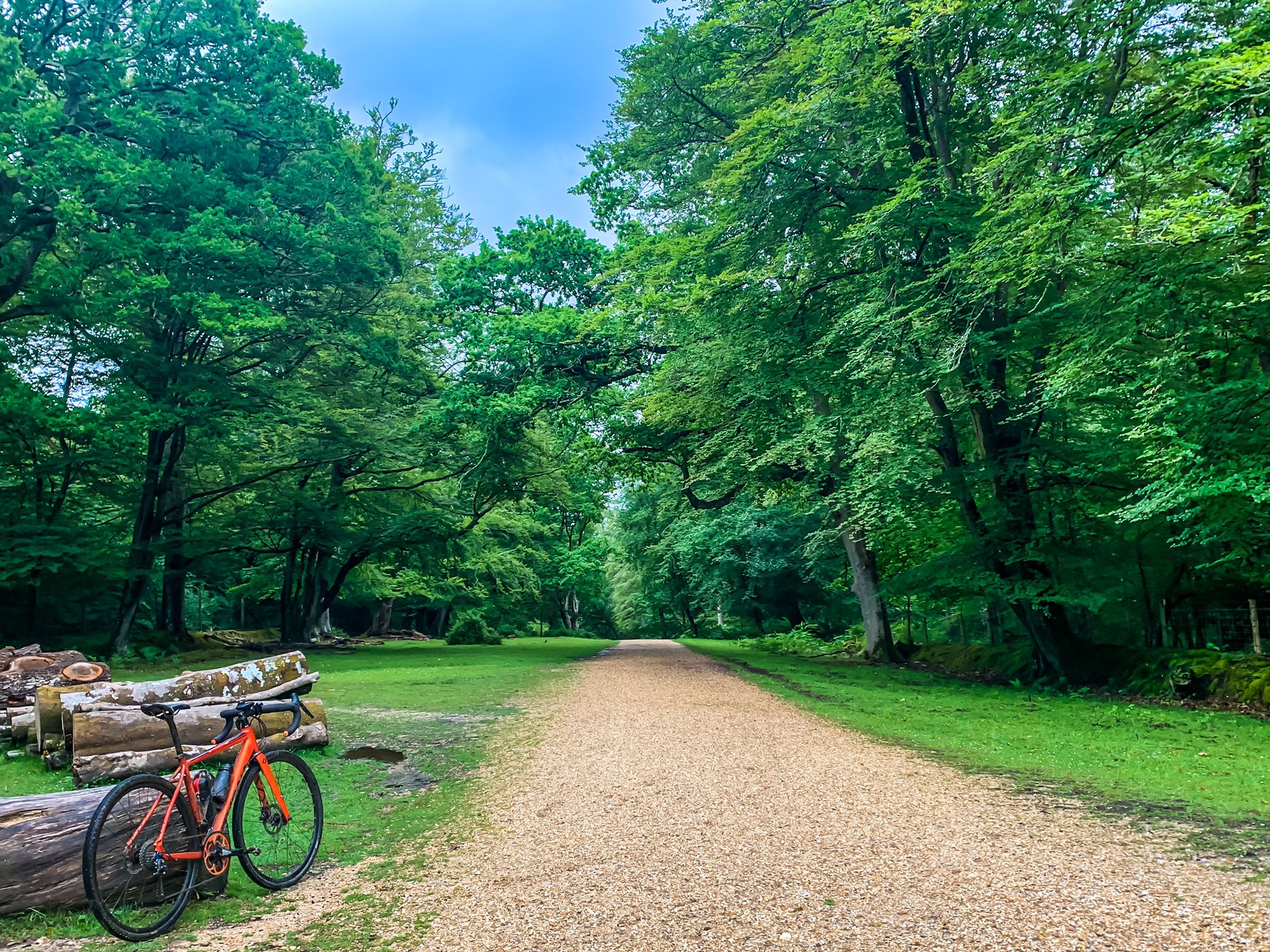
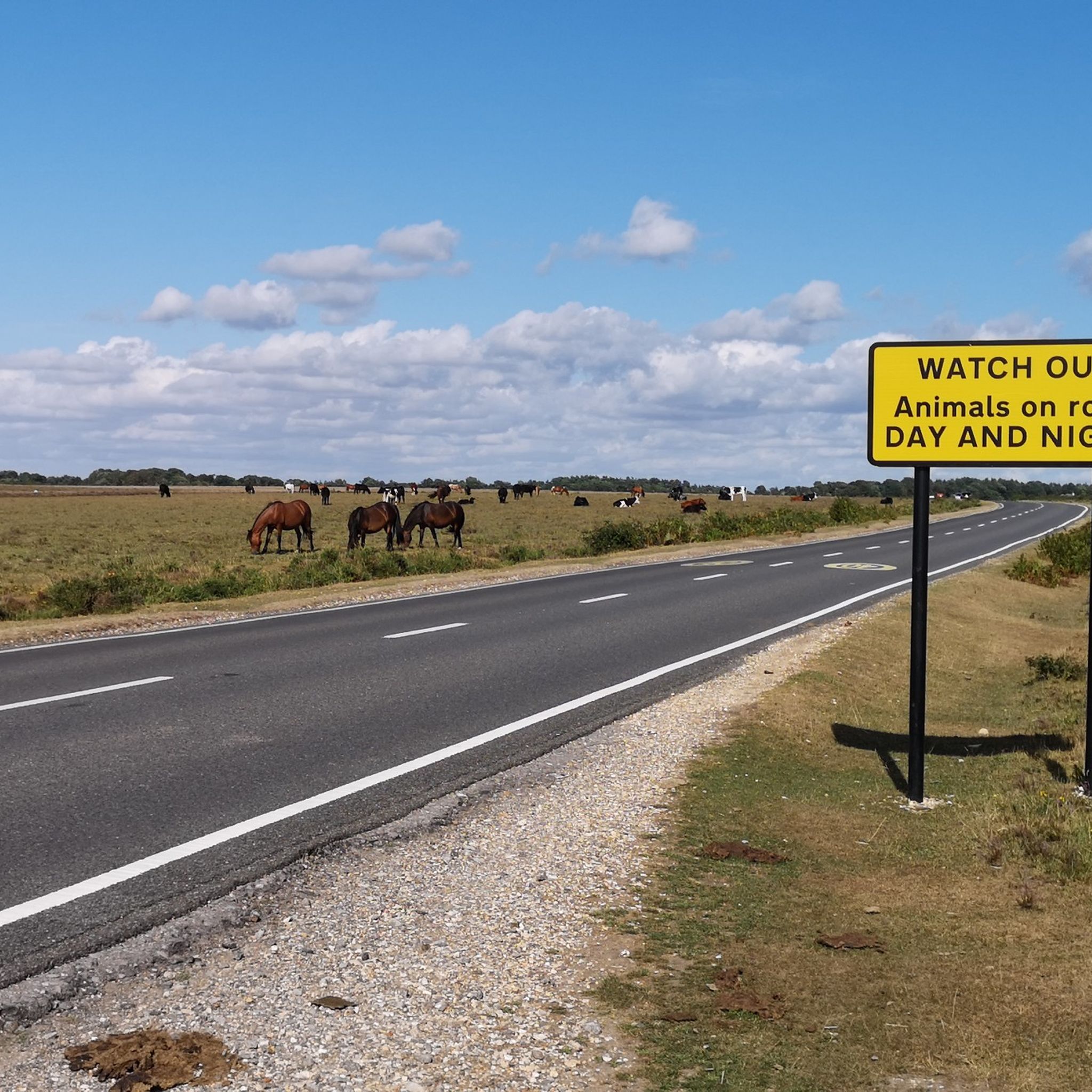
The New Forest
Highlight • Historical Site
Tip by

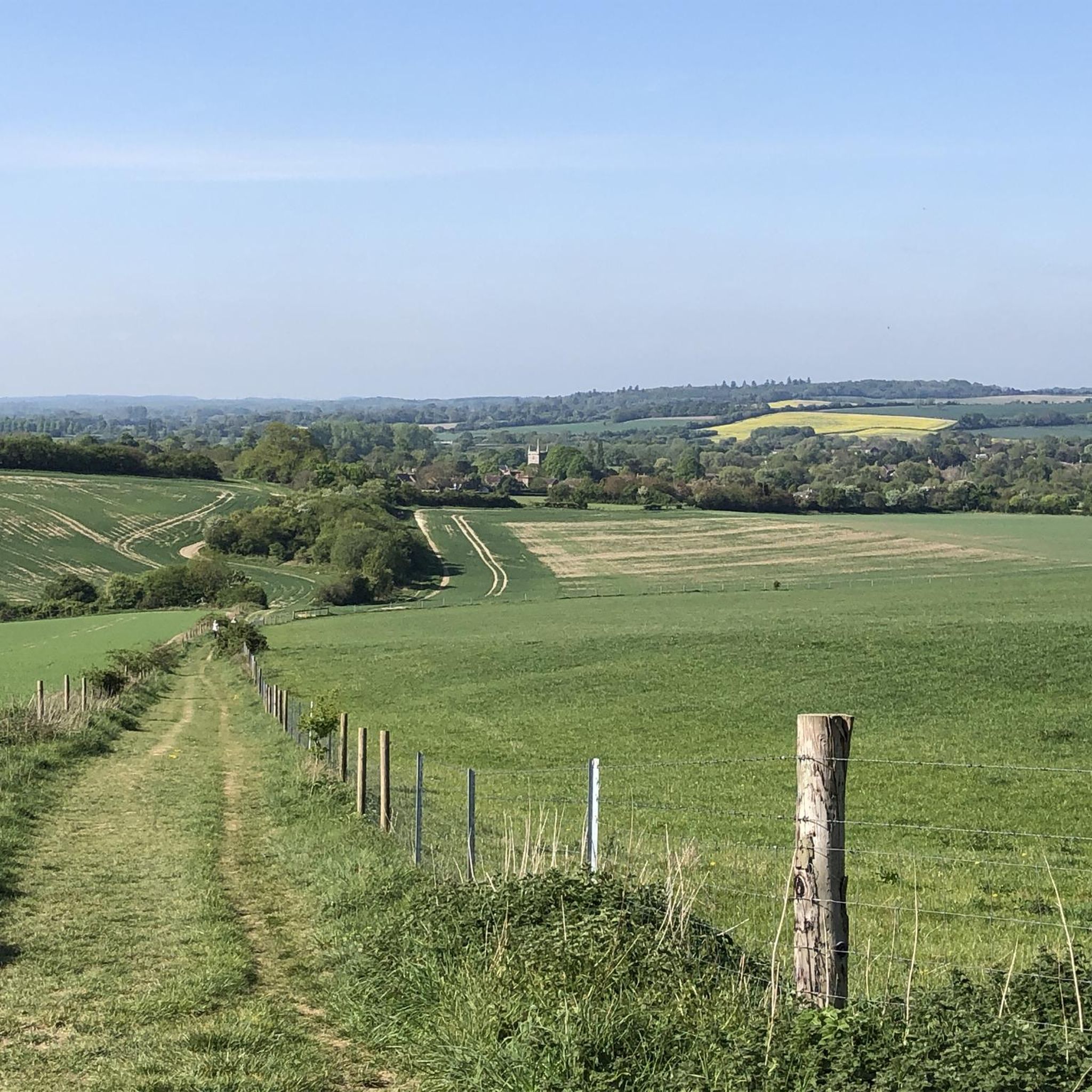
Bokerley Dyke
Highlight • Trail
Tip by

Sign up now to discover places like this
Get recommendations on the best single tracks, peaks, & plenty of other exciting outdoor places.
Sign up for free
Telegraph Hill
Highlight • Historical Site
Tip by

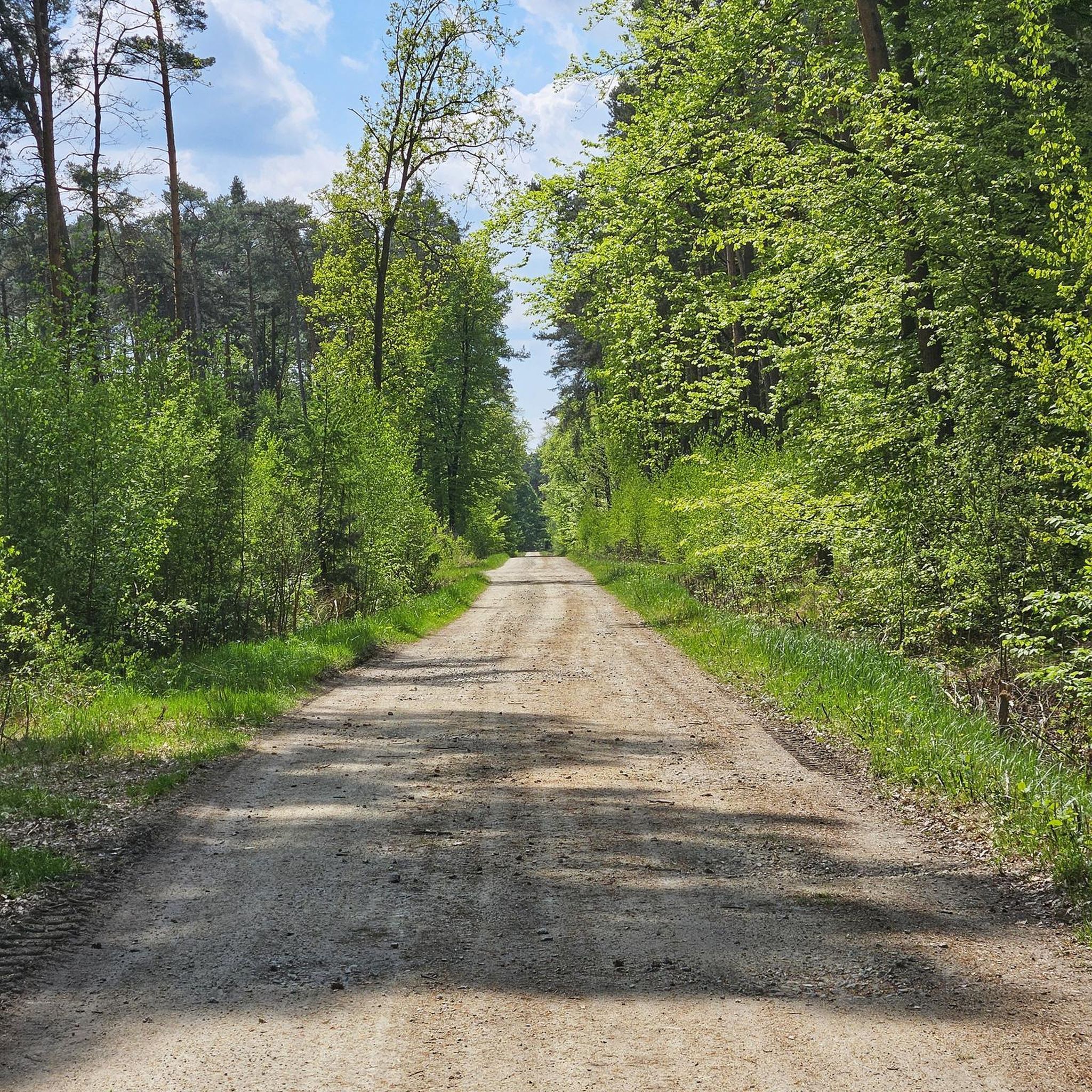
Langley Nature Reserve
Highlight • Natural Monument
The …
Tip by

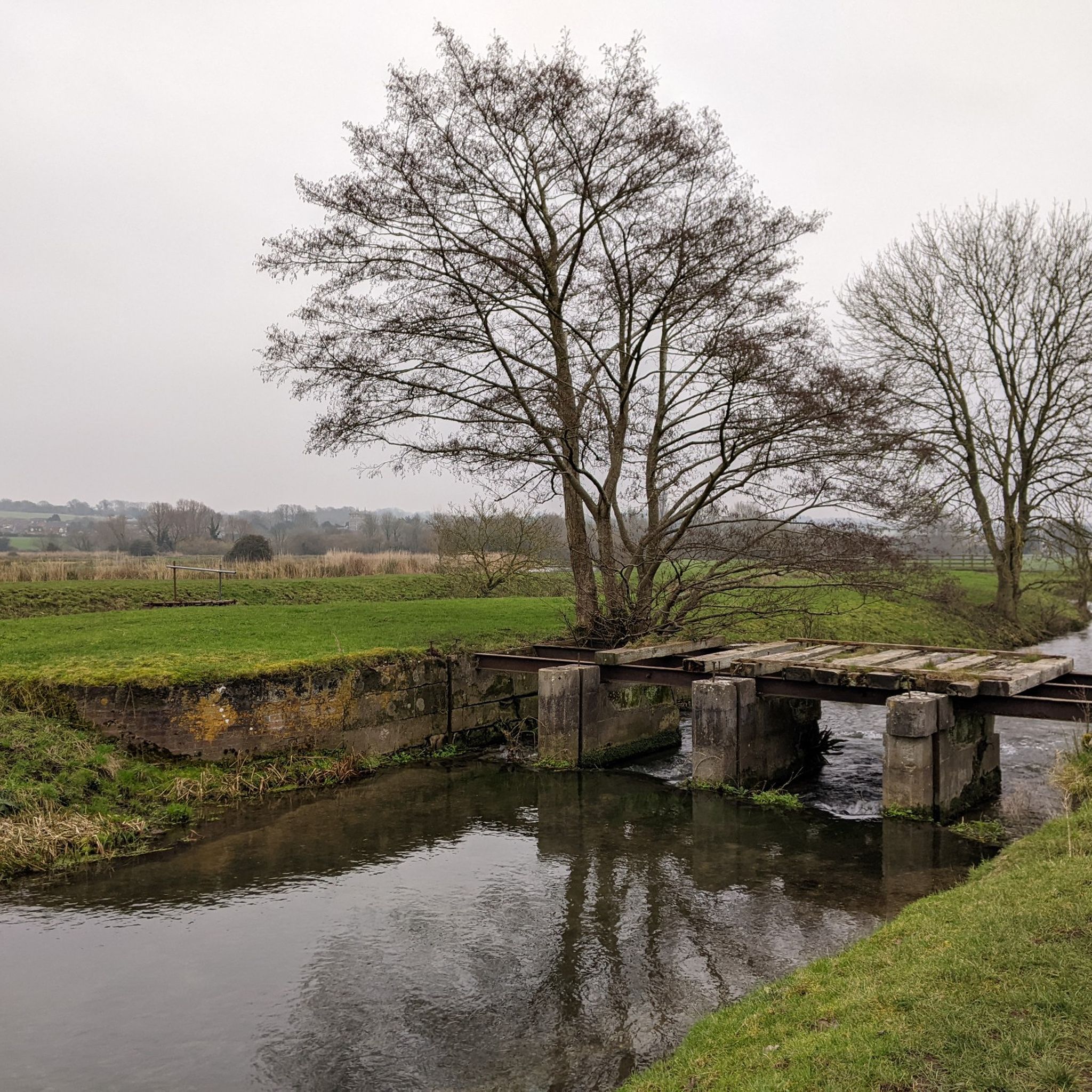
Abbots Well
Highlight • Historical Site
Tip by
Sign up for free to discover even more natural monuments around Downton.
Sign up for free
Already have an account?
Start today with a free account
Your next adventure awaits.
Login or Signup
Other adventures around Downton

Tips from the Community

Napoleonic Era: During the early 19th century, the site housed a wooden optical shutter signal station. It was part of a line connecting Plymouth with the Admiralty in London, capable of passing messages in under 20 minutes. Thats google telling me
0
0

Bokerley Dyke is a substantial linear earthwork, approximately 5.75 kilometers (3.6 miles) long, located on Cranborne Chase. It runs along part of the border between Dorset and Hampshire, specifically between Woodyates and Martin. It is part of a larger Scheduled Monument that also includes Grim's Ditch and other earthworks. The dyke has a multi-period history. It is believed to have originated in the Bronze Age or Early Iron Age as an important political and cultural boundary. In the 1st century, it was cut through by a Roman road, Ackling Dyke, which ran between Old Sarum and Badbury Rings. In the 4th century, the dyke was remodeled and brought back into use. During this period, the Roman road was blocked. A coin of Valens found during excavations dates this activity to shortly after 364 AD, with some sources suggesting it was built between 367-368 AD. This remodeling may have been a defensive measure against attacks on Britain by Picts, Scots, and Saxons. The Roman road was eventually reopened, but the dyke may have continued to be used as a boundary after the Roman administration ended. Today, it still forms part of the border between the counties of Dorset and Hampshire.
0
0

Sorry I really don't like the Rodger Penny Way, as a local I try not to ride it anymore.. I'd go through Woodgreen, Lover, Passed Hampworth Golf Course, No Mans Land... much quieter roads... On the way back most of my routes go into Ringwood... and through the forest from there (I live near Lyndhurst)
0
0

The nature reserve was part of a group of Royal Forests until the 16th century when, unlike the New Forest, they declined and reverted to farmland and landscaped parks. The reserve's ancient woodlands have a long history of management and would have provided local people with a valuable source of timber, wood fuel, forage for pigs (known as pannage) and grazing for livestock. Coppicing was particularly important, and as you walk through the reserve look for old banks and ditches that mark the boundary of coppice enclosures. Coppicing is the method of cutting trees such as hazel or oak to ground level on a regular cycle. This produces fast-growing shoots for fodder, firewood and making charcoal.
1
0

Abbots Well was formerly known as Alleynewell within the ancient boundaries of the New Forest when defined during the reign of King Edward I (1272-1307). This perpetual spring was, for centuries, the main watering place for travellers on the old road to Southampton. Theoretically the chamber on the left is for forest fauna and under the wooden flap on the right water intended for human consumption. I’m not sure I’d drink from it though - make your own mind up!!!
2
0

The name, Telegraph Hill, was given to this spot after it was used as a semaphore station from 1795. Before then, it was called Plowed Garlic Hill. No sign of either exist today, but it has a place in history as one of the semaphore station used to communicate the victory at Waterloo.
0
0

Bokerley Dyke may have originated in the Bronze Age or Early Iron Age and formed a political and cultural boundary. It was cut through by a Roman Road (Ackling Dyke running between Old Sarum and Badbury Rings) in the 1st century.
0
0
Frequently Asked Questions
What are some of the most popular natural monuments around Downton?
Visitors to Downton frequently enjoy exploring Bokerley Dyke, a significant prehistoric boundary ditch that also offers a challenging trail. Another highly regarded spot is The New Forest, known for its vast unenclosed pasture land, heathland, and ancient forests. RSPB Franchises Wood is also a favorite for its peaceful woodland walks and rare plants.
Are there family-friendly natural monuments in the Downton area?
Yes, several natural monuments around Downton are suitable for families. The New Forest is a great option, offering wide-open spaces and the chance to spot wild ponies and pigs. Langley Nature Reserve is another excellent choice, providing ancient woodlands to explore. Additionally, Abbots Well, an ancient historical site, can be an interesting stop for families.
What kind of historical significance do the natural monuments around Downton hold?
The natural monuments in Downton are rich in history. Bokerley Dyke is a substantial prehistoric boundary ditch, potentially dating back to the Bronze or Early Iron Age, and was later re-fortified by Romans. The New Forest was proclaimed a royal forest by William the Conqueror and has a long history of common pasture rights. Abbots Well is an ancient well, first recorded in 1215, serving as a vital watering place for centuries.
What outdoor activities can I do near these natural monuments?
The area around Downton offers a variety of outdoor activities. You can find numerous hiking trails, such as the 'Downton to Charlton-All-Saints loop via Downton Moot' or the 'Clearbury Down loop'. For cycling enthusiasts, there are gravel biking routes like the 'Rhinefield Ornamental Drive – View of Hampton Ridge loop'. Running trails, including the 'Standlynch Chapel – Downton Village loop', are also available. You can find more details and routes on the Hiking around Downton, Gravel biking around Downton, and Running Trails around Downton guide pages.
Are there any nature reserves or protected areas to visit?
Yes, Downton is home to significant nature reserves. RSPB Franchises Wood is a 1,000-acre woodland and heathland, recognized for its rare plants and peaceful environment. Langley Nature Reserve features ancient woodlands with a long history of management, including traditional coppicing. The New Forest is also a protected National Park and a biological and geological Site of Special Scientific Interest.
What kind of natural features can I expect to see?
The natural monuments around Downton showcase diverse landscapes. You'll encounter extensive woodlands and forests at The New Forest, RSPB Franchises Wood, and Langley Nature Reserve. Heathland and unenclosed pasture are prominent in The New Forest. Unique geological features include the substantial earthwork of Bokerley Dyke, and the ancient spring of Abbots Well.
What do visitors enjoy most about the natural monuments around Downton?
Visitors particularly appreciate the blend of natural beauty and historical significance. The peaceful walking environments, the chance to observe wildlife like wild ponies in The New Forest, and the sense of being removed from civilization at places like RSPB Franchises Wood are frequently highlighted. The historical context of sites like Bokerley Dyke also adds to the appeal.
Are there challenging trails for experienced hikers?
Yes, for those seeking a more challenging experience, Bokerley Dyke offers an intermediate to challenging trail along its 3.5-mile prehistoric boundary ditch. The varied terrain and historical context make it a rewarding hike. Some routes within The New Forest can also be quite extensive and offer longer, more demanding walks.
Can I walk my dog at the natural monuments in Downton?
Many natural monuments and green spaces in the Downton area are dog-friendly, but it's always best to check specific regulations for each location, especially within nature reserves or areas with livestock. The New Forest is generally welcoming to dogs, but owners should keep them under control, particularly around wild ponies and other animals. RSPB Franchises Wood also offers peaceful walking environments suitable for dogs on leads.
What is the best season to visit the natural monuments around Downton?
The best season to visit depends on your preferences. Spring brings blooming wildflowers and active wildlife, while summer offers longer daylight hours for exploration. Autumn is beautiful with changing foliage, especially in forested areas like The New Forest and RSPB Franchises Wood. Winter can be peaceful and atmospheric, though some trails might be muddy. Always check local conditions before your visit.
Are there any hidden gems or 'secret' natural monuments worth exploring?
While not strictly 'secret,' places like Langley Nature Reserve offer a tranquil escape with ancient woodlands and a rich history of management, providing a sense of being off the beaten path. Abbots Well, an ancient watering hole, also offers a unique historical point of interest that might be less frequented than larger sites.
Are there any loop trails available at the natural monuments?
Yes, many of the natural monuments and surrounding areas offer loop trails. For instance, you can find various loop options for hiking, running, and gravel biking that incorporate these natural monuments. Examples include the 'Downton to Charlton-All-Saints loop via Downton Moot' for hiking, or the 'Standlynch Chapel – Downton Village loop' for running. You can explore more specific loop routes on the hiking, gravel biking, and running guide pages for Downton.
Most popular routes around Downton
Most popular attractions around Downton

Get inspired with the komoot mobile app


Explore more
Extend your search for the best caves by checking out these guides of the top ones around Downton:
