Top 14 Natural Monuments around Amesbury
Natural monuments around Amesbury, Wiltshire, offer a glimpse into ancient history and the natural landscape of the region. This area is characterized by its rolling plains and significant archaeological sites. Visitors can explore a variety of historical and natural features, including prehistoric monuments and ancient burial grounds. The landscape provides opportunities for walking and observing unique geological formations.
Best natural monuments around Amesbury
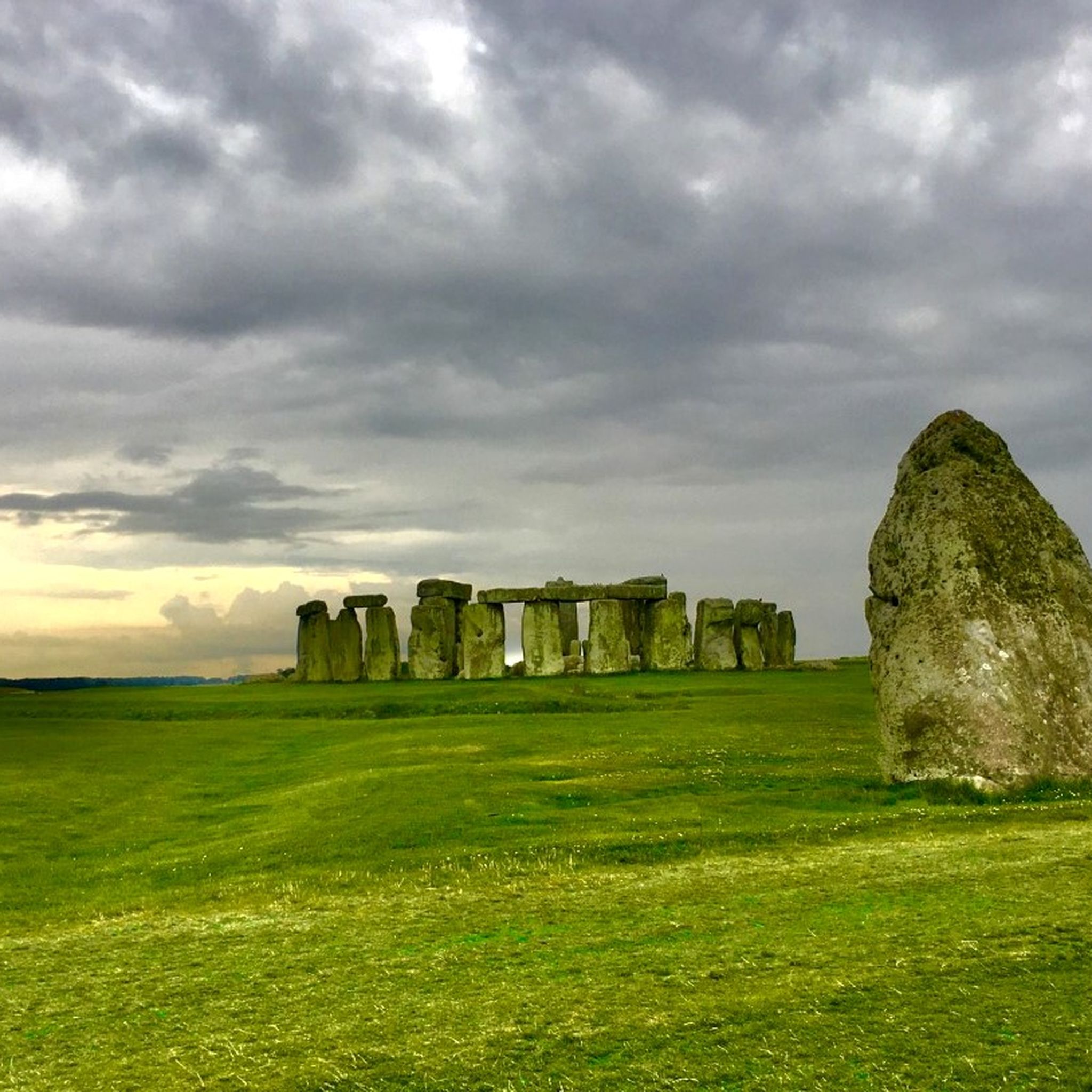
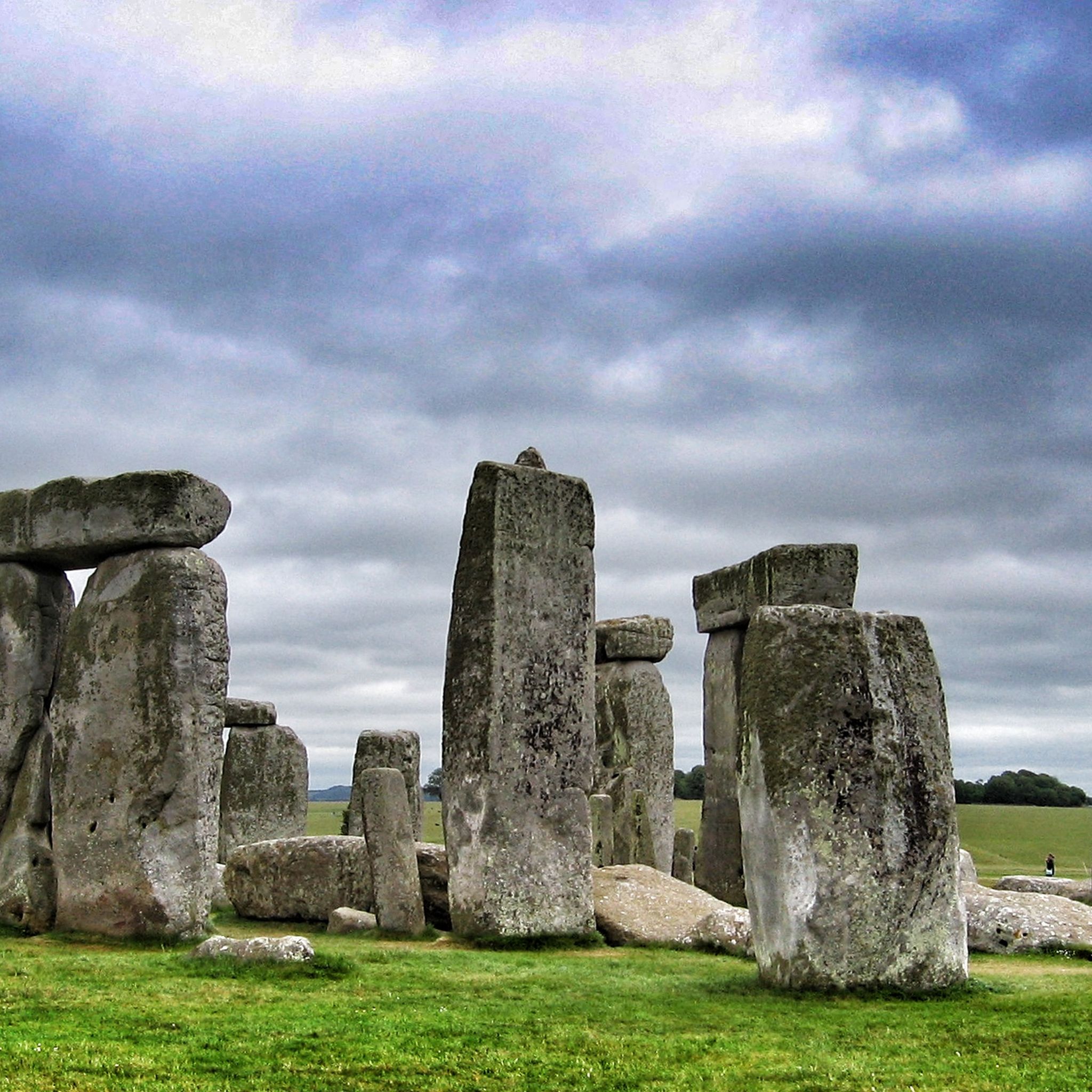
- The most popular natural monuments is Stonehenge, a historical site that features a megalithic structure of concentric stone circles. It was built in the Neolithic Age and used until at least the Bronze Age.
- Another must-see spot is Woodhenge, a man-made monument. This Neolithic Class II henge and timber circle monument was likely built around 2300 BC as a large burial mound.
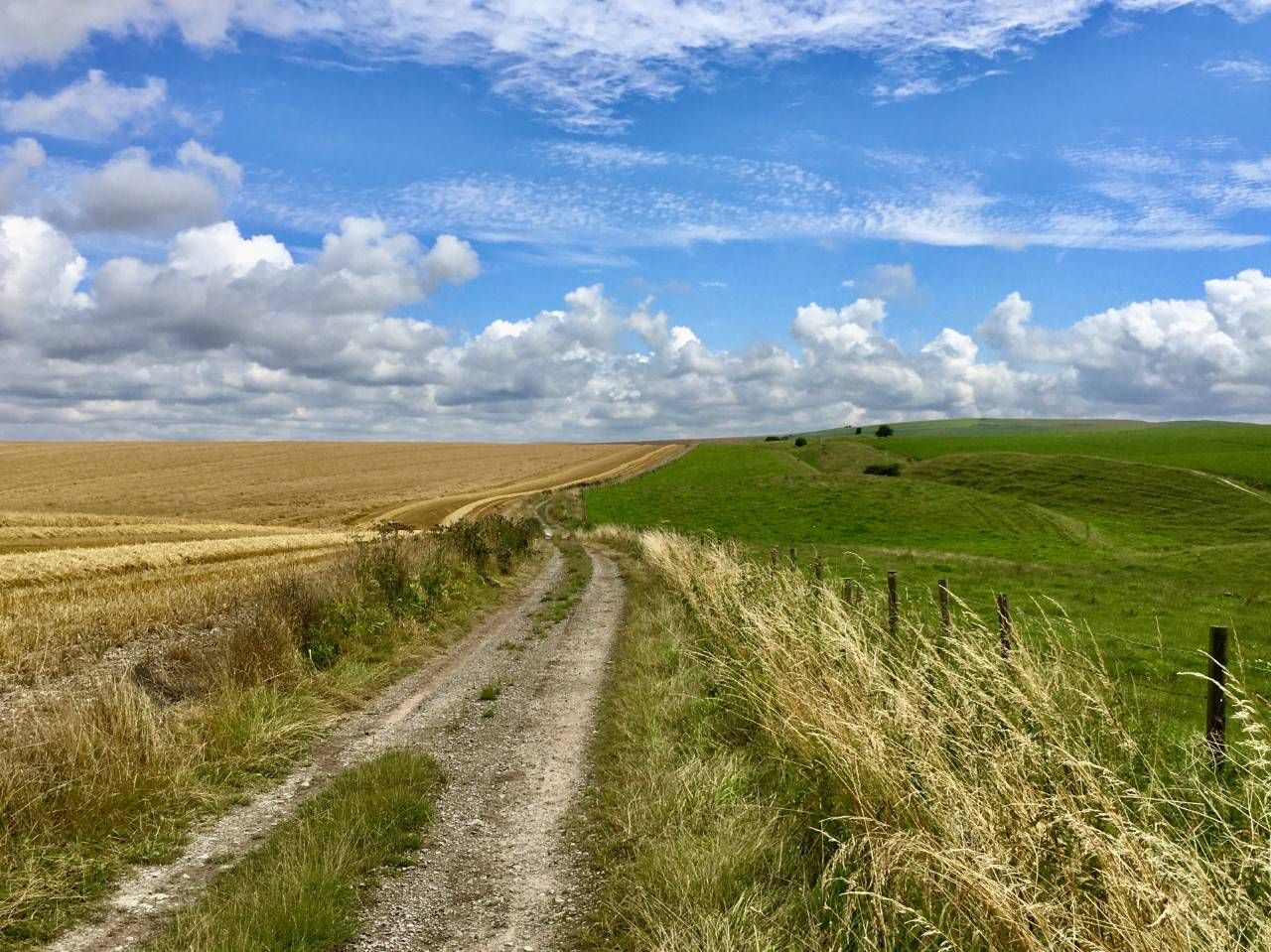
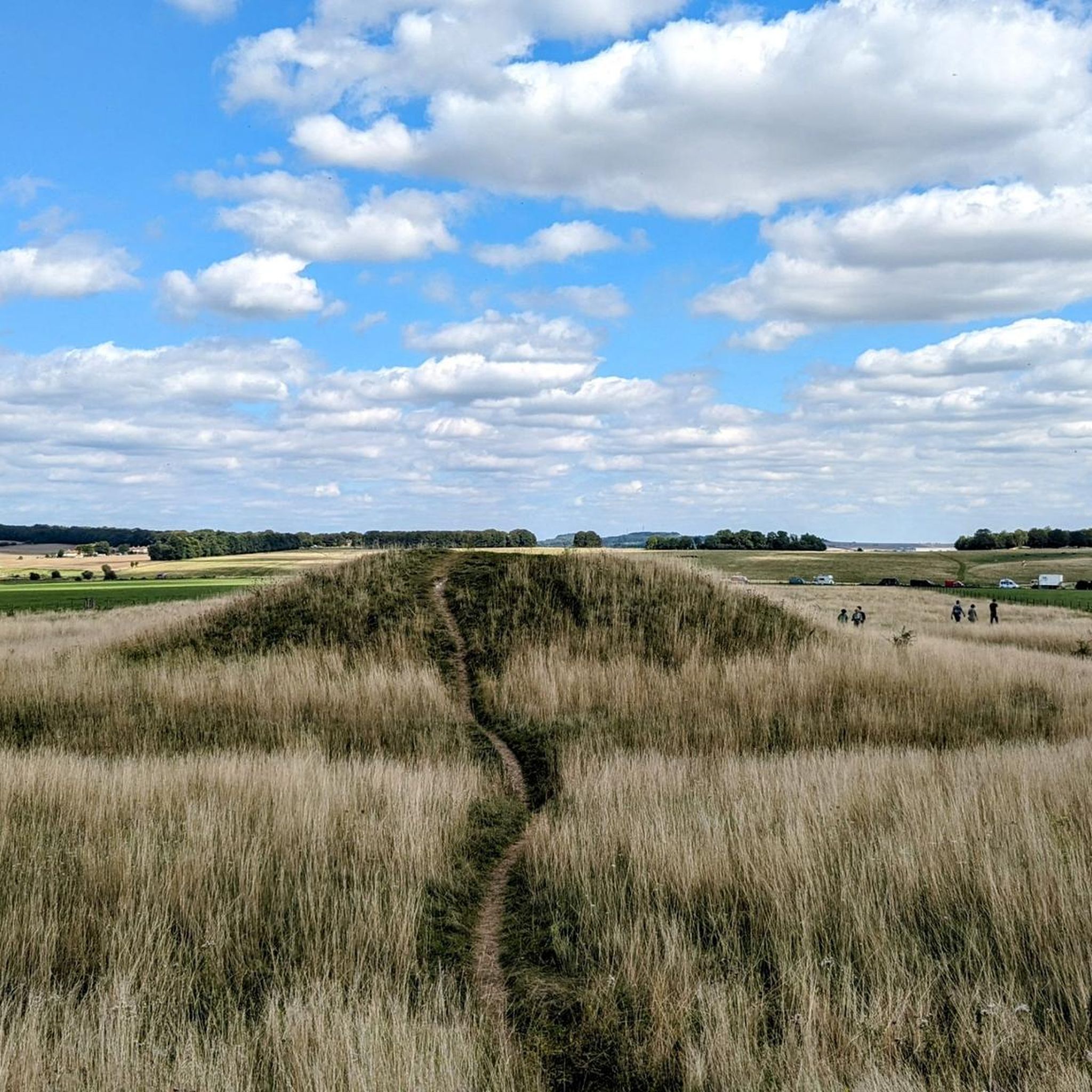
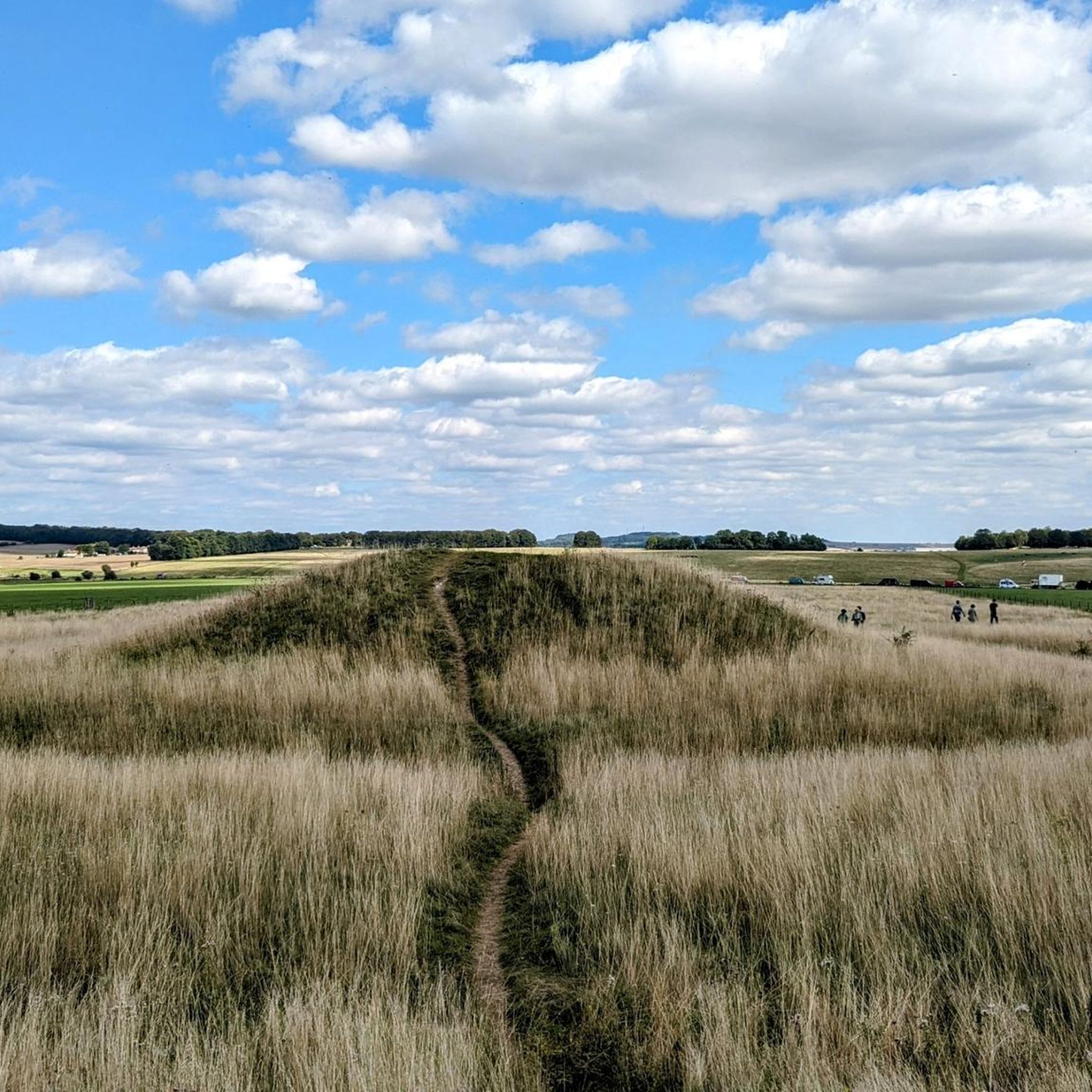
- Visitors also love Cursus Barrows, a natural monument consisting of a Neolithic and Bronze Age round barrow cemetery. These burial mounds are clearly visible across the fields south of Stonehenge.
- Amesbury is known for its prehistoric monuments, ancient burial sites, and unique sarsen stone formations. The area offers a variety of natural monuments to see and explore, providing insight into ancient human activity and the local geology.
- The natural monuments around Amesbury are appreciated by the komoot community, with more than 360 upvotes and over 400 photos shared by visitors.
Last updated: October 4, 2026
Stonehenge
Highlight • Historical Site
Tip by

Sarsen Stone at Stonehenge Visitor Centre
Highlight • Monument
Translated by Google •
Tip by

Sign up now to discover places like this
Get recommendations on the best single tracks, peaks, & plenty of other exciting outdoor places.
Woodhenge
Highlight • Monument
The site is managed by English Heritage and free to visit. You can visit anytime during daylight hours. More information: english-heritage.org.uk/visit/places/woodhenge
Tip by

Cursus Barrows
Highlight • Natural Monument
Translated by Google •
Tip by
Cuckoo Stone
Highlight • Monument
Tip by

Sign up for free to discover even more natural monuments around Amesbury.
Already have an account?
Start today with a free account
Your next adventure awaits.
Popular around Amesbury




Tips from the Community


Why exactly there? Archaeologists suspect several reasons: Line of sight From the mounds, there is a direct view of Stonehenge. Sacred landscape The entire plain was a ritual area with paths, graves, and ceremonial sites. Status symbol Important people were buried near the famous sanctuary. Interesting fact There are over 300 burial mounds in the vicinity of Stonehenge – one of the largest prehistoric burial landscapes in Europe.
0
0
Here is a simple overview map explaining the landscape south of Stonehenge and why the burial mounds are located there. Landscape south of Stonehenge The most important range of mounds is called Normanton Down Barrows. It lies about 1 km south of Stonehenge. There are over 40 burial mounds there, dating from 2600–1600 BC. The mounds are situated on a long ridge that faces directly towards Stonehenge. Simplified diagram of the location North ↑ Stonehenge ○ | | approx. 1 km | ───────────────── Hill ridge with many burial mounds (Normanton Down) ○ ○ ○ ○ ○ ○ ○ ○ ○ ○ ↓ South Important hills there One particularly famous burial mound is Bush Barrow A richly furnished grave of a Bronze Age prince, containing gold objects and weapons, was found there.
0
0

It's unbelievable what people have achieved and built in the past (without any technology) - it's simply impressive and breathtaking
2
0

Can someone please be happy/laughing with me that Google Translate turns Amy's "henge and timber monument" into "Denkmal für Hühner 🐔" in German? - Great 😂😂😂
0
0

Location signage, that is, how to locate the cuckoo stone, is non-existent! Once you pass through the gate next to Woodhenge you’ll see the National Trust sign. The stone lies way off to your right at about 3 o’clock direction from the sign. If the grass is long it won’t be visible!
2
0


Like the larger megaliths that make up the outer ring of Stonehenge, the Cuckoo Stone is a sarsen stone and was once a standing stone. It has since fallen but is still a familiar landmark and is part of the wider Stonehenge Landscape. It's believed that the Cuckoo Stone was the ceremonial centrepiece for several burials around 2000 BC.
3
0
Frequently Asked Questions
What are the main natural monuments to explore around Amesbury?
The Amesbury area is renowned for its ancient historical and natural monuments. Key sites include the iconic Stonehenge, the fascinating timber circle monument of Woodhenge, and the ancient burial grounds known as Cursus Barrows. You can also find the significant Cuckoo Stone, a fallen sarsen stone that was once a standing monument.
Are there family-friendly natural monuments in the Amesbury area?
Yes, several natural monuments around Amesbury are suitable for families. Stonehenge offers a visitor center with exhibitions and Neolithic houses, making it an engaging experience for all ages. Woodhenge and the Cuckoo Stone are also considered family-friendly, providing open spaces for exploration.
What kind of walking and hiking opportunities are there near Amesbury's natural monuments?
The landscape around Amesbury's natural monuments offers various walking opportunities. You can walk across fields to see the Cursus Barrows, which are clearly visible. Many visitors enjoy walking between the different prehistoric sites, such as from the Stonehenge Visitor Centre to the stone circle itself, or to nearby sites like Woodhenge and the Cuckoo Stone. For more extensive routes, consider exploring the cycling and gravel biking guides for the area, which often include paths near these monuments. You can find more details on routes in our Cycling around Amesbury or Gravel biking around Amesbury guides.
What are sarsen stones and where can I see them?
Sarsen stones are large blocks of sandstone, often referred to as 'heathen stones' due to their ancient origins. They are a significant geological feature of the region. The most famous sarsen stones are those that form the megalithic structure of Stonehenge. You can also see a prominent example at the Sarsen Stone at Stonehenge Visitor Centre, where you can even test your strength against one. The Cuckoo Stone is another notable sarsen stone in the wider Stonehenge Landscape.
What is the best time of year to visit the natural monuments around Amesbury?
The natural monuments around Amesbury can be visited year-round. Many visitors prefer spring and autumn for milder weather and fewer crowds, which are ideal for walking between sites. Summer offers longer daylight hours, but can be busier. Winter visits can be atmospheric, especially with crisp, clear days, though some paths might be muddy. Always check the specific opening hours for sites like Stonehenge, as these can vary seasonally.
Is there parking available at the natural monuments?
Parking facilities are available, particularly at major sites like Stonehenge, which has a dedicated visitor center car park. For other sites like Woodhenge and the Cuckoo Stone, parking is often available nearby, such as alongside Woodhenge. It's advisable to check specific site information for parking details and any associated fees before your visit.
Can I visit the natural monuments using public transport?
While direct public transport to every single monument might be limited, Stonehenge is well-served by shuttle buses from its visitor center, which can be reached by various means. For other sites like Woodhenge and Cursus Barrows, you might need to combine public transport with walking or cycling, as they are often located within the wider landscape accessible by footpaths.
What facilities are available at the natural monuments?
The main facilities are found at the Stonehenge Visitor Centre, which includes exhibitions, Neolithic houses, a shop, and a café. You'll also find the Sarsen Stone at Stonehenge Visitor Centre here. Other sites like Woodhenge and Cursus Barrows are more open-air archaeological sites with fewer amenities, though Woodhenge has picnic areas nearby.
Are there any wheelchair-accessible natural monuments?
The Stonehenge Visitor Centre and the path to the stone circle are designed to be wheelchair accessible. The Sarsen Stone at Stonehenge Visitor Centre is also accessible. For other sites, accessibility can vary depending on the terrain, which often involves grassy fields and uneven paths.
What should I wear when visiting the natural monuments?
Given the open and often exposed nature of the sites, especially Stonehenge and the surrounding plains, it's recommended to wear layers of clothing to adapt to changing weather conditions. Sturdy, comfortable walking boots are essential, as many paths are unpaved and can be muddy, particularly after rain. A waterproof jacket is also advisable, regardless of the season.
Can I bring my dog to the natural monuments?
Many of the outdoor areas and footpaths around Amesbury's natural monuments are dog-friendly, allowing you to enjoy walks with your canine companion. However, specific rules may apply at managed sites like Stonehenge, where dogs might be restricted to certain areas or require to be on a lead. Always check the latest visitor information for each site regarding dog access.
What kind of historical significance do these natural monuments hold?
The natural monuments around Amesbury are deeply rooted in prehistoric history. Stonehenge is a world-famous Neolithic and Bronze Age megalithic structure, believed to have served various purposes from a cult site to an astronomical observatory. Woodhenge is a Neolithic timber circle monument, likely built as a large burial mound. The Cursus Barrows represent a significant Neolithic and Bronze Age round barrow cemetery, containing numerous burial mounds. These sites offer profound insights into ancient human activity and beliefs.
Are there any hidden natural gems or less-known sites to explore?
While the major monuments like Stonehenge draw crowds, exploring the wider landscape reveals less-known but equally fascinating sites. The Cuckoo Stone, though part of the wider Stonehenge Landscape, is often less frequented than the main stone circle. The numerous barrows and earthworks scattered across the plains, such as those near the Cursus Barrows, offer a chance to experience the ancient landscape in a more solitary setting. These areas provide a sense of discovery and a deeper connection to the region's past.
Most popular routes around Amesbury
Most popular attractions around Amesbury

Get inspired with the komoot mobile app


Explore more
Extend your search for the best caves by checking out these guides of the top ones around Amesbury:
