Top 6 Natural Monuments around Bulkington
Best natural monuments around Bulkington are found within a landscape recognized for its conservation status and picturesque countryside. The village of Bulkington, located in Warwickshire, England, is designated as a Conservation Area, preserving its character, open spaces, and landscaping. While traditional natural monuments like large waterfalls are not prominent, the area offers accessible green spaces and scenic walking routes. These features contribute to the tranquil beauty and natural appeal of the region.
Best natural monuments around Bulkington
- The most popular…
Last updated: October 4, 2026
Westbury White Horse
Highlight • Natural Monument
Today the hill's most defining feature is the striking …
Tip by

Devizes White Horse
Highlight • Monument
Tip by

Sign up now to discover places like this
Get recommendations on the best single tracks, peaks, & plenty of other exciting outdoor places.
Bratton Camp and Long Barrow
Highlight • Viewpoint
Tip by
View of Westbury White Horse from Lower Westbury Road
Highlight • Viewpoint
Tip by

Westbury White Horse Climb (East Side)
Highlight • Climb
The other side is longer and more mellow this side is shorter but steep.
Tip by
Sign up for free to discover even more natural monuments around Bulkington.
Already have an account?
Start today with a free account
Your next adventure awaits.
Tips from the Community

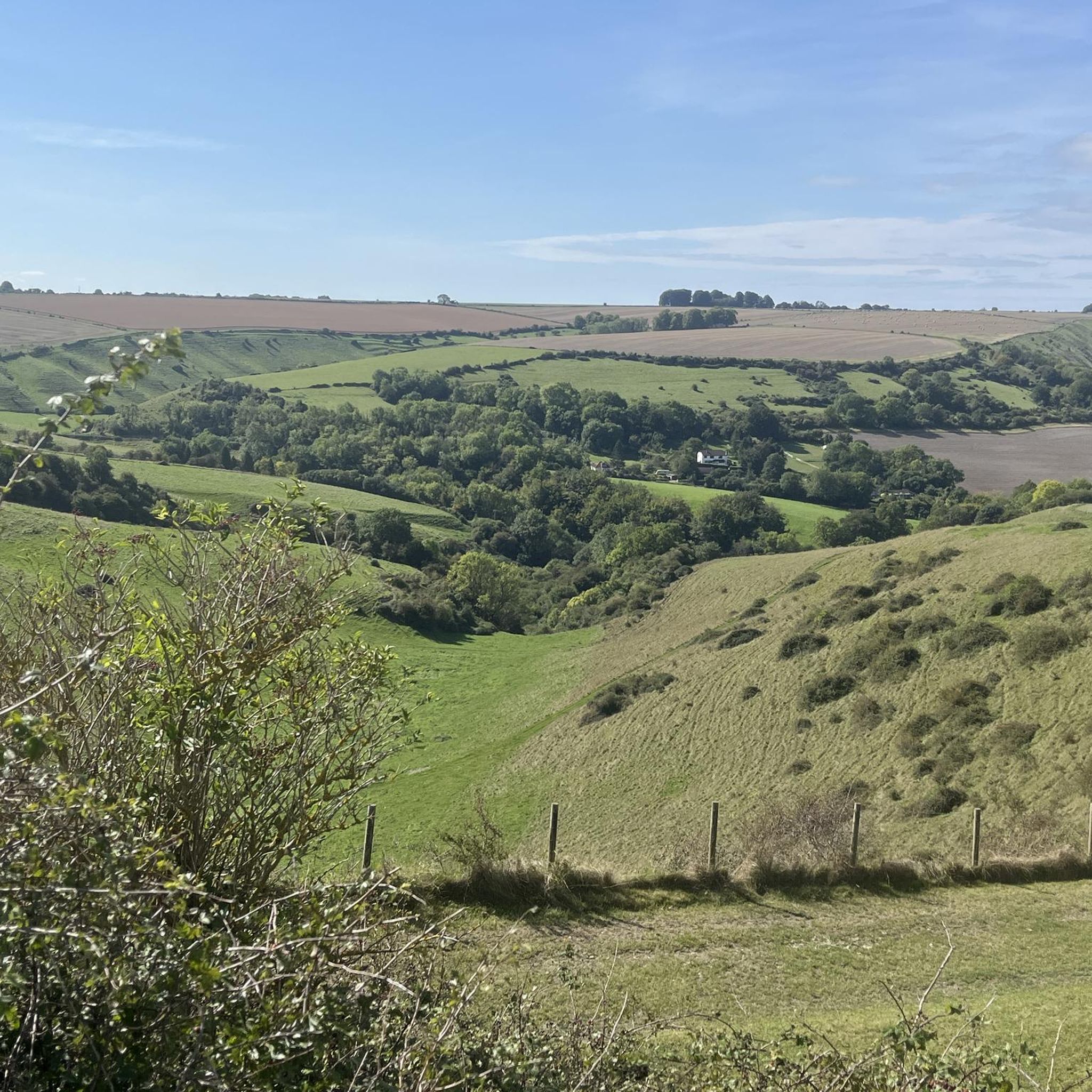
The oldest of the Wiltshire white horses this was originally cut in 1772 and restored in 1778. There was evidence of an older horse here facing the other way, but no strong evidence suggests how old that was. In 1872/1873 the horse was considered to be losing its shape, it was re cut and edging stones added. In 1957 the horse was concreted to preserve it. For the runner the trails around the top of the horse are great fun and the 33-mile Imber trail also passes here. There are nice loops from the car park above the horse or from nearby Westbury.
1
0

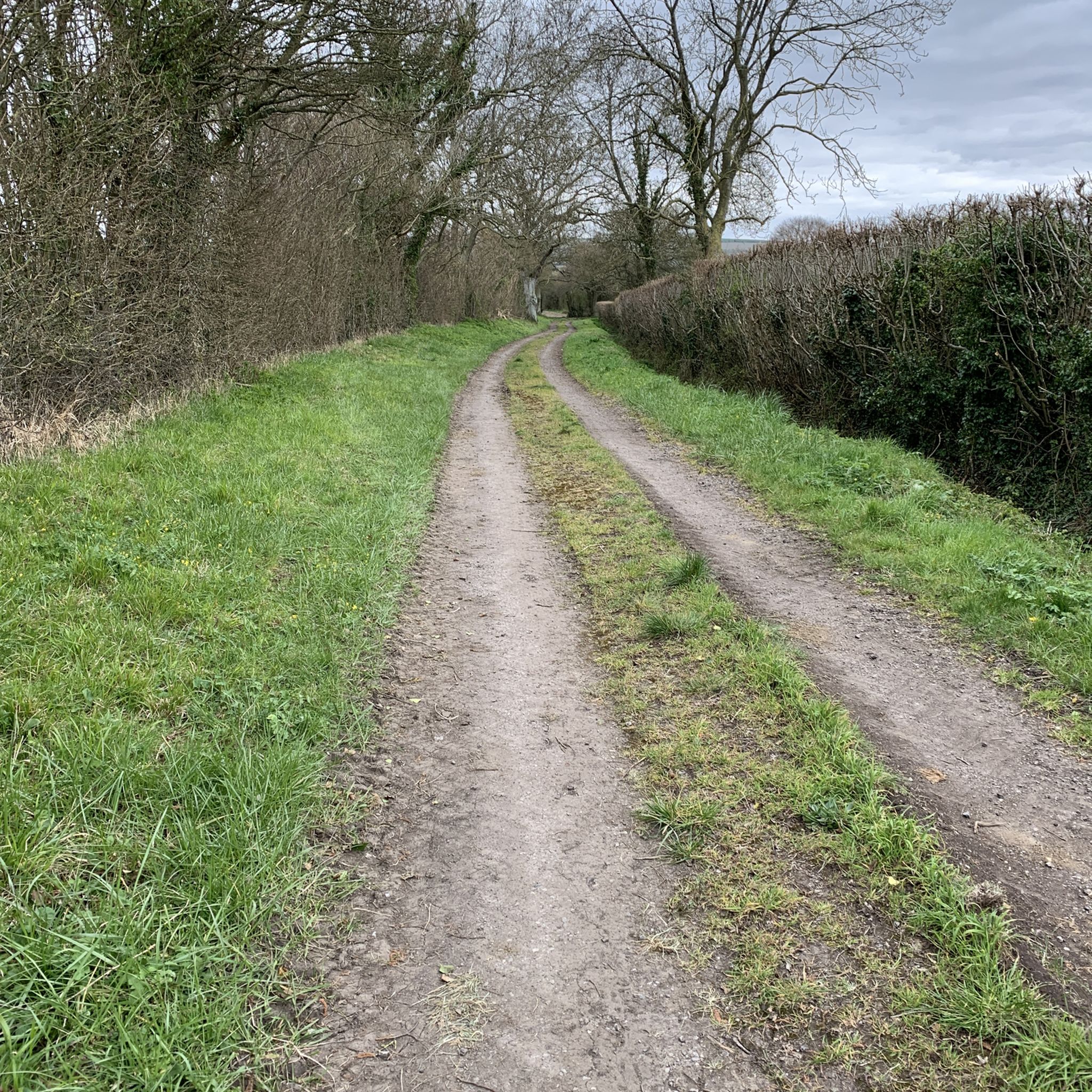
Easy running with lovely views up to the escarpment and white horse.
1
0

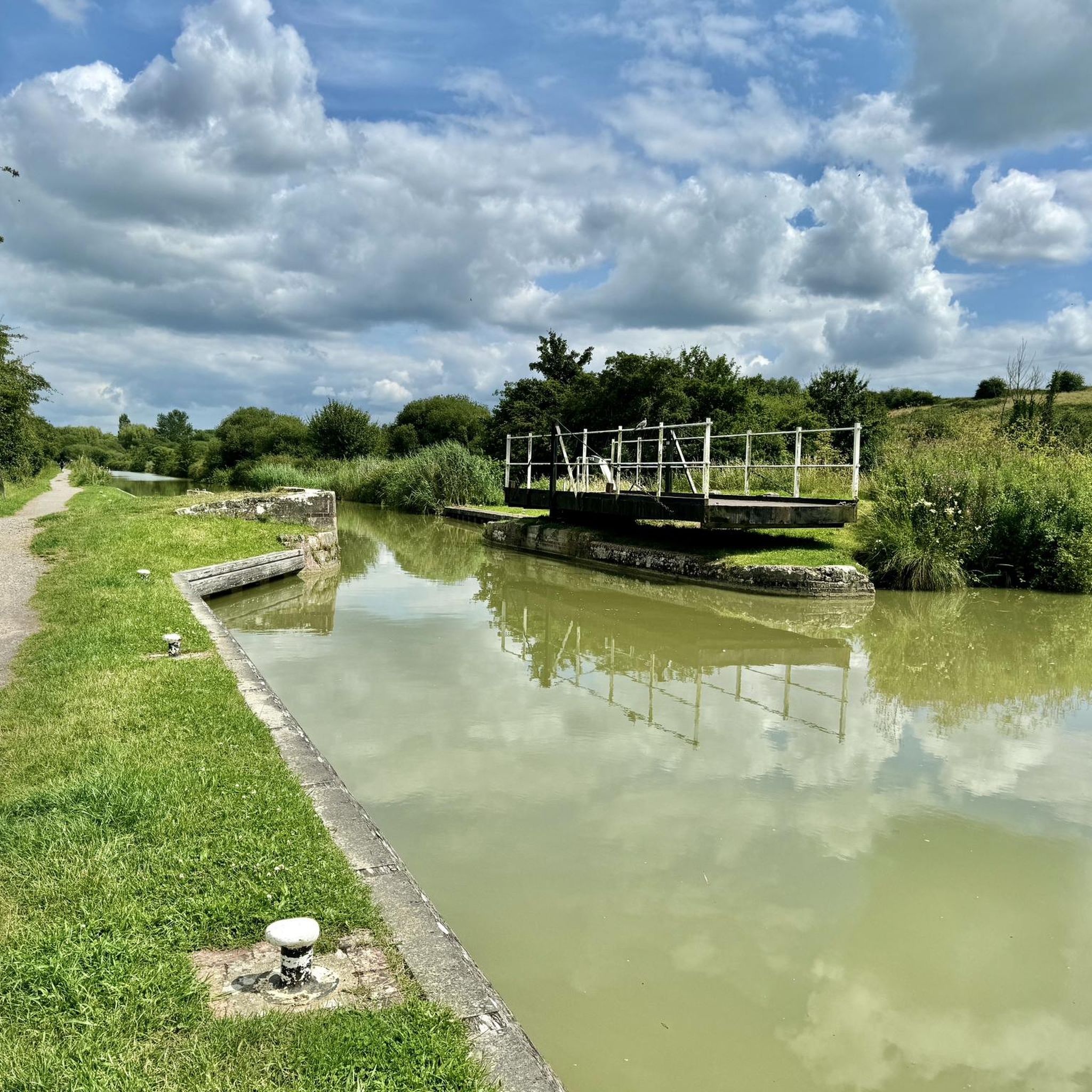
Lovely wide gravel bridleway with somewhat distracting views of the white horse and the Wilts lowlands that I had one of my worst crashes on. Deceptively smooth chunky gravel surface good for medium gravel or touring tyres. Nothing really wrong with the path excepting a few potholes and larger stones, but those potholes can make panniers bounce up and, if unsecured, said panniers can bounce into the path of one's front wheel tossing the obliviously joyful bike tourist over their handlebars and into said hard chunky gravel. One can rag their fully loaded bike down as many unsuitable trails as they please, as long as the load is secure. edit; the potholes are much bigger now.
0
0

There are over 1,200 hillforts in England, most of which occupy fantastic viewpoints and Bratton Camp hillfort is no different. In fact, it has a truly extraordinary vistas from its earthen ramparts. The camp sits just on the ridge between Westbury and Bratton, and immediately above the Westbury White Horse. There's a long barrow within the castle's fortifications estimated to be around 5,000 years old.
0
0
The Devizes Millennium White Horse is one of the most recent chalk figures cut in the UK, created in 1999. It sits up on an escarpment on Roundway Hill just north of Devizes and it's easily accessible by multiple footpaths and bridleways. You can view the horse from the south as well as from neighbouring Milk Hill. It's one of many past and present chalk horses on Wiltshire's hills.
0
0

The newest of Wiltshire's White Horses, Devizes was cut in 1999 to mark the Millennium. It's located on Roundway Hill to the north of Devizes. https://www.visitwiltshire.co.uk/things-to-do/devizes-white-horse-p1692753
0
0

Westbury White Horse was originally cut in the late 1600s and is the oldest white horse in Wiltshire. From this spot, you are afforded lovely views.
1
0

Bratton Camp was originally an Iron Age hill fort built over 2,000 years ago to defend the settlement from its enemies. Today the hill's most defining feature is the striking white horse cut into its slopes. Records suggest that the horse was made at the end of the 17th century to commemorate the Battle of Ethandun. Despite its turbulent past, Bratton Camp is now a relaxing place to take a stroll. The chalk grassland is teeming with wildlife and insects. Look out for the rare Adonis Blue butterfly which can be found here. You can visit any time during daylight hours. Entrance is free.
1
0
Frequently Asked Questions
What types of natural monuments can I explore around Bulkington?
While Bulkington itself is recognized as a Conservation Area for its picturesque countryside and green spaces, the natural monuments highlighted in the broader region are primarily historical sites and man-made chalk figures. These include ancient hillforts like Bratton Camp and Long Barrow, and iconic chalk figures such as the Westbury White Horse and the Devizes White Horse.
Which natural monuments offer the best views in the Bulkington area?
Several natural monuments provide outstanding vistas. Bratton Camp and Long Barrow is known for its extraordinary views from its earthen ramparts. Similarly, Westbury White Horse and Bratton Camp offers far-reaching views, and View from Roundway Down provides fantastic panoramic scenery from its hilltop.
Are there any historical sites among the natural monuments near Bulkington?
Yes, many of the natural monuments in the area have significant historical importance. For example, Westbury White Horse and Bratton Camp features an Iron Age hillfort carved into chalk downland over 2000 years ago, with a Neolithic long barrow also present. Bratton Camp and Long Barrow also includes an Iron Age hillfort and a 5,000-year-old long barrow.
Can I find family-friendly natural monuments in the area?
Yes, the Devizes White Horse is considered family-friendly and is easily accessible by multiple footpaths and bridleways on Roundway Hill. Additionally, the View of Westbury White Horse from Lower Westbury Road is also suitable for families, offering easy running with lovely views.
What walking and cycling routes are available near these natural monuments?
The region around Bulkington offers numerous opportunities for outdoor activities. You can find various cycling routes, including easy to moderate options like the 'Caen Hill Locks loop from Seend' or 'Bulkington Country Road – Vintage Gas Pumps loop from Seend'. For road cycling, there are routes such as 'Cherry Farm Coffee Stall – View Over the Plains loop from Poulshot'. Running enthusiasts can explore trails like 'Halfway Lock loop from Wilts, Somerset and Weymouth Railway (Devizes Branch)'. More details on these routes can be found in the Cycling around Bulkington, Road Cycling Routes around Bulkington, and Running Trails around Bulkington guides.
What makes the Westbury White Horse and Bratton Camp a significant natural monument?
The Westbury White Horse and Bratton Camp is a significant site due to its blend of natural landscape and ancient history. The Iron Age hillfort at Bratton Camp, carved into the chalk downland over 2000 years ago, provided a strategic defensive position. Below it lies the iconic Westbury White Horse, believed to have been cut in the late 1600s to commemorate the Battle of Ethandun. The area is also rich in wildlife, including rare plants and insects.
What is the Devizes White Horse, and how can I access it?
The Devizes White Horse is one of the most recent chalk figures cut in the UK, created in 1999 to mark the Millennium. It is located on Roundway Hill, just north of Devizes. You can easily access it via multiple footpaths and bridleways, and it can be viewed from the south or from neighboring Milk Hill.
What is the best time of year to visit the natural monuments around Bulkington?
The best time to visit the natural monuments around Bulkington is generally during the spring and summer months (April to September). During this period, the weather is milder, making walking and cycling more enjoyable, and the chalk grasslands are vibrant with wildflowers and butterflies, enhancing the scenic views.
What kind of wildlife might I encounter near these natural monuments?
The chalk grassland areas, particularly around sites like Bratton Camp, are rich in wildlife. You might spot important plant species that provide habitats for various insects, including the rare Adonis Blue butterfly and the scarce forester moth. Roundway Down is also a great place to spot wildflowers and butterflies in summer.
Where can I find information about the conservation efforts in Bulkington?
Bulkington is designated as a Conservation Area, aiming to preserve its special architectural or historic interest, including the village's layout, open spaces, and landscaping. You can find more information about conservation areas and their importance on local government websites, such as Nuneaton and Bedworth Borough Council or Hinckley & Bosworth Borough Council.
Are there opportunities for dog walking near the natural monuments?
Many of the walking routes and green spaces around Bulkington and its nearby natural monuments are suitable for dog walking. Areas like Roundway Down are popular spots for dog walkers, though it's always advisable to keep dogs under control, especially in areas with wildlife or livestock.
Most popular attractions around Bulkington

Get inspired with the komoot mobile app


Explore more
Extend your search for the best caves by checking out these guides of the top ones around Bulkington:
