Top 6 Natural Monuments around West Ashton
Best natural monuments around West Ashton offer a diverse range of natural and historical features within the Wiltshire countryside. The area is characterized by chalk downland, ancient woodlands, and river valleys, providing varied habitats and scenic views. These locations are notable for their ecological value, geological formations, and historical significance, often featuring ancient earthworks and unique landscapes. The region provides opportunities to experience nature and local heritage.
Best natural monuments around West Ashton
- The most popular natural monuments is Bratton…
Last updated: July 1, 2026
Westbury White Horse
Highlight • Natural Monument
Today the hill's most defining feature is the striking …
Tip by

Bratton Camp and Long Barrow
Highlight • Viewpoint
Tip by

Sign up now to discover places like this
Get recommendations on the best single tracks, peaks, & plenty of other exciting outdoor places.
Sign up for free
Middle Hill
Highlight • Historical Site
Tip by

View of Westbury White Horse
Highlight • Climb
From Bratton it's steady until the final kick, from …
Tip by

Tellisford Weir on the River Frome
Highlight (Segment) • River
Tip by

Sign up for free to discover even more natural monuments around West Ashton.
Sign up for free
Already have an account?
Start today with a free account
Your next adventure awaits.
Login or Signup
Tips from the Community

The path along this section of the river Frome between Tellisford Mill and Langham Farm where you join a track to Rode is a lovely run. The grassy field is a nice surface, but it does get a bit wet in the winter. The weir is a popular swimming spot but gets very busy in the summer and you aren't allowed to swim here as the weir gets damaged and affects the working of the mill.
1
0
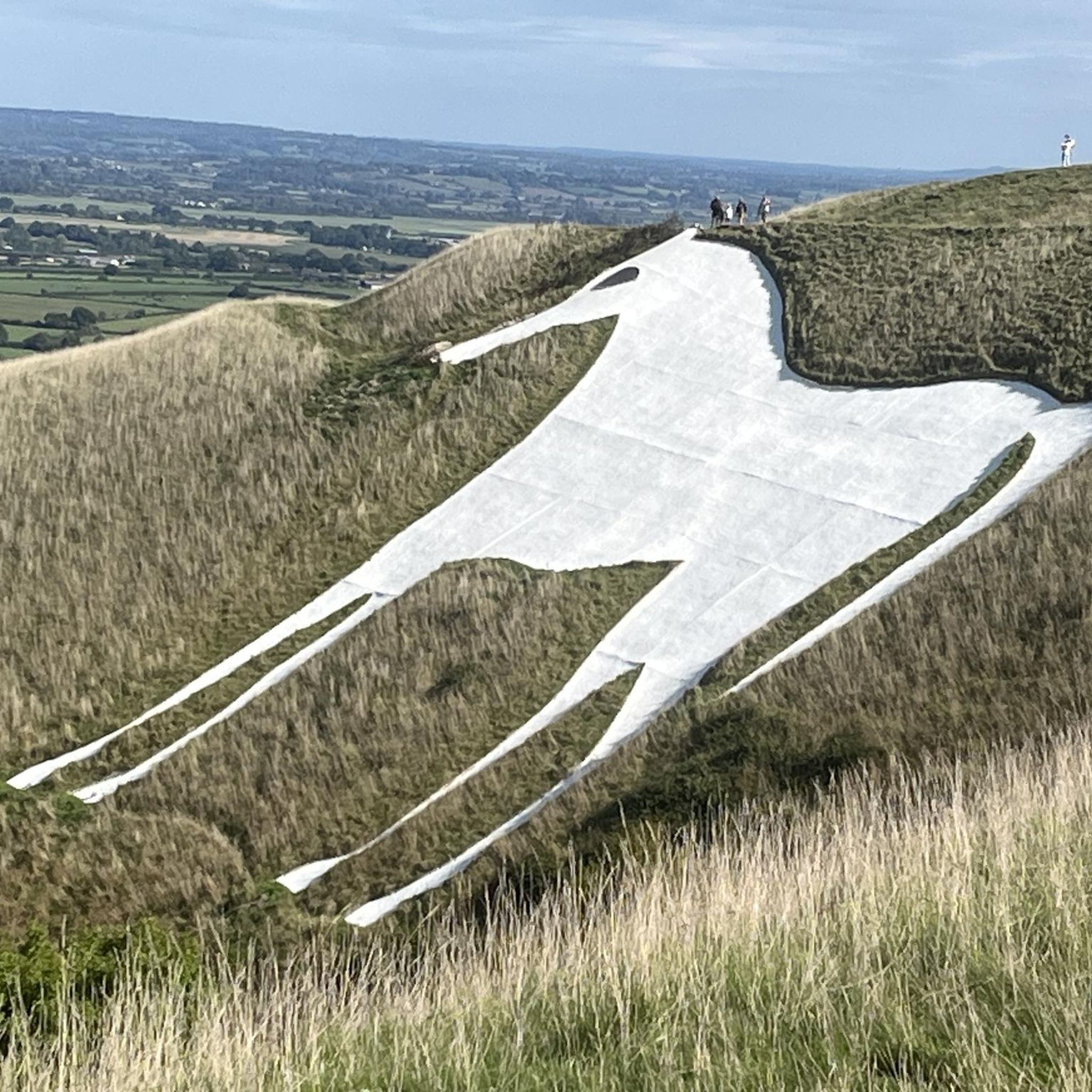
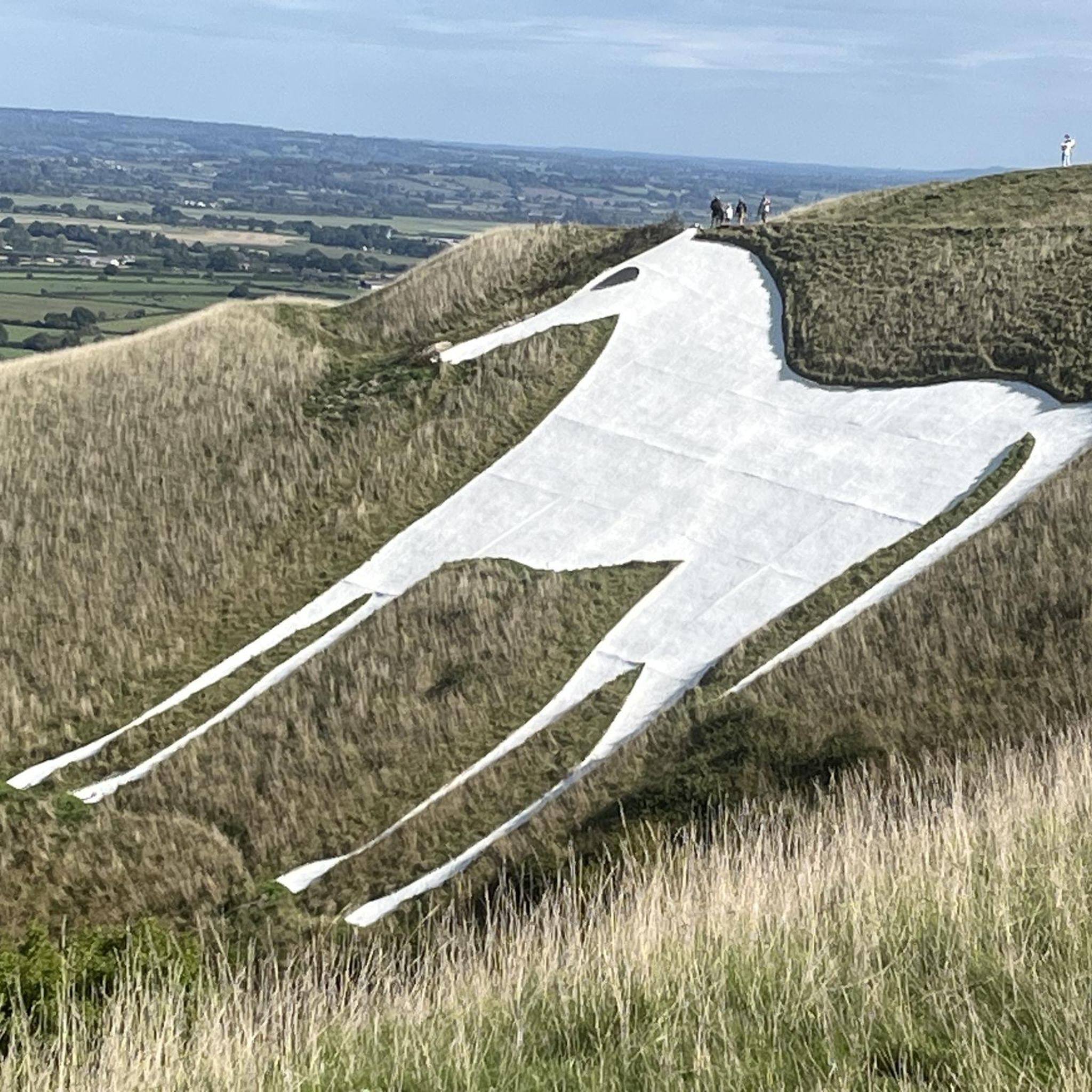
The oldest of the Wiltshire white horses this was originally cut in 1772 and restored in 1778. There was evidence of an older horse here facing the other way, but no strong evidence suggests how old that was. In 1872/1873 the horse was considered to be losing its shape, it was re cut and edging stones added. In 1957 the horse was concreted to preserve it. For the runner the trails around the top of the horse are great fun and the 33-mile Imber trail also passes here. There are nice loops from the car park above the horse or from nearby Westbury.
1
0

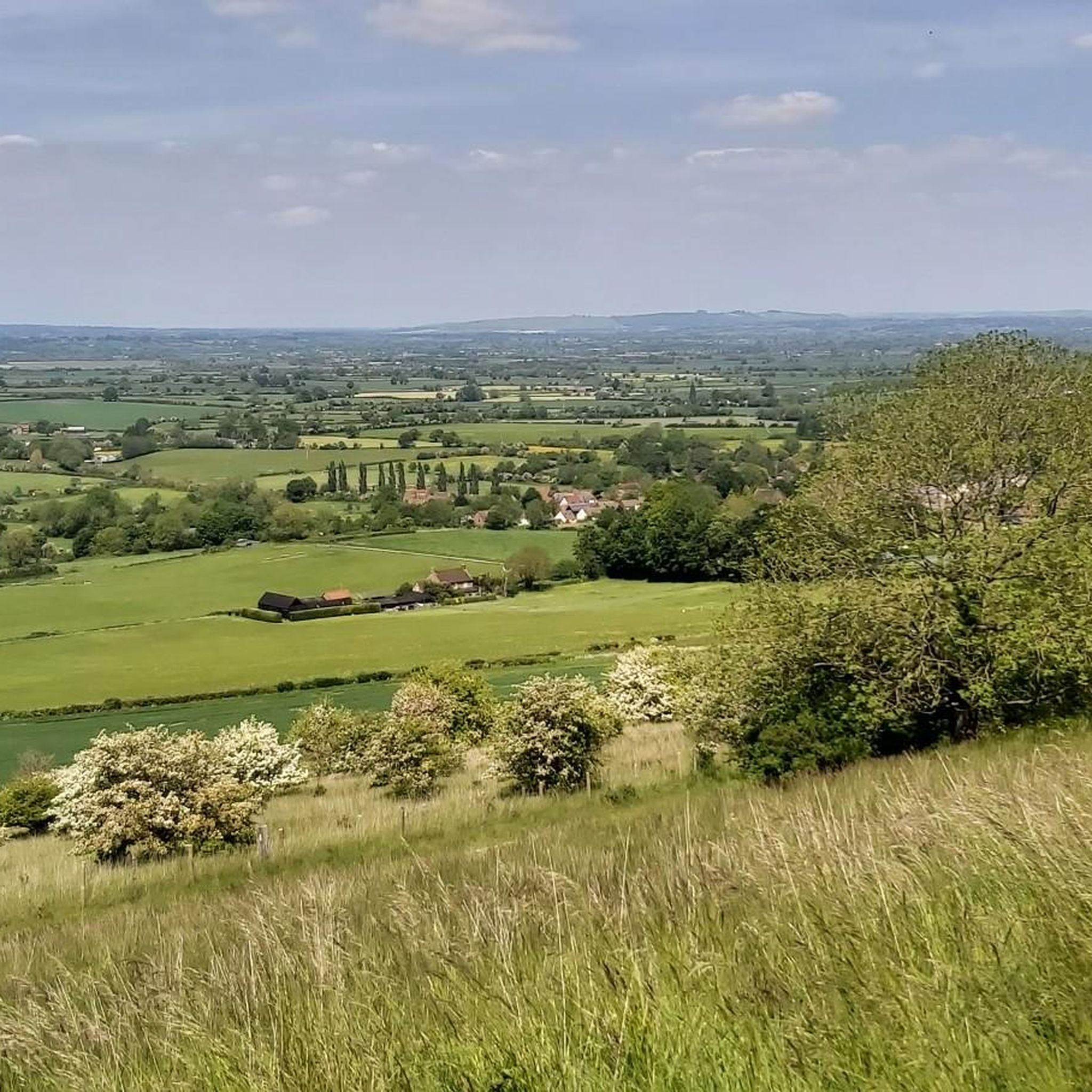
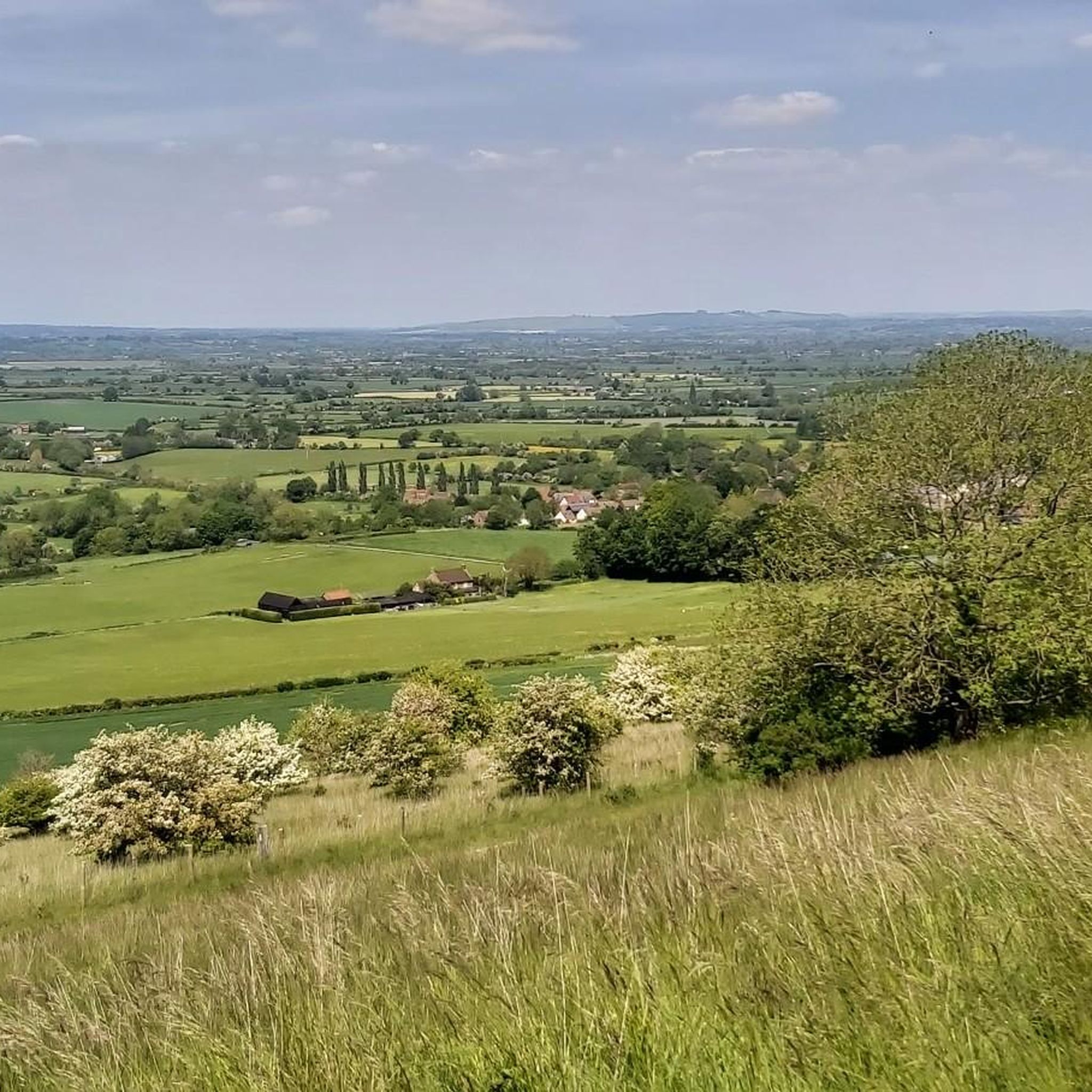
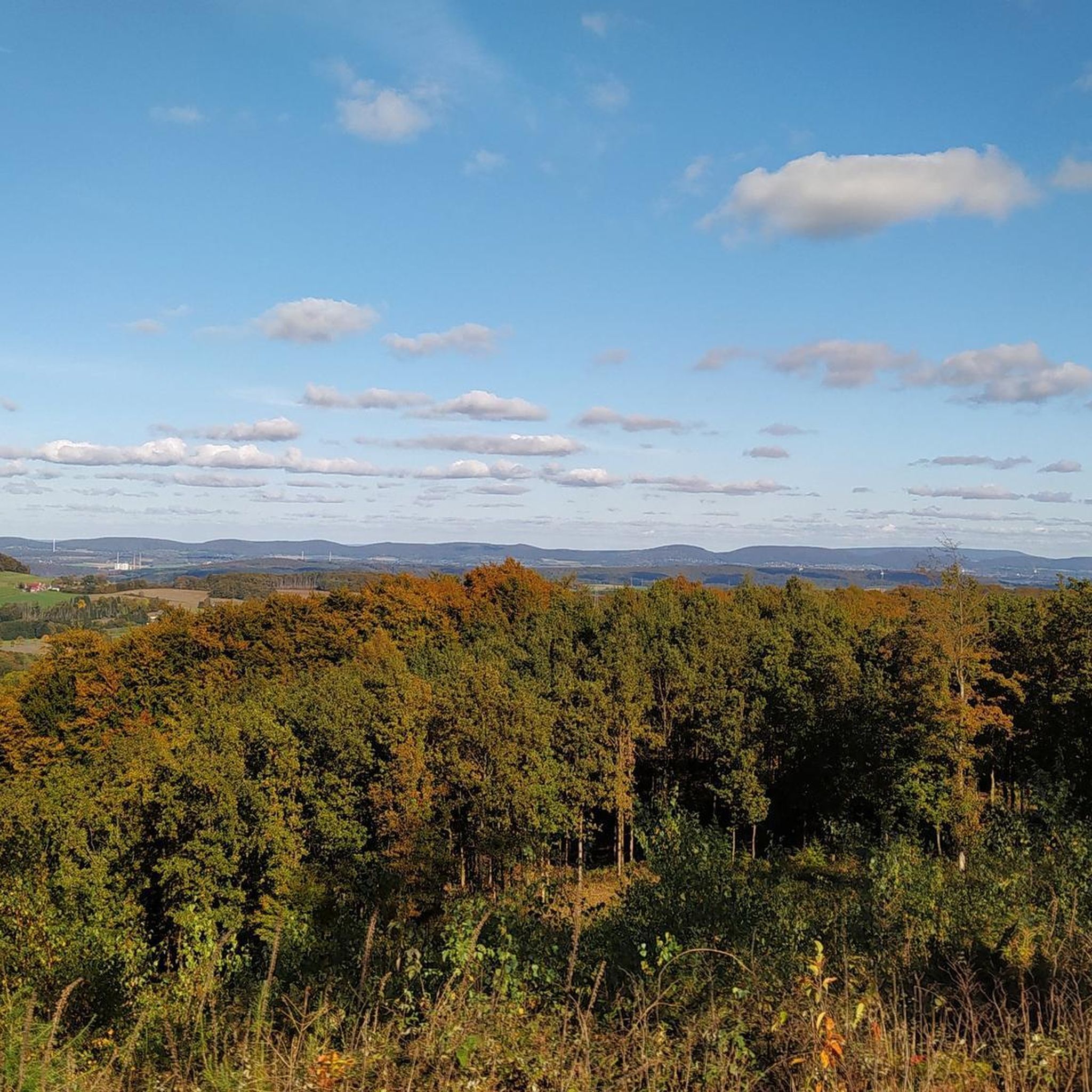
There are over 1,200 hillforts in England, most of which occupy fantastic viewpoints and Bratton Camp hillfort is no different. In fact, it has a truly extraordinary vistas from its earthen ramparts. The camp sits just on the ridge between Westbury and Bratton, and immediately above the Westbury White Horse. There's a long barrow within the castle's fortifications estimated to be around 5,000 years old.
0
0

Westbury White Horse was originally cut in the late 1600s and is the oldest white horse in Wiltshire. From this spot, you are afforded lovely views.
1
0
Middle Hill, nicknamed locally as ‘piggy in the middle’, is a conical chalk hill that stands between Battlesbury Hill to the northwest and Scratchbury to the southeast. This row of hills is on the southwestern edge of Salisbury Plain overlooks the Wylye valley. Atop the hill you find an ancient and sizable bowl barrow.
1
0

Bratton Camp was originally an Iron Age hill fort built over 2,000 years ago to defend the settlement from its enemies. Today the hill's most defining feature is the striking white horse cut into its slopes. Records suggest that the horse was made at the end of the 17th century to commemorate the Battle of Ethandun. Despite its turbulent past, Bratton Camp is now a relaxing place to take a stroll. The chalk grassland is teeming with wildlife and insects. Look out for the rare Adonis Blue butterfly which can be found here. You can visit any time during daylight hours. Entrance is free.
1
0

Don’t forget to look around you. If you’re legs are up for it you can even ride up!
0
0

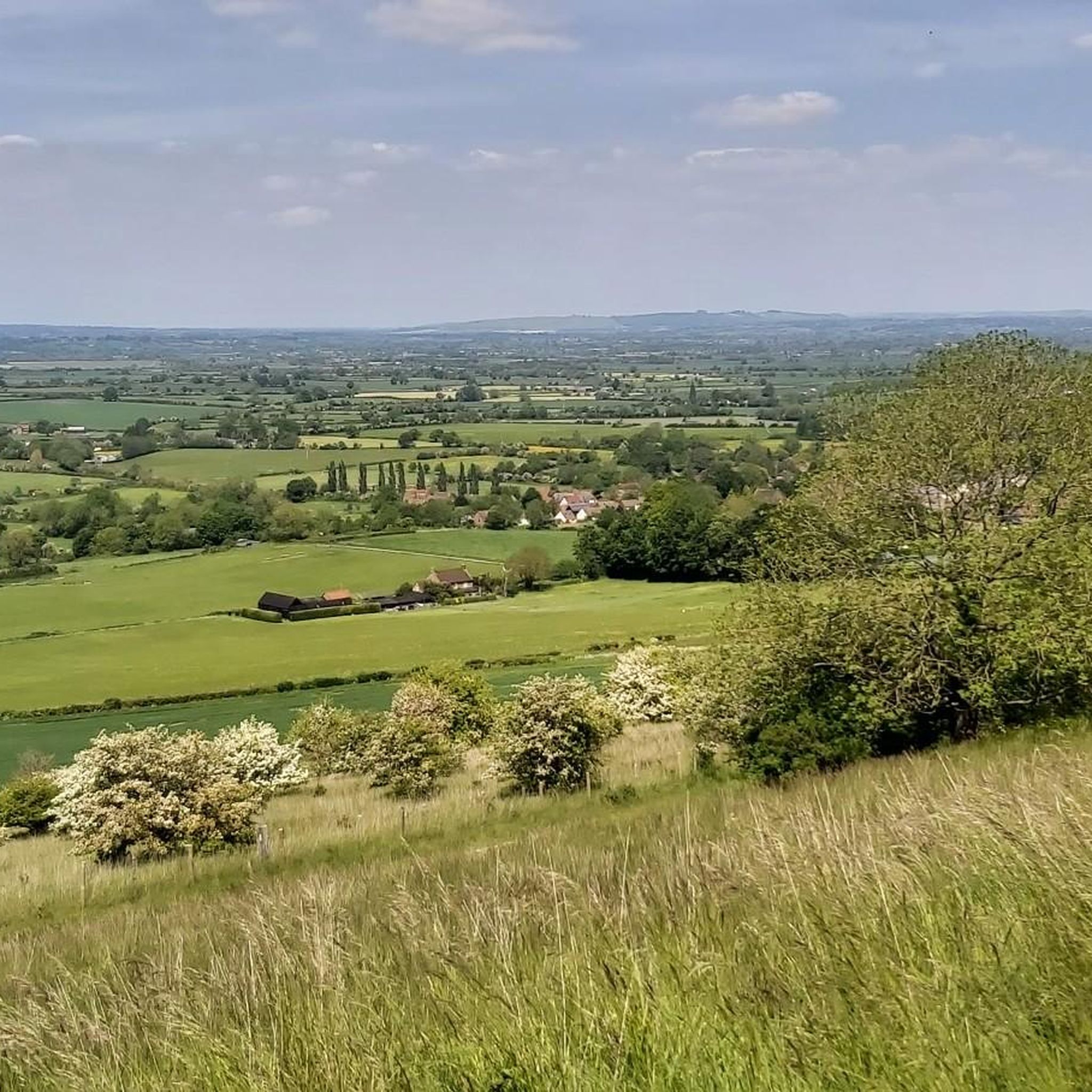
2 options to climb up here, both are challenging climbs but the reward is a great view over Trowbridge and Westbury. From Bratton it's steady until the final kick, from Westbury it's just hard all the way up with 3 kicks on the way there - brutal. Once at the top there are light gravel ride options flanking the firing range.
0
0
Frequently Asked Questions
What are some of the most popular natural monuments to visit near West Ashton?
Among the most popular natural monuments are Bratton Camp and Long Barrow, offering extraordinary vistas from its ancient earthen ramparts, and Westbury White Horse and Bratton Camp, a historical site featuring an Iron Age hillfort and the iconic chalk figure. Another favorite is Middle Hill, a conical chalk hill with an ancient bowl barrow atop it, providing views over the Wylye valley.
Are there any natural monuments suitable for families with children near West Ashton?
Yes, the View of Westbury White Horse from Lower Westbury Road is considered family-friendly. It offers a great detour on a gravel lane with lovely views up to the escarpment and the white horse, making it suitable for easy running or a pleasant walk with children.
What kind of historical context do the natural monuments around West Ashton offer?
The natural monuments in the area are rich in history. Westbury White Horse and Bratton Camp features an Iron Age hillfort, first carved over 2000 years ago, and a Neolithic long barrow. The white horse itself was likely cut in the late 1600s to commemorate the Battle of Ethandun. Middle Hill also hosts an ancient and sizable bowl barrow at its summit.
Where can I find good viewpoints among the natural monuments near West Ashton?
Excellent viewpoints are abundant. Bratton Camp and Long Barrow offers extraordinary vistas from its earthen ramparts. The Westbury White Horse and Bratton Camp provides far-reaching views from its strategic position. Additionally, Middle Hill provides panoramic views over the Wylye valley.
Are there any natural monuments near West Ashton that are less crowded?
While the main highlights can be popular, consider exploring areas like Clanger Wood, a designated SSSI and part of ancient Selwood Forest, known for its bluebells and diverse wildlife. Biss Meadows Country Park near Trowbridge also offers a serene escape with varied habitats and walking trails. These spots provide a peaceful alternative to the more well-known sites.
What outdoor activities can I do near these natural monuments?
The area around West Ashton offers various outdoor activities. You can find numerous options for easy hikes, including routes like the Hilperton Marsh Bridge – Whaddon Bridge loop. For cyclists, there are cycling routes such as the Dundas Aqueduct – Avoncliff Aqueduct loop. If you prefer off-road adventures, explore gravel biking trails like the Imber Range Path.
Are there any dog-friendly walks around the natural monuments?
Many of the natural areas and trails around West Ashton are dog-friendly, provided dogs are kept under control, especially near livestock or wildlife. The Coffin Trail, connecting West Ashton and Steeple Ashton, offers a scenic route through the countryside. Rood Ashton Lake (Stourton Water) is also a serene environment popular for leisurely dog walks.
What is the best time of year to visit the natural monuments near West Ashton?
Spring is particularly beautiful, especially for places like Clanger Wood, which is renowned for its spectacular displays of native bluebells. Summer offers vibrant wildflower meadows at Biss Meadows Country Park. The historic trails and viewpoints are generally enjoyable year-round, though conditions can be wet in winter.
Are there any natural features involving water near West Ashton?
Yes, Tellisford Weir on the River Frome is a notable natural monument featuring the river. Additionally, Biss Meadows Country Park is located along the River Biss and encompasses ponds and scrapes. Rood Ashton Lake (Stourton Water) also provides a picturesque water feature, popular for fishing and walks.
What kind of natural landscapes can I expect to see around West Ashton?
The region around West Ashton is characterized by diverse natural landscapes. You can expect to see chalk downland, ancient woodlands like Clanger Wood, and river valleys such as those along the River Biss and River Frome. These areas provide varied habitats, from wildflower meadows to mature forests, and offer scenic views of the Wiltshire countryside.
What do visitors enjoy most about the natural monuments around West Ashton?
Visitors frequently highlight the extraordinary vistas from places like Bratton Camp and Long Barrow, describing them as perfect for a mid-ride picnic or simply relaxing. The historical significance of sites like the Iron Age hillforts and the iconic Westbury White Horse, visible from miles around, also captivates many. The peaceful atmosphere and opportunities for nature immersion in ancient woodlands are also highly valued.
Most popular attractions around West Ashton

Get inspired with the komoot mobile app


Explore more
Extend your search for the best caves by checking out these guides of the top ones around West Ashton:
