Top 8 Natural Monuments around Coulston
Natural monuments around Coulston are characterized by a diverse landscape featuring ancient chalk figures, historic hillforts, and significant natural habitats. The region offers a blend of historical sites and ecologically rich areas, providing varied outdoor experiences. These natural attractions are often set within chalk downland, offering expansive views and unique biodiversity. The area's natural monuments reflect centuries of human interaction with the landscape alongside preserved natural beauty.
Best natural monuments around Coulston
- The most popular natural monuments is Bratton Camp…
Last updated: July 1, 2026
Westbury White Horse
Highlight • Natural Monument
Today the hill's most defining feature is the striking …
Tip by

Bratton Camp and Long Barrow
Highlight • Viewpoint
Tip by

Sign up now to discover places like this
Get recommendations on the best single tracks, peaks, & plenty of other exciting outdoor places.
Sign up for free
Middle Hill
Highlight • Historical Site
Tip by

Birdhenge
Highlight • Natural Monument
Tip by

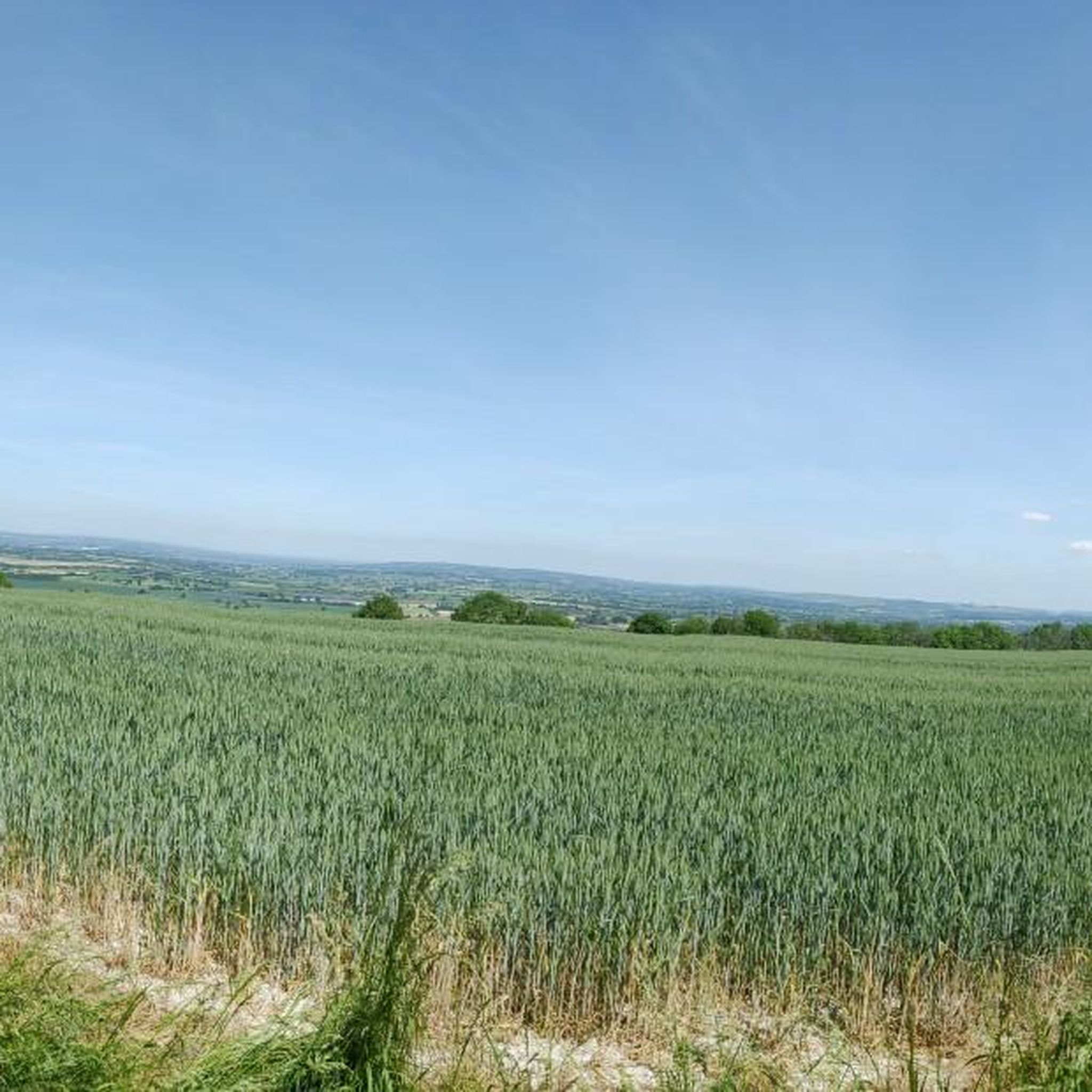
View from Roundway Down
Highlight • Viewpoint
Tip by

Sign up for free to discover even more natural monuments around Coulston.
Sign up for free
Already have an account?
Start today with a free account
Your next adventure awaits.
Login or Signup

Tips from the Community

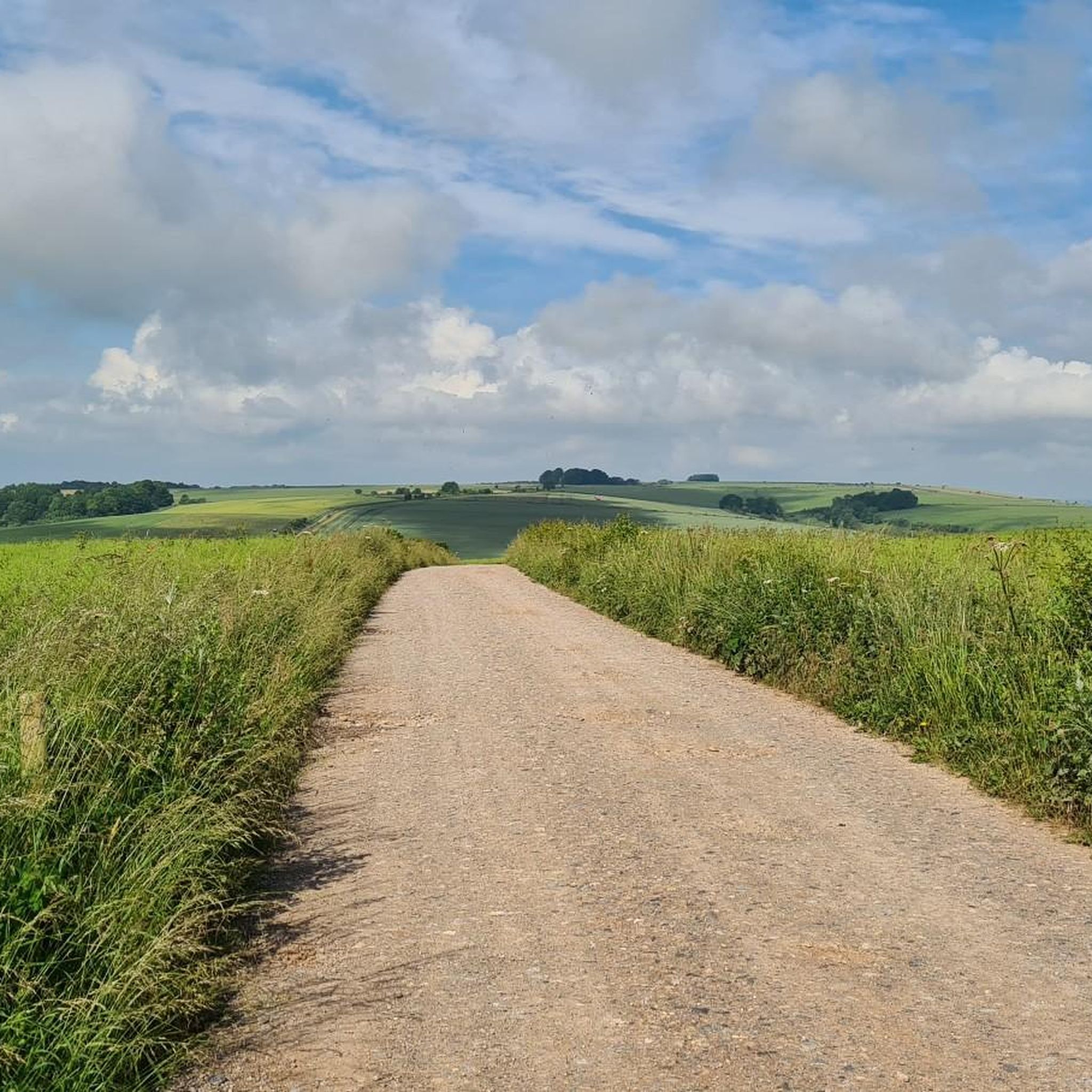
Birdhenge was made in 2014 with the aid of a grant from the Cranborne Chase and West Wiltshire Downs Area of Outstanding Beauty. It is visible from a public path between Heytesbury and Knook in the Wylye Valley.
3
0

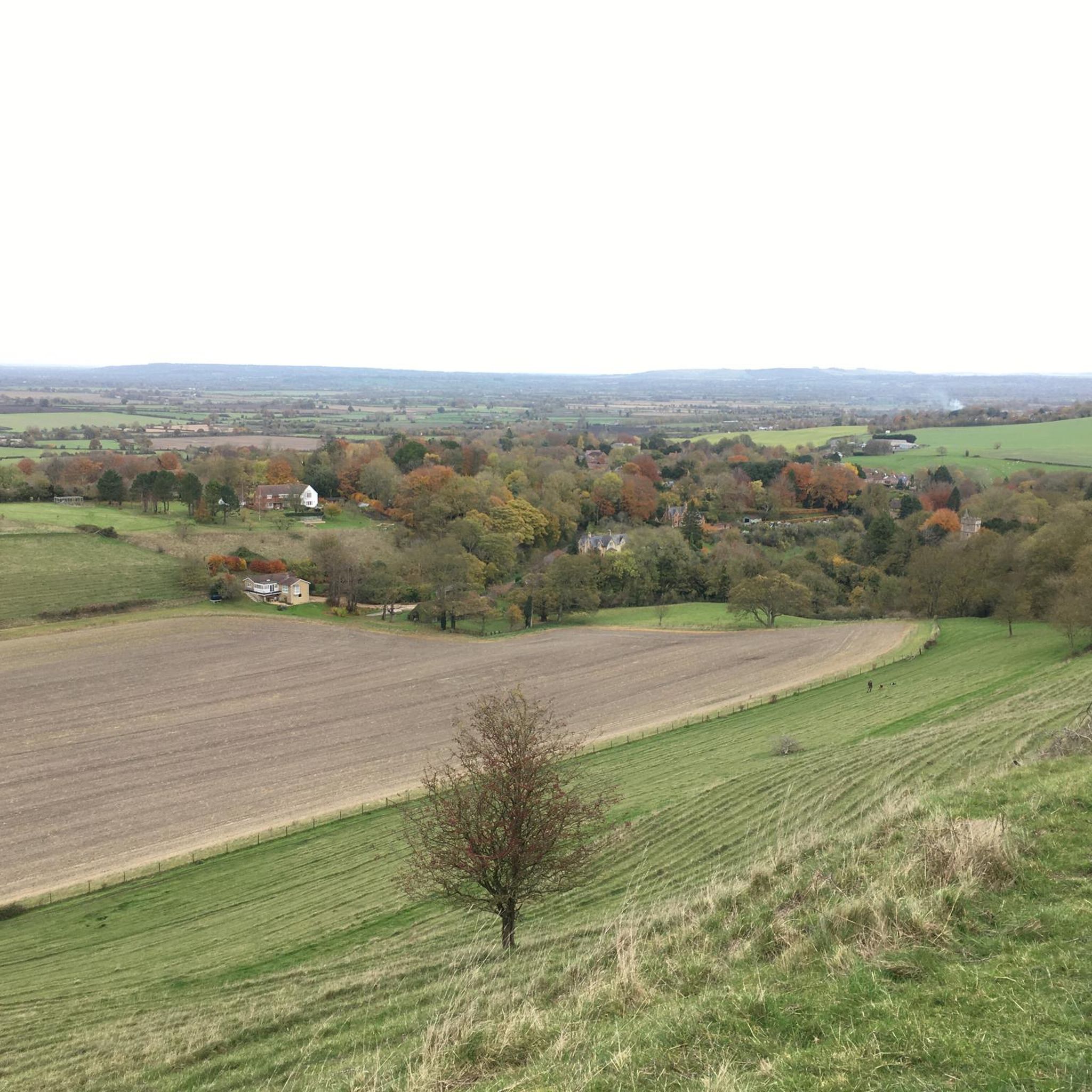
The oldest of the Wiltshire white horses this was originally cut in 1772 and restored in 1778. There was evidence of an older horse here facing the other way, but no strong evidence suggests how old that was. In 1872/1873 the horse was considered to be losing its shape, it was re cut and edging stones added. In 1957 the horse was concreted to preserve it. For the runner the trails around the top of the horse are great fun and the 33-mile Imber trail also passes here. There are nice loops from the car park above the horse or from nearby Westbury.
1
0

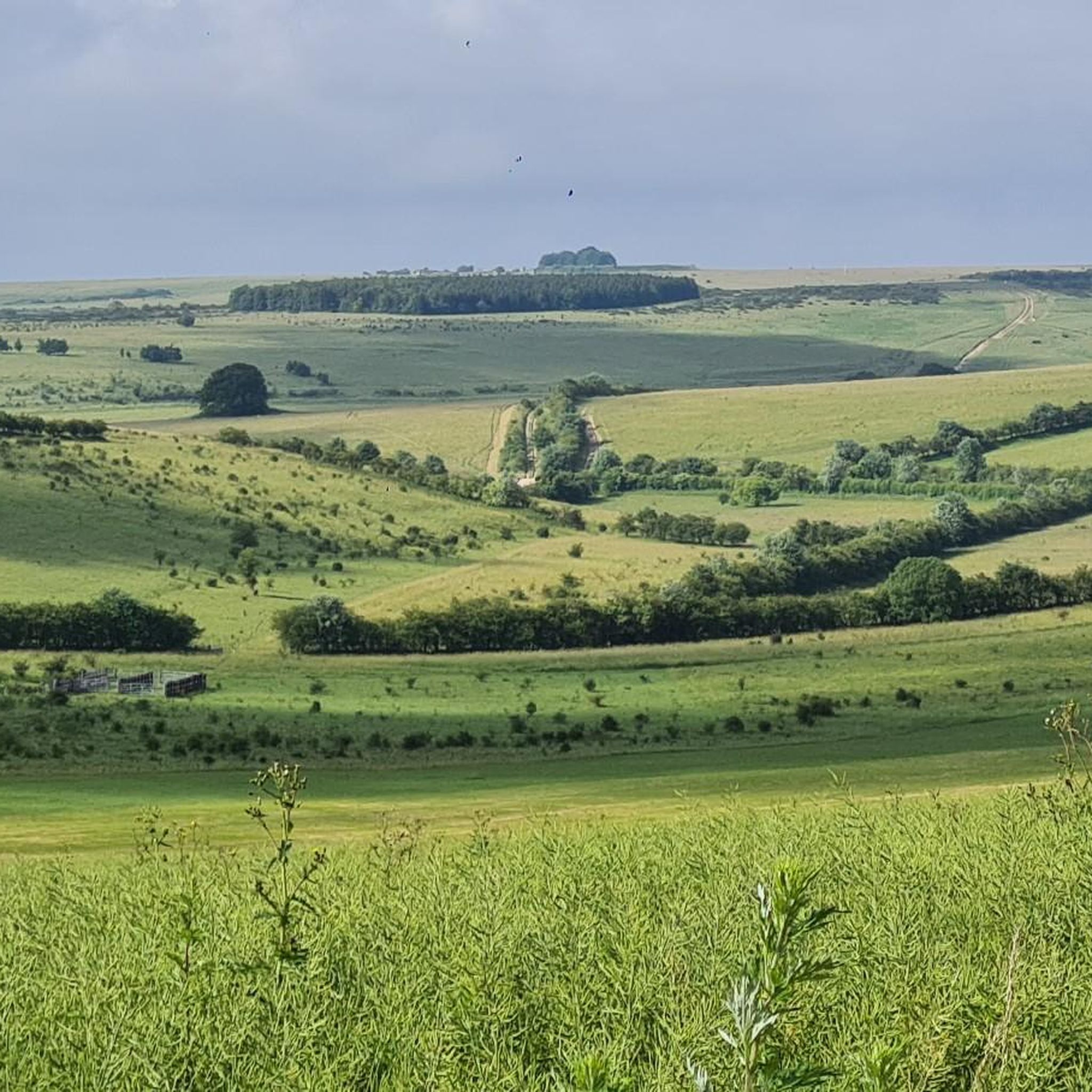
Roundway Down is an Iron Age hill fort that can be seen for many miles around. This steep-sided, wildlife-rich chalk grassland down has fantastic views from the top. It's also a great place to spot wildflowers and butterflies in summer.
0
0

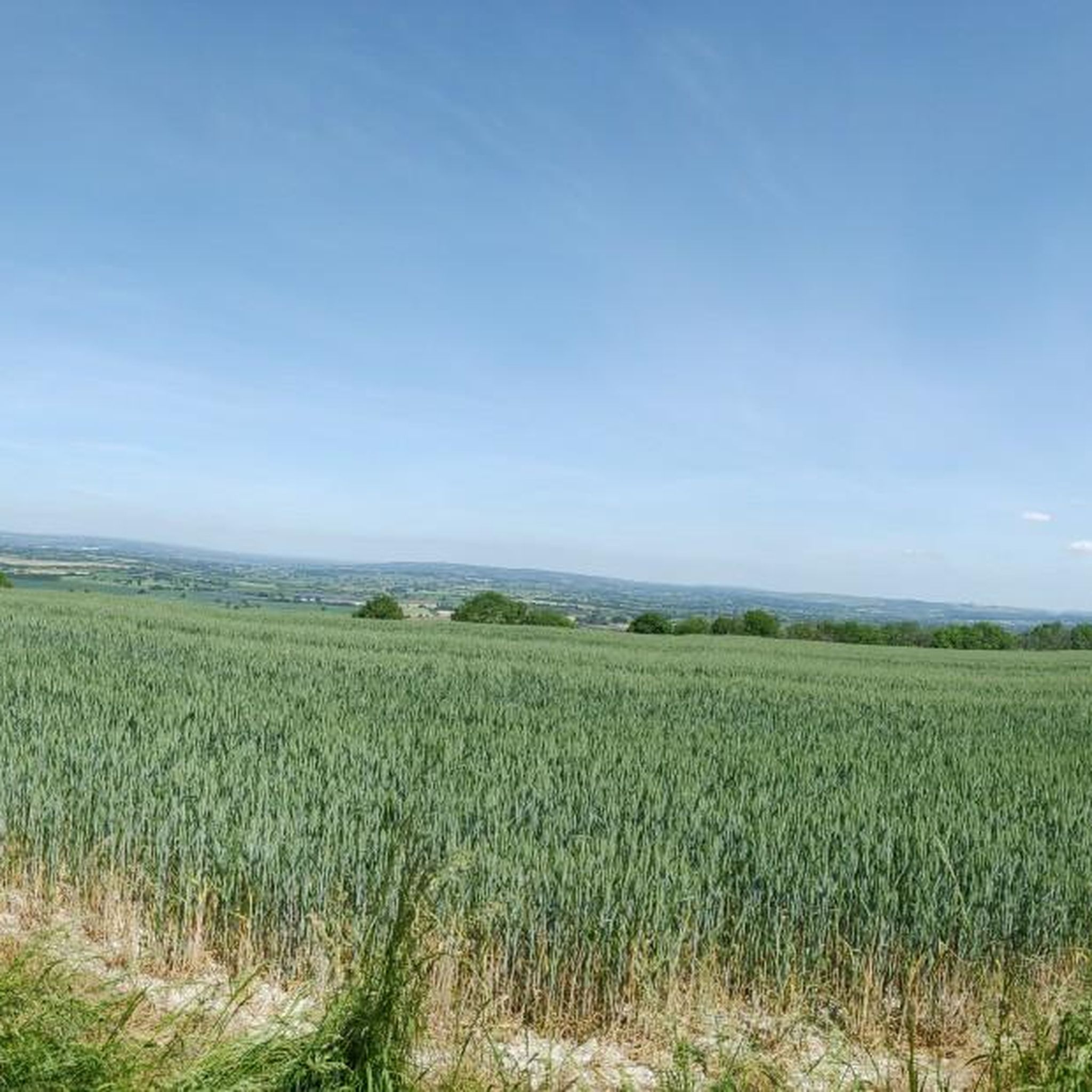
There are over 1,200 hillforts in England, most of which occupy fantastic viewpoints and Bratton Camp hillfort is no different. In fact, it has a truly extraordinary vistas from its earthen ramparts. The camp sits just on the ridge between Westbury and Bratton, and immediately above the Westbury White Horse. There's a long barrow within the castle's fortifications estimated to be around 5,000 years old.
0
0

Watch out for dogs walkers in this popular spot. There are many trails and dogs and walkers can come from any direction. Also look out as you head from the open areas into the thick trees at dusk as you may suddenly find you can see the cross cross Or roots under your wheels.
0
0

Westbury White Horse was originally cut in the late 1600s and is the oldest white horse in Wiltshire. From this spot, you are afforded lovely views.
1
0
Middle Hill, nicknamed locally as ‘piggy in the middle’, is a conical chalk hill that stands between Battlesbury Hill to the northwest and Scratchbury to the southeast. This row of hills is on the southwestern edge of Salisbury Plain overlooks the Wylye valley. Atop the hill you find an ancient and sizable bowl barrow.
1
0

Bratton Camp was originally an Iron Age hill fort built over 2,000 years ago to defend the settlement from its enemies. Today the hill's most defining feature is the striking white horse cut into its slopes. Records suggest that the horse was made at the end of the 17th century to commemorate the Battle of Ethandun. Despite its turbulent past, Bratton Camp is now a relaxing place to take a stroll. The chalk grassland is teeming with wildlife and insects. Look out for the rare Adonis Blue butterfly which can be found here. You can visit any time during daylight hours. Entrance is free.
1
0
Frequently Asked Questions
What are the most popular natural monuments around Coulston?
Visitors frequently enjoy Bratton Camp and Long Barrow, an Iron Age hillfort offering extraordinary vistas. Another highly regarded site is Westbury White Horse and Bratton Camp, known for its iconic chalk figure and historical significance. Middle Hill, a conical chalk hill with an ancient bowl barrow, is also a favorite.
What historical natural monuments can I explore near Coulston?
The area is rich in history. You can visit Westbury White Horse and Bratton Camp, where an iconic chalk figure commemorates the Battle of Ethandun and an Iron Age hillfort dates back over 2000 years. Bratton Camp and Long Barrow also features a 5,000-year-old long barrow within its fortifications. Additionally, Middle Hill on Salisbury Plain hosts an ancient and sizable bowl barrow.
Are there natural monuments around Coulston that are good for wildlife observation?
Yes, several sites offer excellent opportunities for wildlife. The chalk grassland around Westbury White Horse and Bratton Camp is home to important plants supporting insects like the rare Adonis Blue butterfly and the scarce forester moth. Further afield, Coulsdon Common is a Site of Nature Conservation Importance with diverse habitats, including chalk grassland and ancient woodlands, supporting various plants, insects, and woodland bird species.
What outdoor activities can I do near these natural monuments?
The region offers a variety of outdoor activities. For mountain biking, you can explore routes like the 'View from Westbury White Horse – Imber Range Perimeter Path loop' near MTB Trails around Coulston. Cyclists can enjoy routes such as the 'Bulkington Country Road loop' found in Cycling around Coulston. Gravel biking options include the 'Great Ridge Gravel Trail' from Gravel biking around Coulston.
Are there family-friendly natural monuments to visit?
Yes, there are options suitable for families. The View of Westbury White Horse from Lower Westbury Road offers an easy gravel lane with great views, perfect for a family outing. Birdhenge is also categorized as family-friendly, providing an interesting stop for all ages.
Can I bring my dog to the natural monuments around Coulston?
Many natural monuments and surrounding areas are dog-friendly, especially those with open chalk grassland and trails. For instance, the walks around Westbury White Horse and Bratton Camp are generally suitable for dogs, though it's always advisable to keep them on a lead, especially near livestock or wildlife-sensitive areas.
What is the best time of year to visit the natural monuments?
Spring and summer are ideal for experiencing the vibrant chalk grasslands and observing wildlife, such as the Adonis Blue butterfly near Westbury. Autumn offers beautiful colors, while winter can provide crisp, clear views, though some paths might be muddy. Always check local weather conditions before your visit.
Are there any unique engineering marvels among the natural monuments?
While not strictly a natural monument, the Caen Hill Locks, located near Coulston, are a remarkable 18th-century engineering feat. This impressive series of 29 locks on the Kennet and Avon Canal is set amidst beautiful natural surroundings and is a popular spot for walking and observing canal life.
Where can I find panoramic views of the landscape?
For breathtaking views, head to Bratton Camp and Long Barrow, which offers extraordinary vistas from its earthen ramparts. The strategic position of Bratton Camp also provides far-reaching views over the surrounding area. Middle Hill also offers views overlooking the Wylye valley.
What kind of terrain can I expect on walks around these natural monuments?
The terrain around Coulston's natural monuments primarily consists of chalk downland. This means you can expect rolling hills, some steep ascents and descents, and often well-maintained paths. Areas like Bratton Camp feature earthworks, while others, such as the path below the Westbury White Horse, are gravel lanes. Always wear appropriate footwear.
Are there cafes or amenities near the natural monuments?
While specific cafes might not be directly adjacent to every monument, the nearby towns and villages, such as Westbury and Devizes (near Caen Hill Locks), offer various amenities including cafes, pubs, and accommodation options. It's a good idea to plan your refreshment stops in advance, especially when visiting more remote sites.
Most popular attractions around Coulston

Get inspired with the komoot mobile app


Explore more
Extend your search for the best caves by checking out these guides of the top ones around Coulston:
