Top 10 Natural Monuments around Great Wishford
Best natural monuments around Great Wishford include a variety of historical and natural features. The area is characterized by its ancient woodlands, river valleys, and significant archaeological landscapes. These sites offer opportunities to explore ecological habitats and historical structures. The region provides a blend of natural beauty and cultural heritage for visitors.
Best natural monuments around Great Wishford
- The most popular natural monument is Stonehenge, a historical site and natural monument that is one of the most famous sites…
Last updated: July 14, 2026
Stonehenge
Highlight • Historical Site
Tip by

Sarsen Stone at Stonehenge Visitor Centre
Highlight • Monument
Translated by Google •
Tip by

Sign up now to discover places like this
Get recommendations on the best single tracks, peaks, & plenty of other exciting outdoor places.
Sign up for free
Cursus Barrows
Highlight • Natural Monument
Translated by Google •
Tip by
The Stonehenge Cursus
Highlight • Natural Monument
Tip by

King Barrow Ridge Bronze Age Burial Mounds
Highlight • Viewpoint
Tip by
Sign up for free to discover even more natural monuments around Great Wishford.
Sign up for free
Already have an account?
Start today with a free account
Your next adventure awaits.
Login or Signup

Tips from the Community

Why exactly there? Archaeologists suspect several reasons: Line of sight From the mounds, there is a direct view of Stonehenge. Sacred landscape The entire plain was a ritual area with paths, graves, and ceremonial sites. Status symbol Important people were buried near the famous sanctuary. Interesting fact There are over 300 burial mounds in the vicinity of Stonehenge – one of the largest prehistoric burial landscapes in Europe.
0
0
Here is a simple overview map explaining the landscape south of Stonehenge and why the burial mounds are located there. Landscape south of Stonehenge The most important range of mounds is called Normanton Down Barrows. It lies about 1 km south of Stonehenge. There are over 40 burial mounds there, dating from 2600–1600 BC. The mounds are situated on a long ridge that faces directly towards Stonehenge. Simplified diagram of the location North ↑ Stonehenge ○ | | approx. 1 km | ───────────────── Hill ridge with many burial mounds (Normanton Down) ○ ○ ○ ○ ○ ○ ○ ○ ○ ○ ↓ South Important hills there One particularly famous burial mound is Bush Barrow A richly furnished grave of a Bronze Age prince, containing gold objects and weapons, was found there.
0
0

It's unbelievable what people have achieved and built in the past (without any technology) - it's simply impressive and breathtaking
2
0


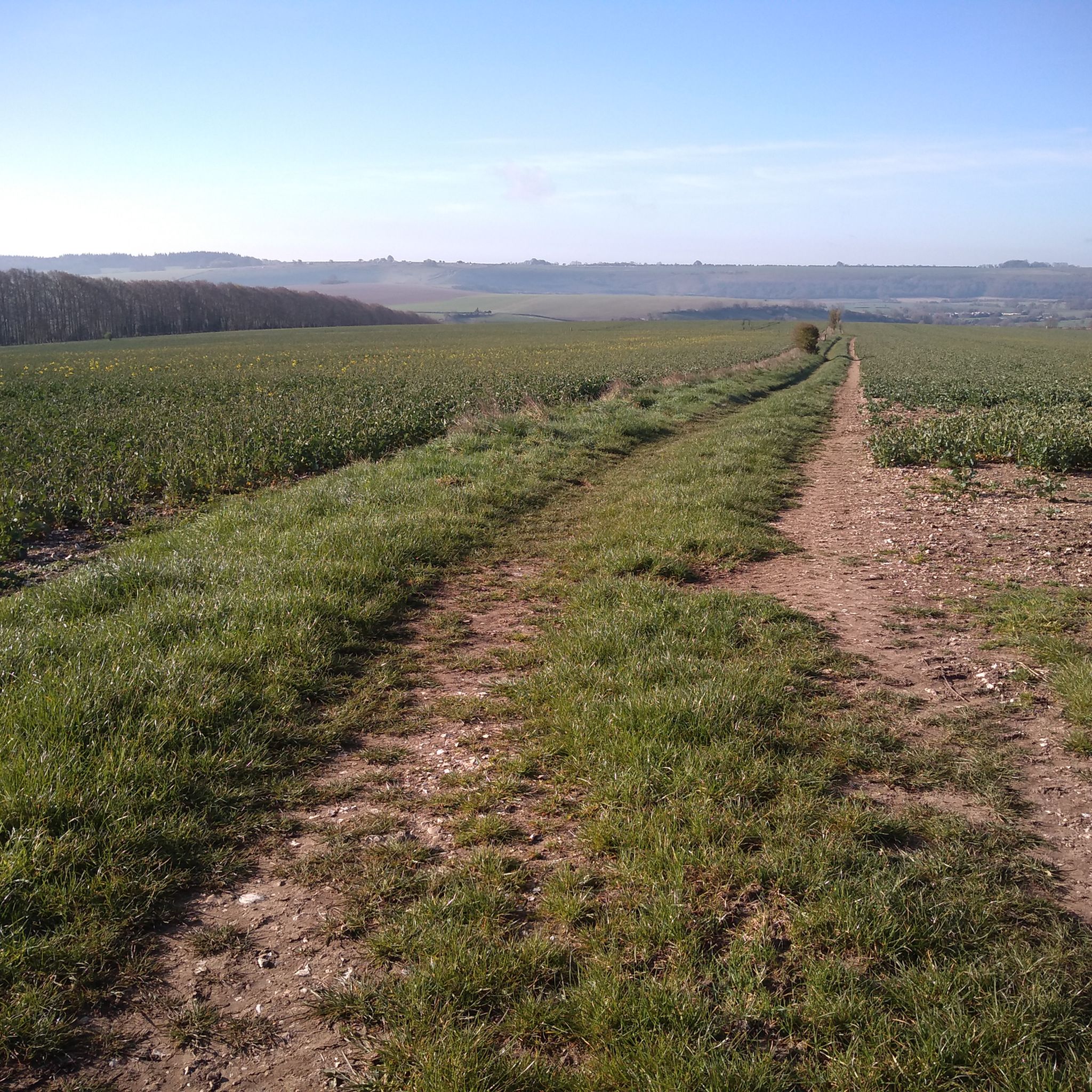
Around 2 miles (3 km) long and 330 feet (100 m) wide, the Stonehenge Cursus is an earthwork, thought to have been constructed between 3630 and 3375 BC, predating Stonehenge. It forms part of the wider Stonehenge and Avebury World Heritage Site and is just a short walk from the famous stone circle. Interestingly, the word cursus, meaning an ancient ditch or trend, is derived from the Latin word for 'racecourse', as this is what the first historians surmised them to be.
1
1
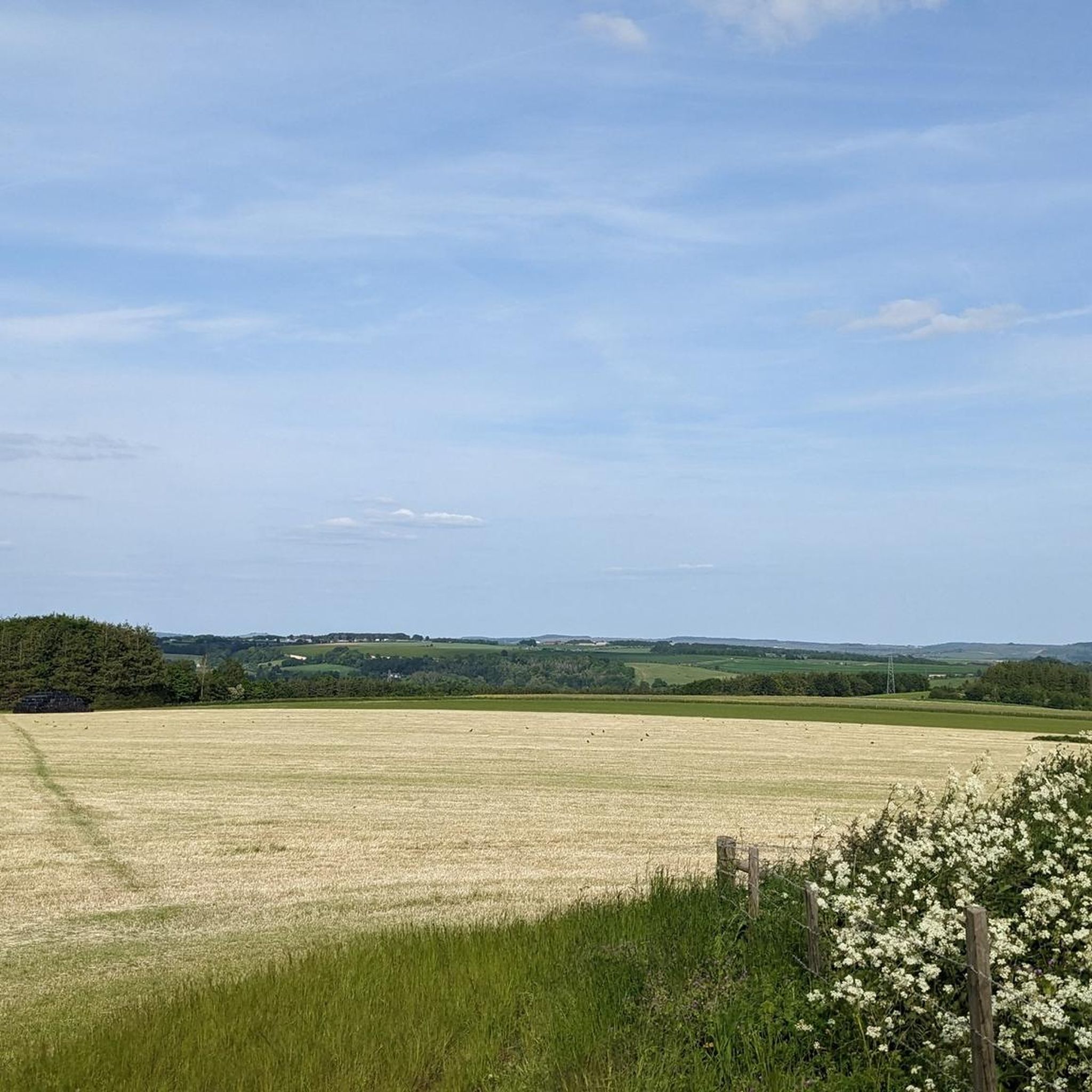
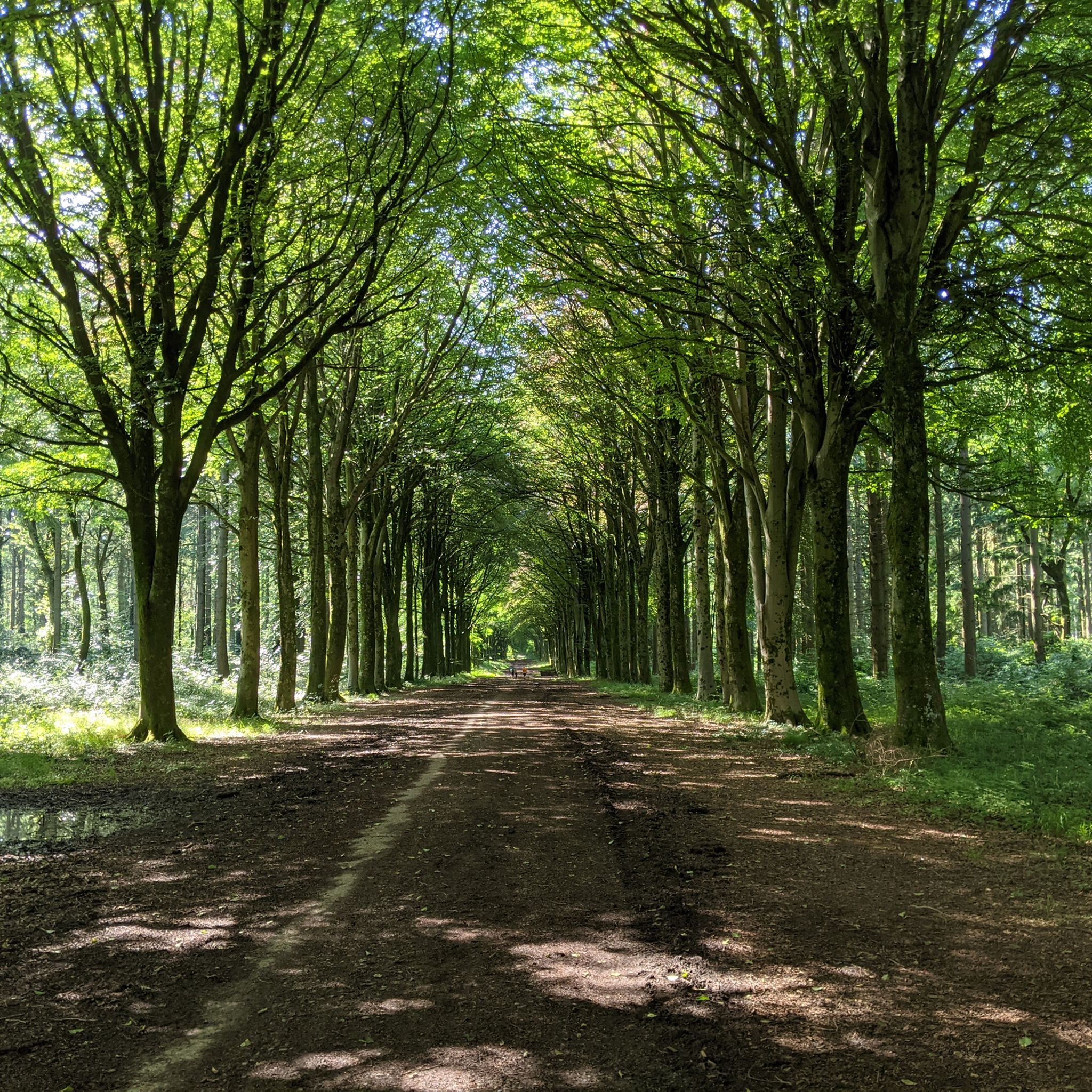
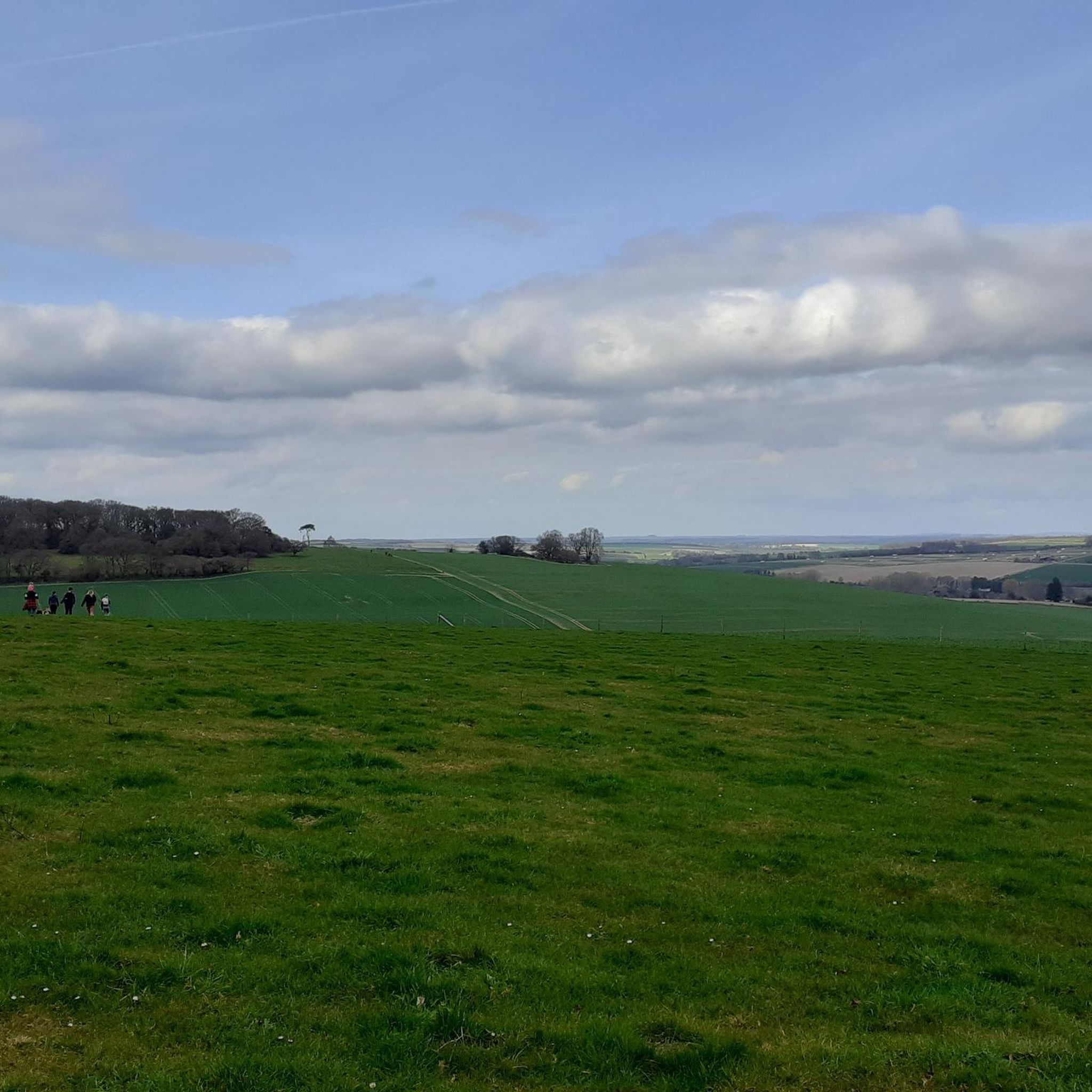
This stretch of downland is particularly notable for its tumuli (ancient burial mounds) at Old King Barrows and New King Barrows. It's just a short walk from the town of Amesbury and the famous Stonehenge. There are around a dozen beautiful yew trees to see here, as well as oak, ash, hazel and larch.
1
0

To the south lies a group of burial mounds called the Cursus Barrows. The footpath to the impressive stone circle leads across the fields with the burial mounds, which can be clearly seen and are well explained on a display board. Bone remains and various beads were found in the graves.
5
0
Sarsen stones are blocks of sandstone found in large numbers in England, it is a contraction of Saracen stone, where “Saracenic” is equivalent to “pagan”. In this respect, sarsen means something like “heathen stone”, “stone of the heathen”. The most famous sarsen stones can be found here in Stonehenge.
6
0
Frequently Asked Questions
What natural features can I explore around Great Wishford?
Beyond the ancient structures, Great Wishford offers diverse natural landscapes. You can visit Stonehenge, which, while a historical site, features significant sarsen stones. For more purely natural experiences, explore the mystical Witches' Trees in Grovely Wood, known for their ancient beech trees and local legends. The tranquil Langford Lakes Nature Reserve, a former gravel quarry, has been transformed into a thriving habitat with lakes and meadows. The River Wylye also flows through the village, adding to the scenic beauty of the area.
Are there family-friendly natural monuments to visit near Great Wishford?
Yes, several sites are suitable for families. Stonehenge and the Sarsen Stone at Stonehenge Visitor Centre are both marked as family-friendly, offering exhibitions and interactive elements. Additionally, Langford Lakes Nature Reserve provides accessible paths, bird hides, a visitor center, and a cafe, making it an ideal spot for a relaxing day out with children.
Where can I experience local wildlife near Great Wishford?
The best place for wildlife spotting is Langford Lakes Nature Reserve. This reserve is a haven for birdwatchers, hosting around 150 different bird species, including kingfishers, water rails, and gadwalls. You might even spot ospreys or marsh harriers. The reserve's lakes, ponds, and meadows provide a rich habitat for various flora and fauna.
What historical or archaeological natural monuments are prominent in the area?
The area is rich in historical natural monuments. The most famous is Stonehenge, a megalithic structure from the Neolithic and Bronze Ages. Nearby, you can find the Sarsen Stone at Stonehenge Visitor Centre, a large sandstone block with historical significance. The Cursus Barrows and King Barrow Ridge Bronze Age Burial Mounds are significant Neolithic and Bronze Age round barrow cemeteries, offering insights into ancient burial practices. The Stonehenge Cursus is also a notable earthwork predating Stonehenge itself.
Are there accessible natural monuments for wheelchair users near Great Wishford?
Yes, the Sarsen Stone at Stonehenge Visitor Centre is listed as wheelchair accessible. Additionally, Langford Lakes Nature Reserve offers accessible paths, making it suitable for visitors with mobility considerations.
What are the best times of year to visit the natural monuments around Great Wishford?
For sites like Stonehenge and the various barrows, access is generally good year-round, though weather can impact comfort. For natural areas like Langford Lakes Nature Reserve, spring and autumn are excellent for birdwatching, while summer offers pleasant conditions for walks. Winter can provide a unique, quieter experience, especially in Grovely Wood, but some paths might be muddy.
What outdoor activities can I do near these natural monuments?
The area around Great Wishford is excellent for various outdoor activities. You can find numerous routes for cycling, gravel biking, and mountain biking. For example, there are routes like 'The Royal Oak, Great Wishford loop' for touring bicycles, 'Old Sarum Ruins – Stonehenge loop' for gravel biking, and 'Grovely Wood & Wylye Valley loop' for mountain biking. You can explore more options on the Cycling around Great Wishford, Gravel biking around Great Wishford, and MTB Trails around Great Wishford guide pages.
Are there walking paths or hiking routes near the natural monuments?
Yes, the region offers many walking opportunities. You can walk through Grovely Wood to discover the Witches' Trees, or explore the paths around Langford Lakes Nature Reserve. The area around Stonehenge also features footpaths that lead past sites like the Cursus Barrows and the Stonehenge Cursus. The Monarch's Way also passes through the surrounding countryside, offering longer routes.
What do visitors enjoy most about the natural monuments around Great Wishford?
Visitors frequently appreciate the blend of ancient history and natural beauty. The sheer scale and mystery of Stonehenge are often highlighted, with many enjoying the visitor center and the opportunity to see the sarsen stones up close. The tranquility and wildlife at Langford Lakes Nature Reserve are also highly valued, as is the unique, mystical atmosphere of the Witches' Trees in Grovely Wood.
Are there any cafes or facilities near these natural monuments?
Yes, the Stonehenge visitor center includes a shop and a cafe. Langford Lakes Nature Reserve also has a visitor center with a cafe, providing refreshments and facilities for visitors.
Can I bring my dog to the natural monuments?
While specific rules vary, many outdoor areas around Great Wishford are dog-friendly, especially public footpaths and woodlands like Grovely Wood. For managed sites like Stonehenge and Langford Lakes Nature Reserve, it's advisable to check their official websites for current dog policies, which often permit dogs on leads in outdoor areas but may restrict access to indoor facilities.
How long should I allocate to visit the natural monuments?
For Stonehenge, including the visitor center, allow at least 2-3 hours. Exploring the Cursus Barrows and Stonehenge Cursus can add another 1-2 hours depending on your walking pace. A visit to Langford Lakes Nature Reserve could easily fill half a day, especially if you enjoy birdwatching or a leisurely stroll. Grovely Wood and the Witches' Trees can be part of a longer walk, taking a few hours.
Most popular routes around Great Wishford
Most popular attractions around Great Wishford

Get inspired with the komoot mobile app


Explore more
Extend your search for the best caves by checking out these guides of the top ones around Great Wishford:
