Top 14 Natural Monuments around Chitterne
Best natural monuments around Chitterne are situated within the expansive Salisbury Plain, a landscape characterized by rolling chalk downland and ancient historical features. This area offers opportunities to explore natural beauty alongside archaeological sites. The village of Chitterne serves as a central point for accessing these diverse natural and historical elements. The region provides a blend of open countryside, historical earthworks, and natural waterways.
Best natural monuments around Chitterne
- The most popular natural monuments is Stonehenge, a historical site…
Last updated: July 1, 2026
Stonehenge
Highlight • Historical Site
Tip by

Sarsen Stone at Stonehenge Visitor Centre
Highlight • Monument
Translated by Google •
Tip by

Sign up now to discover places like this
Get recommendations on the best single tracks, peaks, & plenty of other exciting outdoor places.
Sign up for free
Westbury White Horse
Highlight • Natural Monument
Today the hill's most defining feature is the striking …
Tip by

Cursus Barrows
Highlight • Natural Monument
Translated by Google •
Tip by
Bratton Camp and Long Barrow
Highlight • Viewpoint
Tip by

Sign up for free to discover even more natural monuments around Chitterne.
Sign up for free
Already have an account?
Start today with a free account
Your next adventure awaits.
Login or Signup

Tips from the Community

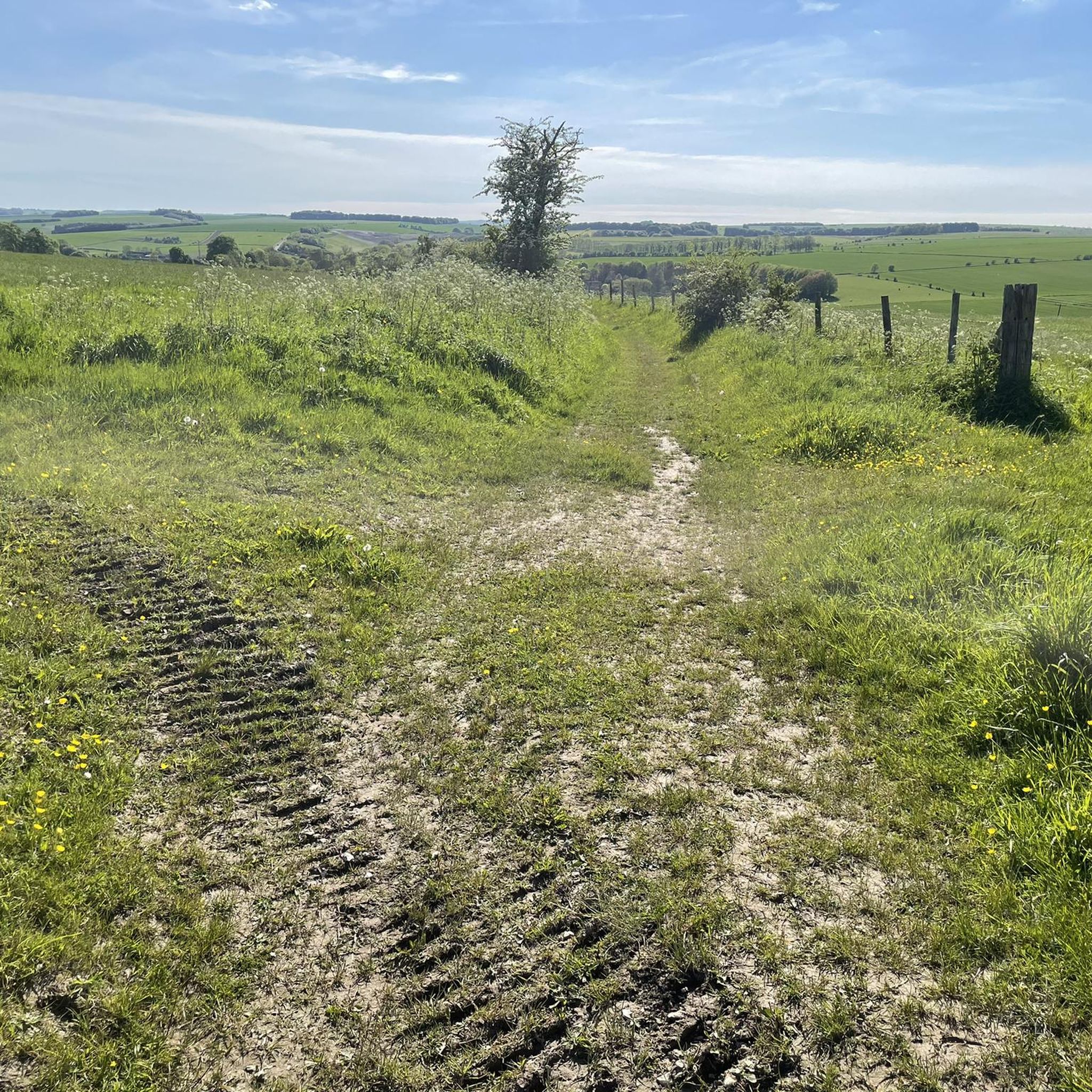
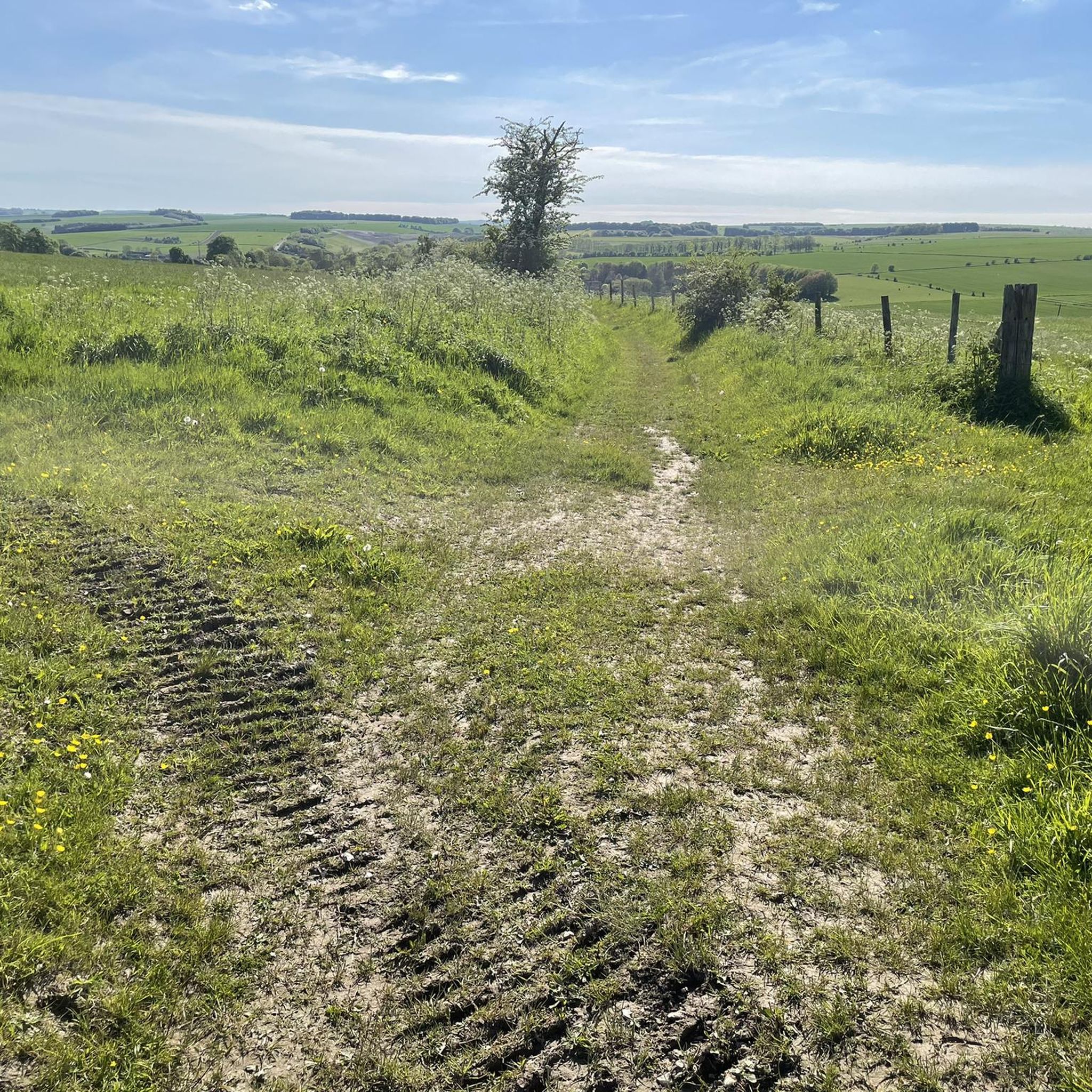
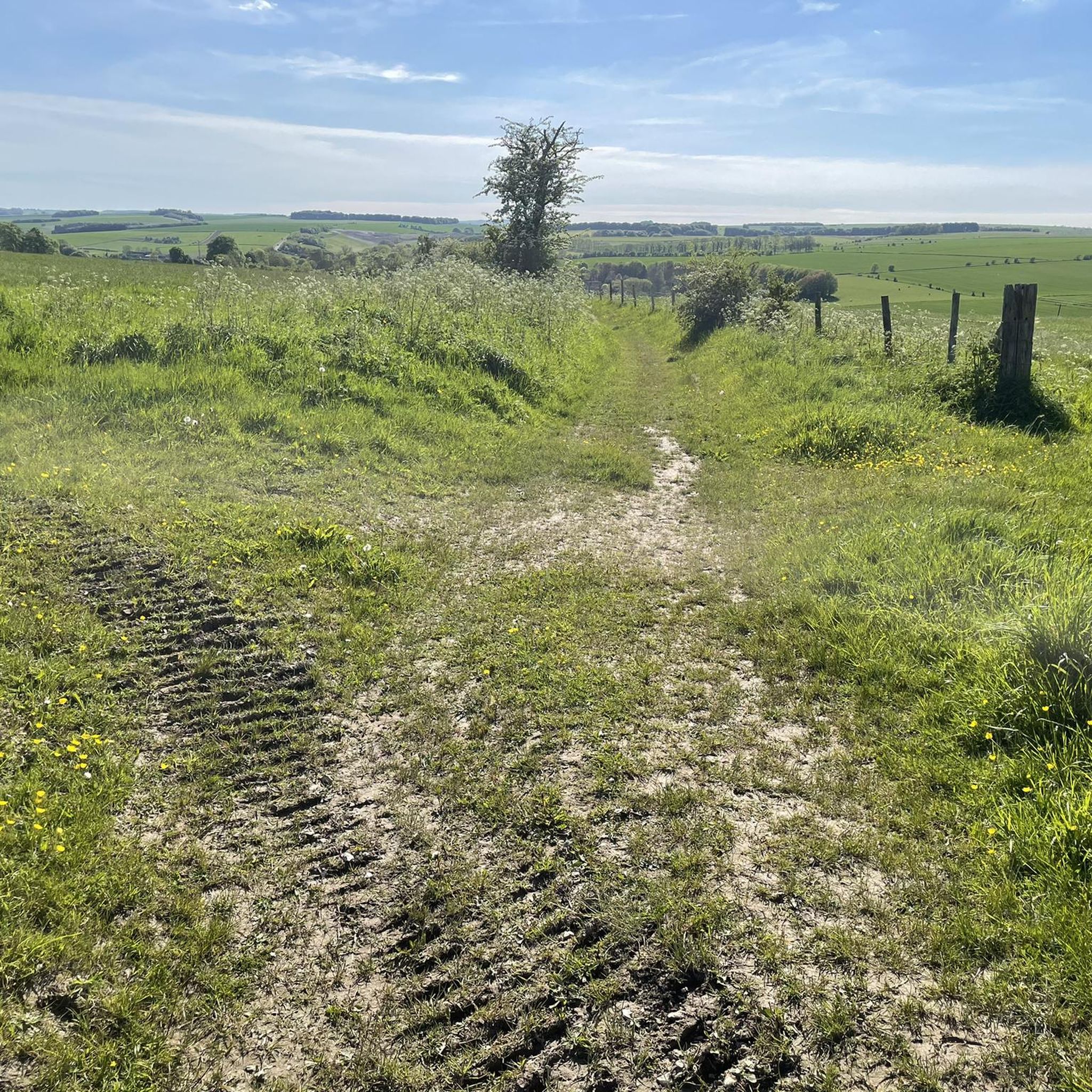
Why exactly there? Archaeologists suspect several reasons: Line of sight From the mounds, there is a direct view of Stonehenge. Sacred landscape The entire plain was a ritual area with paths, graves, and ceremonial sites. Status symbol Important people were buried near the famous sanctuary. Interesting fact There are over 300 burial mounds in the vicinity of Stonehenge – one of the largest prehistoric burial landscapes in Europe.
0
0
Here is a simple overview map explaining the landscape south of Stonehenge and why the burial mounds are located there. Landscape south of Stonehenge The most important range of mounds is called Normanton Down Barrows. It lies about 1 km south of Stonehenge. There are over 40 burial mounds there, dating from 2600–1600 BC. The mounds are situated on a long ridge that faces directly towards Stonehenge. Simplified diagram of the location North ↑ Stonehenge ○ | | approx. 1 km | ───────────────── Hill ridge with many burial mounds (Normanton Down) ○ ○ ○ ○ ○ ○ ○ ○ ○ ○ ↓ South Important hills there One particularly famous burial mound is Bush Barrow A richly furnished grave of a Bronze Age prince, containing gold objects and weapons, was found there.
0
0

It's unbelievable what people have achieved and built in the past (without any technology) - it's simply impressive and breathtaking
2
0

To the south lies a group of burial mounds called the Cursus Barrows. The footpath to the impressive stone circle leads across the fields with the burial mounds, which can be clearly seen and are well explained on a display board. Bone remains and various beads were found in the graves.
5
0
Sarsen stones are blocks of sandstone found in large numbers in England, it is a contraction of Saracen stone, where “Saracenic” is equivalent to “pagan”. In this respect, sarsen means something like “heathen stone”, “stone of the heathen”. The most famous sarsen stones can be found here in Stonehenge.
6
0

Here you can measure your strengths
4
0

The Cursus Barrows is the name given to a Neolithic and Bronze Age round barrow cemetery lying mostly south of the western end of the Stonehenge Cursus, in Wiltshire, England. The cemetery contains around 18 barrows scattered along an east-to-west ridge, although some of the mounds are no longer visible. The Cursus Barrows can be seen just north of the route between the Stonehenge Visitor Centre and Stonehenge. https://en.wikipedia.org/wiki/Cursus_Barrows
2
0

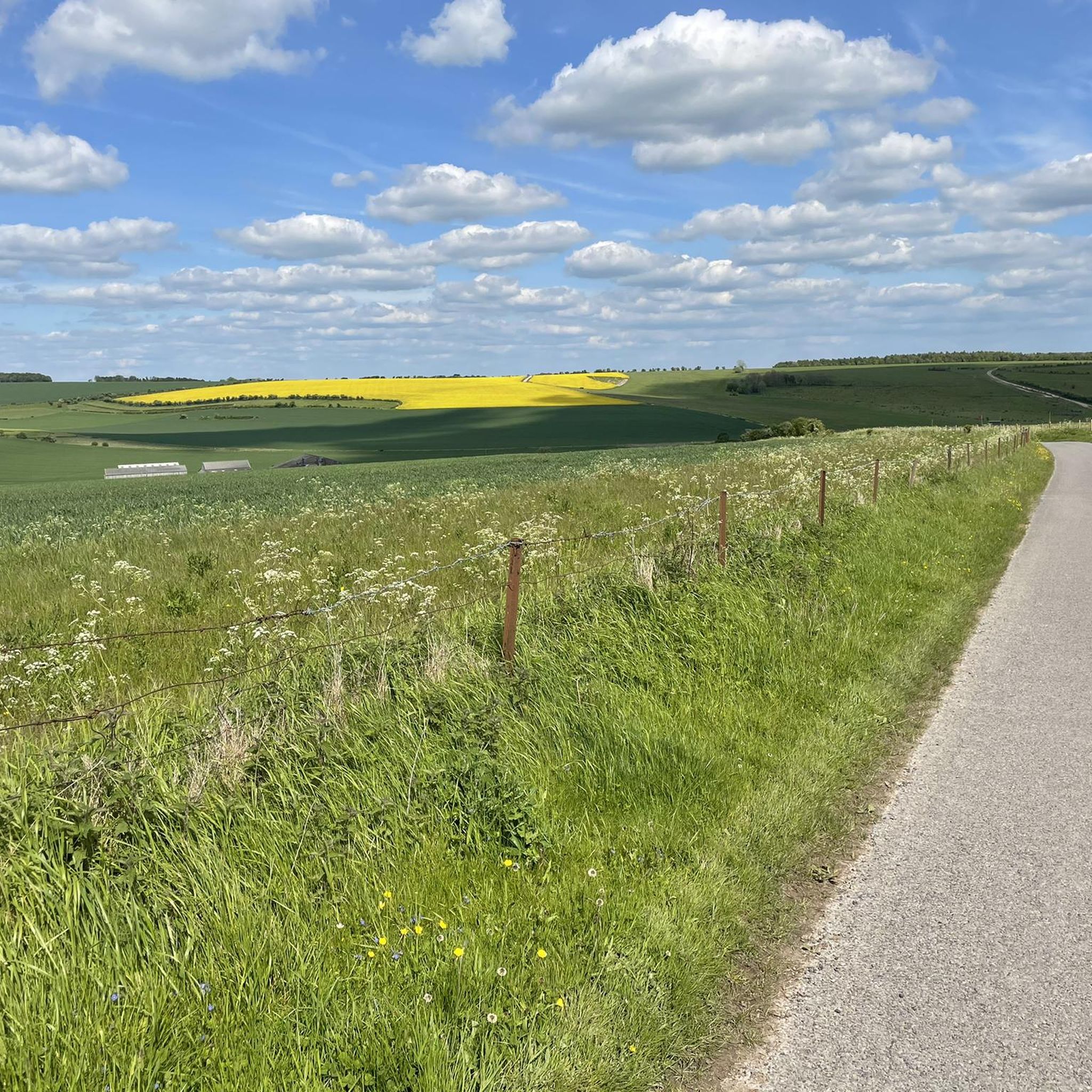
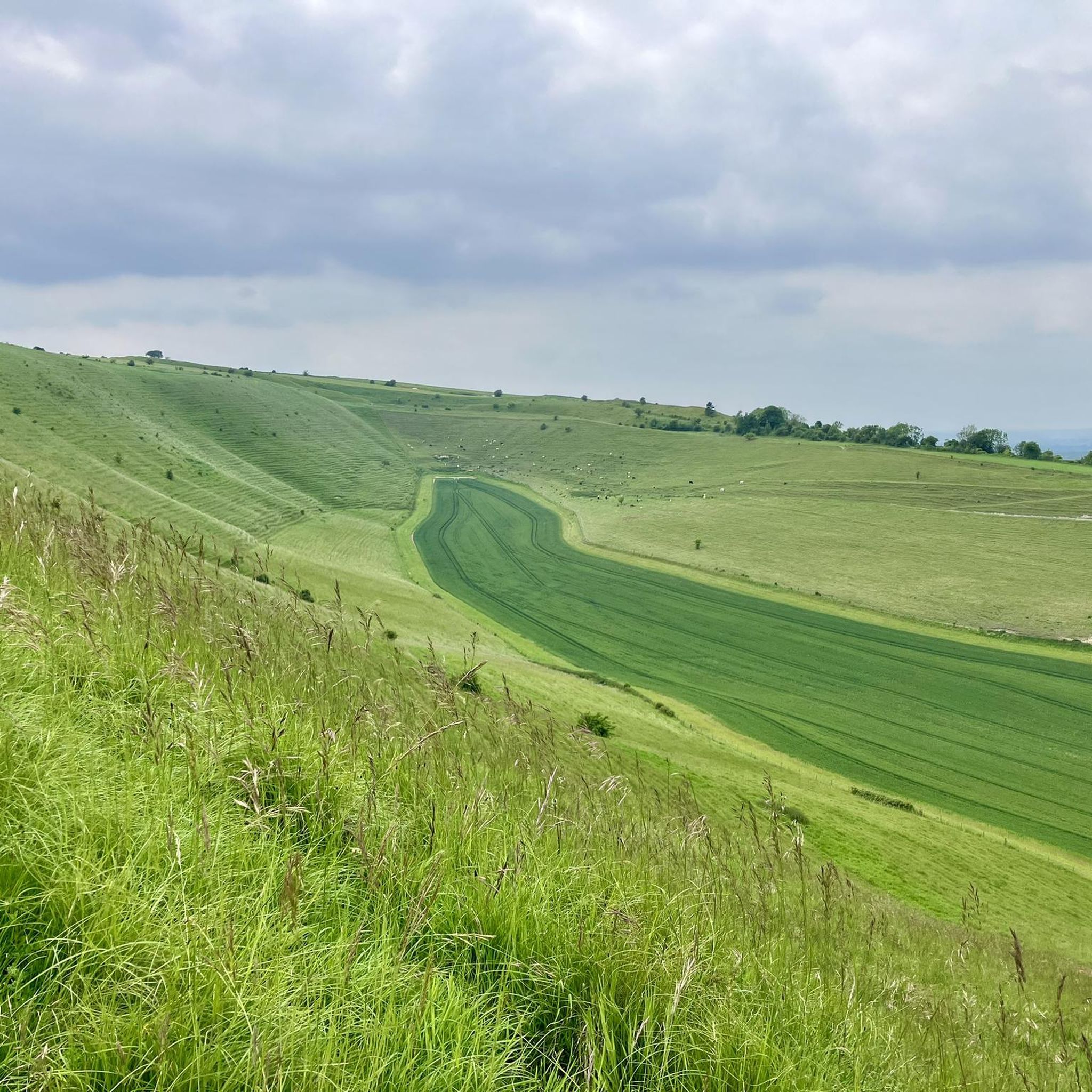
The oldest of the Wiltshire white horses this was originally cut in 1772 and restored in 1778. There was evidence of an older horse here facing the other way, but no strong evidence suggests how old that was. In 1872/1873 the horse was considered to be losing its shape, it was re cut and edging stones added. In 1957 the horse was concreted to preserve it. For the runner the trails around the top of the horse are great fun and the 33-mile Imber trail also passes here. There are nice loops from the car park above the horse or from nearby Westbury.
1
0
Frequently Asked Questions
What natural features can I explore around Chitterne?
The area around Chitterne is rich in natural features, primarily dominated by the expansive Salisbury Plain. This landscape offers rolling chalk downland, ideal for walkers and ramblers, with numerous tracks and public rights of way. You can also find the serene Chitterne Brook flowing through the village, contributing to the local ecology. For more structured natural experiences, consider visiting Langford Lakes Nature Reserve or Drew's Pond Wood Local Nature Reserve, both within a short drive.
Are there historical natural monuments to visit near Chitterne?
Yes, the region is steeped in history. You can visit the ancient Stonehenge, a world-famous megalithic structure from the Neolithic and Bronze Ages. Another significant site is Cursus Barrows, a group of Neolithic and Bronze Age burial mounds south of Stonehenge, where you can see ancient earthworks and learn about their archaeological findings. Additionally, Westbury White Horse and Bratton Camp offers an Iron Age hillfort with a Neolithic long barrow, providing extensive vistas and a glimpse into ancient civilizations.
What are some family-friendly natural monuments around Chitterne?
Several natural monuments around Chitterne are suitable for families. Stonehenge is a great option, featuring a visitor center with exhibitions, Neolithic houses, and a café. The Sarsen Stone at Stonehenge Visitor Centre is also family-friendly and wheelchair accessible, allowing visitors to interact with large blocks of sandstone. For a more active family outing, the open spaces of Salisbury Plain offer plenty of room for exploration.
Are there hiking routes near these natural monuments?
Absolutely. The Salisbury Plain and surrounding areas provide numerous opportunities for hiking. A popular moderate hike is the River Wylye & Knook Horse Hill loop from Heytesbury, offering picturesque riverside paths and panoramic views. You can find more hiking options and detailed routes in the Hiking around Chitterne guide.
What cycling opportunities are available near Chitterne's natural monuments?
Chitterne and its surroundings offer various cycling routes. For road cyclists, options like the Shearwater Lake – Wylye Valley Quiet Road loop from Codford provide easy to moderate rides. If you prefer touring, the Great Ridge Gravel Trail – Great Ridge loop from Codford is a moderate option. Explore more routes in the Road Cycling Routes around Chitterne and Cycling around Chitterne guides.
What is the best time of year to visit the natural monuments around Chitterne?
The natural monuments around Chitterne, particularly the open landscapes of Salisbury Plain and sites like Westbury White Horse and Bratton Camp, are enjoyable year-round. Spring and summer offer lush greenery and warmer weather, ideal for walking and picnics. Autumn brings beautiful colors to the countryside, while winter can provide crisp, clear views, though paths may be muddy. Always check weather conditions before your visit.
Are there any wheelchair-accessible natural monuments in the area?
Yes, the Sarsen Stone at Stonehenge Visitor Centre is noted as wheelchair accessible, providing an opportunity to experience a significant part of the Stonehenge landscape. While the broader Salisbury Plain offers open spaces, specific paths and accessibility may vary, so it's always best to check individual site information for detailed access details.
What kind of wildlife can I expect to see near Chitterne's natural monuments?
The chalk grassland areas, such as those around Westbury White Horse and Bratton Camp, are rich in wildlife. You might spot important plants that provide habitats for insects, including the rare Adonis Blue butterfly and the scarce forester moth. The open plains are also home to various bird species, and the Chitterne Brook supports local aquatic life. Langford Lakes Nature Reserve is another excellent spot for wildlife observation, particularly wetland birds.
Where can I find parking when visiting natural monuments near Chitterne?
Parking availability varies by site. For Stonehenge, there is a dedicated visitor center car park. For other sites like the Cursus Barrows or areas on Salisbury Plain, parking might be available in designated lay-bys or small car parks near trailheads. It's advisable to research specific parking options for each monument or walking route you plan to visit.
How long should I allocate to visit the natural monuments around Chitterne?
The time needed depends on the monument and your interest. A visit to Stonehenge, including the visitor center, can take 2-3 hours. Exploring sites like the Cursus Barrows or Bratton Camp might involve a walk of 1-2 hours. If you plan to hike or cycle extensively on Salisbury Plain, you could easily spend half a day or a full day exploring the wider landscape.
Are there pubs or cafes near the natural monuments in Chitterne?
While Chitterne itself is a small village, you can find pubs and cafes in nearby towns and villages. The Stonehenge visitor center has a café. For other locations, especially after a walk on Salisbury Plain, you might find options in villages like Heytesbury or Codford, which are starting points for some of the local routes.
What should I wear when visiting the natural monuments around Chitterne?
Given the open and often exposed nature of Salisbury Plain and many of the monuments, it's best to dress in layers, regardless of the season. Sturdy walking shoes or boots are recommended, especially if you plan to explore the chalk downland or ancient earthworks, as paths can be uneven or muddy. A waterproof jacket is always a good idea, as the weather can change quickly.
Can I bring my dog to the natural monuments near Chitterne?
Many of the outdoor natural monuments and walking routes on Salisbury Plain are dog-friendly, provided dogs are kept under control, especially around livestock or wildlife. For specific sites like Stonehenge, dogs are generally allowed in the outdoor areas but may have restrictions in indoor facilities or near sensitive archaeological zones. Always check individual site rules before your visit.
Most popular attractions around Chitterne

Get inspired with the komoot mobile app


Explore more
Extend your search for the best caves by checking out these guides of the top ones around Chitterne:
