Top 20 Natural Monuments around Upavon
Best natural monuments around Upavon are found in a picturesque region of Wiltshire, England, characterized by rolling chalk downlands, serene river valleys, and ancient earthworks. This area offers a unique blend of natural beauty and historical significance. Visitors can explore diverse landscapes that reveal both geological formations and traces of ancient human activity. The region provides a tranquil rural setting with expansive open landscapes.
Best natural monuments around Upavon
- The most popular natural monuments is Stonehenge, a historical site…
Last updated: October 4, 2026
Stonehenge
Highlight • Historical Site
Tip by

Sarsen Stone at Stonehenge Visitor Centre
Highlight • Monument
Translated by Google •
Tip by

Sign up now to discover places like this
Get recommendations on the best single tracks, peaks, & plenty of other exciting outdoor places.
Woodhenge
Highlight • Monument
Tip by

Walkers Hill
Highlight • Natural Monument
Tip by

Cursus Barrows
Highlight • Natural Monument
Translated by Google •
Tip by
Sign up for free to discover even more natural monuments around Upavon.
Already have an account?
Start today with a free account
Your next adventure awaits.

Tips from the Community


Why exactly there? Archaeologists suspect several reasons: Line of sight From the mounds, there is a direct view of Stonehenge. Sacred landscape The entire plain was a ritual area with paths, graves, and ceremonial sites. Status symbol Important people were buried near the famous sanctuary. Interesting fact There are over 300 burial mounds in the vicinity of Stonehenge – one of the largest prehistoric burial landscapes in Europe.
0
0
Here is a simple overview map explaining the landscape south of Stonehenge and why the burial mounds are located there. Landscape south of Stonehenge The most important range of mounds is called Normanton Down Barrows. It lies about 1 km south of Stonehenge. There are over 40 burial mounds there, dating from 2600–1600 BC. The mounds are situated on a long ridge that faces directly towards Stonehenge. Simplified diagram of the location North ↑ Stonehenge ○ | | approx. 1 km | ───────────────── Hill ridge with many burial mounds (Normanton Down) ○ ○ ○ ○ ○ ○ ○ ○ ○ ○ ↓ South Important hills there One particularly famous burial mound is Bush Barrow A richly furnished grave of a Bronze Age prince, containing gold objects and weapons, was found there.
0
0

It's unbelievable what people have achieved and built in the past (without any technology) - it's simply impressive and breathtaking
2
0

Can someone please be happy/laughing with me that Google Translate turns Amy's "henge and timber monument" into "Denkmal für Hühner 🐔" in German? - Great 😂😂😂
0
0

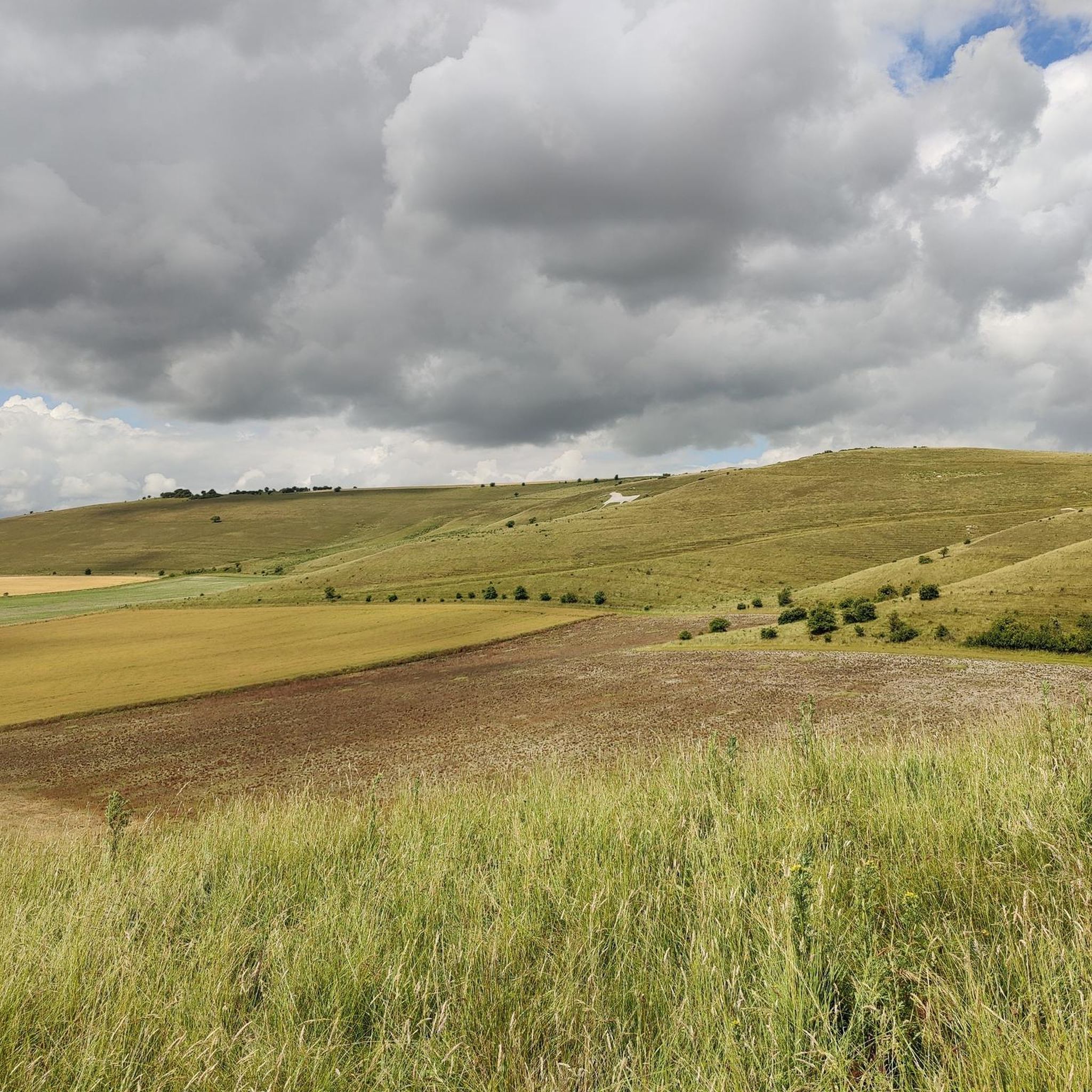
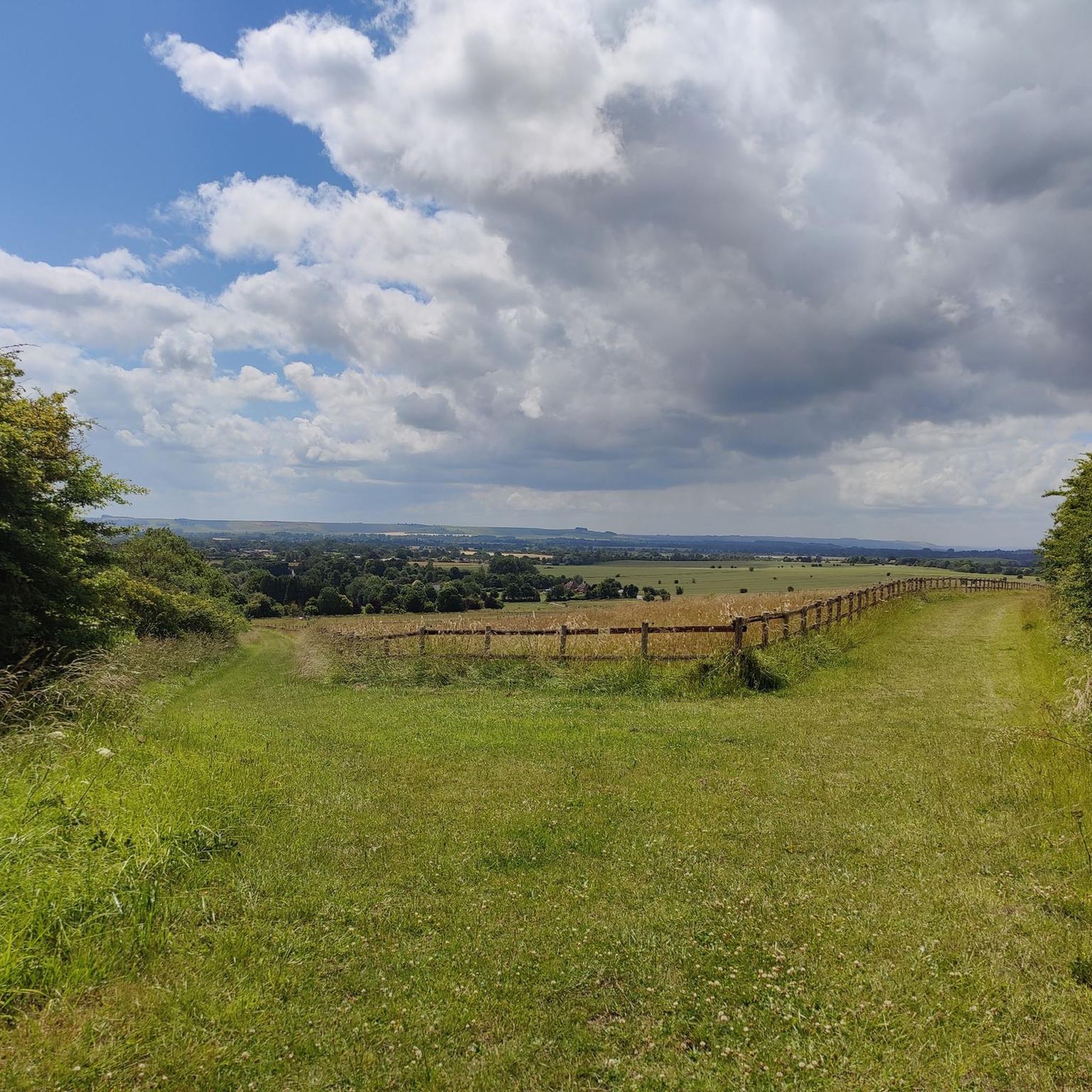
Adam’s Grave on Walker's Hill in Alton, the most dramatically located Neolithic long barrow in Wiltshire and the site of battles in 592 and 715. The area surrounding Walker's Hill is pitted and speckled with barrows and ditches of many sizes and shapes.
0
0


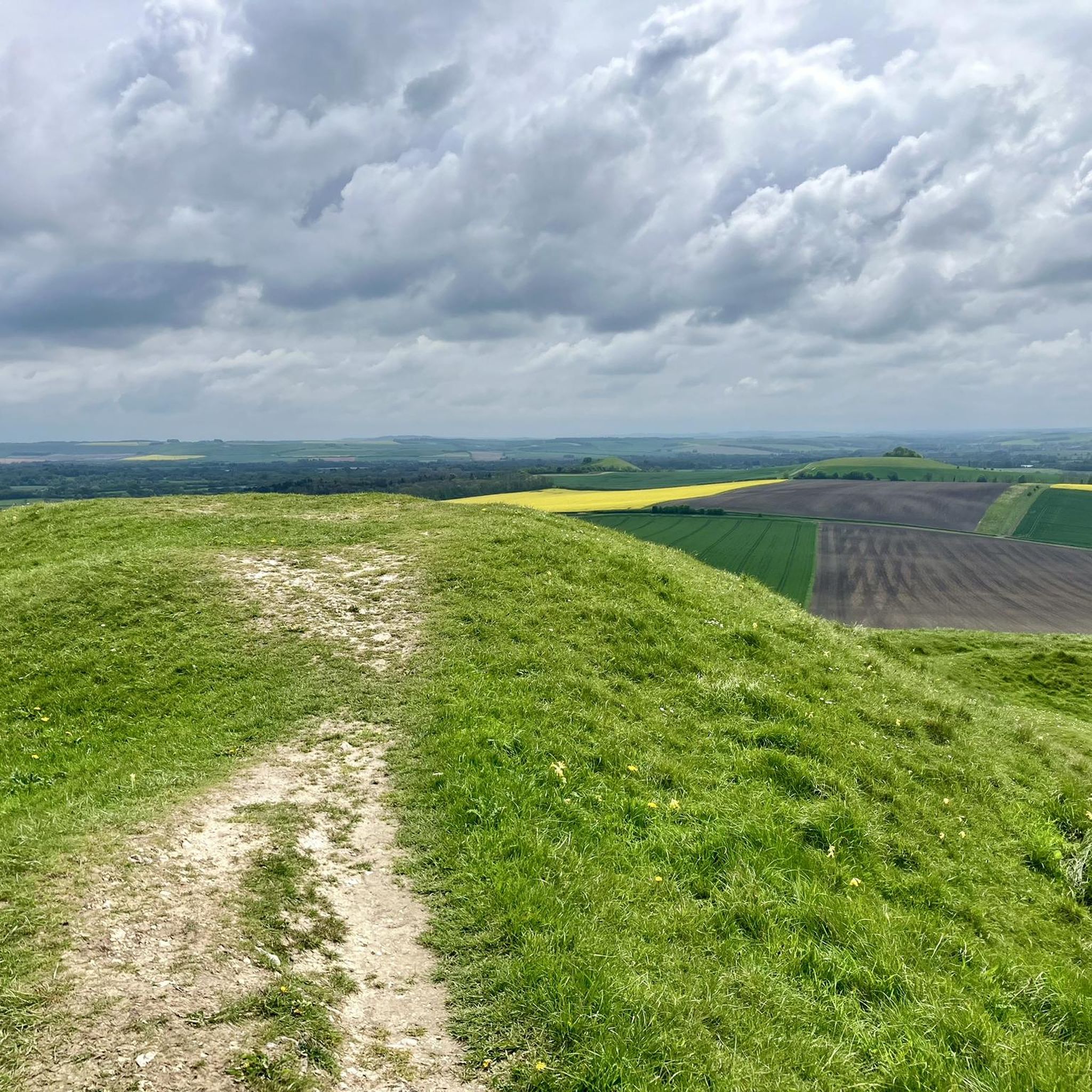
To the south lies a group of burial mounds called the Cursus Barrows. The footpath to the impressive stone circle leads across the fields with the burial mounds, which can be clearly seen and are well explained on a display board. Bone remains and various beads were found in the graves.
5
0
Frequently Asked Questions
What natural features can I explore around Upavon?
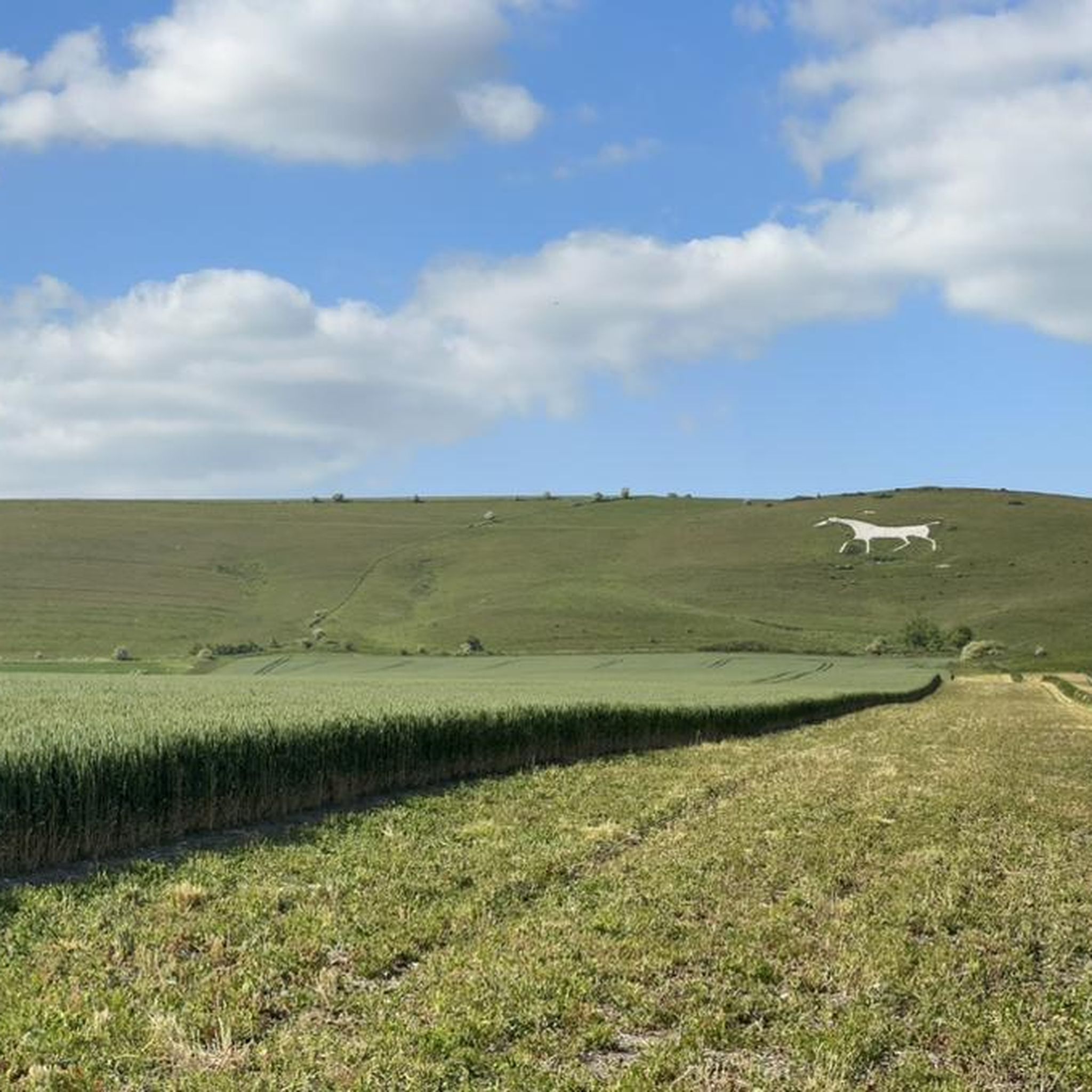
The Upavon area is rich in natural beauty, characterized by rolling chalk downlands and serene river valleys. You can experience the expansive views from places like Walkers Hill, which overlooks the Vale of Pewsey. The Vale itself offers diverse landscapes, including tranquil paths along the River Avon. The region is also known for its unique chalk figures, such as the Pewsey White Horse, carved into the hillsides.
What historical sites are considered natural monuments in the Upavon area?
The natural monuments around Upavon often blend natural beauty with rich historical significance. Notable examples include Walkers Hill, which features Adam's Grave, a Neolithic long barrow, and other prehistoric earthworks. You can also visit Woodhenge, a Neolithic timber circle monument, and the ancient Cursus Barrows, a Bronze Age cemetery.
Are there family-friendly natural monuments around Upavon?
Yes, several natural monuments in the area are suitable for families. Stonehenge is a world-famous historical site with a visitor center and exhibitions that appeal to all ages. Woodhenge offers a peaceful historical experience, and the Sarsen Stone at Stonehenge Visitor Centre is also family-friendly and wheelchair accessible.
What outdoor activities can I do near these natural monuments?
The area around Upavon offers various outdoor activities. You can find many hiking routes, including easy trails, and explore running paths or road cycling routes. For detailed guides and routes, you can check out the Easy hikes around Upavon, Running Trails around Upavon, and Road Cycling Routes around Upavon guides.
Are there easy walking trails near Upavon's natural monuments?
Yes, there are several easy walking trails. For instance, you can find routes like the Wilcot and Kennet & Avon Canal Trail or the Pewsey & Jones' Mill loop, which are considered easy. These trails often follow the serene River Avon or explore the gentle downlands. More options are available in the Easy hikes around Upavon guide.
What is the best time of year to visit the natural monuments around Upavon?
The natural monuments around Upavon can be enjoyed year-round. Spring and summer offer lush green landscapes and pleasant weather for walking and exploring. Autumn brings beautiful colors to the countryside. Even in winter, the rolling chalk downlands and ancient sites offer a unique, stark beauty, and many trails are suitable for winter walks, though conditions can be muddy.
Are there any wheelchair-accessible natural monuments in the area?
Yes, the Sarsen Stone at Stonehenge Visitor Centre is noted as wheelchair accessible. While many natural monuments involve uneven terrain, the visitor facilities at major sites often provide accessibility options. It's always recommended to check specific site information for the most up-to-date accessibility details.
What do visitors enjoy most about the natural monuments around Upavon?
Visitors frequently highlight the exceptional views, especially from places like Walkers Hill, which offers panoramic vistas of the Vale of Pewsey. The blend of natural beauty with deeply embedded prehistoric archaeological sites, such as Adam's Grave, is also a major draw for both nature lovers and history enthusiasts. The tranquility and peaceful rural setting are often mentioned as well.
Can I find circular walks around Upavon's natural monuments?
Yes, the region offers various circular walking routes that allow you to explore the natural monuments and return to your starting point. Many trails in the Vale of Pewsey and along the River Avon are designed as loops, providing scenic journeys through the area's unique landscapes and historical features. You can find specific routes in the Easy hikes around Upavon guide.
Are there any pubs or places to eat near the natural monuments?
While specific establishments are not listed in the monument details, the village of Upavon and surrounding areas within the Vale of Pewsey are dotted with traditional English pubs and cafes. These often provide a welcoming stop for refreshments and meals after exploring the natural monuments and trails. For local information, you might find resources like visitpewseyvale.co.uk helpful for planning your visit.
Are there dog-friendly walks around the natural monuments in Upavon?
Many of the walking trails and open spaces around Upavon's natural monuments are dog-friendly, allowing you to enjoy the scenery with your canine companion. Areas like the Vale of Pewsey and the chalk downlands provide ample space for walks. However, it's always advisable to keep dogs on a lead, especially near livestock or sensitive historical sites, and to check specific site rules before visiting.
How long does it typically take to visit the natural monuments around Upavon?
The time required to visit the natural monuments varies. For a site like Stonehenge, with its visitor center and exhibitions, you might spend 2-3 hours. Smaller sites like Woodhenge or the Cursus Barrows can be explored in less than an hour, often as part of a longer walk. A visit to Walkers Hill, including a walk to Adam's Grave, could take 1-2 hours depending on your pace and how much you explore the surrounding area.
Most popular attractions around Upavon

Get inspired with the komoot mobile app


Explore more
Extend your search for the best caves by checking out these guides of the top ones around Upavon:
