Top 8 Natural Monuments around Berwick St. John
Best natural monuments around Berwick St. John are found within the Cranborne Chase and West Wiltshire Downs Area of Outstanding Natural Beauty. This region is characterized by rolling chalk downland, distinct ridges, and dry valleys, offering a diverse topography. The area features significant natural elevations and historical earthworks, providing varied routes for exploration. It is a destination for those seeking outdoor activities and appreciating the English countryside.
Best natural monuments around Berwick St. John
- The most popular natural monuments is Win Green Summit, a historical site that is the highest point in Cranborne Chase. From its summit, visitors can experience panoramic views that extend as far as the Isle of Wight on clear days.
- Another must-see spot is Bokerley Dyke, a trail and archeological site. This substantial linear earthwork, approximately 5.75 kilometers long, has a multi-period history, believed to have originated in the Bronze Age or Early Iron Age.
- Visitors also love Knowle Hill, a natural monument with a viewpoint. This location offers views across Cranborne Chase.
- Berwick St. John is known for its summits, historical earthworks, and chalk downland. The area offers a variety of natural monuments to see and explore, including viewpoints and ancient trails.
- The natural monuments around Berwick St. John are appreciated by the komoot community, with more than 60 upvotes and 35 photos contributed by users.
Last updated: May 3, 2026
Win Green Summit
Highlight • Historical Site
Tip by

Bokerley Dyke
Highlight • Trail
Tip by

Sign up now to discover places like this
Get recommendations on the best single tracks, peaks, & plenty of other exciting outdoor places.
Sign up for free
Fontmell Down
Highlight (Segment) • Viewpoint
Tip by
Knowle Hill
Highlight (Segment) • Natural Monument
Tip by

Knowlton Church and Neolithic Henge
Highlight • Religious Site
Tip by

Sign up for free to discover even more natural monuments around Berwick St. John.
Sign up for free
Already have an account?
Start today with a free account
Your next adventure awaits.
Login or Signup

Tips from the Community

If you enjoy a bit of architectural time-travel with a spooky twist, Knowlton Church & EarthworksClick to open side panel for more information is one of the most atmospheric spots in Dorset. It is essentially a "history sandwich" where a 12th-century Christian church was built directly inside a much older Neolithic henge. The Ultimate Mash-up: It is a rare example of "reusing" a sacred site. The Normans built their church right in the middle of a pagan ceremonial circle, creating a visual timeline that spans thousands of years. Ghostly Vibes: Because of its lonely location and ruined state, it is a legendary hotspot for local ghost stories. Whether you believe in the "Face in the Window" or not, the silence of the surrounding fields makes it feel incredibly mysterious. The Henge High-Ground: You can still walk along the massive circular earthwork banks. From the top, you get a great view of the ruined flint walls of the church standing defiantly in the center of the ring. Picnic with the Past: Unlike many tourist spots, it is completely open and free to wander. It’s a perfect place to spread a blanket, grab a sandwich, and wonder what the original builders were thinking 4,000 years ago.
0
0
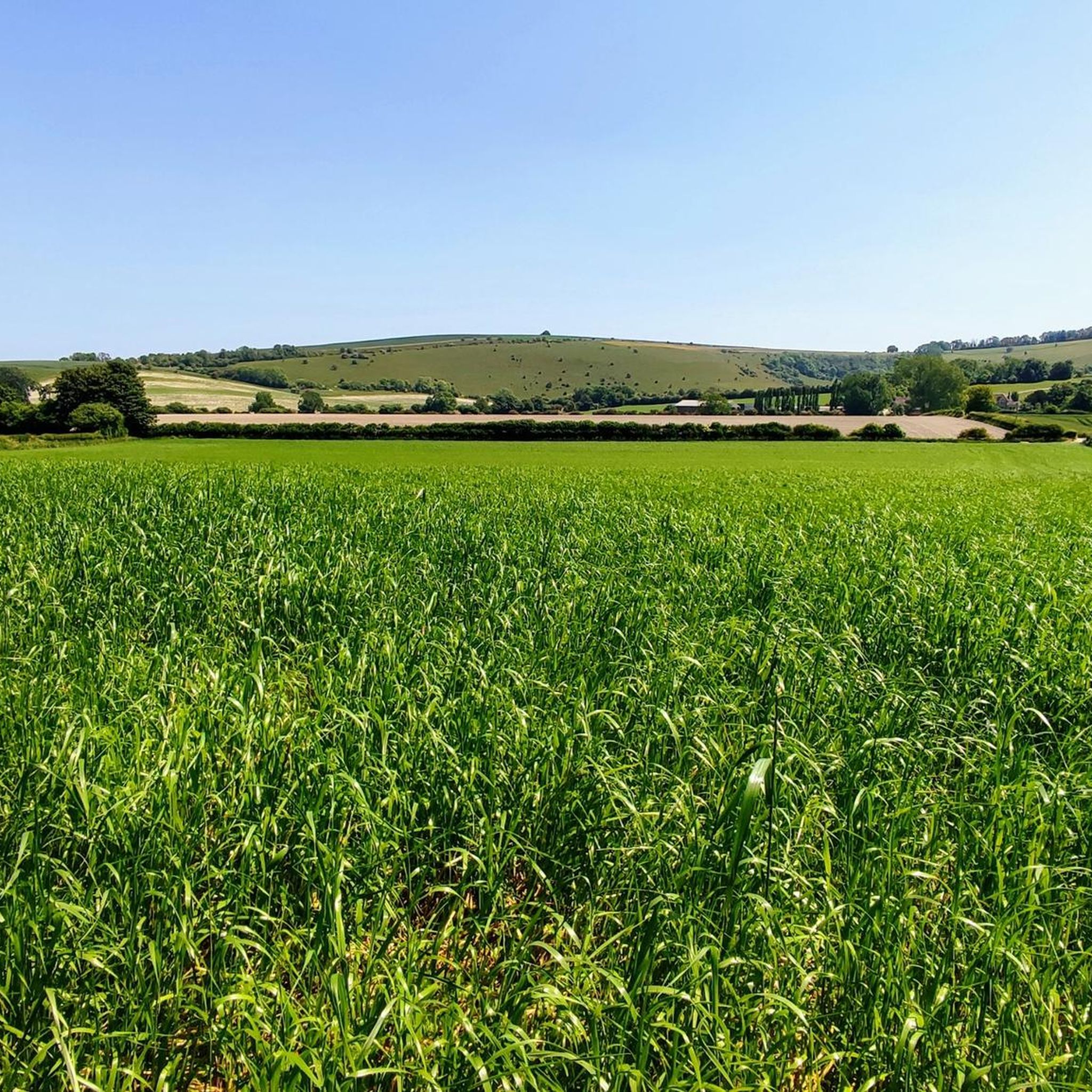
Fontmell Down is a Site of Special Scientific Interest (SSSI) and a nature reserve located in Dorset, England, within the Cranborne Chase Area of Outstanding Natural Beauty. It is known for its beautiful chalk downland, rich biodiversity, and panoramic views. The down is a steep, sinuous flank of a chalk plateau, offering extensive views across the Blackmore Vale, a landscape featured in the novels of Thomas Hardy. The chalk was formed about 100 million years ago from microscopic plants, and the down's steep-sided dry valleys were created by periglacial meltwater erosion during the last Ice Age. Earthworks visible on the down are much more recent, including those from a golf course that was present in the 1930s. In 1645, the downs were the site of an assembly of 3,000 Dorset "Clubmen," who were local residents protesting against the armies of both sides in the English Civil War.
0
0
Bokerley Dyke is a substantial linear earthwork, approximately 5.75 kilometers (3.6 miles) long, located on Cranborne Chase. It runs along part of the border between Dorset and Hampshire, specifically between Woodyates and Martin. It is part of a larger Scheduled Monument that also includes Grim's Ditch and other earthworks. The dyke has a multi-period history. It is believed to have originated in the Bronze Age or Early Iron Age as an important political and cultural boundary. In the 1st century, it was cut through by a Roman road, Ackling Dyke, which ran between Old Sarum and Badbury Rings. In the 4th century, the dyke was remodeled and brought back into use. During this period, the Roman road was blocked. A coin of Valens found during excavations dates this activity to shortly after 364 AD, with some sources suggesting it was built between 367-368 AD. This remodeling may have been a defensive measure against attacks on Britain by Picts, Scots, and Saxons. The Roman road was eventually reopened, but the dyke may have continued to be used as a boundary after the Roman administration ended. Today, it still forms part of the border between the counties of Dorset and Hampshire.
0
0

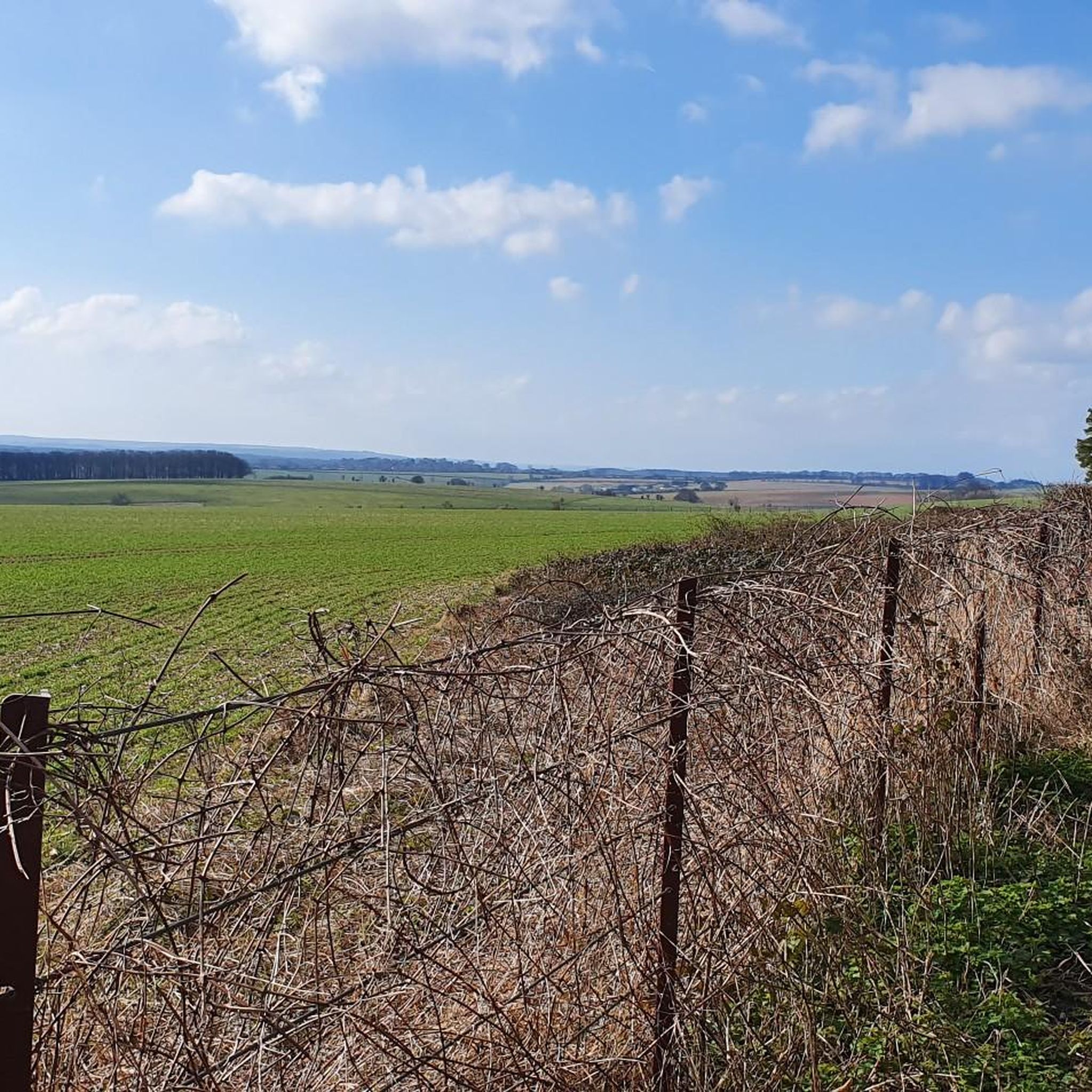
One of the most beautiful places in the south of England 🏴 and amazing views of Wiltshire and Dorset 🤩
0
0

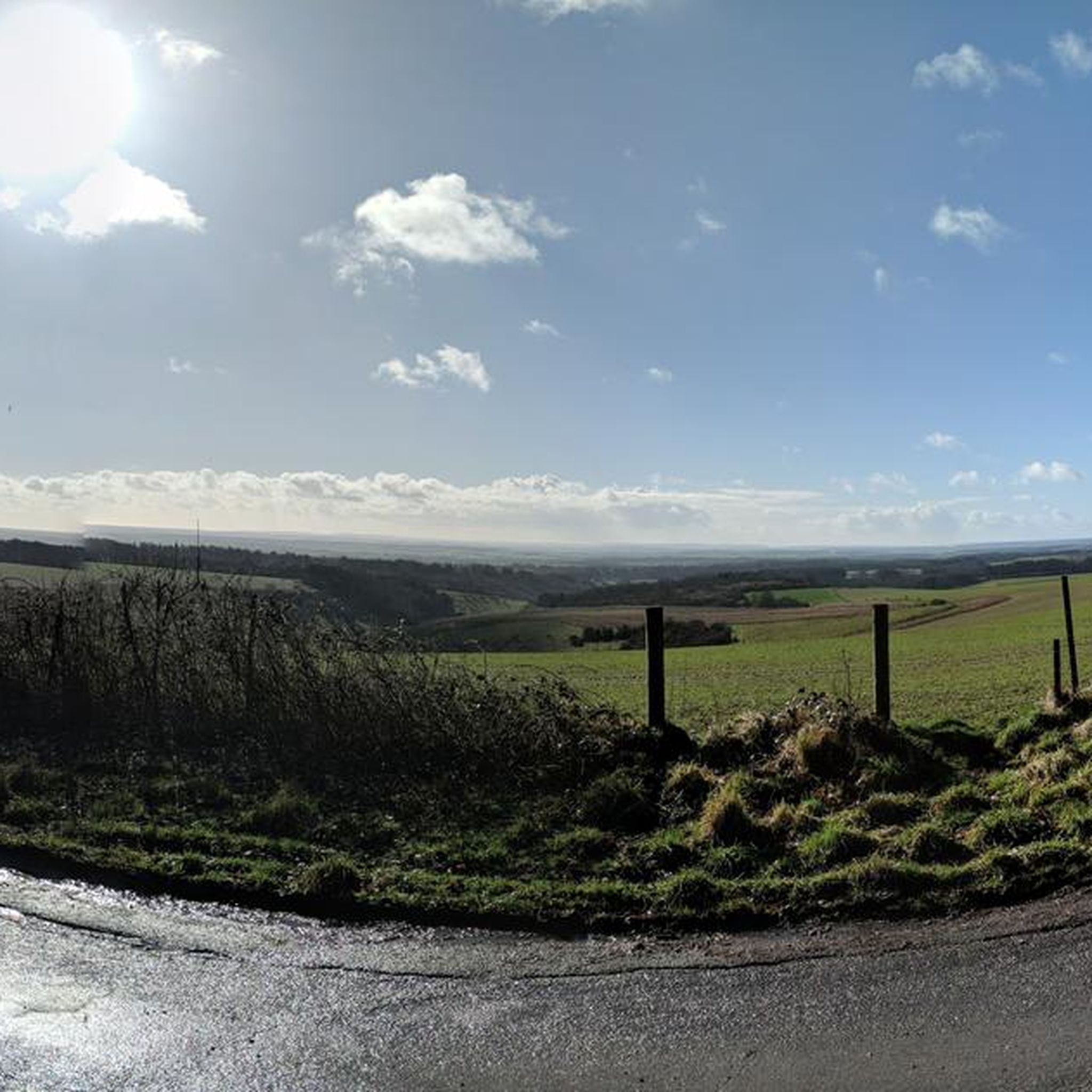
Win Green at 277 m is the highest point on Cranbourne Chase. The tree topped summit also has a Bronze Age hill barrow, topography stone and trig point. Lots of great running loops from here as well as easy parking close by.
0
0
Win Green hill at 277m is the highest point on Cranborne Chase. The trig point affords panoramic views apart from the bit blocked by the little clump of trees on the summit. The beech trees are growing on a Bronze Age bowl barrow. It's managed by the National Trust and is often busy because it's close to a car park. Still very nice though!
0
0
The remains of a 12th-century church within the old earthworks of a Neolithic henge. A bit of a jumble of pagan and Christian worship. Look out for the remains of the old yew tree avenue.
0
0

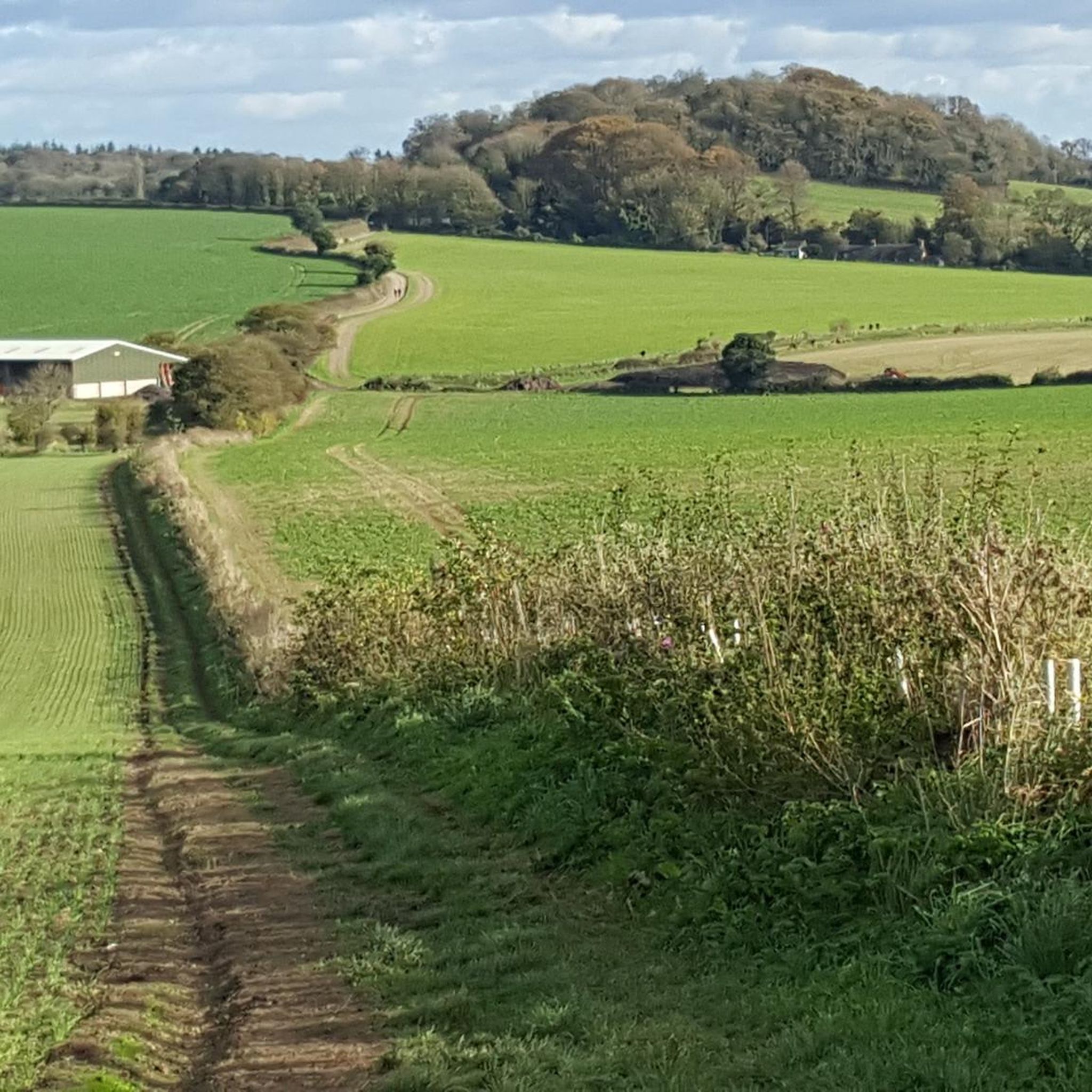
Bokerley Dyke may have originated in the Bronze Age or Early Iron Age and formed a political and cultural boundary. It was cut through by a Roman Road (Ackling Dyke running between Old Sarum and Badbury Rings) in the 1st century.
0
0
Frequently Asked Questions
Where can I find the best panoramic views in the area?
For breathtaking panoramic views, head to Win Green Summit. As the highest point in Cranborne Chase, it offers expansive vistas that can stretch as far as the Isle of Wight on a clear day. Another excellent viewpoint is Knowle Hill, which provides great views across Cranborne Chase. Fontmell Down also offers magnificent views in all directions across the Blackmore Vale.
Are there family-friendly natural monuments or walks suitable for children?
Yes, several natural monuments are suitable for families. Win Green Summit is listed as family-friendly, offering open spaces and views. Additionally, the Bluebell Fields in Cranborne Chase & West Wiltshire Downs are a wonderful family-friendly natural monument, especially in spring. For easy walks, you can explore routes like the 'Old Wardour Castle – New Wardour Castle loop' or 'Ansty Maypole loop' which are part of the easy hikes guide around Berwick St. John.
What is the best time of year to visit the natural monuments around Berwick St. John?
The natural monuments around Berwick St. John are beautiful year-round, but spring and summer offer particularly pleasant conditions for walking and enjoying the views. Spring is ideal for seeing the Bluebell Fields in Cranborne Chase & West Wiltshire Downs, with carpets of bluebells under the trees, typically best in late April. Clear days in any season will enhance the panoramic views from summits like Win Green Summit.
Are there hiking trails near these natural monuments?
Yes, the area is excellent for hiking. You can find various trails, including those around Win Green Summit, which is a popular starting point for walks through the Rushmore Estate. For a range of options, explore the Easy hikes around Berwick St. John guide, or for more challenging routes, check the Running Trails around Berwick St. John guide, which includes routes like the 'Win Green Summit loop'.
What cultural or historic sites can I find among the natural monuments?
The natural landscape around Berwick St. John is rich in history. Win Green Summit features a Bronze Age bowl barrow at its peak. Bokerley Dyke is a significant linear earthwork with a multi-period history, believed to have originated in the Bronze Age or Early Iron Age. Winklebury Hill, overlooking the village, also hosts an Iron Age hillfort, blending natural elevation with ancient human activity.
What is the typical terrain and difficulty level of walks around Berwick St. John's natural monuments?
The terrain primarily consists of rolling chalk downland, featuring distinct ridges and dry valleys. Walks can range from easy, gentle slopes to more intermediate climbs, such as those found around Knowle Hill. Some routes, like sections of Bokerley Dyke, can be considered challenging due to their length or varied conditions. The area offers diverse topography suitable for various fitness levels.
Are the natural monuments and trails dog-friendly?
Many of the natural areas and trails within the Cranborne Chase AONB are dog-friendly, but it's important to keep dogs on a lead, especially near livestock or sensitive wildlife areas. For example, a walk through the Rushmore Estate near Win Green Summit is suitable for dogs, but they need to be kept on a lead for part of the walk due to animals.
Is parking available at the natural monuments?
Parking is generally available near popular natural monuments. For instance, Win Green Summit has easy parking close by. For other locations, it's advisable to check local signage or specific route details for designated parking areas, as some may be smaller or less formal.
Do I need any permits for hiking in the Cranborne Chase AONB?
Generally, you do not need specific permits for hiking on public footpaths and bridleways within the Cranborne Chase Area of Outstanding Natural Beauty. However, always respect private land and follow the Countryside Code. If you plan any organized events or activities, it's best to check with the Cranborne Chase AONB authority for any specific requirements.
Are there amenities like cafes or pubs near the natural monuments?
Berwick St. John is a village, and while the natural monuments themselves are often in rural settings, you can find amenities in the village and surrounding areas. It's recommended to plan your visit and check for local cafes, pubs, or shops in nearby villages before or after your exploration, as direct amenities at the monuments are limited.
What are some unique natural features to explore beyond the main highlights?
Beyond the prominent summits and earthworks, the area is characterized by its rolling chalk downland, featuring distinct ridges and dry valleys such as Rotherley Bottom and Ashcombe Bottom. The Chalke stream, originating from a spring in the hills, is also an integral part of the local hydrological system, contributing to the area's natural charm. These features offer diverse walking routes and a sense of tranquility.
How can I reach the natural monuments using public transport?
Public transport options to the specific natural monuments around Berwick St. John can be limited due to the rural nature of the area. It is generally recommended to travel by car to access many of these sites. Some local bus services may connect to Berwick St. John village, but onward travel to the monuments themselves often requires walking or a taxi.
Most popular routes around Berwick St. John
Most popular attractions around Berwick St. John

Get inspired with the komoot mobile app


Explore more
Extend your search for the best caves by checking out these guides of the top ones around Berwick St. John:
