Top 7 Natural Monuments around West Moors
Best natural monuments around West Moors include a variety of natural areas and habitats that offer recreational and ecological experiences. The region features significant woodlands, river systems, and heathlands, providing diverse landscapes for exploration. These locations contribute to the local environment and are valued for their distinct natural features. Visitors can engage with the local flora and fauna across these varied natural settings.
Best natural monuments around West Moors
- The most popular natural monuments is Ibsley Common Triangulation Point,…
Last updated: July 1, 2026
Upper Gardens, Bournemouth
Highlight • Natural
Tip by

Ibsley Common Triangulation Point
Highlight • Viewpoint
Tip by

Sign up now to discover places like this
Get recommendations on the best single tracks, peaks, & plenty of other exciting outdoor places.
Sign up for free
White Deer in New Forest National Park
Highlight • Natural Monument
Tip by

Bluebell Woodland
Highlight • Natural Monument
Tip by

Dudsbury Camp (Dudsbury Rings)
Highlight • Natural Monument
Tip by

Sign up for free to discover even more natural monuments around West Moors.
Sign up for free
Already have an account?
Start today with a free account
Your next adventure awaits.
Login or Signup

Tips from the Community

Beautiful snowdrops in February highly recommend these gardens
1
0

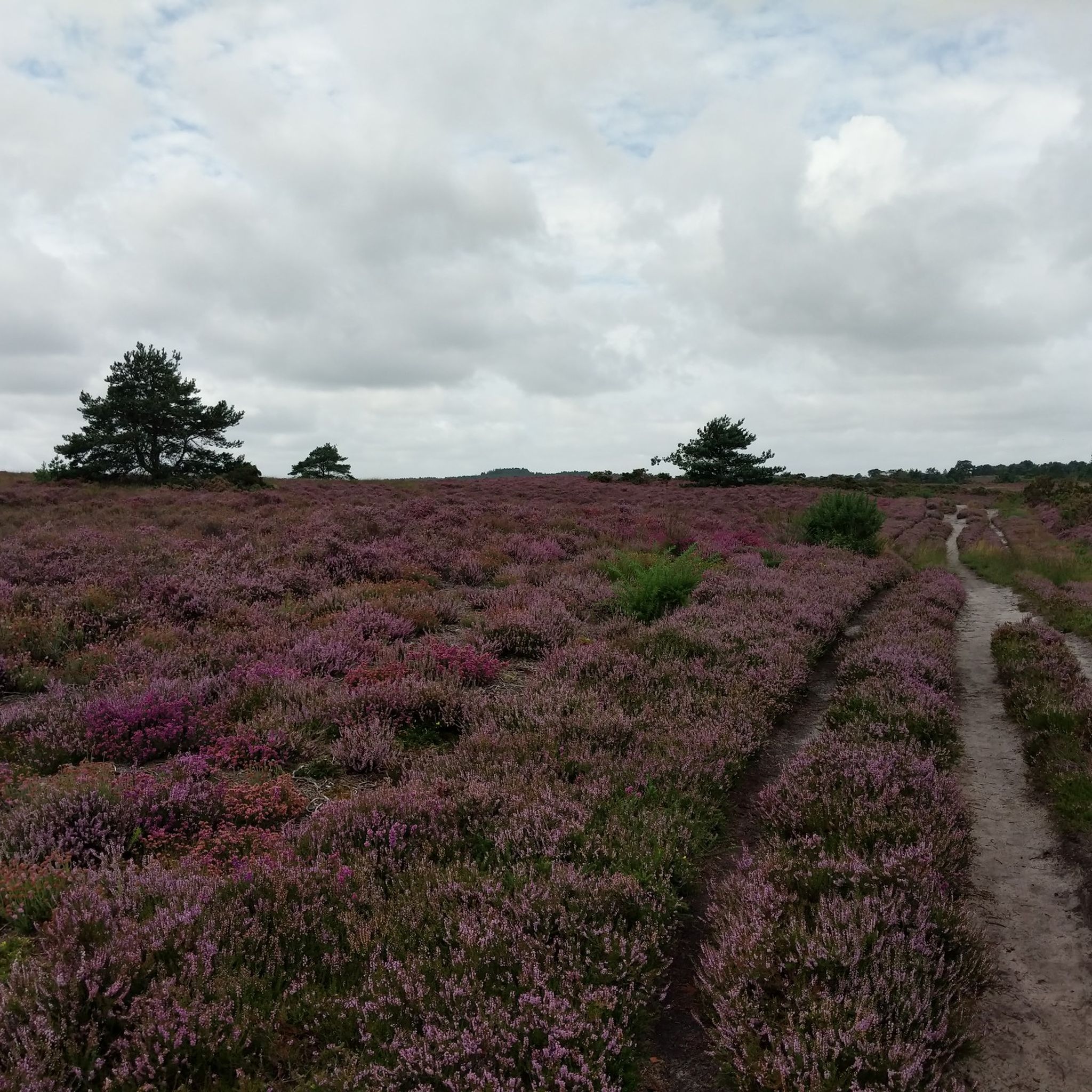
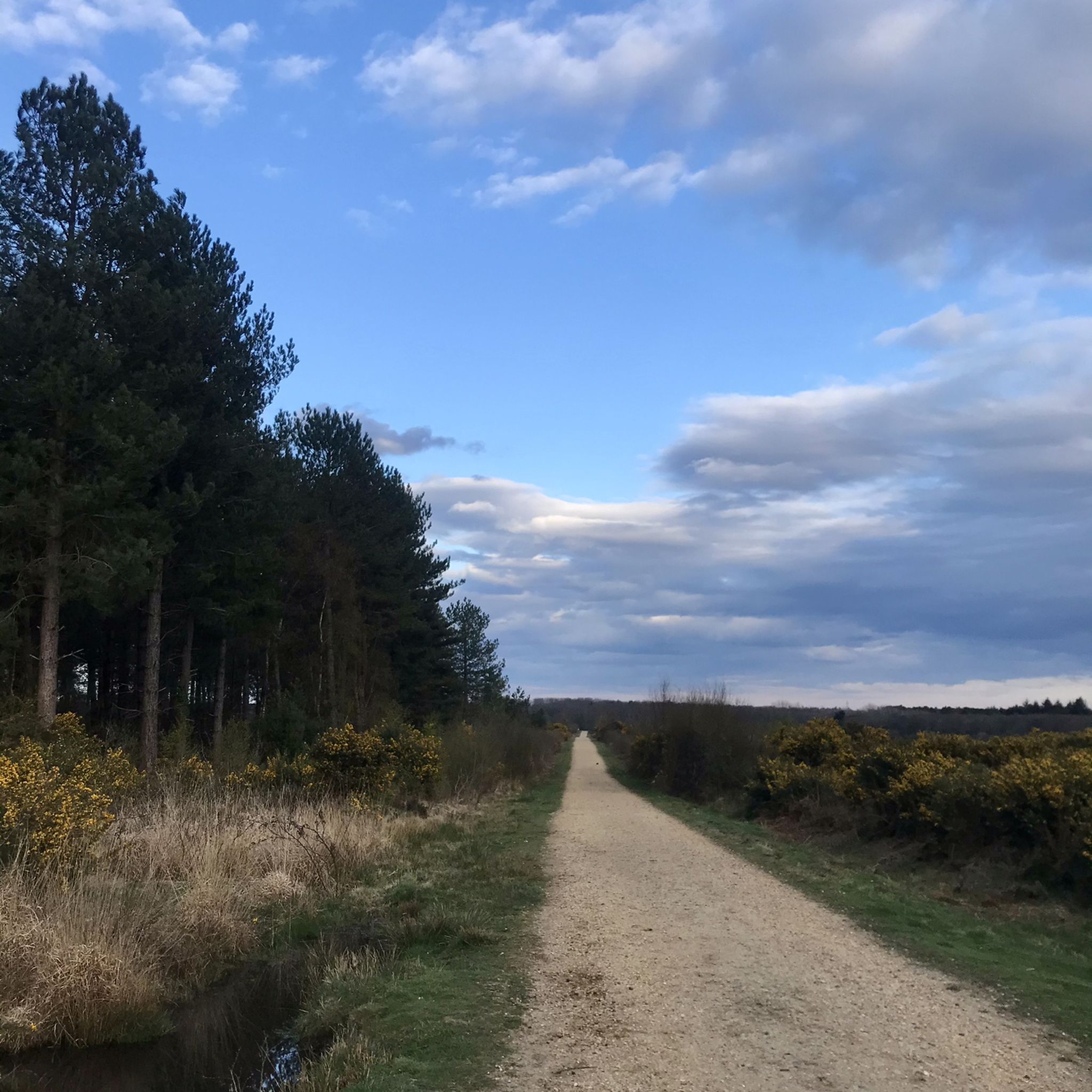
The white-coated Ibsley Common triangulation point is easy to see from a distance, sitting right next to the Whitefield Plantation. It's at 77m, surrounded by beautiful moorland and offering gorgeous far-reaching views of the area.
0
0

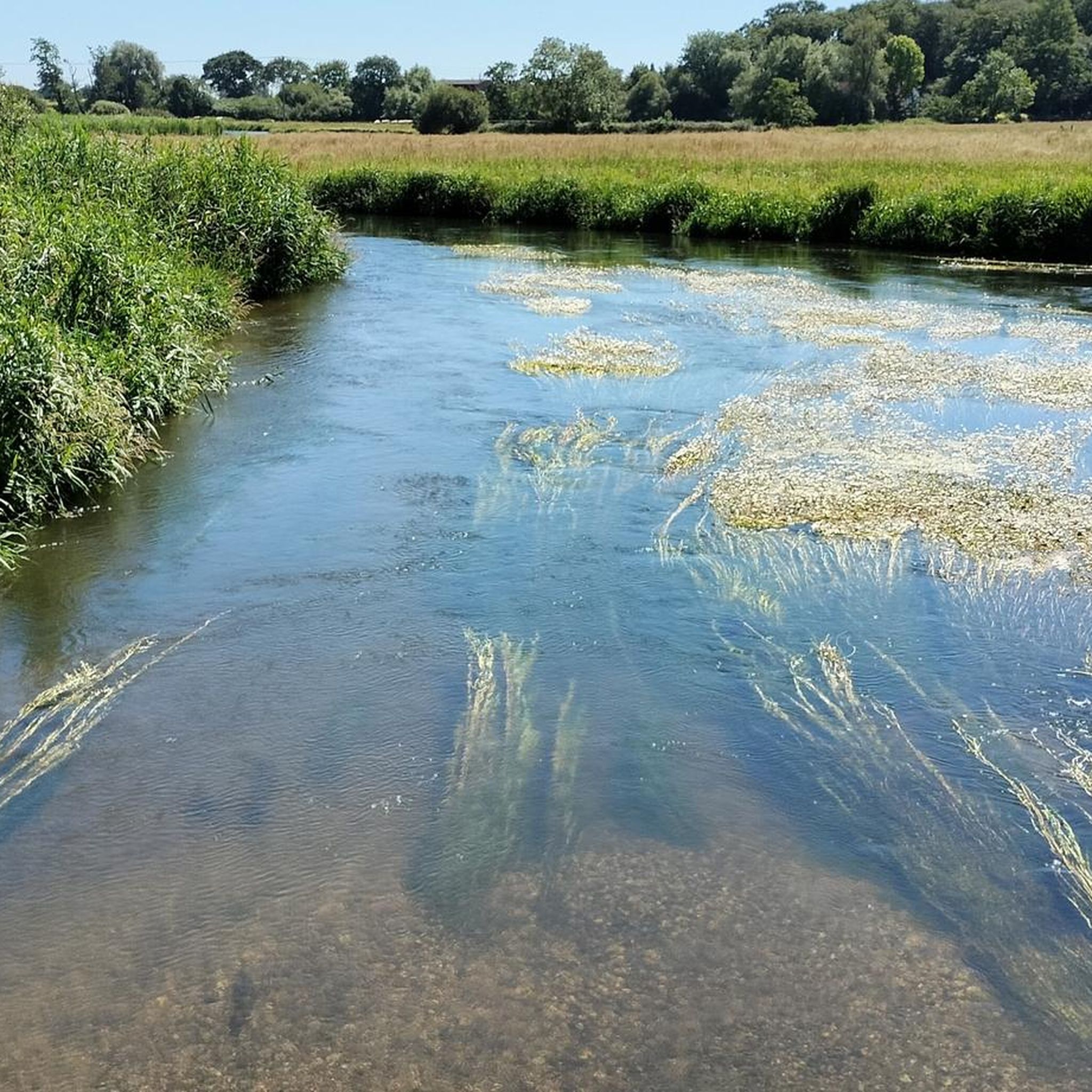
Everywhere I looked on this section were wild deer. The only time I've ever seen a white deer. it looked so majestic amongst the other deer.
2
0

The Upper Gardens is a place of serenity and an absolute must-see if in Bournemouth. The gardens have a 'three continent theme' feauturing garden displays from Europe, Asia, and North America. The park boasts some unusual tree species including North American Giant Redwood (believed to be the largest in the country) and a group of mature Persian Ironwood trees.
1
0

Protected bluebell woodland area (National Trust, free access).
0
0

An Iron Age fort, Dudsbury Camp lies in a chain of such forts which starts at Hambledon Hill and ends at Hengistbury Head. This isn't quite as impressive as the others, low-lying and not quite as obvious, but you can still see earthworks in the south-west of the site.
1
0
Frequently Asked Questions
What kind of natural features can I explore around West Moors?
West Moors and its surroundings offer a rich variety of natural features. You can explore significant woodlands like the Forestry Plantation, which covers around 145 hectares, and the ancient Bluebell Woodland. The area also features vital river systems such as the Moors River, Mannington Brook, and Uddens Water, contributing to local biodiversity. Additionally, there are important heathlands, including the National Nature Reserve of Holt Heath and the moorland surrounding Ibsley Common Triangulation Point.
Are there family-friendly natural monuments or areas to visit near West Moors?
Yes, several natural areas around West Moors are suitable for families. The Forestry Plantation offers open areas accessible to the public, great for walks. Upper Gardens, Bournemouth, though a man-made park, is family-friendly with unique tree species and garden displays. The Bluebell Woodland is also a protected area with free access, perfect for a gentle family stroll. For wildlife spotting, the New Forest National Park, where you might spot White Deer, is a memorable experience for all ages.
What outdoor activities can I do near the natural monuments around West Moors?
The natural areas around West Moors are excellent for various outdoor activities. You can enjoy walking, running, and cycling. The Castleman Trailway, for instance, is a multi-use path that traverses diverse landscapes. For more specific routes, you can find numerous options for MTB Trails, Road Cycling Routes, and Running Trails, including routes through forests and along the Castleman Trailway.
Where can I find good walking routes near West Moors' natural monuments?
There are many walking opportunities. The Forestry Plantation has accessible open areas, and the Moors River, Mannington Brook, and Uddens Water offer scenic riverside walks. Holt Heath, a National Nature Reserve, also provides trails through its woodlands and heathland. For specific running and walking routes, you can explore options like the 'The Forest Inn – Castlemain Trailway loop' or the 'Ferndown Forest loop' available in the Running Trails around West Moors guide.
Are there any historical natural monuments or sites near West Moors?
Yes, the area includes sites with historical significance. Dudsbury Camp (Dudsbury Rings) is an Iron Age fort, part of a chain of such forts in the region. While not as visually prominent as some others, you can still observe the earthworks in the south-west of the site, offering a glimpse into ancient history within a natural setting.
What are some less crowded natural spots to visit around West Moors?
For a quieter experience, consider exploring the various sections of the Forestry Plantation, especially those away from residential developments. Slop Bog, managed by Dorset Council and supported by local volunteers, offers a unique natural habitat that might be less frequented. The riverside walks along the Moors River, Mannington Brook, and Uddens Water can also provide peaceful moments away from busier trails.
Can I spot wildlife at the natural monuments near West Moors?
Absolutely. The diverse habitats around West Moors are excellent for wildlife spotting. Holt Heath, as a National Nature Reserve, is particularly rich in biodiversity. The river systems (Moors River, Mannington Brook, Uddens Water) support various aquatic and riparian species. The New Forest National Park, a short distance away, is renowned for its wild deer populations, including the chance to see White Deer.
Is there a natural monument with good views near West Moors?
Yes, Ibsley Common Triangulation Point is a prominent viewpoint. Sitting at 77m and surrounded by beautiful moorland, it offers gorgeous far-reaching views of the area. It's easy to spot and provides a great vantage point to appreciate the landscape.
What is Slop Bog and how can I visit it?
Slop Bog is a significant natural habitat near West Moors, owned and managed by Dorset Council. It is supported by an active volunteer group, the Slop Bog Guardians, who work to preserve its unique environment. Visitors can explore this area to experience its distinct ecological features. For more detailed information about visiting and its conservation efforts, you can check the Dorset Council website.
Are there any specific natural areas known for their trees or plant life?
Yes, the Bluebell Woodland is a protected area known for its beautiful bluebells in spring and snowdrops in February. The Forestry Plantation, originally established by the Forestry Commission, features extensive woodlands. Additionally, Upper Gardens, Bournemouth, boasts unusual tree species, including a North American Giant Redwood believed to be the largest in the country, and mature Persian Ironwood trees.
What is the Castleman Trailway and how does it relate to the natural monuments?
The Castleman Trailway is a multi-use path that provides an excellent way to experience the natural environment surrounding West Moors. While not a natural monument itself, it traverses various landscapes, including woodlands and heathlands, connecting many of the natural areas in the region. It's a popular route for walking, cycling, and running, allowing visitors to explore the local flora and fauna.
Where can I find more information about nature trails in West Moors?
For more information on local nature trails and the natural heritage of West Moors, you can refer to resources provided by the local council. The West Moors Town Council website, for example, offers details on local nature trails, such as their Nature Trail page, which can provide additional context for exploring the area.
Most popular routes around West Moors
Most popular attractions around West Moors

Get inspired with the komoot mobile app


Explore more
Extend your search for the best caves by checking out these guides of the top ones around West Moors:
