Top 6 Natural Monuments around Colehill
Best natural monuments around Colehill include a landscape characterized by tranquil woodlands, open fields, and lowland heath. This area in south-east Dorset, England, offers significant natural attractions and valuable ecological habitats. Colehill's green spaces and diverse habitats provide opportunities for outdoor recreation and connecting with local wildlife. The region is part of a larger "green corridor" extending to the River Stour, enhancing ecological connectivity.
Best natural monuments around Colehill
- The most popular natural monument is Badbury Rings Iron Age hillfort…
Last updated: July 1, 2026
Badbury Rings Iron Age hillfort
Highlight • Viewpoint
Tip by

Upper Gardens, Bournemouth
Highlight • Natural
Tip by

Sign up now to discover places like this
Get recommendations on the best single tracks, peaks, & plenty of other exciting outdoor places.
Sign up for free
Bluebell Woodland
Highlight • Natural Monument
Tip by

Dudsbury Camp (Dudsbury Rings)
Highlight • Natural Monument
Tip by

Bull Barrow Trig Point
Highlight • Historical Site
Tip by

Sign up for free to discover even more natural monuments around Colehill.
Sign up for free
Already have an account?
Start today with a free account
Your next adventure awaits.
Login or Signup
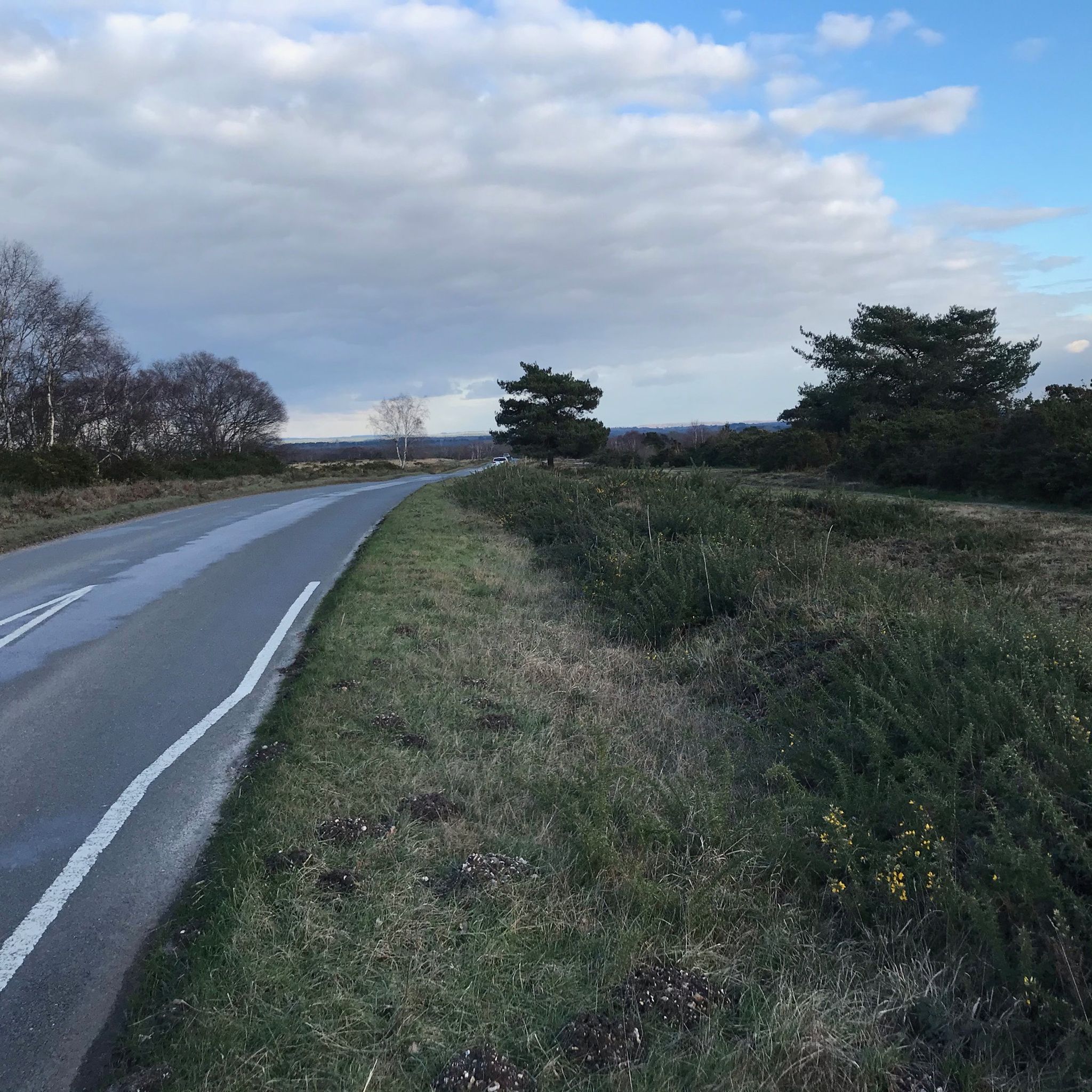
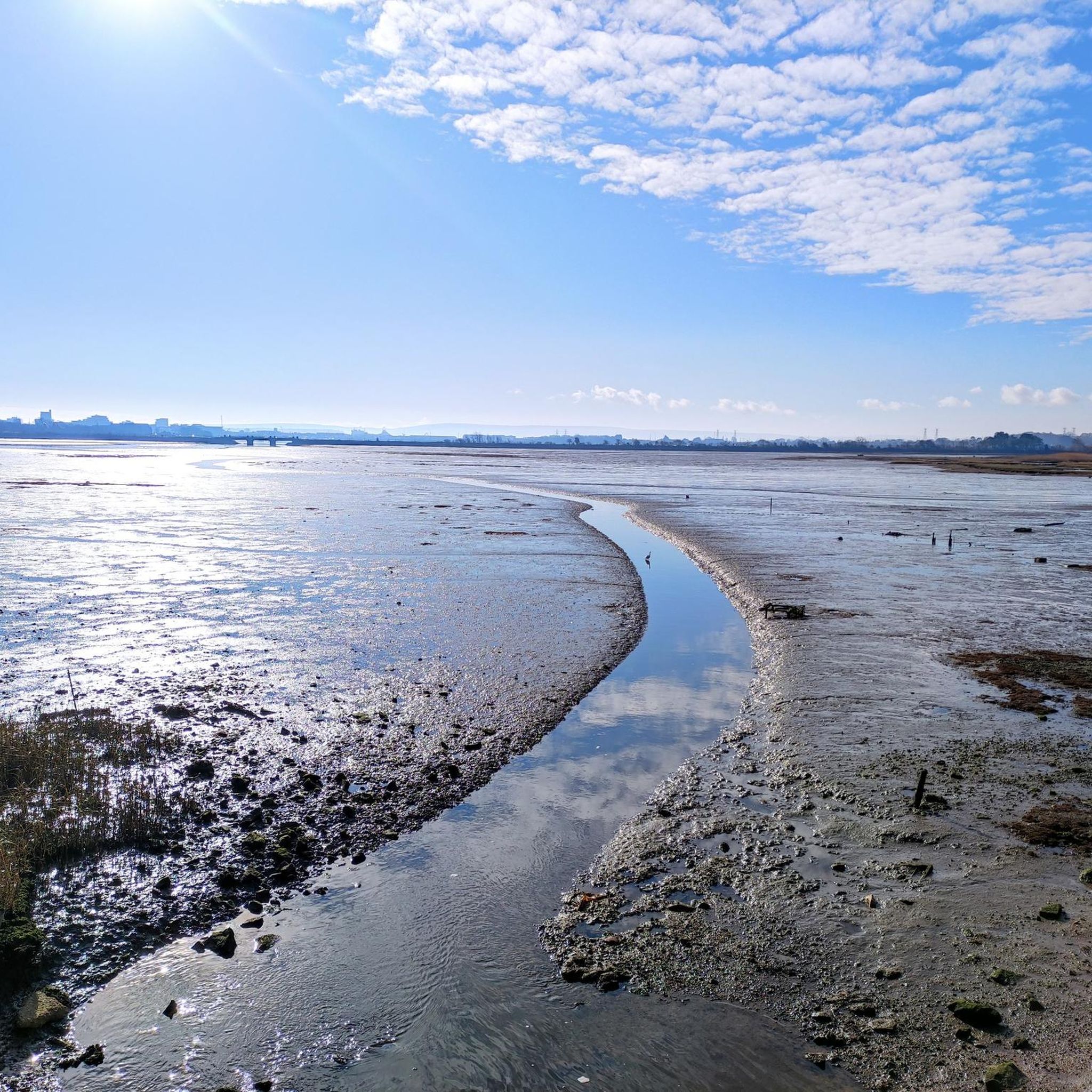
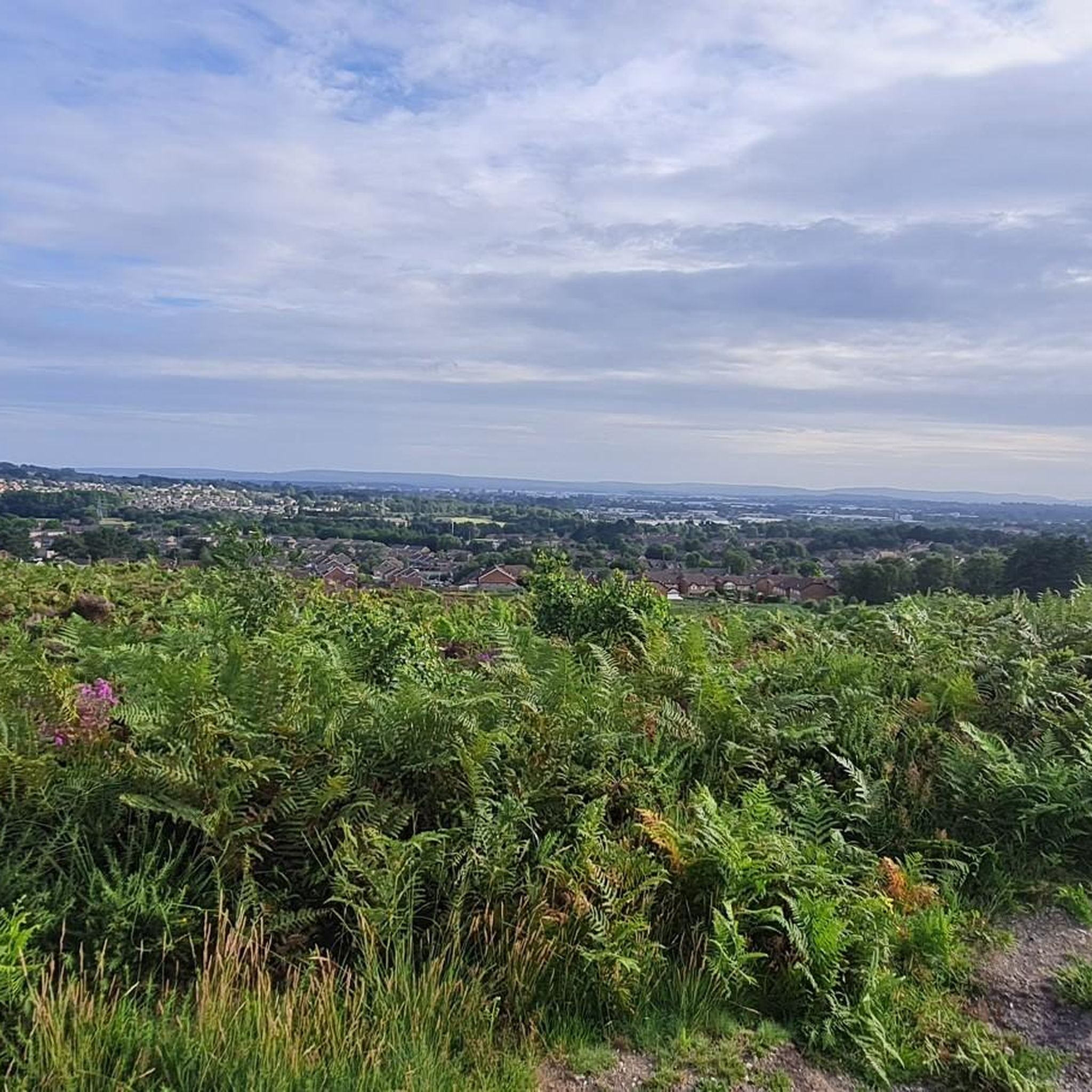
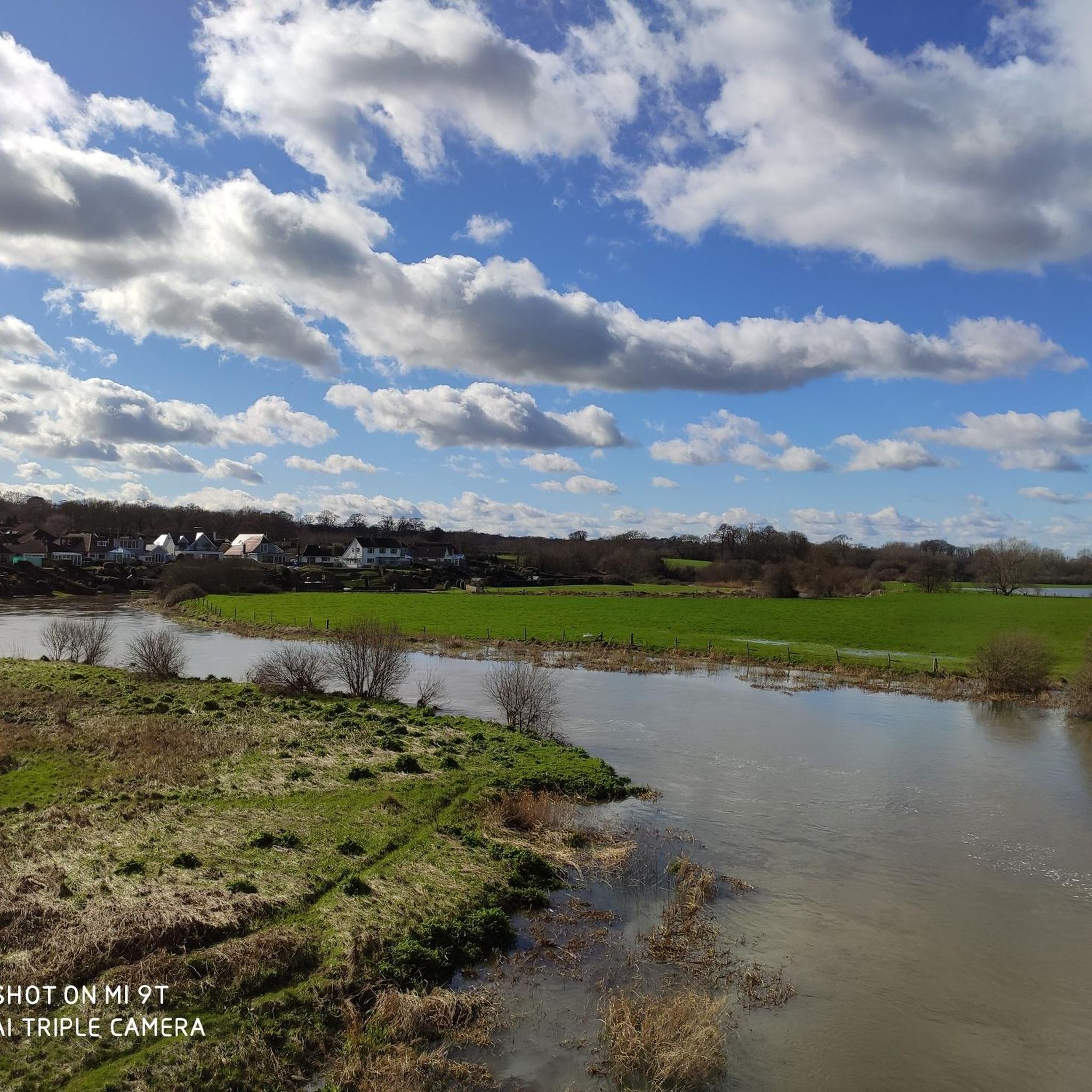

Tips from the Community

Beautiful snowdrops in February highly recommend these gardens
1
0

Badbury Rings is an Iron Age hill fort and Scheduled Monument in east Dorset, England. In the Roman era a temple was located immediately west of the fort, and there was a Romano-British town known as Vindocladia ( Known today as Shapwick ) a short distance to the south-west. It sits over 300 feet above sea level, and there are two main phases of construction; the first covered 18 acres and was defended by multiple ditches, while the second was more than twice the size, covering 41 acres and defended by a single ditch and rampart. These ramparts make for great walking, but imagine the terror of trying to scale one whilst under attack from the occupants. Once you'd scaled one, there were more waiting for you. No wonder it was the last fort to be sacked by the Romans. Wonder just how many soldiers died trying to take it. Until 1983 Badbury Rings was privately owned as part of the Kingston Lacy estate, and the owners discouraged investigation of the site.[2] The site now belongs to the National Trust.[2] A survey of the hillfort by the RCHME was begun in 1993. The summit area was cleared of undergrowth by the National Trust in 1997 and the conifer plantation was thinned out. A survey in 1998, which recorded 28 potential hut sites within the ramparts, although some depressions are probably caused by uprooted trees. The first excavations, led by Martin Papworth, took place in 2004, when three evaluation trenches were dug. Almost all of the pottery found was dated to the Late Iron Age. The current evidence does not suggest that the hillfort was a principal settlement in the Early Iron Age. It seems likely that the hillfort became depopulated towards the end of the Late Iron Age, perhaps as the Vindocladia settlement near Shapwick developed.
1
0

Bradbury Rings is an Iron Age hill fort. The Romans built a temple here and there was a Romano-British town known as Vindocladia nearby. Today, you can run the earthworks and around the edge, it's fun and fascinating. The National Trust own and manage the site but it's open access to all.
0
0
The trig point on Bull Barrow to the north of Holt Heath stands at 57m. The barrow is Neolithic or Bronze age.
0
0

The Upper Gardens is a place of serenity and an absolute must-see if in Bournemouth. The gardens have a 'three continent theme' feauturing garden displays from Europe, Asia, and North America. The park boasts some unusual tree species including North American Giant Redwood (believed to be the largest in the country) and a group of mature Persian Ironwood trees.
1
0

Protected bluebell woodland area (National Trust, free access).
0
0
Frequently Asked Questions
What are some of the most popular natural monuments to visit around Colehill?
Visitors frequently enjoy the historical significance and panoramic views at Badbury Rings Iron Age hillfort. Another popular spot is Upper Gardens, Bournemouth, known for its unique 'three-continent theme' and unusual tree species.
Are there any natural monuments suitable for families with children in Colehill?
Yes, several natural areas are family-friendly. Bluebell Woodland, a protected National Trust site, offers free access and is lovely for a walk, especially when snowdrops are out in February. Leigh Common also provides over 4km of all-weather surfaced paths suitable for buggies and wheelchairs, making it accessible for families.
Where can I experience the natural woodlands and heathland typical of the Colehill area?
Colehill is rich in woodlands and heathland. Bluebell Woodland is a prime example of a protected woodland. Leigh Common, with its diverse habitats including willow carr woodland and oak stands, offers a great representation of the local natural landscape. Cannon Hill Plantation is also very popular for walking amidst the woods.
What kind of wildlife can I expect to see in Colehill's natural areas?
Leigh Common is particularly notable for its wildlife. You might spot locally rare plants such as southern marsh orchid and ragged robin. The common is also home to various insects, including the long-winged conehead and common blue damselfly, and birds like the grey heron and swallow. Several species of dragonfly can be found around its wet ponds.
Are there any historical natural monuments or sites of archaeological interest near Colehill?
Absolutely. Badbury Rings Iron Age hillfort is a significant Scheduled Monument with a rich history, including Roman-era presence. Another Iron Age fort, Dudsbury Camp (Dudsbury Rings), also features visible earthworks. Additionally, the Bull Barrow Trig Point marks a Neolithic or Bronze Age barrow.
What are the best times of year to visit the natural monuments around Colehill?
Spring is particularly beautiful, especially for seeing the snowdrops in February at Bluebell Woodland and the general bloom of wildflowers. The milder weather of spring and autumn is ideal for walking and exploring the woodlands and commons. Summer offers pleasant conditions for outdoor activities, while winter can provide tranquil, crisp walks, though some paths might be muddy.
Are there accessible natural sites for visitors with mobility scooters or wheelchairs?
Yes, Leigh Common, along with the neighboring Bytheway Field, provides excellent accessibility. It features over 4km of all-weather surfaced paths specifically designed for mobility scooters, buggies, and wheelchairs, forming circular routes.
What outdoor activities, like hiking or cycling, can I do near Colehill's natural monuments?
The Colehill area offers numerous opportunities for outdoor activities. You can find various hiking routes, including easy forest sections and longer loops. For cyclists, there are options for both gravel biking and road cycling, with routes exploring the wider Dorset countryside. You can find more details on routes in the Hiking around Colehill guide or the Gravel biking around Colehill guide.
Are there any circular walking routes that incorporate natural monuments in Colehill?
Leigh Common offers circular routes on its all-weather paths. Many local walking paths, including those around Cannon Hill Plantation and Triangle Woods, are designed as loops, allowing you to explore the natural beauty of Colehill's woodlands and fields. For specific routes, refer to the Hiking around Colehill guide.
Where can I find parking when visiting natural monuments in the Colehill area?
Many natural areas and trailheads in Colehill, such as Leigh Common and Cannon Hill Plantation, typically have designated parking areas nearby. For specific highlights like Upper Gardens, Bournemouth, parking facilities are usually available in the vicinity. It's always advisable to check local signage upon arrival.
What makes Leigh Common a significant natural area in Colehill?
Leigh Common is significant as Dorset's first common land to be registered and permanently protected. It boasts diverse habitats, including willow carr woodland and oak stands, and is a haven for rare flora and fauna. Its extensive network of accessible paths also makes it a valuable recreational space for the community.
Can I bring my dog to the natural monuments and trails in Colehill?
Many of Colehill's natural areas, including Leigh Common and Cannon Hill Plantation, are dog-friendly. Dogs are generally welcome on trails and in open spaces, provided they are kept under control, especially around wildlife and other visitors. Always check for specific signage regarding dog policies at individual sites.
Most popular routes around Colehill
Most popular attractions around Colehill

Get inspired with the komoot mobile app


Explore more
Extend your search for the best caves by checking out these guides of the top ones around Colehill:
