Top 12 Natural Monuments around Farnham
Best natural monuments around Farnham include a variety of landscapes, from ancient woodlands to historic hill forts and restored heathlands. The region features significant geological formations and diverse habitats. These sites offer opportunities for appreciating nature and exploring walking trails. Farnham's natural monuments are recognized for their ecological and historical importance.
Best natural monuments around Farnham
- The most popular natural monuments is Win Green Summit, a summit and natural monument that is the highest point in the Cranborne Chase.…
Last updated: July 1, 2026
Win Green Summit
Highlight • Historical Site
Tip by

Hambledon Hill Iron Age hill fort
Highlight • Viewpoint
Tip by
Sign up now to discover places like this
Get recommendations on the best single tracks, peaks, & plenty of other exciting outdoor places.
Sign up for free
Hod Hill
Highlight • Viewpoint
Tip by

Bokerley Dyke
Highlight • Trail
Tip by

Hambledon Hill Ramparts
Highlight • Historical Site
Tip by

Sign up for free to discover even more natural monuments around Farnham.
Sign up for free
Already have an account?
Start today with a free account
Your next adventure awaits.
Login or Signup

Tips from the Community

Bokerley Dyke is a substantial linear earthwork, approximately 5.75 kilometers (3.6 miles) long, located on Cranborne Chase. It runs along part of the border between Dorset and Hampshire, specifically between Woodyates and Martin. It is part of a larger Scheduled Monument that also includes Grim's Ditch and other earthworks. The dyke has a multi-period history. It is believed to have originated in the Bronze Age or Early Iron Age as an important political and cultural boundary. In the 1st century, it was cut through by a Roman road, Ackling Dyke, which ran between Old Sarum and Badbury Rings. In the 4th century, the dyke was remodeled and brought back into use. During this period, the Roman road was blocked. A coin of Valens found during excavations dates this activity to shortly after 364 AD, with some sources suggesting it was built between 367-368 AD. This remodeling may have been a defensive measure against attacks on Britain by Picts, Scots, and Saxons. The Roman road was eventually reopened, but the dyke may have continued to be used as a boundary after the Roman administration ended. Today, it still forms part of the border between the counties of Dorset and Hampshire.
0
0

Pop into the cricketers pub before or after your hike it’s in the village (shroton)
0
0
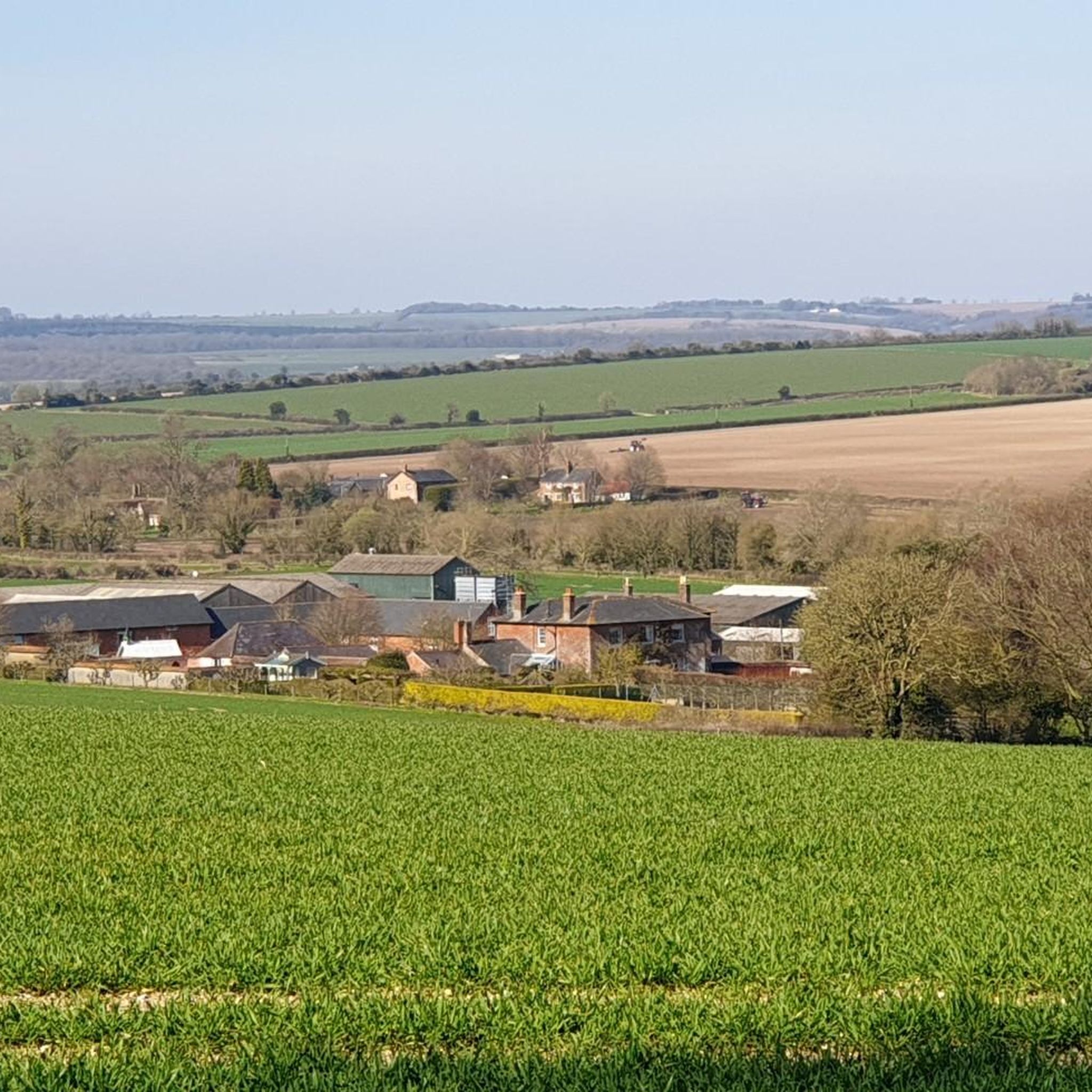
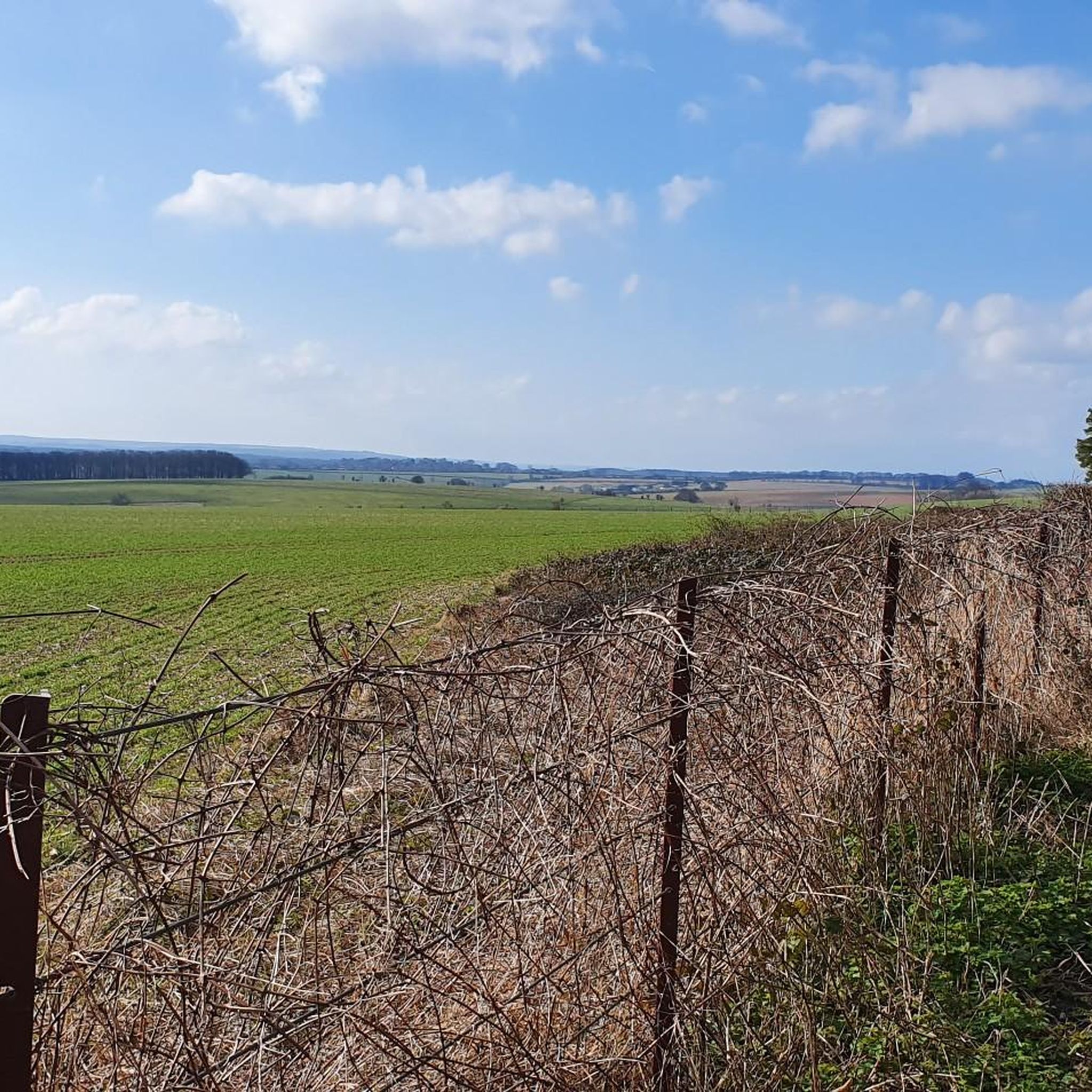
One of the most beautiful places in the south of England 🏴 and amazing views of Wiltshire and Dorset 🤩
0
0
The hill is now a National Nature Reserve (NNR) with common plants including milkwort, salad burnet, horseshoe vetch, squinancywort, pyramidal orchid and wild thyme. Rarer species include bastard toadflax, meadow saxifrage, early gentian and dwarf sedge. Butterflies include dingy skipper, grizzled skipper, chalkhill blue and Adonis blue. In August 2014, Hambledon Hill fort was acquired by the National Trust for £450,000. The money to buy the hill had come from a Natural England grant and a legacy gift left to benefit Dorset countryside. The hillfort is a Scheduled Monument, as is the adjacent Neolithic causewayed camp.
2
0
Hambledon Hill is a prehistoric hill fort in Dorset, England, in the Blackmore Vale five miles northwest of Blandford Forum. The hill itself is a chalk outcrop, on the southwestern corner of Cranborne Chase, separated from the Dorset Downs by the River Stour. It is owned by the National Trust. Hambledon Hill is the first in a series of Iron Age earthworks,] which continues with Hod Hill, Spetisbury Rings, Buzbury Rings, Badbury Rings and Dudsbury Camp. The Iron Age port at Hengistbury Head forms a final Iron Age monument in this small chain of sites. The ramparts are a lot longer than you think, amazing fun getting around them all though.
1
0
Frequently Asked Questions
What are some of the most popular natural monuments around Farnham?
Visitors frequently enjoy Win Green Summit, the highest point in Cranborne Chase, offering panoramic views. Another highly rated site is Hambledon Hill Iron Age hill fort, known for its well-preserved earthworks and extensive vistas over the Blackmore Vale.
Are there family-friendly natural monuments to visit near Farnham?
Yes, several natural monuments are great for families. Hod Hill, an Iron Age hillfort and Roman fort, features deep ramparts that are fun for children to explore. Farnham Park also offers an adventure playground and extensive walking paths suitable for all ages.
Which natural monuments offer historical insights into the region?
The area is rich in historical natural monuments. Hambledon Hill Iron Age hill fort is considered one of Britain's best-preserved Iron Age hill forts. Hod Hill combines an Iron Age hillfort with a Roman fort. Additionally, Bokerley Dyke is a significant prehistoric boundary ditch with a multi-period history, including Roman modifications.
Where can I experience diverse wildlife and nature near Farnham?
For wildlife enthusiasts, RSPB Farnham Heath Nature Reserve is a restored heathland known for rare heathland birds like Nightjar and Dartford Warbler, as well as reptiles. Frensham Ponds, an internationally recognized SSSI, SPA, and SAC, is a haven for various bird species, damselflies, and dragonflies amidst its heathland habitat.
What kind of walking and hiking trails are available near these natural monuments?
You'll find a variety of walking and hiking trails. Alice Holt Forest offers extensive waymarked trails for walking and cycling. Farnham Park provides numerous paths through rolling grasslands and ancient oak trees. For more options, you can explore easy hikes around Farnham, which include routes like the Ashmore Village Pond loop.
Are there cycling routes near the natural monuments around Farnham?
Yes, the region offers several cycling opportunities. Alice Holt Forest has waymarked trails suitable for cycling. For dedicated routes, you can check out road cycling routes around Farnham or general cycling routes around Farnham, which feature options like the Gussage Hill and Knowlton Henge loop.
Which natural monuments are known for their ancient trees or woodlands?
Farnham Park is notable for its ancient oak trees, some dating back to medieval times, providing vital habitats. Alice Holt Forest, a former royal forest, is known for its historical oak woodlands, with ongoing broadleaf regeneration efforts.
What are the best natural monuments for scenic views?
Win Green Summit offers breathtaking panoramic views over Blackmore Vale and Salisbury Plain, stretching to the Isle of Wight on clear days. Hambledon Hill Iron Age hill fort also provides extensive views into Wiltshire and Somerset.
Are there natural monuments with water features or ponds?
Frensham Ponds (Great and Little) are 13th-century man-made ponds that are now significant wildlife havens. Farnham Park also features picturesque ponds and winding streams within its landscape.
What is Bourne Wood and what makes it worth visiting?
Bourne Wood is a coniferous woodland south of Farnham, characterized by sandy soil and hilly terrain. It offers beautiful natural settings for walks and nature observation, with diverse habitats supporting wildlife. It has also been used as a filming location for major productions.
What kind of landscape can I expect at RSPB Farnham Heath Nature Reserve?
RSPB Farnham Heath Nature Reserve is a successfully restored heathland, transformed from a conifer plantation. It features vast expanses of purple heather, particularly vibrant in July and August, and offers scenic views across the Weald.
Are there natural monuments suitable for dog walking?
Many natural monuments in the area are dog-friendly, though specific rules may apply. Farnham Park is popular for dog walking, and the tips for Win Green Summit mention it's nice for dogs, but they should be kept on a lead in certain areas due to animals.
Most popular attractions around Farnham

Get inspired with the komoot mobile app


Explore more
Extend your search for the best caves by checking out these guides of the top ones around Farnham:
