Top 5 Natural Monuments around Rus
Best natural monuments around Rus offer a diverse landscape to explore, characterized by historical rock formations and unique geological features. The region in Jaén province, Spain, presents a blend of natural beauty and ancient human activity. Visitors can discover a variety of sites, from ancient cave dwellings to historically significant fountains. These natural monuments provide insight into the area's geological past and cultural heritage.
Best natural monuments around Rus
- The most popular natural monument is Rock-hewn Oratory of Valdecanales,…
Last updated: July 1, 2026
Rock-hewn Oratory of Valdecanales
Highlight • Cave
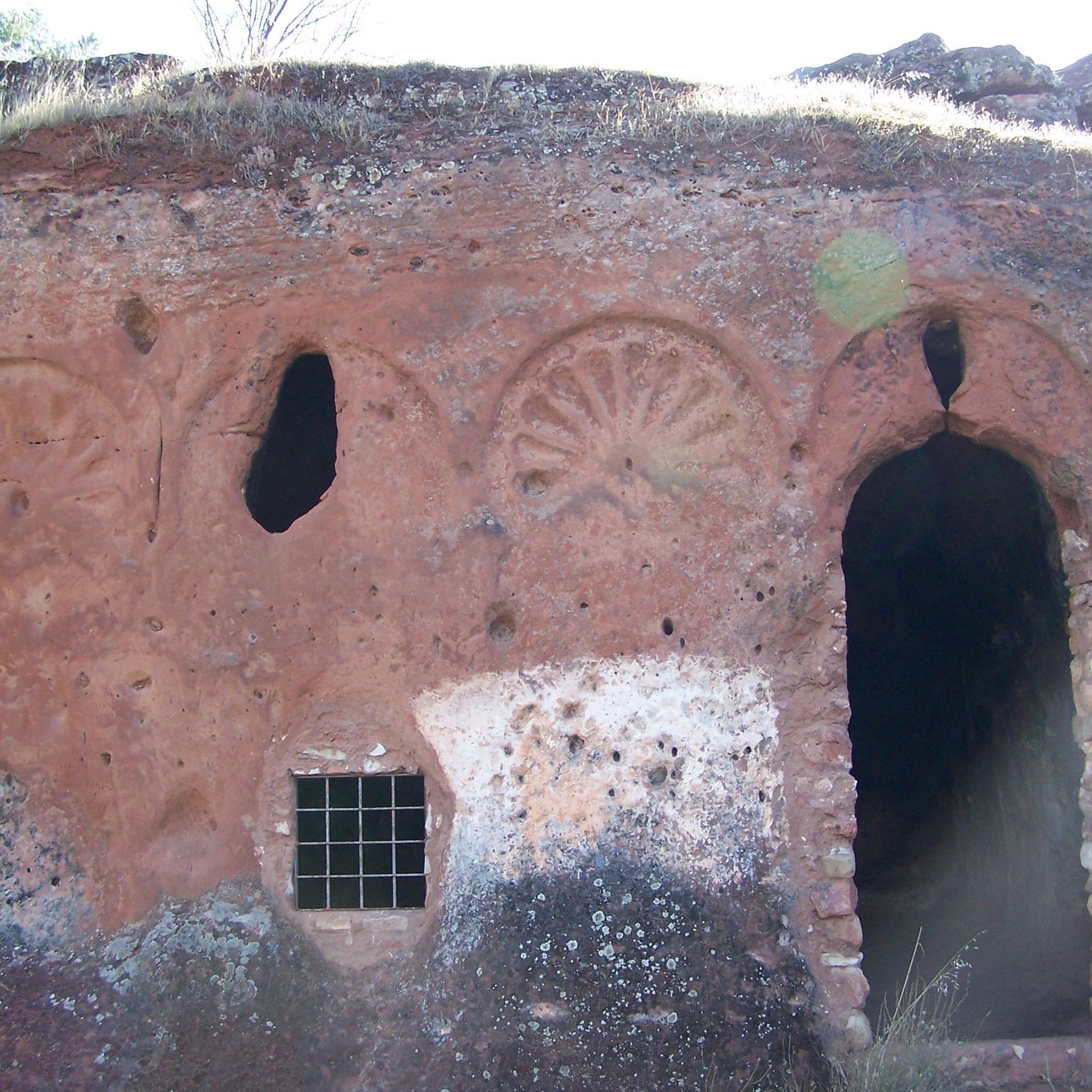
Its construction dates between the sixth and seventh centuries, and it is the only Visigothic hypogeum in southern Spain.
Translated by Google •
Tip by

Giribaile Cave Dwellings
Highlight • Cave
Translated by Google •
Tip by
Sign up now to discover places like this
Get recommendations on the best single tracks, peaks, & plenty of other exciting outdoor places.
Sign up for free
Water trough
Highlight • Structure
Translated by Google •
Tip by

Star Fountain
Highlight • Monument
Translated by Google •
Tip by
Start today with a free account
Your next adventure awaits.
Login or Signup

Tips from the Community

Currently, there is a sign informing that the water emanating from the fountain is "UNPOTABILITY", so it is not authorized for human consumption except for those horses that use it regularly.
20
0
At the entrance to the city of Baeza, a beautiful fountain-trough still stands. It was once used to provide water for animals arriving after farming tasks, quenching their thirst at the trough. It also contains several jets that were used to fill the jugs or pitchers used by residents for domestic chores.
20
0
It is an ancient spring located at the entrance to the city, which served as a watering hole for animals returning or leaving for agricultural tasks. Nowadays it is almost a testimony of the past and although it has the sign of untreated water! It is natural water from a spring and therefore does not contain chlorine, which does not naturally mean that it cannot be drunk.
14
0
In the Plaza de la Constitución or the market, as it is also known, is this fountain formed by a huge obelisk on which you can read the inscription from 1868, the year it was inaugurated.
14
0

Vertical escarpment about 20 meters high in which you can see caves carved in the stone, windows, a sanctuary, a monastery or a hermitage, most likely, rooms where monks or hermits lived in the Visigothic or perhaps Mozarabic times. when the Muslims already dominated these lands but tolerated the existence of Christian communities.
2
0
Hermitage or cave monastery of Visigothic origin located in the municipality of Rus in the province of Jaén. Its construction dates between the sixth and seventh centuries, and it is the only Visigothic hypogeum in southern Spain.
2
0

It is a cave hermitage of Visigothic origin and is made up of three caves carved into the rock. This historical-artistic monument in the middle of the Alcobilla hill is worth a visit.
1
0
Frequently Asked Questions
What kind of natural monuments can I expect to see around Rus?
The natural monuments around Rus primarily feature historical rock formations and unique geological sites, often blending natural beauty with ancient human activity. You'll find ancient cave dwellings, such as the Rock-hewn Oratory of Valdecanales and Giribaile Cave Dwellings, alongside historically significant man-made structures like the Star Fountain and the Water trough.
Are there any historical or cultural sites among the natural monuments in Rus?
Yes, many of the natural monuments in Rus are deeply intertwined with history. The Rock-hewn Oratory of Valdecanales is a Visigothic cave hermitage dating back to the sixth or seventh century. Similarly, the Giribaile Cave Dwellings are carved into a vertical escarpment and were likely used by monks or hermits during Visigothic or Mozarabic times. Even man-made structures like the Star Fountain and the Water trough have significant historical value, reflecting the region's past.
What outdoor activities can I do near the natural monuments around Rus?
The area around Rus offers various outdoor activities, especially cycling. You can explore MTB Trails around Rus, including routes like the 'Giribaile Reservoir and Valdecanales Oratory Loop'. For those who prefer gravel, there are Gravel biking routes, such as the 'Plaza de Toros Viewpoint – Church of the Holy Cross loop from Baeza'. Road cyclists can also find suitable Road Cycling Routes around Rus, like the 'Castillo de Canena y Embalse del Giribaide — circular desde Baeza'.
Are there any family-friendly natural monuments in the Rus area?
Yes, several natural monuments are suitable for families. The Star Fountain in Plaza de la Constitución is a family-friendly landmark. The historic Water trough, once used for animals and domestic chores, is also considered family-friendly and offers a glimpse into the past.
Which natural monuments are wheelchair accessible in Rus?
The Star Fountain, located in the Plaza de la Constitución, is noted as being wheelchair accessible, making it an inclusive spot for visitors.
What is the best time of year to visit the natural monuments around Rus?
Given Rus's location in Jaén province, Spain, the best time to visit natural monuments is typically during the spring (April to June) and autumn (September to October). During these seasons, the weather is generally mild and pleasant, ideal for exploring historical sites and enjoying outdoor activities without the intense heat of summer.
How long should I plan for a visit to the natural monuments in Rus?
The time needed depends on how many sites you wish to explore. You could comfortably visit the main highlights like the Rock-hewn Oratory of Valdecanales, Giribaile Cave Dwellings, and the Star Fountain within a single day. If you plan to combine your visit with cycling routes or more in-depth exploration, consider dedicating a full weekend.
Are there any hiking opportunities near the natural monuments?
While the guide data doesn't specifically list hiking trails directly at each monument, the region's cycling routes often pass through scenic areas that could be suitable for walking or hiking. For example, the 'Giribaile Reservoir and Valdecanales Oratory Loop' for MTB suggests a landscape conducive to exploration. For dedicated hiking, you might explore sections of these routes or seek local information upon arrival.
What makes the Rock-hewn Oratory of Valdecanales unique?
The Rock-hewn Oratory of Valdecanales is unique because it is a cave hermitage of Visigothic origin, dating between the sixth and seventh centuries. It is composed of three caves carved into the rock and holds the distinction of being the only Visigothic hypogeum (underground structure) in southern Spain, making it a significant historical and artistic monument.
What can I see at the Giribaile Cave Dwellings?
At the Giribaile Cave Dwellings, you can observe a vertical escarpment with caves intricately carved into the stone. These carvings include windows, a sanctuary, and rooms that were most likely inhabited by monks or hermits during the Visigothic or Mozarabic periods, offering a fascinating glimpse into ancient monastic life.
What do visitors enjoy most about the natural monuments around Rus?
Visitors particularly appreciate the blend of natural beauty with profound historical significance. The opportunity to explore ancient cave dwellings like the Rock-hewn Oratory of Valdecanales and Giribaile Cave Dwellings, which offer insights into Visigothic and Mozarabic times, is a major draw. The unique geological features combined with rich cultural heritage make for a compelling experience.
Is the water from the historic Water trough safe to drink?
No, the water from the historic Water trough at the entrance to Baeza is not safe for human consumption. There is a sign indicating that the water is 'UNPOTABILITY'. While it is natural spring water, it is not treated and therefore not authorized for drinking, except for animals that may regularly use it.
Most popular attractions around Rus

Get inspired with the komoot mobile app


Explore more
Extend your search for the best caves by checking out these guides of the top ones around Rus:
