Top 9 Natural Monuments around Macharaviaya
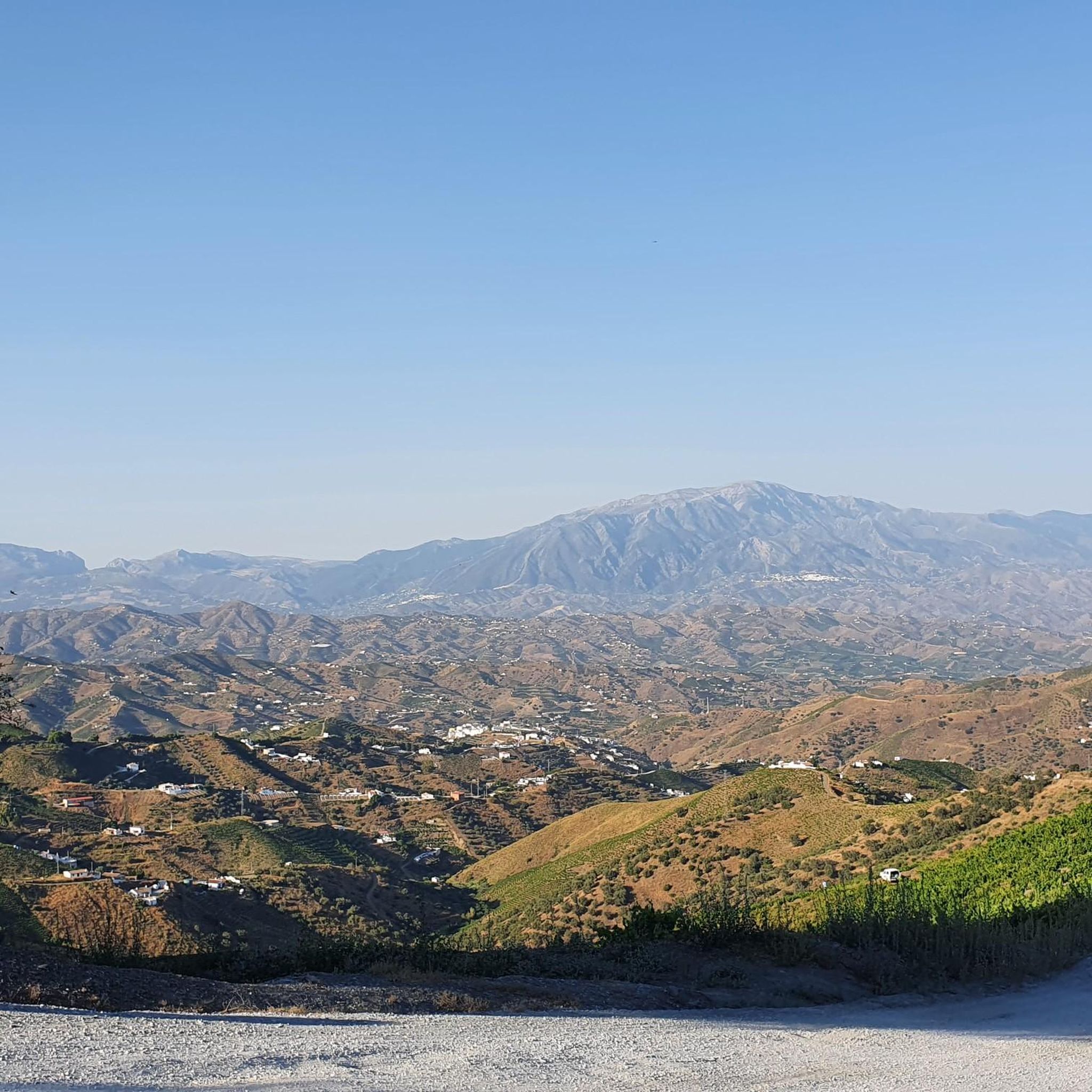
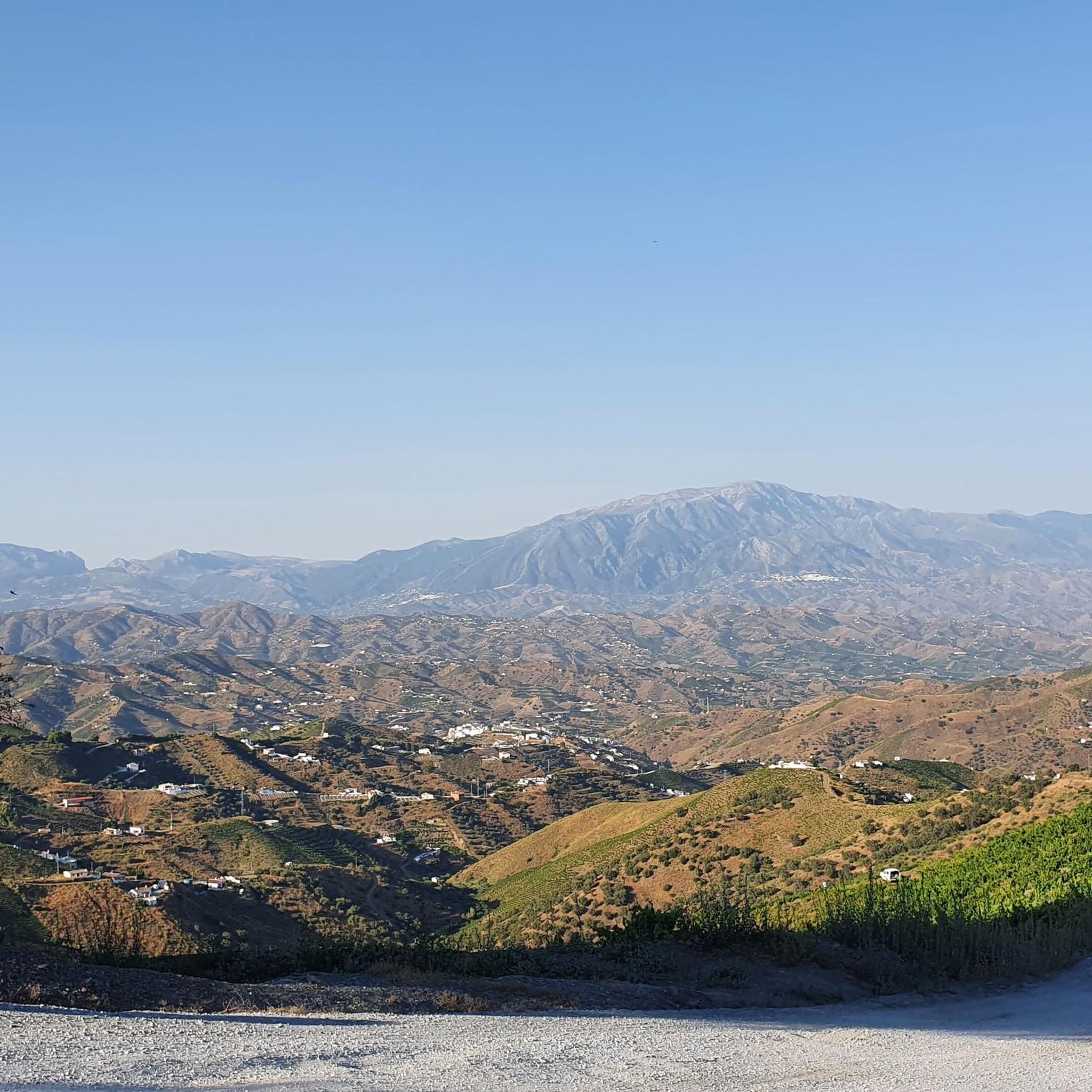
Best natural monuments around Macharaviaya are characterized by a landscape of rolling hills, valleys, and expansive views within the Axarquía region of Málaga. This area offers a serene and scenic experience, combining natural beauty with the village's historical significance and white-washed architecture. While formally designated natural monuments are limited, the region's topography provides numerous natural features worth exploring, including elevated viewpoints and traditional agricultural landscapes. The terrain elevation Macharaviaya trails offer opportunities for outdoor activities.
Best natural monuments around Macharaviaya
…Last updated: July 1, 2026
Cerro Salazar Geodesic Vertex
Highlight • Summit
There is hardly any shade up there and also on …
Tip by

Peñón del Cuervo rock formation
Highlight • Natural Monument
Translated by Google •
Tip by

Sign up now to discover places like this
Get recommendations on the best single tracks, peaks, & plenty of other exciting outdoor places.
Sign up for free
Cueva del Tesoro
Highlight • Cave
Translated by Google •
Tip by
Mouth of the Vélez River
Highlight • River
Translated by Google •
Tip by

Raven Rock
Highlight • Beach
Translated by Google •
Tip by

Sign up for free to discover even more natural monuments around Macharaviaya.
Sign up for free
Already have an account?
Start today with a free account
Your next adventure awaits.
Login or Signup
Tips from the Community

The beach wasn't particularly special, but the rock in the water was.
3
1

A beautiful and very typical beach, with easy access and a nice seaside promenade.
2
0

The mouth of the Río Vélez is an excellent birdwatching area, especially during migration. The river's low water level encourages the formation of an estuary that provides a habitat for numerous bird species. In addition, its strategic location on the southern edge of Europe makes this area an important resting place for migratory birds. Species such as the Little Bittern, Moorhen and Reed Warbler live here. The vegetation, made up of reeds and white poplars, provides ideal conditions for birds.
4
0
The Cueva del Tesoro "Treasure Cave" is one of the most important caves in Spain and the only known sea cave in Europe that can be visited. It is located east of Málaga in Rincón de la Victoria. The cave was formed by the sea, creating impressive underground galleries, tunnels and cave rooms. It impresses with its stalactites, stalagmites and mysterious underground lakes. The name "Treasure Cave" comes from legends about hidden riches of Arab rulers, in particular a fabulous treasure from the time of the Caliphate of Córdoba. The Cueva del Tesoro is a fascinating mix of natural wonder, history and myth. It offers not only spectacular rock formations, but also a mysterious atmosphere surrounded by its legends. Open daily, times vary depending on the season.
3
0
Thanks to its proximity to the city of Málaga and its easy accessibility, Peñón del Cuervo combines a nature experience with the opportunity to enjoy the amenities of a major city. It's a perfect destination for a day trip or a detour from the main route. Peñón del Cuervo is a striking rock formation on the beach of the same name, Playa del Peñón del Cuervo. The beach owes its name to the rock that rises from the sea and impresses with its imposing size. It's a well-known landmark of the region and a popular photo spot. In fact, the best way to reach this beach is by bicycle, as there are wide paths that are part of the Senda Litoral and the Gran Senda de Málaga trails.
17
0

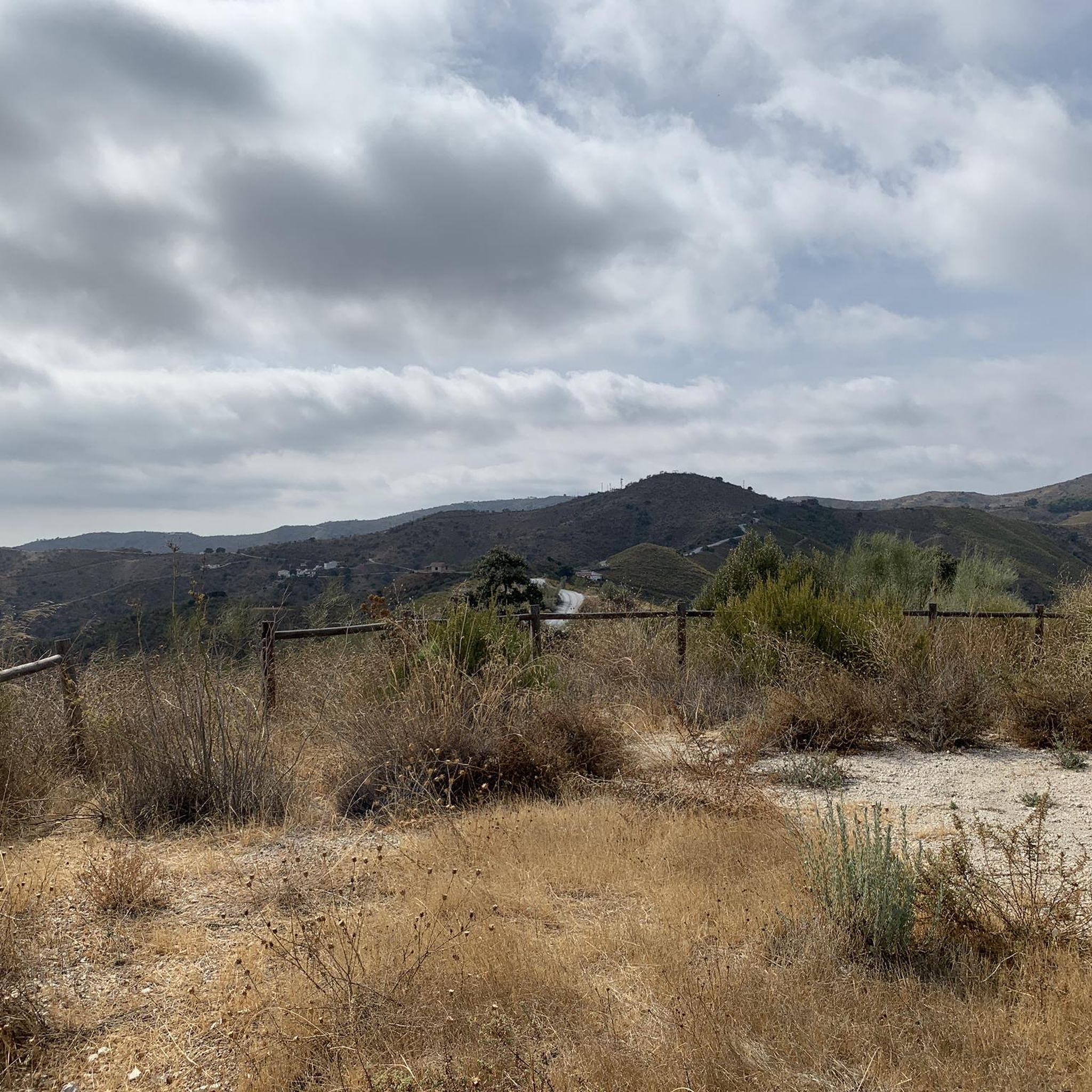
Cultivation area through which the cycle path leads.
2
0
Nice view from here and also exciting that there is a cement factory directly opposite.
4
0

There is a bird observatory. It is recommended not to make excessive noise and not access the interior areas of the River to avoid disturbing the birds that are nesting during the laying season.
4
0
Frequently Asked Questions
What are some unique natural monuments to visit around Macharaviaya?
Macharaviaya offers a variety of natural features. You can explore the fascinating Cueva del Tesoro, one of Europe's only sea caves open to visitors, featuring impressive underground formations and lakes. Another notable spot is Raven Rock, a beach known for its prominent rock formation and as a protected enclave for the endangered Malaga evergreen plant. For panoramic views, the Cerro Salazar Geodesic Vertex offers extensive vistas over the coast and inland villages.
Are there family-friendly natural monuments around Macharaviaya?
Yes, several natural monuments are suitable for families. Raven Rock beach is a great option, offering restaurants, children's attractions, barbecues, and picnic areas. The Cueva del Tesoro is also family-friendly, providing an engaging experience exploring a unique sea cave. Additionally, the Mouth of the Vélez River is ideal for families interested in birdwatching, with an observatory and a cycle path nearby.
What kind of outdoor activities can I do near these natural monuments?
The area around Macharaviaya is excellent for various outdoor activities. You can find numerous hiking trails, ranging from moderate loops like the 'Camino de Macharaviaya – Twisted Dead Tree Trunk loop' to longer routes. There are also cycling routes, including easy coastal paths and more challenging rides. For runners, several running trails offer scenic views, such as the 'Rincón de la Victoria Beach – Benagalbón Watchtower loop'.
What is the best time to visit the natural monuments in Macharaviaya?
For places like the Cerro Salazar Geodesic Vertex, which offers little shade, the best time to visit is during fall, winter, and spring. These seasons provide more comfortable temperatures for hiking and enjoying the panoramic views. Coastal areas and caves like Cueva del Tesoro can be visited year-round, though summer might be very warm for extensive outdoor activities.
Are there any natural monuments suitable for birdwatching?
Yes, the Mouth of the Vélez River is an excellent spot for birdwatching, especially during migration periods. Its low water level creates an estuary that provides a habitat for numerous bird species, including the Little Bittern, Moorhen, and Reed Warbler. There's a bird observatory, and visitors are encouraged to be quiet to avoid disturbing nesting birds.
What kind of terrain can I expect on trails around Macharaviaya's natural features?
The terrain around Macharaviaya is characterized by rolling hills, valleys, and rugged landscapes. Trails leading to elevated viewpoints like the Cerro Salazar Geodesic Vertex can feature rocky passages, so proper footwear is recommended. The hills of Vallejo and Moreno, once vineyards, are now primarily pastures and olive groves, offering gentler paths for leisurely walks. Coastal areas like Raven Rock feature beach terrain.
Are there any historical or cultural sites integrated with the natural monuments?
The Cueva del Tesoro is a fascinating blend of natural wonder and history. It's not only a unique sea cave but also steeped in legends of hidden riches from Arab rulers, particularly from the Caliphate of Córdoba. This makes it a site of both geological and historical interest.
What should I wear when visiting natural monuments in Macharaviaya?
Given the varied terrain and potential for sun exposure, it's advisable to wear comfortable, sturdy footwear, especially if you plan to hike rocky paths to viewpoints like the Cerro Salazar Geodesic Vertex. Sun protection, such as a hat and sunscreen, is also recommended, as many areas, particularly at higher elevations, offer little shade. Layered clothing is often best to adapt to changing temperatures.
Can I bring my dog to the natural monuments around Macharaviaya?
While specific regulations for each site may vary, many outdoor areas in the region are generally dog-friendly. For beaches like Raven Rock, it's best to check local signage for any restrictions, especially during peak seasons. When hiking, always keep your dog on a leash and ensure you clean up after them to preserve the natural environment.
Are there any hidden natural gems or less-known spots worth exploring?
Beyond the more popular sites, the general natural surroundings of Macharaviaya offer many serene spots. The rolling hills of Vallejo and Moreno, for instance, provide tranquil backdrops for leisurely walks through olive groves and pastures, offering a glimpse into the agricultural heritage and scenic beauty away from crowds. Exploring the numerous small streams and Mediterranean bush areas can also reveal quiet, picturesque corners.
What do visitors enjoy most about the natural monuments in Macharaviaya?
Visitors particularly appreciate the spectacular views from elevated points like the Cerro Salazar Geodesic Vertex, which offers extensive vistas over the coast and inland. The unique experience of exploring the Cueva del Tesoro, with its mysterious underground formations and historical legends, is also highly rated. The accessibility and amenities at beaches like Raven Rock make them popular for a relaxing day out.
Are there any natural monuments accessible by public transport?
Macharaviaya itself is a village, and while local buses connect it to larger towns, direct public transport to specific natural monuments can be limited. However, coastal natural monuments like Raven Rock and Cueva del Tesoro are located closer to more developed areas like Rincón de la Victoria and Málaga, which have better public transport links. From these points, you might need to walk or take a short taxi ride to reach the exact locations.
Can I find cafes or pubs near the natural monuments?
While the immediate vicinity of some natural features might be undeveloped, areas like Raven Rock beach are well-equipped with restaurants and amenities. For other inland natural monuments, you would typically find cafes and pubs in the nearby villages, such as Macharaviaya itself or other towns in the Axarquía region, which are usually a short drive away.
Most popular routes around Macharaviaya
Most popular attractions around Macharaviaya

Get inspired with the komoot mobile app


Explore more
Extend your search for the best caves by checking out these guides of the top ones around Macharaviaya:
