Top 11 Natural Monuments around Crespià
Best natural monuments around Crespià are found in the Pla de l'Estany region of Catalonia, an area characterized by diverse natural spaces. The landscape features a blend of natural beauty, geological interest, and opportunities for outdoor activities. Crespià is situated near the Fluvià river, contributing to the region's varied topography. The area offers a range of natural attractions, including lakes, springs, and unique rock formations.
Best natural monuments around Crespià
- The most popular natural monument is Lake Banyoles, a…
Last updated: July 1, 2026
Lake Banyoles
Highlight • Lake
Translated by Google •
Tip by

Rector's Spring
Highlight • Natural Monument
Translated by Google •
Tip by

Sign up now to discover places like this
Get recommendations on the best single tracks, peaks, & plenty of other exciting outdoor places.
Sign up for free
Travertine Formations at Les Estunes
Highlight • Natural Monument
Translated by Google •
Tip by

Rocapastora Cliff
Highlight • Climb
Translated by Google •
Tip by

Lake Banyoles
Highlight • Lake
Tip by

Sign up for free to discover even more natural monuments around Crespià.
Sign up for free
Already have an account?
Start today with a free account
Your next adventure awaits.
Login or Signup
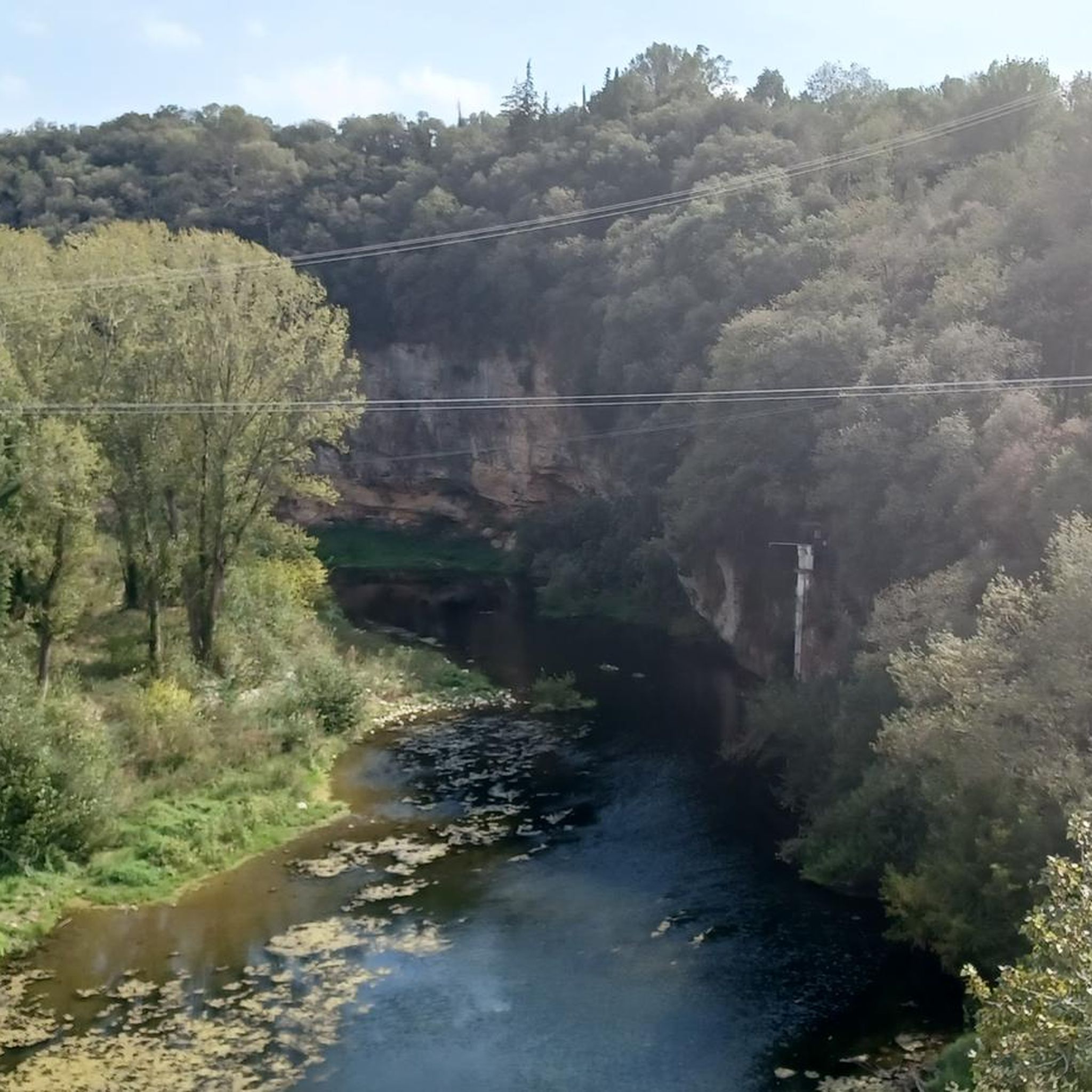
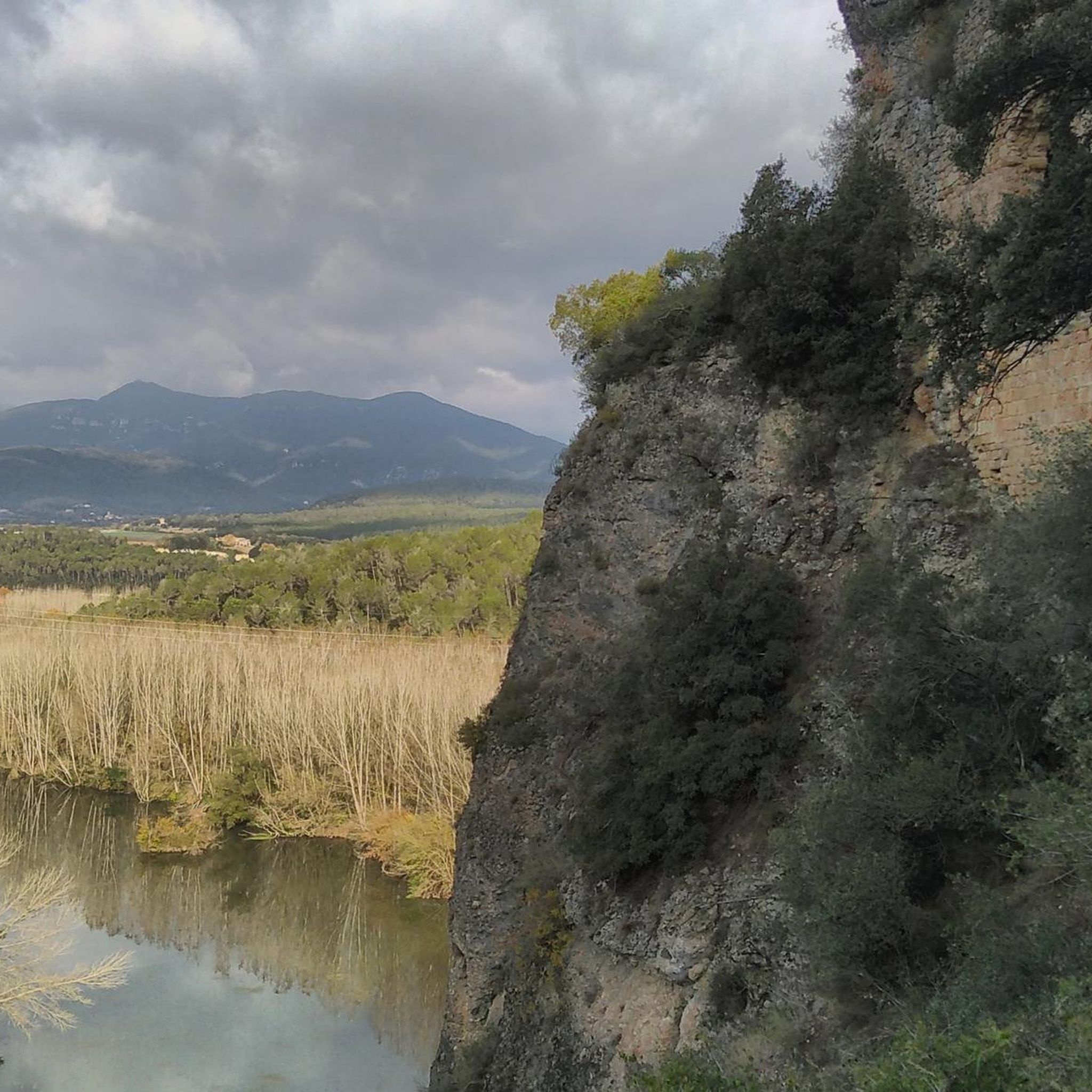
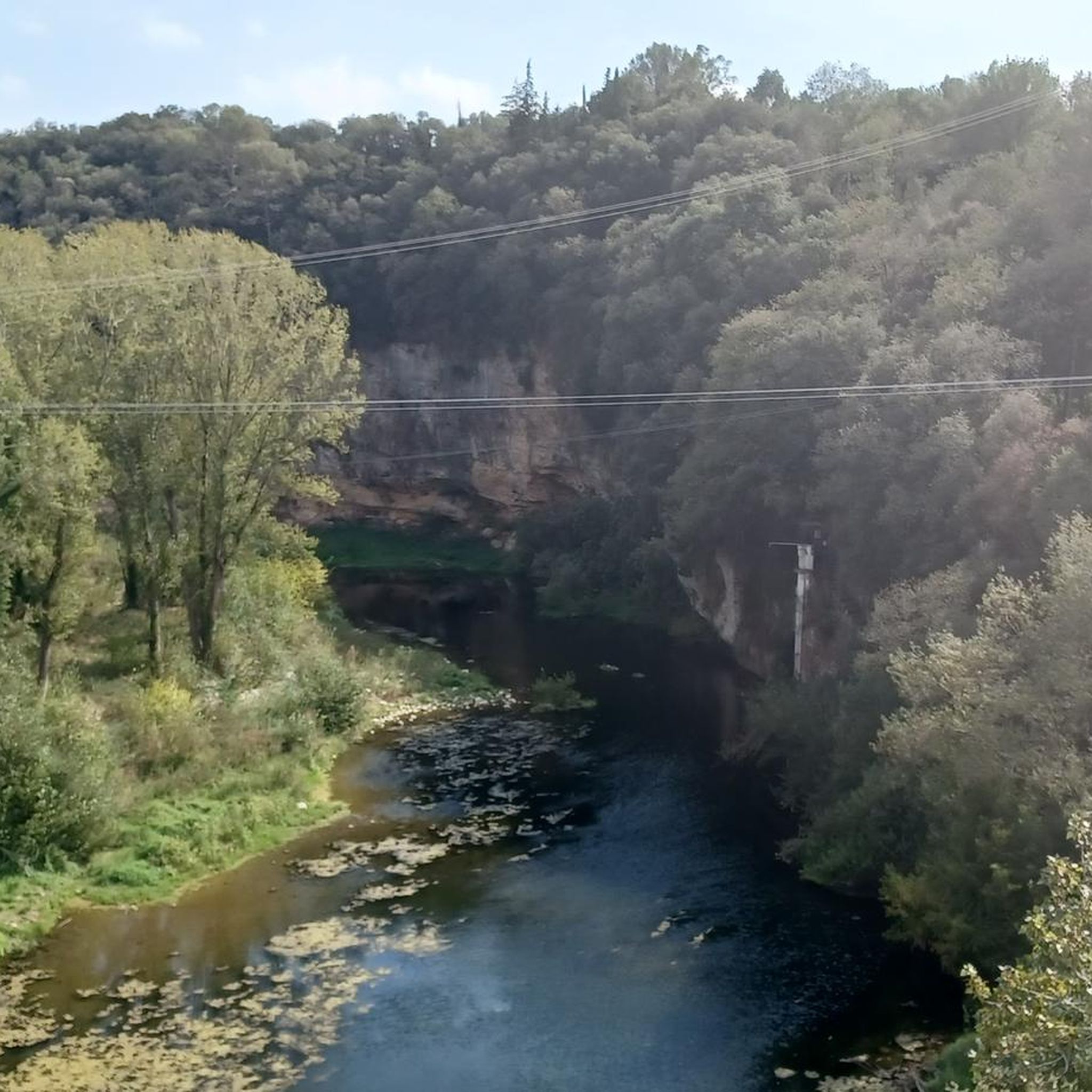

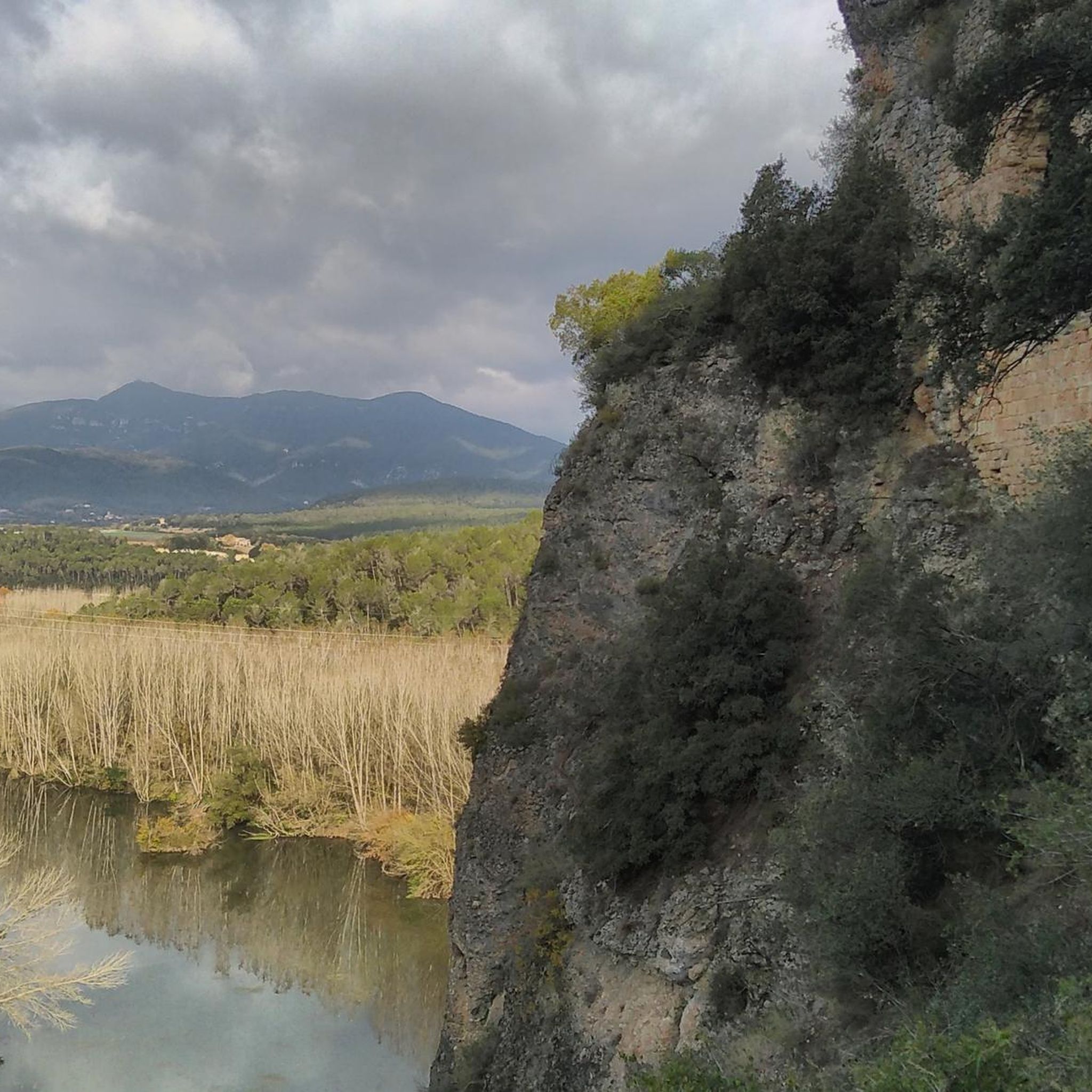
Tips from the Community

Lake of Banyoles is located in northeastern Catalonia, Spain and is the region's largest natural lake, covering approximately 1.575 square kilometers. Formed over 250,000 years ago due to tectonic activity, it is fed by subterranean channels with natural in/outflow. Surrounded by green hills the lake is a popular destination for rowing. The lake hosted the rowing competitions during the 1992 Barcelona Olympics. Its clear waters and scenic surroundings make it a favored spot for swimming, boating, and hiking.
0
1


Lots of cafes to choose from but I recommend Aquarium!
3
0

Best place to be. Wonderful mute in teh hole village
1
1

Lake Banyoles is the largest non-coastal pond, and whose water springs naturally, in Catalonia. The lake is a classic cycling destination in Girona, since one of the province's greenways reaches the town of Banyoles, and it also has a bike lane that allows you to go around the lake.
5
0

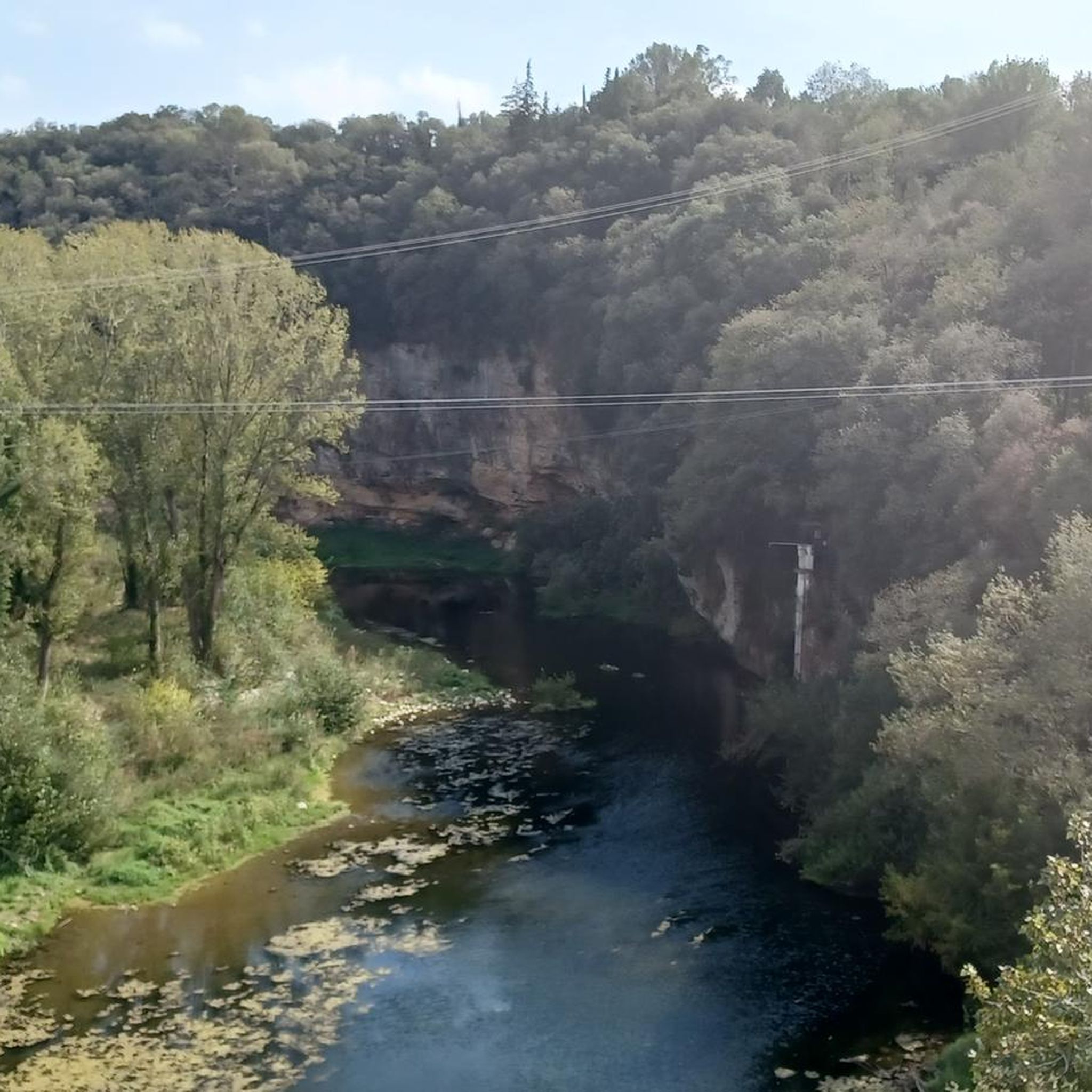
Around the Font is one of the few protected plants in the natural area of the Lake. It is a small fern (Thelypteris palustris) that grows next to the pond in this area. To avoid damaging the fern, the space has been adapted so that people do not step on or access the edges of the Pond around the Fountain. It is recommended not to leave the marked areas. Iberian remains have also been found that would indicate human presence in this area between the 5th and 2nd centuries BC
0
1
We must warn you that during the summer or when the corn fields are irrigated, the surface aquifer dries up and the source dries up, so we will not always be able to enjoy the freshness of this water. As it is not chlorinated, it is considered unsuitable for human consumption. The Source is located in the Coromina area until a few years ago used as a recreation and picnic area. Currently, a leafy riparian forest has been recovered and the Fountain has been included in a beautiful setting.
0
1
Frequently Asked Questions
What are some notable natural monuments to explore around Crespià?
Beyond the well-known Lake Banyoles, you can discover the unique Rocapastora Cliff, which offers a challenging route with equipped sections and views of the surrounding landscape. Another interesting spot is the Camp de Baix Spring, a simple fountain nestled in a humid forest environment near Lake Banyoles.
Are there family-friendly natural monuments near Crespià?
Yes, Lake Banyoles is an excellent choice for families, offering a dedicated bike lane around the lake and opportunities for various outdoor activities. The Rector's Spring is also considered family-friendly, located in a recovered riparian forest area with a pedestrian path.
What kind of geological features can I find around Crespià?
The region is rich in geological interest. You can explore the unique Travertine Formations at Les Estunes, characterized by cracks and crevices in a tranquil forest setting. Rocapastora Cliff is another prominent geological feature, offering challenging terrain and impressive rock formations. Additionally, Lake Banyoles itself is part of the largest karstic complex in Spain.
What outdoor activities can I do near these natural monuments?
The area around Crespià is ideal for various outdoor activities. You can enjoy cycling around Lake Banyoles, with dedicated bike lanes. There are also numerous running trails, such as the 'Saint Michael of the Rock – Fluvià River Dam loop from Serinyà', and gravel biking routes. For more detailed routes, explore the Running Trails around Crespià, Cycling around Crespià, and Gravel biking around Crespià guides.
What is the best time to visit the natural springs around Crespià?
The water flow at springs like the Camp de Baix Spring and Rector's Spring can vary seasonally. During summer or periods of irrigation, the surface aquifer may dry up, affecting the flow. Visiting outside of the driest months will generally offer a better experience of these natural water features.
Are there any historical or cultural sites integrated with the natural landscape?
Yes, the region offers a blend of natural geology and ancient architecture. For instance, Sant Miquel de la Roca is a unique 'troglodyte' sanctuary nestled into a rock cavity overlooking the Fluvià river, partly built directly into the natural rock formation. The route to Rocapastora Cliff also leads to historical sites like the Roman tower of Falgars.
What do visitors enjoy most about the natural monuments in this area?
Visitors frequently appreciate the diverse natural beauty, from the expansive waters of Lake Banyoles to the unique geological formations like the Travertine Formations at Les Estunes. The tranquility of the forests, the opportunities for cycling and hiking, and the blend of natural and historical elements are often highlighted as key attractions.
How challenging are the trails to some of these natural monuments?
Some natural monuments, like the Rocapastora Cliff, feature equipped sections and can be challenging, especially if the rock is wet or muddy. However, many areas, such as the paths around Lake Banyoles and the Rector's Spring, offer easier, family-friendly routes.
Can I find protected flora and fauna near the natural monuments?
Yes, the region is known for its ecological value. Near the Rector's Spring, for example, you can find protected plants like the small fern Thelypteris palustris. The broader area, including natural parks like the Garrotxa Volcanic Area, offers opportunities for observing local flora and fauna in diverse ecosystems.
Are there any hidden natural gems around Crespià that are less known?
While not entirely hidden, the Travertine Formations at Les Estunes offer a particularly unique and tranquil experience, often associated with local legends of 'goges' or water women. Its quiet atmosphere and distinct geological features make it a special place for those seeking a more serene natural encounter.
What are the main natural areas or parks in the broader region of Crespià?
Crespià is located within a region characterized by diverse and protected natural spaces. Beyond individual monuments, you can explore various natural parks such as the Garrotxa Volcanic Area Natural Park, the Montgrí, Medes Islands and Baix Ter Natural Park, and the Cap de Creus Natural Park. These areas collectively offer breathtaking scenery and opportunities for nature observation.
Most popular routes around Crespià
Most popular attractions around Crespià

Get inspired with the komoot mobile app


Explore more
Extend your search for the best caves by checking out these guides of the top ones around Crespià:
