Top 13 Natural Monuments around Polentinos
Best natural monuments around Polentinos are situated within the Montaña Palentina Natural Park in Palencia, Spain. This area is characterized by a diverse natural landscape, including high peaks, extensive forests, and unique geological formations. The region provides various natural features around Polentinos Palencia for outdoor activities and observation. It is a destination for those interested in the natural heritage of the Palencia province.
Best natural monuments around Polentinos
- The most popular natural monuments is Tejeda de Tosande Yew Forest Trail…
Last updated: July 1, 2026
Curavacas (2524m)
Highlight • Summit
Translated by Google •
Tip by

Tejeda de Tosande Yew Forest Trail
Highlight (Segment) • Forest
Translated by Google •
Tip by

Sign up now to discover places like this
Get recommendations on the best single tracks, peaks, & plenty of other exciting outdoor places.
Sign up for free
Roblón de Estalaya
Highlight • Natural Monument
Translated by Google •
Tip by
Fossil Forest Cliff
Highlight • Natural Monument
Translated by Google •
Tip by
Pineda Valley
Highlight (Segment) • Gorge
This valley is a Place of Geological Interest (LIG) recognized by the Geological and Mining Institute of Spain.
Translated by Google •
Tip by

Sign up for free to discover even more natural monuments around Polentinos.
Sign up for free
Already have an account?
Start today with a free account
Your next adventure awaits.
Login or Signup
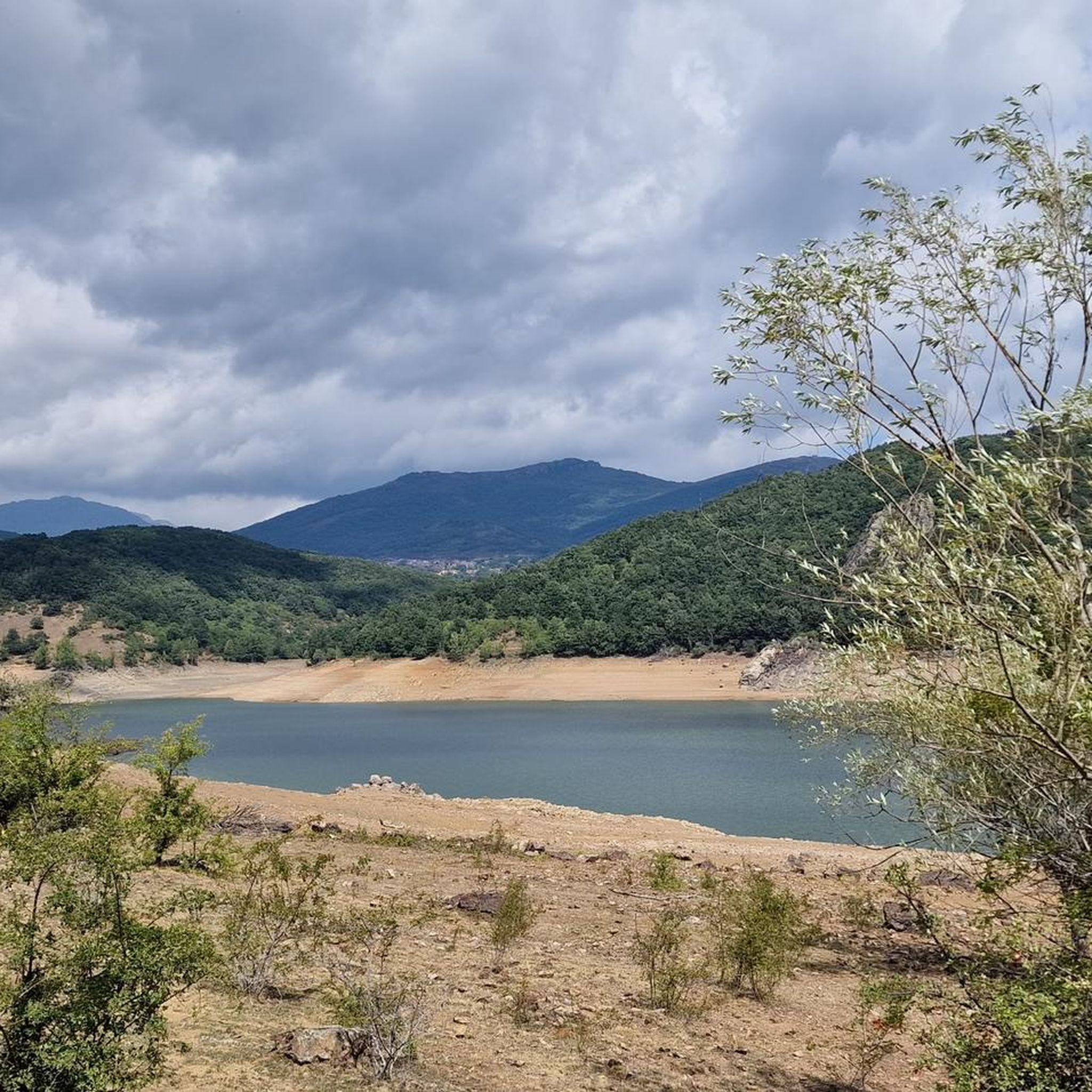
Tips from the Community

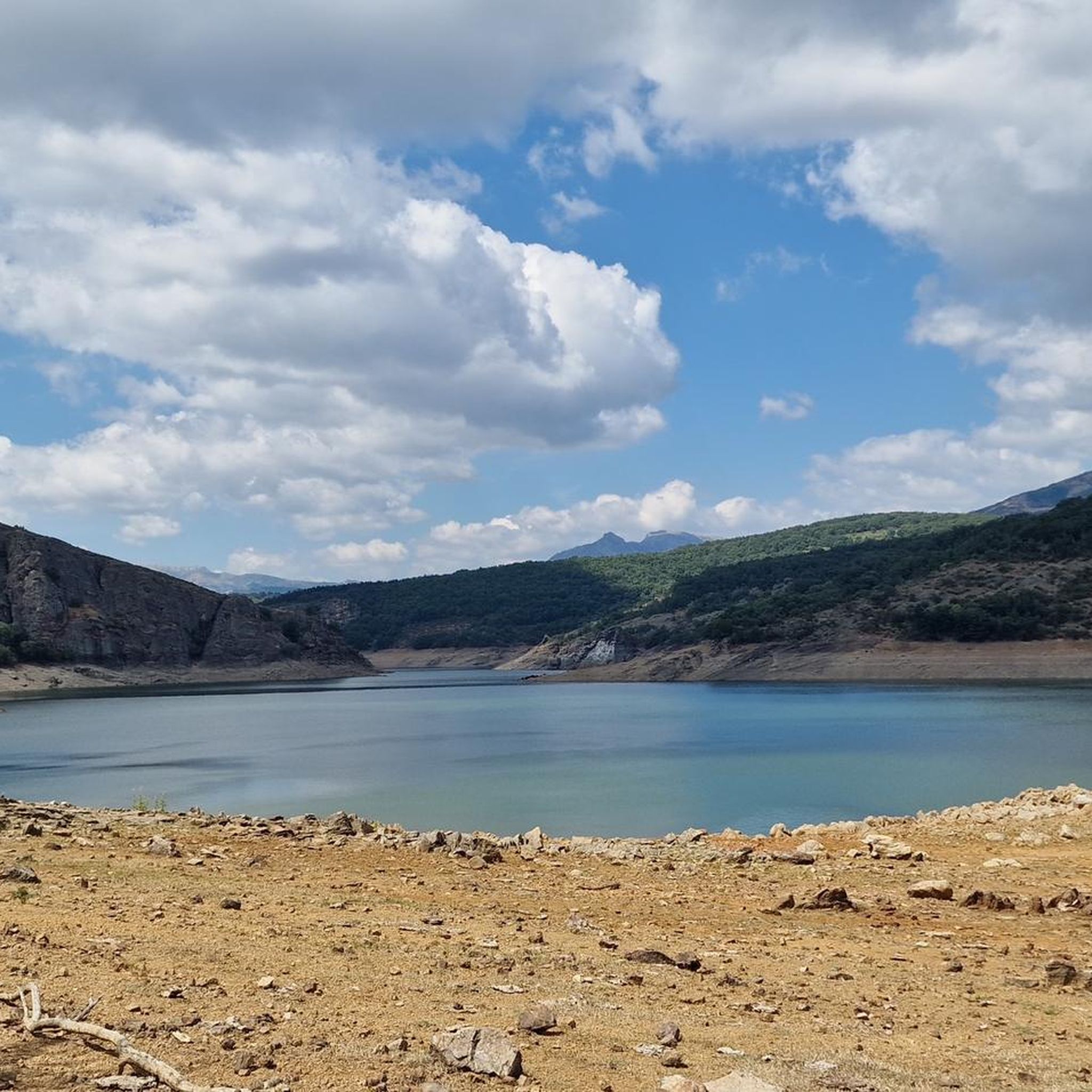
El Valle de Pineda is one of the best-preserved U-shaped glacial valleys in Europe, located in the heart of Montaña Palentina. Within its 7,000 hectares, it hosts the headwaters of the Carrión River and large peaks such as Peña Prieta (2,539 m) and Curavacas (2,524 m)
0
0

Impressive oak tree over 600 years old, easy walk, well signposted and very pleasant.
0
0


Climbing Curavacas is an exciting experience for mountain lovers. There are several routes available, such as Callejo Grande and Senda del Notario, which offer different levels of difficulty. In addition, in the area you can find glacial lagoons, such as Pozo Curavacas and Pozos del Ves, which add a special touch to the landscape.
5
0

The hike leads into a valley with around 700 yew trees, some of which are very old. This yew species is autochthonous, so it only occurs in the region (sorry, I'm not a biologist and I'll just keep telling you). In any case, the gnarled trees impressed me so much that I can highly recommend the small tour.
1
0

This is a beautiful little wooded trail that takes you past a rock face with fossilized trees. Fossils are millions of years old.
0
0

Second highest summit of the Cantabrian mountain range and the highest in the province of Palencia. It offers impressive views of the famous Curavacas Well, the Curruquilla peak and many other emblems of the province.
1
1
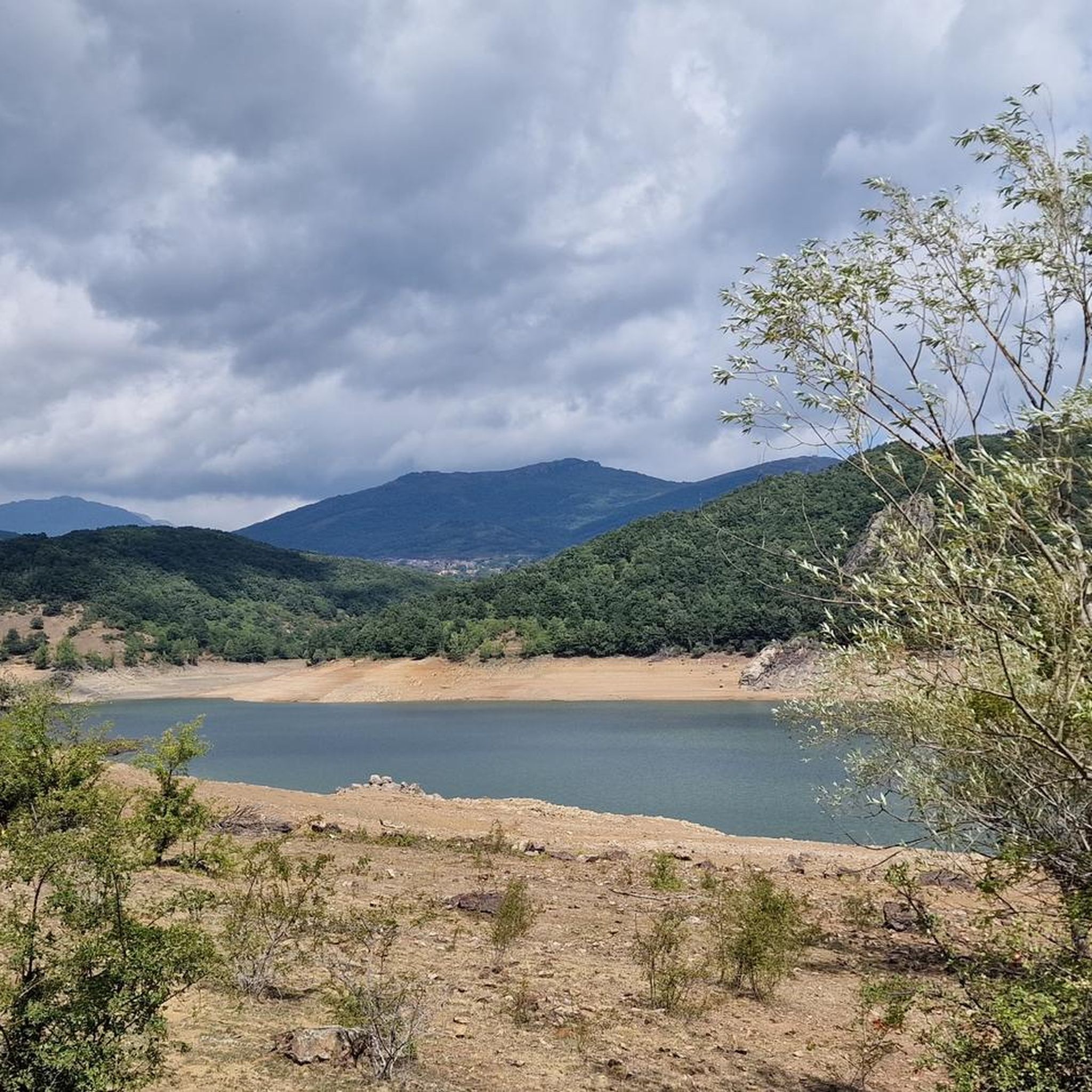
Path that runs through one of the most important yew forests on the Iberian Peninsula. Among others, it also passes through forests of holm oaks, oak groves and precious beech groves.
2
0
Frequently Asked Questions
What unique natural features can I explore around Polentinos?
The area around Polentinos, situated within the Montaña Palentina Natural Park, offers a diverse range of natural features. You can explore ancient yew groves like the Tejeda de Tosande Yew Forest Trail, impressive peaks such as Curavacas (2524m) and Pico Espigüete, and unique geological sites like the Fossil Forest Cliff. The region also features ancient trees like Roblón de Estalaya, and natural spectacles like the Covalagua Waterfall.
Are there family-friendly natural monuments to visit near Polentinos?
Yes, several natural monuments around Polentinos are suitable for families. The Roblón de Estalaya, an emblematic ancient oak, is considered family-friendly. Additionally, the Fossil Forest Cliff offers a beautiful, wooded trail that is also family-friendly, allowing you to see impressions of ancient tree trunks.
What kind of hiking trails can I find near the natural monuments in Polentinos?
You'll find a variety of hiking trails near Polentinos' natural monuments, ranging in difficulty. For instance, the Tejeda de Tosande Yew Forest Trail is an intermediate path through ancient forests. For more challenging hikes, routes to summits like Curavacas (2524m) are available. There are also easier options like the 'Path "El Roblón de Estalaya"' and the 'Senda del Bosque Fósil' which are circular routes through the Montaña Palentina Natural Park. You can find more details on these and other hiking routes in the Hiking around Polentinos guide.
What do visitors enjoy most about the natural monuments in Polentinos?
Visitors particularly enjoy the ancient and unique natural elements. The Tejeda de Tosande Yew Forest Trail is highly praised for its ancient yew trees, some over 1,000 years old, and the serene atmosphere of the forest. The challenging ascent and panoramic views from Curavacas (2524m) are also a major draw for mountaineers. The Fossil Forest Cliff is appreciated for its unique geological formations and the impression of tree trunks from millions of years ago.
Are there opportunities for road cycling near the natural monuments?
Yes, the region around Polentinos offers several road cycling routes. You can explore scenic loops like the 'Palencian Romanesque: Aguilar Reservoir Loop' or the 'Cervera de Pisuerga – Ruesga Reservoir loop'. These routes vary in distance and difficulty, providing options for different cycling preferences. For more information and detailed routes, check out the Road Cycling Routes around Polentinos guide.
What is the best time of year to visit the natural monuments around Polentinos?
The Montaña Palentina Natural Park, where Polentinos is located, is generally best visited during spring, summer, and early autumn for hiking and outdoor activities. During these seasons, the weather is typically more favorable, and trails are more accessible. Winter can offer beautiful snowy landscapes but may require specialized gear and experience for higher elevations like Pico Curavacas due to snow and ice.
Can I find viewpoints offering panoramic vistas of the Montaña Palentina landscape?
Absolutely. The Montaña Palentina Natural Park is known for its spectacular viewpoints. Summits like Curavacas (2524m) and Los Navales Summit offer breathtaking panoramic views. Additionally, specific miradores (viewpoints) such as Mirador De Piedrasluengas and Mirador Alto de La Varga provide excellent opportunities to appreciate the grandeur of the mountains and valleys.
Are there any running trails available near the natural monuments?
Yes, there are several running trails in the vicinity of Polentinos' natural monuments. Options include the 'Senda del Oso' which is a difficult trailrunning route through the Natural Park, and the 'Curavacas Normal Route via Callejo Grande' for experienced runners. For moderate options, you can try the 'Senda "El Roblón de Estalaya"' or the 'Fossil Forest Trail'. More details can be found in the Running Trails around Polentinos guide.
What kind of wildlife can I expect to see in the Montaña Palentina Natural Park?
The Montaña Palentina Natural Park is a haven for wildlife. Its diverse ecosystems, including forests, alpine meadows, and high peaks, support a variety of species. While specific sightings are never guaranteed, the park is known for its rich fauna, offering opportunities for observing various birds, mammals, and other creatures in their natural habitat.
Is public transport available to reach the natural monuments around Polentinos?
While Polentinos is located within a natural park, public transport options directly to all natural monuments can be limited. It's advisable to research specific bus routes to Polentinos or nearby towns in Palencia. For greater flexibility in exploring the various sites, especially those deeper within the Montaña Palentina Natural Park, traveling by private vehicle is often recommended.
Are there any ancient trees or forests worth visiting?
Definitely. The region is home to some remarkable ancient trees and forests. The Tejeda de Tosande Yew Forest Trail leads through one of Europe's oldest yew groves, with some specimens over 1,000 years old. You can also visit Roblón de Estalaya, an emblematic ancient oak tree recognized for its extraordinary characteristics and age.
What is the highest point I can reach among the natural monuments?
The highest point you can reach among the natural monuments in this area is Curavacas (2524m). This summit is considered the highest elevation of the Palencia Mountain and offers challenging routes for mountaineers, rewarding them with extensive panoramic views.
Most popular attractions around Polentinos

Get inspired with the komoot mobile app


Explore more
Extend your search for the best caves by checking out these guides of the top ones around Polentinos:
